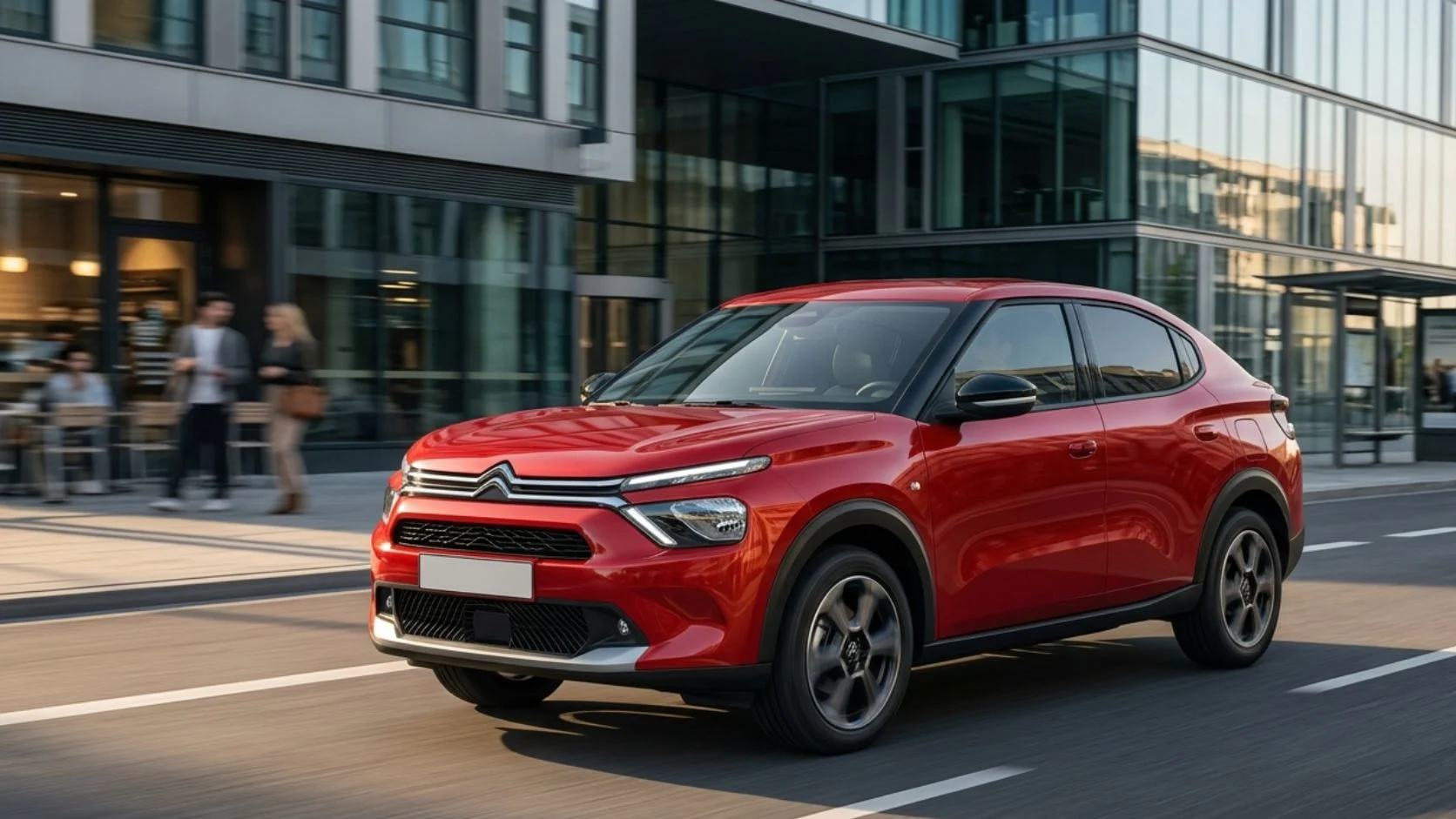
The 2026 Citroën Basalt is a coupe-style compact SUV sold in India, combining a sloping roofline with the raised stance and cabin space expected from a family-oriented vehicle. It competes in a price-sensitive segment where buyers often compare engine performance, fuel economy, rear-seat comfort, safety equipment and ownership costs before making a decision.
The Basalt stands out primarily for its distinctive exterior design. Instead of following the conventional upright shape of many compact SUVs, it features a roofline that slopes toward the rear, giving it a more coupe-like appearance. Its appeal also depends on practical considerations, including its five-seat cabin, turbo-petrol engine option and available automatic transmission.
For buyers considering the 2026 model, the key question is whether the Basalt offers the right balance of styling, comfort, features and everyday usability for the price. Specifications, equipment and prices can vary by variant and model-year update, so it is important to distinguish established vehicle details from changes that may not have been officially confirmed.
This article focuses on the Indian-market Citroën Basalt. It does not assume that the same specifications or pricing apply in other countries.
2026 Citroën Basalt: Key Specifications
| Specification | Details |
|---|---|
| Market | India |
| Body style | Coupe-style compact SUV |
| Seating capacity | 5 passengers |
| Petrol engine options | 1.2-liter naturally aspirated and 1.2-liter turbo-petrol |
| Transmission | Manual and automatic, depending on variant |
| Drive type | Front-wheel drive |
| Fuel type | Petrol |
| Primary strengths | Distinctive styling, cabin space and turbo-petrol performance |
| Model-year updates | Confirm the latest changes with Citroën India |
The Basalt is a conventional petrol-powered vehicle, not a hybrid or electric SUV. Its naturally aspirated engine is aimed at buyers who want a simpler petrol powertrain, while the turbocharged option provides stronger performance for drivers who regularly travel on highways or carry passengers.
The table summarizes the established model configuration. Exact output figures, equipment and pricing should be checked against the current specification sheet for the particular variant being considered.
2026 Citroën Basalt Price in India
The Basalt’s price depends on the engine, transmission, trim level and edition. Its 2026 lineup has also expanded beyond the original petrol configurations, making it important to check which version a dealer is offering.
Citroën introduced the Basalt X Comfort Edition in July 2026, with an announced starting price of ₹8.75 lakh ex-showroom. In September 2026, the company announced additional BasaltX variants, including the YOU Turbo at ₹9.99 lakh and MAX naturally aspirated version at ₹11.34 lakh as introductory ex-showroom prices.
These prices apply to the specifically announced editions, not necessarily every Basalt variant currently on sale. Introductory offers, subsequent price revisions and local charges can change the amount a buyer pays.
Which Basalt variant should you choose?
- Budget-focused buyers: Compare the entry-level naturally aspirated petrol versions and their standard equipment.
- Highway drivers: Consider a turbo-petrol variant if stronger acceleration is a priority.
- Automatic-transmission buyers: Check the turbo-petrol automatic’s price and equipment against the manual version.
- Buyers interested in CNG: Check the availability of the newer naturally aspirated CNG configurations and confirm their exact specifications.
- Comfort-focused buyers: Compare the BasaltX editions and available comfort packages before paying extra for accessories.
Remember that ex-showroom pricing does not include all registration, insurance and other applicable on-road costs.
2026 Citroën Basalt Mileage and Fuel Economy
The Basalt’s fuel economy depends on the engine and transmission. The naturally aspirated petrol engine is intended for everyday driving, while the turbo-petrol version offers more performance. The newer CNG configurations may interest buyers who prioritize fuel costs, although their suitability depends on local CNG availability and the exact vehicle specification.
Published specifications for the petrol lineup place claimed fuel efficiency broadly around 18–19.5 km/l, depending on the version and source. These figures should not be interpreted as a guaranteed real-world result for every variant.

Actual mileage can vary with traffic, driving style, air-conditioning use, road conditions and passenger load. City fuel consumption can differ substantially from highway consumption.
Petrol or CNG: Which makes more sense?
| Factor | Petrol | CNG |
|---|---|---|
| Fuel availability | Widely available | Depends on the local CNG network |
| Refueling convenience | Generally straightforward | Requires access to CNG stations |
| Performance | Depends on engine choice | Depends on the specific CNG configuration |
| Running costs | Depend on petrol prices and efficiency | Depend on local CNG prices and efficiency |
| Best consideration | Convenience and powertrain choice | Potential fuel-cost savings for regular driving |
Do not apply petrol mileage figures to the CNG version. Before buying a CNG Basalt, obtain its official fuel-efficiency figure, tank capacity, warranty details and boot-space information from the manufacturer.
Citroën Basalt Engine and Performance
The Basalt’s engine lineup gives buyers a choice between a naturally aspirated petrol engine and a turbocharged petrol engine. The 2026 range expansion also includes naturally aspirated CNG configurations.
1.2-liter naturally aspirated petrol engine
The naturally aspirated 1.2-liter petrol engine produces approximately 82 PS. It is designed for buyers who prefer a straightforward petrol powertrain for everyday commuting and routine family use.

It is paired with a five-speed manual transmission in the established lineup. The engine’s output is lower than that of the turbo-petrol version, so buyers who frequently travel on highways with a full passenger load should compare both engines during a test drive.
1.2-liter turbo-petrol engine
The 1.2-liter turbo-petrol engine produces approximately 110 PS and 205 Nm of torque. It is available with a six-speed manual or six-speed torque-converter automatic transmission, depending on the variant.
A turbocharger helps the engine deliver more power from its small displacement. This makes the turbo version a more suitable option for drivers who want stronger acceleration for overtaking or highway journeys.
The automatic transmission can make stop-and-go traffic easier to manage. However, buyers should consider its purchase price, fuel consumption and maintenance requirements alongside the convenience it offers.
What about the CNG version?
Citroën’s September 2026 BasaltX announcement expanded the naturally aspirated range to include petrol and CNG choices. The precise specifications and equipment should be checked for the particular CNG variant because they should not automatically be assumed to match those of the petrol versions.
The turbo-petrol engine remains the more relevant option for buyers who prioritize the established 110 PS and 205 Nm performance figures.
Citroën Basalt Exterior Design
The Basalt’s coupe-style silhouette is its defining feature. The front has the raised stance of an SUV, while the roof slopes toward the rear to create a more distinctive profile than a conventional box-shaped family vehicle.
The design is intended to combine SUV styling with a relatively sleek rear section. Its proportions may appeal to buyers who want something visually different without moving into a more expensive premium segment.
Depending on the trim and edition, exterior equipment and personalization choices can include alloy wheels, contrasting roof finishes and additional accessories.
The coupe-inspired roofline also means buyers should assess rear visibility and the ease of judging the vehicle’s dimensions when parking. A test drive can help determine whether the design works for their regular driving environment.
Interior, Comfort and Features
The Basalt’s cabin is designed around five occupants, with an emphasis on everyday usability and rear-seat comfort. Its long wheelbase helps provide useful cabin space, although actual comfort depends on passenger height, seating position and the configuration being considered.
Infotainment and connected features
The established Basalt range offers a touchscreen infotainment system with smartphone connectivity on equipped variants. Higher-specification versions offer additional convenience and technology features.

The BasaltX range brings further equipment and personalization options. Depending on the edition and selected package, these can include:
- A 10-inch Android touchscreen
- JBL premium audio
- Wireless phone charging
- A reversing camera
- Front and cabin dash cameras with predictive safety alerts
- Premium leatherette seat upholstery
- Ventilated front seats on equipped versions
- A 360-degree camera system on selected configurations
Not every item is standard on every BasaltX. Some equipment is linked to specific trims or optional accessory packages, so buyers should ask the dealer for an itemized list of what is included in the quoted price.
Rear-seat comfort and practicality
Rear-seat comfort is an important consideration for a coupe-style SUV because the sloping roof can influence the space available above passengers’ heads.
The Basalt’s cabin packaging aims to preserve useful rear-seat room despite its roofline. However, people who regularly travel with tall adults should sit in the back seat before purchasing the vehicle.
Check the following during a test drive:
- Rear headroom and knee room
- Ease of entering and exiting the rear seats
- Visibility through the rear window
- Availability of rear charging points and comfort features
- Child-seat installation and access to seat-belt buckles
For family use, these details can matter more than a long list of infotainment features.
Citroën Basalt Boot Space and Everyday Practicality
The Basalt offers a claimed 470-liter luggage capacity in the established petrol configuration. That figure makes it relevant for family shopping, airport trips and weekend luggage, although usable space depends on the load’s shape and the seating arrangement.
The rear seats can be folded to accommodate larger items, subject to the vehicle’s configuration. Buyers should check the resulting load area and whether the rear seats fold in the way they need.
The CNG configuration deserves additional attention because the fuel-system installation can affect packaging. Confirm the usable luggage space of the exact CNG version rather than relying on the petrol model’s capacity figure.
Is the Basalt suitable for a family?
The Basalt can make sense for a small family that wants five seats, a distinctive exterior and a useful luggage area without choosing a larger SUV.
For families with young children, check child-seat installation, rear-door access and the availability of appropriate mounting points. For frequent long-distance trips with adults in the rear, seating comfort should be assessed in person.
Its five-seat layout also means it is not a substitute for a seven-seat SUV when a household regularly needs to carry more than five people.
Citroën Basalt Safety Rating and Equipment
Safety is an important consideration when evaluating the Basalt, particularly for families. The SUV received a four-star Bharat NCAP rating for adult occupant protection and a four-star rating for child occupant protection in its 2024 assessment.
The published scores were 26.19 out of 32 for adult occupant protection and 35.90 out of 49 for child occupant protection. These results provide a useful reference, but buyers should remember that a crash-test rating is not a guarantee of injury prevention in every collision.
Standard safety features
The Basalt’s announced safety equipment includes:
- Six airbags
- Electronic stability control (ESC)
- Hill-hold control
- ISOFIX child-seat anchors
- Three-point seat belts for all seating positions
- Seat-belt reminders
- Tyre-pressure monitoring on equipped configurations
The availability and precise specification of individual features should be confirmed for the current variant. Optional accessories and comfort packages should not be confused with standard crash-protection equipment.


What do these safety systems do?
Electronic stability control helps the driver maintain directional control in certain situations where the vehicle begins to skid.
Hill-hold control helps prevent the vehicle from rolling backward when moving away on an incline.
ISOFIX anchors provide designated attachment points for compatible child seats. Correct installation and the suitability of the child restraint remain essential.
Tyre-pressure monitoring can alert the driver to pressure-related problems on equipped versions, helping identify conditions that may affect tyre performance.
Does the Citroën Basalt have ADAS?
The features verified for the Basalt include conventional electronic safety systems and, on selected configurations, camera-based parking assistance. A comprehensive advanced driver-assistance package should not be assumed to be available across the range.
Some accessory packages include dash cameras with predictive safety alerts. These should not automatically be described as equivalent to factory-integrated systems such as adaptive cruise control or lane-keeping assistance.
Buyers should review the latest equipment list if advanced driver assistance is a deciding factor.
Citroën Basalt Dimensions and Ground Clearance
The Basalt’s dimensions help explain its position as a compact family vehicle with a coupe-inspired design.

| Dimension | Specification |
|---|---|
| Length | 4,352 mm |
| Width, excluding mirrors | 1,765 mm |
| Height | 1,593 mm |
| Wheelbase | 2,651 mm |
| Claimed boot capacity | 470 liters |
| Ground clearance | Verify the applicable current specification |
The 2,651 mm wheelbase provides the foundation for the cabin’s passenger space, while the relatively compact width can be useful on crowded urban roads.
Ground clearance deserves separate attention. Buyers should verify the official figure applicable to their variant and model year rather than relying on an unverified number. The clearance available under a loaded vehicle can also differ from its unladen measurement.
For everyday Indian road conditions, buyers should assess speed breakers, steep ramps, uneven roads and the likelihood of driving with a full passenger load.
Citroën Basalt Ride Comfort and Driving Experience
Citroën emphasizes ride comfort in its Indian-market vehicles, and the Basalt uses a suspension setup designed for everyday road use.
The front suspension uses MacPherson struts with coil springs, while the rear uses a twist-beam arrangement with coil springs. This is a conventional layout for a front-wheel-drive passenger vehicle.
The suspension design alone does not establish how comfortable the vehicle feels on every road. Tyre pressure, wheel and tyre specifications, passenger load and road conditions all influence ride quality.
The Basalt’s higher seating position and SUV-style proportions may appeal to buyers moving from a hatchback or sedan. However, its sloping rear roof and rearward visibility should be evaluated during a test drive.
Because this article is based on published specifications and manufacturer information rather than firsthand road testing, it does not claim independent measurements of ride comfort, braking distance or real-world handling.

Citroën Basalt vs Tata Curvv
The Tata Curvv is a natural alternative for buyers interested in the coupe-SUV body style. Both vehicles combine a raised stance with a sloping roofline, but their available powertrains, equipment and prices vary.
| Buying factor | Citroën Basalt | Tata Curvv |
|---|---|---|
| Body style | Coupe-style SUV | Coupe-style SUV |
| Main appeal | Distinctive styling and comfort-oriented packaging | Coupe styling with a broader powertrain lineup |
| Petrol options | Naturally aspirated and turbo-petrol | Petrol options vary by engine and trim |
| Automatic transmission | Available with selected turbo-petrol variants | Available with selected variants |
| CNG option | Announced for selected naturally aspirated configurations | Verify the current lineup |
| Electric version | The Basalt discussed here is petrol/CNG | The Curvv nameplate also includes an electric model |
| Safety | Four-star Bharat NCAP adult and child protection ratings | Check the relevant Curvv version and assessment |
The Curvv and Curvv EV should not be treated as the same powertrain offering. Likewise, equipment and crash-test results should be compared using the correct model and applicable testing protocol.
The Basalt is worth shortlisting if its styling, cabin packaging and pricing fit your requirements. The Curvv deserves consideration if its particular powertrain or equipment combination better suits your needs.
Advantages and Limitations of the 2026 Citroën Basalt
What works in its favor
- Distinctive design: The sloping roofline gives it a different appearance from conventional compact SUVs.
- Multiple powertrain choices: Naturally aspirated petrol, turbo-petrol and announced CNG configurations provide additional choice.
- Useful luggage capacity: The established petrol configuration offers a claimed 470-liter boot.
- Turbo-petrol performance: The 110 PS engine with up to 205 Nm provides a stronger output option.
- Four-star Bharat NCAP results: The published adult and child occupant protection ratings offer buyers an independent safety reference.
- Comfort-focused editions: BasaltX variants and available packages add equipment such as upgraded upholstery, audio and camera systems.
What buyers should consider carefully
- Variant-specific equipment: Not every feature is included in every version.
- Fuel economy differences: Published petrol figures do not establish the mileage of the newer CNG variants.
- Rear visibility: The coupe-style roofline makes a personal assessment particularly useful.
- Five-seat layout: It does not provide the extra passenger capacity of a three-row SUV.
- Ownership support: Service access, parts availability, warranty terms and local dealer support should be checked before purchase.
- Current pricing: Introductory prices for particular BasaltX editions do not necessarily represent the full range’s current price boundaries.
Is the 2026 Citroën Basalt Worth Buying?
The Basalt is worth considering if you want a five-seat compact SUV with a distinctive coupe-like shape, practical luggage space and a choice of petrol powertrains.
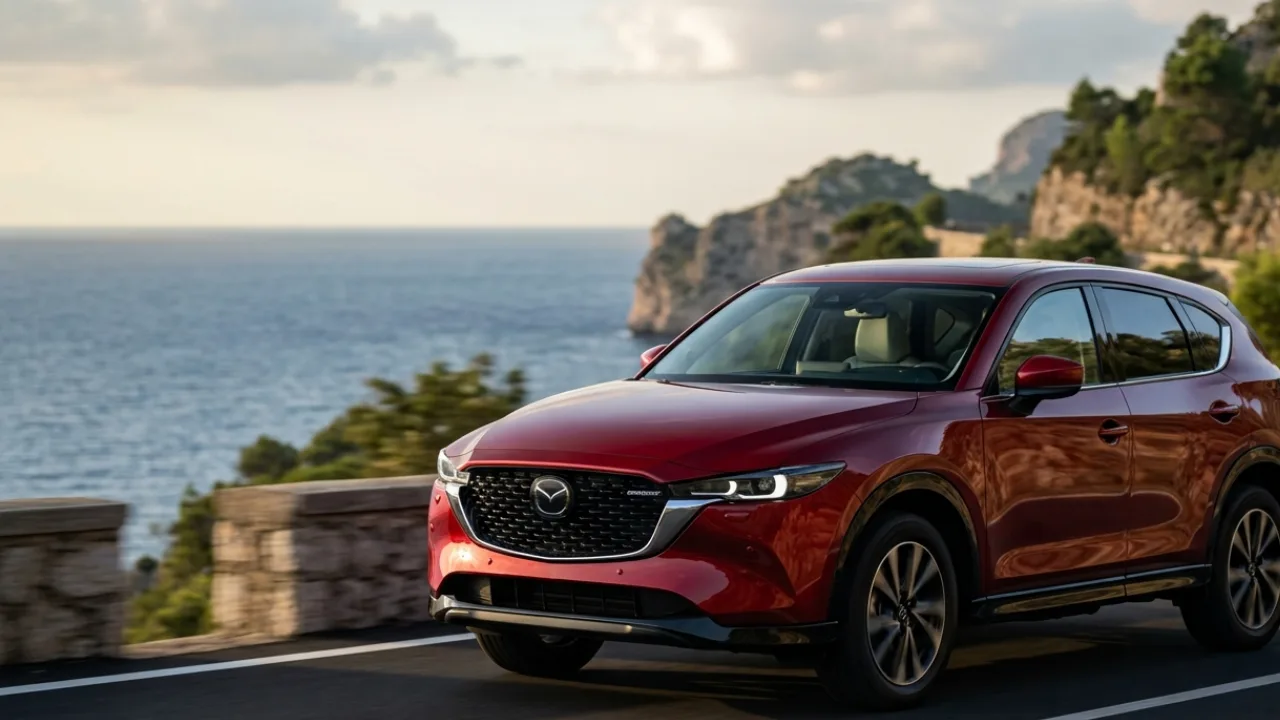
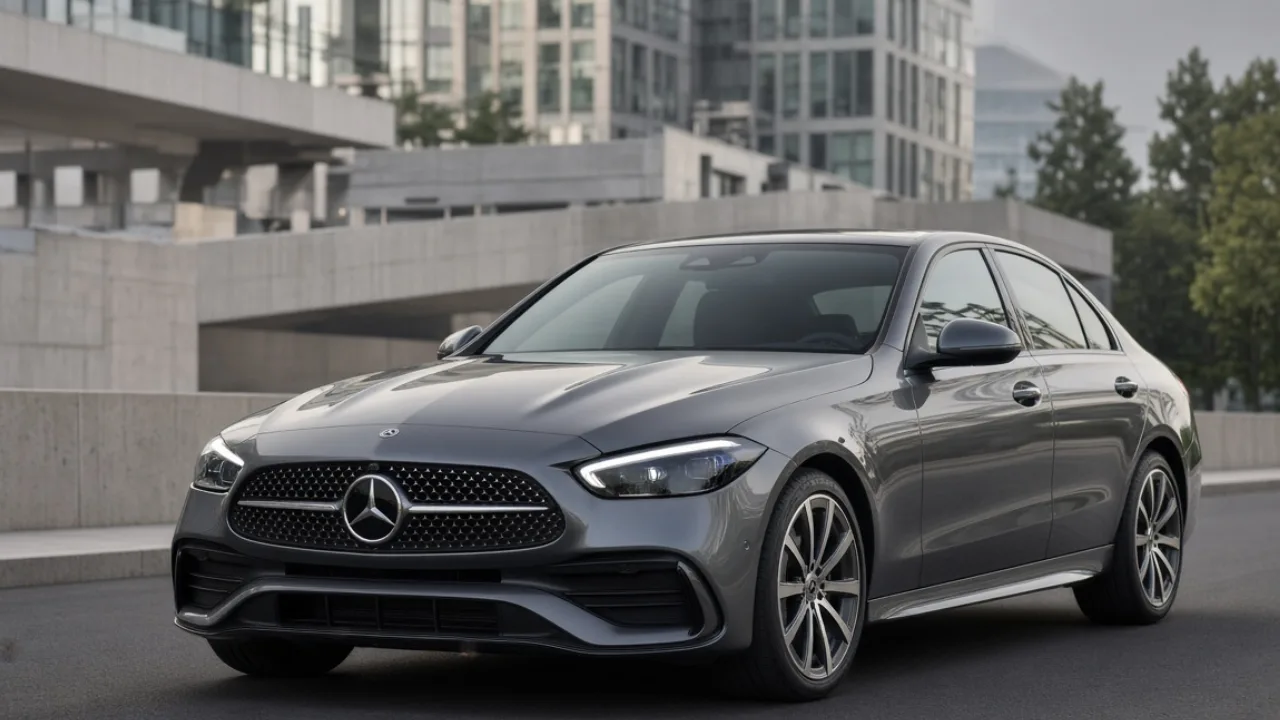
The naturally aspirated version is relevant to buyers who prioritize everyday commuting, while the turbo-petrol engine offers higher power and torque for those who want stronger acceleration. The newer CNG configurations also give buyers another option to investigate, particularly if they have convenient access to CNG refueling.
Safety is a meaningful part of the package, with four-star Bharat NCAP ratings for both adult and child occupant protection. Nevertheless, the exact equipment on the chosen trim, child-seat compatibility and the vehicle’s suitability for your family should all be checked.
The best buying decision comes down to the complete package: the on-road price, powertrain, fuel costs, cabin comfort, safety equipment and dealer support. Compare the Basalt with the Tata Curvv and other similarly priced vehicles before making a final decision.
Frequently Asked Questions
1. What is the price of the 2026 Citroën Basalt in India?
The price depends on the variant and edition. Citroën announced an introductory ex-showroom price of ₹8.75 lakh for the Basalt X Comfort Edition in July 2026. In September 2026, the company announced the BasaltX YOU Turbo at ₹9.99 lakh and BasaltX MAX naturally aspirated at ₹11.34 lakh. Check the current price list for the exact vehicle.
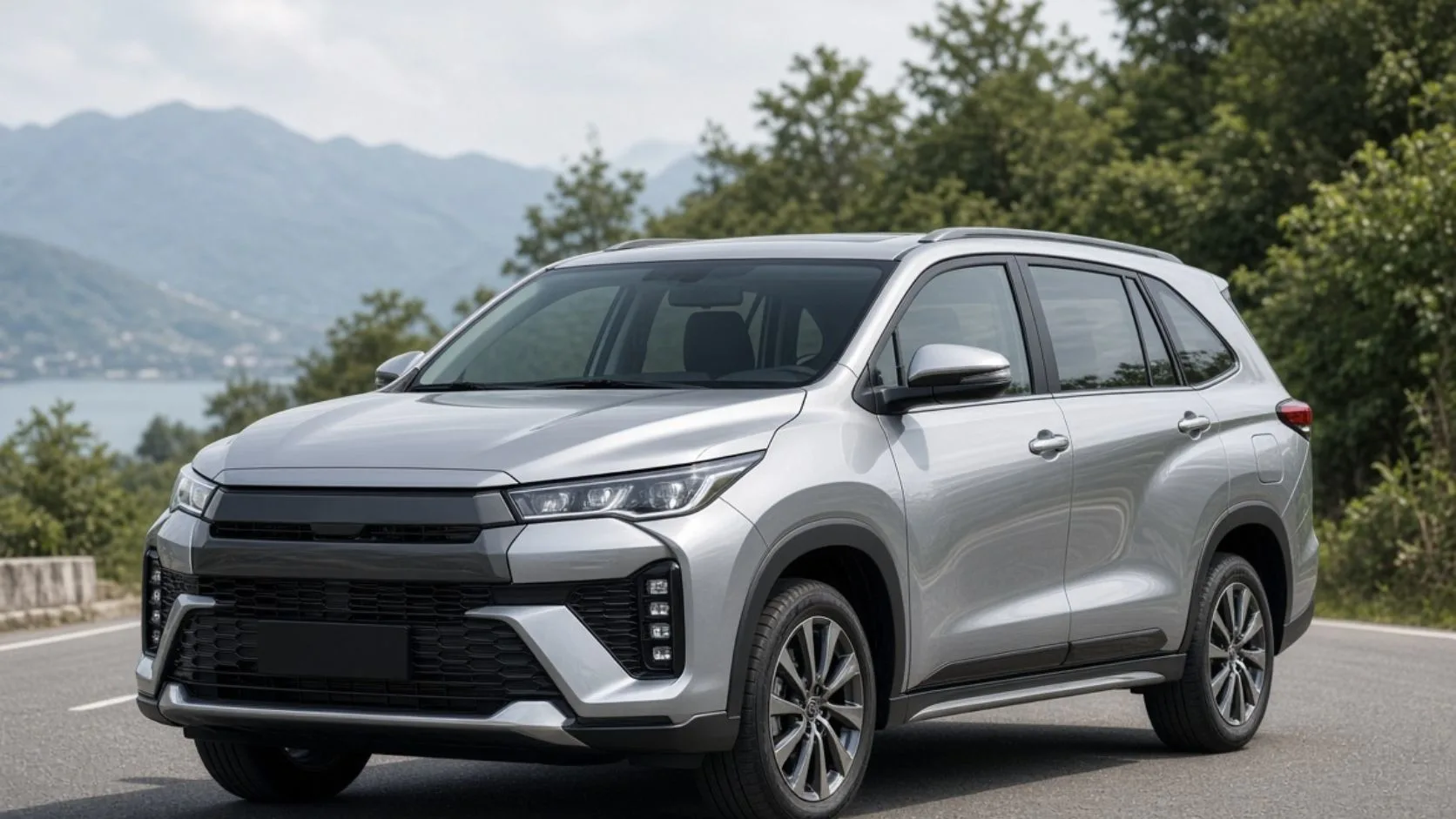
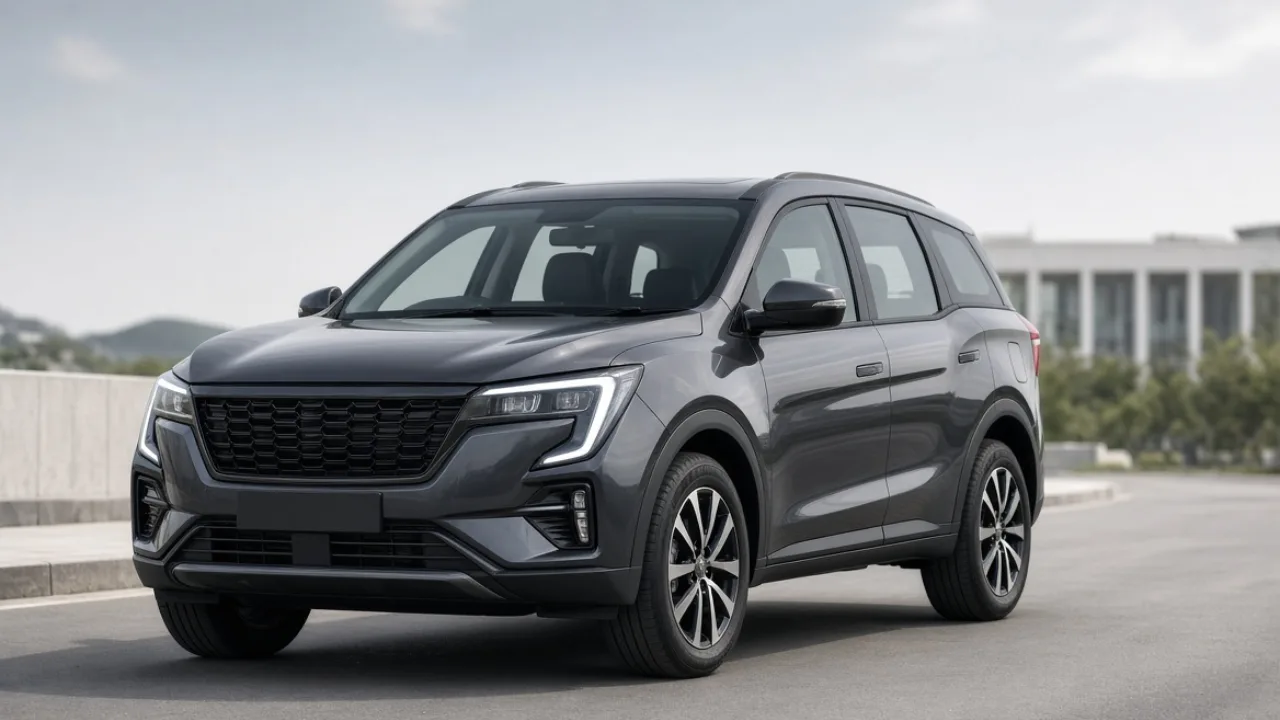
2. What mileage does the Citroën Basalt offer?
Published petrol specifications indicate approximately 18–19.5 km/l, depending on the engine and transmission. Actual fuel economy varies with driving conditions. The newer CNG variants require their own verified efficiency figures.
3. What engine options are available?
The established petrol lineup includes a 1.2-liter naturally aspirated engine producing approximately 82 PS and a 1.2-liter turbo-petrol engine producing approximately 110 PS. Selected configurations offer manual or automatic transmissions. Citroën’s September 2026 announcement also included naturally aspirated CNG variants.
4. Is the Citroën Basalt a five-seater?
Yes. The Basalt is a five-seat SUV. Families should check rear-seat comfort and child-seat installation before purchasing.
5. What is the boot space of the Basalt?
The established petrol configuration has a claimed boot capacity of 470 liters. Buyers considering CNG should confirm the luggage capacity of that specific version.
6. Is the Citroën Basalt safe?
The Basalt received four stars for adult occupant protection and four stars for child occupant protection in Bharat NCAP’s 2024 assessment. Buyers should check the safety equipment fitted to the exact variant.
7. Does the Basalt offer an automatic transmission?
Yes. A six-speed torque-converter automatic is available with selected turbo-petrol variants. Availability depends on the trim and current lineup.
8. Does the 2026 Citroën Basalt come with CNG?
Citroën announced naturally aspirated petrol and CNG options across the relevant expanded range in September 2026. Confirm the availability, price, warranty and specifications of the CNG version with a dealer.
9. Is the Citroën Basalt suitable for long highway journeys?
The turbo-petrol engine’s 110 PS and 205 Nm output make it a relevant option for buyers who prioritize acceleration and overtaking performance. Seating comfort, fuel consumption and noise levels should be evaluated during a test drive.
10. Does the Citroën Basalt have a 360-degree camera?
A 360-degree camera system is available with selected BasaltX configurations or equipment packages. It should not be assumed to be standard on every variant.