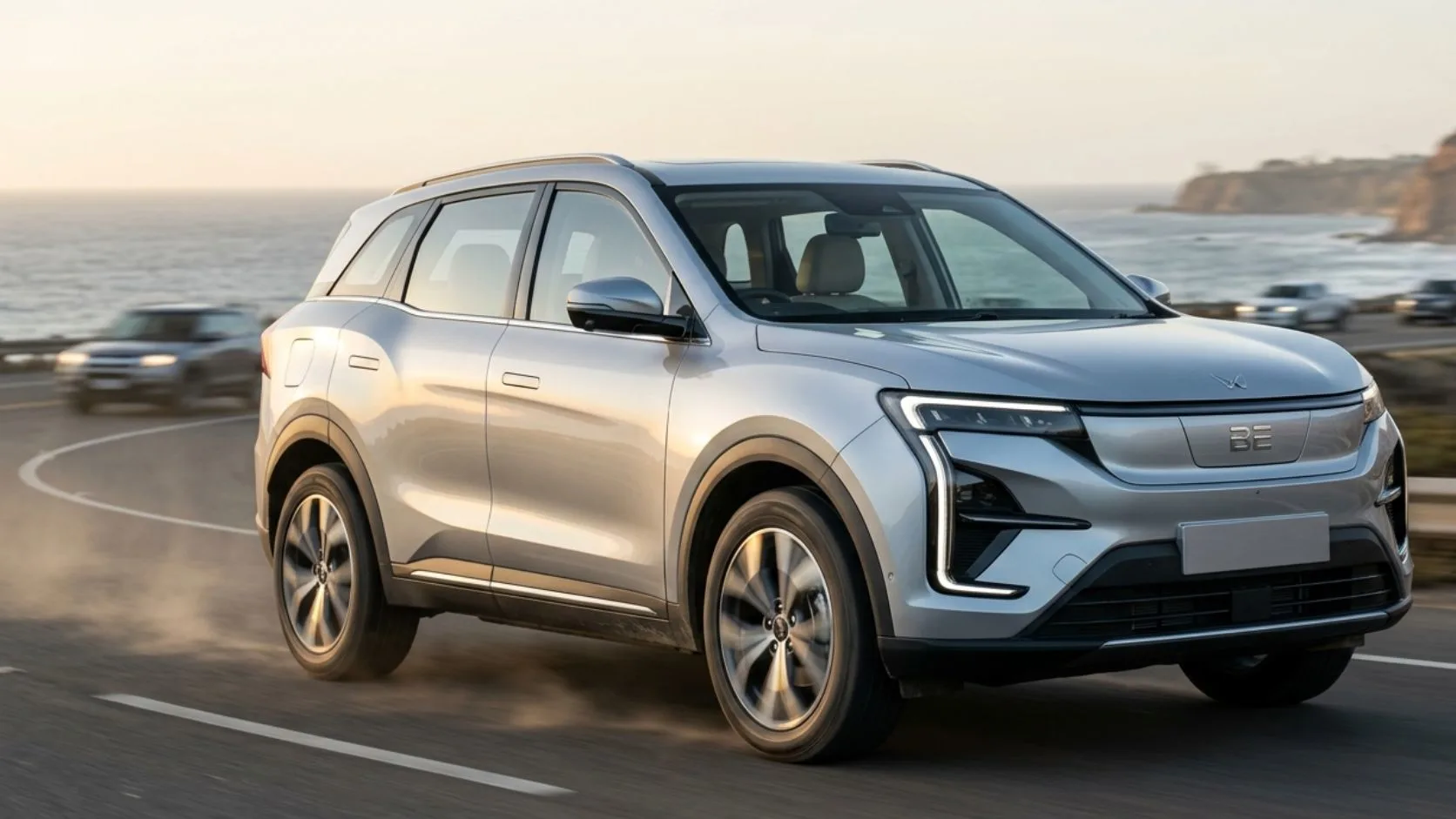
The 2026 Mahindra BE 6 is an electric SUV designed for buyers who want strong performance, a distinctive exterior, modern cabin technology and enough driving range for everyday commuting and longer journeys. In India, its appeal comes from the combination of a rear-mounted electric motor, multiple battery options and a feature-rich interior.
The BE 6 entered the Indian market following its unveiling in November 2024. By 2026, Mahindra had expanded the range with the BE 6 SPORTEQ series, introduced in August 2026. The newer series brings additional design and technology choices, while retaining the model’s focus on electric performance.
For buyers, however, the headline range figure is only part of the story. Battery capacity, highway speed, air-conditioning use, charging access and the distance covered between charging stops all affect how practical an electric SUV is in daily life.
This guide focuses on the Indian-market Mahindra BE 6, including its battery options, official range figures, independently tested range, charging considerations, cabin features and ownership practicality.
2026 Mahindra BE 6: Key Specifications
The BE 6 is a battery-electric SUV with a rear-mounted electric motor. The original lineup offered 59 kWh and 79 kWh battery options, while Mahindra’s later SPORTEQ series added a 70 kWh configuration.
Vehicle type
Electric SUV
Motor layout
Rear-mounted motor
Battery options
59, 70 and 79 kWh
Maximum torque
380 Nm
Maximum power
Up to 286 hp
Market covered
India
The figures above describe the established powertrain configurations, not a guarantee that every 2026 trim has the same battery, motor output or equipment. Variant names and prices can also differ between the original BE 6 range and the newer SPORTEQ series.
Mahindra BE 6 Battery Options and Range
Battery capacity is one of the most important decisions when buying the BE 6. A larger battery generally stores more energy, which can provide a longer driving range, but it can also increase the vehicle’s purchase price.
The original BE 6 range offered 59 kWh and 79 kWh lithium iron phosphate (LFP) battery packs. The newer SPORTEQ series introduced a 70 kWh option as well.
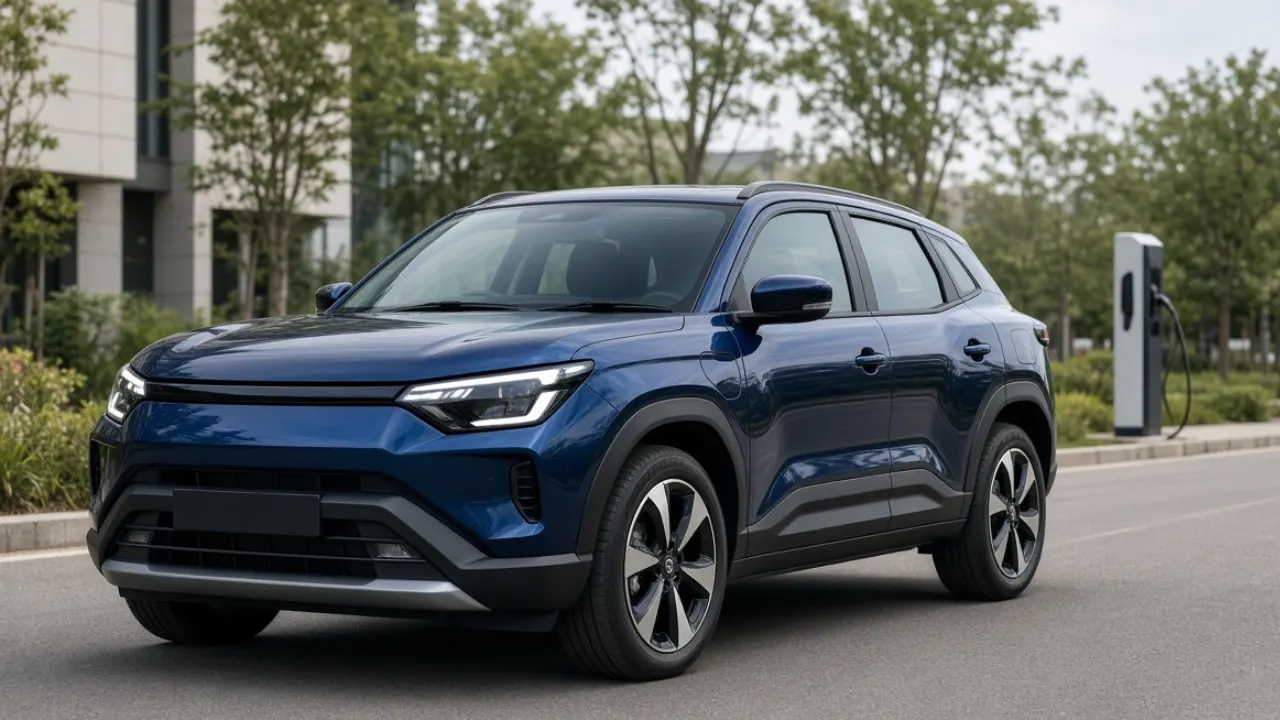
Official claimed range
| Battery capacity | Certified range |
|---|---|
| 59 kWh | Up to 535 km |
| 70 kWh | Depends on the specific variant; verify the current official specification |
| 79 kWh | Up to 682 km |
The 535 km and 682 km figures relate to the original BE 6 configurations under India’s certified testing cycle. The 70 kWh SPORTEQ configuration should be assessed using its own published specifications rather than assuming that its range is proportional to battery capacity.
Certified range is useful for comparing vehicles under a standardized test procedure. It is not a promise that the SUV will cover the same distance on every charge.
Which battery should you choose?
59 kWh battery: This can suit buyers whose daily driving is relatively predictable and who have access to convenient home or workplace charging. A smaller battery can also reduce the initial purchase cost.
70 kWh battery: The newer SPORTEQ lineup gives buyers another battery-capacity option. Compare the exact variant’s certified range, equipment and price before deciding whether it offers a better balance for your needs.
79 kWh battery: This is the option to consider if you regularly cover longer distances and want a larger energy reserve between charging stops. It is particularly relevant for drivers who make intercity journeys, although route planning remains necessary.
The best option depends on your daily distance, access to charging and how frequently you travel outside your usual area.
Mahindra BE 6 Real-World Range: What Can You Actually Expect?
The difference between certified range and real-world range is crucial when evaluating an electric SUV.
Independent automotive testing has demonstrated that the 79 kWh BE 6 can deliver substantially less than its certified maximum in everyday driving. In an October 2025 road test, Autocar India recorded a combined real-world range of 449 km for the 79 kWh version.
A separate test published by V3Cars in June 2026 reported approximately 425 km in city driving and 404 km on highways for the 79 kWh BE 6 LR.
Reported real-world range — 79 kWh BE 6
449 km
Autocar India combined test
425 km
V3Cars city test
404 km
V3Cars highway test
These are results from separate tests, not a single standardized comparison. Conditions and testing methods differ.
These figures offer a more useful starting point for planning than relying exclusively on the highest certified range. They should still be treated as reference results, not guaranteed outcomes for every owner.
Why does the real-world range change?
Several factors affect how far the BE 6 can travel on a full charge.
- Highway speed: Driving faster increases aerodynamic resistance and can raise energy consumption.
- Traffic conditions: Stop-and-go traffic affects efficiency differently from steady cruising. Regenerative braking can recover some energy during deceleration.
- Air conditioning: Cooling the cabin consumes electricity, particularly in hot weather.
- Driving style: Hard acceleration and repeated high-speed driving can reduce range.
- Passengers and luggage: Additional weight can increase energy use, particularly on routes with frequent elevation changes.
- Tyres and road surface: Tyre pressure, rolling resistance and road conditions affect efficiency.
- Weather: Ambient temperature can influence battery performance and cabin climate-control demand.
A driver travelling at a steady, moderate speed in favorable conditions may achieve a different result from someone driving quickly on a hot afternoon with the air conditioning running.
How far can you drive between charging stops?
For practical trip planning, it is sensible to leave a battery reserve instead of assuming that every journey can use the entire certified range.
For example, if your own driving conditions produce a full-charge range of around 420 km, using 80% of that distance would mean planning for roughly 336 km before allowing for a charging stop or route contingency.
That is an illustrative calculation, not a prediction of the BE 6’s range in every situation. Actual usable distance depends on the conditions and the battery level at departure.
For long journeys, identify charging stations along the route, check that they are operational and have a backup option where possible. The distance between charging stops matters more than the headline range when travelling through areas with limited charging infrastructure.
Mahindra BE 6 Charging: Home and Public Charging
Charging convenience can determine whether an electric SUV is practical for your lifestyle.
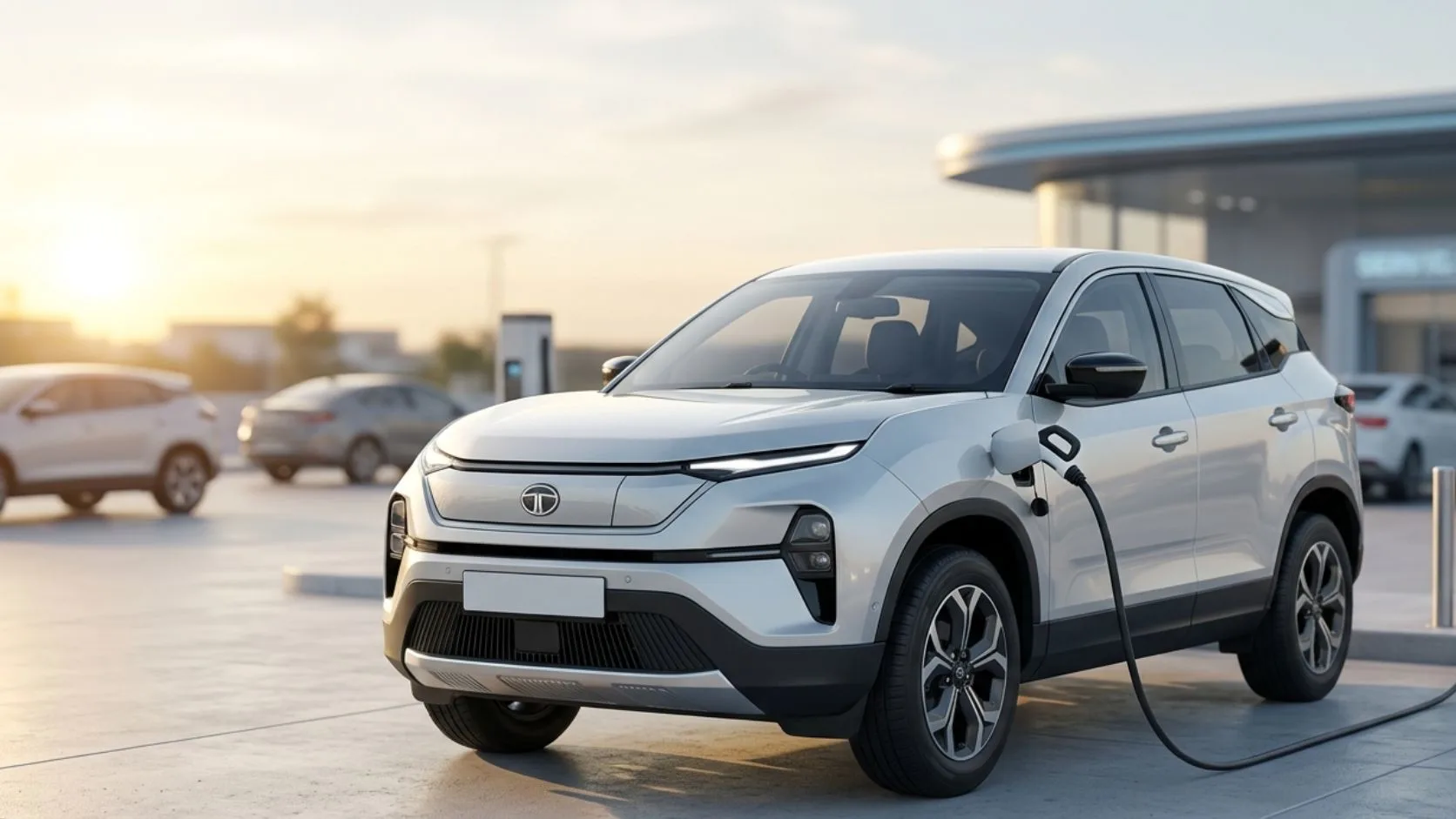
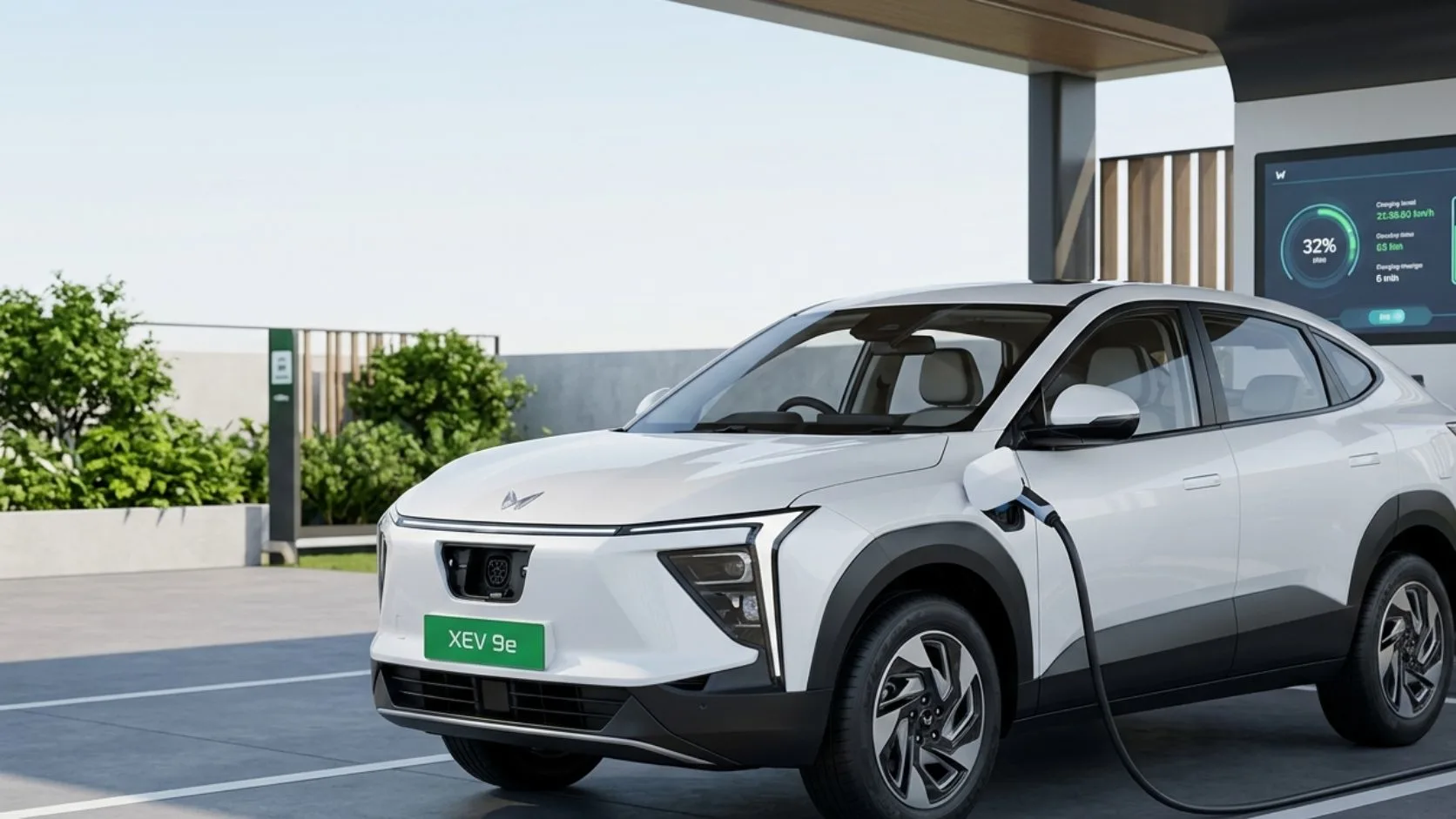
The BE 6 supports AC charging for home or destination charging and DC fast charging for quicker replenishment on compatible public chargers. The exact charging rate and charging time depend on the vehicle configuration, the charger used, battery temperature and the battery’s state of charge.
Home charging
Home charging is often the most convenient arrangement for owners who have a dedicated parking space and access to a suitable electrical installation.
An AC wall charger can replenish the battery while the vehicle is parked overnight or during other extended periods. This reduces the need to make separate trips to public charging stations for routine use.
Mahindra has offered 7.2 kW and 11.2 kW AC charger options for the BE 6, with the charger and installation costs handled separately on applicable configurations. Buyers should confirm the currently available equipment and installation terms for their variant.
Before purchasing, check whether your parking area can accommodate a charger and whether the electrical supply is suitable. Apartment residents may need approval from the building management or housing society.
DC fast charging
DC fast charging is more useful during long-distance journeys because it can add energy more quickly than ordinary AC charging.
However, the maximum advertised charging rate does not remain constant throughout a charging session. Charging speed generally decreases as the battery approaches a high state of charge, and the vehicle may also limit power when battery conditions are unsuitable.
For this reason, charging from a low battery level to around 80% can be more time-efficient during a road trip than waiting for a full charge at every stop.
Exact charging times should be checked against the manufacturer’s specifications for the particular battery and model-year configuration.
What affects charging costs?
Electricity prices vary according to the charging location, tariff and provider.
Home charging may be cheaper per kilometer than public fast charging, but the difference depends on the local electricity tariff and the price charged by the public charging operator. Installation costs and any applicable battery subscription arrangement should also be included when comparing ownership expenses.
A useful comparison is to calculate the cost per kilometer using your actual electricity rate and realistic energy consumption rather than using a generic EV running-cost estimate.
2026 Mahindra BE 6 SPORTEQ: What’s New?
Mahindra introduced the BE 6 SPORTEQ series on August 15, 2026, with deliveries announced to begin on August 26, 2026.
The SPORTEQ range adds new design treatments, additional cabin technology and different equipment configurations. It is an expansion of the BE 6 lineup rather than an entirely new vehicle platform.
New digital cockpit and software features
From the TWO variant onward, the SPORTEQ series features a three-screen, coast-to-coast display layout. The Formula E Freedom Edition retains the original two-screen cockpit design and its distinctive halo-style interior treatment.
The new series also introduces Mahindra’s MAIA architecture and six TEQ technology suites:
- TEQ_Talk: Voice-based interaction for supported vehicle functions, navigation, music and other applications, incorporating Google Gemini technology.
- TEQ_Play: In-car entertainment functions, including karaoke, gaming and supported Dolby audio and video experiences.
- TEQ_Drive: Driving-related features and controls, including custom drive modes and Drift Mode.
- TEQ_Me: Personalization through user profiles and automatic profile detection.
- TEQ_Secure: Security and monitoring features, including Secure360 Pro and digital-key functions.
- TEQ_xting: Personalization options such as customizable tailgate messaging.
Feature availability can vary by variant and configuration. Some functions may also depend on compatible devices, software and connected services.
Mahindra has announced that features introduced with SPORTEQ will be rolled out to existing BE 6, XEV 9e and XEV 9S customers in phases beginning in January 2027. The exact features available through updates will depend on the vehicle model and variant.
SPORTEQ design editions
The SPORTEQ Launch Edition features a Graphite Storm exterior and Racing Tan leatherette interior. The Formula E Freedom Edition adopts motorsport-inspired styling, a two-screen cockpit and a black-and-orange cabin theme.
The Freedom Edition also offers an Acceleration Boost feature, with Mahindra quoting a 0–100 km/h time of 6.44 seconds for that configuration.
These changes make the 2026 lineup more varied, but buyers should compare the actual equipment and pricing of each edition rather than assume that all SPORTEQ versions have identical technology.
Mahindra BE 6 Exterior Design
The BE 6 has a distinctive coupe-SUV silhouette, with sharply styled lighting, sculpted bodywork, pronounced wheel arches and a sloping roofline.
Its design is more dramatic than that of a conventional family crossover. The high bonnet, angular front styling and broad stance give it a sporty appearance, while aerodynamic detailing helps manage airflow around the body.
The original model measures approximately 4,371 mm in length, 1,907 mm in width and 1,627 mm in height, with a 2,775 mm wheelbase.
These dimensions are useful to consider if you frequently park in narrow spaces or use congested urban streets. The vehicle’s width can be noticeable in tight parking areas, and its sloping rear design can limit the driver’s view through the rear window.
Exterior details, paint finishes and lighting treatments can differ between the original range and SPORTEQ editions.
Mahindra BE 6 Interior and Practicality
The BE 6’s cabin is designed around a sporty, technology-focused layout. Its dashboard, digital displays and driver-oriented styling give it a different character from a conventional SUV interior.
The original model includes two 12.3-inch displays on equipped versions, with one serving as the driver’s instrument display and the other as the central infotainment screen. Higher-specification equipment can include a head-up display, ventilated front seats, a panoramic glass roof, wireless phone charging and a premium Harman Kardon audio system.
The newer SPORTEQ series adds its own cockpit and software variations, so the equipment list should be checked against the exact variant.
Is the cabin comfortable for families?
The BE 6 can work well as a personal vehicle or for a small family, but the sloping roofline creates some compromises.
Front-seat occupants benefit from the driver-focused layout and available comfort equipment. Rear passengers have useful legroom, but taller adults may find headroom and under-thigh support less accommodating than in a more upright SUV.
Access to the rear seats can also require some care because of the roofline and body design.
Families should sit in both rows before purchasing, particularly if they regularly travel with tall passengers. A vehicle that looks spacious from the outside does not necessarily provide equally generous headroom in every seat.
How practical is the boot?
The original BE 6 has a reported 455-liter boot, along with a front storage compartment of approximately 45 liters.
The main luggage compartment is deep, but the sloping rear design and the space occupied by components beneath the floor limit its vertical storage capacity. Large suitcases and bulky items may not fit as easily as they would in a more upright SUV.
For routine shopping, office bags and smaller travel luggage, the space should be useful. For airport trips with several large suitcases, check the actual boot opening and available height before making a decision.
Storage figures and layouts should be confirmed for the particular variant where equipment differs.
Mahindra BE 6 Features and Safety Technology
The BE 6 combines conventional vehicle safety equipment with electronic driver assistance and parking technology on equipped variants.
Depending on the configuration, features can include multiple airbags, electronic stability control, a 360-degree camera, parking assistance, a head-up display and Level 2 advanced driver-assistance systems.
What does Level 2 ADAS do?
Level 2 ADAS combines certain steering and acceleration or braking assistance functions under specific conditions. Depending on the system and vehicle configuration, these can include adaptive cruise control, lane assistance and automatic emergency braking.
These features can help reduce driver workload, but they do not make the car self-driving. The driver must remain attentive and ready to take control.
Buyers should also check which functions are included in the exact variant, as a technology advertised for the model range may not be standard on every trim.
What should buyers know about safety ratings?
A safety rating applies to a particular tested vehicle and protocol. It should not automatically be transferred to a different model, variant or assessment program.
Before purchase, check the latest available official crash-test information and the safety equipment supplied with the vehicle. Also consider practical factors such as rear visibility, parking-camera coverage, child-seat compatibility and ease of using the controls.
The BE 6’s sloping rear design makes visibility worth evaluating during a test drive, especially if you frequently park in crowded areas.
2026 Mahindra BE 6 Price in India
The price depends on the battery, variant, edition and ownership arrangement.
Mahindra’s August 2026 announcement listed the following ex-showroom prices for the BE 6 SPORTEQ range. The figures below exclude the wall charger and installation cost.
| SPORTEQ variant | Battery | Ex-showroom price |
|---|---|---|
| ONE | 59 kWh | ₹19.45 lakh |
| TWO | 59 kWh | ₹20.95 lakh |
| THREE | 59 kWh | ₹21.95 lakh |
| THREE | 70 kWh | ₹22.95 lakh |
| THREE+ | 70 kWh | ₹23.95 lakh |
| THREE+ | 79 kWh | ₹24.95 lakh |
| FOUR | 79 kWh | ₹26.95 lakh |
| Launch Edition | 79 kWh | ₹26.95 lakh |
| FE | 79 kWh | ₹24.45 lakh |
| FE FOUR | 79 kWh | ₹26.95 lakh |
Mahindra also announced a Battery as a Service (BaaS) option for selected SPORTEQ configurations. Under this arrangement, the vehicle’s upfront price is lower because battery usage is charged separately under the applicable terms.
The announced BaaS starting price was ₹11.45 lakh for the ONE variant with a 59 kWh battery, with a battery usage charge of ₹3.75 per kilometer based on the manufacturer’s stated usage assumption of 60 km per day.
This is not directly comparable to a conventional vehicle price that includes the battery. Buyers should calculate the total cost over their expected ownership period, including battery usage charges, charging, insurance and other expenses.
Prices and available configurations may change. Confirm the latest price and terms with Mahindra before booking.
Mahindra BE 6 Running Costs and Ownership Practicality
An electric SUV can have lower energy costs than a comparable petrol vehicle, particularly when the owner can charge at home. However, the actual saving depends on the electricity tariff, public charging use, annual distance and the price difference at purchase.
A simple way to estimate the BE 6’s running cost is to divide the price per unit of electricity by the vehicle’s actual efficiency in kilometers per kWh.
For example, if your average efficiency is 5 km/kWh and electricity costs ₹8.50 per unit, the energy cost would be approximately ₹1.70 per kilometer before accounting for charging losses. At a public charging rate of ₹25 per unit, the same efficiency would result in ₹5 per kilometer.
These are illustrative calculations, not guaranteed BE 6 operating costs. Actual efficiency and charging prices will vary.
Other ownership considerations include:
- Access to a home charger or a dependable public charging network.
- The cost of installing the charging equipment.
- Battery warranty terms and conditions.
- Insurance and scheduled maintenance.
- Availability of service facilities along your regular routes.
- The resale implications of the battery’s warranty and condition.
- Any additional charges under a BaaS arrangement.
A buyer who can charge overnight at home may find daily use straightforward. Someone who relies entirely on public charging should investigate charger locations, reliability and pricing before committing to an EV.
Mahindra BE 6 vs Other Electric SUVs
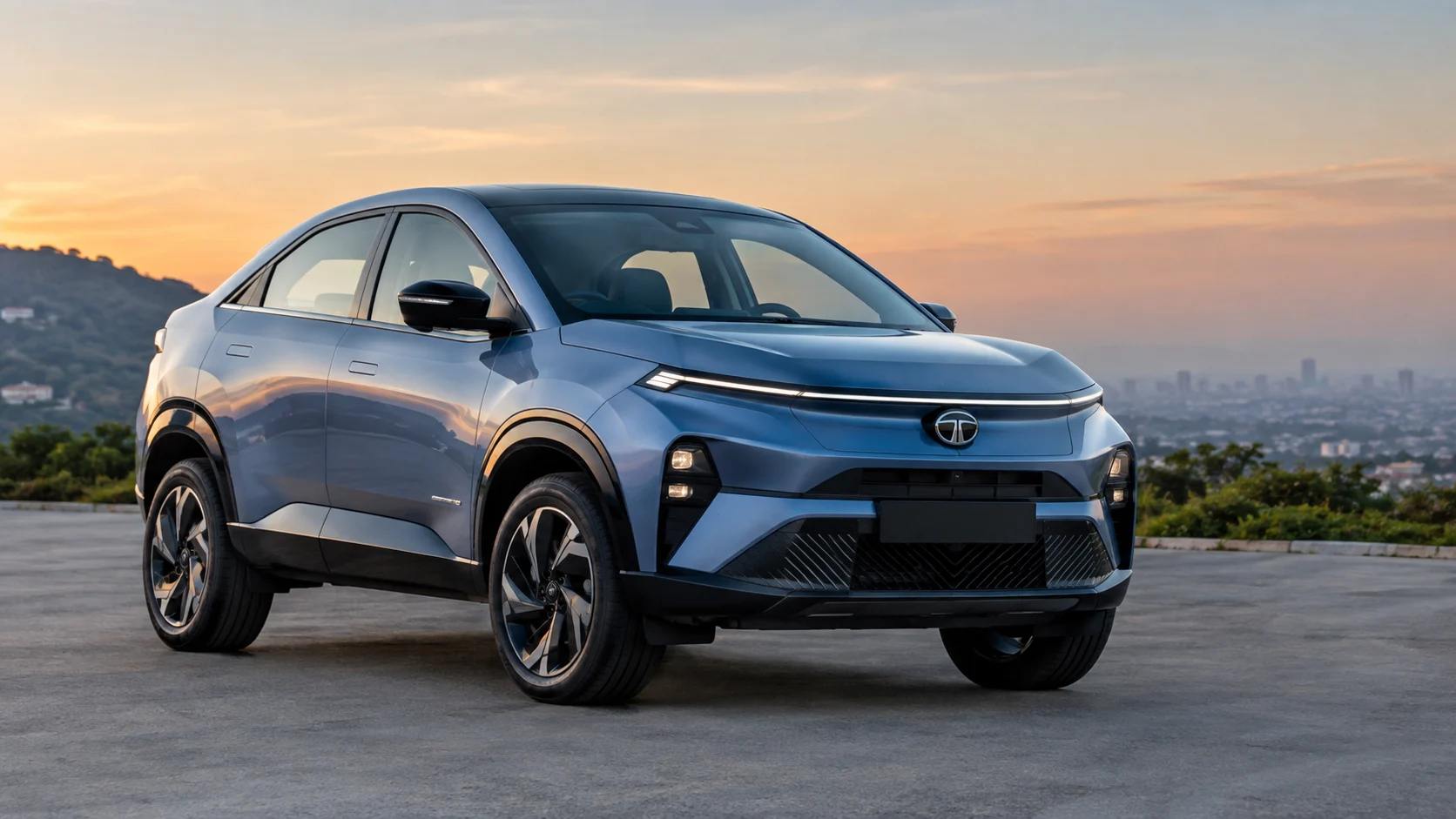
The BE 6 competes in India’s electric SUV market, where buyers may also consider vehicles such as the Tata Curvv EV and Hyundai Creta Electric.
These vehicles should be compared using their exact battery and trim configurations. A larger battery may provide more total range, while another model could be more affordable or easier to park.
| Buying priority | What to compare |
|---|---|
| Longer journeys | Real-world range, charging speed and charging network |
| Lower purchase price | Entry-level variant price and included equipment |
| Family comfort | Rear headroom, seating comfort and luggage capacity |
| Technology | Infotainment, driver assistance and connected features |
| Home charging | Installation requirements and AC charging options |
| Running costs | Electricity tariffs, efficiency and battery ownership terms |
The BE 6 is worth considering for buyers who value distinctive styling, strong electric performance and modern cabin technology. The right alternative depends on the buyer’s budget, charging access, space requirements and preferred equipment.
Pros and Limitations of the 2026 Mahindra BE 6
Advantages
- Multiple battery options across the broader lineup.
- A certified range of up to 682 km for the original 79 kWh configuration.
- Strong electric motor performance, with up to 286 hp and 380 Nm in the original range.
- A distinctive coupe-SUV design.
- Modern digital displays and available premium audio and comfort features.
- Useful real-world range for many daily journeys, based on independent testing.
- New SPORTEQ editions with additional cockpit and software features.
Limitations
- Real-world range can be considerably lower than the maximum certified figure.
- Highway driving may reduce the distance available between charging stops.
- Public fast-charging costs can be higher than home-charging costs.
- The sloping roofline can restrict rear headroom and visibility.
- The boot’s vertical space may limit the size of luggage that can be carried.
- The most advanced technology and comfort features depend on the selected variant.
- BaaS pricing requires a separate calculation of long-term battery usage costs.
Is the 2026 Mahindra BE 6 Worth Buying?
The Mahindra BE 6 is a strong option to investigate if you want an electric SUV with distinctive styling, responsive performance and a technology-focused cabin.
The 79 kWh version is particularly relevant for buyers who need a larger battery for intercity travel. However, independent tests show why it is important to plan around realistic driving conditions instead of expecting to achieve the maximum certified range on every journey.
The newer SPORTEQ series expands the choices with a 70 kWh battery option, updated cockpit technology and special design editions. These additions make comparing the exact variant more important, particularly when deciding between a lower upfront price, a larger battery and premium equipment.
The BE 6 is likely to make the most sense for buyers who have convenient charging access, understand their daily driving needs and are comfortable planning longer trips around charging stops. Buyers who frequently travel through areas with limited charging infrastructure should investigate their routes before choosing an electric SUV.
A test drive should include a check of rear-seat comfort, visibility, boot space and the usability of the digital controls. It is also worth confirming battery warranty conditions, charger installation costs and the latest price for the exact configuration.
Frequently Asked Questions
1. What is the range of the 2026 Mahindra BE 6?
The original BE 6 was certified for up to 535 km with its 59 kWh battery and up to 682 km with its 79 kWh battery. Real-world results vary, with independent tests of the 79 kWh model reporting approximately 404–449 km under different test conditions.
2. What battery options are available in the Mahindra BE 6?
The original lineup offered 59 kWh and 79 kWh LFP battery packs. The BE 6 SPORTEQ series introduced a 70 kWh option as well. Availability depends on the variant.
3. How much power does the Mahindra BE 6 produce?
In the original lineup, the 59 kWh version produces 231 hp, while the 79 kWh version produces 286 hp. Both have a maximum torque rating of 380 Nm. Specifications for a particular SPORTEQ edition should be checked against its official variant details.
4. How long does the Mahindra BE 6 take to charge?
Charging time depends on the battery, charger output, starting charge level and battery conditions. The vehicle supports AC charging and DC fast charging. Buyers should verify the manufacturer’s current charging specifications for their selected variant.
5. Can the Mahindra BE 6 be used for long-distance travel?
Yes, provided the route has suitable charging facilities. The larger battery can be useful for intercity journeys, but drivers should account for highway energy consumption, reserve battery capacity and possible charging delays.
6. Is the Mahindra BE 6 suitable for daily city driving?
It can be suitable for daily commuting, especially for owners with home or workplace charging. Its actual suitability depends on parking space, traffic conditions, daily distance and the availability of charging.
7. What is the price of the 2026 Mahindra BE 6 SPORTEQ?
Mahindra’s August 2026 announced ex-showroom prices ranged from ₹19.45 lakh for the SPORTEQ ONE with the 59 kWh battery to ₹26.95 lakh for selected 79 kWh editions. Charger and installation costs are additional, and BaaS pricing is structured differently.
8. What is Mahindra BE 6 BaaS?
Battery as a Service is an ownership arrangement in which the initial vehicle price is lower and battery usage is charged separately under the applicable terms. Buyers should compare the full ownership cost with the conventional purchase option.
9. Does the Mahindra BE 6 have ADAS?
Selected BE 6 configurations offer advanced driver-assistance features. The exact equipment varies by variant, so buyers should confirm which functions are included in their chosen vehicle.
10. Is the Mahindra BE 6 available in the United States?
This article covers the Indian-market BE 6 and its Indian pricing and specifications. Official U.S. retail availability has not been established by the sources used here, so buyers should not assume that the model is available through an official U.S. sales network.