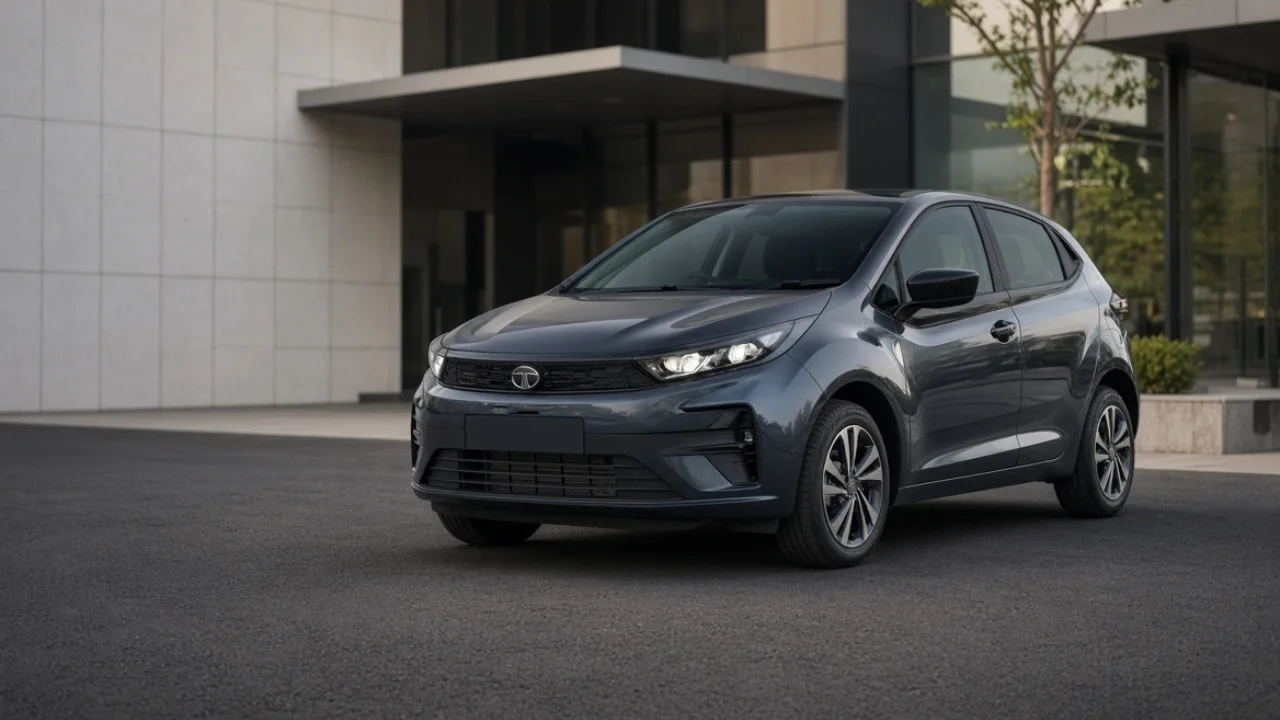
The 2026 Tata Altroz is a premium hatchback for the Indian market that combines a refreshed design, multiple engine choices, modern cabin technology and a five-star Bharat NCAP safety rating. Following its major facelift in May 2025, the Altroz gained updated exterior styling, a redesigned dashboard, additional convenience features and a new automated manual transmission (AMT) option for petrol buyers.
For buyers considering a premium hatchback, the Altroz stands out for offering petrol, diesel and CNG powertrains in one model range. Its appeal also comes from features such as a touchscreen infotainment system, wireless smartphone connectivity, a sunroof on selected variants and six airbags as standard.
However, buyers should distinguish the 2026 model-year vehicle from the 2025 facelift that introduced these changes. The following guide covers the Indian-market Altroz, including its pricing reference, engine options, mileage considerations, safety rating and important features.
2026 Tata Altroz: Key Specifications
| Specification | Details |
|---|---|
| Vehicle type | Premium hatchback |
| Market covered | India |
| Seating capacity | 5 |
| Petrol engine | 1.2-liter, three-cylinder |
| Diesel engine | 1.5-liter, four-cylinder |
| CNG engine | 1.2-liter petrol-based engine |
| Transmission options | Manual, AMT and DCA, depending on powertrain and variant |
| Safety rating | 5-star Bharat NCAP |
| Standard airbags | 6 |
| Platform | ALFA architecture |
| Boot capacity | 345 liters for petrol/diesel; reduced in CNG versions |
| Starting price reference | ₹6.89 lakh, introductory ex-showroom price announced in May 2025 |
The prices and equipment available on a particular 2026 vehicle can differ from the original launch specification. Buyers should confirm current variant availability and the latest ex-showroom price with Tata Motors or an authorized dealer before making a purchase.
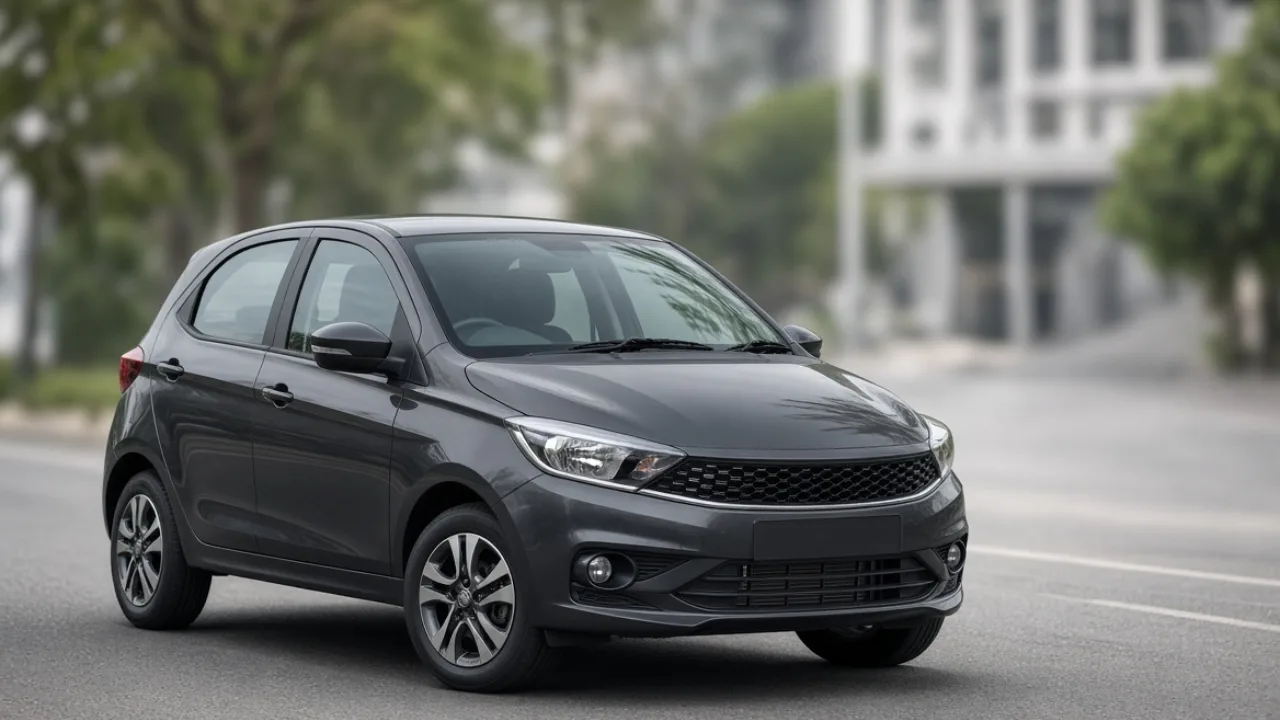
2026 Tata Altroz Price in India
The refreshed Tata Altroz was launched on May 22, 2025, with an introductory starting price of ₹6.89 lakh, ex-showroom Delhi. Tata offered the updated hatchback with petrol, diesel and iCNG powertrains, along with multiple transmission choices across the range.
The launch pricing provides a useful reference, but it should not automatically be treated as the current price of every 2026 model or variant.
The final amount paid by a buyer will depend on the selected variant, powertrain, applicable taxes, insurance, registration charges and dealer-specific offers.
Which Tata Altroz variant should you consider?
- Entry-level petrol: Worth considering for buyers who want the basic Altroz package without paying for every premium feature.
- Mid-level petrol: A potential fit for buyers who want a balance between everyday usability, convenience and price.
- Higher-spec petrol: Better suited to buyers interested in additional infotainment, comfort and convenience equipment.
- Diesel: Worth considering for drivers who cover substantial distances and prefer a diesel powertrain.
- CNG: An option for buyers prioritizing fuel costs and access to CNG refueling.
Equipment differs by variant, so compare the exact feature list rather than relying only on the trim name.
2026 Tata Altroz Mileage: What Buyers Should Know
Fuel efficiency is an important consideration when choosing between the petrol, diesel and CNG versions of the Altroz. Each powertrain serves a different driving requirement, and the most economical option depends on the distance you cover, fuel prices and the type of driving you do.
Tata Motors’ 2025 launch announcement confirms the available powertrains but does not provide a complete set of current, variant-specific fuel-economy figures for the 2026 model. Buyers should therefore verify the applicable figures rather than treating third-party estimates as official mileage claims.
Petrol mileage
The 1.2-liter naturally aspirated petrol engine is designed for everyday commuting and general family use. It is available with manual and automatic transmission options, depending on the variant.
Actual fuel economy will depend on traffic, driving style, air-conditioning use, road conditions and transmission choice. Frequent stop-and-go driving can produce different results from steady highway travel.
Diesel mileage
The 1.5-liter diesel engine is worth considering for drivers who regularly travel longer distances. Diesel engines generally suit sustained highway driving, although actual running costs depend on fuel prices, maintenance and the vehicle’s real-world consumption.
The Altroz diesel is offered with a manual transmission in the facelift lineup. Buyers who want an automatic should check which petrol configurations meet their requirements.
CNG mileage
The iCNG version is intended for buyers who want to reduce their fuel expenses, particularly during regular city commutes.
Its twin-cylinder CNG arrangement helps preserve more usable luggage space than a conventional large single-cylinder layout. However, the available boot space is still lower than in petrol and diesel versions.
CNG running costs depend on the local price and availability of CNG, as well as the car’s actual consumption. Drivers should also consider refueling convenience before choosing this version.
Which Altroz powertrain is best for you?
| Driving requirement | Powertrain to consider |
|---|---|
| Everyday city commuting | Petrol |
| City driving with automatic convenience | Petrol AMT or DCA |
| Frequent highway journeys | Diesel |
| Lower fuel expenditure per kilometer | CNG, depending on local fuel prices |
| Mixed city and highway use | Compare petrol and diesel based on annual mileage |
Do not compare petrol mileage in km/l directly with CNG efficiency in km/kg. These use different units, and running costs should be calculated using the price of each fuel.
2026 Tata Altroz Engine and Performance
The Altroz’s main advantage is its choice of three fuel types. Instead of requiring buyers to switch to a different model for diesel or factory-fitted CNG, Tata offers all three options within the same hatchback lineup.
The following specifications reflect the facelift powertrain lineup announced in 2025 and should be checked against the precise variant being purchased.

| Specification | Petrol | Diesel | CNG |
|---|---|---|---|
| Engine | 1.2-liter, 3-cylinder | 1.5-liter, 4-cylinder | 1.2-liter, 3-cylinder base engine |
| Maximum power | Approximately 88 hp | Approximately 90 hp | Approximately 74 hp in CNG mode |
| Maximum torque | Approximately 115 Nm | Approximately 200 Nm | Approximately 103 Nm in CNG mode |
| Transmission | 5-speed manual, 5-speed AMT or 6-speed DCA, depending on variant | 5-speed manual | 5-speed manual |
| Fuel | Petrol | Diesel | CNG and petrol |
Power figures are expressed in horsepower for consistency with common automotive specifications. Manufacturer specifications may use PS, and small differences can result from unit conversion.
Petrol engine: Suitable for everyday driving
The naturally aspirated petrol engine is the general-purpose choice. It is suitable for commuting, errands and mixed urban driving without the additional considerations associated with diesel or CNG ownership.
Buyers who frequently encounter heavy traffic may prefer an automatic transmission. The AMT is an automated manual gearbox, while the DCA is a dual-clutch automatic. Their operation and driving feel differ, so a test drive can help determine which is more comfortable.
The petrol engine is not a turbocharged performance unit in the facelift lineup described here. Buyers looking for strong turbo-petrol acceleration should not assume that the discontinued Altroz Racer’s engine is available in the regular 2026 range.
Diesel engine: For longer-distance driving
The 1.5-liter diesel produces more torque than the petrol engine, which can be useful when accelerating at lower engine speeds or maintaining momentum on highways.
Its appeal depends on how much you drive. A buyer covering substantial annual distances may find diesel worth considering, while someone making only short city trips should compare the purchase price, maintenance requirements and expected running costs carefully.
CNG engine: Focused on running costs
The factory-fitted iCNG powertrain provides an alternative to petrol for buyers with convenient access to CNG stations.
CNG operation produces less power than petrol operation in this application. The trade-off is potentially lower fuel expenditure per kilometer, depending on local prices and actual efficiency.
Before buying, check the exact transmission availability, luggage-space requirements and local CNG refueling network.
Exterior Design: What Is New on the Altroz?
The 2025 facelift brought a substantial visual update to the Altroz, giving the hatchback a more contemporary appearance without changing its basic role as a premium five-door family car.
Key exterior changes include:
- Updated LED headlamps with integrated daytime running lights.
- A redesigned front grille and bumper.
- Flush-fitting front door handles.
- Updated alloy-wheel designs on selected variants.
- Revised rear lighting, including connected LED tail-lamp styling.
- A refreshed selection of exterior colors.
These changes help distinguish the facelift from the original Altroz introduced in 2020.
The styling is complemented by the car’s relatively conventional hatchback proportions. That makes it an alternative for buyers who want a compact passenger car rather than a larger SUV.
Available equipment varies by trim, so alloy wheels, sunroof availability and specific lighting features should be confirmed for the chosen version.
Interior and Comfort Features
The facelift also updated the cabin, with a redesigned dashboard and a stronger emphasis on digital displays and convenience equipment.
Infotainment and digital displays
Higher variants offer a 10.25-inch touchscreen infotainment system. Depending on the version, the equipment list can include wireless Apple CarPlay, wireless Android Auto and a digital instrument display.
These features make smartphone navigation, calls and music easier to access without relying entirely on a phone mounted separately on the dashboard.
A full digital instrument cluster is available on selected higher-spec versions rather than being standard across the entire range.
Sunroof and convenience equipment
A sunroof is available on selected variants. Other equipment offered across the lineup, depending on trim, includes automatic climate control, cruise control, automatic headlights, rain-sensing wipers and a push-button start system.
The exact combination varies, so buyers should consult the current variant-wise equipment list before paying for a higher trim.
Rear-seat comfort
The Altroz is designed as a five-seat hatchback, with a flat rear floor helping accommodate passengers. Tata also revised the seating and cabin presentation as part of the facelift.
Rear-seat comfort will still depend on the passengers’ height, the number of occupants and the front-seat positions. Families should inspect rear legroom and headroom in person, particularly if the car will regularly carry three people in the back.
Boot space and practicality
The petrol and diesel Altroz have a claimed boot capacity of approximately 345 liters. CNG versions have less usable luggage capacity because of the gas storage system, despite the twin-cylinder arrangement.
For buyers who frequently carry suitcases, shopping or family luggage, this difference is worth considering before choosing the fuel type.
2026 Tata Altroz Safety Rating
Safety is one of the Altroz’s strongest selling points. The facelifted model achieved a five-star Bharat NCAP rating across its petrol, diesel and CNG powertrains, according to Tata Motors’ announcement on September 17, 2025.
The published results were:
| Bharat NCAP assessment | Score |
|---|---|
| Adult occupant protection | 29.65 out of 32 |
| Child occupant protection | 44.9 out of 49 |
| Overall rating | 5 stars |
The rating is particularly relevant because it covers the updated Altroz across all three fuel types, rather than relying solely on the original model’s earlier Global NCAP result.
A five-star crash-test rating is an important indicator of occupant protection under the assessment protocol. It does not mean that a car is immune to crashes or that every safety feature is available on every variant.

Standard safety features
The updated Altroz lineup includes the following core safety equipment:
- Six airbags.
- Electronic Stability Program (ESP).
- ISOFIX child-seat mounting points.
- Three-point seat belts for occupants.
- A reinforced body structure designed to help protect occupants.
Selected higher variants add equipment such as a 360-degree camera, blind-view monitoring, tire-pressure monitoring and automatic lighting or wiper functions.
A 360-degree camera helps with low-speed maneuvering, while a blind-view monitor can improve awareness of vehicles in areas that are difficult to see in the mirrors. Neither replaces careful driving.
Buyers should also check the exact availability of hill-hold assistance, rear parking aids and other convenience-related safety features on their preferred variant.
2026 Tata Altroz Technology and Features
The facelift brings the Altroz closer to the equipment levels expected from a modern premium hatchback.
Depending on the variant, notable features include:
- A 10.25-inch touchscreen infotainment system.
- A digital instrument cluster.
- Wireless Apple CarPlay and Android Auto.
- Wireless smartphone charging.
- USB Type-C charging ports, including higher-power charging on selected versions.
- Connected-car functions through Tata’s iRA technology.
- An air purifier on selected higher trims.
- An eight-speaker Harman audio system on selected versions.
- A sunroof on eligible variants.
Not every feature is available throughout the range. Entry-level buyers should compare the equipment list carefully because the larger screens, connected services and advanced convenience features are concentrated in particular trims.
The car’s technology package is most relevant to buyers who want smartphone integration and modern cabin equipment without moving to a larger vehicle.
2026 Tata Altroz vs. Its Main Rivals
The Altroz competes in India’s premium hatchback segment, where buyers commonly consider the Maruti Suzuki Baleno, Toyota Glanza and Hyundai i20.
| Factor | Tata Altroz | What buyers should compare |
|---|---|---|
| Fuel choices | Petrol, diesel and CNG | Which fuels are offered by each rival |
| Automatic options | AMT and DCA on selected petrol variants | Driving feel and price of each automatic |
| Safety | 5-star Bharat NCAP rating for the updated Altroz | Ratings from the same or comparable assessment protocols |
| Cabin technology | Large touchscreen and digital displays on selected variants | Standard equipment at the same price |
| Luggage space | Approximately 345 liters in petrol/diesel versions | Boot space and rear-seat practicality |
| Ownership costs | Depend on fuel, usage and maintenance | Local prices, warranty and service costs |
Tata Altroz vs. Maruti Suzuki Baleno
The Baleno is a key alternative for buyers prioritizing a premium hatchback for everyday use. Compare the two cars’ current prices, fuel economy, automatic options and standard safety equipment before deciding.
The Altroz offers the distinction of a diesel option alongside petrol and CNG. That may matter to drivers who want to choose their powertrain based on annual mileage.
Tata Altroz vs. Toyota Glanza
The Glanza is another hatchback worth considering for buyers looking for everyday practicality and convenience features. Compare similarly equipped variants rather than entry-level versions of one car against top-spec versions of the other.
Warranty coverage, service access and the final on-road price may be as important to a long-term owner as the headline feature list.
Tata Altroz vs. Hyundai i20
The i20 is a relevant alternative for buyers who place a strong emphasis on cabin design, convenience equipment and automatic-transmission choices.
The best option depends on the exact trim and budget. Buyers should compare equipment, crash-test information, rear-seat comfort and actual driving needs rather than assuming one model is superior in every category.
Pros and Limitations of the 2026 Tata Altroz
Advantages
- Five-star Bharat NCAP rating across petrol, diesel and CNG versions.
- Choice of three fuel types.
- Petrol automatic options on selected variants.
- Six airbags and ESP as standard equipment in the facelift lineup.
- Modern infotainment and digital-display options.
- Practical hatchback dimensions for urban use.
- Twin-cylinder CNG packaging helps preserve luggage space compared with a conventional large-cylinder layout.
Limitations
- Many premium features are restricted to higher variants.
- CNG versions have less luggage capacity than petrol and diesel versions.
- The naturally aspirated petrol engine is not a turbocharged performance option.
- The diesel version is offered with a manual gearbox in the facelift lineup.
- Actual fuel economy depends on driving conditions, and current official variant-specific mileage figures should be verified before purchase.
Is the 2026 Tata Altroz Worth Buying?
The Tata Altroz is worth considering if you want a premium hatchback with a strong published crash-test result, several powertrain choices and modern cabin technology.
The petrol version is the straightforward choice for general commuting. CNG may suit drivers who want to reduce running costs and have convenient access to refueling. Diesel is worth comparing for higher-mileage users who regularly travel on highways.
The decision should come down to the specific variant, not just the model name. A well-equipped mid-range version may be a better fit than a more expensive trim if the extra features are not important to you.
Before booking, confirm the latest price, variant availability, transmission, fuel-economy information and included safety equipment with an authorized Tata Motors dealer. A test drive is also advisable to assess engine refinement, visibility, seating comfort and transmission behavior.
Frequently Asked Questions
1. What is the price of the 2026 Tata Altroz in India?
Tata Motors launched the facelifted Altroz in May 2025 at an introductory ex-showroom Delhi price of ₹6.89 lakh. That is a historical launch price, not a guarantee of the current price of every 2026 variant. Check the latest dealer quotation for the exact version you want.
2. What is the mileage of the 2026 Tata Altroz?
Fuel economy varies between petrol, diesel and CNG versions. A complete set of current official, variant-specific mileage figures was not established in the sources used for this article. Buyers should confirm the applicable figures with Tata Motors and consider real-world driving conditions.
3. What is the safety rating of the Tata Altroz?
The updated Altroz received a five-star Bharat NCAP rating across petrol, diesel and CNG powertrains. The announced scores were 29.65 out of 32 for adult occupant protection and 44.9 out of 49 for child occupant protection.
4. Does the 2026 Tata Altroz have six airbags?
Yes. Six airbags are part of the standard safety equipment announced for the facelift lineup. Confirm the specification of the exact vehicle and variant before purchase.
5. Does the Tata Altroz offer an automatic transmission?
Yes. Selected petrol variants are available with a five-speed AMT or a six-speed DCA, depending on the trim. The diesel facelift version uses a manual gearbox. Confirm current variant availability with a dealer.

6. Is the Tata Altroz available with a diesel engine?
Yes. The facelift lineup includes a 1.5-liter diesel engine paired with a manual transmission. It is an option for buyers who prefer diesel and regularly cover longer distances.
7. Is the Tata Altroz available with CNG?
Yes. The iCNG version uses a 1.2-liter engine and a twin-cylinder storage arrangement. It can be attractive for drivers seeking lower fuel costs, depending on local CNG prices and availability.
8. What are the new features of the facelifted Tata Altroz?
Major updates include revised LED lighting, flush-fitting front door handles, updated rear lighting, a redesigned dashboard, a larger touchscreen on selected variants, digital instrument displays and a new petrol AMT option.
9. How much boot space does the Tata Altroz offer?
Petrol and diesel versions have a claimed boot capacity of approximately 345 liters. CNG versions offer less usable luggage space because of the gas storage system.
10. Is the 2026 Tata Altroz available outside India?
The model covered in this article is the Indian-market Altroz. Availability, specifications and pricing in other countries should be confirmed separately; Indian prices and equipment should not be assumed to apply internationally.