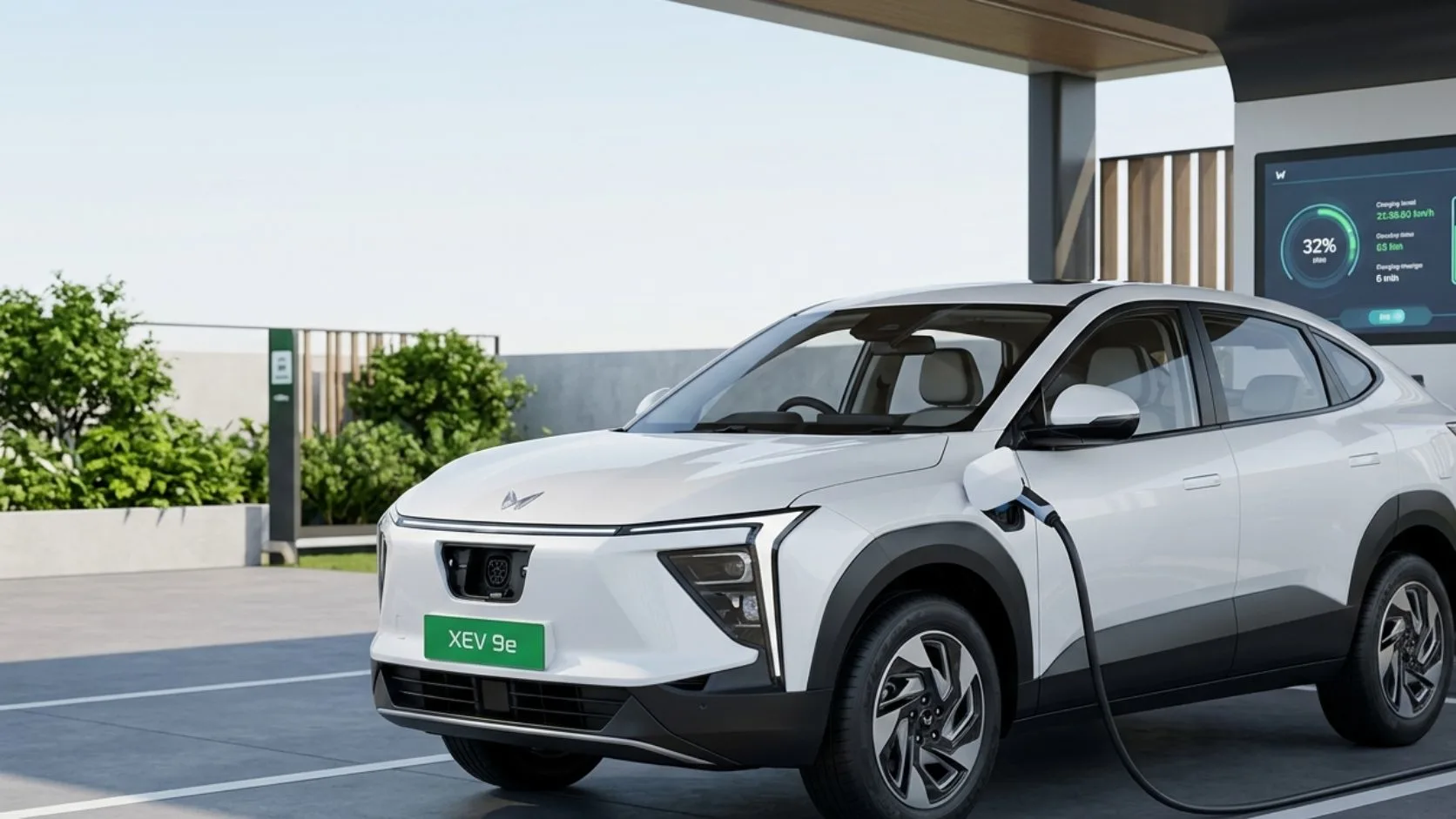
The Mahindra XEV 9e is an all-electric SUV-coupe developed for the Indian market, combining a large battery, a modern digital cabin and a performance-oriented electric powertrain. It is part of Mahindra’s INGLO-based electric vehicle lineup and targets buyers looking for an electric SUV with substantial driving range, fast-charging capability and premium technology.
The XEV 9e made its global debut in India on November 26, 2024. It was introduced with two battery-pack options, multiple power outputs depending on the configuration, and a claimed driving range of up to 656 km under India’s ARAI certification figures.
For buyers considering the 2026 Mahindra XEV 9e, the key questions are how much range it offers, how quickly it charges, what its interior technology includes, and whether its size and price make sense for everyday use. The answers depend on the battery pack and variant selected.
This article focuses on the Indian-market model. Its official range figures, equipment and prices should not be assumed to apply to other countries.
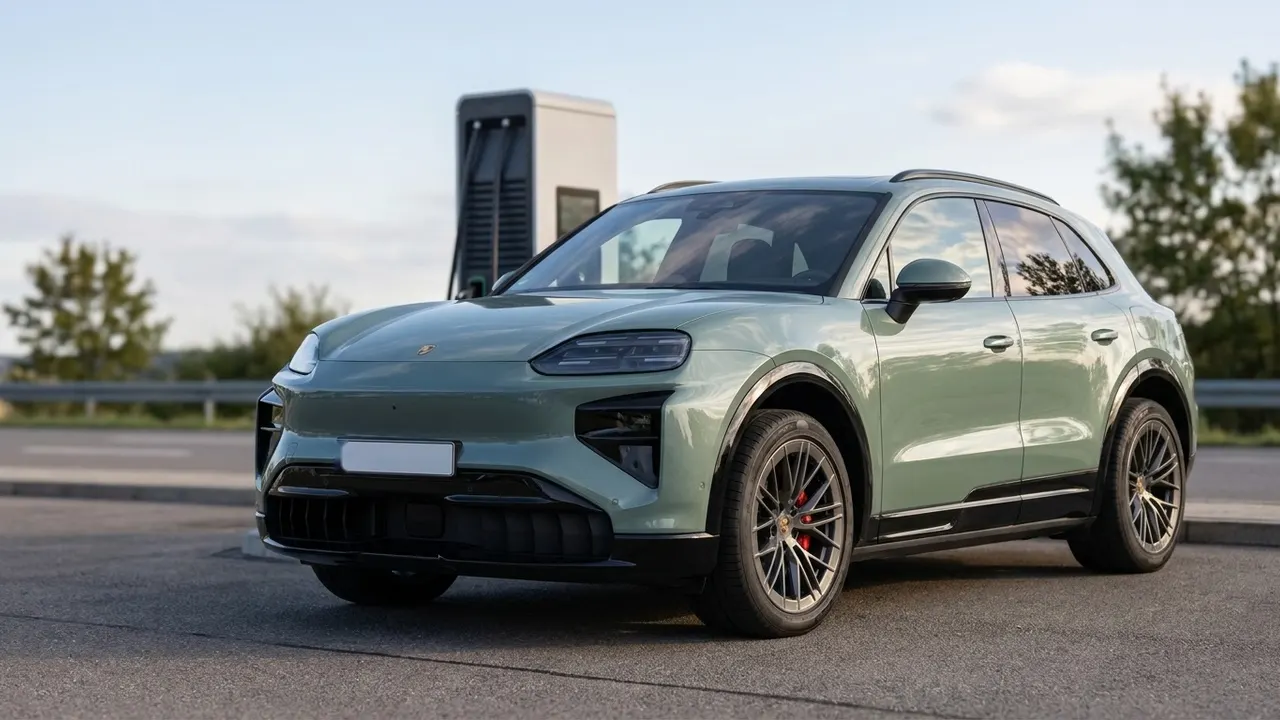
Mahindra XEV 9e: Key Specifications
| Specification | Mahindra XEV 9e |
|---|---|
| Vehicle type | All-electric SUV-coupe |
| Market covered | India |
| Platform | INGLO |
| Battery options | 59 kWh and 79 kWh |
| Maximum claimed range | Up to 656 km (ARAI) |
| Maximum power | Up to 210 kW |
| Maximum torque | Up to 380 Nm |
| Drivetrain | Rear-wheel drive |
| Seating capacity | 5 occupants |
| DC fast-charging capability | Up to 175 kW |
| AC charging | Supported; rate depends on the charger and configuration |
| Launch reveal | November 26, 2024 |
Specifications and equipment can vary by variant. The 656 km figure is a certified range claim, not a promise of the distance every driver will cover in real-world conditions.
2026 Mahindra XEV 9e Battery and Range
The XEV 9e is available with two lithium iron phosphate (LFP) battery options: 59 kWh and 79 kWh. The larger battery offers a longer certified driving range and higher motor output, making it the more suitable choice for buyers who frequently travel longer distances.
59 kWh battery: Range and performance
The 59 kWh battery version has a certified range of 542 km under the MIDC testing cycle. Its electric motor produces 170 kW of power, equivalent to approximately 231 hp, and 380 Nm of torque.
This configuration can suit drivers who mainly use the vehicle for commuting, family travel and occasional highway journeys. Its smaller battery can also reduce the initial purchase cost compared with equivalent larger-battery configurations.
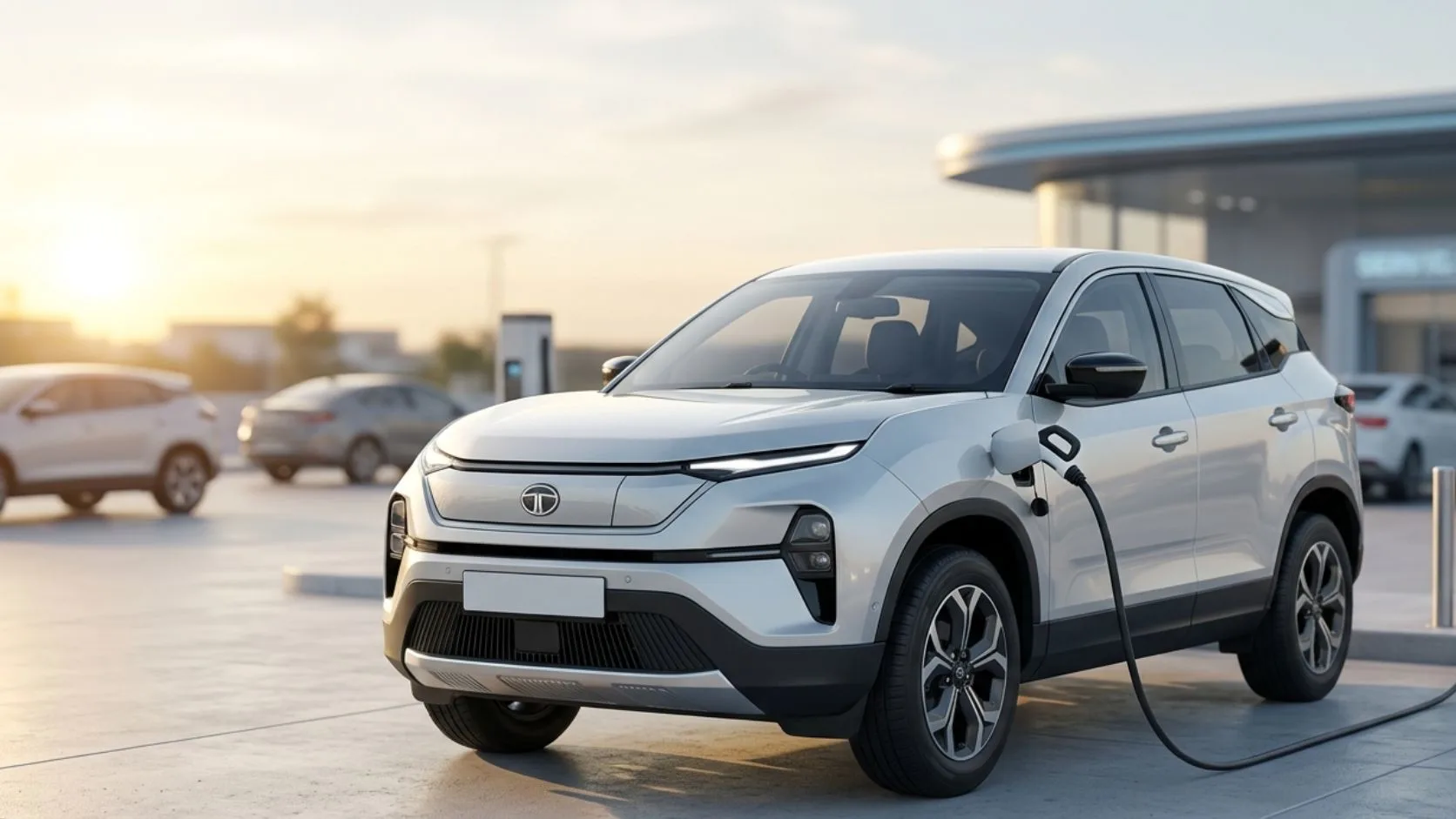
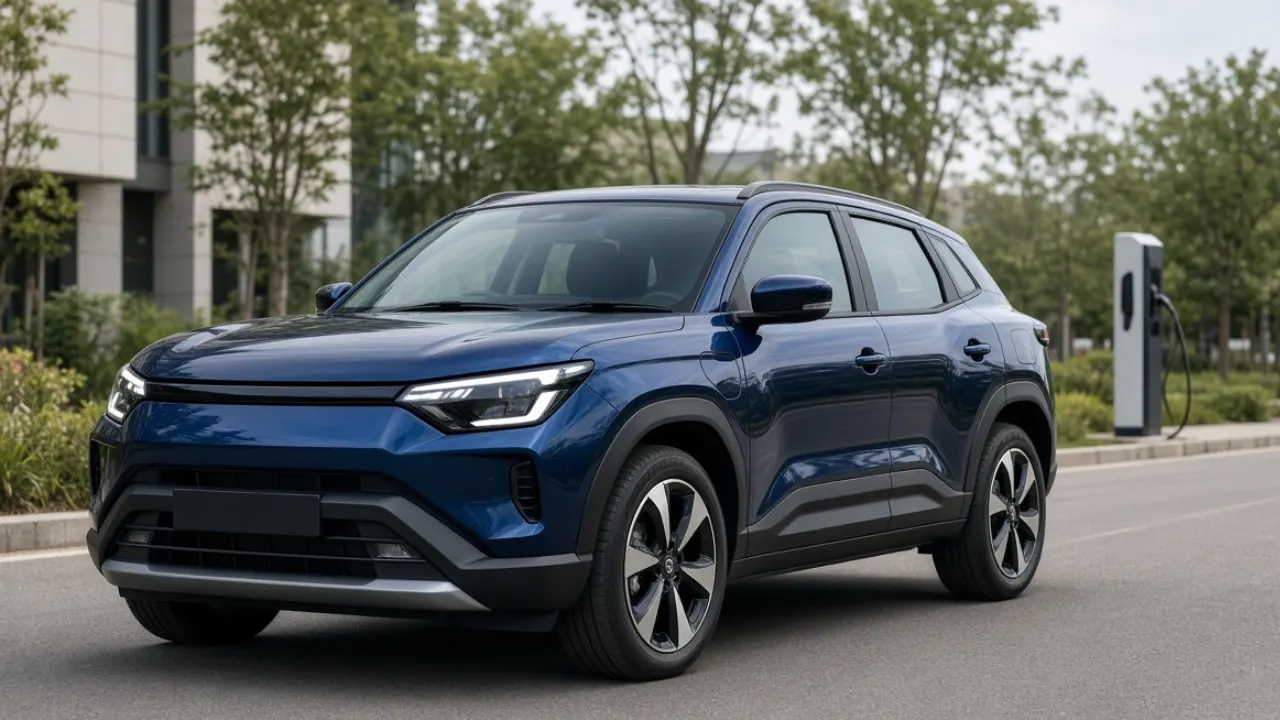
The practical range will depend on speed, traffic, outside temperature, air-conditioning use, road conditions and driving style. Regular high-speed highway driving can use energy more quickly than steady urban driving.
79 kWh battery: Maximum certified range
The larger battery provides a claimed 656 km of certified range under the MIDC cycle. Its motor produces up to 210 kW, or approximately 286 hp, with 380 Nm of torque.
This version is worth considering if you regularly travel between cities or want a larger energy reserve for longer journeys. The additional battery capacity can reduce the number of charging stops required on suitable routes.
However, the certified range should not be treated as a guaranteed everyday distance. Drivers should plan longer trips around realistic energy consumption, charging availability and a reasonable reserve for unexpected delays.
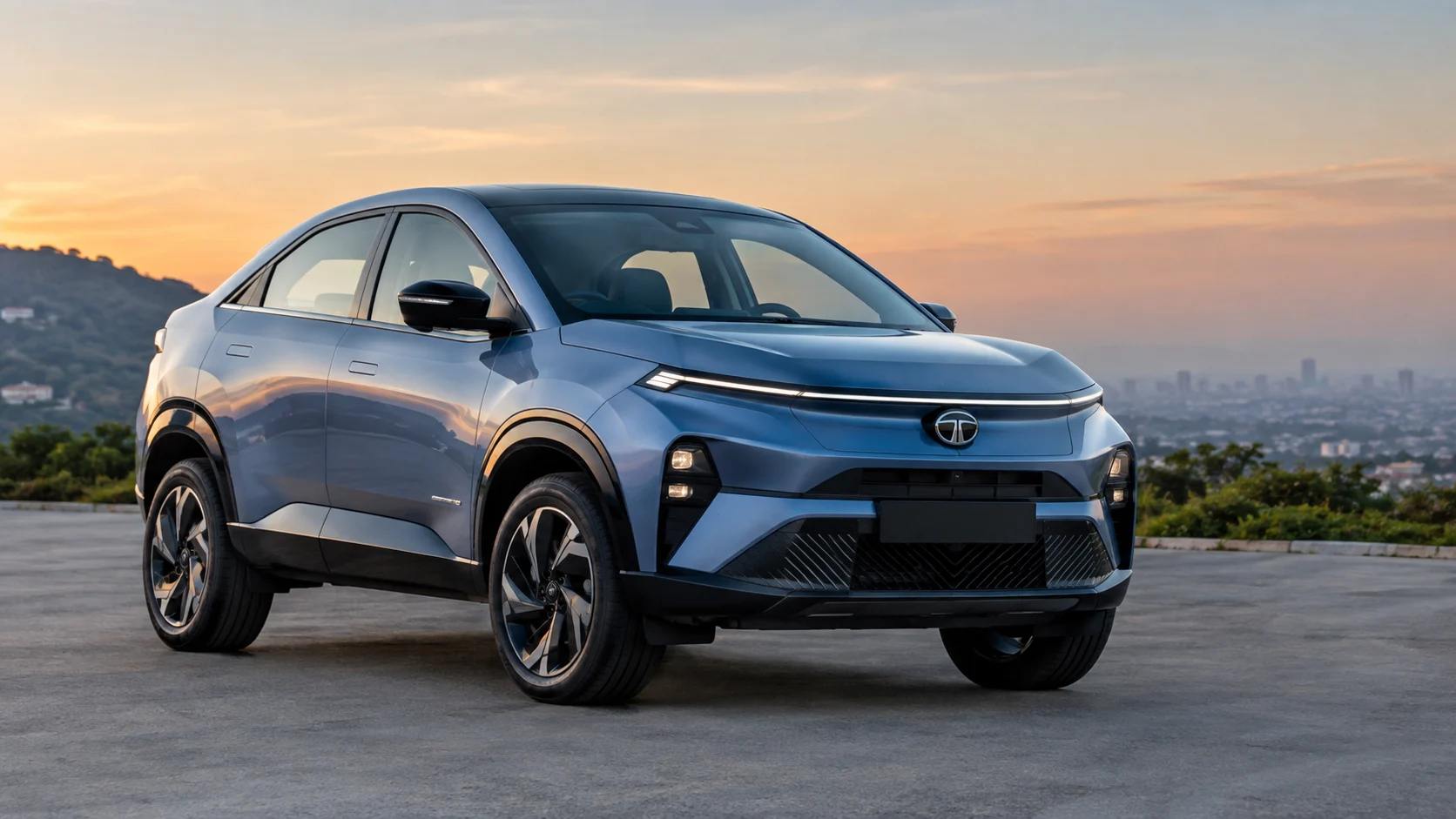
Battery and range comparison
| Specification | 59 kWh version | 79 kWh version |
|---|---|---|
| Battery capacity | 59 kWh | 79 kWh |
| Certified range | 542 km | 656 km |
| Maximum power | 170 kW | 210 kW |
| Maximum torque | 380 Nm | 380 Nm |
| Drive type | Rear-wheel drive | Rear-wheel drive |
| Charging equipment | Compatible AC and DC charging | Compatible AC and DC charging |
Both figures use the Indian MIDC certification cycle. The range difference between the two versions is 114 km on paper, but the actual difference in everyday driving will depend on conditions and energy consumption.
Mahindra XEV 9e Performance and Acceleration
Indian-market specifications
The XEV 9e uses a rear-mounted electric motor and a single-speed transmission. Unlike a petrol or diesel SUV, it does not need conventional gear changes, and electric torque is available without the engine building up revs.
The larger-battery version delivers up to 210 kW of power and accelerates from 0 to 100 km/h in a claimed 6.8 seconds. The 59 kWh version produces less power, at 170 kW, while retaining the same stated maximum torque of 380 Nm.
This performance should be useful for overtaking and merging into highway traffic, although acceleration can vary with battery charge, temperature and operating conditions.
Rear-wheel-drive layout
Both battery versions use rear-wheel drive. The motor sends power to the rear wheels rather than using a conventional front-engine, front-wheel-drive arrangement.
This layout helps distinguish the XEV 9e from several electric SUVs that use front-wheel drive or offer dual-motor all-wheel drive. Buyers who regularly drive on slippery or difficult surfaces should understand that rear-wheel drive is not equivalent to all-wheel drive.
For normal paved-road use, the XEV 9e’s electric powertrain is designed to deliver smooth acceleration and responsive power delivery. Its suitability for a particular driving style will also depend on tyre choice, road conditions and the selected drive mode.
Mahindra XEV 9e Charging Time and Charging Options
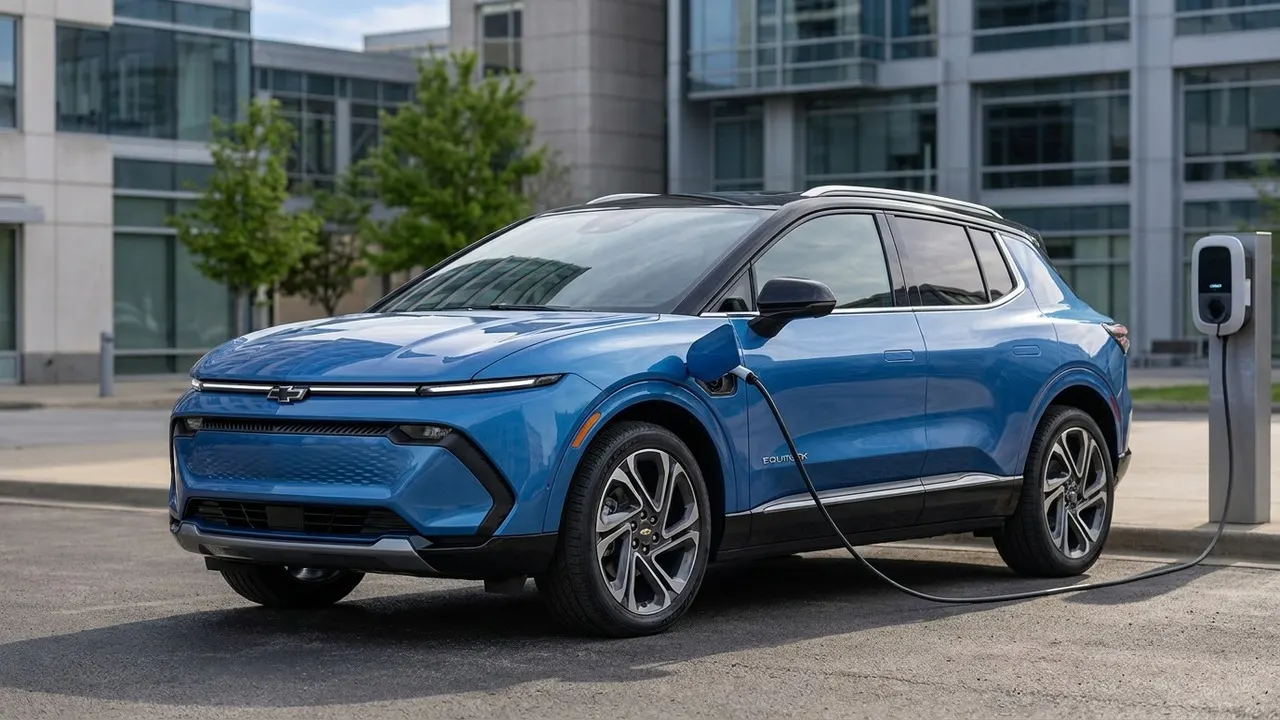
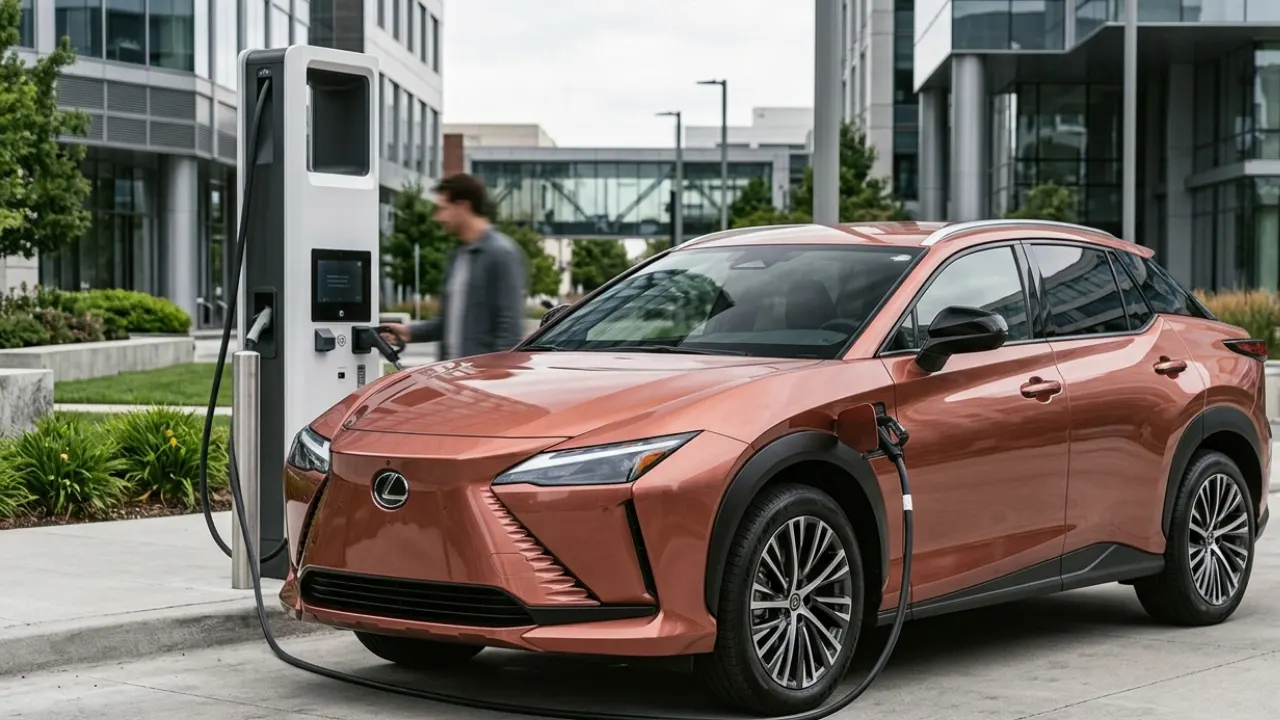
Charging convenience is a major consideration when choosing an electric SUV. The XEV 9e supports home AC charging and high-power DC fast charging, allowing owners to choose between slower overnight charging and quicker charging stops during longer journeys.
DC fast charging
Mahindra states that the XEV 9e’s battery can charge from 20% to 80% in under 20 minutes when connected to a compatible high-power DC charger.
The charging equipment supported by the two battery configurations differs:
- 59 kWh battery: Up to 140 kW DC fast charging.
- 79 kWh battery: Up to 175 kW DC fast charging.
The advertised charging time depends on suitable charging equipment and conditions. The charger must support the vehicle’s requirements, and its available output must be sufficient to deliver the expected charging speed.
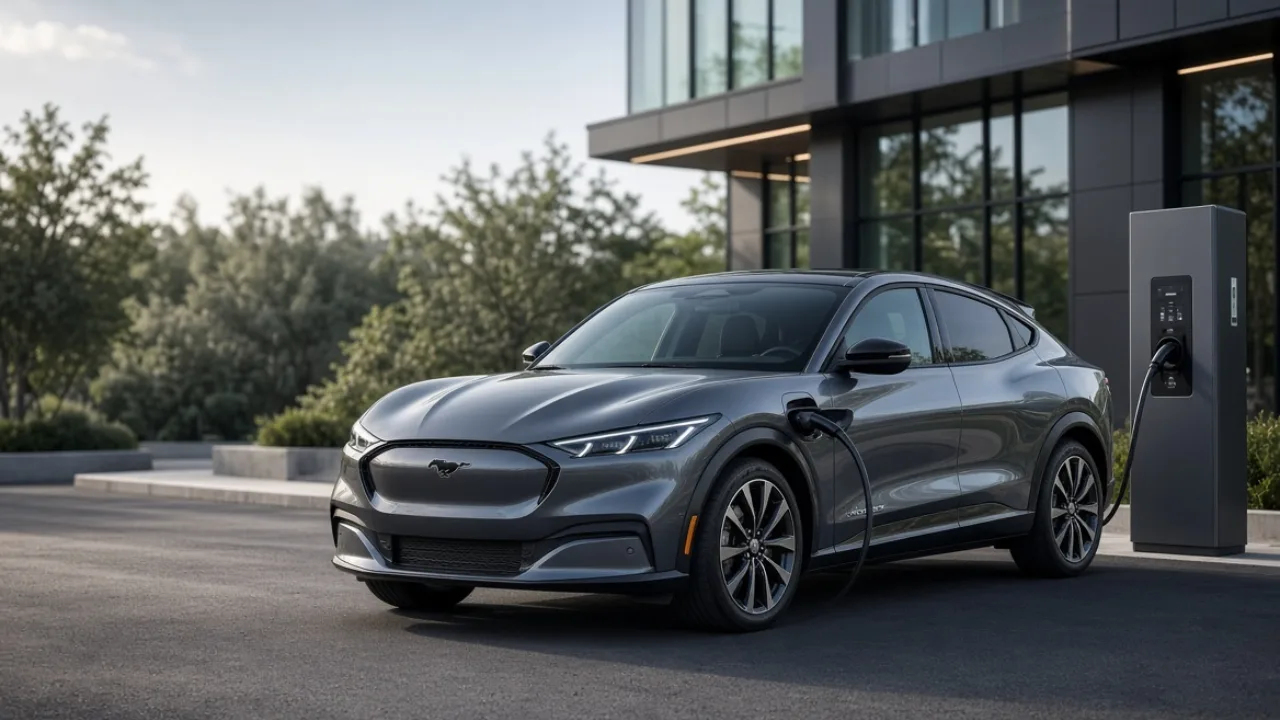
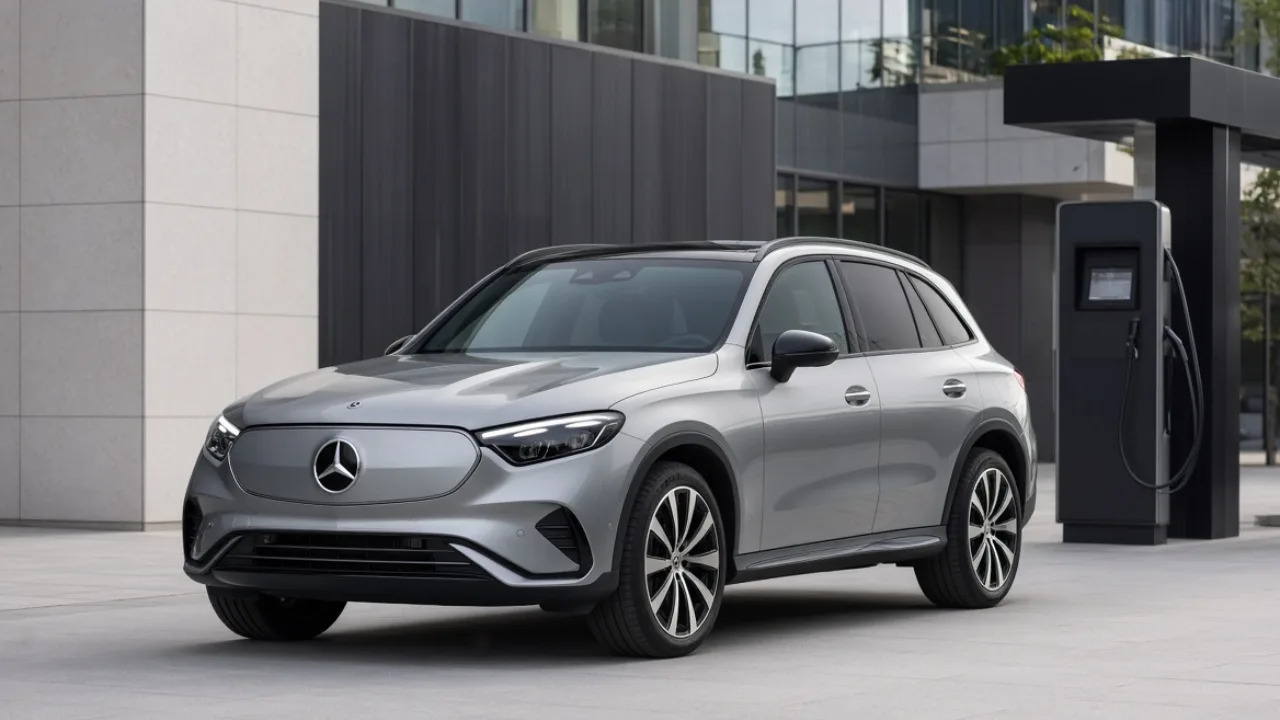
Charging power is not constant throughout the session. The battery management system adjusts power according to battery temperature, state of charge and other operating conditions. As a result, the time needed for a particular charging session may differ from the advertised figure.
Home AC charging
Home charging is often the most convenient option for drivers who can park near a suitable electrical connection overnight.
Mahindra has offered 7.2 kW and 11.2 kW AC wall-box charger options for the XEV 9e. The charger and installation costs have been separate from the vehicle’s stated ex-showroom price in the manufacturer’s published pricing information.
The 11.2 kW option can generally replenish the battery faster than a 7.2 kW unit when the vehicle supports the available power. Actual charging time depends on the battery size, the vehicle’s onboard charging capability, installation and charging conditions.
A dedicated home charger should be installed by a qualified professional after assessing the property’s electrical supply and parking arrangement. A buyer living in an apartment should confirm charging access and installation permission before purchasing an EV.
Which charging option makes sense?
| Charging method | Best use |
|---|---|
| Home AC wall box | Overnight charging and routine commuting |
| Public AC charger | Longer parking periods at suitable destinations |
| DC fast charger | Road trips and charging stops when time matters |
DC fast charging is useful for occasional longer journeys, but regular access to convenient home or workplace charging can make everyday EV ownership substantially easier.
Mahindra XEV 9e Interior and Cabin Technology
The XEV 9e’s cabin is one of its defining features. Its dashboard uses a wide, digital display arrangement that gives the interior a modern, technology-focused appearance.
Depending on the variant, the cabin can include three large displays across the dashboard, connected infotainment functions, premium audio equipment and a panoramic-style glass roof.
Triple-screen dashboard
Higher-specification versions feature a wide, three-screen dashboard layout that brings together driver information and infotainment functions. The displays are designed to provide access to vehicle information, navigation and compatible entertainment features.
The exact display configuration and equipment should be checked against the chosen variant. Not every feature advertised for the top trim should be assumed to be standard on entry-level versions.
A digital cabin can make information easier to access, but buyers should also assess the placement of physical controls, the ease of adjusting climate settings and how distracting the display arrangement may feel while driving.
Infotainment and connected features
The XEV 9e uses Mahindra’s MAIA vehicle-computing architecture. The manufacturer has announced a Qualcomm Snapdragon 8295-based cockpit system with 24 GB of RAM and 128 GB of storage.
Depending on the configuration, equipment can include wireless Apple CarPlay and Android Auto, connected-car functions, built-in applications and voice-assistant integration.
These features can improve convenience, but some connected services may depend on software versions, network availability, subscriptions or other conditions. Buyers should verify which services are included with their chosen vehicle.
Premium audio system
Selected variants offer a 16-speaker Harman Kardon audio system with Dolby Atmos support. This equipment is intended to provide a more immersive listening experience than a basic factory audio setup.
Its inclusion is variant-dependent, so buyers who place a high priority on sound quality should confirm that the specific trim includes the premium system.
Seating and everyday comfort
The XEV 9e is a five-seat SUV-coupe, rather than a three-row family SUV. Its cabin is designed around two rows of seating, making it relevant for families that do not require a third row.
A flat electric-vehicle floor can help the cabin layout, although actual comfort depends on seat shape, legroom, headroom and the vehicle’s roofline. The sloping rear roof is also a factor taller passengers should consider when checking the rear seats.
For regular family use, inspect rear-seat comfort and luggage space in person. If the vehicle will often carry adults in the back, a test drive with the intended passengers is more useful than relying on exterior dimensions alone.
Mahindra XEV 9e Exterior Design and Practicality
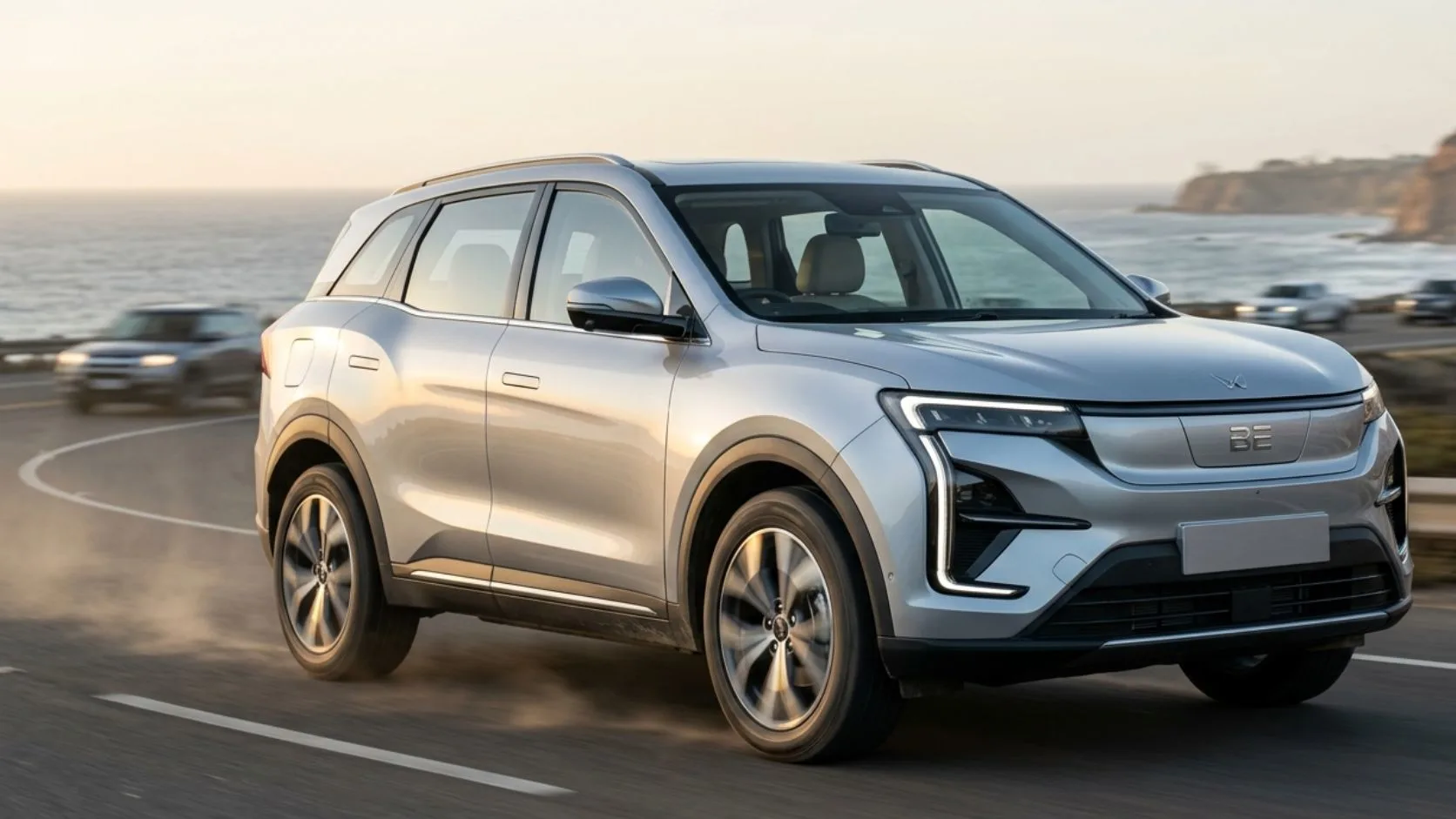
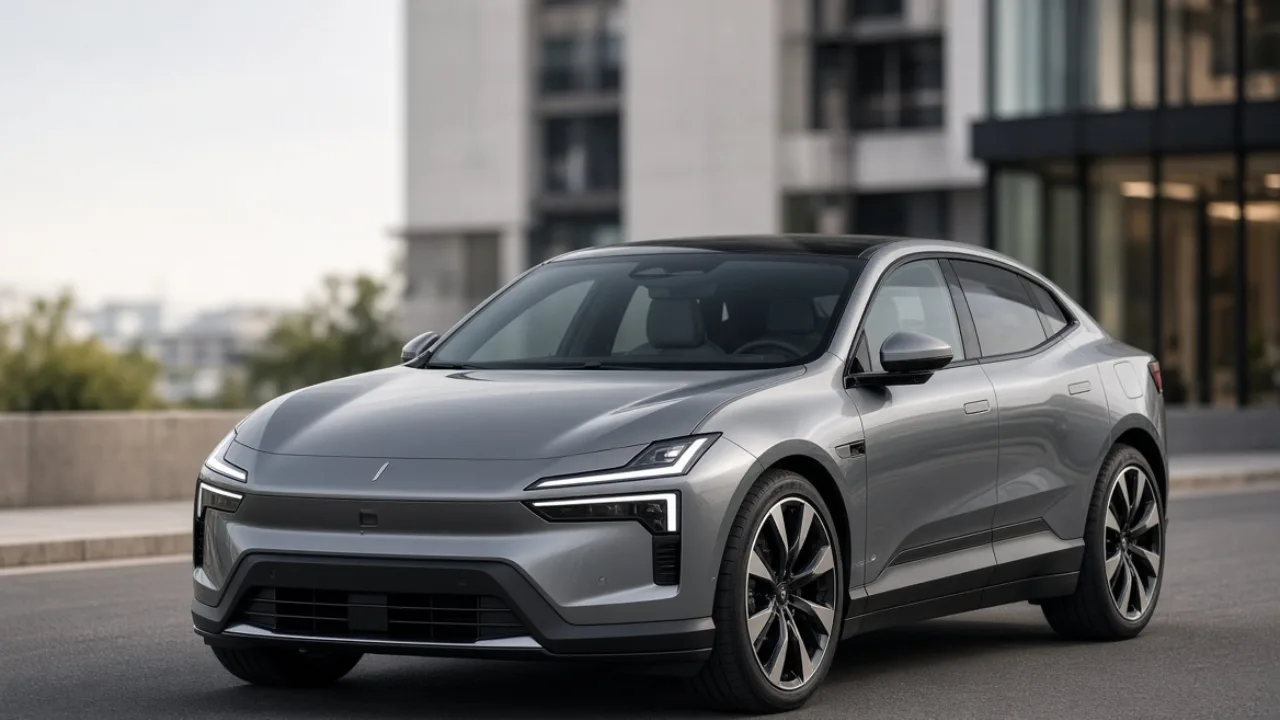
The XEV 9e has a coupe-inspired SUV profile, with a sloping roofline and a distinctive front-end design. Its styling is intended to give it a different identity from conventional upright SUVs.
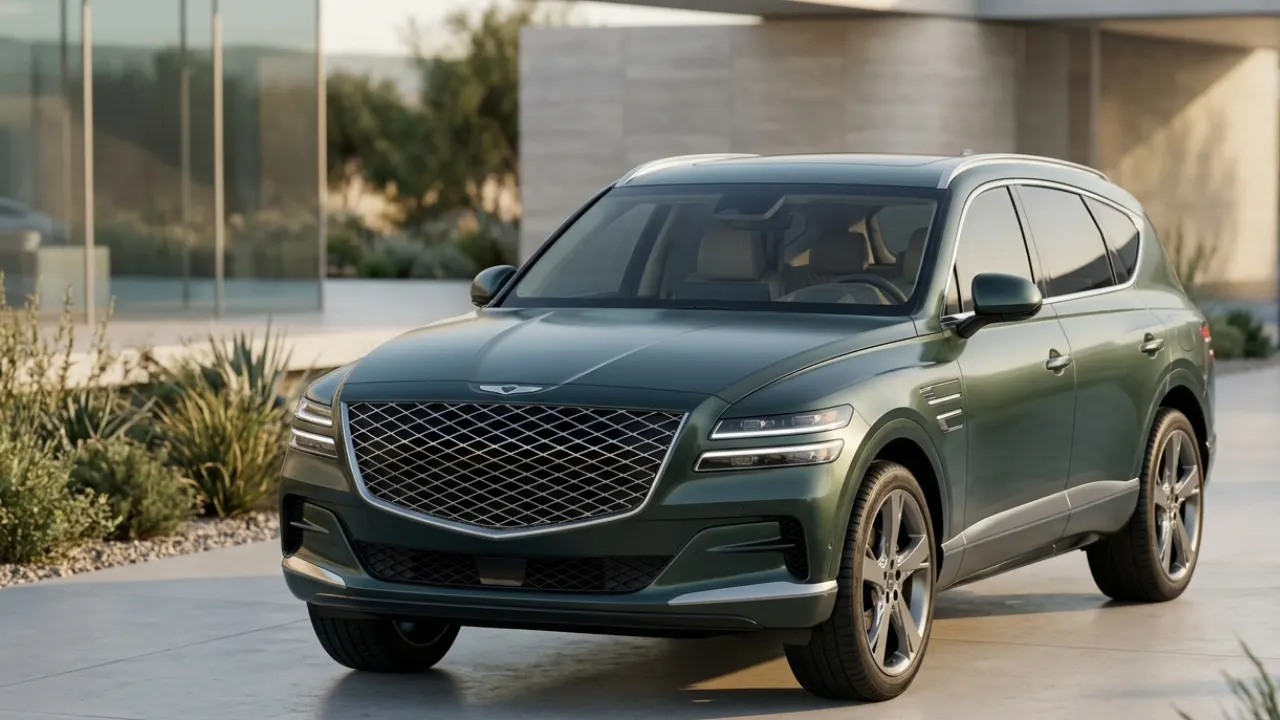
Its electric-vehicle platform also allows the designers to arrange the powertrain and cabin differently from a traditional internal-combustion vehicle.
The vehicle measures approximately 4,789 mm in length, 1,907 mm in width and 1,694 mm in height, with a 2,775 mm wheelbase.
These dimensions make it a substantial vehicle. That can be useful for cabin space and road presence, but buyers should consider parking access, garage dimensions and manoeuvrability in crowded urban areas.
The sloping roof gives the SUV a sportier silhouette, although it can affect rear headroom and the shape of the luggage compartment compared with a more upright vehicle.
Mahindra XEV 9e Safety and Driver Assistance
The XEV 9e has been awarded a five-star Bharat NCAP rating for adult and child occupant protection. The published assessment recorded 32 out of 32 points for adult occupant protection and 45 out of 49 points for child occupant protection.
This is a useful safety reference, but buyers should still check the specific safety equipment included with their selected variant.
ADAS and active safety
The XEV 9e offers Level 2 advanced driver-assistance systems on applicable configurations. These systems use sensors and cameras to assist the driver in certain driving situations.
Depending on the equipment and configuration, functions can include adaptive cruise control, lane-related assistance, collision warnings and automatic emergency braking.
Such features are designed to support the driver, not replace attention or judgement. Their performance can be affected by weather, road markings, traffic and sensor visibility.
Buyers should also verify the number of airbags, parking assistance features, camera systems and other safety equipment fitted to their preferred trim.
Mahindra XEV 9e Price in India and 2026 Variants
The XEV 9e launched in India in November 2024, with an introductory starting price of ₹21.90 lakh ex-showroom for the 59 kWh Pack One configuration. Mahindra subsequently expanded the lineup with additional battery and equipment combinations.
For 2026, buyers should also be aware of the XEV 9e Cineluxe Edition, which Mahindra announced on March 1, 2026. It was priced at ₹29.35 lakh ex-showroom, with bookings scheduled to open on March 2 and deliveries to begin on March 10, 2026.
The Cineluxe Edition adds exclusive exterior colors and a more premium interior treatment. Its price and availability should be considered separately from the standard XEV 9e variants.
Earlier published prices for standard trims should not automatically be treated as the current price of every available vehicle. Pricing may change with variant updates, taxes and manufacturer revisions.
What affects the final price?
The amount a buyer pays depends on several factors:
- Battery capacity and motor output
- Selected equipment package
- Special editions
- Home charger selection and installation
- Registration and insurance
- Applicable state taxes and other charges
The ex-showroom price is not the same as the on-road price. Before placing an order, obtain a current written quotation that identifies the variant, battery pack, charger, installation costs and other applicable charges.
Mahindra XEV 9e: Pros and Limitations
Advantages
- Two battery options to suit different budgets and driving needs.
- Up to 656 km of certified MIDC range with the 79 kWh battery.
- Strong performance, with up to 210 kW of power.
- DC fast charging designed to replenish the battery from 20% to 80% in under 20 minutes under suitable conditions.
- A modern digital cockpit with premium audio and connected features on selected variants.
- Five-star Bharat NCAP ratings for adult and child occupant protection.
- Rear-wheel-drive layout and a dedicated electric-vehicle platform.
Limitations
- Real-world range can be lower than the certified figure.
- Access to convenient charging is important for stress-free ownership.
- Home charger and installation costs can increase the initial expenditure.
- The coupe-style roofline may not suit every passenger’s headroom requirements.
- The vehicle’s size may make parking difficult in tight urban spaces.
- Rear-wheel drive may be less suitable than all-wheel drive for some low-traction conditions.
- Equipment and connected services vary by variant.
Is the Mahindra XEV 9e Worth Buying in 2026?
The Mahindra XEV 9e is worth considering if you want a premium electric SUV with substantial certified range, strong acceleration and a technology-focused cabin.
The 59 kWh version makes sense for buyers whose everyday driving needs do not require the larger battery’s additional range. The 79 kWh version is more appealing to frequent highway travelers and those who want a greater certified driving range alongside the higher motor output.
Charging access should be part of the purchase decision. If you can charge at home or work, routine ownership may be convenient. If you depend entirely on public chargers, check the reliability and location of charging stations along your regular routes before committing.
The XEV 9e is not a universal fit for every family. Buyers who need seven seats, regularly travel on challenging unpaved terrain or cannot access suitable charging infrastructure may want to consider other options.
For the right buyer, however, its combination of battery choices, performance, technology and safety credentials makes it a compelling Indian-market electric SUV.
Frequently Asked Questions
1. What is the range of the Mahindra XEV 9e?
The XEV 9e has a certified MIDC range of 542 km with the 59 kWh battery and 656 km with the 79 kWh battery. Real-world range varies with driving conditions, speed, weather and energy use.
2. What is the battery capacity of the XEV 9e?
It is available with 59 kWh and 79 kWh lithium iron phosphate battery packs.
3. How powerful is the Mahindra XEV 9e?
The 59 kWh version produces 170 kW, approximately 231 hp, and 380 Nm of torque. The 79 kWh version produces up to 210 kW, approximately 286 hp, and 380 Nm.
4. How long does the XEV 9e take to charge?
Mahindra states that charging from 20% to 80% can take under 20 minutes with a compatible high-power DC charger. The stated maximum charging power is 140 kW for the 59 kWh version and 175 kW for the 79 kWh version.
5. Can the Mahindra XEV 9e be charged at home?
Yes. It supports AC home charging with compatible charging equipment. Charging time depends on the wall box’s output, battery size and the vehicle’s charging capability.
6. What is the 0–100 km/h acceleration time of the XEV 9e?
The 79 kWh version has a claimed 0–100 km/h acceleration time of 6.8 seconds. Performance figures can differ by battery configuration.
7. Is the Mahindra XEV 9e safe?
The XEV 9e received five-star Bharat NCAP ratings for both adult and child occupant protection. Its specific safety equipment varies by variant.
8. How many people can the XEV 9e seat?
The XEV 9e is a five-seat electric SUV-coupe with two rows of seating.
9. What is the price of the 2026 Mahindra XEV 9e?
Prices depend on the variant and current manufacturer price list. The special Cineluxe Edition was announced at ₹29.35 lakh ex-showroom in March 2026. Buyers should obtain an updated quotation for standard variants and any available special editions.
10. Is the Mahindra XEV 9e available in the United States?
This article covers the Indian-market model. Official U.S. retail availability has not been established by the sources consulted, so buyers should not assume that the vehicle is available through an authorized U.S. sales network.