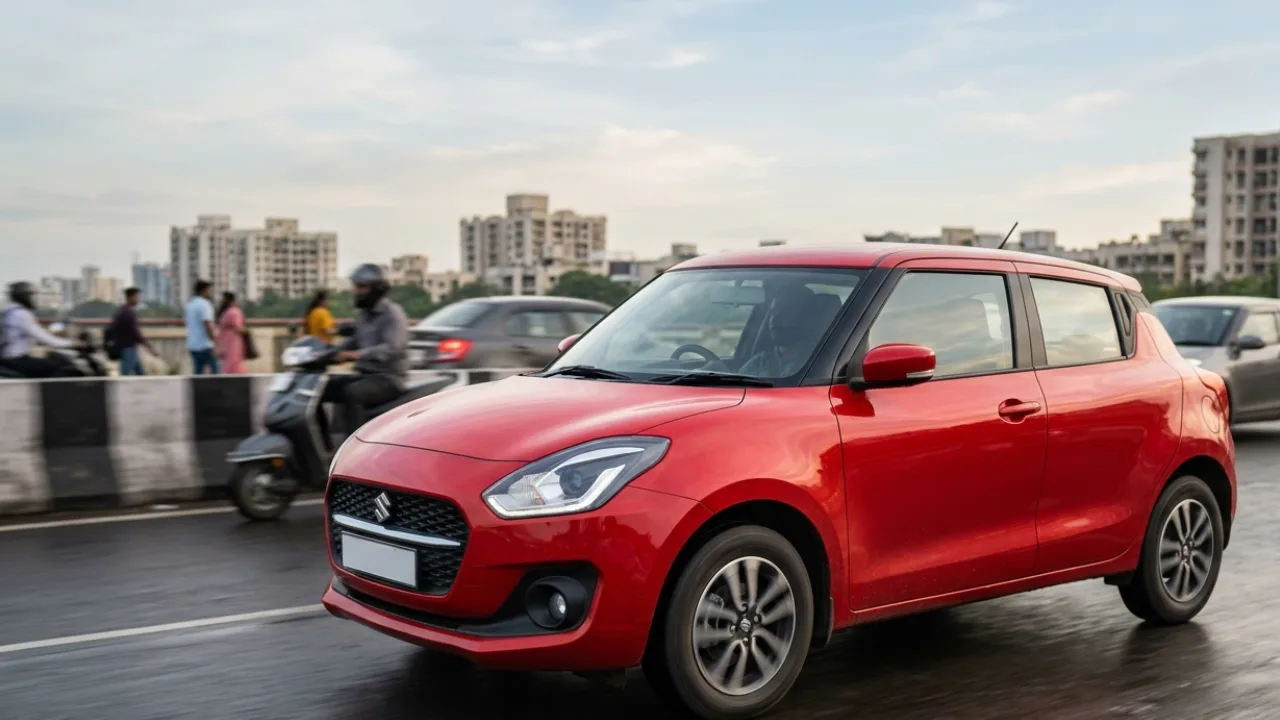
The Maruti Suzuki Swift 2026 remains one of India’s most recognizable premium hatchbacks, but its appeal is less about outright performance and more about combining compact dimensions, easy driving manners and strong fuel efficiency. For 2026, the Swift continues with a 1.2-litre three-cylinder petrol engine, while buyers can also choose factory-fitted S-CNG versions. The range now also includes an automatic S-CNG option, following Maruti Suzuki’s September 2026 launch.
This review focuses on the Indian-market Swift, including its mileage, engine performance, everyday usability, features, safety equipment and the differences between its petrol, AMT and CNG configurations.
Maruti Suzuki Swift 2026: Quick Take
The Swift is best understood as an efficiency-focused hatchback with light controls and relatively sporty handling, rather than a performance-oriented small car.
Its 1.2-litre Z-Series petrol engine produces about 82 hp and 112 Nm, while the petrol versions are available with a five-speed manual or AMT gearbox. The CNG version makes about 70 hp and 102 Nm and is offered with manual and, as of September 2026, AMT transmission options.
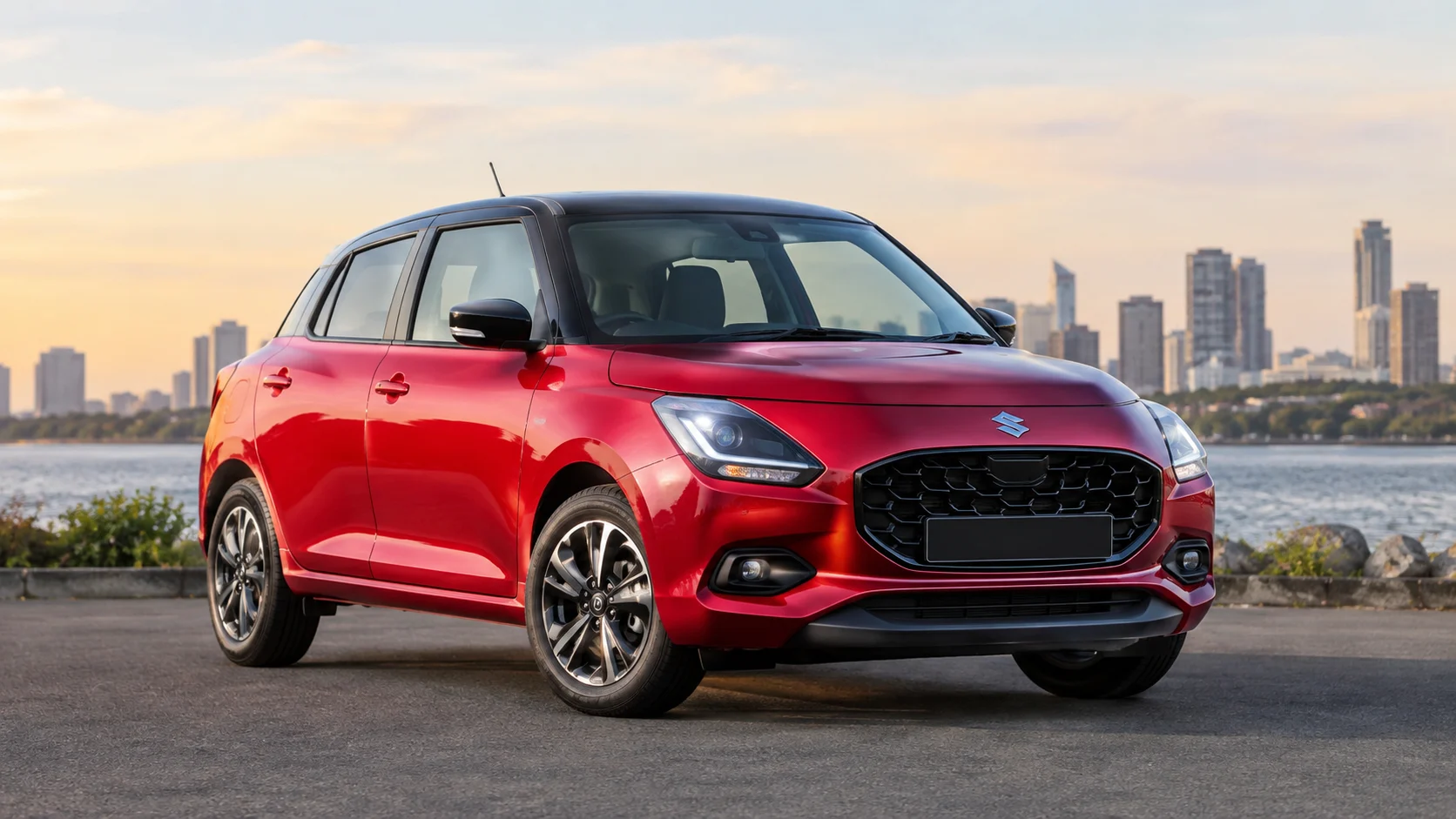
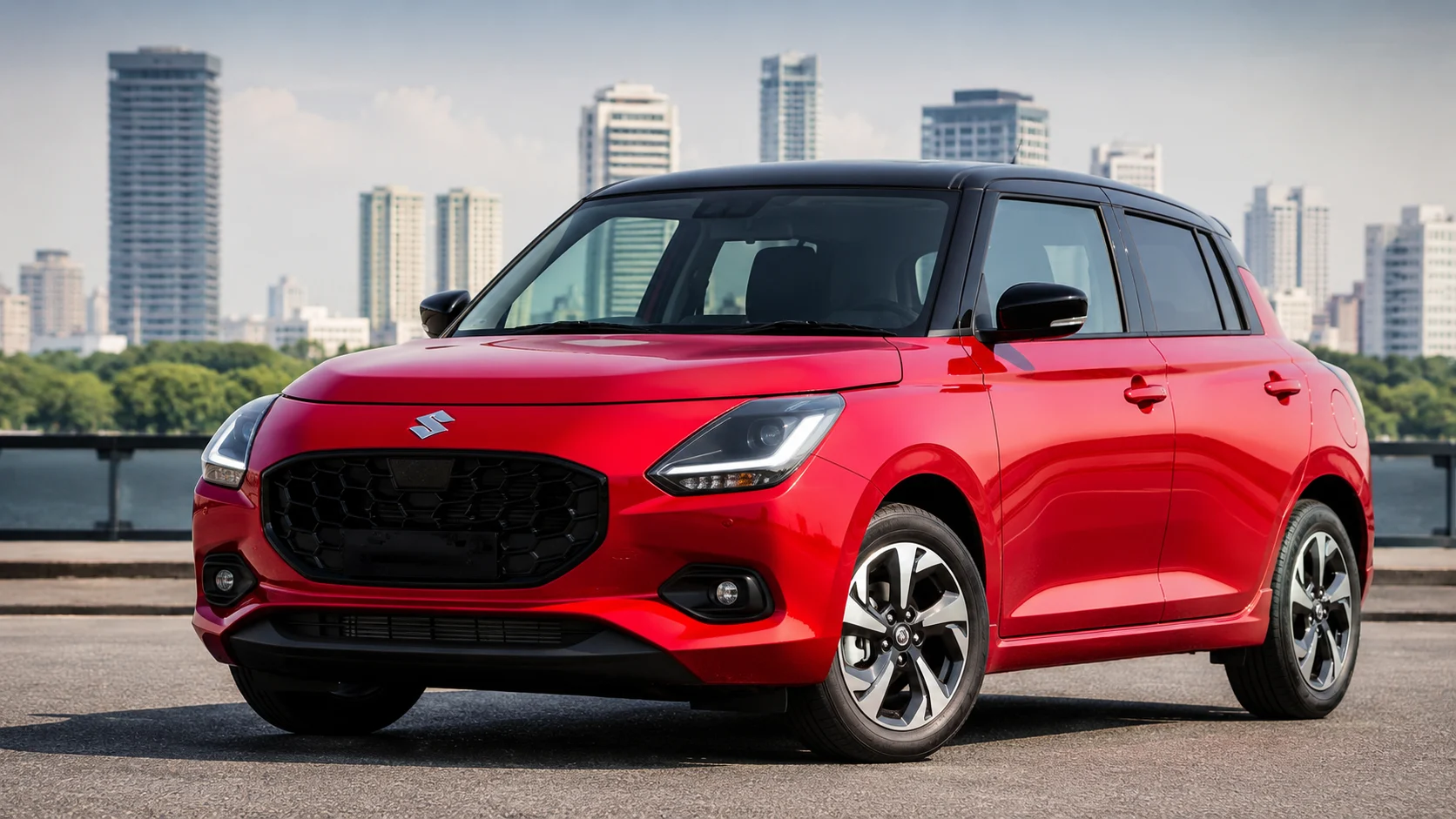
Maruti Suzuki quotes fuel-efficiency figures of 24.8 km/l for the manual petrol Swift and 25.75 km/l for the petrol AMT. The CNG manual is rated at 32.85 km/kg.
That makes fuel economy one of the Swift’s biggest selling points, although official laboratory figures should not be confused with real-world consumption.
2026 Swift Price and Variants in India
Maruti Suzuki’s official website currently lists the Swift starting at ₹5,83,900 ex-showroom for the LXi manual petrol version. Pricing varies by variant, transmission and fuel type.
The range includes petrol LXi, VXi, VXi (O), ZXi and ZXi+ variants, alongside CNG versions. Automatic options use Maruti Suzuki’s AGS/AMT system, while the September 2026 update added automatic transmission availability to the S-CNG range.
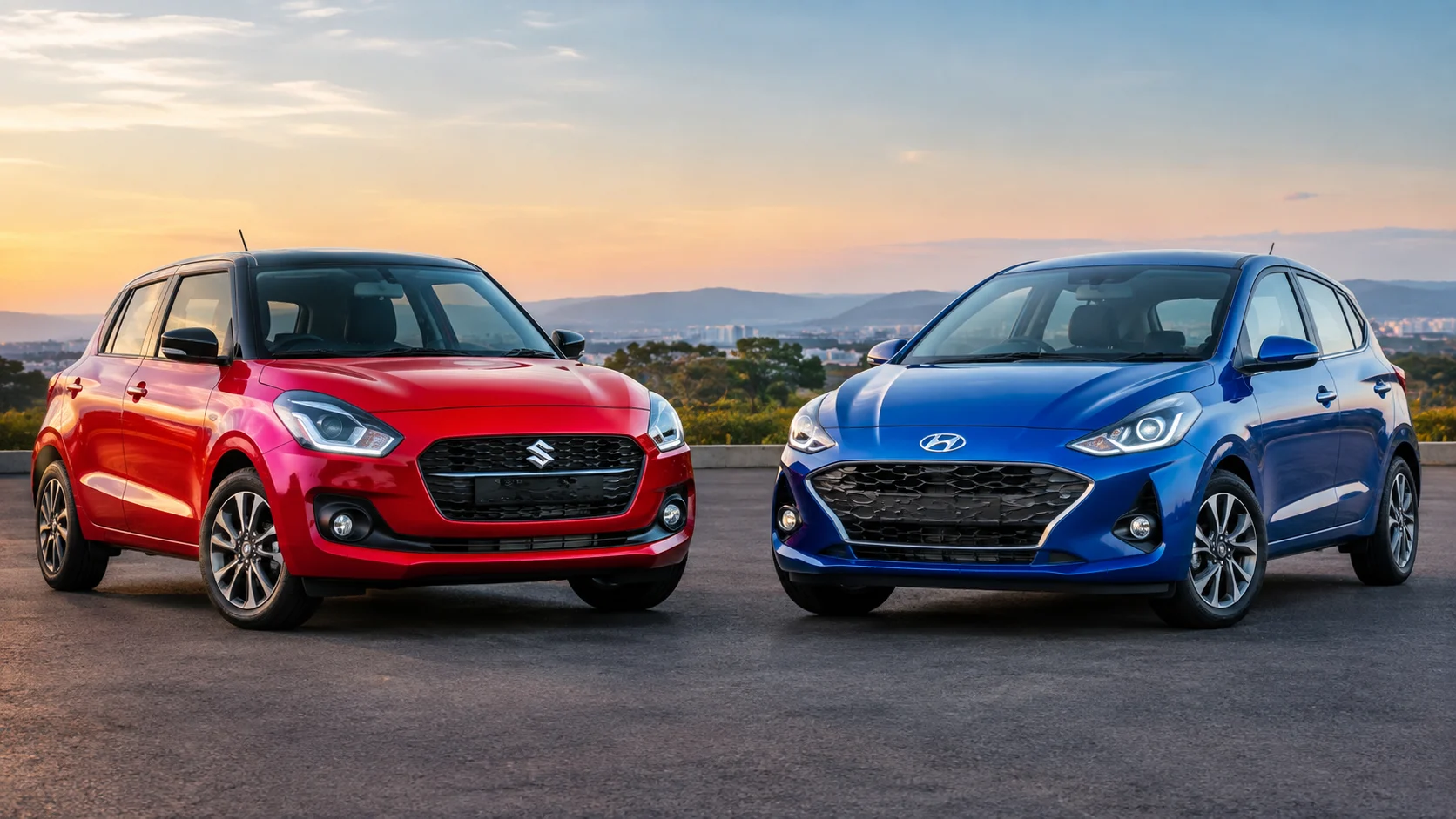
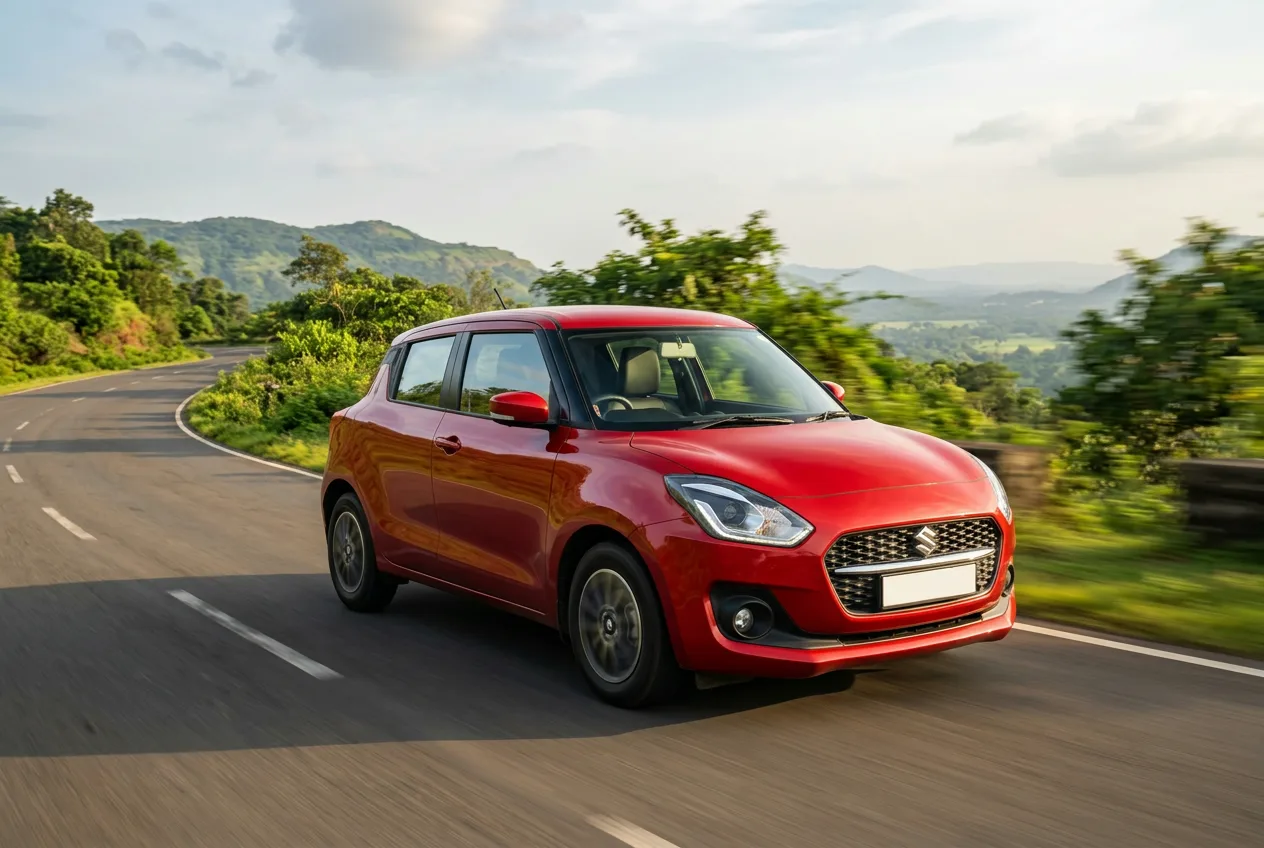
| Specification | Maruti Suzuki Swift 2026 |
|---|---|
| Market | India |
| Body style | 5-door hatchback |
| Seating | 5 |
| Petrol engine | 1.2-litre, 3-cylinder |
| Petrol power | 81.58 hp |
| Petrol torque | 111.7 Nm |
| Transmission | 5-speed manual / AMT |
| Petrol mileage | Up to 25.75 km/l |
| CNG mileage | Up to 32.85 km/kg* |
| Length | 3,860 mm |
| Width | 1,735 mm |
| Height | 1,520 mm |
| Wheelbase | 2,450 mm |
| Boot capacity | 265 litres |
| Fuel tank | 37 litres |
*Official fuel-efficiency figures vary by powertrain and certification. Real-world results can be lower.
Engine and Performance
The Swift uses Maruti Suzuki’s 1.2-litre Z-Series petrol engine with three cylinders. In petrol form, it produces approximately 81.6 hp at 5,700 rpm and 111.7 Nm at 4,300 rpm.
The numbers make clear that the Swift is designed more around efficiency and everyday usability than outright acceleration.
The engine is paired with either a five-speed manual or AMT. The manual is the more conventional choice for drivers who prefer direct control, while the AMT is aimed at buyers who spend more time in congested urban traffic.
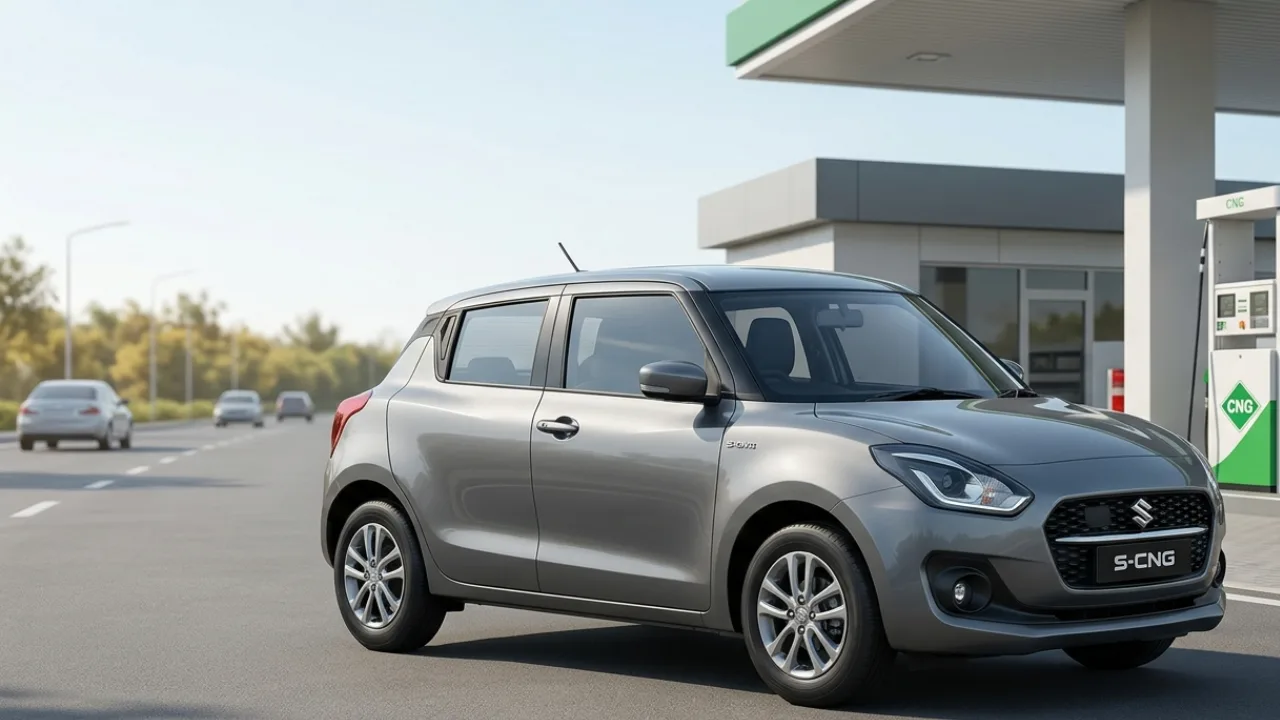
Autocar India’s expert review highlights the Swift’s light controls, fuel efficiency and handling as strengths, while noting that the engine does not have the strongest punch in the segment.
That distinction is important. The Swift can feel lively because of its compact dimensions and relatively low weight, but it is not designed to deliver the kind of acceleration associated with larger turbocharged hatchbacks.
Everyday Driving Experience
The Swift’s compact dimensions are one of its biggest advantages in daily use.
At 3,860 mm long and 1,735 mm wide, it is easy to place on narrow urban roads and in tight parking spaces. Its 4.8-metre turning radius also helps with low-speed manoeuvring.
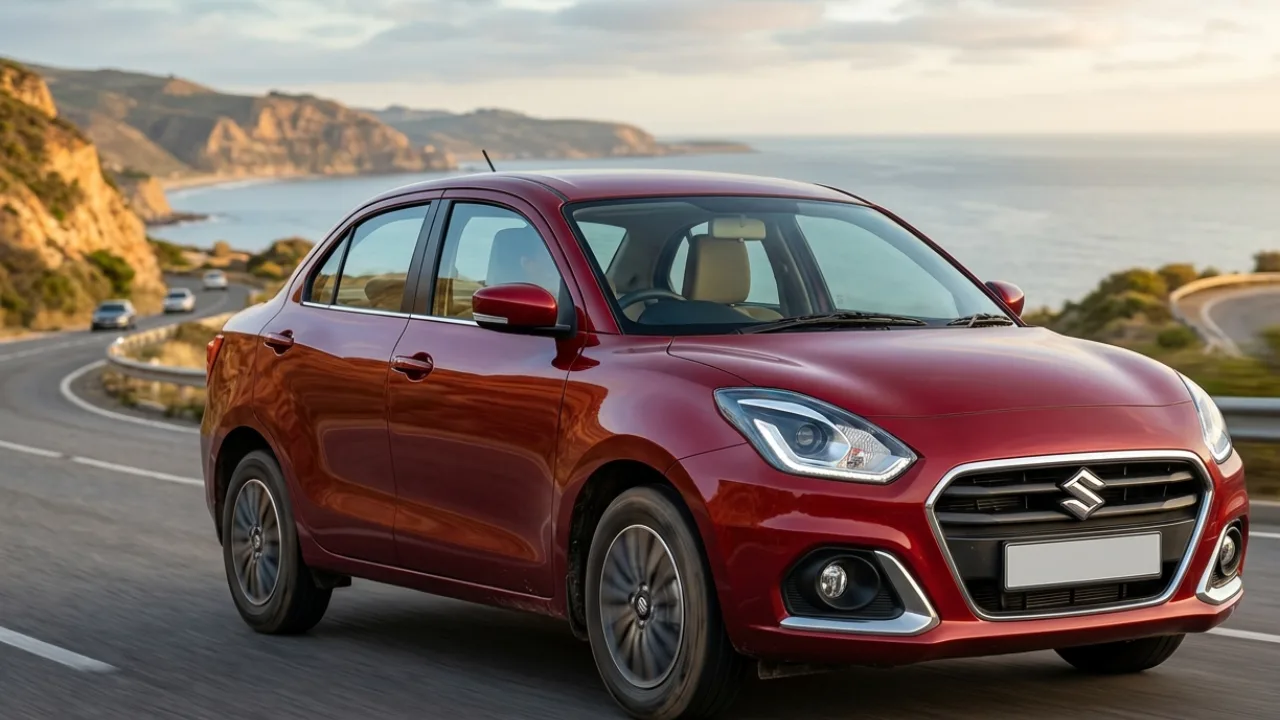
The light steering and controls reduce effort during routine city driving. Autocar’s assessment also gives the Swift strong marks for ride comfort and handling.
For someone using the car primarily for commuting, this combination makes more sense than chasing headline horsepower.
What About Highway Driving?
The Swift can handle highway travel, but expectations should remain realistic.
The naturally aspirated three-cylinder engine does not provide the same low-end punch as a stronger turbocharged engine. Overtaking at higher speeds may therefore require more planning, particularly with a full passenger load.
Autocar India’s testing recorded an overall 15.9 km/l for the petrol AMT, with separate city and highway test figures of 12.7 km/l and 19.1 km/l, respectively. These are test results rather than guaranteed consumption figures.
Swift 2026 Mileage: What Should You Expect?
Fuel efficiency is arguably the Swift’s clearest strength.
Maruti Suzuki lists:
- Petrol manual: 24.8 km/l
- Petrol AMT: 25.75 km/l
- CNG manual: 32.85 km/kg
The company-certified figures come from standardized testing, so actual mileage will vary with traffic, driving style, road conditions, air-conditioning use and vehicle load.
Independent testing demonstrates why buyers should not treat the official figure as a guaranteed everyday result. Autocar recorded 15.9 km/l for the petrol AMT in its standardized real-world testing.
For city commuters, the CNG versions offer a different proposition, especially for buyers with convenient access to CNG refuelling.
Swift CNG 2026
The factory-fitted S-CNG Swift remains focused on lowering running costs.
The CNG version uses the same basic 1.2-litre engine architecture but produces lower output than the petrol model. Maruti Suzuki lists 70 hp and 102 Nm for the CNG configuration.
The company quotes 32.85 km/kg for the CNG manual. In September 2026, Maruti Suzuki introduced the Swift S-CNG with AGS automatic transmission, broadening the CNG version’s appeal for urban drivers who prefer two-pedal driving.
The trade-off is performance. Independent testing of the Swift S-CNG has found it slower than the petrol version in acceleration tests, while also recording strong real-world fuel efficiency.
Features and Technology
The Swift’s higher variants offer a useful selection of modern convenience features.
Depending on variant, equipment includes a 9-inch SmartPlay Pro+ infotainment system, wireless Android Auto and Apple CarPlay, wireless charging, automatic climate control, rear AC vents and cruise control.
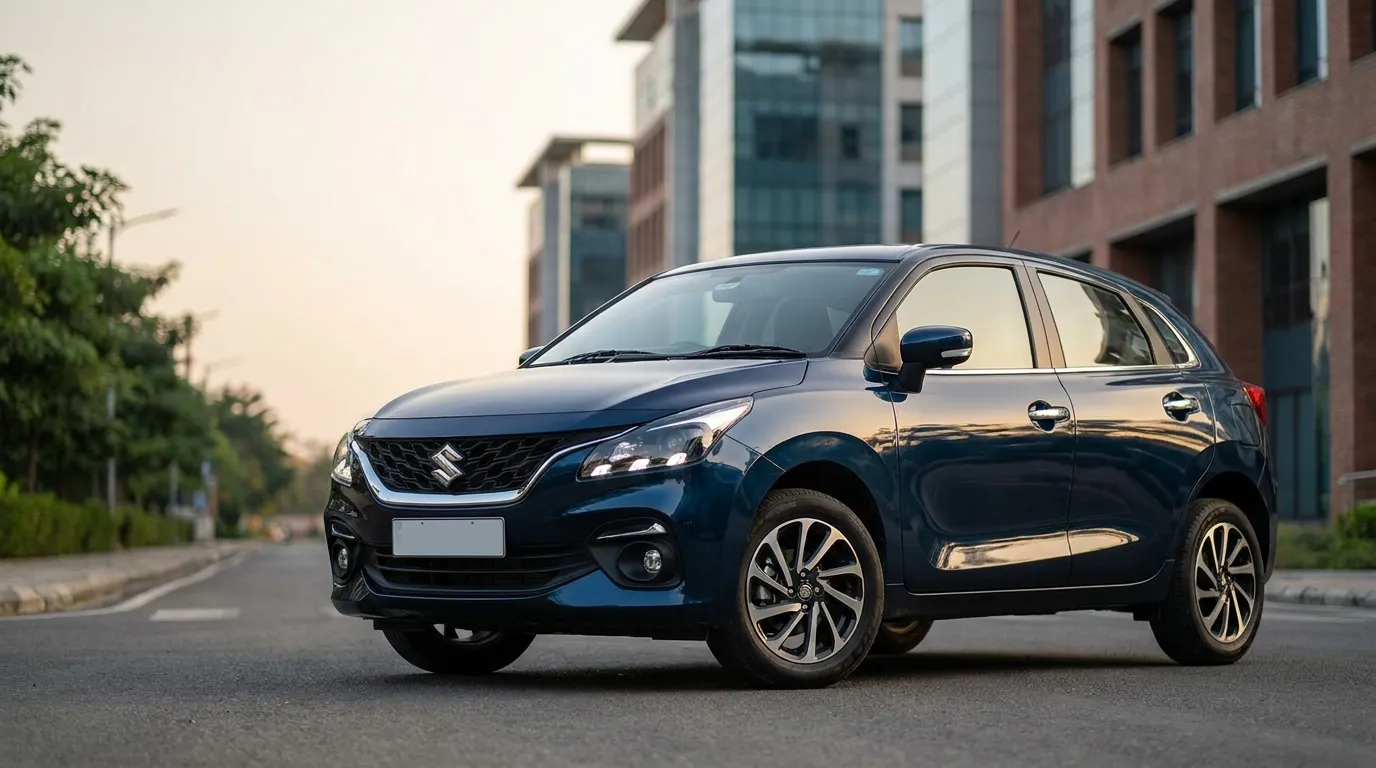
The cabin also has 60:40 split rear seats, which provide some flexibility when carrying passengers and luggage.
Feature availability varies by trim, so buyers should check the exact equipment list rather than assuming that every Swift receives every feature.
Safety Features
Safety equipment is another area where the Swift has a reasonably comprehensive standard specification.
Maruti Suzuki lists six airbags, ABS with Electronic Brakeforce Distribution, Electronic Stability Program, hill-hold assist and ISOFIX child-seat mounts among the Swift’s safety equipment. A reverse camera is also available.
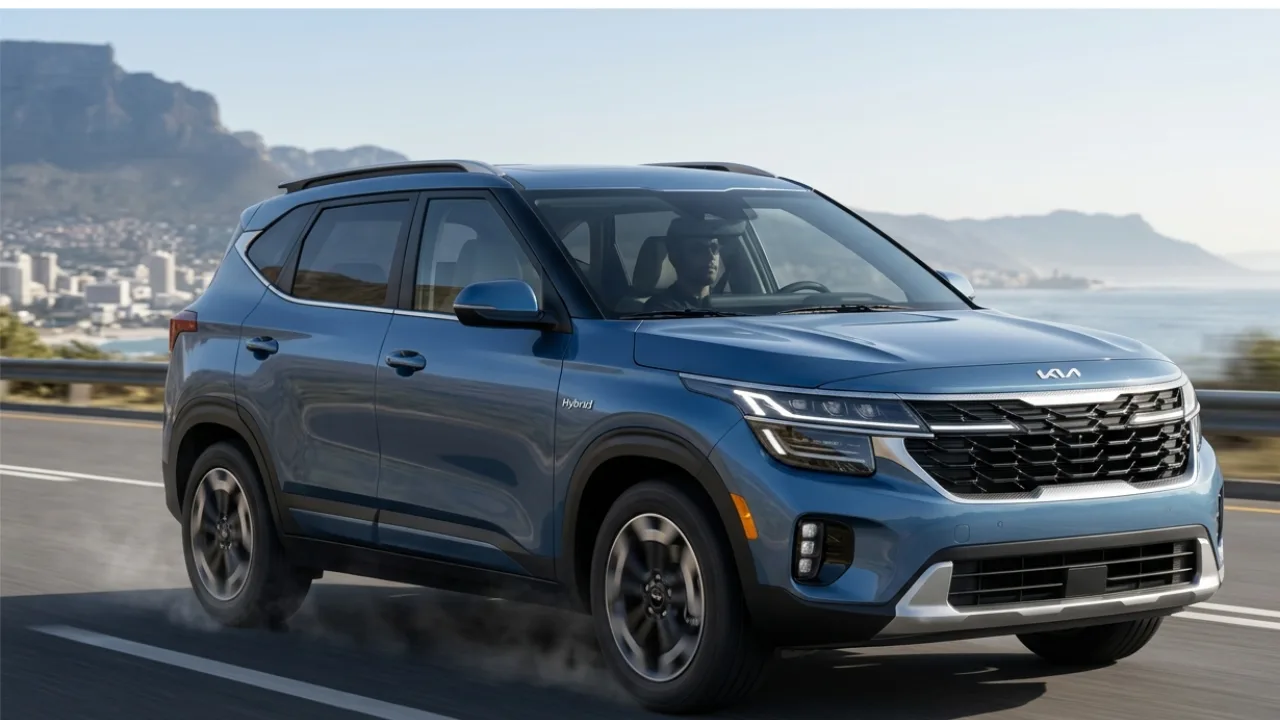
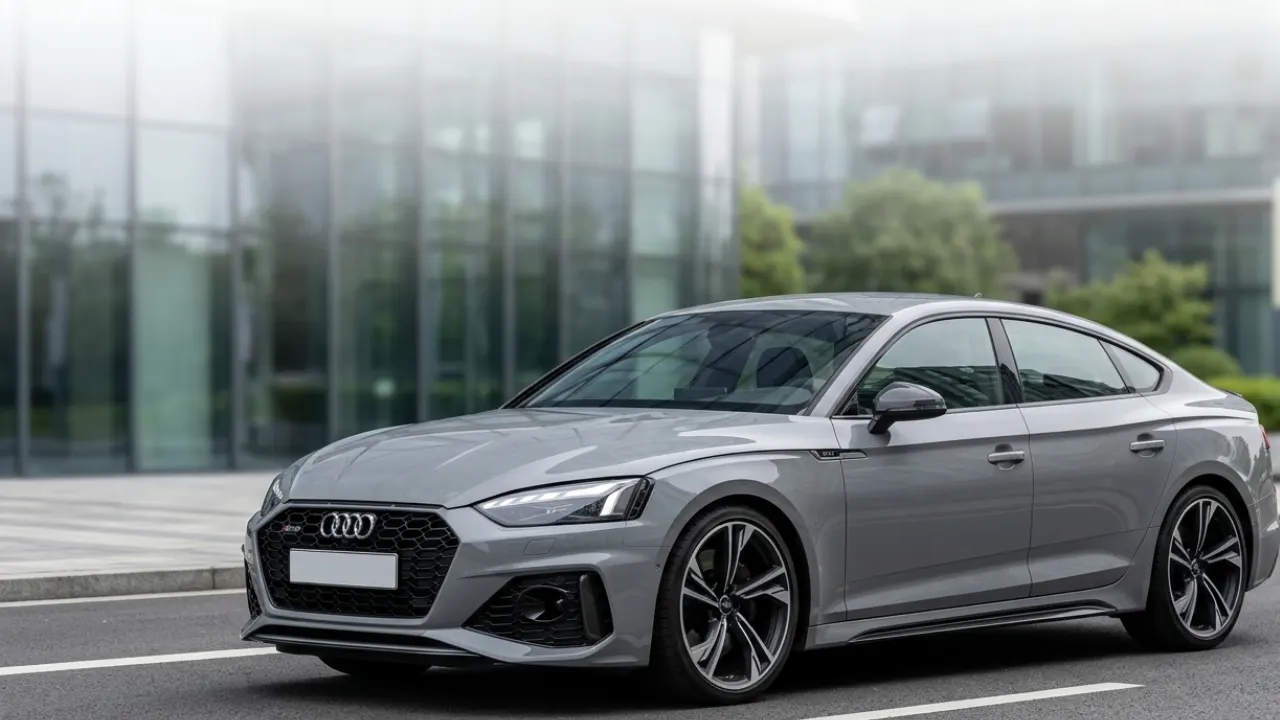
The exact availability of individual convenience and technology features varies by variant.
For buyers comparing different trims, checking the current official variant equipment list is more useful than judging the car from its top-spec version alone.
Interior Space and Practicality
The Swift is a compact hatchback, so its dimensions naturally put a limit on interior and luggage space.
It offers seating for five and a 265-litre boot, while the 60:40 split rear seats add flexibility for larger items.
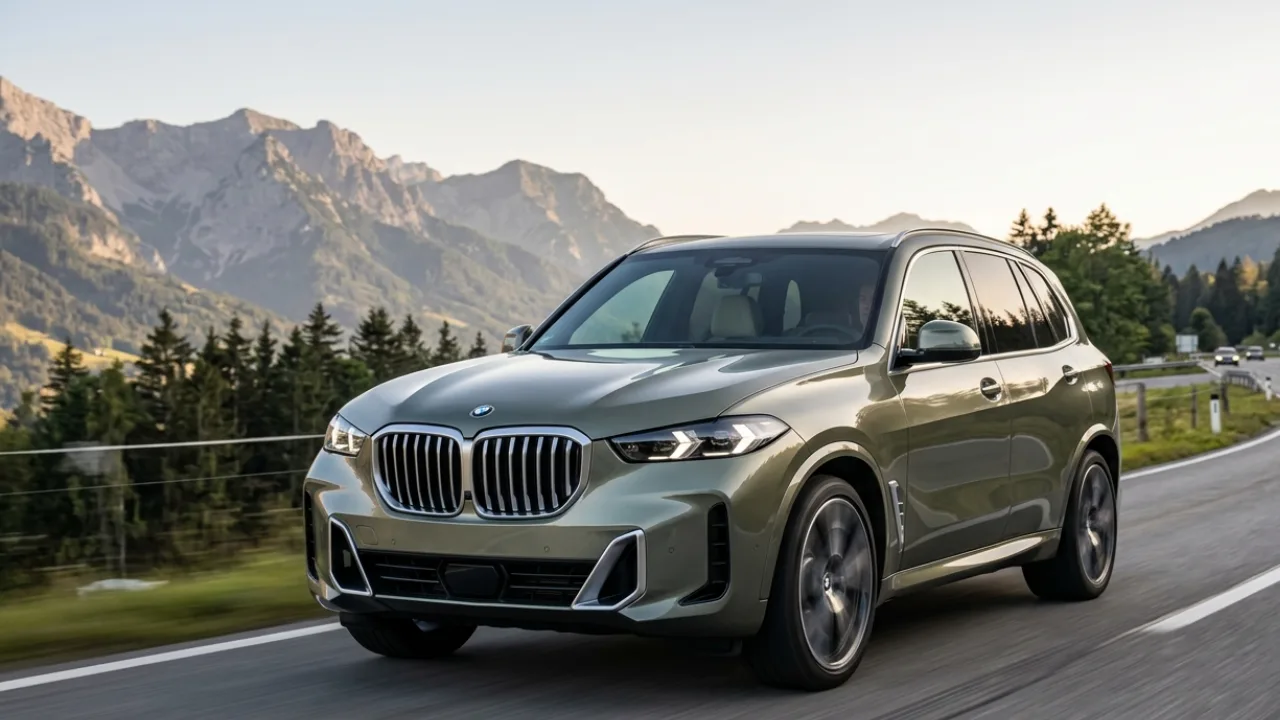
For everyday shopping, commuting and moderate luggage, the boot should be adequate. Families carrying several large bags for long trips may need to make more use of the folding rear seats.
The compact exterior remains an advantage in crowded cities, where manoeuvrability can matter more than maximum cabin volume.
What Makes the Swift Different?
The Swift’s formula is relatively straightforward:
compact size + light controls + strong efficiency + multiple powertrain choices.
Rather than competing primarily on engine output, it targets buyers who want a familiar small hatchback that is inexpensive to run and relatively easy to drive.
The availability of petrol, CNG, manual and AMT configurations also allows buyers to choose according to their driving environment.
Limitations to Consider
The Swift is not without compromises.
The naturally aspirated three-cylinder engine prioritizes efficiency, so buyers expecting strong acceleration may find its performance modest. Autocar’s expert assessment specifically identifies the engine’s lack of punch as one of its drawbacks.
The AMT provides convenience in traffic but does not operate in exactly the same way as a conventional torque-converter automatic or dual-clutch transmission.
The CNG version is particularly focused on economy, and independent testing has shown noticeably slower acceleration than the petrol model.
Finally, the Swift’s 265-litre boot is useful for its class but does not offer the cargo capacity of a larger hatchback or compact SUV.
Is the Maruti Suzuki Swift 2026 Good for Everyday Driving?
For everyday Indian driving, the Swift’s strengths are easy to understand.
Its compact dimensions make it convenient in urban environments, while light controls reduce fatigue during routine commuting. The petrol engine is tuned toward efficiency, and the CNG range provides another option for buyers prioritizing running costs.
Its limitations are equally straightforward: the engine is not especially powerful, and the AMT and CNG configurations involve compromises compared with more performance-focused powertrains.
For buyers who value fuel efficiency, easy city driving and compact dimensions, the Swift remains a practical hatchback proposition.
Final Thoughts
The Maruti Suzuki Swift 2026 continues to focus on the qualities that have traditionally defined the model: compact dimensions, easy driving characteristics and strong fuel efficiency.
The 1.2-litre petrol engine produces around 82 hp, while the manual and AMT options give buyers flexibility. The factory-fitted CNG range adds an efficiency-focused alternative, and the September 2026 introduction of CNG with AGS gives urban buyers another transmission choice.
The Swift is not aimed at buyers seeking the strongest acceleration in the segment. Instead, its appeal comes from being an easy-to-use hatchback with a broad range of powertrain and trim choices.
As always, prices, equipment and availability can change by variant and market, so buyers should confirm the latest details with Maruti Suzuki or an authorized dealer before making a purchase.
Frequently Asked Questions
What engine does the Maruti Suzuki Swift 2026 use?
The Indian-market Swift uses a 1.2-litre, three-cylinder Z-Series petrol engine. Petrol versions produce about 81.6 hp and 111.7 Nm.
What is the Swift 2026 mileage?
Maruti Suzuki lists 24.8 km/l for the petrol manual and 25.75 km/l for the petrol AMT. The CNG manual is rated at 32.85 km/kg. Actual mileage varies with driving conditions.
Does the 2026 Swift have an automatic transmission?
Yes. Petrol versions are available with AMT, and Maruti Suzuki introduced an S-CNG AMT version in September 2026.
How many people can the Swift seat?
The Swift is a five-seat hatchback.
Is the Swift available with CNG?
Yes. The Swift is available with factory-fitted S-CNG, including manual and newly introduced AGS automatic configurations.
What is the Swift’s boot capacity?
The Swift has a 265-litre boot according to published specifications.
Sources & References
- Maruti Suzuki Swift — Official India website
- Maruti Suzuki Swift — Official prices and variants
- Maruti Suzuki September 2026 CNG AGS announcement
- Autocar India — Swift 2026 review and specifications
- Autocar India — Swift mileage testing
- Autocar India — Swift S-CNG testing