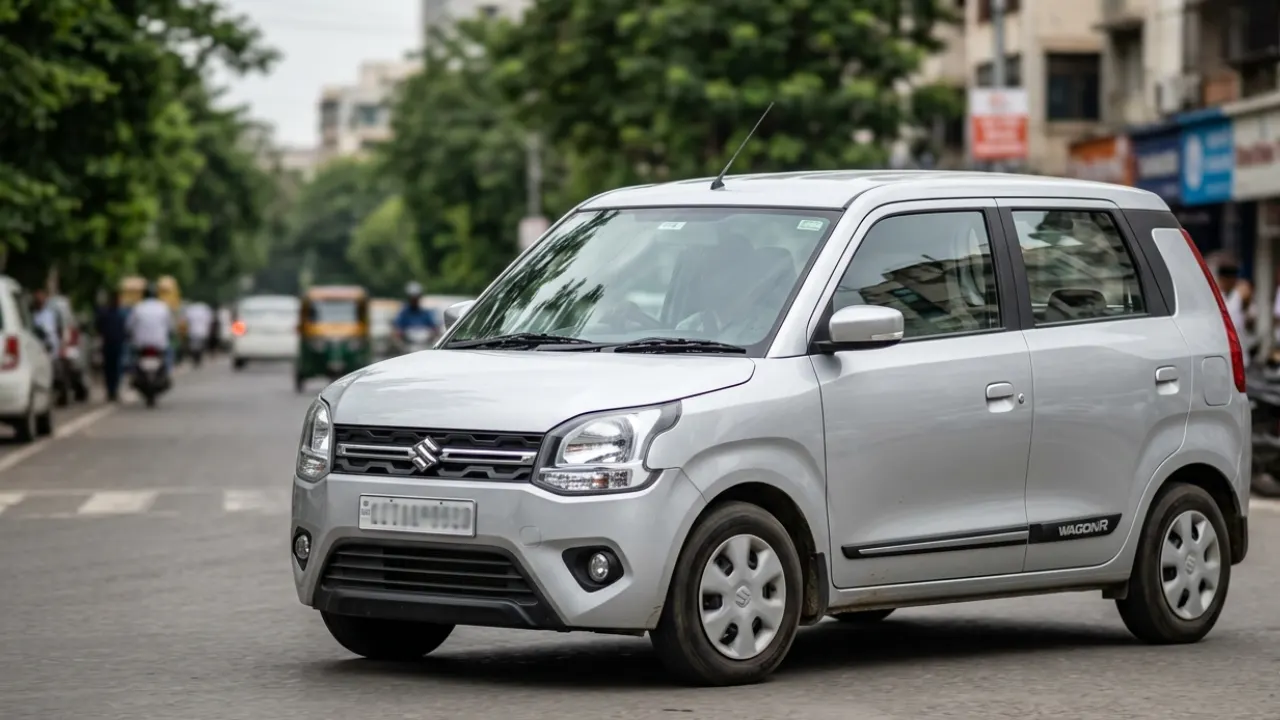
The Maruti Suzuki Wagon R 2026 continues to focus on the qualities that have made the tall hatchback a familiar choice in India: an upright cabin, easy manoeuvrability, multiple powertrain options and relatively low running costs. For 2026, the Wagon R range also has a notable new development in the form of the Wagon R Flex Fuel, which Maruti Suzuki launched in India in June 2026 as the country’s first flex-fuel passenger car.
The current Wagon R remains available with 1.0-litre and 1.2-litre petrol engines, a factory-fitted CNG option and manual or AGS (AMT) transmissions depending on the variant. Maruti Suzuki’s current website lists the Wagon R from ₹4.989 lakh ex-showroom, while variant pricing and equipment can vary.
This review looks at the Wagon R from a practical daily-use perspective, using current specifications, manufacturer information and published road-test observations rather than claiming firsthand driving experience.
Maruti Suzuki Wagon R 2026: Quick Take
The Wagon R remains fundamentally a practical urban hatchback rather than a performance-focused car. Its tall body helps create a spacious-feeling cabin, while the compact footprint and light controls make it relatively easy to manoeuvre in city traffic.
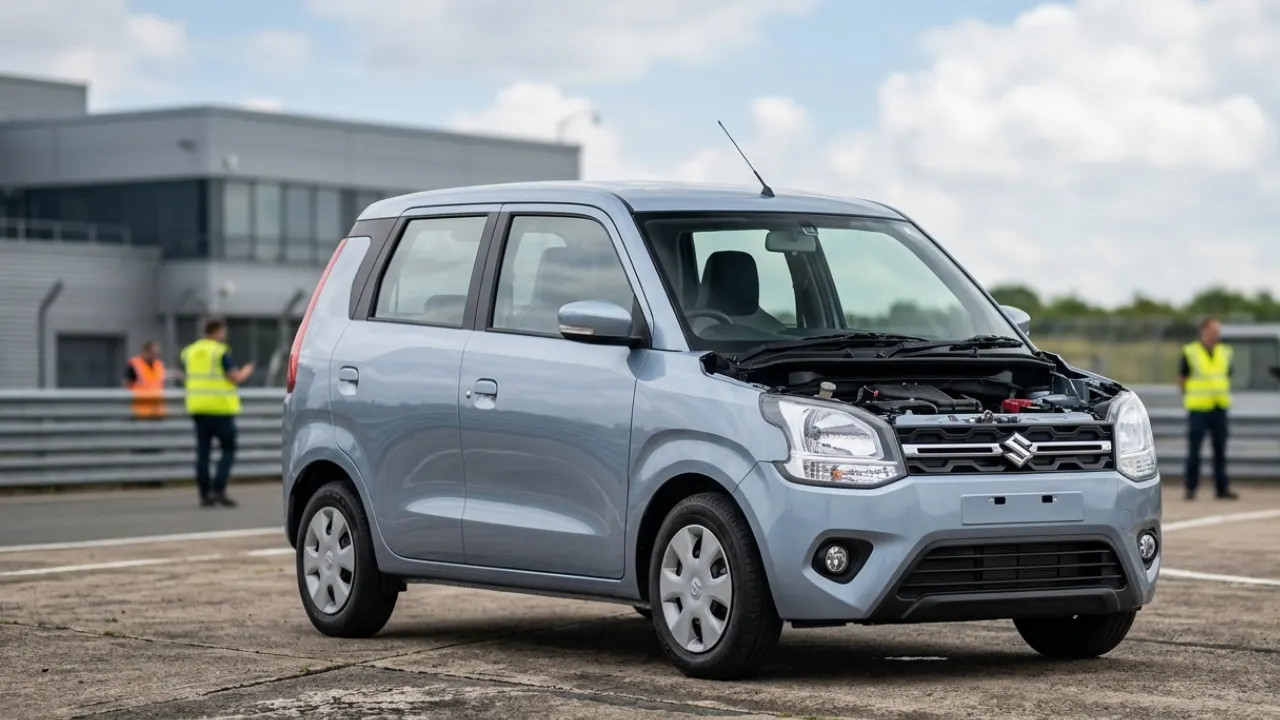
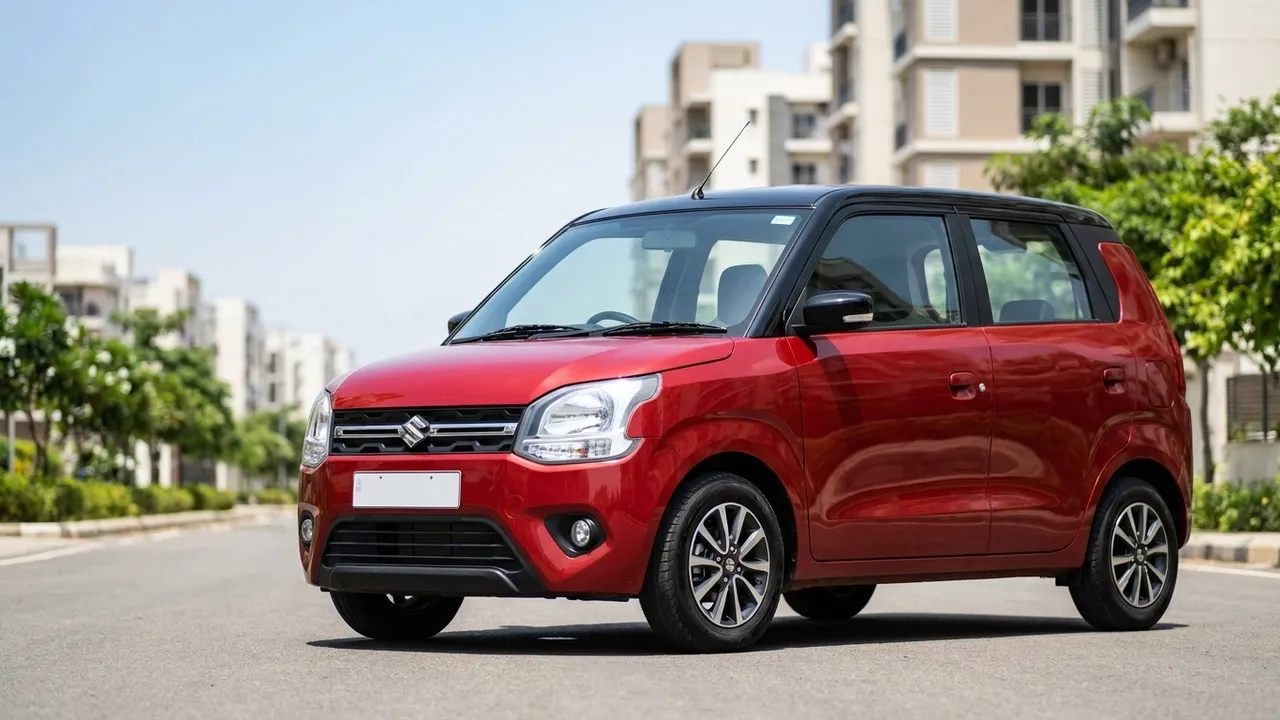
The 1.0-litre petrol engine is oriented toward efficiency and everyday commuting, while the 1.2-litre unit provides more power for buyers who regularly carry passengers or want stronger performance. The CNG version puts greater emphasis on running costs, while the 2026 Flex Fuel version introduces the ability to use ethanol-petrol blends from E20 to E100.
For 2026, some of the Wagon R’s most relevant strengths are:
- Tall, practical cabin
- Five-seat layout
- 1.0-litre and 1.2-litre petrol options
- Factory CNG availability
- Manual and AGS automatic options
- Claimed petrol mileage of up to 25.19 km/l for the 1.0-litre AGS
- Claimed CNG efficiency of 33.47 km/kg
- Six airbags as standard
- 7-inch touchscreen infotainment on higher variants
- 60:40 split-folding rear seats
- New flex-fuel Wagon R availability in India
Wagon R 2026 Price in India
Maruti Suzuki’s current online configurator lists the Wagon R starting at ₹4,98,900 ex-showroom. The configurator also shows a ZXi+ AGS at ₹6,86,400, although buyers should check the manufacturer’s live price page for the exact variant and applicable pricing when purchasing because prices and schemes can change.
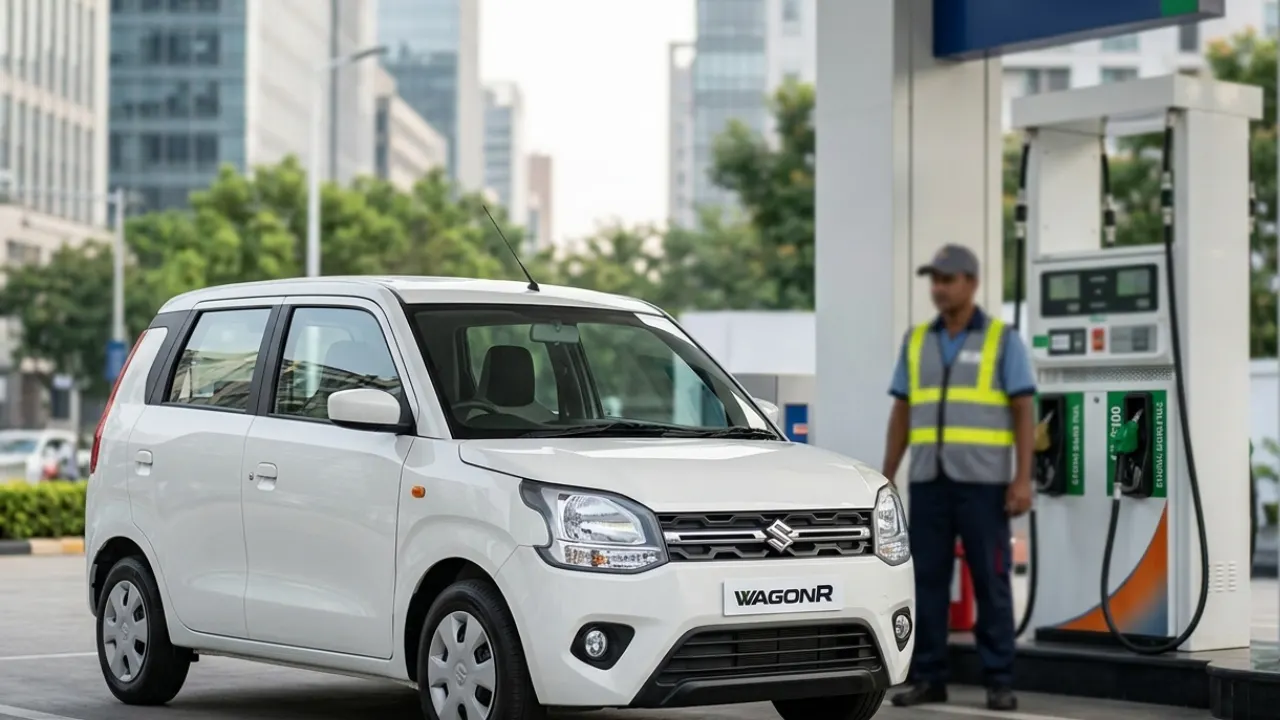
A Maruti Suzuki price listing updated after the GST-related price revision showed the following petrol prices:
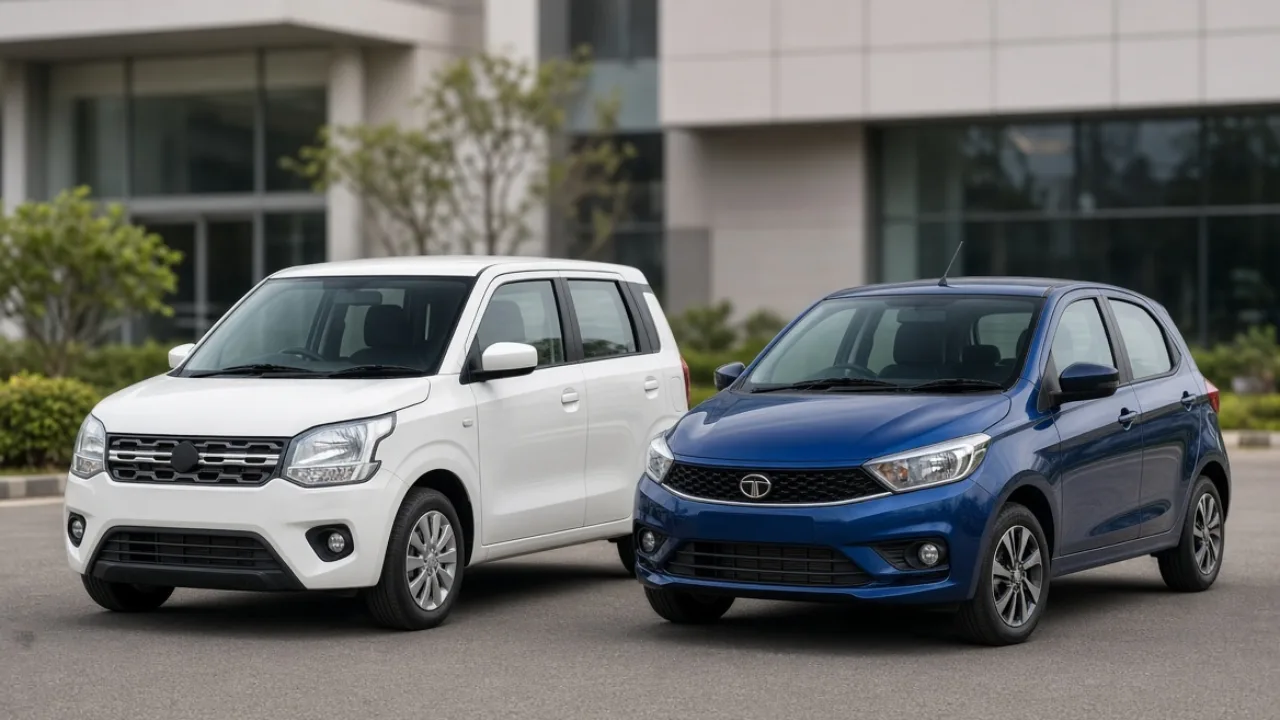
| Variant | Ex-showroom price |
|---|---|
| Wagon R LXi MT | ₹4.989 lakh |
| Wagon R VXi MT | ₹5.519 lakh |
| Wagon R ZXi MT | ₹5.959 lakh |
| Wagon R ZXi+ MT | ₹6.389 lakh |
| Wagon R ZXi AGS | ₹6.409 lakh |
| Wagon R ZXi+ AGS | ₹6.839 lakh |
| Wagon R VXi AGS | ₹5.969 lakh |
| Wagon R LXi CNG | ₹5.889 lakh |
| Wagon R VXi CNG | ₹6.419 lakh |
These figures are manufacturer-published prices from the referenced price listing; current dealer pricing, schemes and taxes should be verified before purchase.
Wagon R 2026 Engine and Transmission Options
The Wagon R continues with two conventional petrol engine choices.
The 1.0-litre three-cylinder petrol engine produces about 68hp and 91Nm, while the 1.2-litre four-cylinder petrol engine produces about 91hp and 114Nm. The 1.0-litre engine is also available with factory-fitted CNG, where output is approximately 57hp and 82Nm.
Transmission availability depends on the variant. Buyers can choose a five-speed manual, while AGS is available on selected petrol versions.
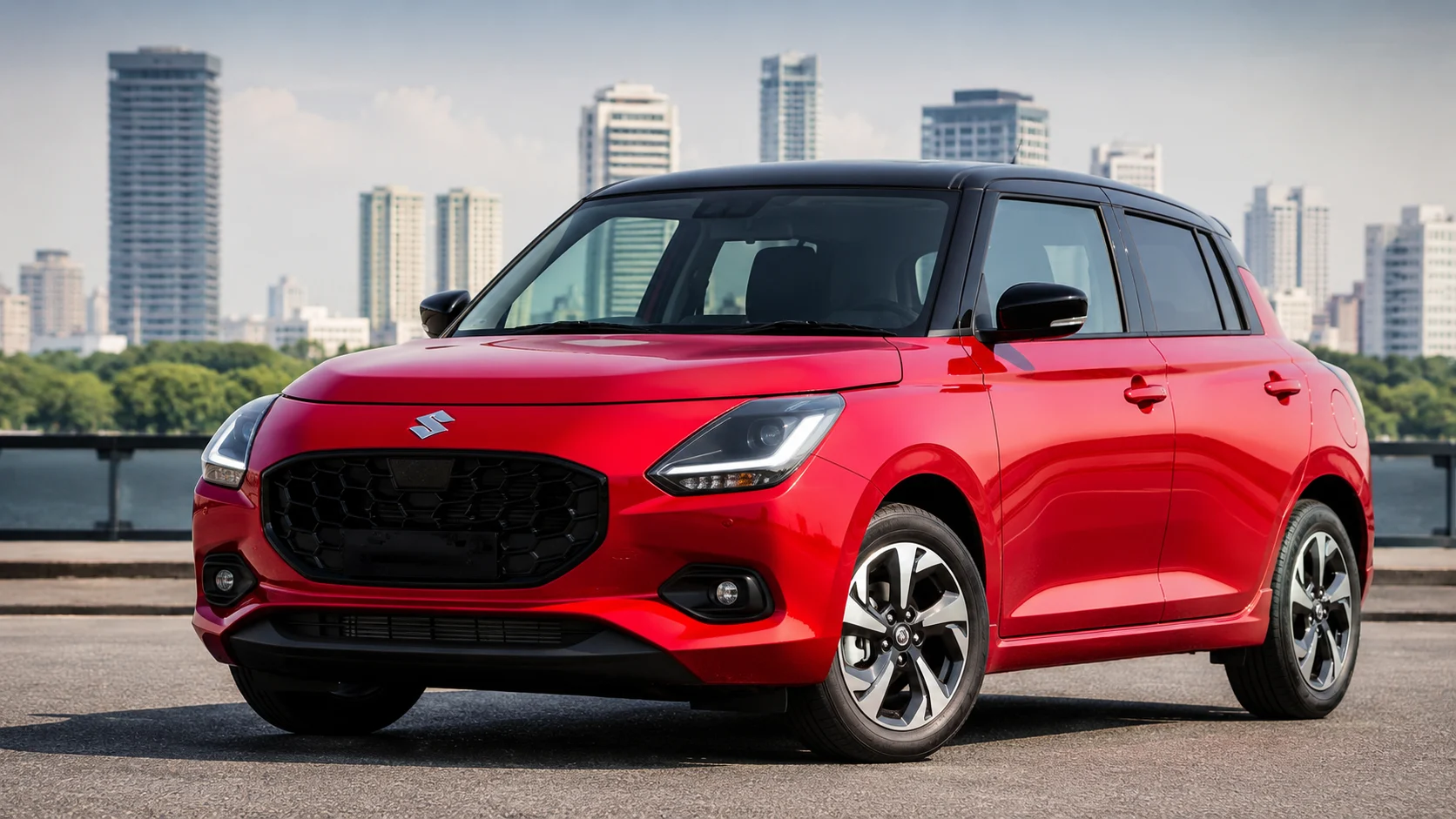
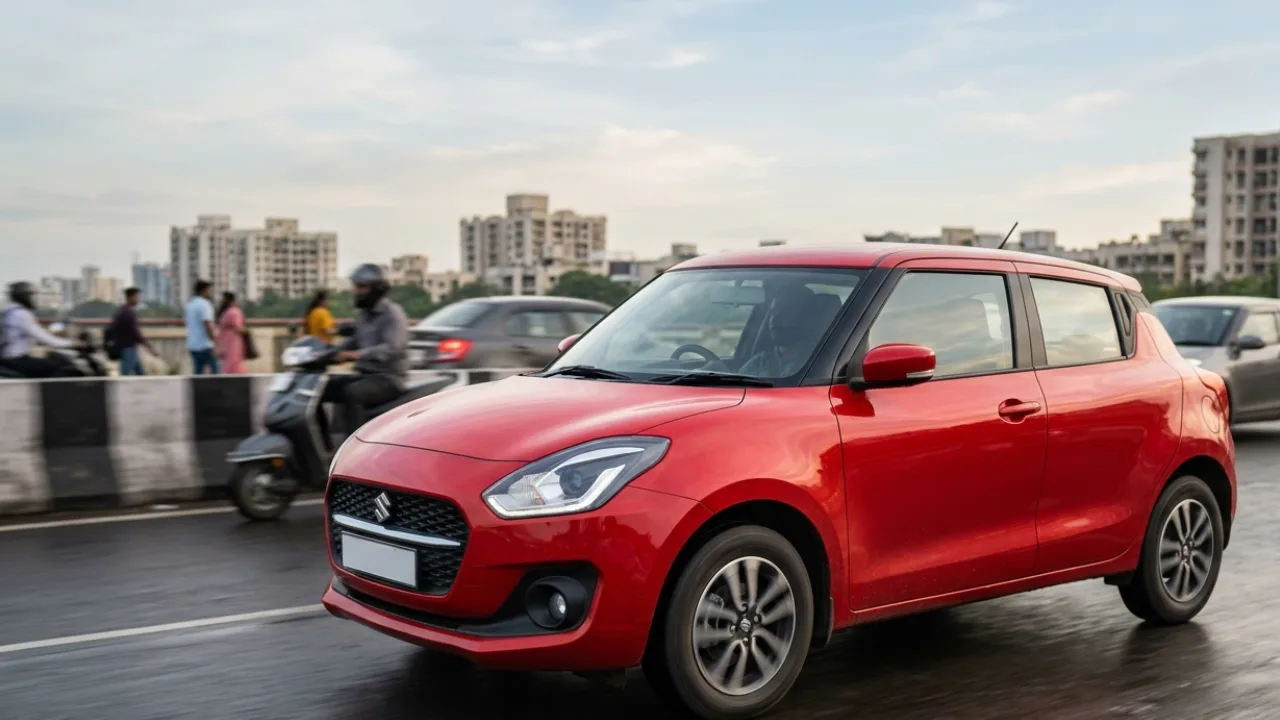
1.0-Litre Petrol
The 1.0-litre engine is the more efficiency-focused option. It makes the most sense for drivers whose priorities are city commuting, manageable running costs and straightforward everyday usability.
1.2-Litre Petrol
The 1.2-litre engine has four cylinders and produces significantly more power than the smaller engine. That extra output is useful when the car is carrying several occupants or when quicker acceleration is required.
Published road-test data from Autocar India records a substantially stronger performance from the 1.2-litre version than the smaller engine, although the Wagon R remains primarily an urban hatchback rather than a highway-oriented performance car.
CNG
The factory CNG version uses the 1.0-litre engine and is aimed at buyers who place fuel costs high on their list of priorities. Maruti Suzuki quotes 33.47 km/kg for the Wagon R CNG.
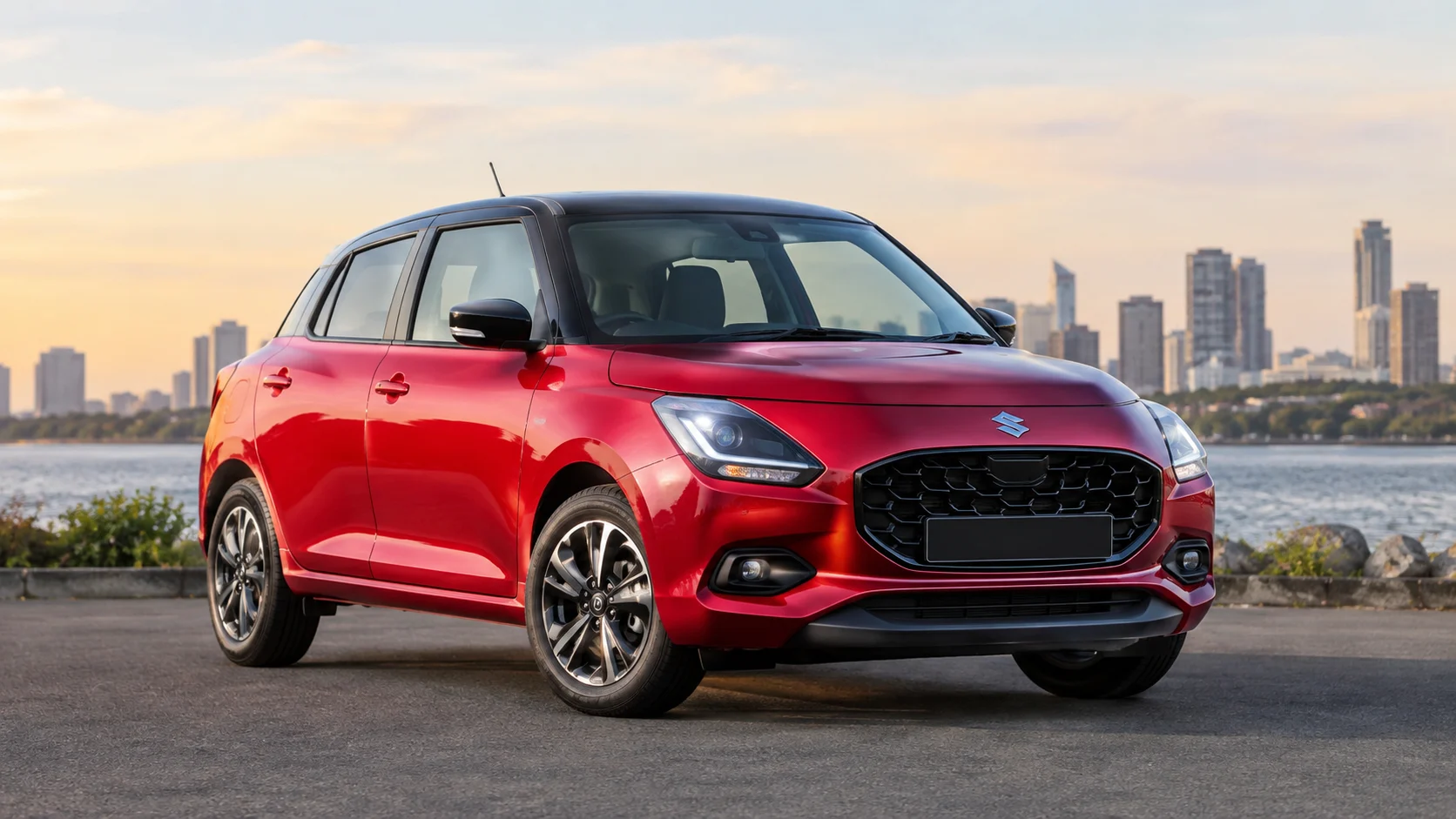
Wagon R 2026 Mileage
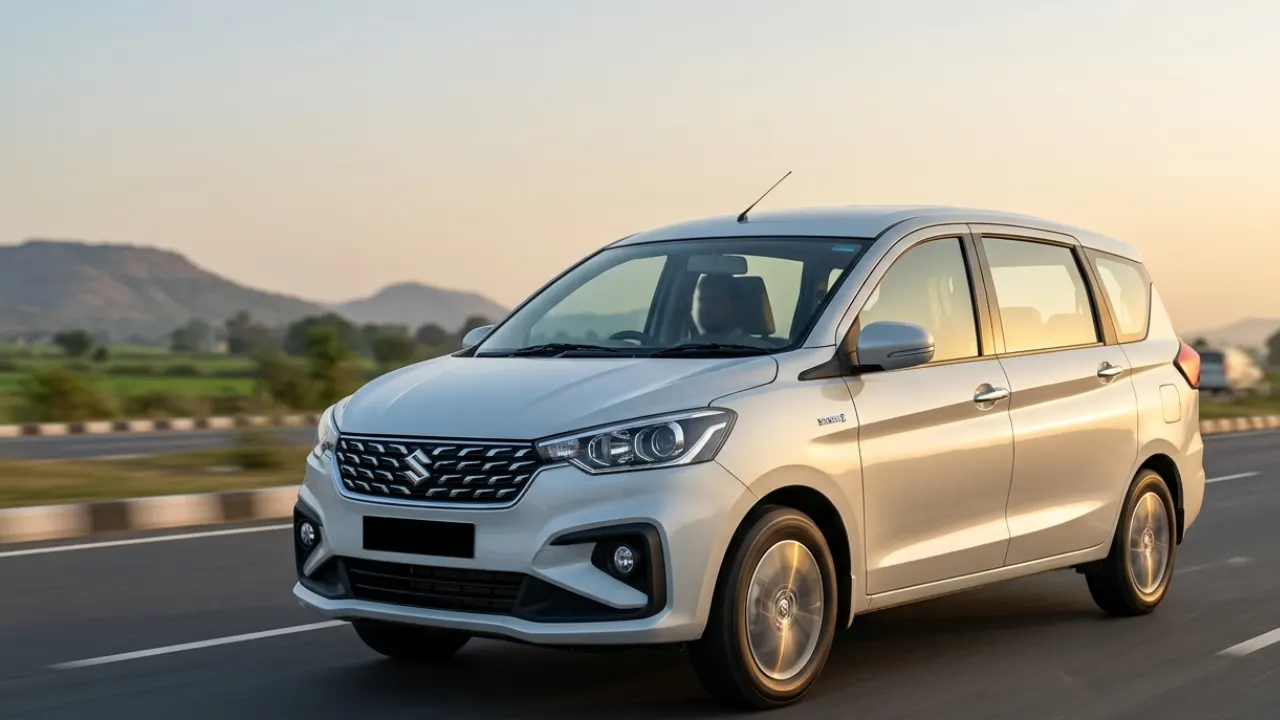
Mileage remains one of the Wagon R’s major reasons for consideration.
Maruti Suzuki currently quotes:
- 1.0-litre petrol AGS: 25.19 km/l
- 1.0-litre petrol manual: 24.35 km/l
- 1.2-litre petrol AGS: 24.43 km/l
- 1.2-litre petrol manual: 23.56 km/l
- 1.0-litre CNG: 33.47 km/kg
These are certified or claimed efficiency figures rather than guarantees of real-world consumption. Traffic, driving style, passenger load, tyre pressures, air-conditioning use and road conditions can all affect actual mileage.
Published owner-reported figures are lower than the official figures in some cases, which is normal for a car used in real traffic rather than controlled testing conditions.
What Is the Wagon R Like for Daily Driving?
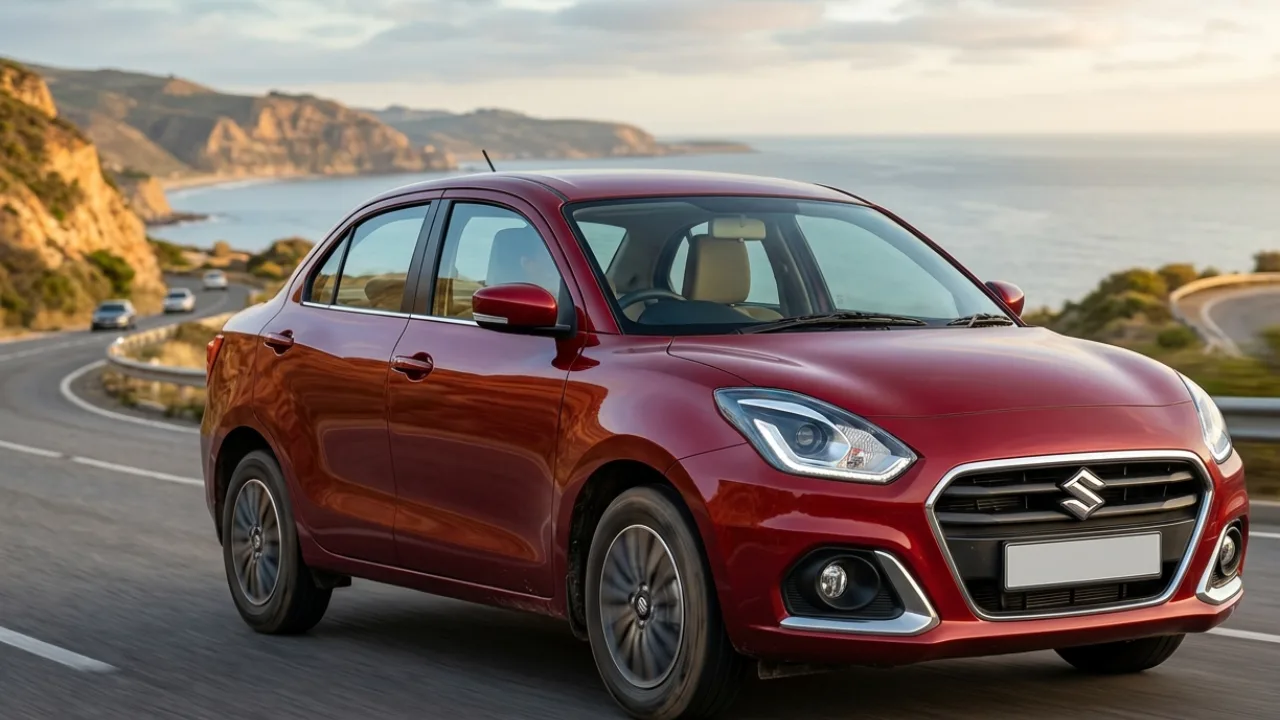
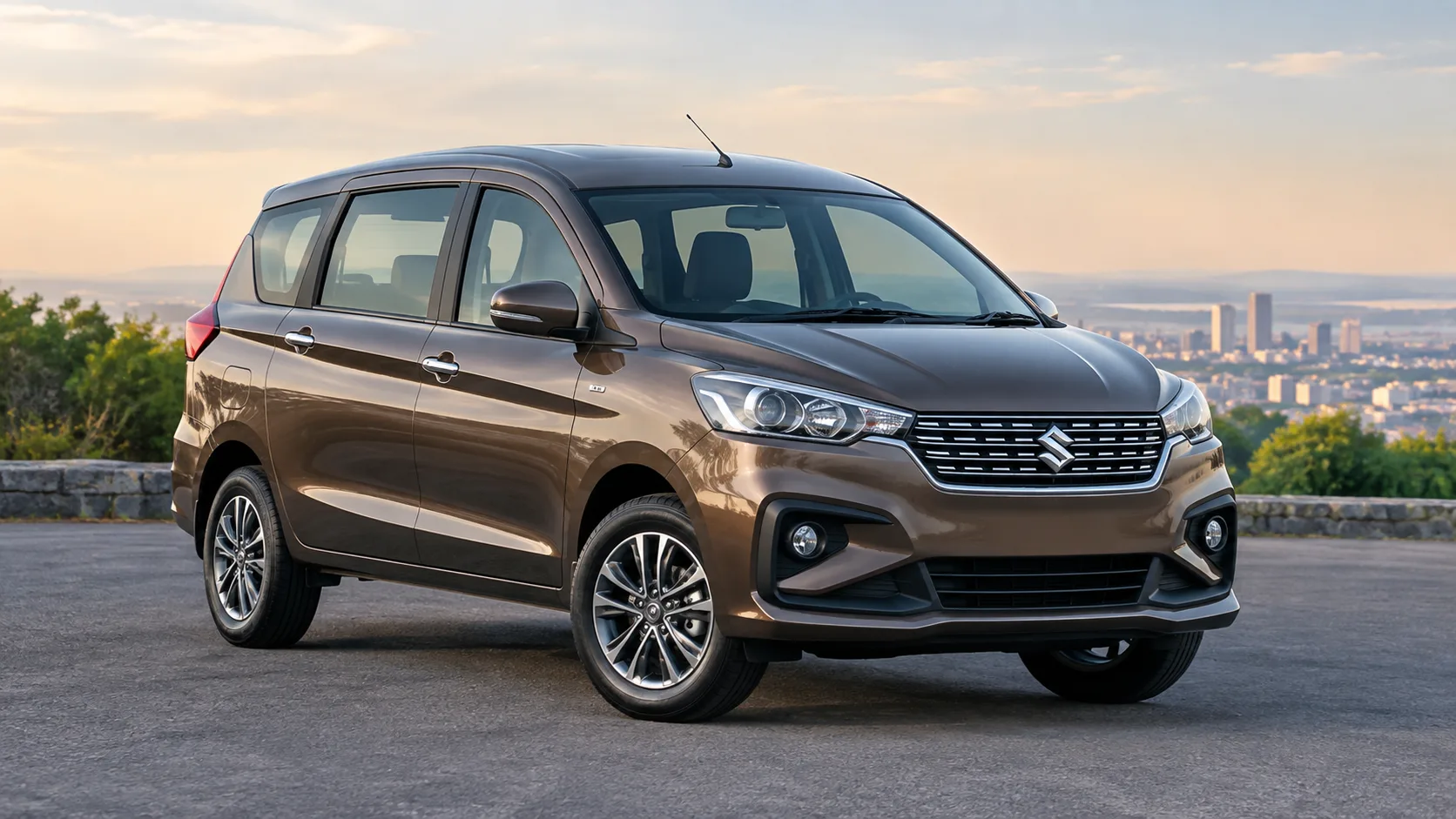
The Wagon R’s daily-driving character comes largely from its dimensions and seating position.
Its tall-boy design provides a high seating position and generous headroom, while its 2,435mm wheelbase and compact overall length make it relatively easy to position in urban traffic. Maruti Suzuki lists the car at 3,655mm long, 1,620mm wide and 1,675mm tall.
Published road testing has also highlighted the Wagon R’s easy-to-drive nature and roomy cabin. The light steering is useful around town, although high-speed composure is not considered one of the car’s strongest areas.
That makes the Wagon R’s natural environment clear: city commuting, family errands, short trips and regular urban use.
Interior Space and Comfort
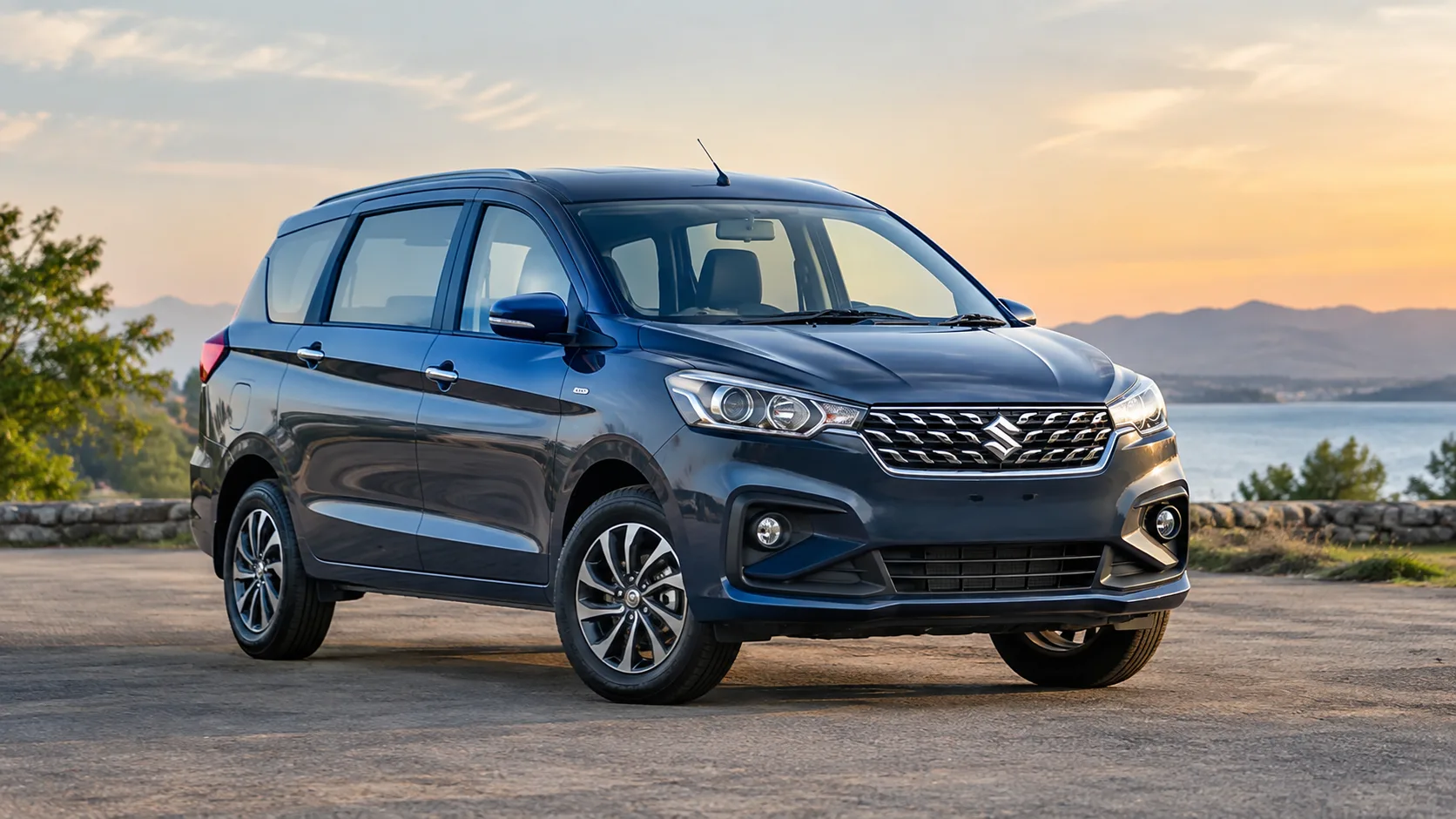
Space is one of the Wagon R’s strongest practical attributes.
The upright body allows the seats to be positioned relatively high, creating useful headroom. The cabin can accommodate five people, and published reviews have noted that the rear seat offers useful legroom for a small hatchback.
The rear seat also gets a 60:40 split-folding function on relevant variants, allowing owners to balance passenger seating with additional cargo flexibility.
The driving position is particularly useful for people who prefer a more upright seating arrangement. However, the cabin’s budget-car origins remain apparent in areas such as seat design and interior materials.
Wagon R Boot Space and Practicality
The current Wagon R offers a useful level of practicality for a small hatchback. Published specifications list approximately 341 litres of boot space for the passenger Wagon R, while the commercial Tour version has a different configuration and should not be confused with the standard passenger model.
The 60:40 rear split-folding seats further improve flexibility when larger items need to be carried.
For a small family, the combination of a tall cabin, five seats and usable luggage space is one of the Wagon R’s main selling points.
Features and Technology
Higher Wagon R variants offer a 7-inch SmartPlay Studio touchscreen with Apple CarPlay and Android Auto, along with Bluetooth connectivity and voice-related functions. Maruti Suzuki has also listed features such as steering-mounted controls and electrically adjustable ORVMs depending on variant.
Available equipment varies substantially between trims, so buyers should not assume that every Wagon R has the same technology.
The higher trims can provide:
- 7-inch touchscreen infotainment
- Apple CarPlay
- Android Auto
- Bluetooth connectivity
- Voice commands
- Steering-mounted controls
- Rear parking sensors
- Electrically adjustable ORVMs
- Electrically folding ORVMs on higher versions
- Rear wiper and washer
- Alloy wheels on higher variants
- 60:40 split rear seats
Wagon R 2026 Safety Features
Safety equipment has improved compared with earlier versions of the Wagon R.
Maruti Suzuki announced in 2025 that the Wagon R joined the ARENA range with six airbags as standard, alongside features including ABS with EBD, Electronic Stability Program and Hill Hold Assist on applicable AGS versions.
The current manufacturer website also lists:
- Six airbags
- ABS with EBD
- Electronic Stability Program
- Hill Hold Control
- Seat-belt reminders
- Reverse parking sensors
- Speed-sensitive door locking
- Child-proof rear door locks
- ISOFIX-related child-seat provisions
However, safety equipment and crash-test performance should not be treated as the same thing. A list of safety features does not by itself establish how a vehicle will perform in every crash scenario.
Autocar India notes that the Wagon R received a 1-star adult occupant protection and 0-star child occupant protection rating in Global NCAP’s 2023 testing. That test result is an important part of the model’s safety history and should be considered separately from its newer equipment updates.
Wagon R Flex Fuel: What’s New for 2026?
One of the biggest developments for the Wagon R in 2026 is its flex-fuel version.
Maruti Suzuki launched the Wagon R as India’s first flex-fuel passenger car in June 2026. The technology allows the vehicle to operate on petrol-ethanol blends ranging from E20 to E100, according to the manufacturer.
The flex-fuel Wagon R is therefore different from the conventional petrol and CNG versions. It is part of a broader move toward alternative fuel technologies in the Indian market.
Maruti Suzuki has stated that the production-specification flex-fuel Wagon R uses a 1.2-litre engine and is based on the ZXi+ configuration. Published information also indicates that the flex-fuel version’s mileage figure had not been officially established in the same way as the conventional petrol and CNG variants.
Wagon R 2026: What It Is Like on the Road
Published road tests suggest that the Wagon R is most comfortable when driven within its intended role.
The 1.2-litre engine gives the car noticeably more performance than the smaller engine, while the compact dimensions make urban manoeuvring straightforward. The suspension is designed around everyday road conditions, and the taller body contributes to a roomy driving environment.
The compromises become clearer as speeds rise. Published testing has described high-speed composure as average, and the light steering does not provide the same sense of stability or feedback found in larger cars.
The AGS transmission also prioritizes convenience rather than the smoothness of a conventional torque-converter automatic or dual-clutch transmission.
For a daily city car, those characteristics may matter less than the Wagon R’s easy controls, compact footprint and efficiency.
Which Wagon R Engine Makes the Most Sense?
There is no single powertrain that suits every Wagon R buyer.
The 1.0-litre petrol makes sense for buyers focused on everyday urban use and efficiency.
The 1.2-litre petrol is better suited to buyers who regularly carry passengers or want stronger acceleration.
The CNG version is aimed at drivers who cover significant distances and place a high priority on fuel economy.
The Flex Fuel version is the more unusual choice, particularly for buyers interested in ethanol-compatible technology and the availability of higher ethanol blends.
The choice should therefore be based on annual driving distance, fuel availability, typical passenger load and transmission preference rather than simply choosing the most powerful engine.
Wagon R 2026 Pros and Limitations
What Works Well
- Spacious and airy cabin for its footprint
- Easy urban manoeuvrability
- Strong claimed fuel-efficiency figures
- CNG availability
- Choice of 1.0-litre and 1.2-litre petrol engines
- Manual and AGS options
- Six airbags as standard
- Practical split-folding rear seats
- New flex-fuel technology in India
What Buyers Should Consider
- High-speed dynamics are not a major strength
- Interior materials remain budget-oriented
- AGS is designed around convenience rather than sporty shifts
- Safety equipment improvements do not erase the importance of historical crash-test results
- Actual mileage will vary from certified figures
- Equipment differs considerably between variants
Is the Maruti Suzuki Wagon R 2026 Good for Daily Use?
The Wagon R continues to make the most sense as a practical Indian city hatchback.
Its tall cabin, compact dimensions, efficient engines and available CNG configuration address the needs of buyers who prioritize everyday usability over premium interiors or enthusiastic driving dynamics. The 1.2-litre engine adds useful performance, while the CNG and flex-fuel choices give buyers alternatives to conventional petrol.
The main point to understand is that the Wagon R’s appeal comes from its practicality rather than from sophistication. Buyers who spend most of their time in urban traffic and want a compact car with a spacious cabin will find its formula easy to understand.
Those who frequently travel at high speeds, expect a premium interior or place a particularly high priority on highway refinement should look more closely at those areas before making a purchase.
Maruti Suzuki Wagon R 2026: Final Verdict
The Maruti Suzuki Wagon R 2026 remains a practical, efficiency-focused hatchback with a strong emphasis on interior space and easy everyday use. Its range of petrol, CNG and new flex-fuel options gives it broader powertrain coverage than many small hatchbacks.
The car’s biggest strengths are still its cabin packaging, compact dimensions and fuel-efficiency potential. At the same time, its budget-oriented interior, average high-speed composure and historical Global NCAP result are factors buyers should consider rather than overlooking.
For an urban family or commuter looking for a straightforward hatchback, the Wagon R’s formula remains relevant in 2026. The final choice should come down to the buyer’s driving pattern, preferred fuel, transmission and required equipment.
Maruti Suzuki Wagon R 2026 FAQs
What is the price of the Maruti Suzuki Wagon R 2026?
Maruti Suzuki’s current online configurator lists the Wagon R from ₹4,98,900 ex-showroom. Prices vary by variant, and buyers should check the manufacturer’s current price listing for the latest figure.
What mileage does the Wagon R 2026 offer?
Maruti Suzuki quotes up to 25.19 km/l for the 1.0-litre petrol AGS and 33.47 km/kg for the CNG version. The 1.2-litre petrol is rated at up to 24.43 km/l with AGS.
Is the Wagon R available with CNG?
Yes. The Wagon R is available with a factory-fitted 1.0-litre CNG powertrain. Maruti Suzuki quotes 33.47 km/kg for the CNG version.
Does the Wagon R 2026 have six airbags?
Yes. Maruti Suzuki made six airbags standard on the Wagon R as part of its 2025 ARENA safety update.
Is the Wagon R available with an automatic transmission?
Yes. Selected petrol variants use Maruti Suzuki’s AGS automated manual transmission. Availability depends on the trim and engine.
What is new about the Wagon R in 2026?
The major 2026 development is the introduction of the Wagon R Flex Fuel, which Maruti Suzuki launched as India’s first flex-fuel passenger car. It can operate on ethanol-petrol blends from E20 to E100 according to the manufacturer.
Is the Wagon R good for highway driving?
The Wagon R can be used on highways, but published road tests indicate that its strongest qualities are urban ease of use, cabin space and efficiency. High-speed composure is less impressive than its city-driving characteristics.
Sources & References
- Maruti Suzuki WagonR official page
- Maruti Suzuki WagonR configurator
- Maruti Suzuki WagonR price and variants
- Maruti Suzuki launches six airbags as standard across selected ARENA models
- Maruti Suzuki launches India’s first flex-fuel car
- Maruti Suzuki WagonR — Autocar India review and specifications