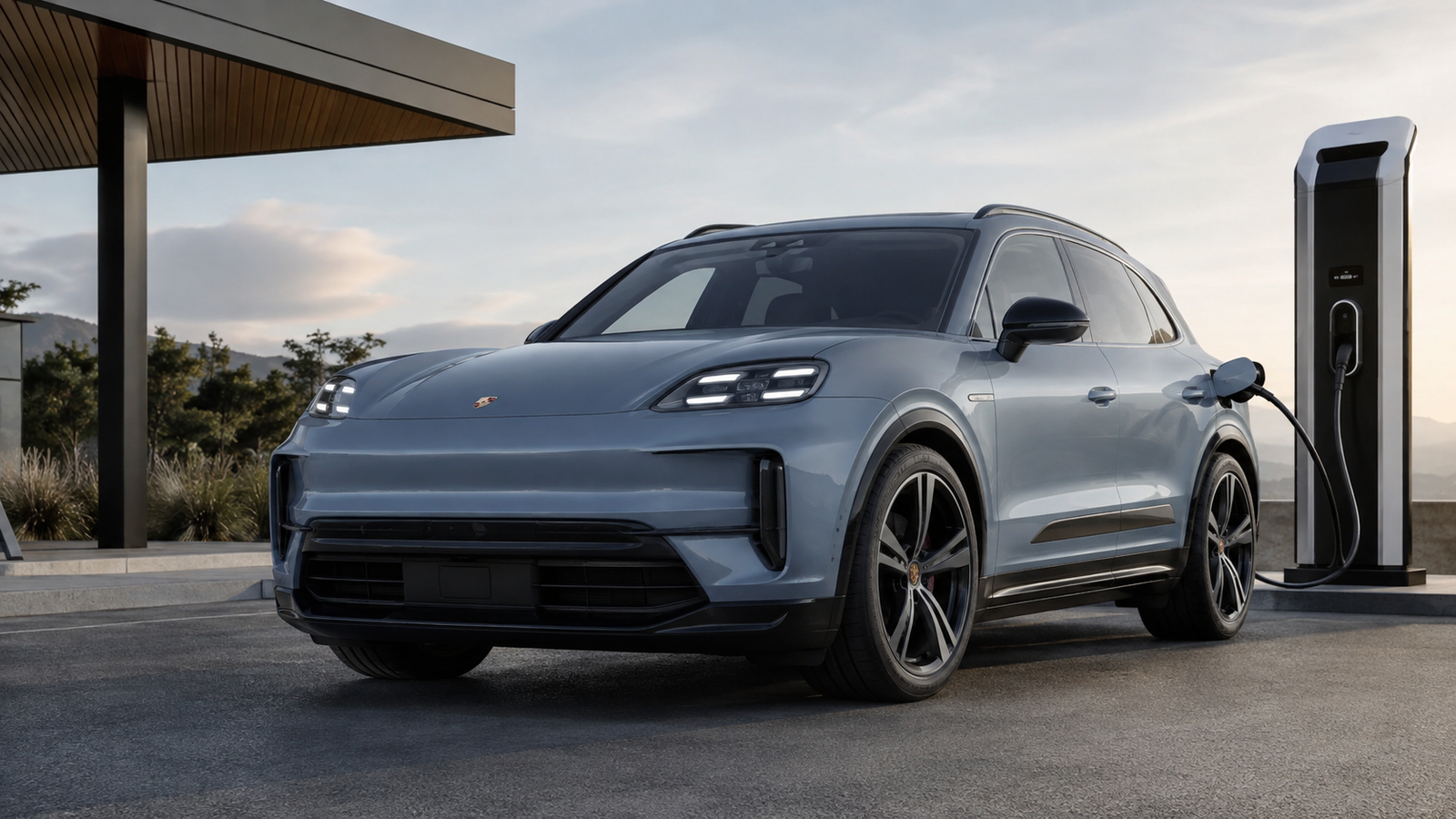
The 2026 Porsche Cayenne Electric brings Porsche’s best-known SUV nameplate into the fully electric era without replacing the combustion-engine and plug-in hybrid Cayenne models. Instead, Porsche is offering the electric Cayenne alongside them, giving buyers another way to combine SUV practicality with high-performance electric power.
The new Cayenne Electric uses a 113-kWh high-voltage battery, dual-motor all-wheel drive and an 800-volt electrical architecture. Depending on the version and market, Porsche quotes up to 643 km of WLTP range, while the range-topping Cayenne Turbo Electric produces up to 1,139 hp in U.S. specification and can accelerate from 0 to 60 mph in just 2.4 seconds.
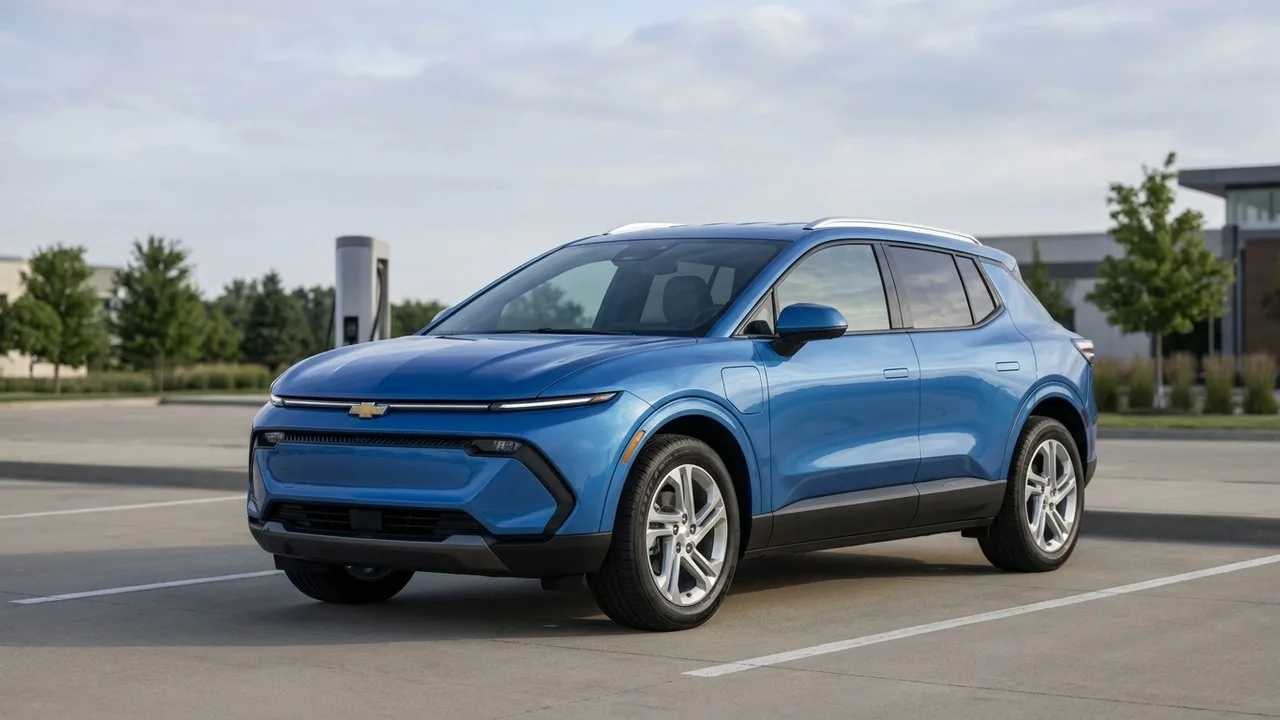
The Cayenne’s combination of a large battery, all-wheel drive and high-voltage charging architecture places it within a growing group of premium electric SUVs. The 2026 Mercedes-Benz GLC EV: Range, Technology and Features Explained provides another relevant example of how luxury SUV platforms are adapting to electric power.
For U.S. buyers, the 2026 Cayenne Electric starts at $109,000 before options and applicable fees, while the Cayenne S Electric starts at $126,300 and the Cayenne Turbo Electric at $163,000. Porsche says U.S. deliveries of the original Cayenne Electric models are expected to begin at the end of summer 2026.
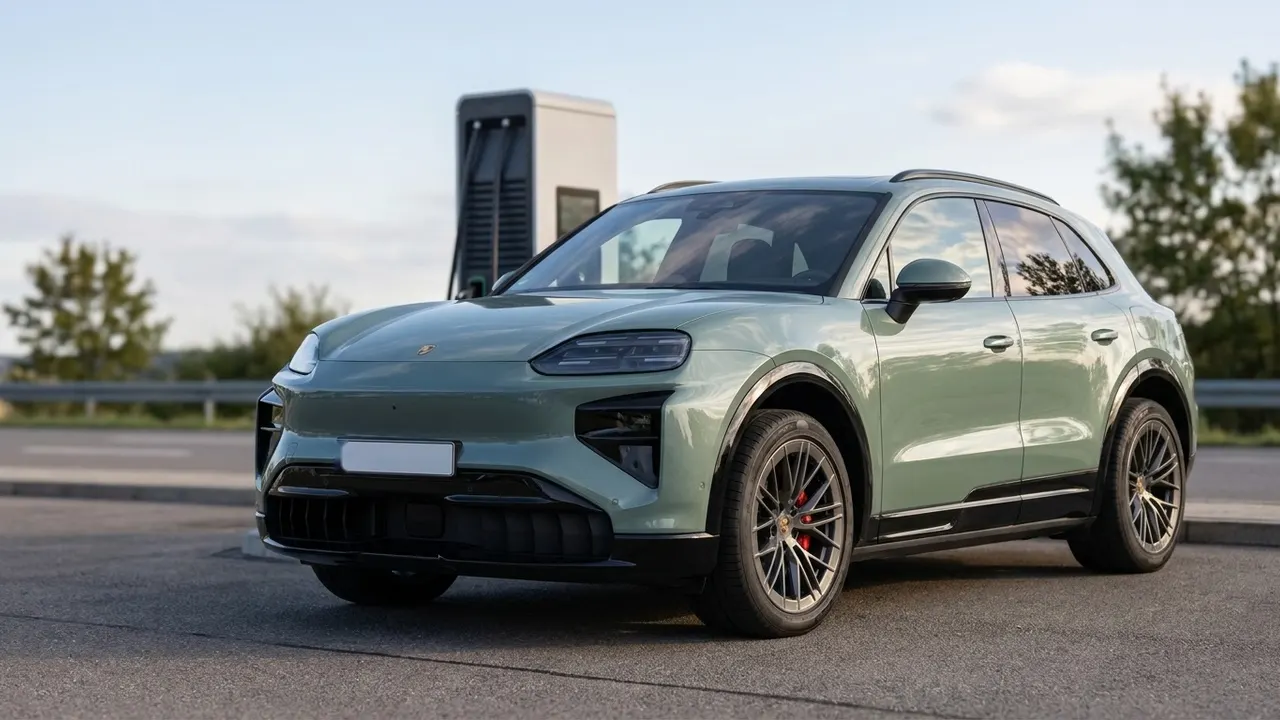
2026 Porsche Cayenne Electric: Quick Facts
| Specification | 2026 Porsche Cayenne Electric |
|---|---|
| Powertrain | Dual-motor electric all-wheel drive |
| Battery | 113 kWh gross |
| Charging architecture | 800 volts |
| Maximum DC charging | Up to 400 kW under specific conditions |
| 10–80% DC charging | Less than 16 minutes under optimal conditions |
| WLTP range | Up to 643 km, depending on configuration |
| Entry U.S. price | $109,000 |
| Cayenne S Electric U.S. price | $126,300 |
| Cayenne Turbo Electric U.S. price | $163,000 |
| Cayenne Electric 0–60 mph | 4.5 seconds |
| Cayenne S Electric 0–60 mph | 3.6 seconds |
| Cayenne Turbo Electric 0–60 mph | 2.4 seconds |
| Turbo Electric power | Up to 1,139 hp |
| Drive | All-wheel drive |
Specifications and pricing can vary by market and configuration. Porsche’s European figures are generally presented using WLTP testing, while U.S. vehicles use EPA-based information where applicable.
What Is New About the Porsche Cayenne Electric?
The biggest change is obvious: this is the first fully electric Cayenne.
Porsche has not treated the project as simply fitting a large battery into the existing SUV. The Cayenne Electric uses a dedicated high-voltage system, a functionally integrated battery, new electric motors and a redesigned electronic architecture. Porsche also says the battery modules are developed and produced in-house, adding to the company’s focus on its own battery technology.
The electric Cayenne is also being positioned as a genuine member of the Cayenne family rather than a separate EV experiment. Gasoline and plug-in hybrid versions continue alongside it, so buyers can choose their preferred powertrain rather than being forced into electrification.
The lineup has expanded beyond the initial Cayenne Electric and Cayenne Turbo Electric. Porsche introduced the Cayenne S Electric in March 2026, giving buyers a middle option between the standard model and the extremely powerful Turbo.
Porsche Cayenne Electric Range
Range is one of the most important questions for any large electric SUV, and the Cayenne Electric has been engineered around long-distance usability.
Long-range capability is becoming an important part of the electric SUV market, and the 2026 Tesla Model Y: New Design, Range, Features and Price Explained gives readers another useful reference when looking at range, practicality and the wider EV SUV market.
The standard Cayenne Electric currently carries a combined WLTP range of 576 to 643 km, depending on configuration. The Cayenne S Electric is rated at 588 to 653 km, while the Cayenne Turbo Electric is rated at 564 to 624 km. These are European WLTP figures and should not be treated as direct equivalents of U.S. EPA range ratings.
Porsche’s published figures show why the less powerful versions can travel farther on the same basic battery architecture. Wheel choice, equipment, tires, performance hardware and driving conditions all influence the final certified range.
The battery has a gross capacity of 113 kWh and uses double-sided cooling to help maintain suitable operating temperatures. Porsche also uses predictive thermal management to prepare the battery for fast charging.
As with any EV, certified range should not be confused with guaranteed real-world distance. High speeds, cold weather, heavy loads, aggressive acceleration and climate-control use can all reduce actual range.
800-Volt Charging and the 16-Minute Claim
Charging performance is one of the strongest technical features of the new Cayenne Electric.
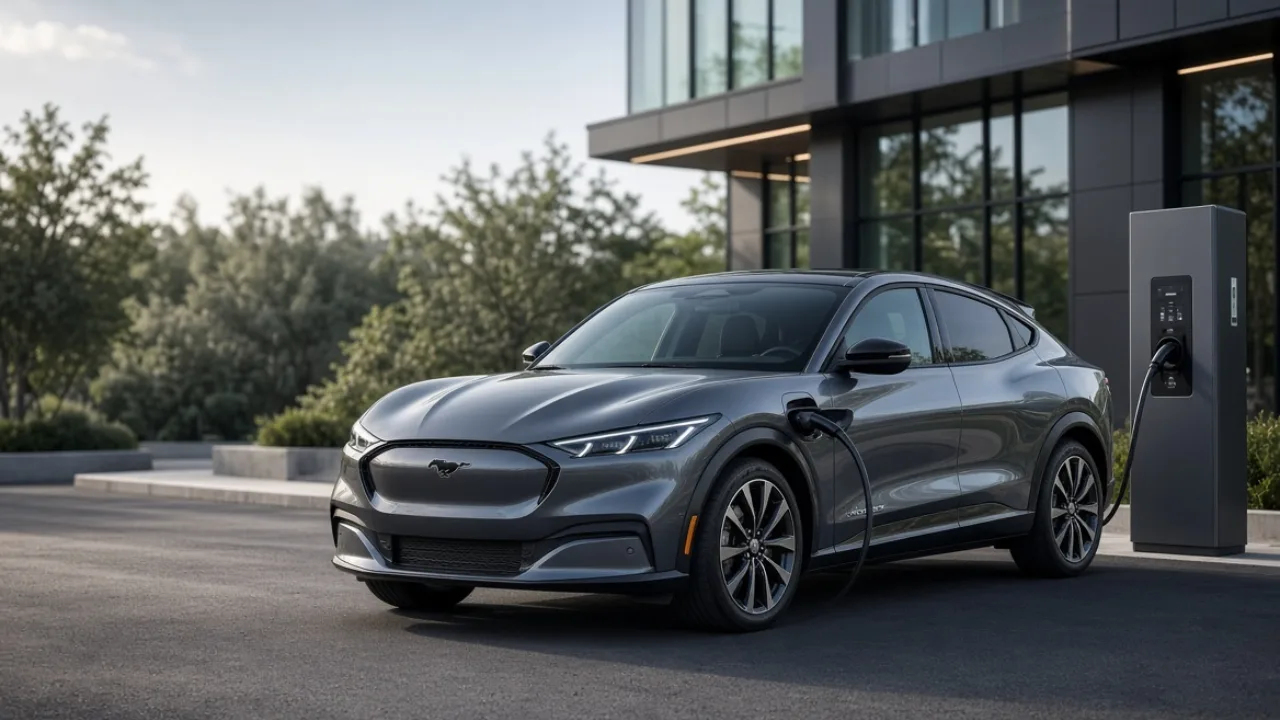
The move toward high-speed charging is also visible across other premium electric SUVs, including the 2026 BMW iX3: New Design, Range, Charging and Technology Explained, which covers another luxury EV focused heavily on range, charging and electric technology.
The SUV uses an 800-volt electrical architecture and can accept up to 390 kW of DC charging power, with Porsche stating that up to 400 kW is possible under specific conditions. Under optimal conditions, the battery can charge from 10% to 80% in less than 16 minutes.
Those conditions matter. Porsche’s 16-minute figure assumes an appropriately powerful charging station, suitable voltage and current, and a battery operating within the required temperature window. It should therefore be viewed as a best-case charging specification rather than a guarantee at every public charger.
Porsche says the Cayenne can also add more than 300 km of WLTP range in 10 minutes when connected to a suitable high-power charger.
The charging system is designed to remain useful beyond the newest ultra-high-power chargers. Porsche says the Cayenne can support 400-volt charging infrastructure through an internal battery configuration that allows the vehicle to make better use of conventional fast chargers.
Wireless Charging Is Available
The Cayenne Electric is also notable for offering optional inductive charging. Porsche’s Wireless Charging system can deliver up to 11 kW when the vehicle is parked over the corresponding floor plate. The system is intended primarily for home charging convenience rather than replacing high-power DC charging during long trips.
Performance: From Quick SUV to Supercar Territory
Performance is where the Cayenne Electric becomes particularly unusual.
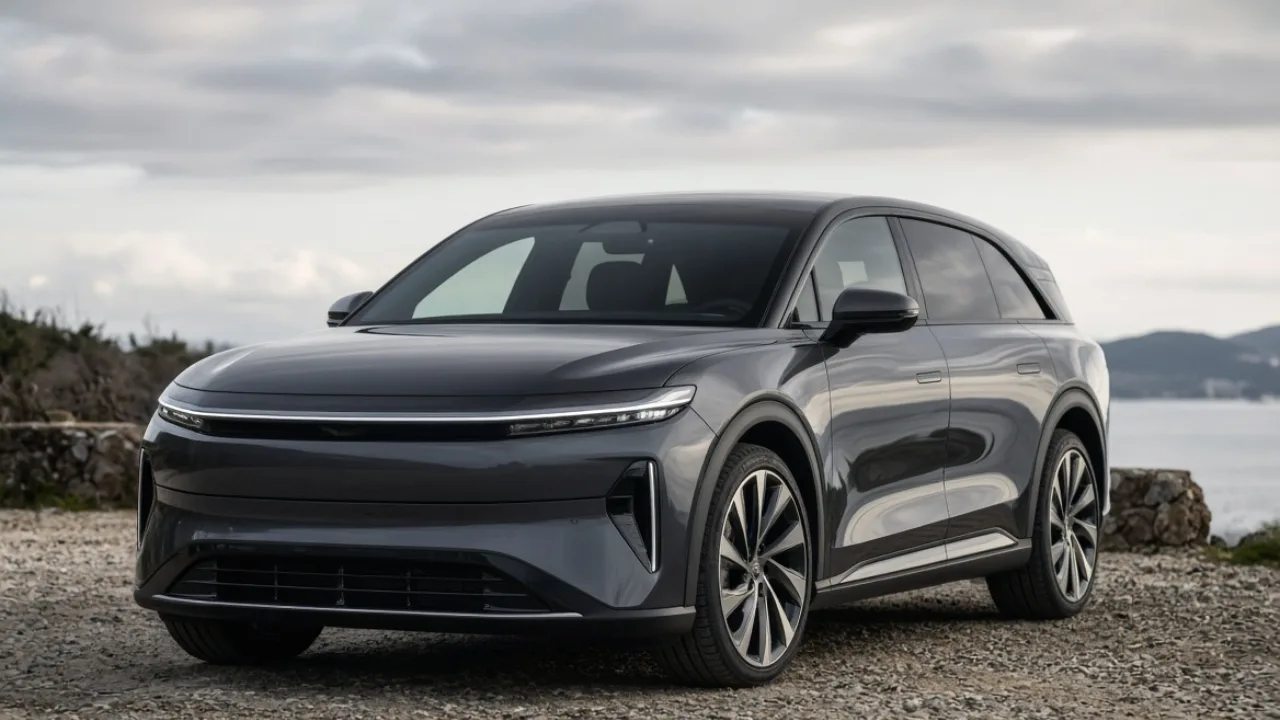
The combination of luxury SUV packaging and extreme electric performance is also becoming more common in the premium EV segment. The 2026 Lucid Gravity: Range, Performance, Luxury Features and EV Technology is another relevant model for readers exploring that intersection of performance, range and luxury.
The standard Cayenne Electric produces up to 435 hp with Launch Control in U.S. specification and reaches 60 mph in 4.5 seconds. Its top track speed is 143 mph.
The Cayenne S Electric steps up to 657 hp, with a 0–60 mph time of 3.6 seconds and a top track speed of 155 mph.
At the top is the Cayenne Turbo Electric. Its dual-motor system can deliver 850 kW, or 1,139 hp, with Launch Control. Porsche quotes 0–60 mph in 2.4 seconds and a top track speed of 162 mph for the U.S. model.
European specifications use PS rather than U.S. horsepower and list the Turbo Electric at up to 1,156 PS, so the figures should not be mixed when comparing markets.
The Turbo’s rear electric motor uses direct oil cooling, a technology Porsche says helps maintain high continuous output and efficiency. The vehicle also has two electric motors and electronically controlled all-wheel drive.
Regenerative Braking and Electric Performance
Porsche has paid considerable attention to energy recovery.
The Cayenne Electric can recover energy at up to 600 kW under suitable conditions. Porsche says around 97% of braking operations in everyday driving can be handled purely through the electric motors, reducing the need for conventional friction braking.
That approach serves two purposes. It helps return energy to the battery while also contributing to the smooth, controlled braking response expected from a premium performance SUV.
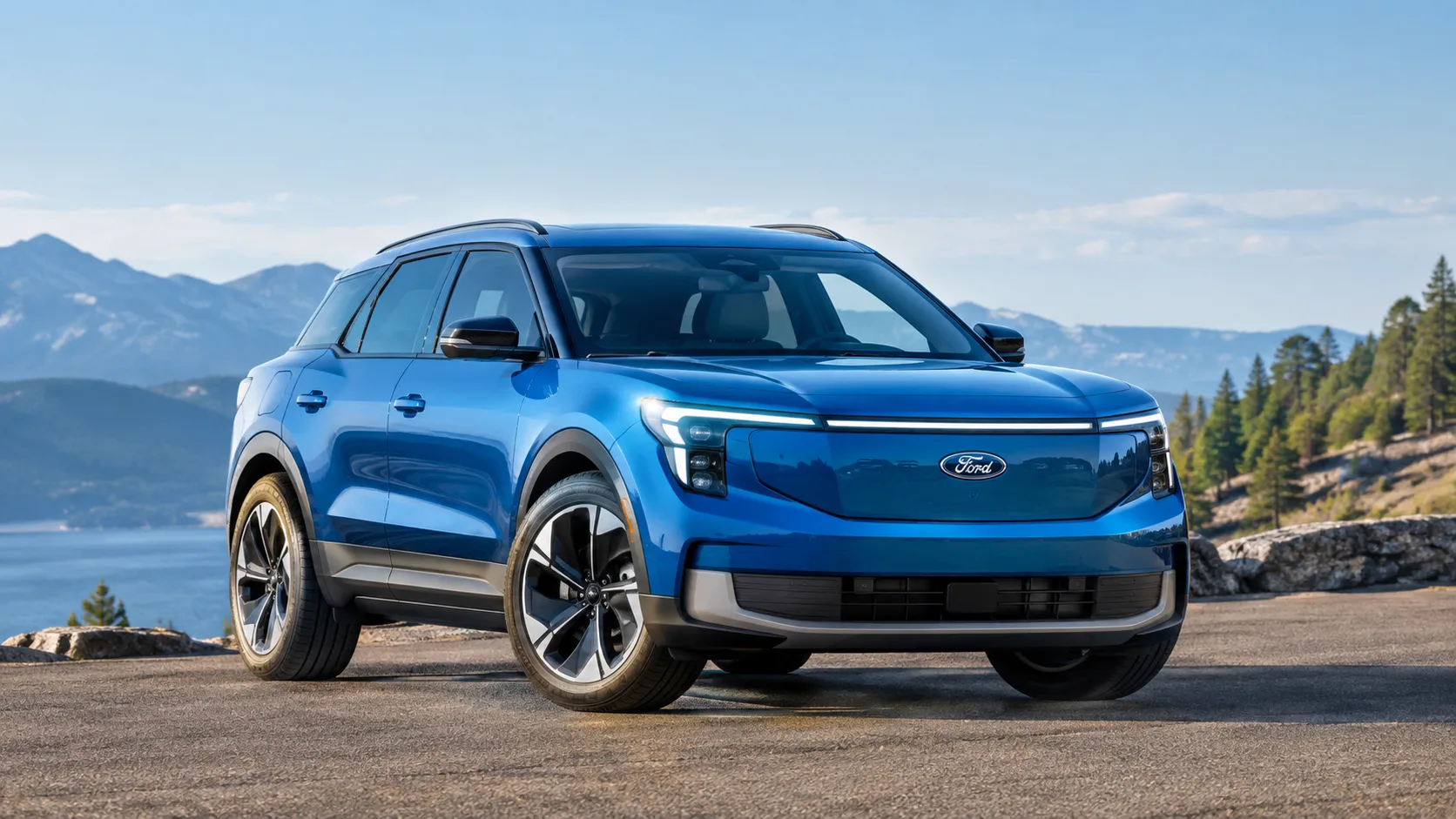
The Turbo Electric can also use Porsche Torque Vectoring Plus, while Porsche Active Ride is available to further control body movement during acceleration, braking and cornering.
Chassis and Driving Technology
The Cayenne Electric is not relying on straight-line acceleration alone to deliver its Porsche character.
Adaptive air suspension with Porsche Active Suspension Management is standard across the electric models. Rear-axle steering is available as an option and can turn the rear wheels by up to five degrees. Porsche says this can reduce the turning circle from 12.7 meters to 11.6 meters.
The system can therefore improve maneuverability in tighter environments while also supporting stability at higher speeds.
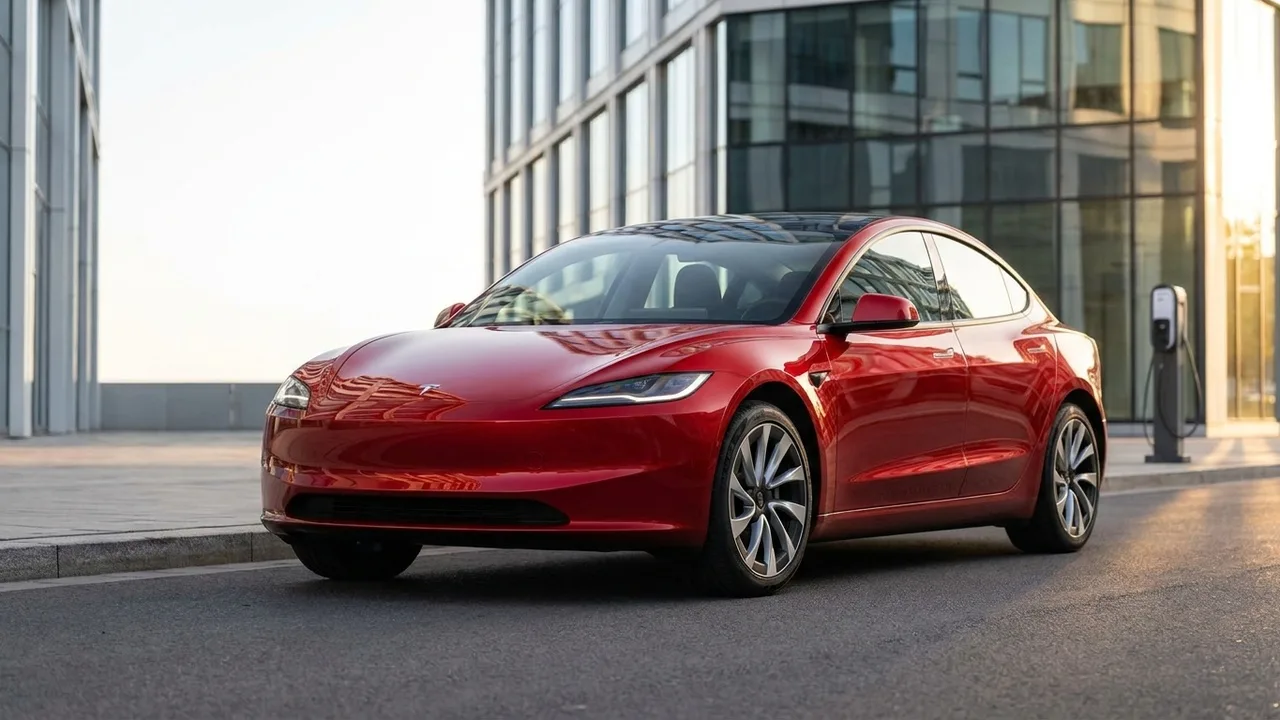
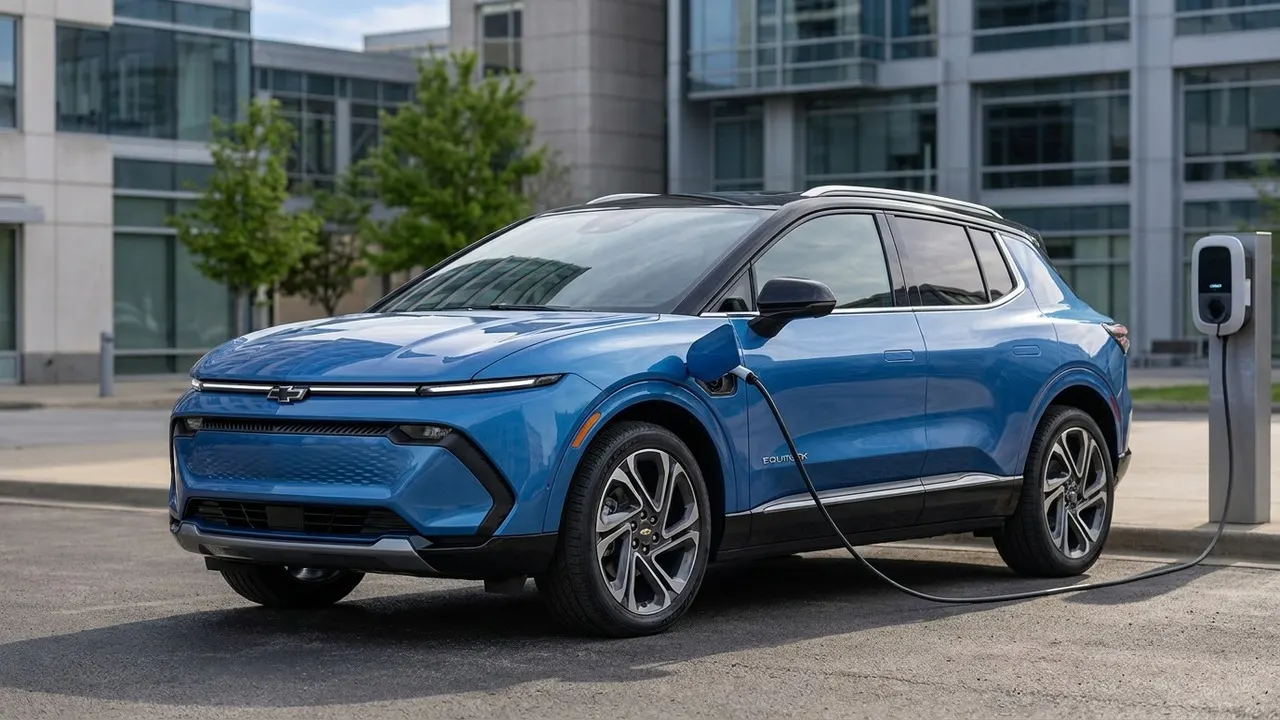
Porsche Active Ride is another important option, particularly on the higher-performance versions. The active suspension uses electrically powered systems at the axles to control body movement. Porsche says it can keep the body level during acceleration, braking and cornering while also improving ride comfort.
For buyers interested in using the Cayenne away from paved roads, an Off-Road package is available. The electric SUV also retains substantial towing capability, with Porsche quoting up to 7,716 pounds depending on equipment.
Exterior Design and Aerodynamics
The Cayenne Electric looks unmistakably like a Porsche, but the design has been reshaped around electric efficiency.
The front features slim Matrix LED headlights, while frameless doors, pronounced wheel arches and a distinctive rear light strip give the SUV a more technical appearance. Porsche also uses active aerodynamic elements to balance efficiency and high-speed stability.
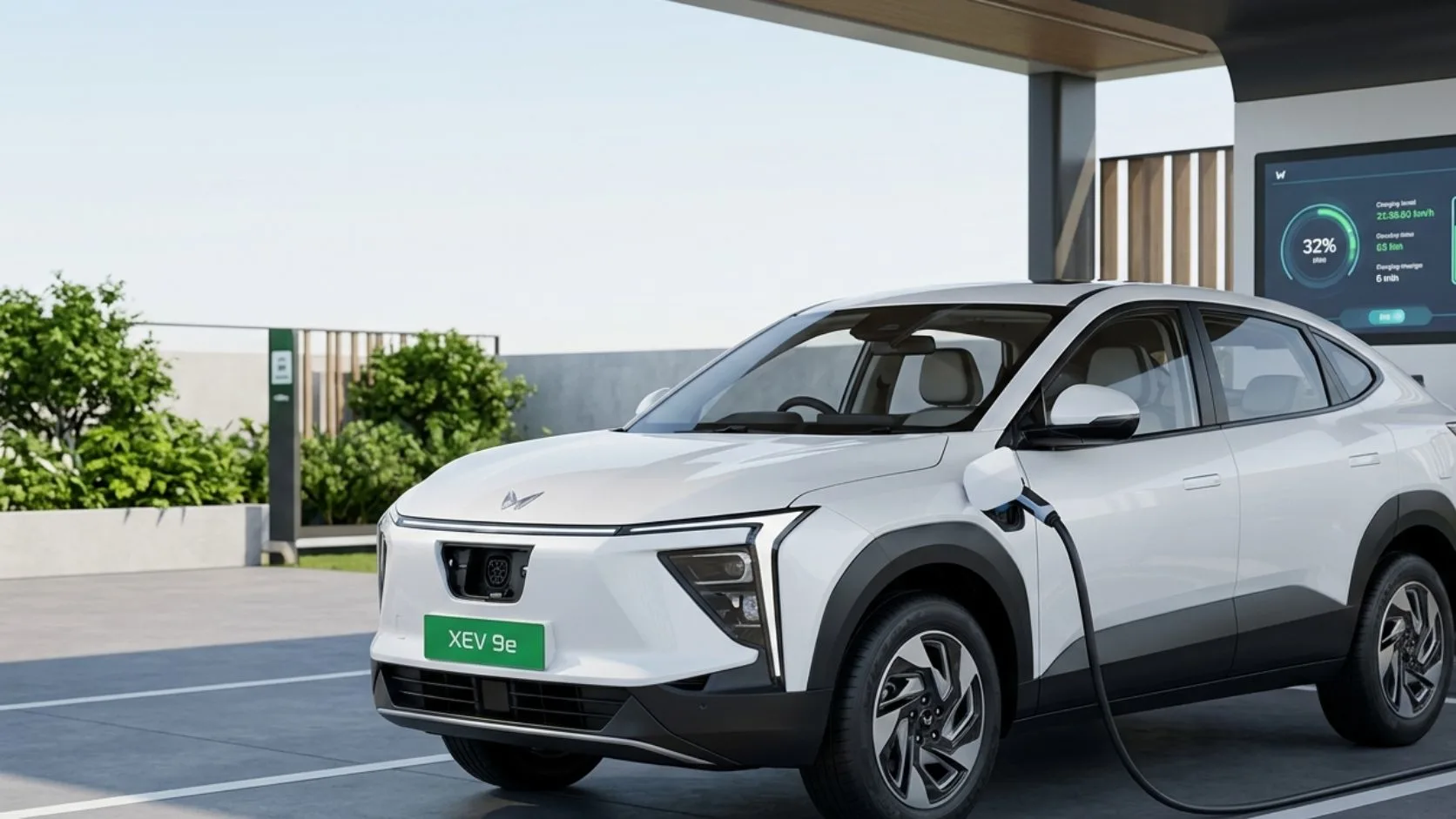
The standard Cayenne Electric has a drag coefficient of 0.25, according to Porsche. Active cooling flaps, air curtains, an adaptive spoiler and an enclosed underbody all contribute to the aerodynamic strategy. The Turbo Electric adds active aeroblades at the rear.
The result is a design that is not simply about looking different from the gasoline Cayenne. Several of the exterior changes have a direct connection to efficiency and high-speed performance.
Interior and Technology
Inside, the Cayenne Electric introduces Porsche’s next-generation digital interaction concept.
One of the headline features is the Flow Display, a curved OLED screen that extends toward the center console. Porsche describes the arrangement as its largest continuous digital display surface yet.
The cabin also offers a Porsche Driver Experience with multiple digital displays, along with an available augmented-reality head-up display. Porsche’s Voice Pilot uses AI-supported voice interaction, while the Porsche Digital Key allows compatible smartphones and smartwatches to function as vehicle keys.
The system also supports third-party applications, streaming and gaming features, although availability can depend on market and equipment.
The interior is designed around both technology and practicality. Porsche says the electric Cayenne’s wheelbase grows substantially compared with the combustion-engine model, creating additional rear-seat space. The rear seats are electrically adjustable and can be moved between comfort and cargo-oriented positions.
Porsche quotes luggage capacity of 781 to 1,588 liters, plus a 90-liter front luggage compartment. Towing capacity can reach 3.5 tonnes, or 7,716 pounds, depending on specification.
2026 Porsche Cayenne Electric Price and Availability
For the U.S. market, Porsche lists the 2026 Cayenne Electric at a starting MSRP of $109,000, excluding options, taxes, title, registration, delivery, processing and handling fees, dealer charges and potential tariffs.
The current U.S. electric lineup is priced as follows:
| Model | Starting U.S. MSRP |
|---|---|
| Cayenne Electric | $109,000 |
| Cayenne S Electric | $126,300 |
| Cayenne Turbo Electric | $163,000 |
Porsche says the original Cayenne Electric and Cayenne Turbo Electric were available to order ahead of deliveries expected at the end of summer 2026. The Cayenne S Electric subsequently expanded the lineup.
These prices apply specifically to the U.S. market. They should not be used as global pricing because Porsche’s prices, taxes, equipment and availability differ by country.
Porsche is also offering electric Cayenne Coupé models. In the U.S., the Coupé Electric starts at $113,800, while the S Coupé Electric starts at $131,200 and the Turbo Coupé Electric at $168,000.
How Does the Cayenne Electric Compare With the Regular Cayenne?
The key difference is not simply the power source.
The traditional Cayenne lineup continues to offer gasoline and plug-in hybrid powertrains, while the Cayenne Electric focuses on instant electric torque, high charging performance and zero tailpipe emissions.
The electric model also introduces technology that changes the character of the SUV. Its 800-volt architecture allows extremely fast DC charging, while the large battery and aerodynamic body are designed for long-distance use.
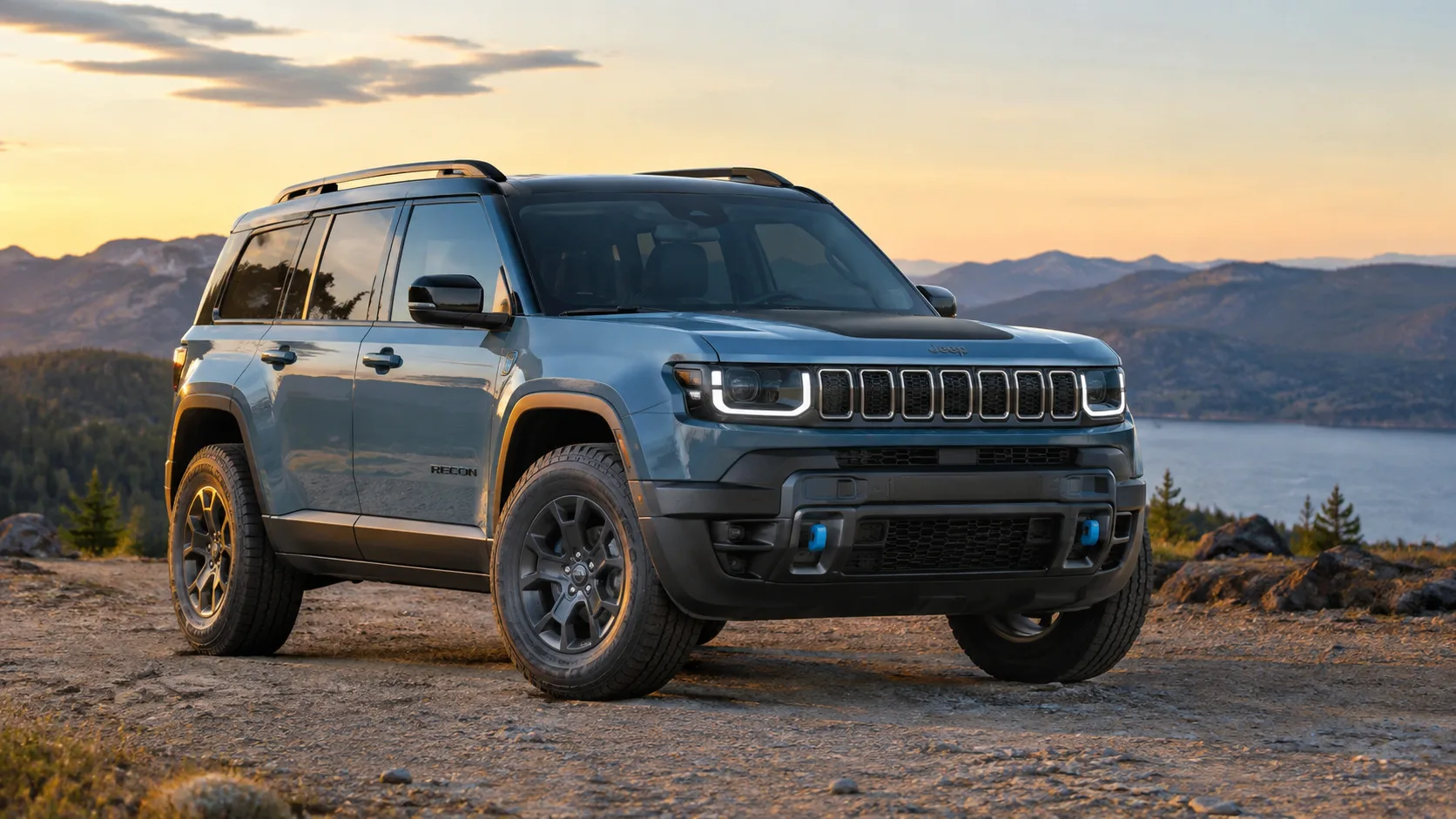
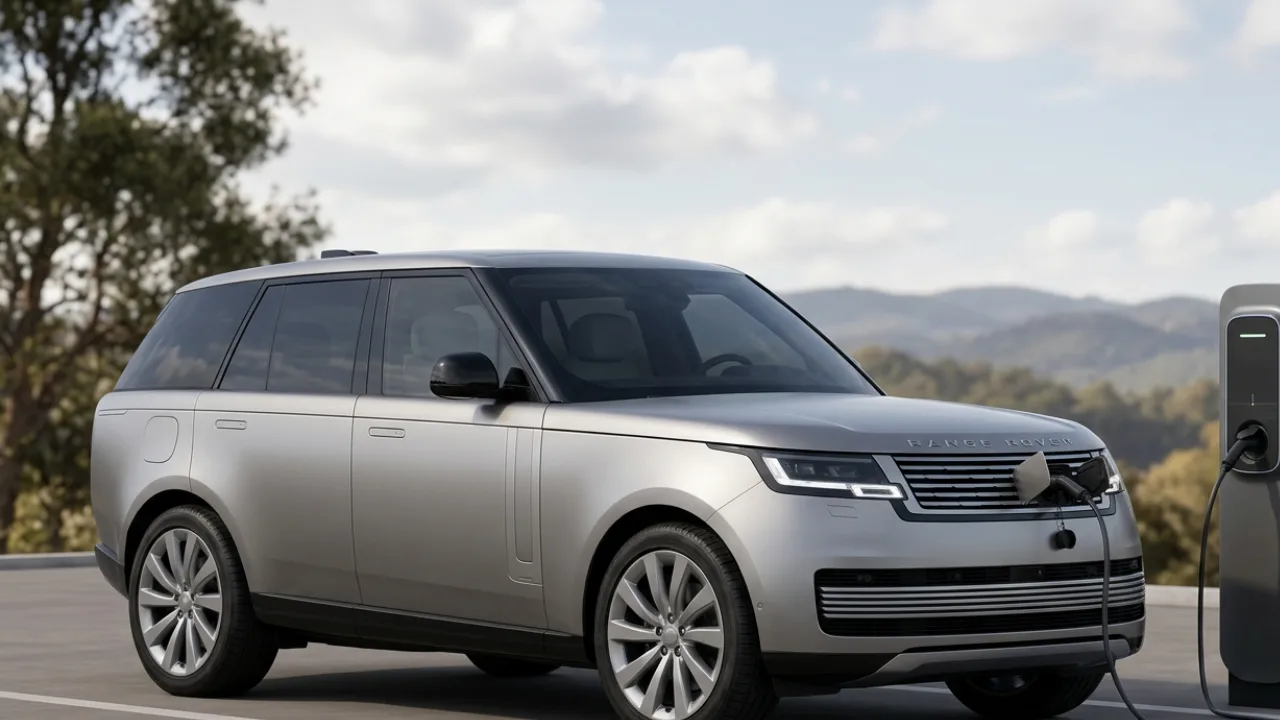
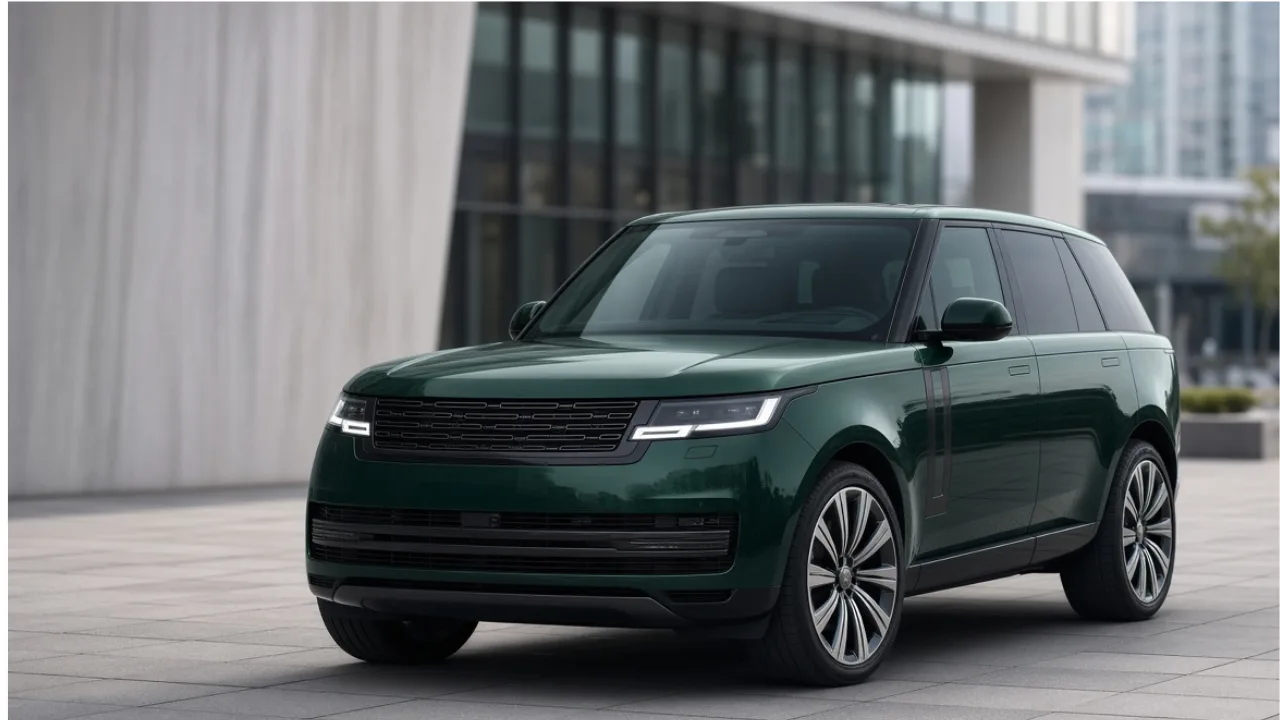
Luxury brands are taking different approaches to long-range electric SUVs, and the 2026 Range Rover Electric: Range, Luxury Features and Latest Launch Updates offers another relevant model for readers interested in electric range, performance and premium SUV positioning.
At the same time, the combustion and plug-in hybrid models remain relevant for buyers who prioritize conventional refueling, different powertrain characteristics or specific market requirements.
That makes the Cayenne Electric less of a replacement and more of an expansion of Porsche’s Cayenne strategy.
What Buyers Should Know Before Ordering
The biggest advantage of the Cayenne Electric is the combination of performance, charging speed and SUV practicality.
The standard model is already fast, while the S and Turbo versions move into performance territory that would have been difficult to associate with a large electric SUV only a few years ago. The 113-kWh battery, 800-volt architecture and sub-16-minute 10–80% charging claim also make the vehicle better suited to long-distance travel than many slower-charging EVs.
There are trade-offs, however.
The Cayenne Electric is expensive, particularly in Turbo specification. The highest performance versions also consume more energy, and certified range varies considerably depending on configuration. Buyers should also remember that WLTP figures are laboratory test results rather than guarantees of real-world driving distance.
The most important practical question may therefore be which version makes sense. For many buyers, the standard Cayenne Electric should provide more than enough performance. The S adds a substantial performance increase, while the Turbo is aimed at customers who specifically want Porsche’s most extreme electric SUV performance.
2026 Porsche Cayenne Electric: Final Thoughts
The 2026 Porsche Cayenne Electric is one of Porsche’s most significant electric launches because it takes one of the company’s most versatile nameplates and gives it a fully electric powertrain without abandoning the conventional Cayenne lineup.
Its strongest numbers are impressive: up to 643 km of WLTP range for the standard model depending on configuration, a 113-kWh battery, up to 400 kW of DC charging capability under specific conditions and 0–60 mph in as little as 2.4 seconds for the Turbo Electric in U.S. specification.
More importantly, Porsche has focused on the areas that determine whether a large EV works as an everyday vehicle. The Cayenne Electric combines fast charging with a spacious cabin, substantial cargo capacity, all-wheel drive, adaptive air suspension and towing capability.
It is not simply the electric Cayenne for buyers who want to stop using gasoline. It is a new branch of the Cayenne family aimed at buyers who want Porsche performance with an electric drivetrain.
Frequently Asked Questions
When does the 2026 Porsche Cayenne Electric launch?
The Cayenne Electric made its world premiere in November 2025. Porsche began production in Bratislava in early 2026, and U.S. deliveries of the initial models are expected to begin at the end of summer 2026.
How much does the 2026 Porsche Cayenne Electric cost?
In the United States, the 2026 Cayenne Electric starts at $109,000 before options and applicable fees. The Cayenne S Electric starts at $126,300 and the Cayenne Turbo Electric at $163,000.
How much range does the Porsche Cayenne Electric have?
The standard Cayenne Electric is currently rated at 576–643 km of combined WLTP range, depending on configuration. The U.S. market uses EPA-based range information, so the European WLTP figures should not be treated as U.S. EPA ratings.
How big is the Cayenne Electric battery?
The Cayenne Electric uses a high-voltage battery with a gross energy capacity of 113 kWh. Porsche uses double-sided cooling and thermal management to help maintain battery performance.
How fast can the Porsche Cayenne Electric charge?
The 2026 Cayenne Electric uses an 800-volt charging system capable of up to 390 kW under the specified charging conditions, with up to 400 kW possible in specific circumstances. Porsche says 10–80% charging can take less than 16 minutes under optimal conditions.
How powerful is the Cayenne Turbo Electric?
The U.S.-specification Cayenne Turbo Electric produces up to 1,139 hp and can accelerate from 0 to 60 mph in 2.4 seconds with Launch Control. Its top track speed is 162 mph.
Is the Porsche Cayenne Electric all-wheel drive?
Yes. The Cayenne Electric, Cayenne S Electric and Cayenne Turbo Electric use electric all-wheel-drive systems with motors on the front and rear axles.
Can the Cayenne Electric tow?
Yes. Depending on equipment and configuration, Porsche quotes towing capacity of up to 7,716 pounds, or approximately 3.5 tonnes.
Is the Porsche Cayenne Electric replacing the gasoline Cayenne?
No. Porsche is continuing to offer combustion-engine and plug-in hybrid Cayenne models alongside the fully electric versions. The strategy gives customers multiple powertrain choices within the Cayenne family.
Sources & References
- Porsche USA — 2026 Cayenne Electric — U.S. pricing, performance and model information.
- Porsche USA — Cayenne Turbo Electric — Turbo performance, charging and technical features.
- Porsche Newsroom — Cayenne Electric Technological Milestone — Battery, range, performance, chassis and design details.
- Porsche Newsroom — Cayenne S Electric — Cayenne S Electric specifications and positioning.
- Porsche Newsroom — Cayenne Electric Production and Battery Expertise — Production and battery development information.
- Porsche Newsroom — Cayenne Electric Interior — Interior and Flow Display information.
- Porsche Newsroom — Cayenne Electric Questions & Answers — Digital technology, design and equipment details.
4 thoughts on “2026 Porsche Cayenne Electric: Range, Performance and Features Explained”