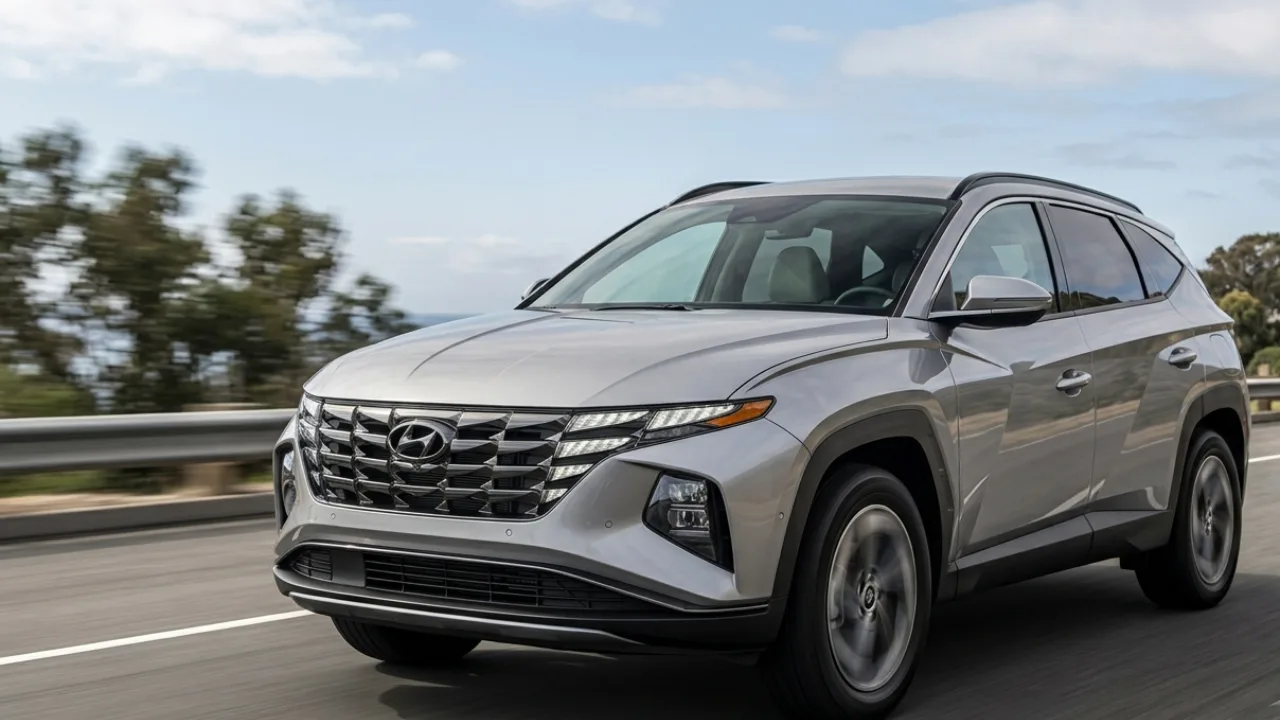
The 2026 Hyundai Tucson enters the U.S. market as a carry-over model after receiving a substantial refresh for 2025. That distinction matters for shoppers searching for a “new design”: the major exterior and interior redesign happened for the 2025 model year, while Hyundai’s 2026 changes focus mainly on trim structure, towing capability, hybrid availability and a few equipment updates.
For 2026, the Tucson continues with gasoline, hybrid and plug-in-hybrid powertrains. The regular Tucson starts at $29,700 MSRP before freight, taxes, title and license fees, while the 2026 Tucson Hybrid starts at $31,300 on Hyundai’s current U.S. website.
The hybrid remains one of the most important versions of the lineup, combining a 1.6-liter turbocharged four-cylinder with an electric motor for a combined 231 horsepower. Hyundai also adds new front-wheel-drive hybrid trims for 2026, giving buyers more ways to enter the electrified Tucson range.
Quick Answer: What Is New for the 2026 Hyundai Tucson?
The 2026 Tucson is not an all-new redesign. Hyundai classifies the 2026 Tucson as a carry-over model following the comprehensive 2025 refresh.
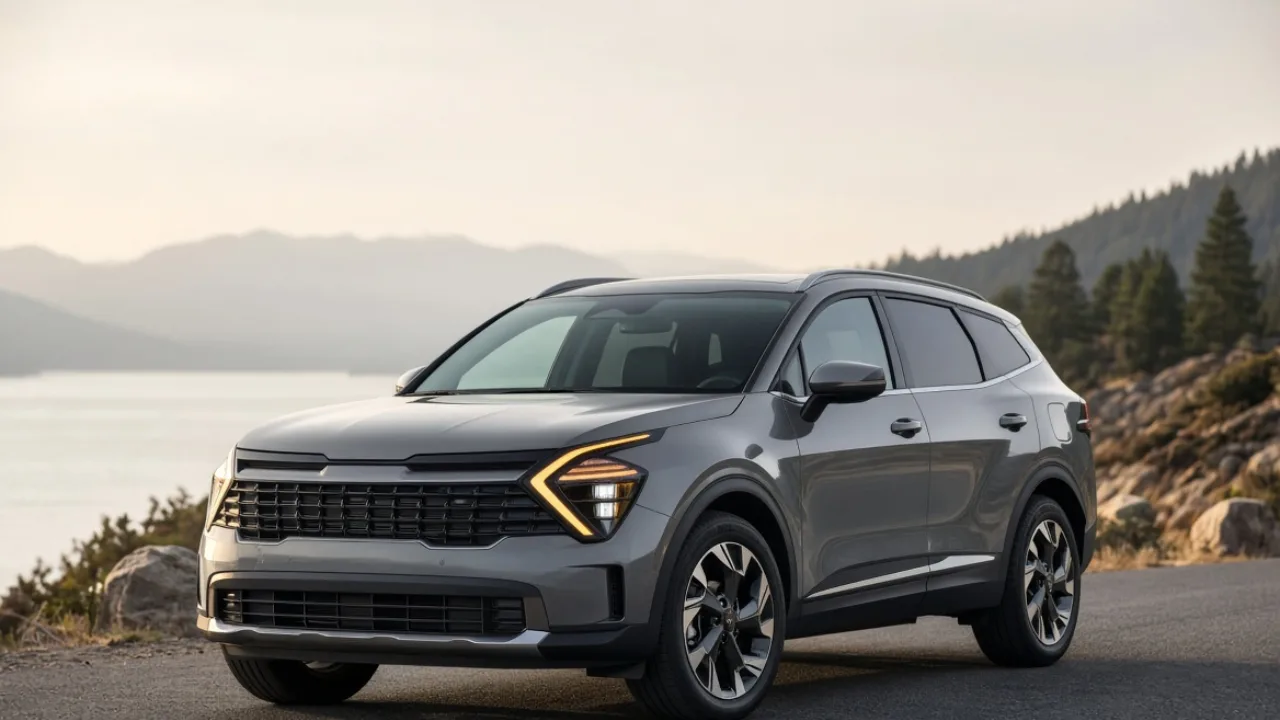
The key changes for the U.S. 2026 model year include:
- New SEL Premium trim replacing the previous SEL Convenience trim on the gasoline Tucson.
- New Blue SE and SEL front-wheel-drive hybrid trims.
- Hybrid N Line discontinued.
- Gas Tucson towing capacity increases to 2,750 pounds when properly equipped.
- XRT gains Mud, Snow and Sand Terrain Modes.
- The Tucson Plug-in Hybrid gets a Level 1/Level 2 combination charging cable instead of a Level 1-only cable.
The exterior and interior styling changes that make the Tucson look significantly different from earlier models arrived with the 2025 refresh.
2026 Hyundai Tucson Design: What Actually Changed?
If you’re looking at the 2026 Tucson and wondering about its new design, most of what you’re seeing comes from the 2025 refresh.
Hyundai substantially revised the Tucson’s front and rear styling for 2025, including a new grille, redesigned bumpers, revised daytime running lights and new wheel designs. The changes gave the compact SUV a more substantial appearance without turning it into a completely new generation.
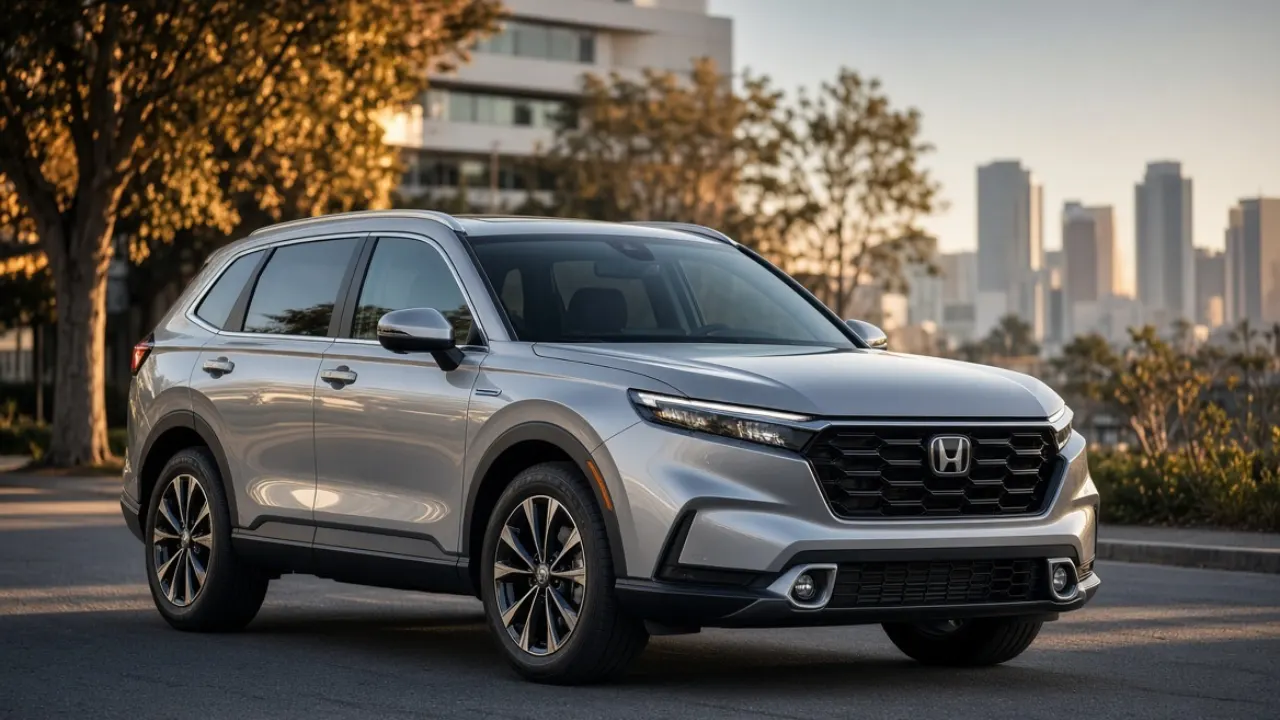
The front end received stronger vertical grille elements, while the daytime running-light signature was simplified from 10 lighting areas to eight larger units. Hyundai also updated the rear design and fitted a longer rear wiper to improve visibility.
For buyers considering the 2026 model, the important point is that there isn’t a separate all-new 2026 exterior design. The current styling is essentially the refreshed design introduced for 2025.
2026 Tucson Interior and Technology
The Tucson’s cabin received one of its biggest upgrades with the 2025 refresh, and that technology carries into 2026.
A major highlight is the available 12.3-inch digital instrument cluster paired with a 12.3-inch infotainment display on appropriately equipped models. Hyundai also redesigned the center stack with physical controls for frequently used functions, addressing the usability concerns associated with touch-heavy controls.
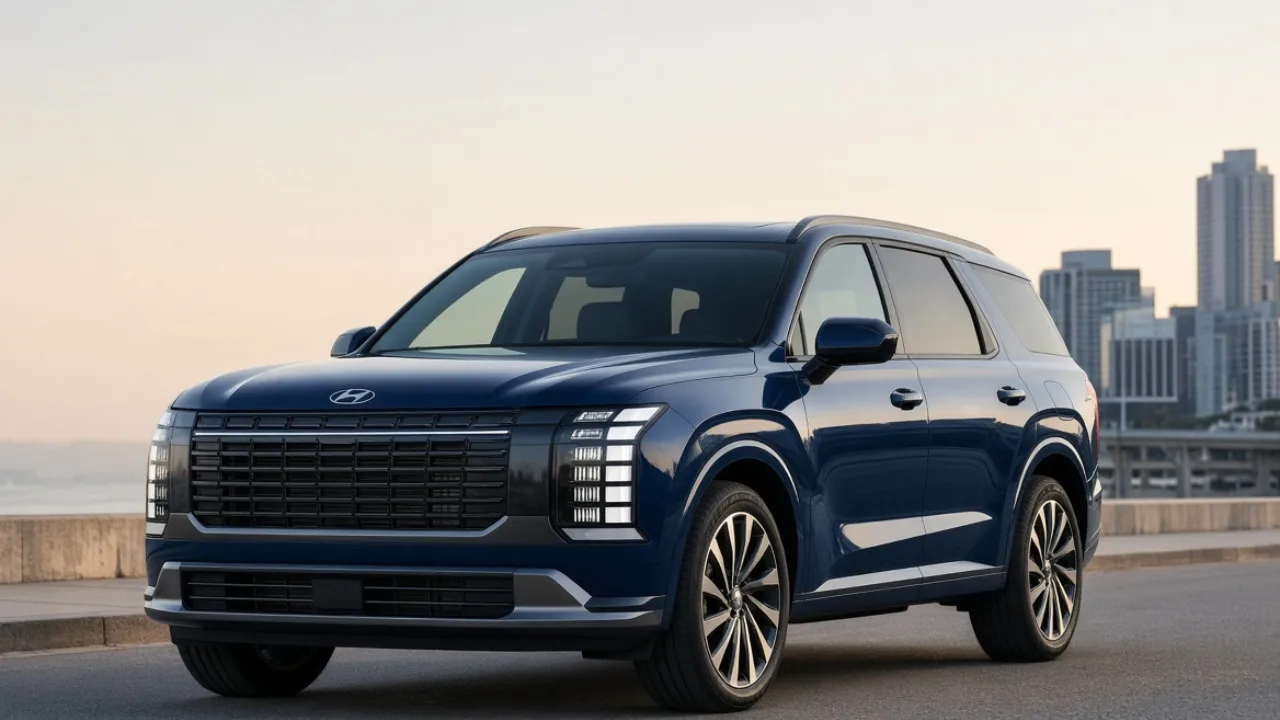
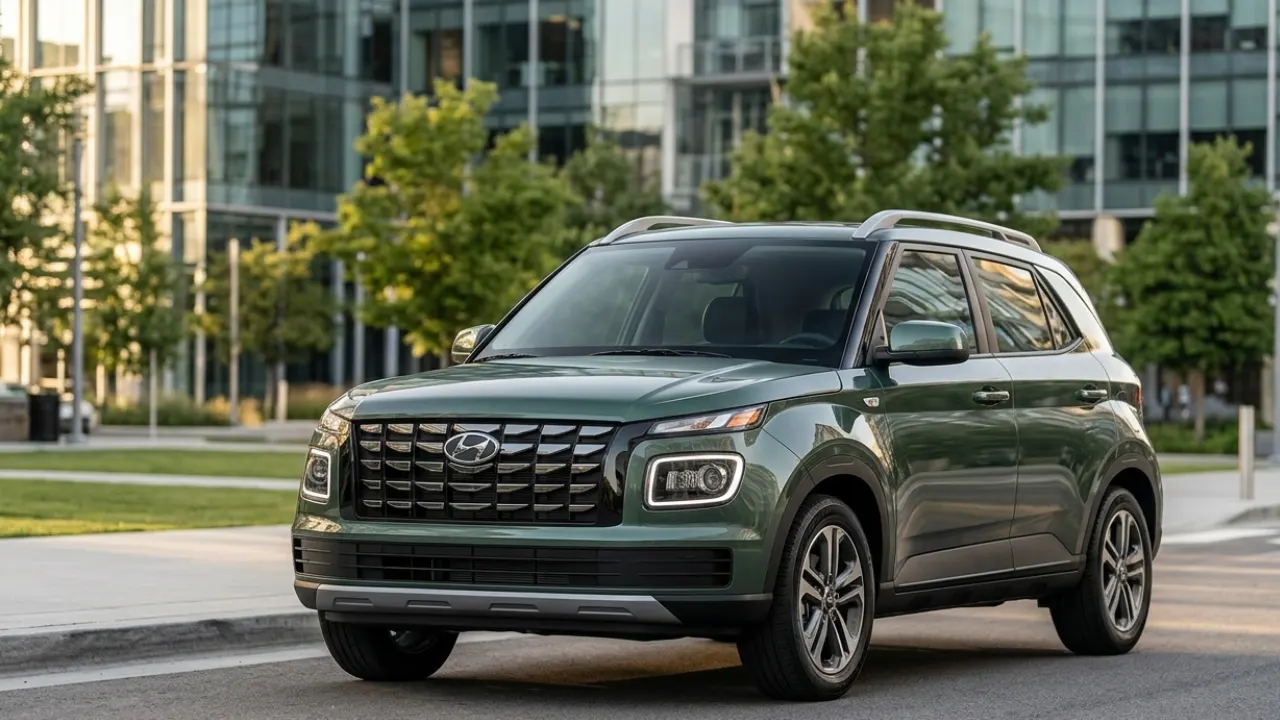
Wireless Apple CarPlay and Android Auto are standard across the 2026 Tucson lineup, while USB-C charging ports are provided for front and rear passengers. Certain trims also offer wireless device charging.
Higher trims can add features such as:
- 12.3-inch digital instrument cluster
- Navigation
- Bose premium audio
- Wireless device charging
- 12-inch head-up display
- Heated and leather-trimmed seats
- Surround View Monitor
- Blind-Spot View Monitor
- Remote Smart Parking Assist
Availability depends on trim and powertrain.
2026 Hyundai Tucson Hybrid Technology
The Tucson Hybrid remains one of the most important alternatives to the conventional gasoline model.
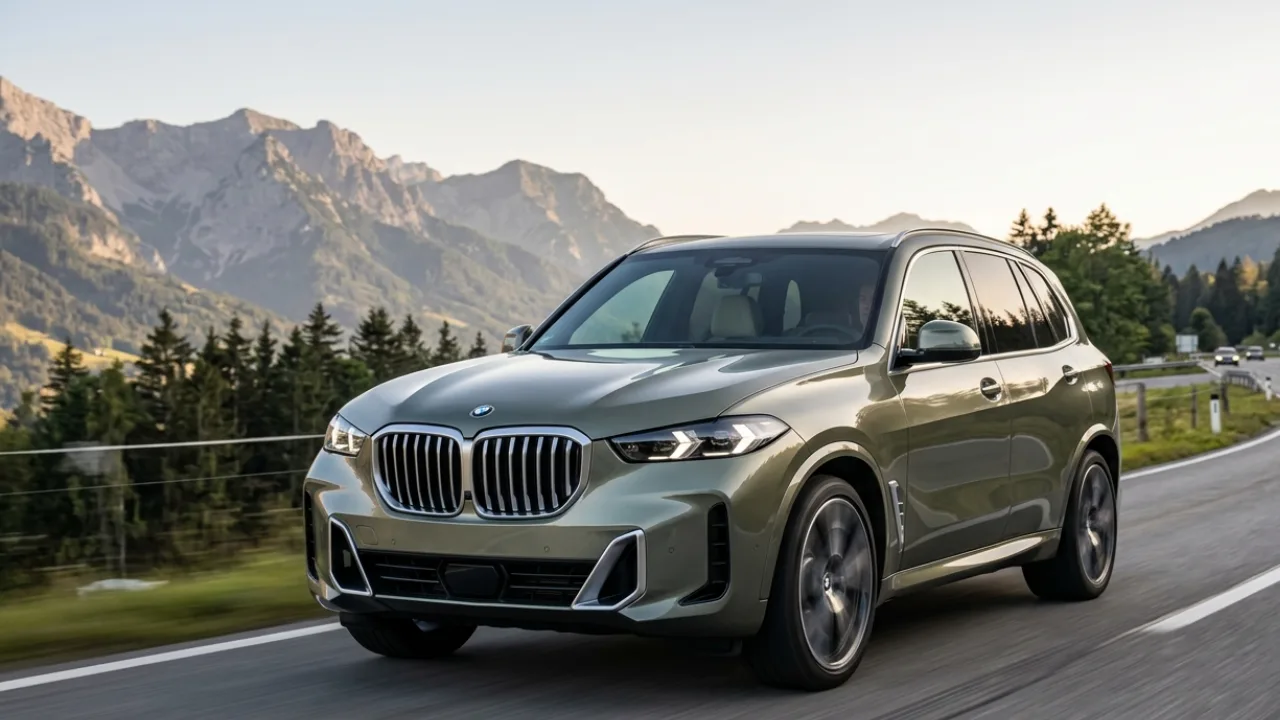
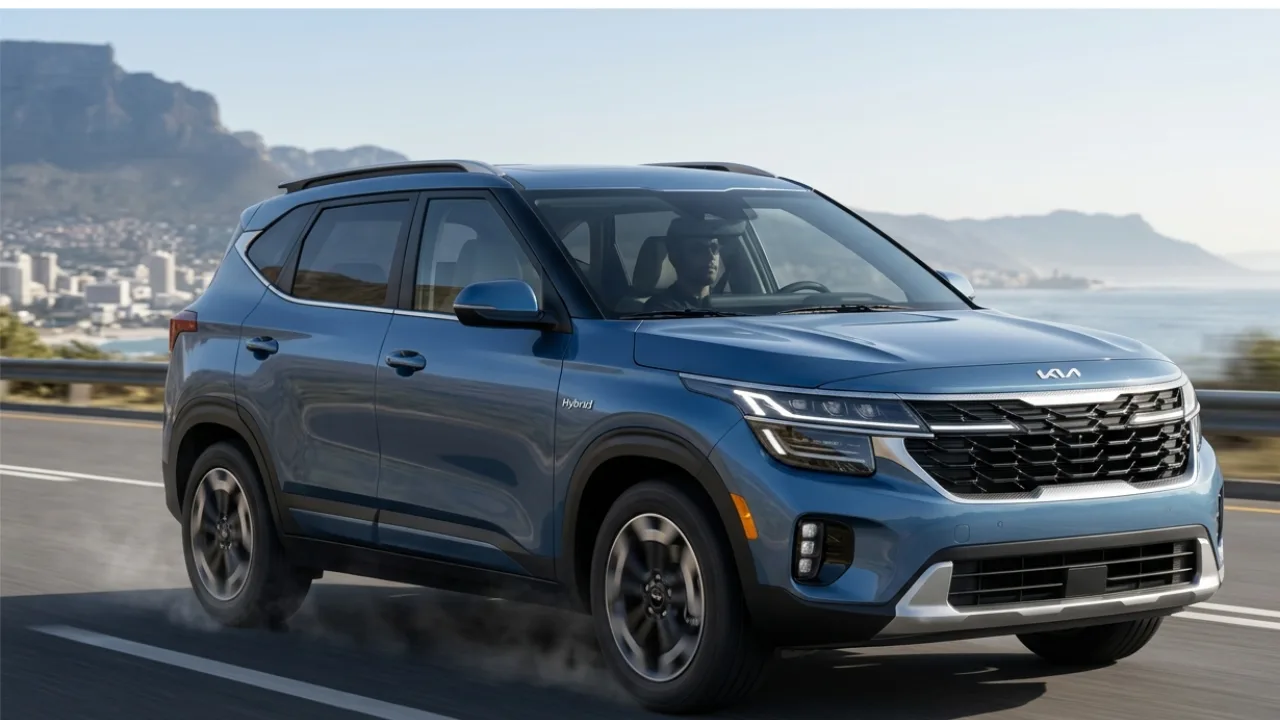
The U.S.-specification 2026 Tucson Hybrid uses a 1.6-liter turbocharged GDI four-cylinder hybrid powertrain producing 231 combined horsepower. Hyundai offers the hybrid with both front-wheel drive and HTRAC all-wheel drive depending on trim.
For 2026, Hyundai expands the hybrid lineup with new SE and SEL front-wheel-drive trims. The Blue SE replaces the previous entry point with a lower-positioned trim, while the former Blue trim is renamed SEL.
The hybrid N Line is no longer part of the 2026 U.S. lineup.
2026 Tucson Hybrid MPG
The official EPA estimates vary by drivetrain and trim.
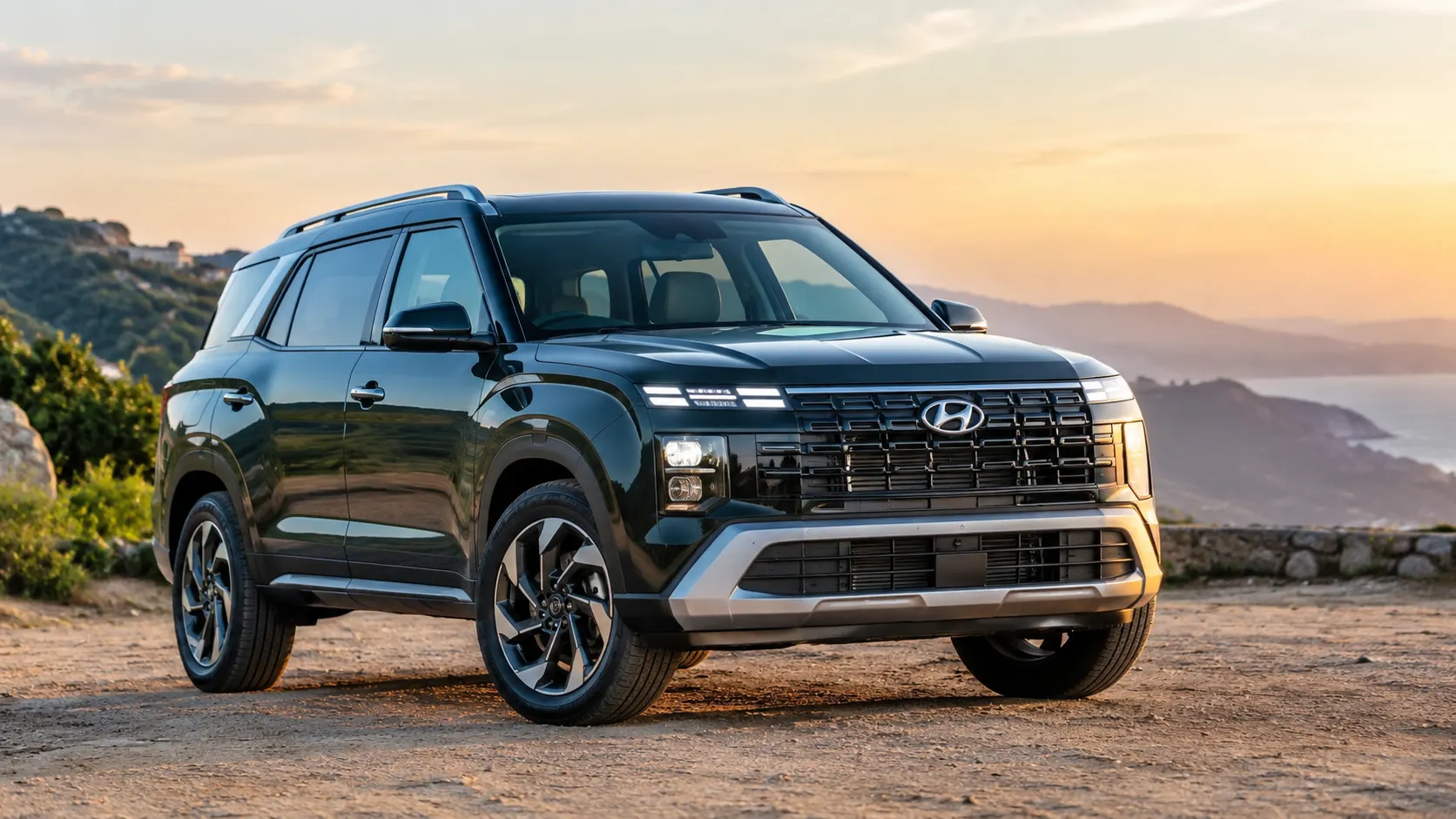
The front-wheel-drive Tucson Hybrid SE is rated at up to 40 mpg city and 35 mpg highway, while HTRAC AWD versions are rated at 38 mpg city and 38 mpg highway in the SE configuration. Other AWD hybrid trims are rated at 36 mpg city and 37 mpg highway.
Hyundai lists an EPA-estimated driving range of up to 520 miles for the 2026 Tucson Hybrid.
Actual fuel economy and range can vary with driving conditions, equipment, driving habits and other factors.
2026 Hyundai Tucson Plug-in Hybrid
The Tucson Plug-in Hybrid gives buyers another electrified option, combining a gasoline engine with a rechargeable battery system.
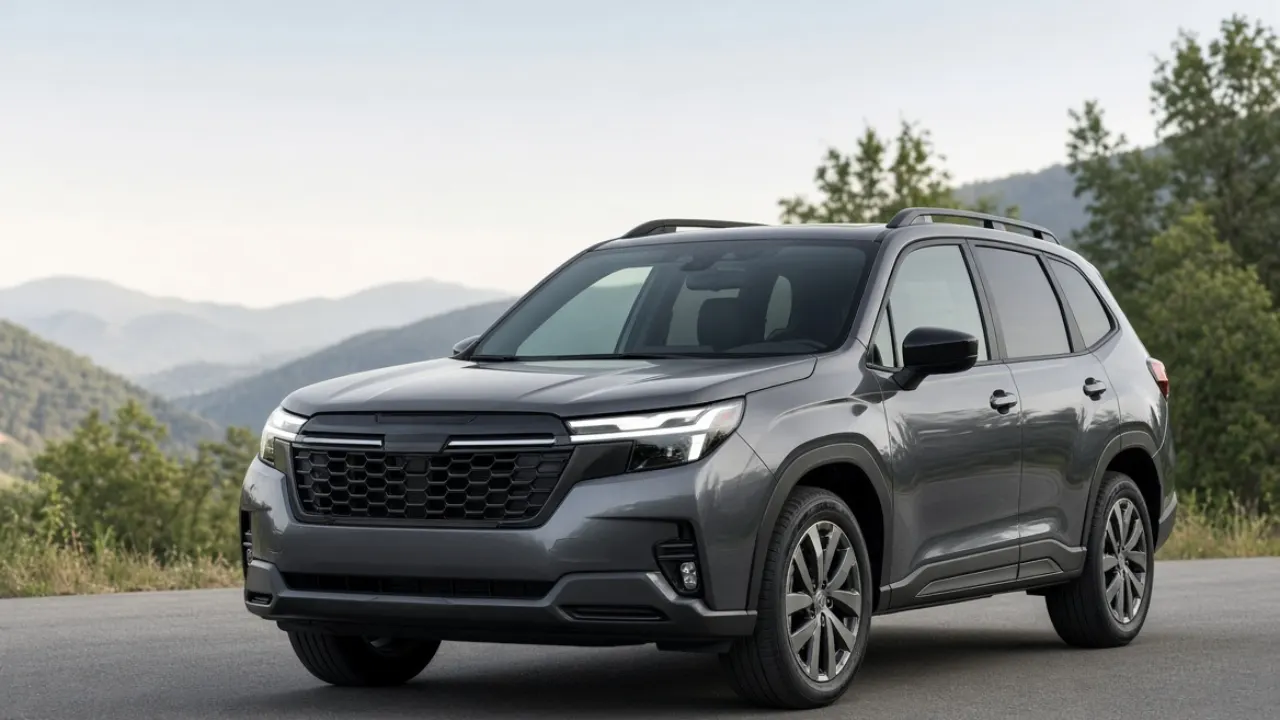
For 2026, Hyundai lists the Tucson Plug-in Hybrid with 268 combined horsepower, a 32-mile EPA-estimated all-electric range, and 35 mpg combined in gasoline operation. Its combined rating also includes an EPA-estimated 80 MPGe figure.
The plug-in hybrid continues to offer a useful middle ground for drivers who can charge at home but still want a gasoline engine for longer trips.
For 2026, Hyundai also upgrades the included charging cable from a Level 1 unit to a Level 1/Level 2 combination cable.
2026 Hyundai Tucson Gas Engine
The standard Tucson continues with a 2.5-liter four-cylinder gasoline engine producing 187 horsepower. Front-wheel drive is available, while Hyundai’s HTRAC all-wheel-drive system is available across several trims.
The most significant mechanical change for the gasoline model in 2026 is towing.
Hyundai increases the maximum towing capacity with trailer brakes from 2,000 pounds to 2,750 pounds on the gasoline Tucson when properly equipped. The hybrid and plug-in-hybrid models retain a 2,000-pound towing capacity.
2026 Tucson XRT Adds More Off-Road Drive Modes
The Tucson XRT continues to provide the more rugged-looking option in the lineup.
For 2026, Hyundai adds Terrain Mode to the XRT, providing Mud, Snow and Sand settings. These modes adjust vehicle systems for different low-traction surfaces, although they do not turn the Tucson into a dedicated off-road vehicle.
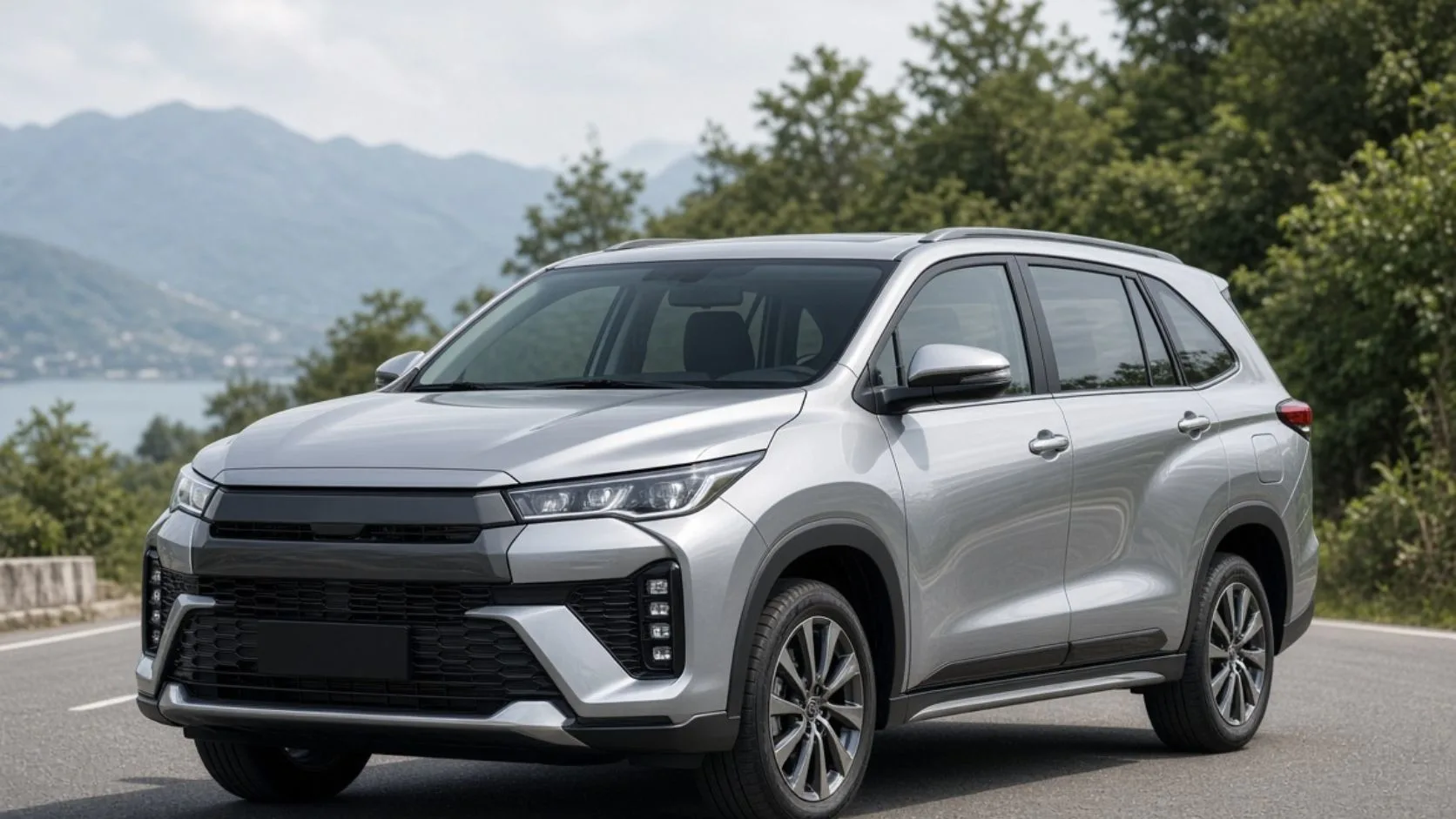
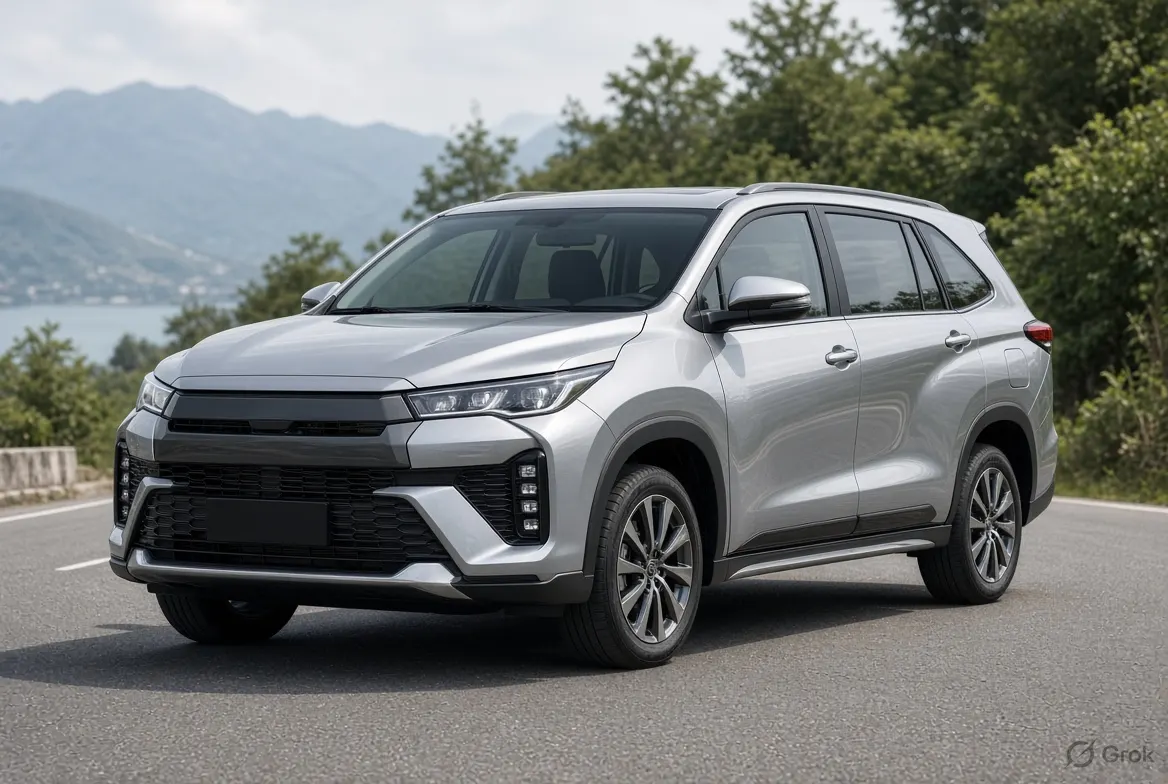
The XRT also retains its outdoor-oriented design elements and raised roof rails.
2026 Hyundai Tucson Safety and Driver Assistance
Hyundai continues to offer a broad collection of driver-assistance technology on the Tucson.
Depending on trim, available or standard systems include:
- Forward Collision-Avoidance Assist
- Lane Following Assist
- Lane Keeping Assist
- Smart Cruise Control with Stop & Go
- Safe Exit Warning
- Blind-Spot View Monitor
- Surround View Monitor
- Rear Cross-Traffic Collision-Avoidance Assist
- Navigation-based Smart Cruise Control
- Forward Attention Warning
For example, Hyundai lists Smart Cruise Control with Stop & Go as standard on the 2026 Tucson Hybrid lineup, while systems such as Blind-Spot View Monitor and Surround View Monitor are available on higher trims.
These are driver-assistance systems rather than autonomous driving technology. Hyundai specifically notes that drivers remain responsible for vehicle operation and that individual systems have operating limitations.
2026 Hyundai Tucson Price and Trims
For the U.S. market, Hyundai currently lists the gasoline Tucson starting at $29,700 MSRP, excluding freight, taxes, title and license fees.
The 2026 gasoline lineup includes:
| Trim | 2026 U.S. lineup |
|---|---|
| SE | Available |
| SEL | Available |
| XRT | Available |
| SEL Premium | New/repositioned trim |
| Limited | Available |
The hybrid lineup includes new SE and SEL front-wheel-drive versions, alongside SEL Convenience and Limited configurations.
Pricing can vary with destination charges, options and dealer pricing, so shoppers should verify the final transaction price locally.
2026 Hyundai Tucson: Launch and Availability
Unlike a future or unreleased model, the 2026 Tucson is already part of Hyundai’s U.S. model lineup.
The gasoline Tucson is available through Hyundai’s U.S. retail network, while Hyundai has also announced the expanded 2026 hybrid lineup. Current Hyundai pricing and inventory information should be checked for the specific trim and location because availability can vary.
The key distinction is that 2026 is a continuation of the refreshed Tucson rather than the launch of a new generation.
Is the 2026 Hyundai Tucson a New Generation?
No.
The current Tucson generation was introduced for the 2022 model year, and Hyundai gave it a substantial refresh for 2025. Hyundai’s official 2026 model information describes the 2026 Tucson as a carry-over model.
Therefore, shoppers searching for a “2026 Tucson redesign” should understand that the major redesign-like changes are actually associated with the 2025 refresh.
The 2026 model builds on that updated foundation with revised trims, additional hybrid choices and selected equipment changes.
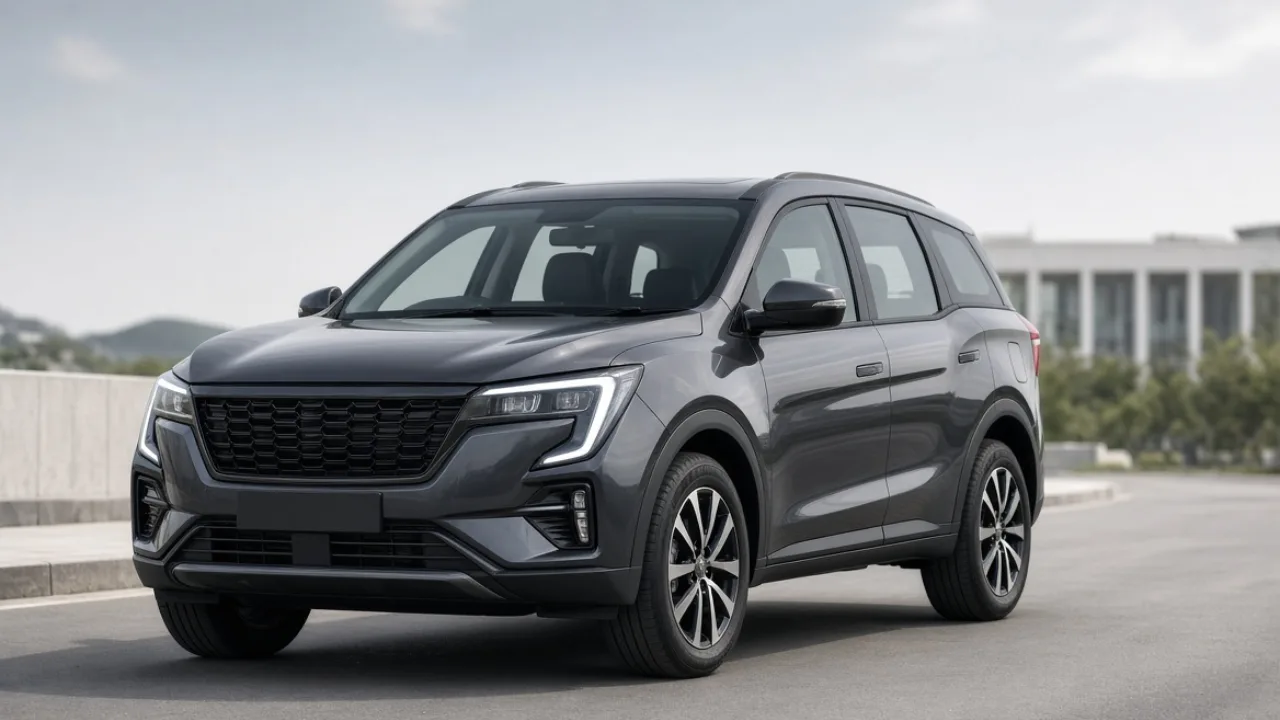
2026 Hyundai Tucson vs. Hybrid vs. Plug-in Hybrid
The three powertrain choices serve different buyers.
Gasoline Tucson: Best suited to buyers who prioritize a conventional powertrain and want the lower starting price.
Tucson Hybrid: Better suited to drivers who want improved fuel economy without needing to plug in. The hybrid produces 231 combined horsepower and can be configured with FWD or HTRAC AWD.
Tucson Plug-in Hybrid: Designed for drivers who can regularly charge and want the ability to drive on electricity for shorter trips while retaining gasoline capability for longer journeys. Its EPA-estimated electric range is 32 miles.
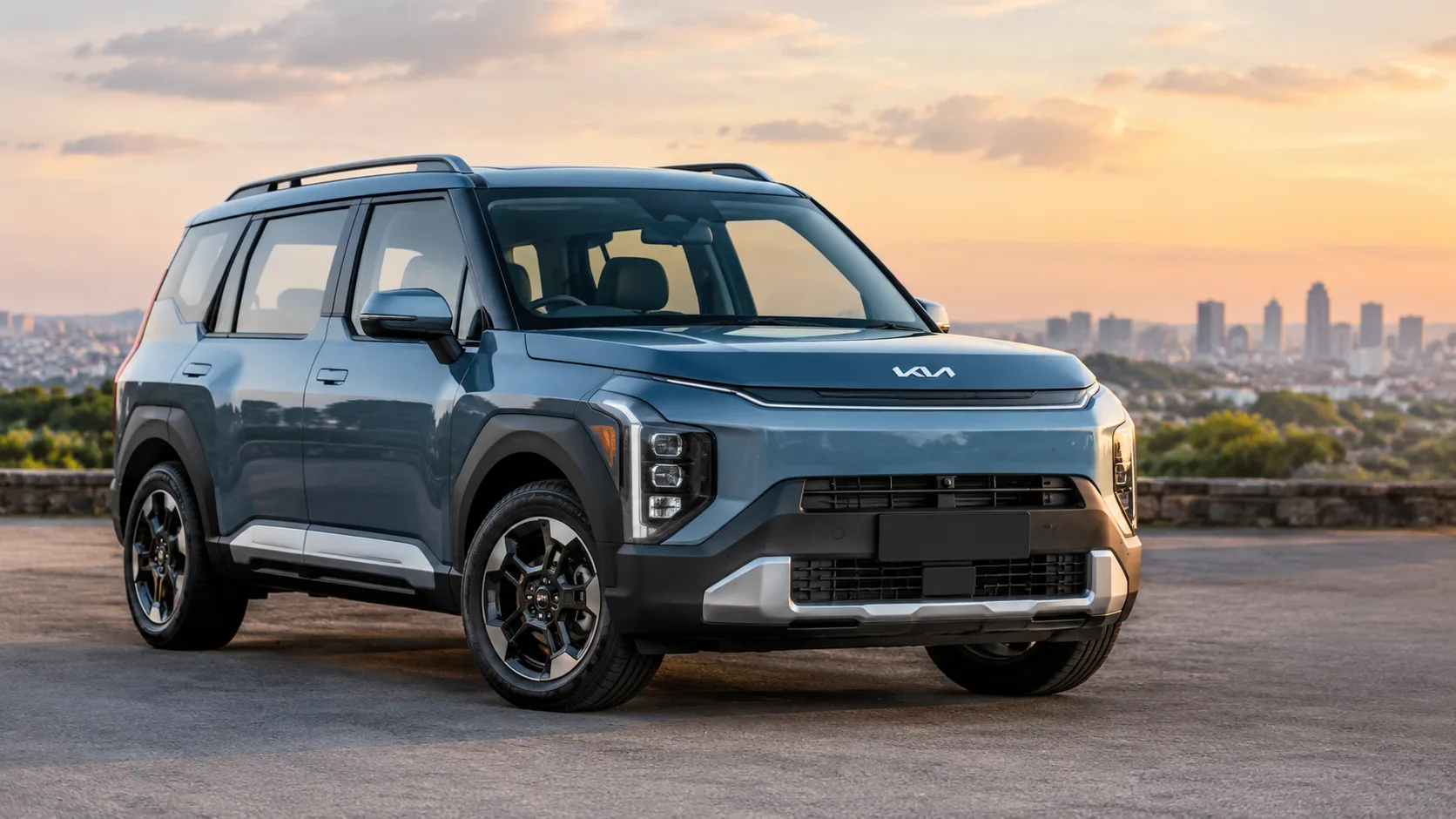
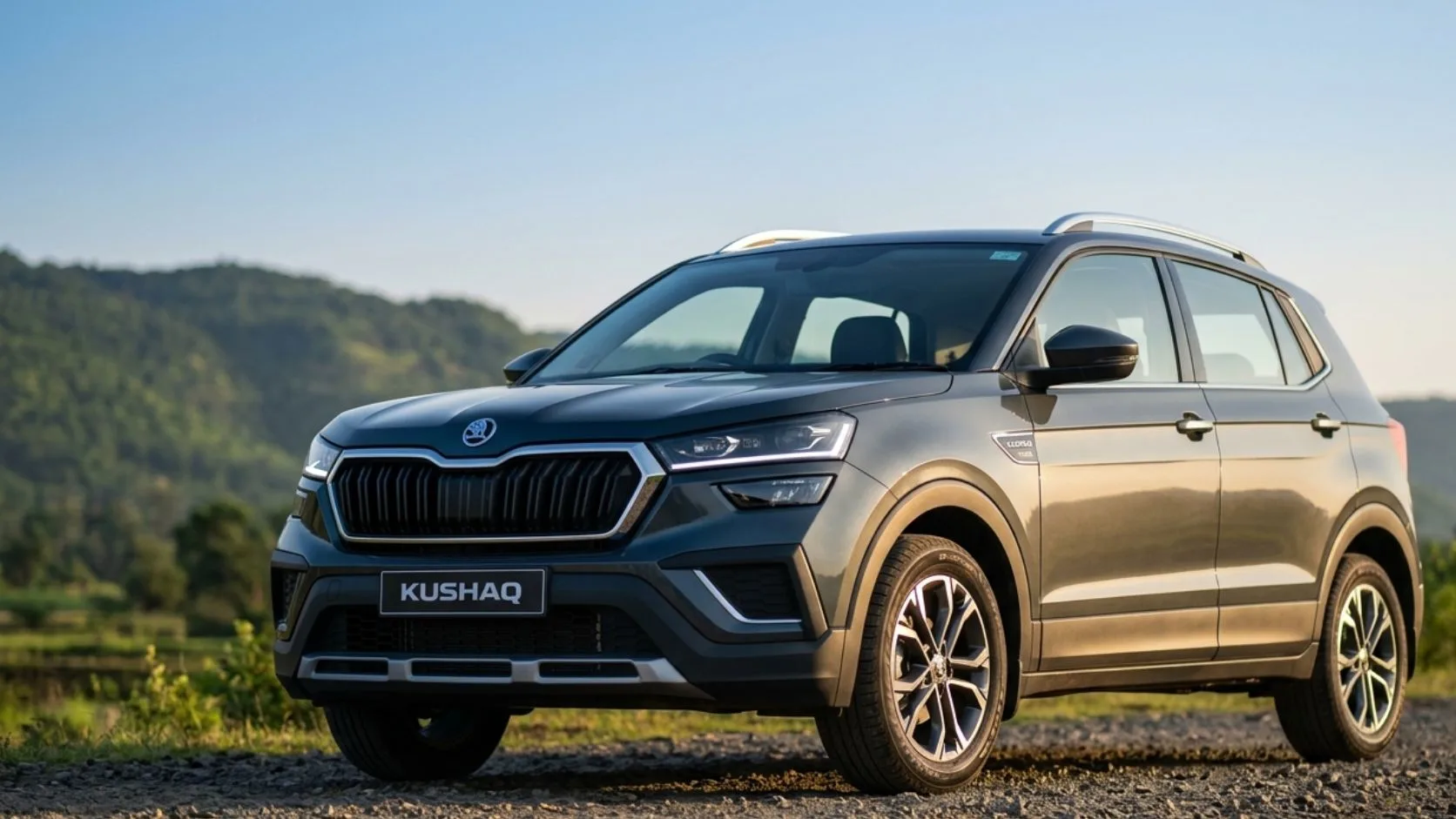
There is no single powertrain that is automatically right for every buyer. Daily driving distance, access to charging, towing needs and purchase budget all matter.
What Buyers Should Know About the 2026 Tucson
The biggest misconception surrounding the 2026 Tucson is the idea that it represents another major redesign.
It doesn’t.
Instead, the 2026 Tucson carries forward the substantial styling, interior and technology upgrades introduced for 2025. Hyundai then concentrates its 2026 changes on trim availability, hybrid accessibility, towing capability and equipment.
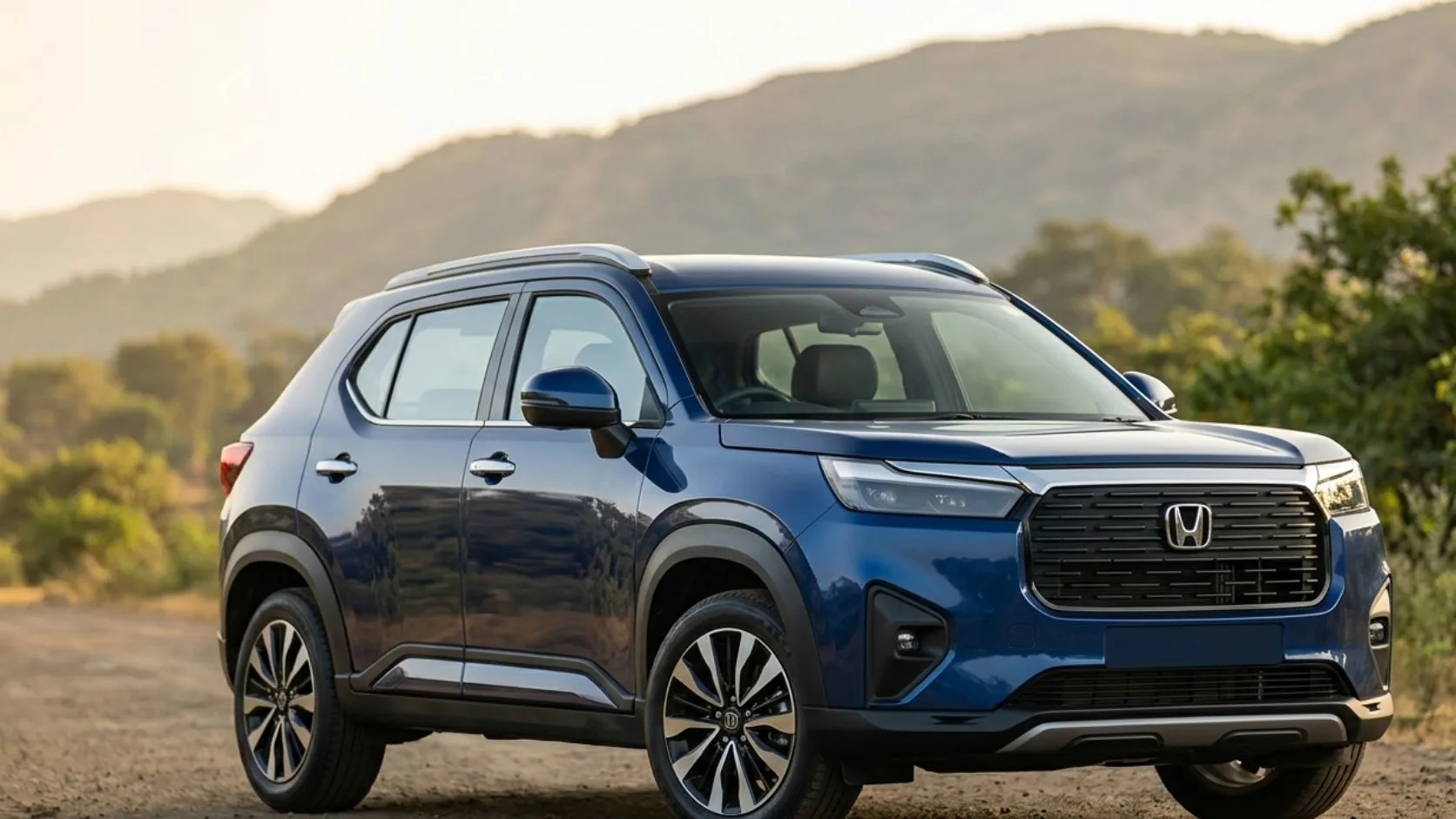
For shoppers, that may actually make the 2026 model easier to understand: the current Tucson design is already relatively fresh, while the 2026 lineup gives buyers more ways to choose between gasoline, hybrid and plug-in-hybrid powertrains.
Pros and Limitations
What Stands Out
- Fresh exterior and interior design carried over from the 2025 refresh
- 12.3-inch infotainment technology available
- Wireless Apple CarPlay and Android Auto
- Gas, hybrid and plug-in-hybrid choices
- 231-hp hybrid powertrain
- Up to 40 mpg city for certain FWD hybrid configurations
- Increased gasoline towing capacity
- Broad driver-assistance technology
- New hybrid entry trims for 2026
What to Consider
- The 2026 model is not an all-new generation
- Gasoline performance is less powerful than the hybrid’s combined output
- Hybrid fuel economy varies considerably by drivetrain and trim
- Plug-in-hybrid pricing is substantially higher than the conventional Tucson
- Driver-assistance features have system limitations and do not replace attentive driving
Final Thoughts
The 2026 Hyundai Tucson is best understood as an evolution of the significantly refreshed 2025 model rather than a completely redesigned SUV.
Its strongest changes for 2026 are underneath the headline: Hyundai expands the hybrid lineup with new FWD trims, increases gasoline Tucson towing capacity to 2,750 pounds when properly equipped, adds Terrain Mode to the XRT and updates the plug-in hybrid’s charging equipment.
The bigger design and technology story remains the 2025 refresh, which brought the revised exterior, redesigned cabin, 12.3-inch displays, updated controls and expanded connectivity.
For U.S. shoppers choosing between the three powertrains, the decision ultimately comes down to priorities: conventional simplicity and lower entry price with the gas model, improved efficiency with the hybrid, or short-distance electric driving capability with the plug-in hybrid.
Frequently Asked Questions
Is the 2026 Hyundai Tucson redesigned?
No. The Tucson received its major exterior, interior and technology refresh for the 2025 model year. Hyundai identifies the 2026 Tucson as a carry-over model with selected trim and equipment changes.
How much does the 2026 Hyundai Tucson cost?
The 2026 gasoline Tucson starts at $29,700 MSRP in the U.S., before freight, taxes, title and license fees. Hyundai’s current website lists the 2026 Tucson Hybrid from $31,300.
How much horsepower does the 2026 Tucson Hybrid have?
The U.S.-market 2026 Tucson Hybrid produces 231 combined horsepower from its 1.6-liter turbocharged hybrid powertrain.
What is the 2026 Tucson Hybrid’s MPG?
Depending on trim and drivetrain, EPA estimates range from 36 to 40 mpg city and 35 to 38 mpg highway. The FWD SE is rated at 40 city/35 highway, while the AWD SE is rated at 38/38.
Does the 2026 Tucson have a plug-in hybrid?
Yes. The 2026 Tucson Plug-in Hybrid is available in the U.S. and has an EPA-estimated 32 miles of all-electric range, 35 mpg combined in gasoline operation and 268 combined horsepower.
How much can the 2026 Hyundai Tucson tow?
The gasoline 2026 Tucson can tow up to 2,750 pounds with trailer brakes when properly equipped. Hyundai lists 2,000 pounds for the hybrid and plug-in-hybrid versions.
Does the 2026 Tucson have Apple CarPlay?
Yes. Wireless Apple CarPlay and wireless Android Auto are standard on the U.S.-market 2026 Tucson lineup.
Is the 2026 Hyundai Tucson available with AWD?
Yes. HTRAC all-wheel drive is available on the gasoline Tucson and is offered on the hybrid lineup depending on trim.
Sources & References
- Hyundai USA — 2026 Tucson
- Hyundai USA — 2026 Tucson Hybrid
- Hyundai News — 2026 Tucson Model-Year Changes
- Hyundai News — 2025 Tucson Refresh Announcement
- Hyundai News — 2026 Tucson Hybrid Lineup Expansion
- Edmunds — 2026 Hyundai Tucson Overview
- Cars.com — 2026 Hyundai Tucson Changes and Pricing