The 2026 Hyundai i20 remains an option for Indian buyers looking for a premium-feeling hatchback with modern features, a practical cabin and a choice of manual and automatic-style transmissions. Its main strengths are its feature-rich higher variants, comfortable everyday layout and naturally aspirated petrol engine, which suits routine city driving.
For buyers comparing premium hatchbacks, the i20 competes with models such as the Maruti Suzuki Baleno and Toyota Glanza. The right choice depends on the features you want, your driving conditions, fuel costs and the price of the specific variant.
This guide focuses on the Indian-market Hyundai i20. Model-year availability, prices and equipment can change, so it is important to distinguish the established i20 specifications from any new features or changes specifically announced for 2026. A separate, fully confirmed 2026 model-year update should not be assumed without an official announcement.
2026 Hyundai i20: Key Specifications
| Specification | Details |
|---|---|
| Market | India |
| Body style | Premium hatchback |
| Engine | 1.2-liter naturally aspirated petrol |
| Cylinder configuration | 4-cylinder |
| Maximum power | Approximately 83 PS with manual; 88 PS with IVT |
| Maximum torque | 114.7 Nm |
| Transmission | 5-speed manual or IVT automatic |
| Fuel type | Petrol |
| Seating capacity | 5 |
| Drive type | Front-wheel drive |
| CNG option | Not listed in the established standard i20 powertrain lineup |
The figures above describe the established Indian-market petrol lineup, not a guarantee that every specification or variant remains unchanged for the 2026 model year. Confirm the current configuration with Hyundai before purchasing.
2026 Hyundai i20 Mileage: What Should Buyers Expect?
Fuel economy is an important factor when choosing a premium hatchback, particularly for drivers who spend most of their time in city traffic.
The Hyundai i20 uses a 1.2-liter naturally aspirated petrol engine. Its fuel consumption depends on the transmission, traffic conditions, driving style, air-conditioning use and passenger load.
The manual version gives drivers direct control over gear changes, while the IVT automatic is designed to make driving easier in congested traffic. Actual fuel consumption can differ between the two, so buyers should compare the precise versions they intend to purchase.
Factors that affect i20 mileage
- City traffic: Frequent stops and acceleration can increase fuel consumption.
- Highway driving: Steady speeds and smoother acceleration can improve fuel efficiency.
- Transmission: Manual and IVT versions can deliver different results under similar conditions.
- Driving habits: Aggressive acceleration and unnecessary idling can reduce efficiency.
- Vehicle maintenance: Correct tyre pressure and regular servicing help the car operate as intended.
For an accurate comparison, check the latest official fuel-efficiency figure for the selected variant. A claimed test-cycle figure should not be treated as a guaranteed everyday result.
Hyundai i20 Engine and Performance
The Indian-market i20 is powered by a 1.2-liter Kappa petrol engine with four cylinders. Unlike a turbocharged engine, it relies on natural air intake rather than a turbocharger to produce power.
The established engine specifications are approximately 83 PS and 114.7 Nm with the manual transmission, while the IVT version produces approximately 88 PS with the same quoted peak torque.
This powertrain is intended primarily for everyday commuting, routine family use and occasional highway trips. Drivers looking for stronger turbocharged performance should also consider the separately marketed Hyundai i20 N Line, which has a different engine and transmission lineup.
Manual or IVT automatic: Which is better?
| Factor | 5-speed manual | IVT automatic |
|---|---|---|
| Gear changes | Driver-operated | Managed automatically |
| City driving | Requires clutch and gear changes | More convenient in stop-and-go traffic |
| Driver involvement | Greater control over gear selection | Focuses on smooth, convenient operation |
| Fuel consumption | Depends on driving style and conditions | Depends on driving style and conditions |
| Best suited to | Drivers who prefer a manual gearbox | Drivers who prioritize convenience |
The IVT is a continuously variable automatic transmission. Rather than shifting through a fixed set of conventional gears, it varies its transmission ratio to keep the engine operating appropriately for the driving conditions.
For daily commuting in crowded cities, this can reduce the effort involved in driving. A manual remains a sensible choice for drivers who prefer traditional gear selection or want to compare the upfront cost of equivalent variants.
2026 Hyundai i20 Exterior Design
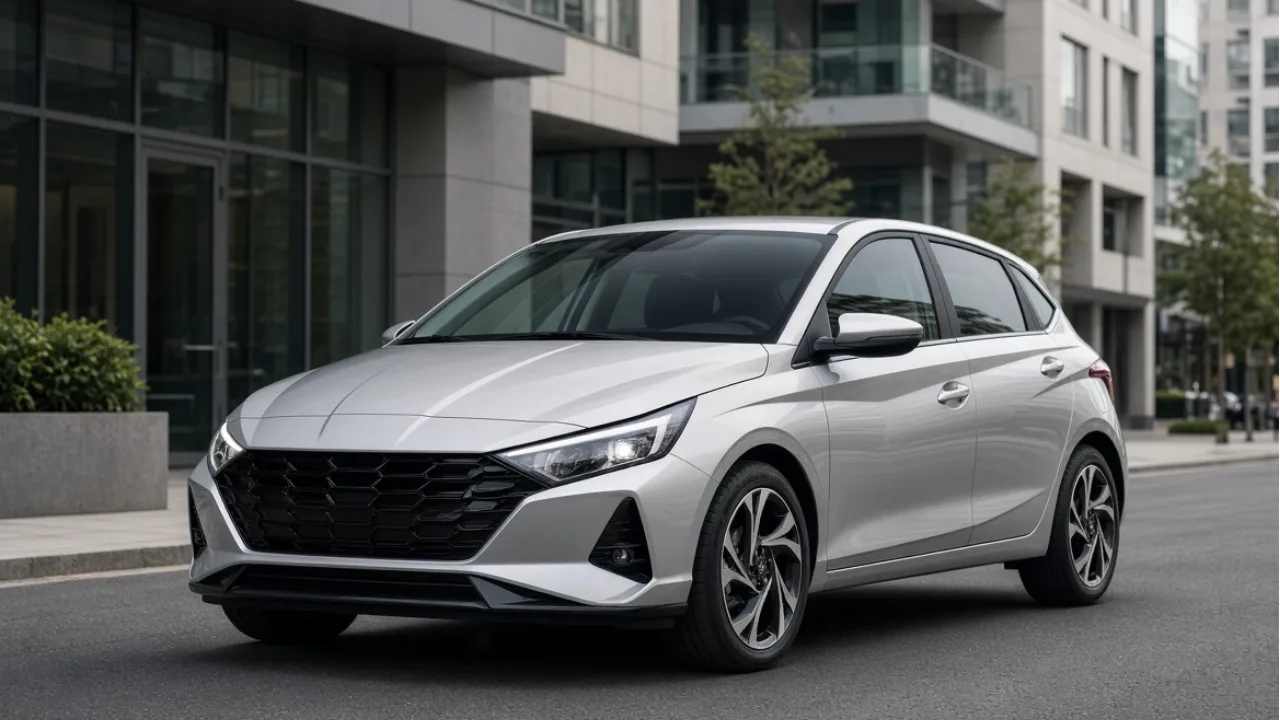
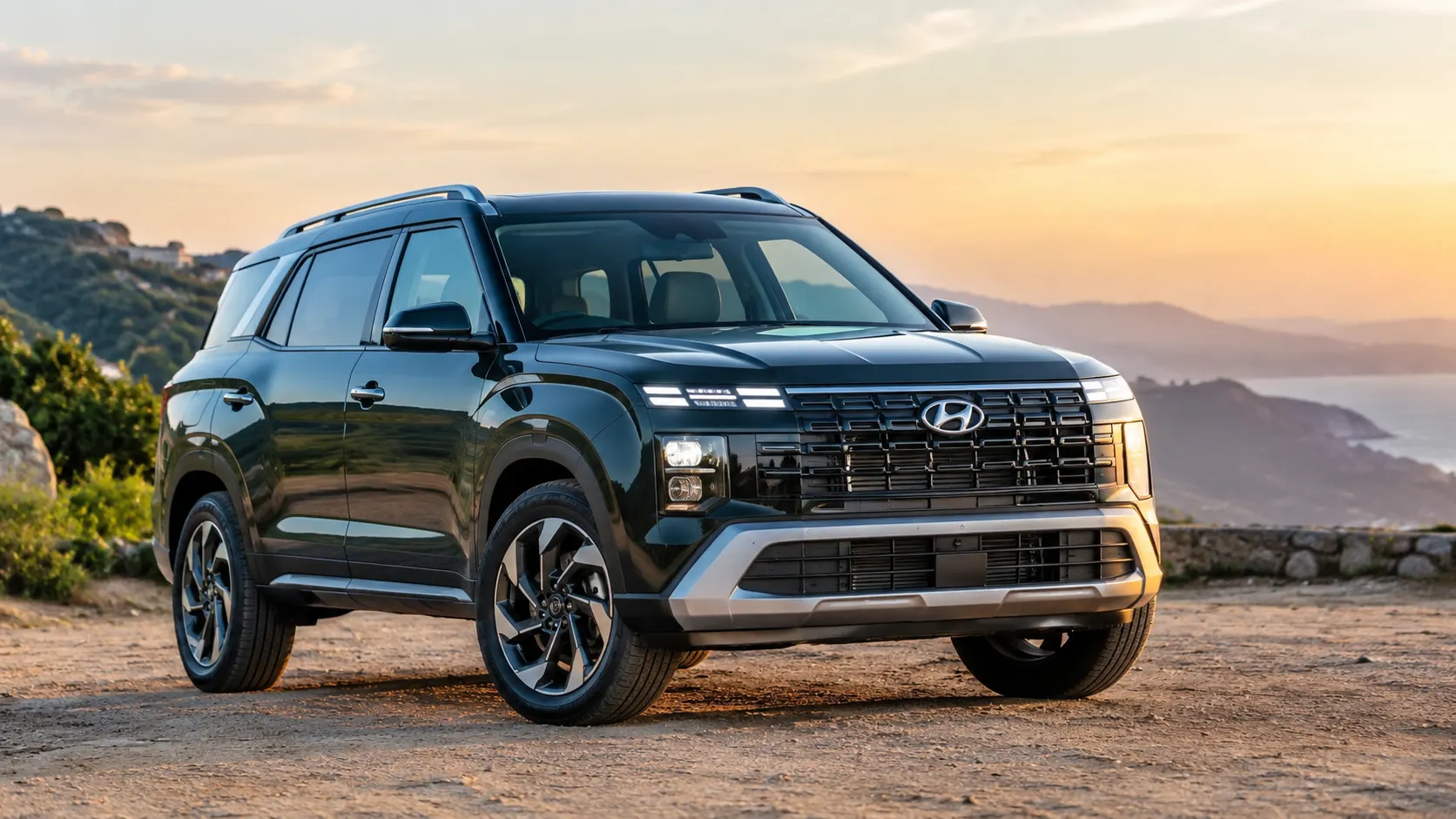
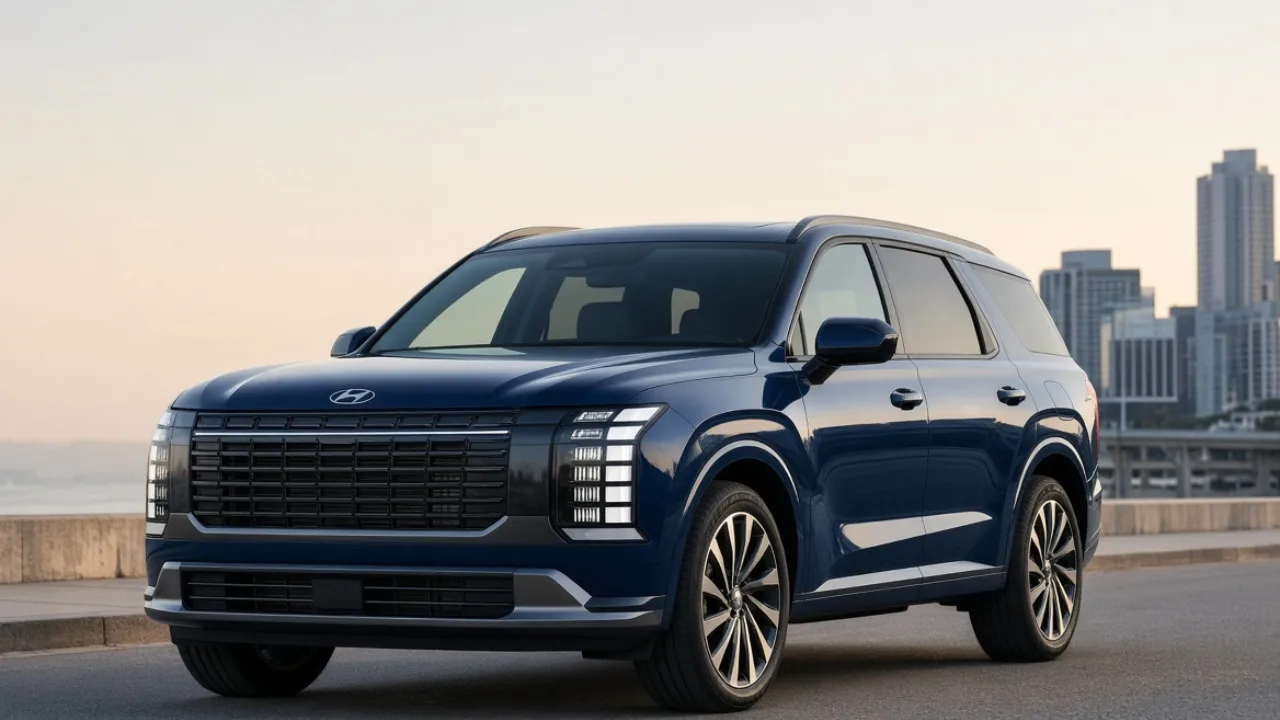
The Hyundai i20 has a sporty hatchback design with a distinctive front grille, sculpted body panels and a sloping roofline. Its proportions give it a more premium appearance than a basic city hatchback.
The established design includes features such as:
- Projector or LED lighting, depending on the variant and equipment
- Parametric-pattern front grille
- Z-shaped rear lighting design
- Alloy wheels on selected trims
- Body-colored exterior elements
- Rear spoiler and other styling details, depending on the version
The i20 Knight Edition adds a darker visual theme, including blacked-out exterior details and distinctive badging. It is primarily a styling choice for buyers who prefer a sportier appearance.
The standard i20 should not be confused with the Hyundai i20 N Line, which has a separate sporty design package and a different powertrain.
Interior, Comfort and Technology
The i20’s cabin is one of its important selling points. It combines a relatively compact exterior with a layout designed to accommodate five occupants, everyday storage and modern infotainment equipment.
Depending on the variant, available features include:
- Touchscreen infotainment system
- Apple CarPlay and Android Auto
- Digital instrument display
- Automatic climate control
- Wireless phone charging
- Electric sunroof
- Ambient cabin lighting
- Rear parking camera
- Connected-car functions
- Premium audio system on selected versions
Higher variants can include a 26.03 cm (10.25-inch) touchscreen, a digital instrument cluster and a Bose-branded sound system. The precise combination depends on the selected trim and transmission.
Infotainment and connectivity
The infotainment system helps drivers access navigation, music and compatible smartphone applications. The availability of particular connected services and smartphone functions may vary by variant and device.
Buyers should also check whether the preferred trim has physical controls for commonly used functions. A touchscreen can make the cabin look modern, but convenient access to climate and audio settings matters during everyday driving.
Seating and boot space
The Hyundai i20 is a five-seat hatchback. Its layout makes it suitable for small families, couples and commuters who occasionally need to carry additional passengers.
The published specification lists a 311-liter luggage compartment. This is useful for everyday shopping, backpacks and smaller travel bags, although bulky luggage may require folding the rear seats or packing carefully.
As with any compact hatchback, buyers should check rear-seat legroom and headroom in person, especially if adult passengers will regularly sit in the back.
2026 Hyundai i20 Safety Features
Safety equipment is an important consideration when choosing a family hatchback. Hyundai lists several protective and stability-related systems for the Indian-market i20.
The established equipment includes six airbags, anti-lock braking with electronic brakeforce distribution, electronic stability control, vehicle stability management and hill-start assist control. ISOFIX child-seat mounting points are also included in the published equipment list.
Availability of certain convenience and monitoring features can vary by variant.
Important safety technologies explained
Six airbags: These provide additional occupant protection in a collision. Their effectiveness depends on correct seat-belt use, seating position and the circumstances of the crash.
Anti-lock braking system (ABS): ABS helps prevent the wheels from locking during hard braking, allowing the driver to retain more steering control.
Electronic stability control (ESC): ESC can apply braking intervention to individual wheels to help the vehicle maintain its intended direction when it begins to lose stability.
Hill-start assist control: This system helps reduce rollback when starting on an incline.
ISOFIX child-seat mounts: These provide designated attachment points for compatible child seats.
Tyre-pressure monitoring system (TPMS): Available on specified variants, this system alerts the driver to tyre-pressure irregularities.
Does the 2026 Hyundai i20 have ADAS?
The standard i20 lineup should not be assumed to offer a full advanced driver-assistance system package. Features such as ESC, hill-start assist and parking assistance are not equivalent to Level 2 ADAS.
Check the official equipment list for the precise variant if adaptive cruise control, lane-keeping assistance or automatic emergency braking is a purchase requirement. Do not assume these systems are fitted simply because the car has a modern infotainment display.
Is the Hyundai i20 crash-test rated?
A current, applicable crash-test rating for the exact Indian-market 2026 configuration was not established from the sources used for this article. Buyers should consult official crash-test organizations for a verified result and check which model version and safety protocol were assessed.
The number of airbags alone does not establish a vehicle’s overall crashworthiness.
2026 Hyundai i20 Variants Explained
Hyundai’s established Indian i20 range includes Era, Magna Executive, Magna, Sportz, Sportz (O), Asta and Asta (O), along with selected Knight Edition versions.
The exact lineup and availability can change, so buyers should confirm the current price list before deciding.
| Variant | What to consider |
|---|---|
| Era | Entry-level option for buyers prioritizing the initial purchase price |
| Magna Executive | An intermediate option with additional convenience equipment |
| Magna | An alternative for buyers seeking more equipment than the base trim |
| Sportz | A mid-range choice with additional comfort and technology features |
| Sportz (O) | An upgraded Sportz configuration |
| Asta | A higher-specification option |
| Asta (O) | A premium configuration with additional equipment |
| Knight Edition variants | Dark-themed styling and distinctive exterior details |
Not every variant is offered with every transmission. For example, the IVT automatic is available only in selected trims.
Which Hyundai i20 variant should you buy?
The best variant depends on which features you will actually use.
- For budget-conscious buyers: Start by comparing the Era and Magna Executive equipment lists.
- For everyday family use: Consider a Magna or Sportz version that includes the convenience features you need.
- For automatic driving: Compare the eligible IVT variants and their total on-road prices.
- For premium features: Look at the Asta and Asta (O) equipment lists.
- For distinctive styling: Consider a Knight Edition if you prefer its darker design.
Before choosing, compare the actual equipment difference between two adjacent trims. Paying more makes sense when the additional features matter to your daily use, not simply because a variant sits higher in the range.
2026 Hyundai i20 Price in India
Hyundai announced revised pricing for selected i20 variants on February 5, 2026, with a new starting ex-showroom price of ₹5.99 lakh.
The price of the complete range varies by variant and transmission. The published range has included higher-specification versions priced above the entry-level model, but the latest price for a particular vehicle should be confirmed with Hyundai.
The ex-showroom price is not the same as the on-road price. Registration charges, insurance and applicable local costs can increase the amount payable at delivery.
When comparing offers, ask for a written quotation that specifies the variant, transmission, ex-showroom price, insurance, registration and any optional accessories. This makes it easier to compare offers from different dealerships.
Hyundai i20 vs Maruti Suzuki Baleno vs Toyota Glanza
The i20 competes with other premium hatchbacks that prioritize everyday usability, equipment and manageable exterior dimensions.
| Factor | Hyundai i20 | Maruti Suzuki Baleno | Toyota Glanza |
|---|---|---|---|
| Body style | Premium hatchback | Premium hatchback | Premium hatchback |
| Main powertrain consideration | 1.2L petrol | 1.2L petrol | 1.2L petrol |
| Transmission options | Manual and IVT | Manual and automatic, depending on variant | Manual and automatic, depending on variant |
| Key buying consideration | Cabin equipment and premium features | Efficiency, practicality and ownership costs | Features, practicality and ownership costs |
| Best comparison approach | Compare equivalent trims | Compare equivalent trims | Compare equivalent trims |
Specifications, safety equipment and prices differ by model year and variant, so the table is intended as a buying guide rather than a claim that all three vehicles have identical equipment.
Which hatchback makes more sense?
The Hyundai i20 is worth considering if its cabin equipment, styling and available automatic transmission match your preferences.
The Baleno is another option for buyers comparing a practical premium hatchback, while the Glanza may appeal to shoppers who prefer Toyota’s sales and service experience.
A fair comparison should include the current on-road price, standard safety equipment, fuel-efficiency figures, warranty terms, service availability and the features included at the same budget.
Pros and Limitations of the Hyundai i20
Advantages
- Premium hatchback styling.
- Four-cylinder petrol engine.
- Manual and IVT transmission choices.
- Modern infotainment and connectivity features on equipped trims.
- Six airbags and electronic stability-related safety systems in the published lineup.
- Five-seat cabin with a 311-liter luggage compartment.
- Several trim levels to suit different equipment preferences.
Limitations
- Petrol-only powertrain in the standard i20 lineup.
- No diesel or factory-fitted CNG option in the established standard range.
- Automatic transmission availability is limited to selected variants.
- Higher trims can cost substantially more than the entry-level version.
- Actual fuel economy depends on driving conditions.
- Buyers should verify current safety-rating information rather than rely on assumptions.
Is the 2026 Hyundai i20 Worth Buying?
The Hyundai i20 deserves consideration if you want a well-equipped premium hatchback for city driving, family use and occasional highway journeys. Its four-cylinder petrol engine, available IVT transmission, modern cabin features and range of variants give buyers several configurations to compare.
The manual version may suit drivers who prefer conventional gear changes, while the IVT is worth considering for frequent stop-and-go traffic. Higher trims make sense if you specifically want features such as a larger infotainment screen, premium audio equipment or additional convenience technology.
The main questions are whether the price fits your budget, whether the chosen trim includes the features you need and whether its fuel consumption suits your driving pattern.
Compare the i20 with the Baleno and Glanza at similar price points, and test-drive the exact variant before making a final decision.
Frequently Asked Questions
1. What is the starting price of the 2026 Hyundai i20?
Hyundai announced a new starting ex-showroom price of ₹5.99 lakh for selected i20 variants on February 5, 2026. The latest price depends on the variant and location.
2. What is the mileage of the Hyundai i20?
Published ARAI figures for the established 1.2-liter petrol range are approximately 16 km/l for the manual and 20 km/l for the IVT automatic. Real-world mileage varies with traffic, driving style and other conditions.
3. Which engine does the Hyundai i20 use?
The standard Indian-market i20 uses a 1.2-liter, four-cylinder naturally aspirated Kappa petrol engine.
4. Does the Hyundai i20 come with an automatic transmission?
Yes. Selected variants offer an IVT automatic transmission alongside the five-speed manual option.
5. Is the Hyundai i20 available with a diesel engine?
The established Indian-market standard i20 lineup is petrol-only. Buyers seeking a diesel hatchback would need to consider other models.
6. Does the Hyundai i20 have six airbags?
Hyundai lists six airbags as standard equipment in its published i20 safety specifications. Buyers should verify the equipment of the exact vehicle and variant being purchased.
7. Does the Hyundai i20 have a sunroof?
A sunroof is available on selected higher-specification versions. It is not a feature to assume is included on every trim.
8. How much boot space does the Hyundai i20 offer?
The published luggage capacity is 311 liters, making it suitable for everyday bags and moderate shopping loads.
9. Is the Hyundai i20 good for city driving?
Its compact hatchback body, front-wheel-drive layout and available IVT transmission make it suitable for everyday urban use. Parking convenience still depends on the space available and the driver’s familiarity with the car.
10. Should I buy the Hyundai i20 or Maruti Suzuki Baleno?
The choice depends on current pricing, variant equipment, driving preferences, ownership costs and service availability. Compare similarly priced variants and take a test drive before deciding.