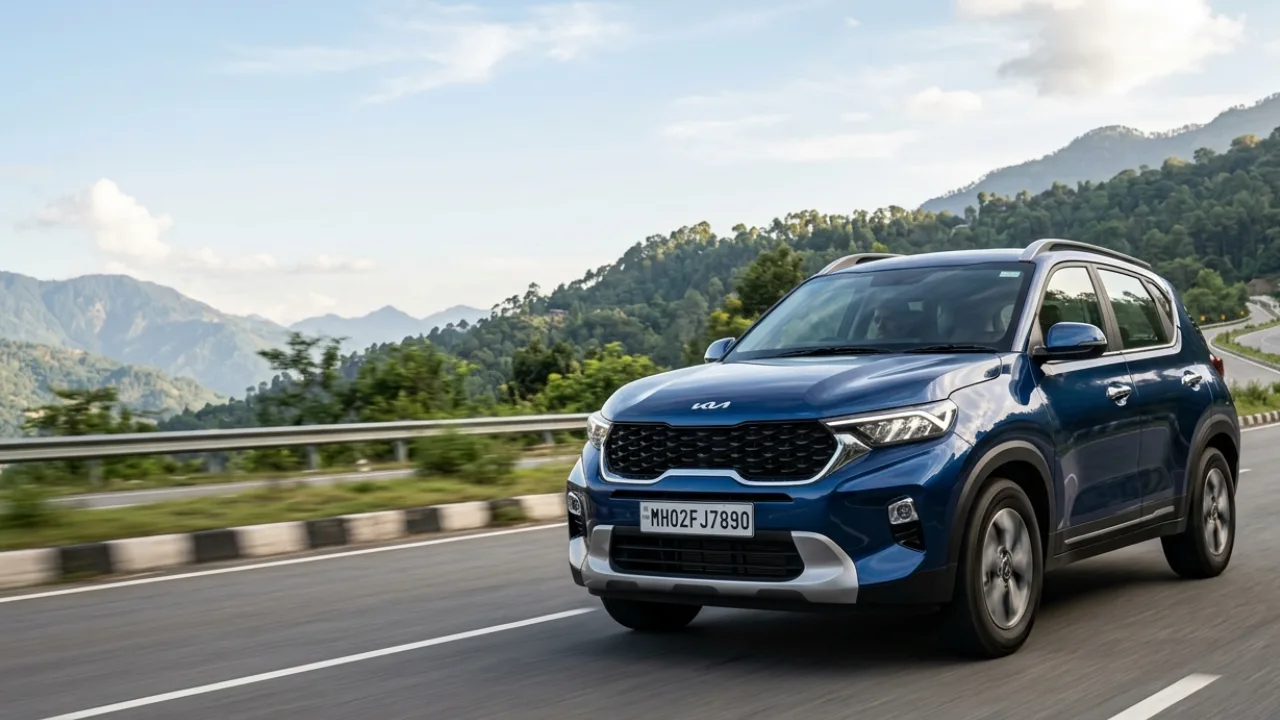
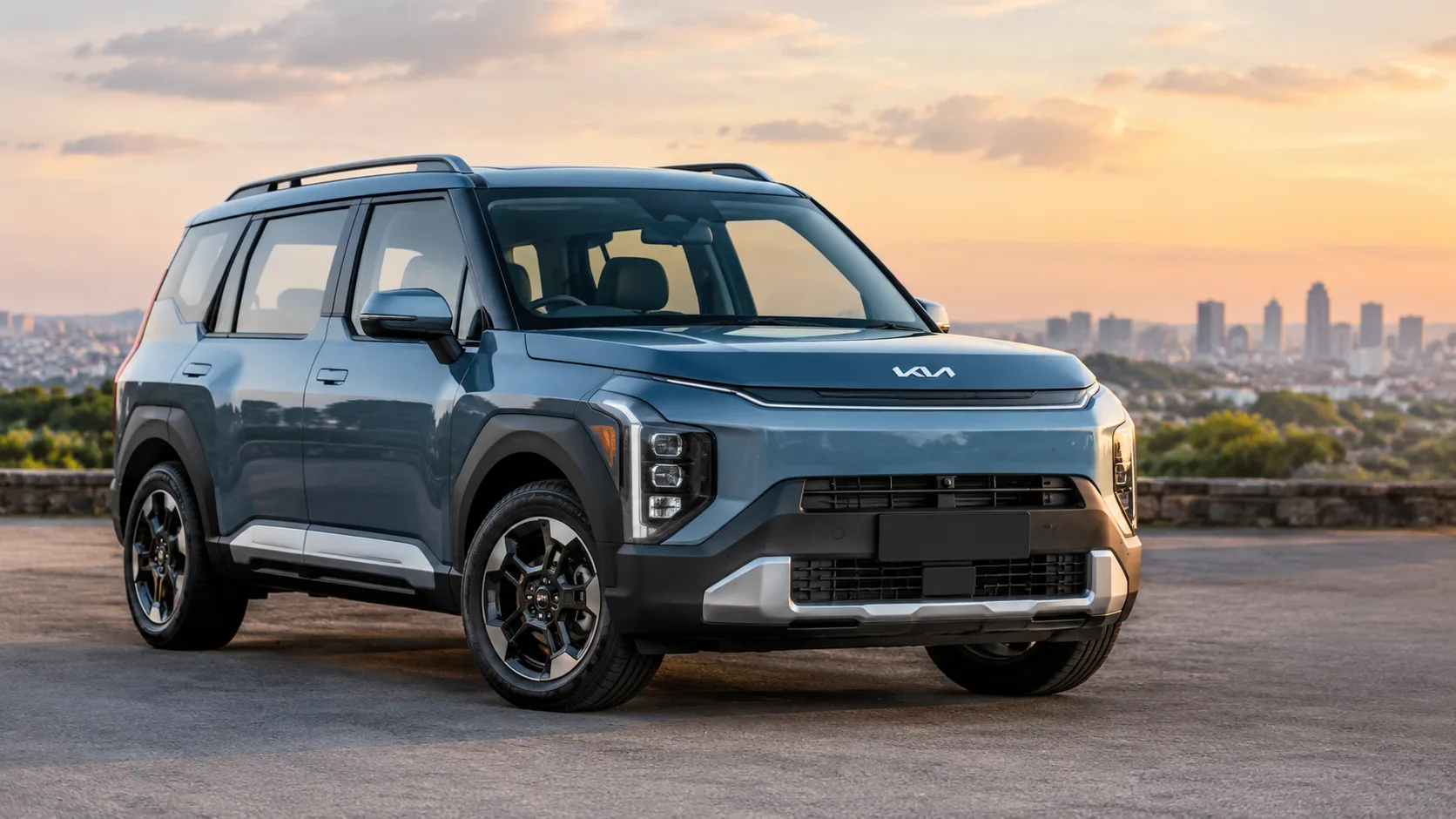
The 2026 Kia Sonet is a subcompact SUV for the Indian market that combines a relatively compact footprint with modern infotainment, multiple engine options and a wide range of convenience and safety features. It competes in a crowded segment that includes the Hyundai Venue, Tata Nexon, Maruti Suzuki Brezza and Maruti Suzuki Fronx, depending on the buyer’s priorities and vehicle classification.
For buyers, the main attraction is the choice of petrol and diesel powertrains, several transmission options and multiple trims designed for different budgets. However, features such as a sunroof, ventilated front seats, a 360-degree camera and advanced driver-assistance systems are not available across every variant.
This guide focuses on the Indian-market Kia Sonet. It explains the established engine lineup, fuel-efficiency considerations, safety equipment, variant differences and the key details buyers should verify before making a purchase.
2026 Kia Sonet: Key Specifications
The following specifications describe the established Indian-market Sonet lineup. Exact equipment and availability should be checked against Kia India’s current model-year price list.
| Specification | Details |
|---|---|
| Vehicle segment | Subcompact SUV |
| Petrol engine options | 1.2-liter naturally aspirated; 1.0-liter turbocharged |
| Diesel engine | 1.5-liter CRDi turbo-diesel |
| Transmission options | Manual, iMT, DCT and automatic, depending on engine |
| Seating capacity | 5 |
| Fuel types | Petrol and diesel |
| Drive layout | Front-wheel drive |
| Market covered | India |
The 2026 model-year designation does not, by itself, establish that every specification or feature has changed from the preceding model. Buyers should distinguish between the current model sold during 2026 and a formally announced new-generation or substantially updated vehicle.
2026 Kia Sonet Engine and Performance
Kia offers three engine choices in the Indian-market Sonet: a naturally aspirated petrol engine, a turbocharged petrol engine and a turbo-diesel engine. Each serves a different type of buyer.
1.2-liter naturally aspirated petrol
The 1.2-liter Smartstream petrol engine produces approximately 83 PS and 115 Nm of torque. It is paired with a five-speed manual transmission.
This engine is suited to buyers who prefer a conventional petrol powertrain for commuting, routine errands and moderate highway use. Its simpler transmission setup may also appeal to drivers who prefer manual gear changes over an automated gearbox.
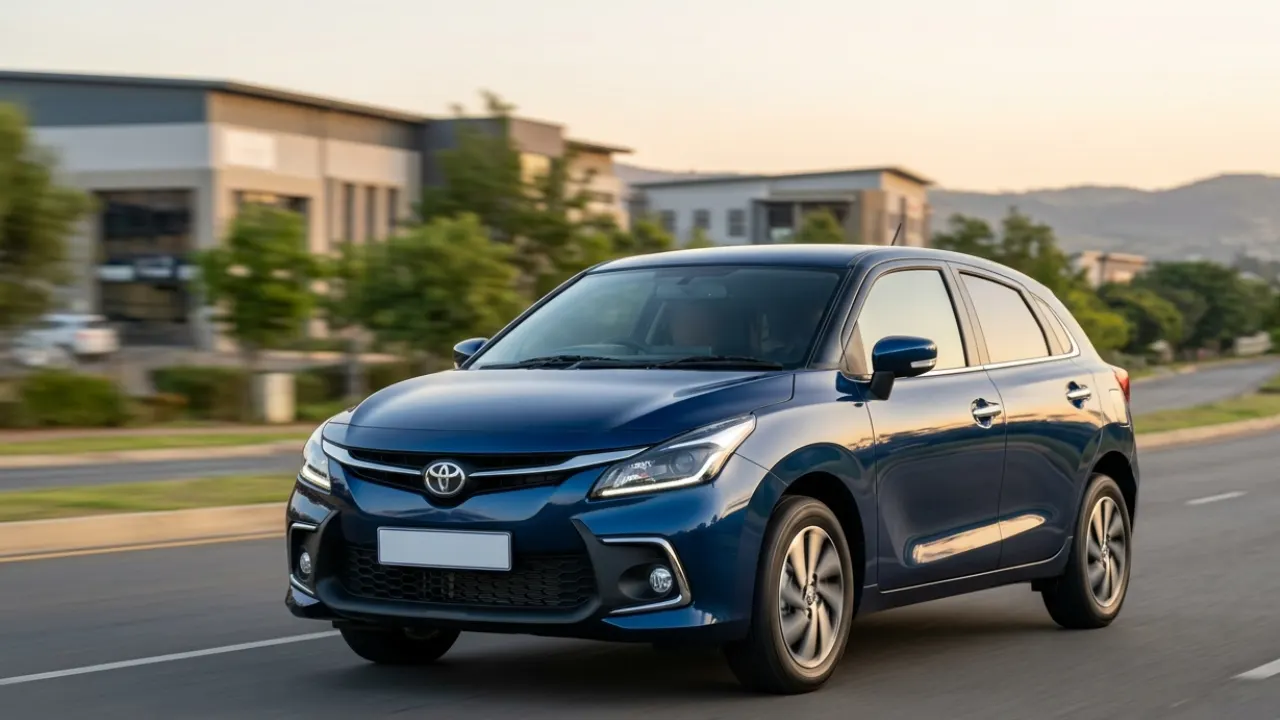
However, it does not offer the same level of acceleration as the turbo-petrol engine, particularly when rapid overtaking or quick highway merging is required.
1.0-liter turbo-petrol
The 1.0-liter T-GDi turbo-petrol engine produces 120 PS and 172 Nm of torque.
It is available with a six-speed intelligent manual transmission (iMT) or a seven-speed dual-clutch transmission (DCT), depending on the variant.
A turbocharger helps the relatively small engine produce stronger performance than a naturally aspirated engine of similar displacement. This makes the turbo-petrol a useful option for drivers who want quicker acceleration without moving to a larger engine.
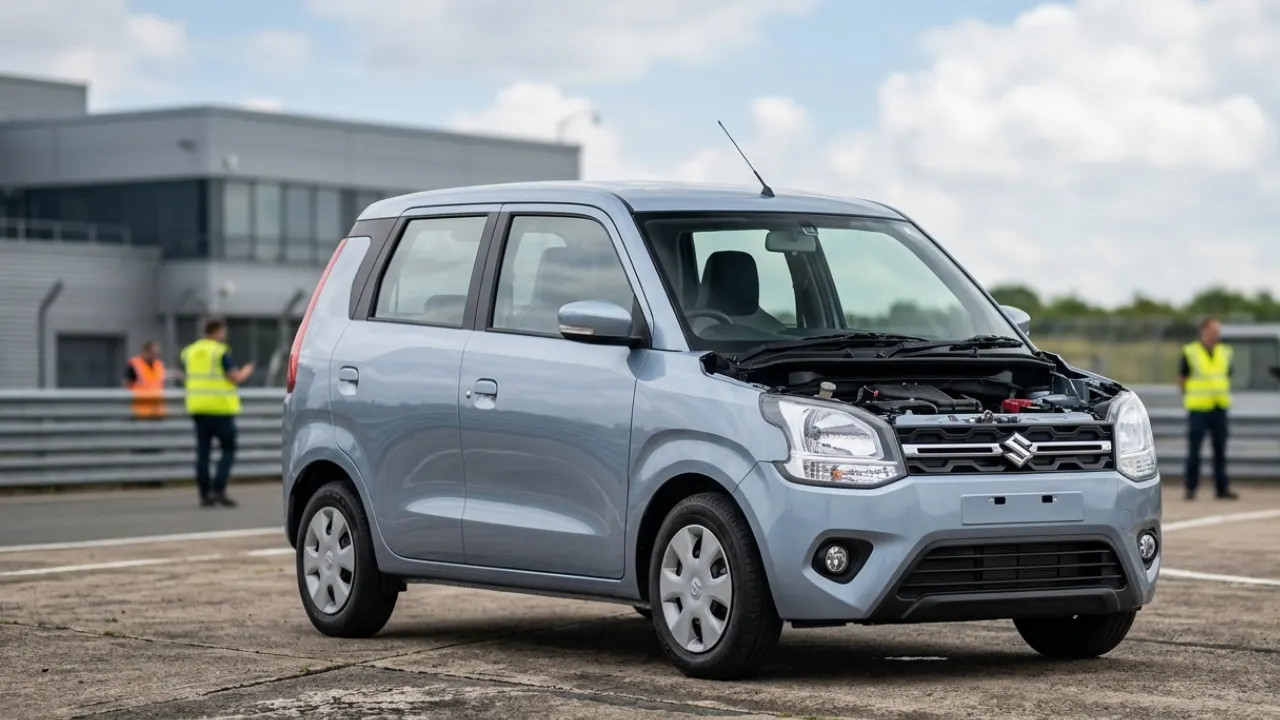
The iMT removes the conventional clutch pedal but still requires the driver to select gears. The DCT, by contrast, changes gears automatically and is designed to provide quick shifts.
1.5-liter turbo-diesel
The 1.5-liter CRDi VGT diesel engine produces up to 116 PS and 250 Nm of torque in its higher-output configuration. Available transmissions include a six-speed manual and a six-speed torque-converter automatic.
The diesel engine’s torque makes it suitable for frequent highway travel and drivers who regularly cover longer distances. Its fuel-efficiency advantage can also be useful for buyers with high annual mileage.
The diesel automatic may suit drivers who want strong pulling power without the need to change gears manually. However, the manual and automatic versions have different fuel-efficiency ratings, so the choice should be based on both driving conditions and running costs.
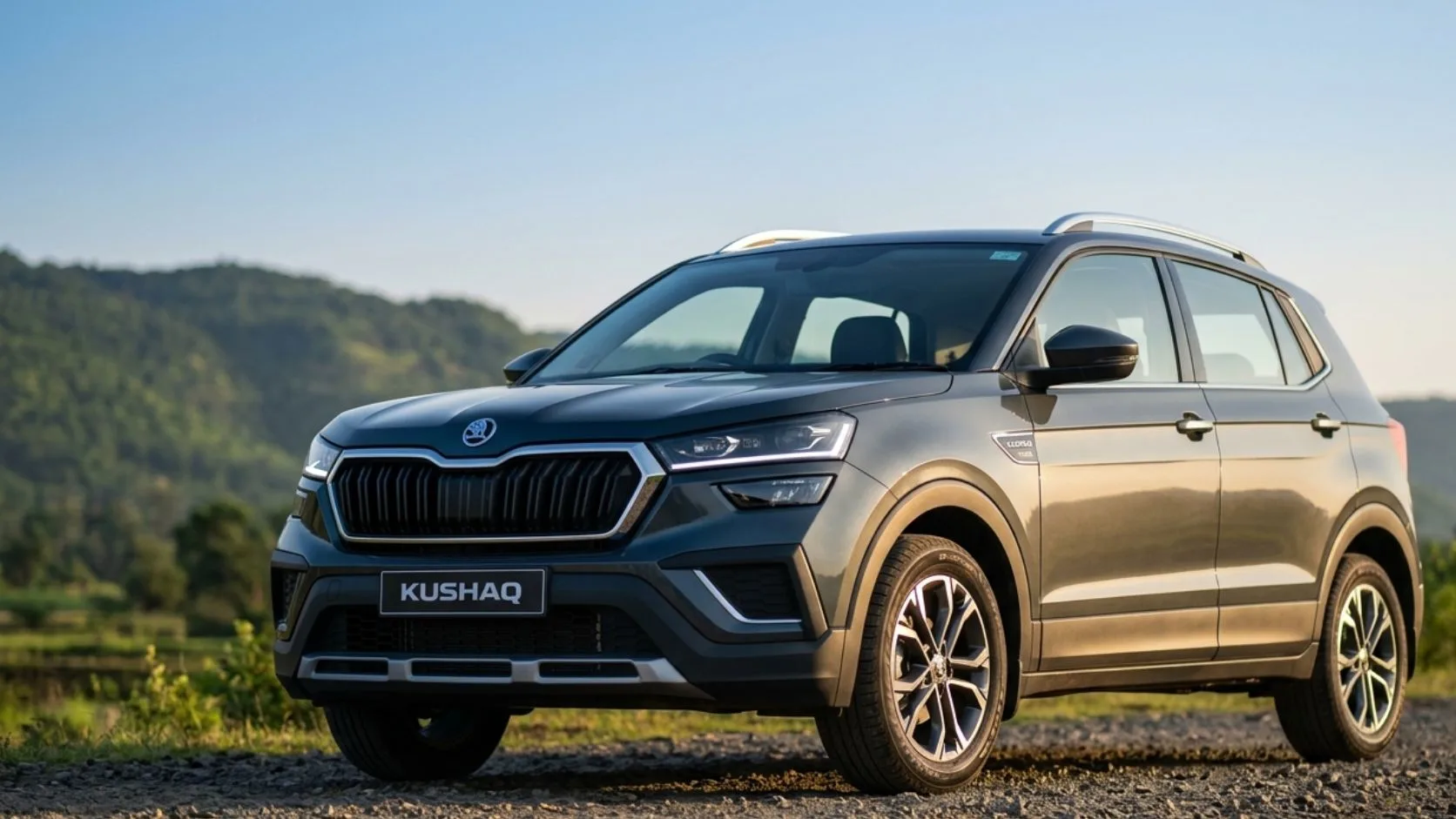
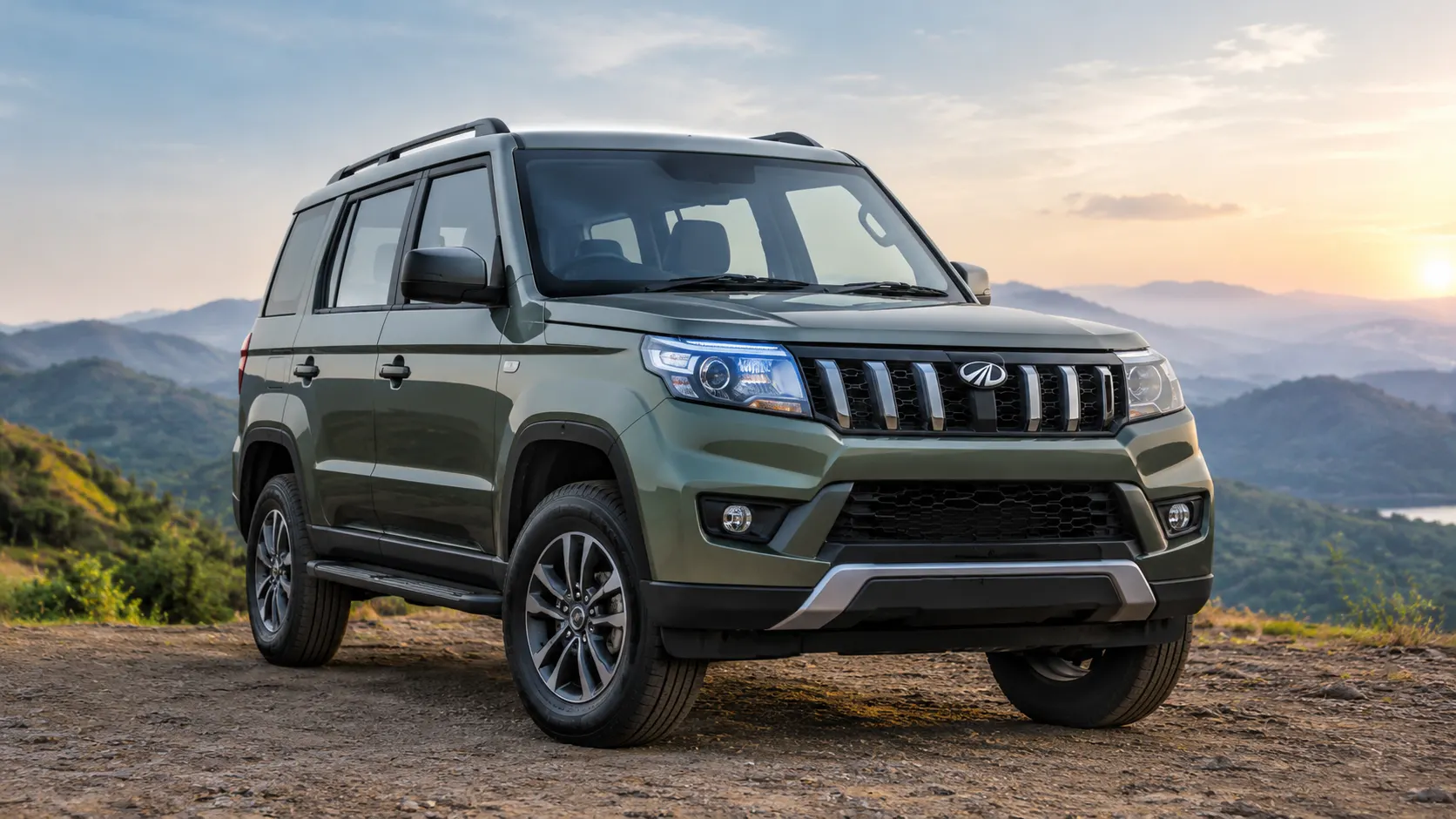
Kia Sonet engine specifications
| Specification | 1.2L petrol | 1.0L turbo-petrol | 1.5L diesel |
|---|---|---|---|
| Maximum power | Approx. 83 PS | 120 PS | Up to 116 PS |
| Maximum torque | 115 Nm | 172 Nm | Up to 250 Nm |
| Transmission | 5-speed manual | 6-speed iMT / 7-speed DCT | 6-speed manual / automatic |
| Fuel type | Petrol | Petrol | Diesel |
| Best suited to | Everyday driving | Responsive performance | Long-distance driving |
Power and torque figures depend on the engine configuration. Buyers should verify the exact powertrain available with their selected trim.
2026 Kia Sonet Mileage
Mileage is one of the most important considerations when choosing between the Sonet’s petrol and diesel versions.
Published ARAI-certified figures for the established Indian-market powertrains are approximately 18.7–18.8 km/l for the relevant petrol configurations, 24.1 km/l for the diesel manual and 18.6 km/l for the diesel automatic. The turbo-petrol’s figure varies by transmission and certification specification.
| Engine and transmission | Published fuel efficiency |
|---|---|
| 1.2L petrol manual | Approx. 18.8 km/l |
| 1.0L turbo-petrol DCT | Approx. 18.7 km/l |
| 1.5L diesel manual | Up to 24.1 km/l |
| 1.5L diesel automatic | Approx. 18.6 km/l |
These are certified figures, not guaranteed real-world results. The precise figure should be checked against the applicable variant and current documentation.

Which Kia Sonet engine offers the best mileage?
The diesel manual is the strongest choice if your main priority is certified fuel efficiency. Its claimed figure is notably higher than those of the petrol options.
The petrol manual may make more sense for drivers with lower annual mileage who prefer petrol and want to avoid paying extra for a diesel powertrain. The turbo-petrol is worth considering if acceleration matters more than maximizing fuel economy.
For city driving, actual mileage can fall below the certified figure because of traffic congestion, frequent braking, idling and air-conditioning use. Highway fuel consumption can also vary with speed, road conditions and passenger load.
Before deciding, estimate your monthly driving distance and compare the fuel cost of the specific variants you are considering.
2026 Kia Sonet Exterior Design
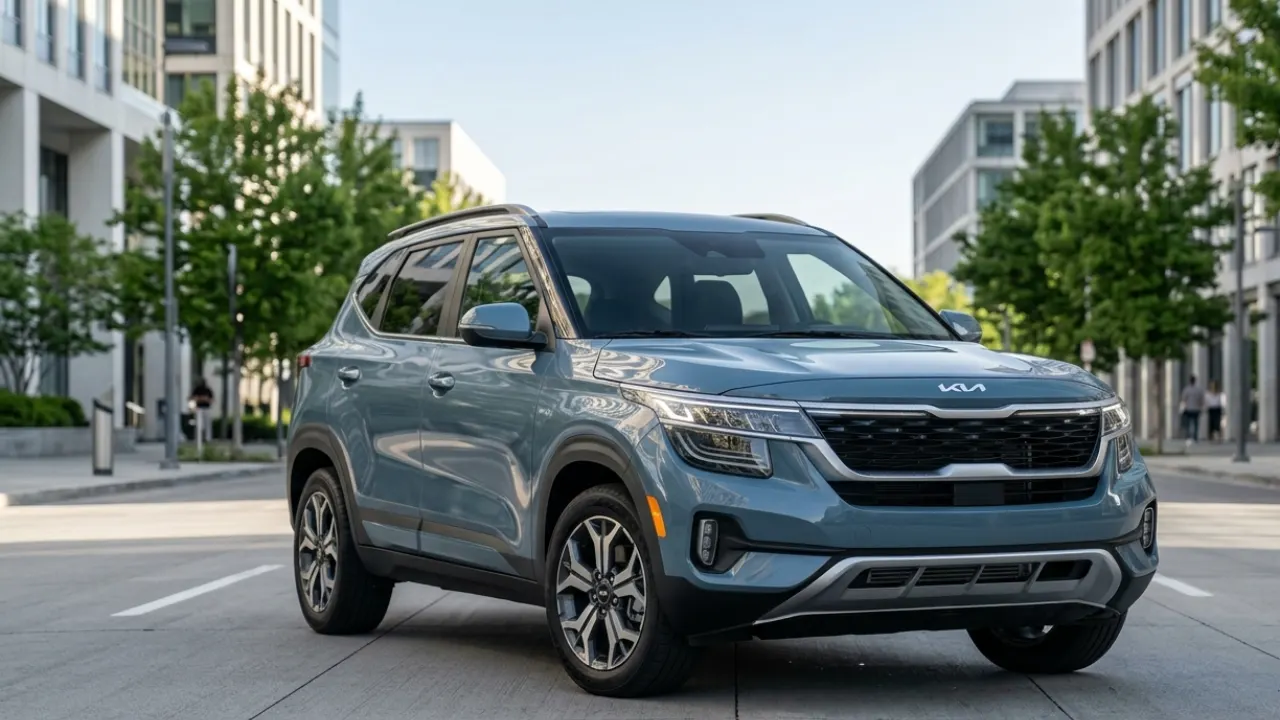
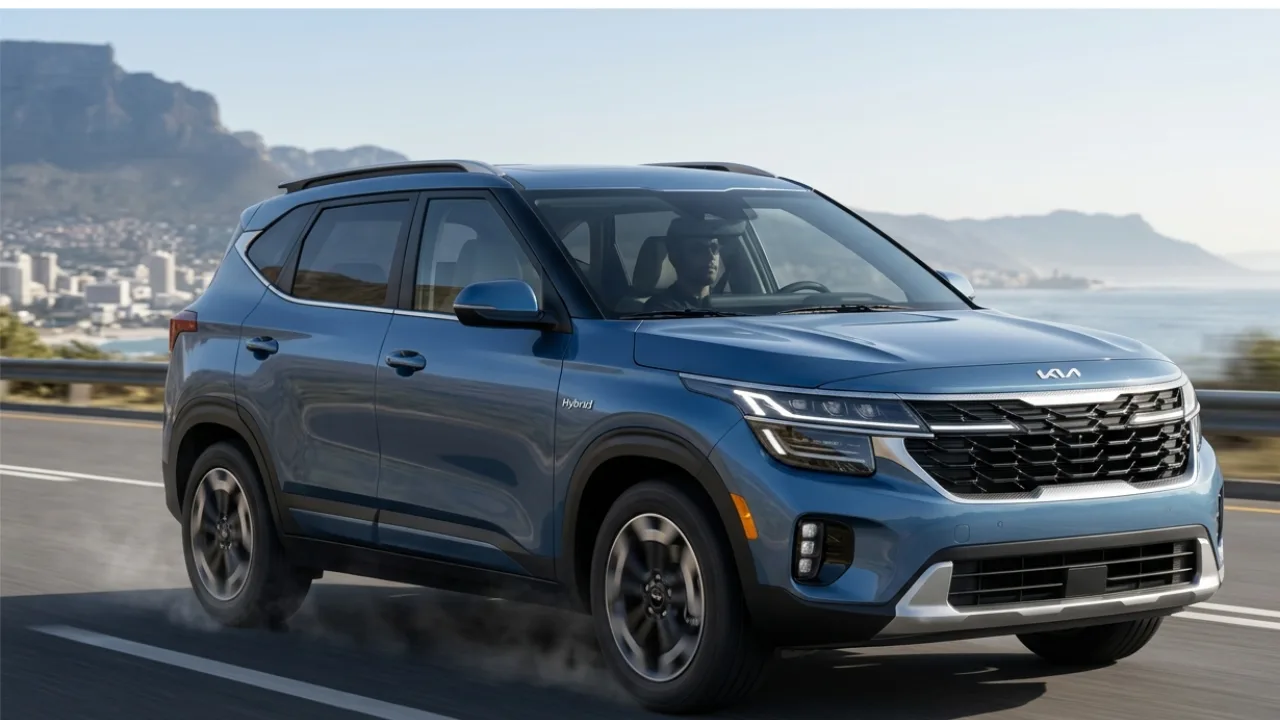
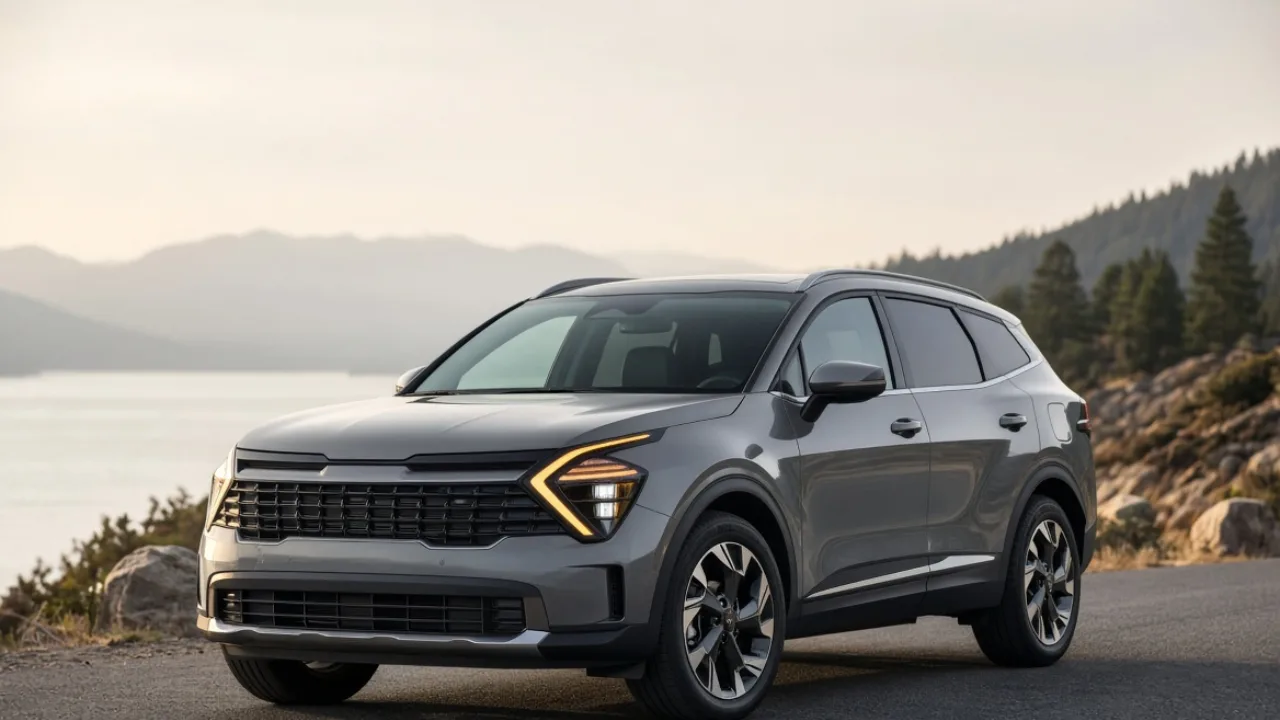
The Kia Sonet has a compact SUV shape with a prominent front grille, sculpted body panels and distinctive lighting elements. Its dimensions make it easier to accommodate in urban environments than a larger SUV, while its elevated seating position provides a more SUV-like driving experience than a conventional hatchback.
The established model features Kia’s signature tiger-nose grille design, modern LED lighting on selected variants and contrasting exterior details on higher trims.
Depending on the variant, exterior equipment can include:
- LED daytime running lights
- LED headlamps and rear lighting
- Alloy wheels
- Electric sunroof
- Roof rails
- Electrically adjustable and folding exterior mirrors
- Front fog lamps
- Sportier exterior detailing on the GTX+ and X-Line variants
Not every item is standard throughout the lineup. The design and equipment differences between the lower and upper trims are worth checking before paying for an upgrade.
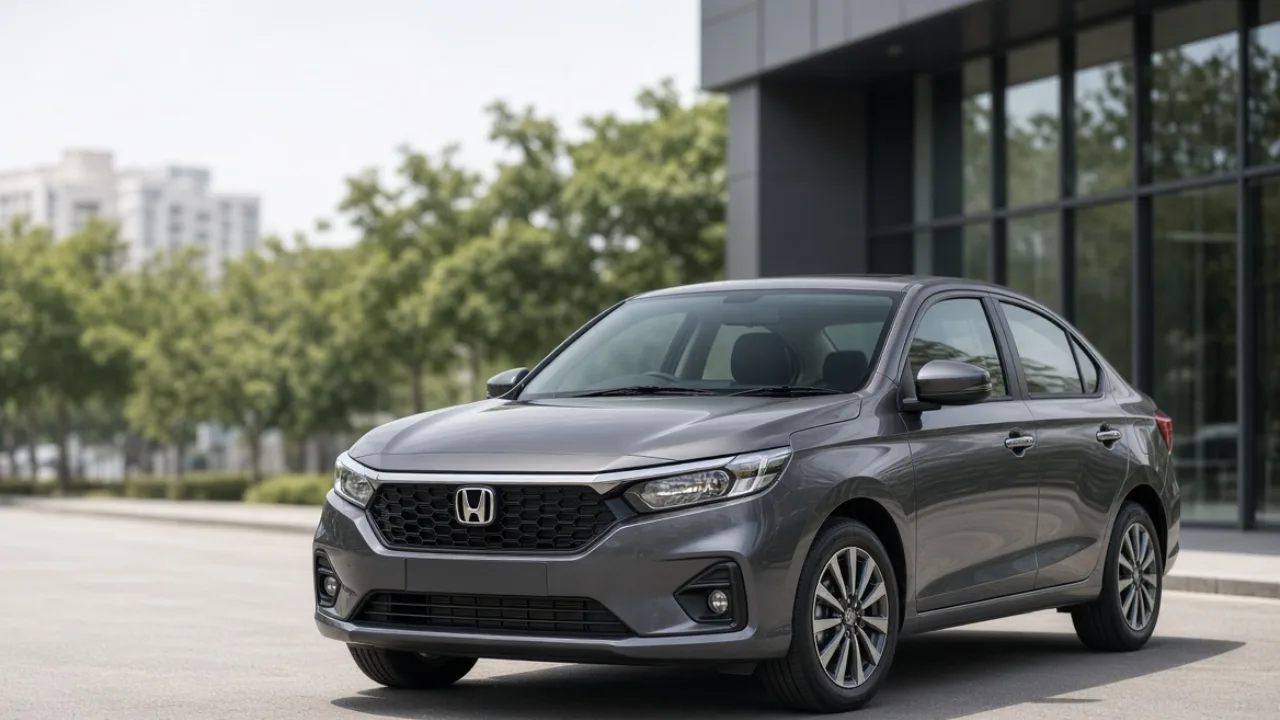
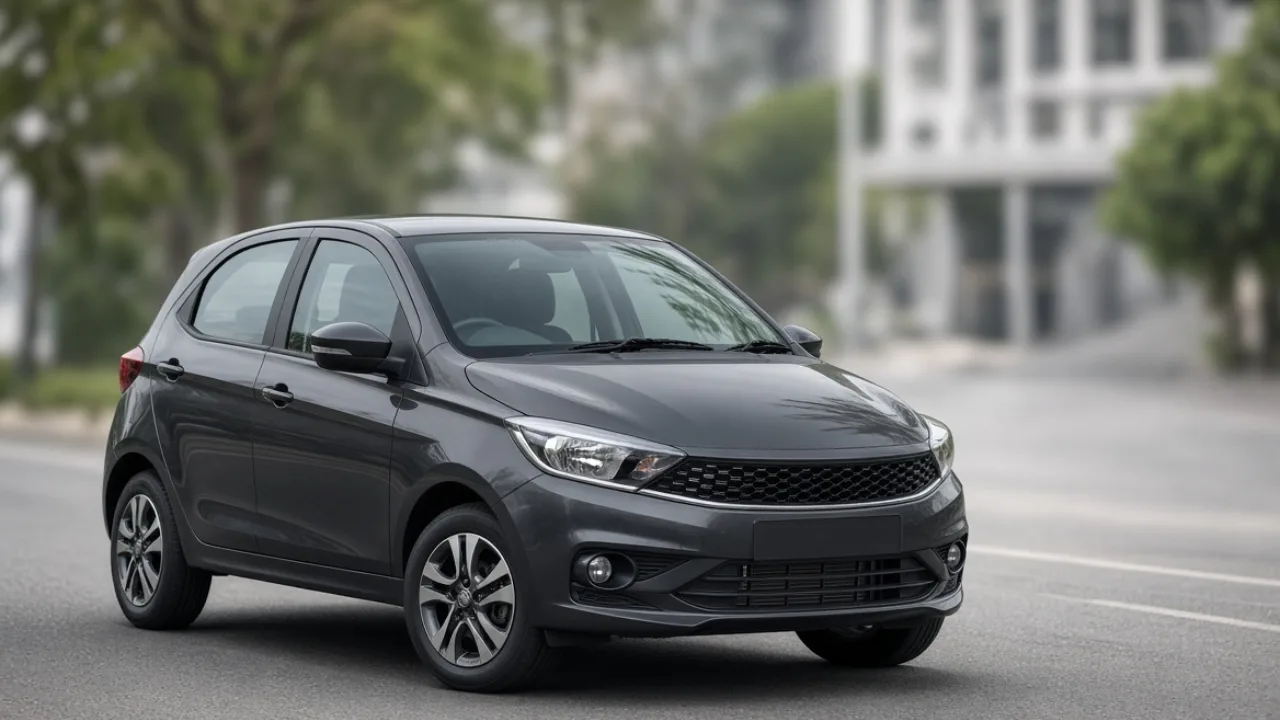
The Sonet’s compact size is useful in busy cities, where narrow streets and limited parking can make larger vehicles inconvenient. However, exterior dimensions alone do not determine visibility or ease of parking, so a test drive remains worthwhile.
Kia Sonet Interior and Comfort Features
The cabin combines a modern dashboard layout with a range of convenience features. The higher variants offer more equipment, while the entry-level versions focus on the essentials.
The seating layout accommodates five occupants. Buyers who regularly carry adults in the rear should check legroom, headroom and the rear seat’s comfort during a test drive.
Infotainment and digital displays
Depending on the trim, the Sonet offers an 8-inch touchscreen or a larger 10.25-inch infotainment display. Selected higher variants also receive a 10.25-inch digital instrument cluster.
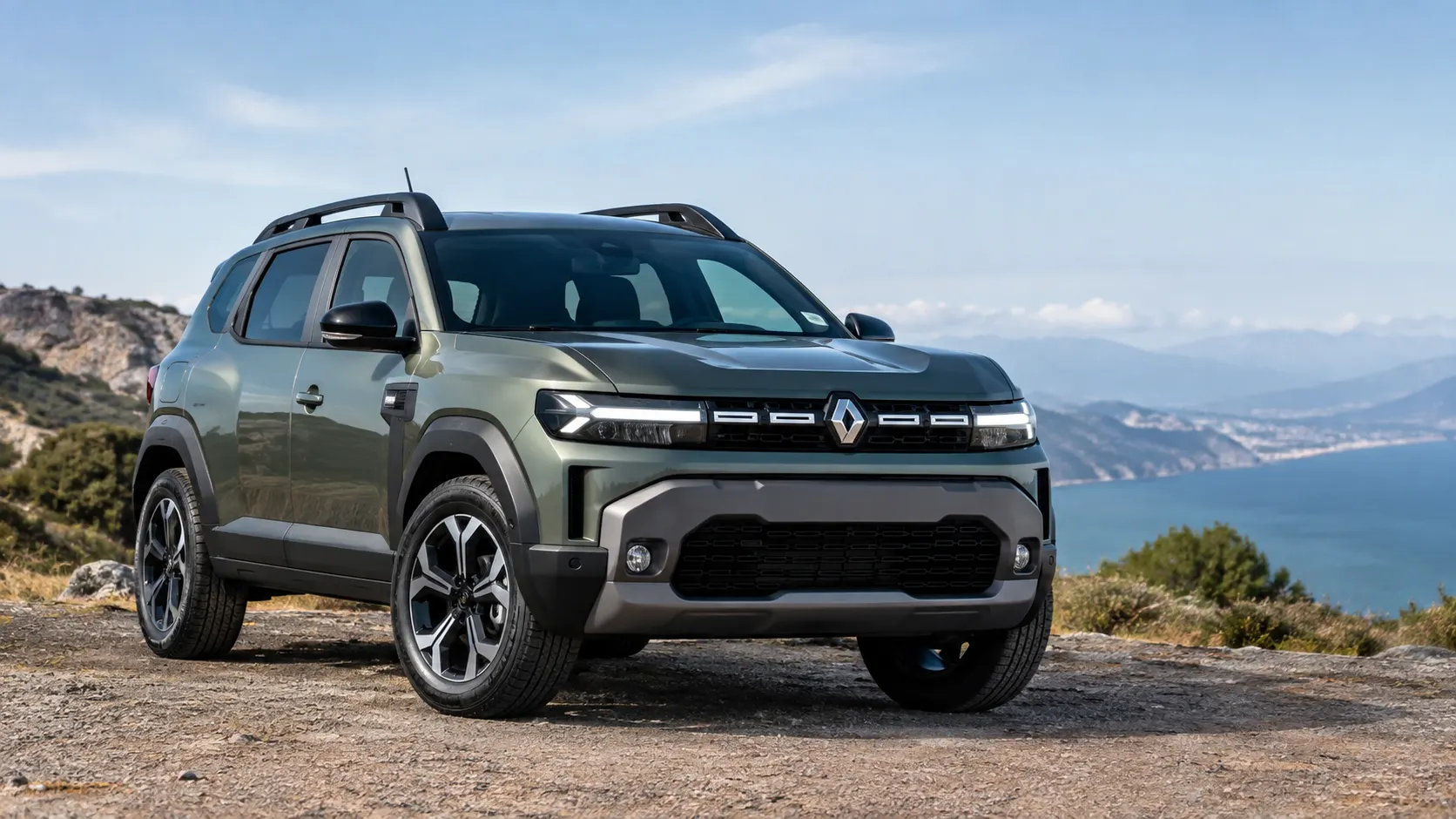
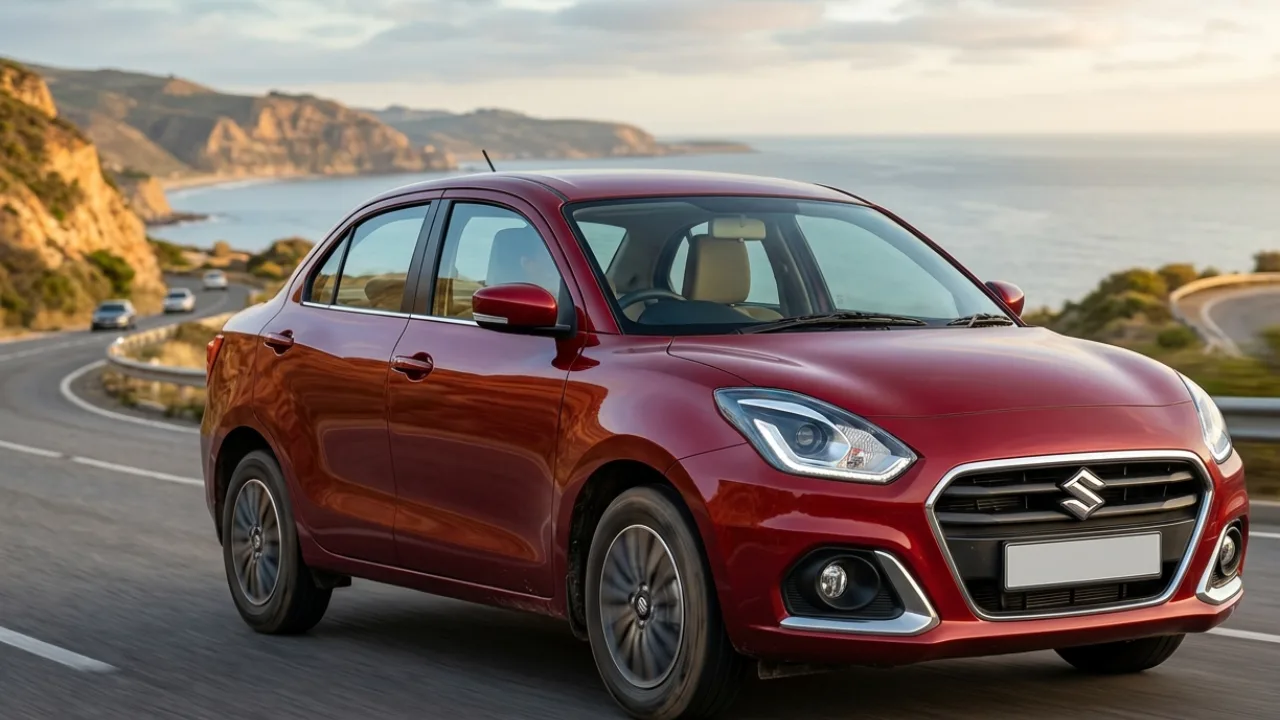
The infotainment system supports Apple CarPlay and Android Auto on equipped variants. Smartphone connectivity makes it easier to use compatible navigation, calls and music applications through the car’s display.
Other available technology includes Kia Connect connected-car services, remote functions and over-the-air map or system updates where supported. Some connected services may require an active subscription, a compatible device or a functioning mobile network.
Comfort and convenience
Depending on the variant, the Sonet can include:
- Automatic climate control
- Rear air-conditioning vents
- Wireless phone charging
- Push-button start
- Smart key
- Cruise control
- Ventilated front seats
- Electrically adjustable driver’s seat
- Rear-seat armrest
- Rear door sunshades
- Premium Bose audio system
- 360-degree camera
Ventilated front seats can be useful in India’s hot weather, while a 360-degree camera helps drivers assess the vehicle’s surroundings during parking manoeuvres. Neither feature should be assumed to be available on every trim.
The higher variants are better equipped for buyers who prioritize comfort and technology, but the lower trims may offer better value for people who primarily need a practical daily driver.
2026 Kia Sonet Safety Features
Safety equipment is an important part of the Sonet’s appeal. Kia lists six airbags as standard, along with electronic stability control and other protective systems.
Available safety and driver-assistance equipment includes:
- Six airbags
- Anti-lock braking system (ABS)
- Electronic brakeforce distribution (EBD)
- Electronic stability control (ESC)
- Hill-start assist control
- Vehicle stability management
- Tyre-pressure monitoring
- ISOFIX child-seat anchors
- Rear parking sensors
- Reversing camera on equipped variants
- Front and rear parking sensors on applicable trims
Feature availability can vary, so buyers should check the exact equipment list for the vehicle they intend to purchase.
What do the main safety systems do?
Electronic stability control can help the driver maintain control when the vehicle begins to lose directional stability. It works by selectively applying braking and managing engine output where necessary.
Hill-start assist helps prevent the vehicle from rolling backward briefly when moving away on an incline.
ABS helps prevent wheel lock-up during hard braking, allowing the driver to retain more steering control under suitable conditions.
ISOFIX anchors provide designated mounting points for compatible child seats. Parents should use a suitable child restraint and follow the manufacturer’s installation instructions.
These systems can reduce certain risks, but they cannot eliminate accidents or compensate for unsafe driving.
Does the Kia Sonet have ADAS?
Yes. Selected upper variants offer Level 1 advanced driver-assistance systems, with a package of 10 driver-assistance functions.
Depending on the equipment specification, these include:
- Forward collision warning
- Forward collision-avoidance assistance for selected obstacles
- Lane-departure warning
- Lane-keeping assistance
- Lane-following assistance
- Driver attention warning
- High-beam assistance
- Leading-vehicle departure alert
The exact functions and availability should be confirmed against the current variant specification.
These systems provide warnings or limited steering and braking assistance in certain conditions. They do not make the Sonet a self-driving vehicle, and the driver must continue to monitor the road.
Does the Kia Sonet have a Bharat NCAP safety rating?
A current Bharat NCAP or Global NCAP rating for the exact 2026 Indian-market configuration could not be verified from the sources used for this article. It would therefore be misleading to assign the vehicle a star rating without an applicable published assessment.
Buyers should distinguish between the presence of safety equipment and independently tested crash protection. Airbag count and electronic safety systems are important, but they are not substitutes for a verified crash-test result.
Kia Sonet Variants and Features Explained
The Sonet lineup includes multiple trims, with names such as HTE, HTE(O), HTK(O), HTK+, HTK+(O), HTX, GTX+ and X-Line appearing in the published Indian range. The precise lineup and powertrain combinations can change, so check the current configuration before booking.
HTE: Entry-level option
The HTE is designed for buyers who want the core Sonet package without paying for the higher trims’ premium equipment.
Its safety equipment includes six airbags and electronic stability-related features. It is a sensible starting point for buyers who prioritize price and everyday usability over a long list of convenience features.
HTE(O) and HTK-family variants
These variants add selected convenience and styling upgrades. Depending on the trim and configuration, features can include a sunroof, upgraded lighting, automatic climate control, a touchscreen, a reversing camera and additional cabin equipment.
The distinction between standard and optional equipment is important. Two vehicles with similar variant names may differ in their engine, transmission or feature configuration.
HTK+ and HTX
The middle and upper-middle variants are worth examining if you want more comfort features without automatically moving to the highest trim.
Depending on the configuration, equipment can include a wireless charger, smart key, push-button start, upgraded upholstery, cruise control, paddle shifters on automatic versions and ventilated front seats.
For many buyers, this is the part of the range where the balance between price and equipment becomes particularly important.
GTX+ and X-Line
These trims target buyers who want a more feature-rich or sportier-looking Sonet.
Selected versions offer Level 1 ADAS, a 360-degree camera, a blind-view monitor, a larger infotainment display, a digital instrument cluster, ventilated front seats and a premium audio system.
The X-Line emphasizes distinctive exterior styling. It is worth comparing its equipment and price with the GTX+ rather than choosing solely on appearance.
2026 Kia Sonet Price in India
Kia’s published Indian price list has shown a starting ex-showroom price of approximately ₹7.41 lakh, with the upper end of the range reaching approximately ₹13.80 lakh in the listed trim structure. Actual prices depend on the engine, transmission, variant and current pricing revisions.
These figures are reference points, not a guaranteed quotation for every dealer or location. Prices can change, and the exact 2026 configuration should be confirmed before making a booking.
What affects the final price?
The main factors include:
- Engine and fuel type
- Manual, iMT, DCT or automatic transmission
- Variant and convenience equipment
- Safety and driver-assistance technology
- City-specific registration charges and taxes
- Insurance and other on-road costs
Ex-showroom prices do not represent the complete on-road cost. Request a written quotation from an authorized Kia dealer if you need to compare the total amount payable.
Kia Sonet: Which Variant Should You Buy?
The best variant depends on your priorities and the amount you are comfortable spending.
| Buyer priority | Variant or configuration to consider |
|---|---|
| Lower purchase price | HTE |
| Entry-level car with selected convenience upgrades | HTE(O) |
| More everyday comfort features | HTK-family variants |
| Added comfort and convenience | HTK+ or HTX, depending on equipment |
| Premium technology and ADAS | GTX+ |
| Distinctive exterior styling | X-Line |
| Higher annual driving distance | Diesel manual |
| Automatic driving convenience | Compatible DCT or diesel automatic variant |
Before selecting a trim, compare the features you will actually use. A higher variant is not automatically the better purchase if its additional equipment does not match your needs.
Similarly, the most fuel-efficient engine may not be the most economical overall if you drive relatively few kilometers each year. Consider the purchase-price difference, fuel costs, maintenance and expected ownership period together.
Kia Sonet vs. Hyundai Venue and Tata Nexon
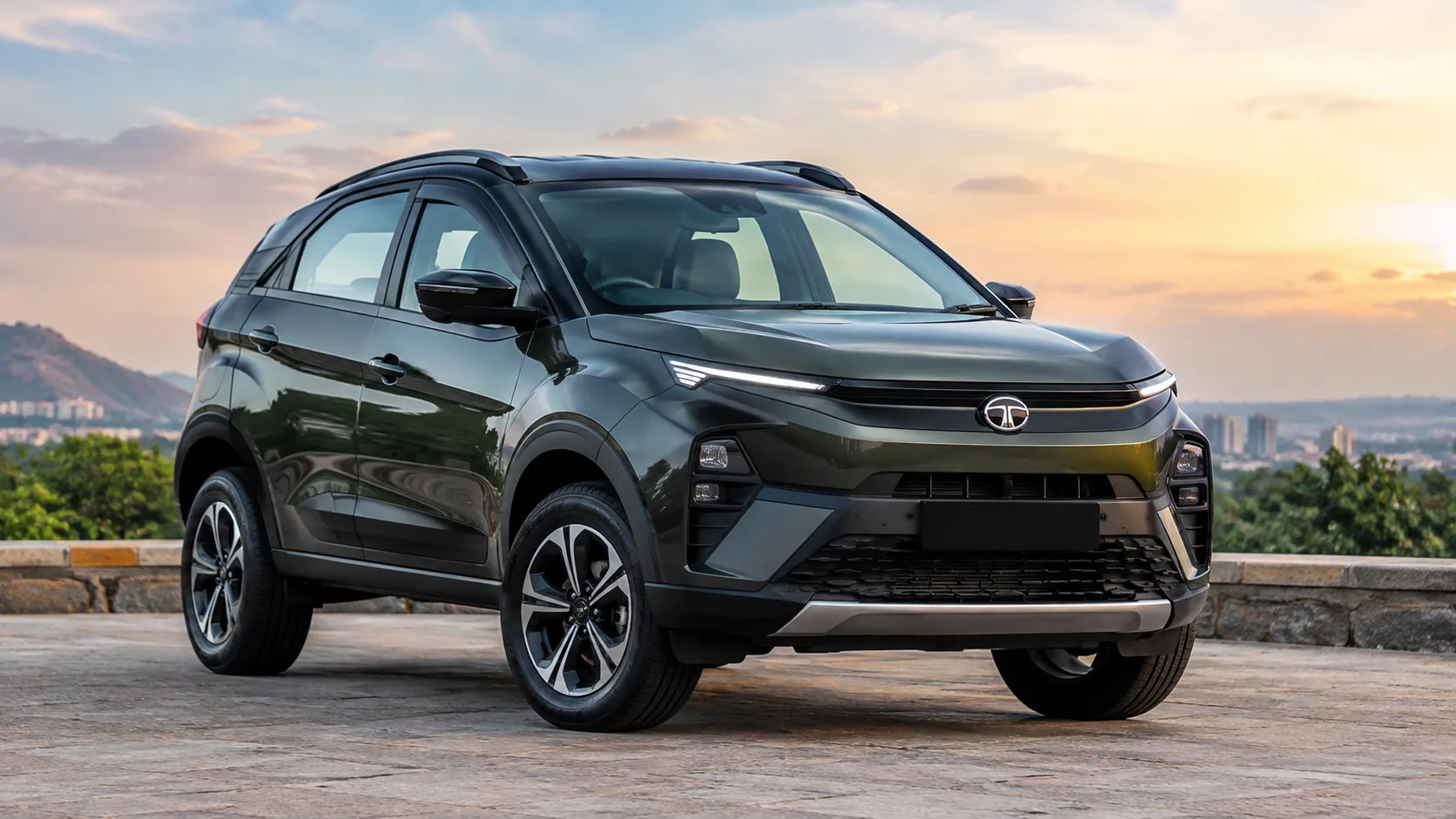
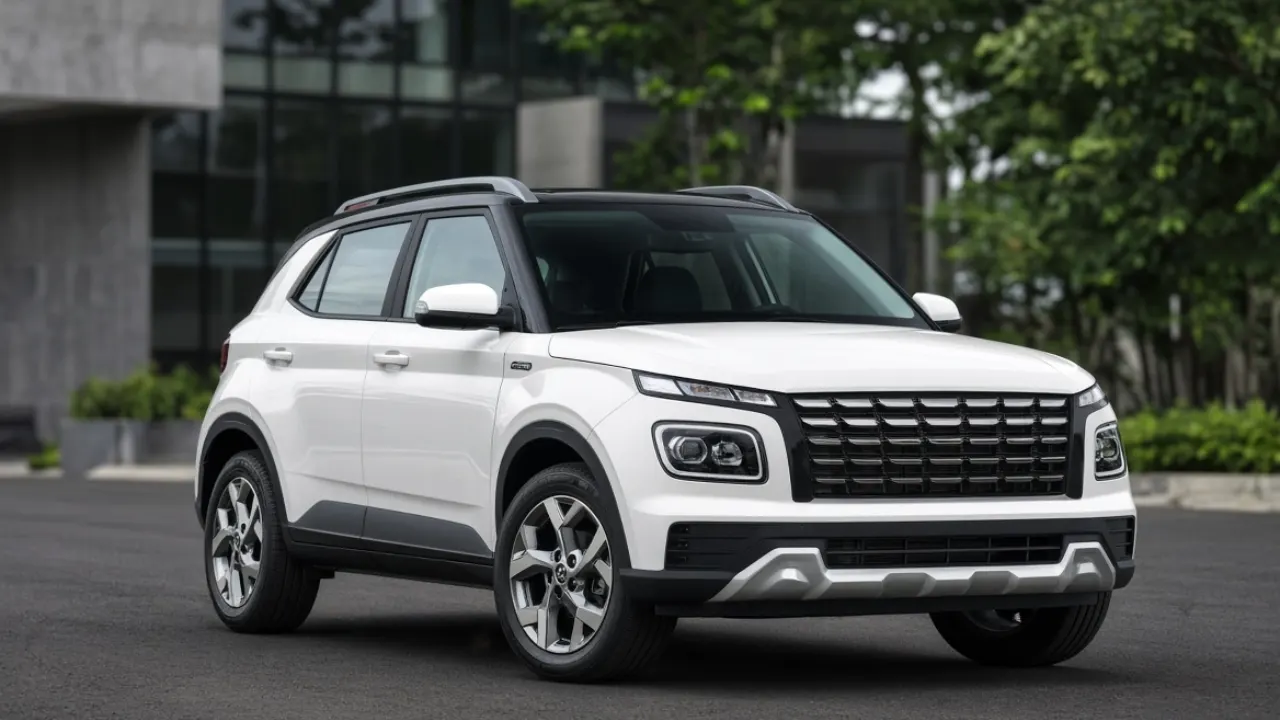
The Sonet competes with several established subcompact SUVs, including the Hyundai Venue and Tata Nexon. All three target buyers who want SUV styling and a practical footprint for everyday use, but their powertrain choices, equipment and cabin layouts differ.
The Sonet stands out for its broad engine and transmission selection, including a diesel automatic, as well as its feature-rich upper trims.
The Hyundai Venue is a relevant alternative for buyers comparing similarly sized SUVs with multiple engine and transmission choices. Buyers should compare the exact model-year and trim specifications rather than assume that similarly priced versions have identical equipment.
The Tata Nexon is another alternative for shoppers who prioritize safety equipment, powertrain choice and everyday practicality. A fair comparison should use the applicable model-year safety results, prices and variant specifications for both vehicles.
The right choice depends on your budget, annual driving distance, preferred transmission, rear-seat requirements and the equipment you value most. A test drive in all shortlisted vehicles can reveal differences in seating comfort, visibility, control layout and ride quality that a specification table cannot fully explain.
Pros and Limitations of the 2026 Kia Sonet
Advantages
- Three engine choices covering everyday driving, turbo-petrol performance and diesel efficiency.
- Multiple transmission options, including DCT and diesel automatic.
- Six airbags listed as standard.
- Available Level 1 ADAS on selected upper variants.
- Modern infotainment and connected-car technology.
- Premium convenience features on higher trims.
- Compact dimensions suited to urban use.
Limitations
- Premium equipment is concentrated in the upper variants.
- The naturally aspirated petrol engine is less performance-focused than the turbo-petrol.
- The diesel automatic’s certified fuel efficiency is lower than the diesel manual’s.
- Real-world mileage can differ considerably from laboratory figures.
- A current crash-test star rating for the exact 2026 configuration could not be verified here.
- Buyers need to compare several variant combinations to identify the best value.
Final Verdict: Is the 2026 Kia Sonet Worth Considering?
The Kia Sonet is worth considering if you want a compact five-seat SUV with multiple engine choices, modern cabin technology and the option of premium safety and convenience equipment.
The 1.2-liter petrol manual suits buyers who want a conventional petrol powertrain. The 1.0-liter turbo-petrol is a better fit for those who value stronger acceleration, while the diesel manual is the most compelling option for buyers focused on certified fuel efficiency. The diesel automatic offers an alternative for drivers who want diesel torque with automatic convenience.
The main decision is choosing the right combination of engine, transmission and equipment. A lower variant can be adequate for daily commuting, while the upper trims are worth considering if you specifically want ADAS, a 360-degree camera, ventilated seats or premium infotainment.
Before purchasing, confirm the latest ex-showroom price, the features included in your chosen variant, the applicable mileage figures and the safety documentation. Those details matter more than simply selecting the most expensive version.
Frequently Asked Questions
1. What is the price of the 2026 Kia Sonet in India?
The published lineup has shown prices starting at approximately ₹7.41 lakh ex-showroom, with upper trims reaching around ₹13.80 lakh. Confirm current prices with Kia because revisions and variant availability can change.
2. What mileage does the Kia Sonet offer?
Published figures for the established lineup include approximately 18.8 km/l for the 1.2-liter petrol manual, 18.7 km/l for the 1.0-liter turbo-petrol DCT, 24.1 km/l for the diesel manual and 18.6 km/l for the diesel automatic. Actual mileage depends on driving conditions and the precise configuration.
3. Which Kia Sonet engine is best for mileage?
The 1.5-liter diesel manual has the highest published certified fuel-efficiency figure among the configurations listed here. It is worth considering if you drive long distances regularly.
4. Does the Kia Sonet have an automatic transmission?
Yes. Depending on the engine and variant, the Sonet is available with a seven-speed DCT or a six-speed torque-converter automatic. The turbo-petrol also offers an iMT, which removes the clutch pedal but retains manual gear selection.
5. How many airbags does the 2026 Kia Sonet have?
Kia lists six airbags as standard in the Indian-market Sonet range. Buyers should confirm the complete safety specification for their chosen vehicle.
6. Does the Kia Sonet offer ADAS?
Yes. Selected upper variants offer Level 1 ADAS with functions such as forward collision warning, lane-related assistance and driver attention warnings. Availability varies by trim.
7. Is the Kia Sonet suitable for highway driving?
The Sonet can suit highway use, particularly in turbo-petrol and diesel configurations. Buyers should assess seat comfort, engine response, luggage needs and the transmission’s behavior during a test drive.
8. Is the Kia Sonet a five-seater?
Yes. The Indian-market Kia Sonet is designed to seat five occupants. Families should test the rear-seat space with the intended passengers before buying.
9. Which Kia Sonet variant has a 360-degree camera?
The 360-degree camera is available on selected upper variants, including the GTX+ and X-Line configurations listed in Kia’s equipment information. Confirm the exact model and powertrain before ordering.
10. Is the 2026 Kia Sonet available in the United States?
This article covers the Indian-market Kia Sonet. Official U.S. availability has not been established by the sources used here, so readers should not assume that the Indian specification is sold through an official U.S. retail network.