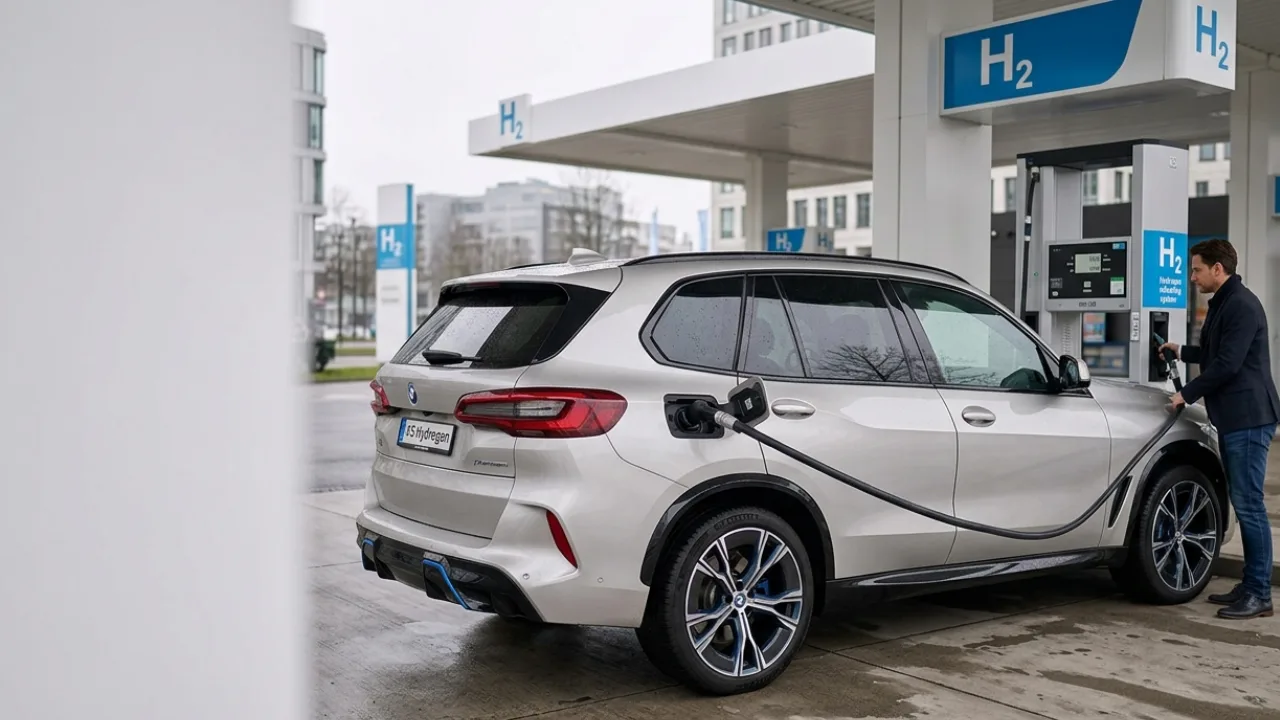
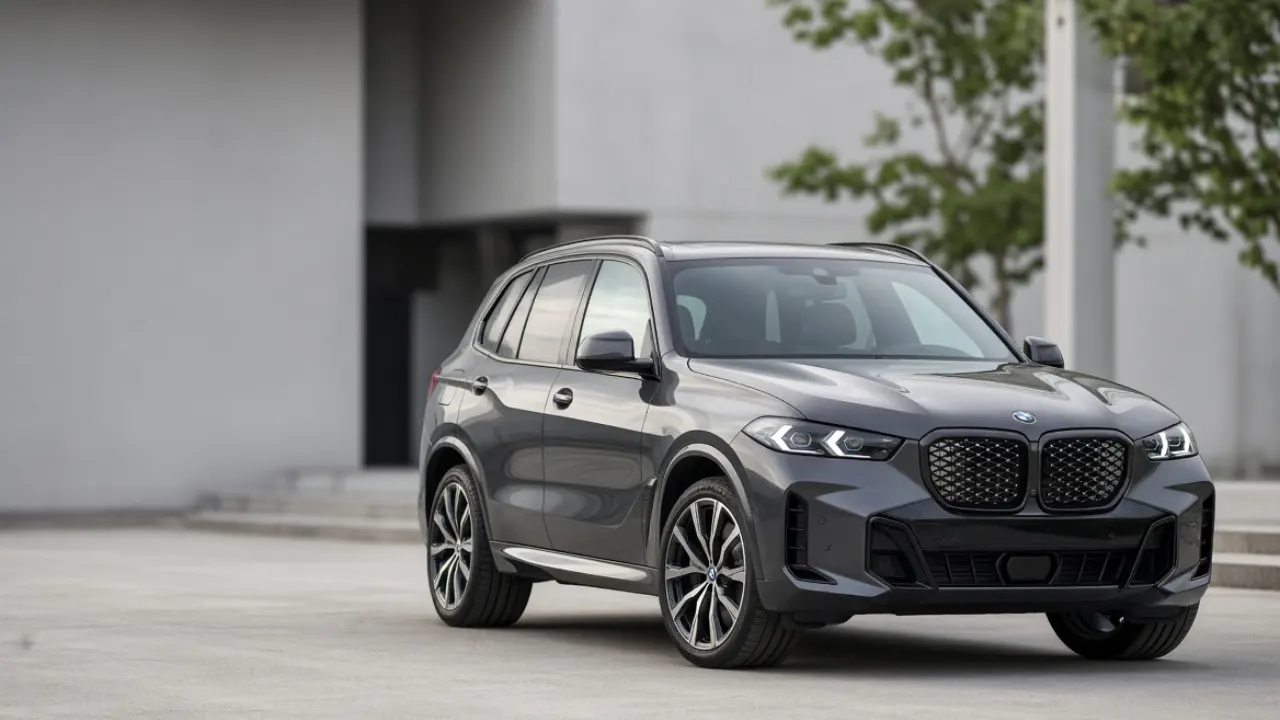
BMW is taking its best-known SUV into a new electric era with the BMW iX5 60 xDrive, the first fully electric version of the X5. The important correction for shoppers is that the iX5 is not a 2026 model-year vehicle. BMW officially introduced it as part of the 2027 BMW X5 generation, with the U.S. iX5 60 xDrive scheduled to follow the initial X5 launch in the first quarter of 2027.
The iX5 is also more than an existing X5 converted to electric power. It brings BMW’s sixth-generation eDrive technology, an 800-volt electrical architecture, cylindrical battery cells, bidirectional charging capability and a significantly faster charging system than the outgoing BMW iX.
For buyers interested in an electric luxury SUV, the headline numbers are substantial: BMW estimates up to 435 miles of U.S. range, a 570-hp-class dual-motor powertrain, a 4.4-second estimated 0-60 mph time, and DC charging at up to 460 kW. These are preliminary manufacturer figures rather than final independent test results.
Quick Answer: What Is the BMW iX5?
The BMW iX5 is the first battery-electric X5. It arrives as the iX5 60 xDrive, using dual electric motors and BMW’s sixth-generation eDrive system.
For the U.S. market, BMW currently lists these preliminary figures:
| Specification | BMW iX5 60 xDrive |
|---|---|
| Model year | 2027 |
| Powertrain | Dual-motor electric AWD |
| Estimated output | 570 hp |
| Estimated torque | 593 lb-ft |
| Estimated 0-60 mph | 4.4 seconds |
| Estimated top speed | 130 mph |
| Battery | 144-kWh-class high-voltage pack |
| Estimated U.S. range | Up to 435 miles |
| Architecture | 800 volts |
| Maximum DC charging | Up to 460 kW |
| 10-80% charging | About 22 minutes |
| Bidirectional charging | Yes |
BMW notes that its U.S. range and performance figures are preliminary estimates based on BMW AG testing using EPA procedures, so final EPA certification and independent testing can change the numbers.
The iX5 Is a 2027 Model, Not a 2026 Model
This distinction matters because BMW’s 2026 U.S. lineup still includes the existing X5 generation and the refreshed iX. BMW’s fifth-generation X5, including the new electric iX5, belongs to the 2027 model year.
BMW says the U.S. rollout begins with the X5 40 xDrive in October 2026, while the X5 50e xDrive and first battery-electric iX5 60 xDrive are scheduled to follow in the first quarter of 2027.
BMW USA currently indicates that the fully electric iX5 will be available to order starting October 2026, while the vehicle itself follows the 2027 X5 launch schedule.
That makes the iX5 an upcoming 2027 electric SUV rather than a 2026 BMW X5 EV.
BMW iX5 Range: Up to 435 Miles in the U.S.
Range is one of the biggest changes with the new electric X5.
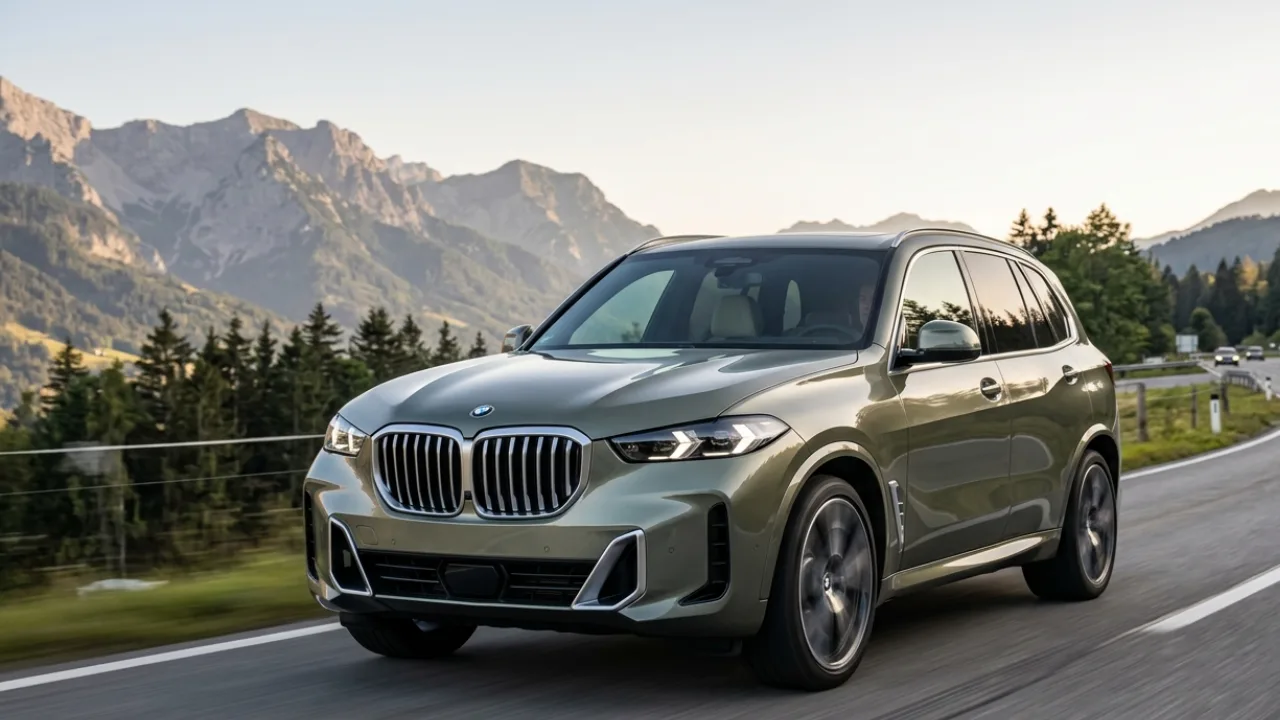
BMW currently estimates that the iX5 60 xDrive will travel up to 435 miles on a charge in the U.S. This figure is based on BMW AG testing conducted using EPA procedures and should therefore be treated as a preliminary estimate until the official EPA rating is finalized.
The figure is different in Europe because European vehicles use the WLTP testing cycle. BMW quotes up to 525 miles WLTP for the iX5 60 xDrive. That number should not be directly substituted for the U.S. EPA estimate because the two testing procedures produce different results.
This distinction is important when comparing the iX5 with other electric SUVs.
For readers comparing BMW’s latest electric SUV technology with other premium EV approaches, 2026 BMW iX3: New Design, Range, Charging and Technology Explained provides another relevant BMW electric-SUV reference.
What Could Affect Real-World Range?
The official range figure is not a guarantee of how far every iX5 will travel.
Actual range can vary with factors such as:
- Wheel and tire configuration
- Highway speed
- Temperature
- Climate-control use
- Driving style
- Traffic
- Terrain
- Payload
- Weather conditions
Independent testing will ultimately provide a better picture of long-distance highway performance.
BMW iX5 Charging: Up to 460 kW
Charging is arguably one of the most important technological advances in the iX5.
BMW’s sixth-generation high-voltage system uses an 800-volt architecture and supports DC charging at up to 460 kW under suitable conditions. BMW says the iX5 can charge from 10% to 80% in about 22 minutes.
BMW also estimates that the iX5 can add approximately 170 miles of range in 10 minutes under its U.S. testing assumptions.
Those numbers depend on the charging station and conditions. A charger capable of delivering the vehicle’s maximum charging rate would be required to approach the quoted peak.
800-Volt Architecture Explained
The iX5’s 800-volt electrical architecture allows BMW to move electricity at very high power while managing current more efficiently than a lower-voltage system would for the same charging power.
The system can also work with 400-volt DC charging stations, according to BMW, using an integrated switching matrix.
That matters because drivers will encounter different generations of public fast chargers rather than a single universal charging setup.
Bidirectional Charging Is Another Major Feature
The iX5 is designed for bidirectional charging, meaning energy can flow in both directions rather than only from a charger into the vehicle.
BMW says the technology enables practical bidirectional charging with the new iX5.
In simple terms, this opens the door to applications where the vehicle’s battery can potentially supply electricity back to compatible equipment or an energy system.
The exact availability and functionality of individual bidirectional charging applications can depend on market-specific infrastructure, hardware and software.
BMW iX5 Performance
The iX5 60 xDrive uses one electric motor on each axle, giving it all-wheel drive.
BMW’s U.S. announcement lists an estimated 570 horsepower and 593 lb-ft of torque, with an estimated 0-60 mph time of 4.4 seconds. The top speed is electronically limited to 130 mph.
The electric motors also allow BMW to vary how much work each axle performs.
According to BMW, the front motor is an asynchronous motor producing 245 hp and 225 lb-ft of torque. Because it can be switched off under lower-load conditions, the system can allow the rear axle to handle propulsion when appropriate to improve efficiency.
This approach is different from simply running both motors continuously.
What Is Sixth-Generation BMW eDrive?
The iX5 introduces BMW’s sixth-generation eDrive technology to the X5.
The system combines:
- New electric motors
- New high-voltage battery technology
- 800-volt electrical architecture
- Cylindrical battery cells
- Higher charging capability
- Improved efficiency
- Bidirectional charging capability
BMW says the new battery uses taller cylindrical cells and has higher energy density than the company’s previous generation of EV battery cells.
The technology comes from BMW’s broader Neue Klasse electric-vehicle strategy.
The Battery Is a Major Part of the iX5’s Range Advantage
BMW describes the iX5’s battery as the largest high-voltage battery fitted to a BMW model. The new cylindrical cells are designed to improve energy density while supporting the higher charging power made possible by the 800-volt system.
The combination is important because increasing battery size alone does not automatically solve EV road-trip challenges.
The iX5 is attempting to address both sides of the equation:
More usable energy + faster replenishment.
That means the vehicle can potentially spend less time charging during long journeys while still carrying enough energy for a substantial driving range.
How Does the iX5 Differ From the Current BMW iX?
The iX5 and iX occupy similar luxury-EV territory, but they represent different stages of BMW’s electric technology.
The refreshed 2026 BMW iX is offered with xDrive45, xDrive60 and M70 variants in the U.S. The xDrive60 is rated at up to 364 miles under BMW’s current estimates, while the 2026 iX’s DC charging peaks at 175 kW for the xDrive45 and 195 kW for the xDrive60 and M70.
The iX5 moves to BMW’s newer sixth-generation eDrive technology and 800-volt architecture, with a claimed 460-kW maximum DC charging rate and a preliminary U.S. range estimate of up to 435 miles.
These range and charging figures are especially relevant when comparing premium electric SUVs, and 2026 Porsche Cayenne Electric: Range, Performance and Features Explained gives readers another high-end electric SUV reference point.
There is also an important product-planning change in the United States: BMW has confirmed that the existing iX will be discontinued after the 2026 model year, with the next generation of electric vehicles moving toward the Neue Klasse era.
Interior and Technology
The iX5 is part of the fifth-generation X5 family, so the cabin introduces BMW’s newer digital interface alongside a more conventional X5-focused interior environment.
BMW highlights its Panoramic iDrive system, new interior materials and an available passenger screen. The redesigned cabin also uses ambient lighting and a variety of configurable digital displays.
The new X5 also introduces BMW’s latest driver-assistance technology and the company’s Heart of Joy control system.
The objective is not simply to add more screens. BMW has integrated the new electronics into the vehicle’s driving systems, including functions associated with propulsion, braking and chassis control.
For buyers who want to understand the X5 beyond its electric powertrain, 2026 BMW X5 Review: New Design, Performance, Technology and Features offers a broader look at the model’s design, performance and technology.
The iX5 Keeps the X5’s SUV Character
One of the biggest differences between the iX5 and BMW’s earlier dedicated electric SUV strategy is its relationship to the X5.
The iX5 shares the fifth-generation X5 family rather than existing as a completely separate SUV design.
Because the electric model is part of the new X5 generation, buyers who want to understand the wider family can also explore 2026 BMW X5: New Generation, Design, Features and Expected Launch for the broader X5 lineup and new-generation context.
That gives buyers an electric X5 with the recognizable proportions, seating position and utility expected from the model line while adding the technology developed for BMW’s Neue Klasse generation.
BMW says the new X5 was engineered around multiple propulsion systems, including combustion, plug-in hybrid, battery-electric and, later, hydrogen technology.
BMW iX5 Price and Availability
BMW has not yet published a complete U.S. pricing structure for the iX5 60 xDrive in the sources used for this article.
That means buyers should be cautious with online estimates presented as an official MSRP.
BMW has confirmed the iX5 60 xDrive for the U.S. and says it will follow the initial X5 launch in the first quarter of 2027.
The UK and European rollout follows a different market schedule, so U.S. shoppers should not assume European availability dates or specifications apply directly to America. BMW says the UK market launch for the all-electric X5 is planned for spring 2027.
What Makes the BMW iX5 Different?
Several elements separate the iX5 from BMW’s current electric SUV lineup:
First Electric X5
This is the first time BMW has offered the X5 with a fully battery-electric powertrain.
Long Estimated Range
BMW’s preliminary U.S. estimate of up to 435 miles gives the iX5 a substantially larger claimed range than the current 2026 iX xDrive60.
Faster Charging
The 460-kW maximum DC charging capability represents a major increase over the current iX’s charging rates.
800-Volt Architecture
The higher-voltage electrical system is one of the foundations of the iX5’s faster charging capability.
Bidirectional Charging
The ability to move electricity in both directions adds functionality beyond conventional EV charging.
Neue Klasse Technology
The iX5 brings BMW’s newer sixth-generation electric technology into the X5 family.
What Is Still Unconfirmed?
Despite BMW releasing substantial technical information, several details remain subject to final certification or market-specific confirmation.
The most important point is the 435-mile U.S. range figure. BMW explicitly describes it as a preliminary estimate based on its own testing using EPA procedures.
Final EPA certification can differ.
Likewise, the 4.4-second 0-60 mph figure is a BMW preliminary estimate rather than an independent test result.
Real-world charging performance will also depend on the charging station, battery temperature, state of charge and other conditions. The 460-kW figure represents the vehicle’s stated peak capability, not a charging speed that will be maintained throughout an entire charging session.
BMW iX5: What Buyers Should Know
The iX5 represents a significant shift for the X5 lineup because BMW is no longer treating the electric version as a separate SUV concept. Instead, the fifth-generation X5 is being offered with multiple propulsion technologies, with the iX5 serving as the fully electric option.
For EV shoppers, the most important figures are its preliminary 435-mile U.S. range, 460-kW DC charging capability, 800-volt architecture, and approximately 4.4-second 0-60 mph acceleration.
But those numbers should be viewed in the proper context. The iX5 has not yet completed the full cycle of U.S. certification and independent road testing, so final EPA range and real-world charging results will provide a clearer picture once testing is complete.
For now, BMW’s first electric X5 looks like an important step in the company’s transition from its current EV lineup toward Neue Klasse technology.
Frequently Asked Questions
Is the BMW iX5 a 2026 or 2027 model?
The first fully electric BMW X5 is a 2027 model-year vehicle. BMW says the U.S. iX5 60 xDrive will follow the initial X5 launch and arrive in the first quarter of 2027.
How much range will the BMW iX5 have?
BMW currently estimates up to 435 miles for the iX5 60 xDrive in the U.S. The figure is preliminary and based on BMW AG testing using EPA procedures.
How fast can the BMW iX5 charge?
The iX5’s sixth-generation high-voltage system supports DC charging at up to 460 kW. BMW estimates a 10-80% charge in approximately 22 minutes under suitable conditions.
How powerful is the BMW iX5?
BMW currently lists approximately 570 hp and 593 lb-ft of torque for the iX5 60 xDrive.
How fast is the BMW iX5 from 0 to 60 mph?
BMW estimates 4.4 seconds for 0-60 mph. This is a preliminary manufacturer figure, so independent testing may produce a different result.
Does the BMW iX5 have an 800-volt system?
Yes. The iX5 uses an 800-volt electrical architecture as part of BMW’s sixth-generation eDrive technology.
Will the BMW iX5 support bidirectional charging?
Yes. BMW says the iX5 has practical bidirectional charging capability, although the exact functions available to customers can depend on market infrastructure and compatible equipment.
When will the BMW iX5 launch in the U.S.?
BMW says the U.S. iX5 60 xDrive is scheduled to follow the initial X5 launch in the first quarter of 2027.
Final Thoughts
The BMW iX5 is important because it combines the familiar X5 nameplate with BMW’s next generation of electric technology. Its preliminary figures—up to 435 miles of U.S. range, 460-kW DC charging, an 800-volt system and an estimated 4.4-second 0-60 mph time—put the focus squarely on long-distance usability as well as performance.
The biggest caveat is timing: this is a 2027 BMW iX5, not a 2026 model. BMW has announced the technology and preliminary performance figures, but final U.S. EPA certification and independent testing will be important before buyers can judge its real-world range and charging performance.
For shoppers considering an electric luxury SUV, those final numbers will be worth watching as the iX5 moves toward its 2027 U.S. launch.
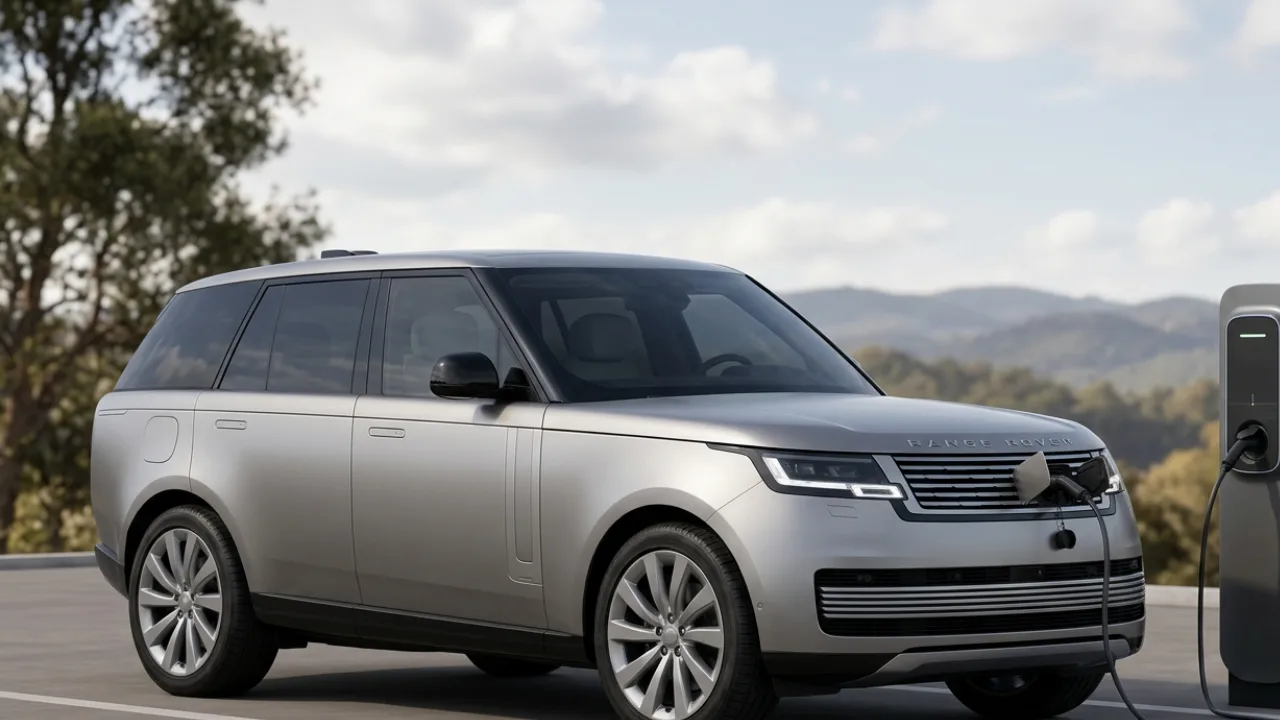
Readers comparing the iX5 with other premium electric SUVs can also consider 2026 Range Rover Electric: Range, Luxury Features and Latest Launch Updates when looking at the broader combination of electric range, luxury and SUV capability.
1 thought on “ 2026 BMW iX5: Electric X5 Range, Charging and Performance Explained”