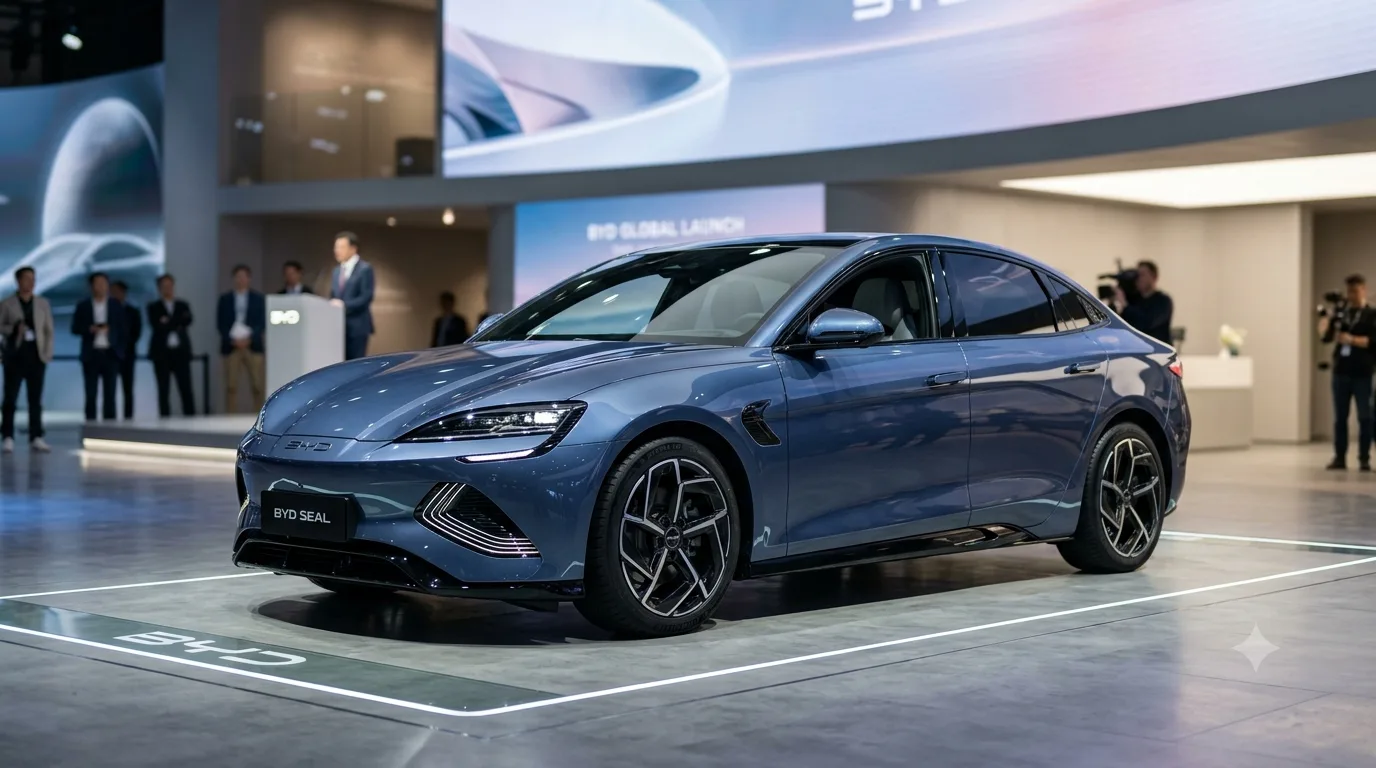
BYD’s 2026 product strategy is becoming much broader than simply adding more electric cars. The Chinese automaker is expanding its mainstream BYD lineup while introducing new plug-in hybrids, entering new vehicle segments and pushing its premium DENZA and luxury YANGWANG brands into international markets.
Several of the most important developments are already confirmed. In Europe, BYD has added models such as the DOLPHIN G DM-i, ATTO 2 DM-i and ATTO 3 EVO to its expanding range, while the company is also introducing the larger Ti 7 and continuing its rollout of the SHARK pickup. In Japan, BYD has launched the RACCO, a small electric vehicle developed specifically around Japan’s kei-car regulations.
At the same time, BYD’s wider group is taking DENZA and YANGWANG beyond China. That makes 2026 an important year not just for individual new BYD models, but for the company’s wider international expansion.
Quick Answer: What New BYD Cars Are Coming in 2026?
There is no single global list of “2026 BYD cars” because the company’s lineup varies substantially by country. Some models are already on sale in one market while being newly introduced or not yet confirmed in another.
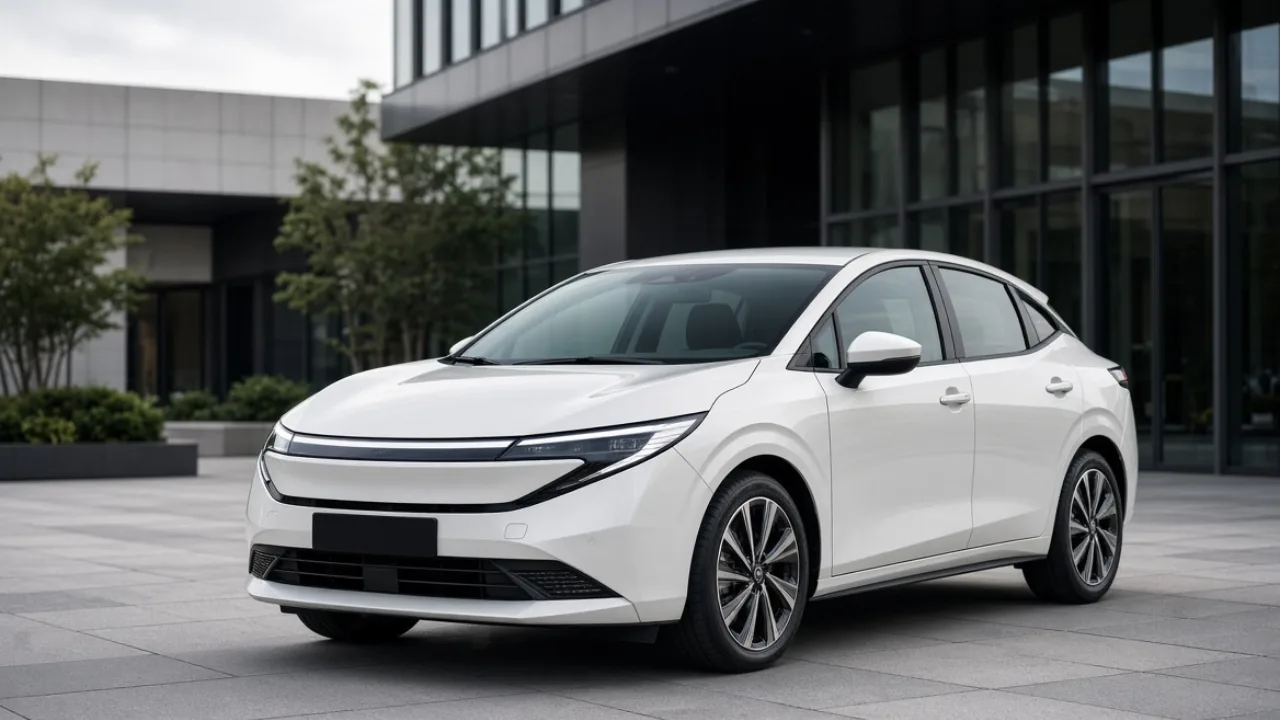
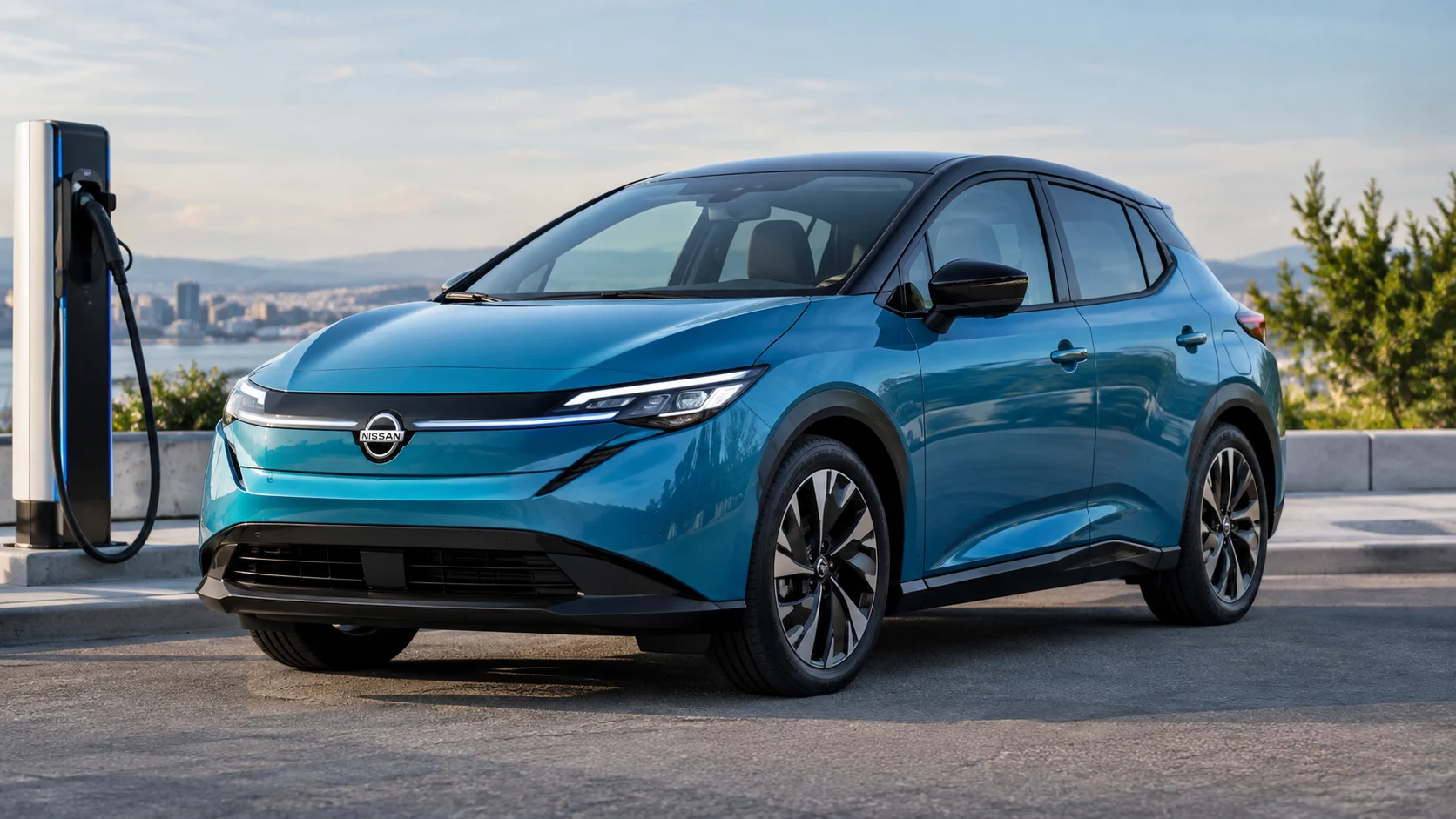
Among the most significant 2026 developments are:
- BYD DOLPHIN G DM-i — a new compact plug-in hybrid for Europe.
- BYD ATTO 2 DM-i — a plug-in-hybrid version of the compact SUV for Europe.
- BYD ATTO 3 EVO — an updated electric SUV introduced for the European market.
- BYD Ti 7 — a seven-seat plug-in-hybrid SUV being introduced in Europe.
- BYD SHARK — BYD’s pickup continues its expansion into international markets.
- BYD RACCO — a small EV developed specifically for Japan’s kei-car category.
- DENZA Z9GT and D9 DM-i — premium BYD Group models expanding beyond China.
- DENZA Z and BAO 5 — further examples of the group’s broader international product push.
- YANGWANG models — including the U7 and U9 Xtreme, which have received European exposure in 2026.
The important distinction is that these vehicles do not all represent confirmed launches in every country. BYD’s strategy is increasingly market-specific, with different products being introduced according to local demand and regulations.
BYD DOLPHIN G DM-i: A New European Compact Hybrid
One of the clearest examples of BYD adapting its products to international markets is the DOLPHIN G DM-i.
BYD introduced the model for Europe’s B-segment, positioning it as a compact hatchback that combines electric driving with the longer-distance flexibility of a plug-in hybrid. The company says it uses its fifth-generation DM 5.0 Super Hybrid technology and can achieve a combined range of up to 1,040 km under the applicable testing methodology.
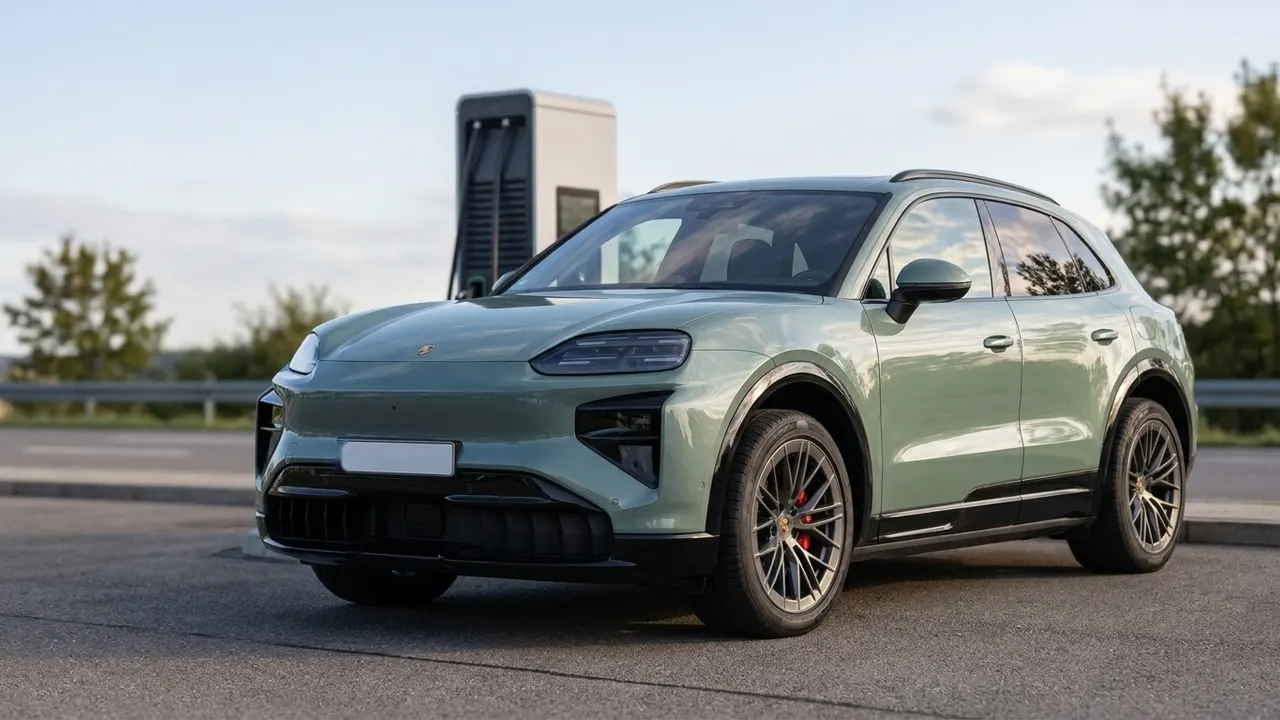
The model is particularly significant because it is not simply another large electric SUV. Compact cars remain important in European cities, where exterior dimensions, efficiency and everyday practicality can matter as much as outright performance.
For readers comparing BYD’s compact electric offerings with other new EVs in this market, 2026 Kia EV3: Range, Price, Features and Global Launch Details provides another useful compact-EV reference point.
BYD said the DOLPHIN G DM-i would receive its full launch in June 2026, with deliveries planned from autumn. That makes it one of the company’s most important new compact-market products for Europe during 2026.
Its plug-in-hybrid system also shows how BYD is using more than one form of electrification. Instead of requiring buyers to move directly from gasoline to a full battery-electric vehicle, the DOLPHIN G DM-i offers electric driving for daily use while retaining an engine-based power source for longer journeys.
BYD ATTO 2 DM-i Expands the Hybrid SUV Range
The ATTO 2 is another important part of BYD’s European expansion.
BYD’s European model range now lists the ATTO 2 DM-i alongside the fully electric ATTO 2. This gives the compact SUV a choice between battery-electric and plug-in-hybrid powertrains, depending on market and customer requirements.
The significance is broader than one model. BYD is building a product strategy in which electric and plug-in-hybrid vehicles can occupy similar segments rather than relying on one technology for every customer.
That approach could be particularly useful in markets where charging infrastructure, driving habits, taxation or purchase incentives make plug-in hybrids attractive.
However, buyers should check the exact specification available in their country. A European model listing does not automatically mean the same vehicle, trim or powertrain will be offered in the United States, India, Australia or other markets.
BYD ATTO 3 EVO Brings an Updated Electric SUV
The ATTO 3 has already become one of BYD’s recognizable international electric models, and 2026 brings the ATTO 3 EVO to Europe.
BYD’s European site lists the ATTO 3 EVO as an electric SUV with a stated range of up to 510 km. The model sits alongside the company’s growing collection of electric and plug-in-hybrid vehicles rather than replacing the entire international lineup with a single new generation.
That broader electric-SUV expansion can also be viewed alongside newer models such as the 2026 BMW iX3: New Design, Range, Charging and Technology Explained, giving readers another perspective on how established manufacturers are developing their latest electric SUVs.
For shoppers, the key point is that BYD’s 2026 strategy includes both completely new nameplates and updated versions of established models.
That matters because a manufacturer can expand its market presence faster by improving existing products while simultaneously adding vehicles to new segments.
BYD Ti 7: A Larger Seven-Seat SUV
The BYD Ti 7 is another major addition to the company’s European product range.
BYD’s UK media operation identifies the Ti 7 as the company’s first seven-seat SUV in Europe. It uses BYD’s DM-p plug-in-hybrid technology and is listed with a total system output of 408 PS and an electric-only range of 74 miles in the UK specification. The company has announced a UK on-the-road price of £47,995.
This is an important move because it places BYD into a larger family-SUV category than many of its existing European products.
Readers looking at the wider move toward larger electric SUVs can also consider the 2026 Mercedes-Benz GLC EV: Range, Technology and Features Explained as another example of how this segment is expanding across different manufacturers.
The plug-in-hybrid configuration also gives the Ti 7 a different proposition from a conventional battery-electric SUV. Buyers who regularly travel long distances can use the combustion engine alongside the electric system, while shorter trips can make greater use of electric propulsion.
The Ti 7’s availability should still be considered market-specific. The UK specification and price should not be treated as a global price or specification.
BYD SHARK: Expanding Beyond Passenger EVs
BYD’s international expansion is not limited to conventional cars and SUVs.
The SHARK pickup is one of the company’s most distinctive global products. BYD continued promoting the pickup in the UK and Europe during 2026, including its appearance alongside newer models at major automotive events.
The SHARK uses a plug-in-hybrid powertrain rather than being a conventional battery-electric pickup. That makes it particularly relevant to buyers who want electrified propulsion without giving up the flexibility associated with a pickup.
Its international presence also demonstrates how BYD is moving beyond the compact and midsize EV categories where it initially built much of its overseas reputation.
BYD RACCO: A Japan-Specific Small EV
Perhaps the clearest example of BYD designing a vehicle specifically for a local market is the BYD RACCO.
The RACCO was developed for Japan’s kei-car regulations and uses a tall, compact body with sliding doors. BYD Japan initially described the vehicle as a purpose-developed battery-electric kei car, with standard and long-range versions targeting more than 200 km and 300 km respectively.
By August 2026, the RACCO had moved beyond the planned stage. BYD Japan says the model arrived on July 28, 2026, and is offered in three grades: RACCO 200, RACCO 300 Plus and RACCO 300 Premium. The Japanese lineup lists claimed ranges of 210 km for the RACCO 200 and 320 km for the two 300 versions.
Japanese pricing starts at ¥2,145,000 including consumption tax, according to BYD Japan’s official model information.
The RACCO is significant because BYD did not simply export an existing global model. It created a vehicle around a local Japanese vehicle category and everyday use case.
That kind of localization is likely to become increasingly important as BYD expands into more mature automotive markets.
DENZA Is Becoming a Global Brand
The biggest change in BYD’s international strategy may be happening beyond the core BYD badge.
DENZA, BYD’s premium technology-focused brand, officially began its global expansion in 2026. BYD confirmed the Z9GT and D9 DM-i as its first models for customers outside China and said DENZA would be available in more than 30 European countries by the end of 2026, supported by more than 150 retail stores.
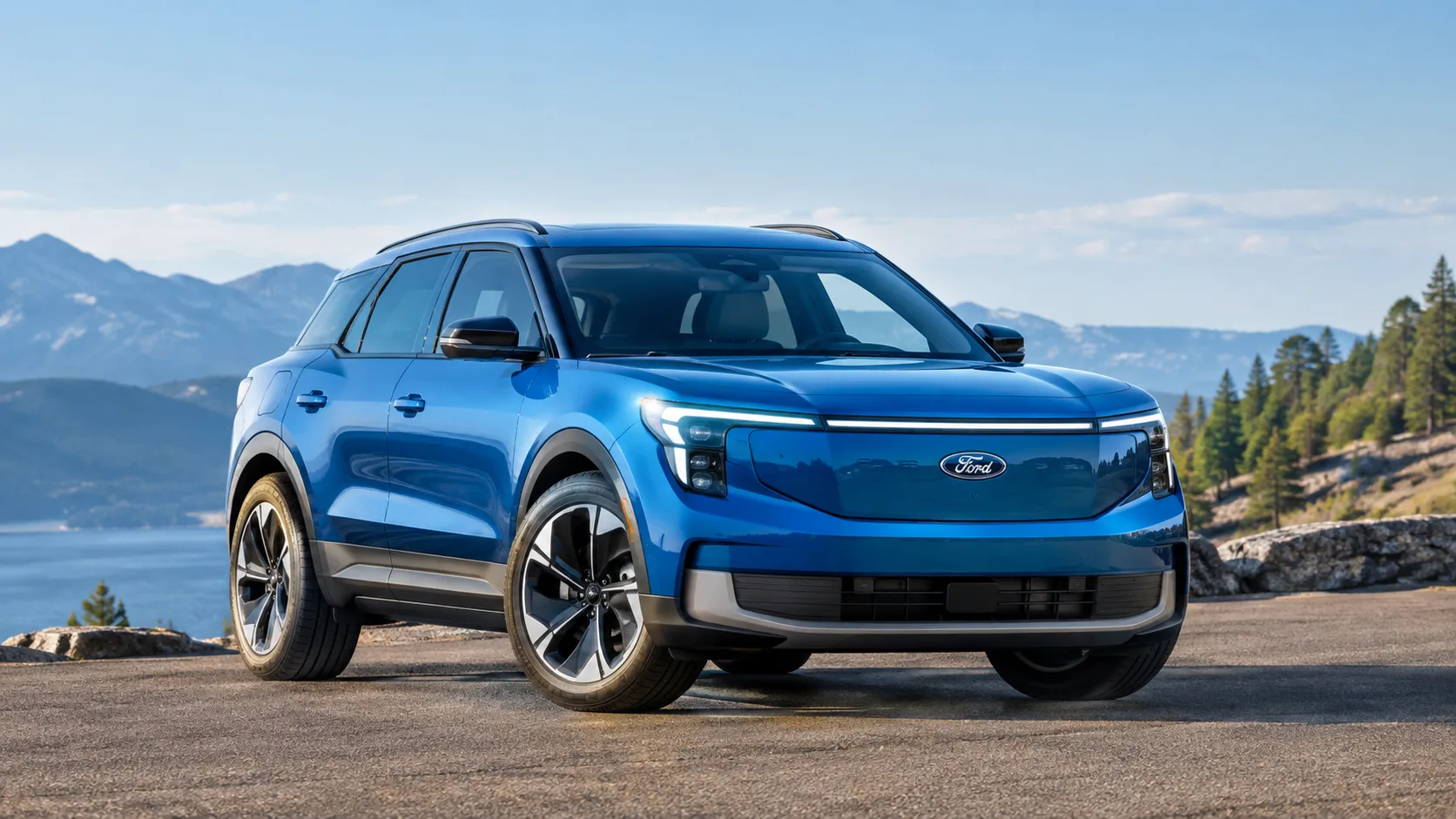
The Z9GT is particularly important because it gives BYD a premium European product with a distinctive shooting-brake body style.
BYD says the European Z9GT is available with either an electric powertrain or a plug-in-hybrid DM version. The EV version is claimed to provide 600 km of range, while BYD has also highlighted its Blade Battery and FLASH Charging technology.
The expansion is not limited to one vehicle. DENZA has continued introducing additional models and internationalizing its product portfolio throughout 2026.
DENZA Z and BAO 5 Add More Ambition
At the 2026 Goodwood Festival of Speed, BYD Group presented eight new vehicles across BYD, DENZA and YANGWANG.
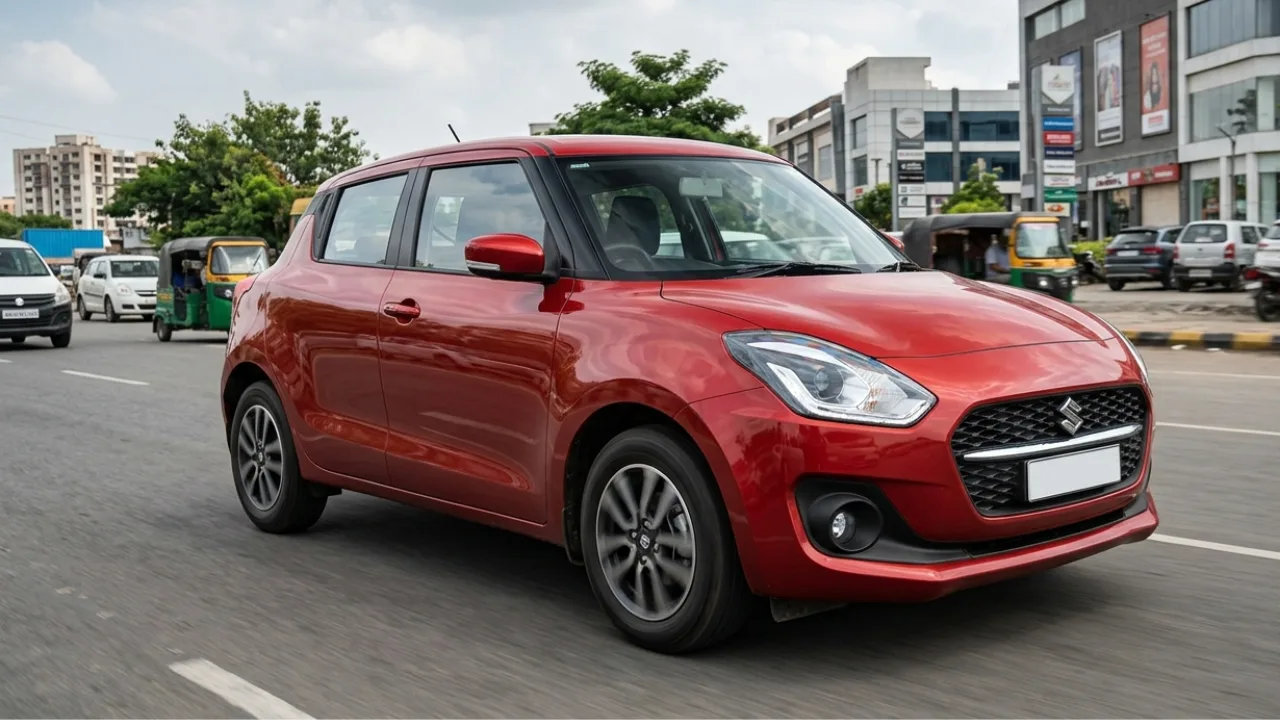
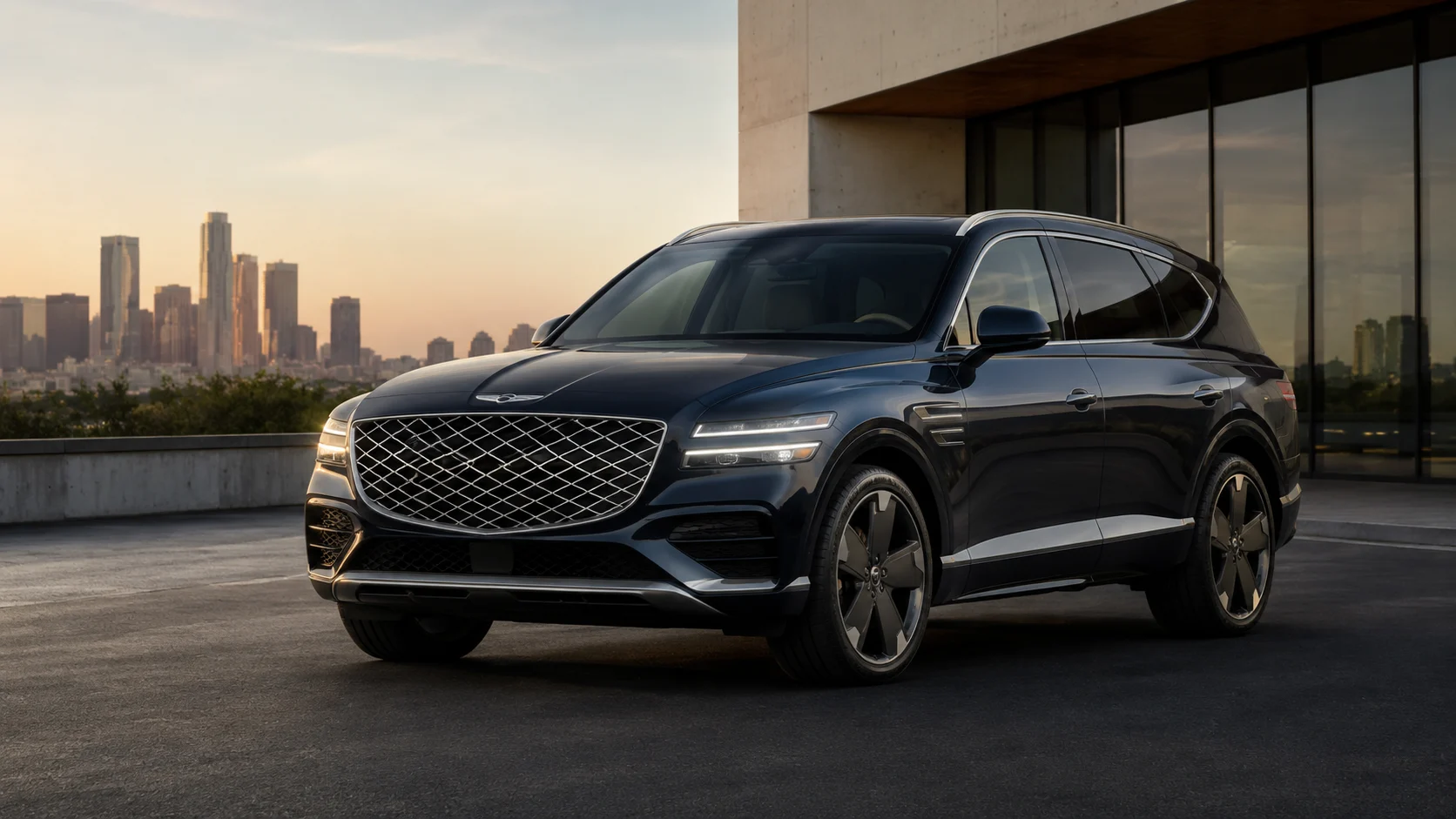
Among them was the DENZA Z, which made its global debut in Coupe and Racing forms. DENZA also displayed the BAO 5, an SUV from the group’s premium off-road-focused portfolio.
The BAO 5 is particularly notable for its plug-in-hybrid DMO powertrain. BYD lists 544 PS, a claimed 0-100 km/h time of less than five seconds and up to 90 km of pure-electric range for the European version.
These vehicles should not be confused with the mainstream BYD brand. They belong to the wider BYD Group strategy, which is using different brands to target different price points and customer groups.
YANGWANG Brings BYD Group Technology Further Upmarket
At the other end of the portfolio is YANGWANG, BYD Group’s luxury brand.
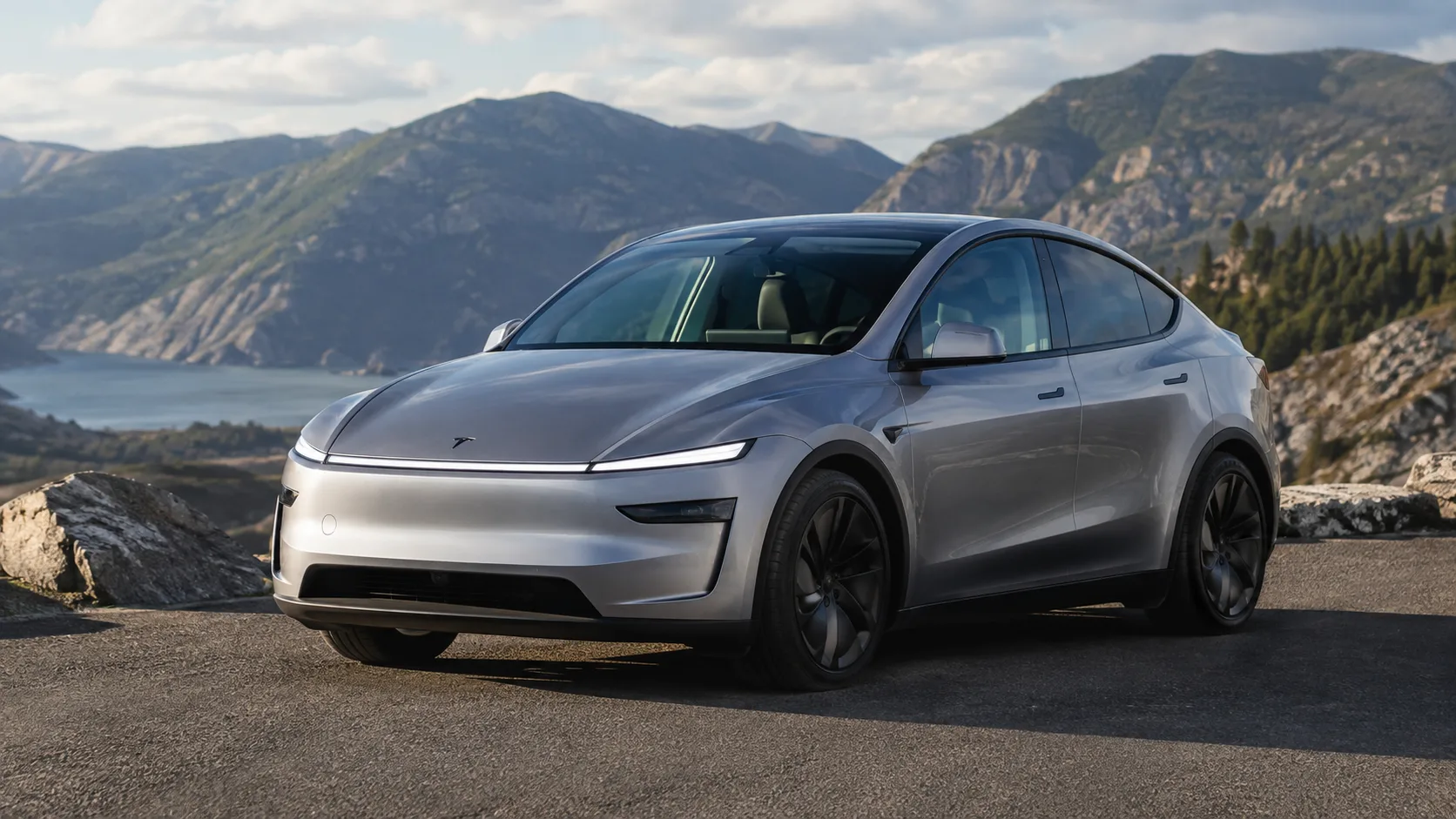
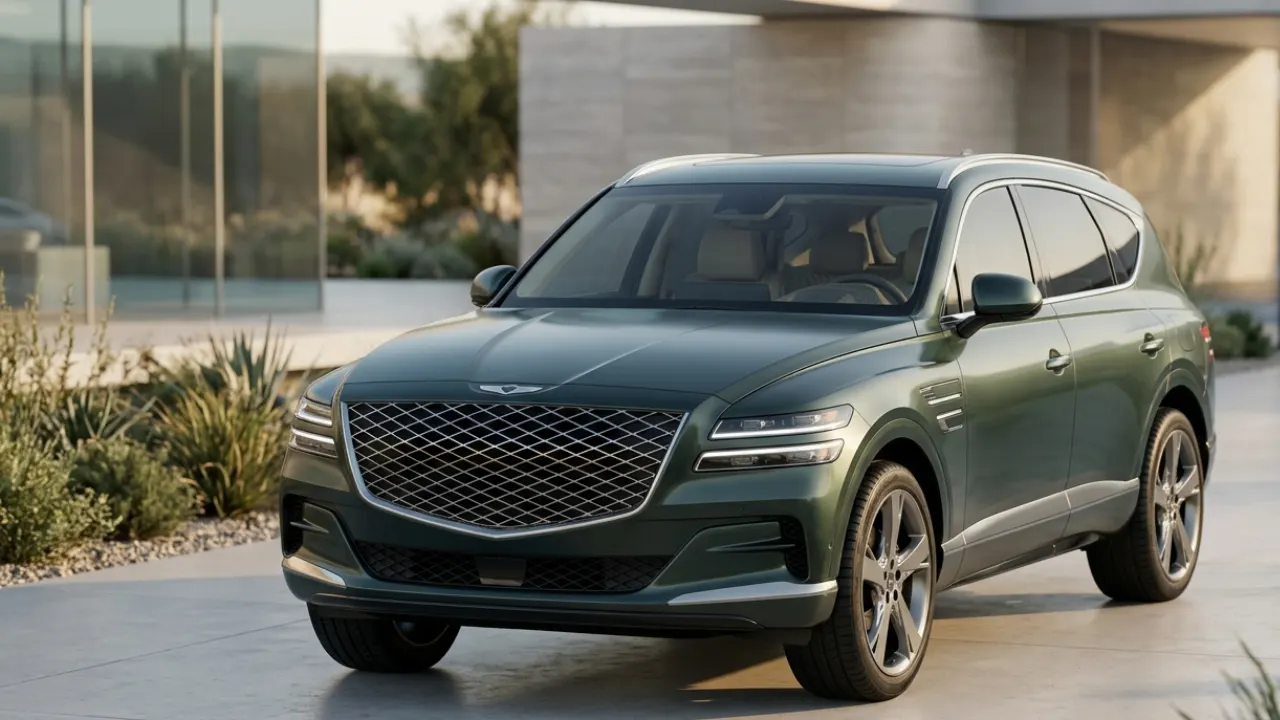
The company used European events in 2026 to showcase vehicles including the U7 and U9 Xtreme. The U9 Xtreme is particularly performance-focused, while the U7 represents a more conventional luxury-sedan format.
This matters strategically because BYD is no longer attempting to compete internationally only as a mainstream EV manufacturer.
Its broader group structure now covers mainstream BYD products, premium DENZA models, off-road-oriented products such as BAO and luxury YANGWANG vehicles.
That gives the company a potential route into segments where brand image, performance and technology matter more than simply offering an affordable EV.
BYD’s 2026 Global Expansion Is About More Than New Cars
The scale of BYD’s international expansion can be seen in the company’s own latest figures.
BYD reported that overseas sales exceeded one million vehicles for the first time in 2025, with international sales rising 145% year over year. The company said international sales exceeded 780,000 units during the first half of 2026 and that its operations had expanded across 121 countries and regions.
The company is also increasing localization.
BYD has committed to a European headquarters and research-and-development center in Budapest, Hungary, while its planned passenger-car manufacturing facility in Szeged is part of a broader European localization strategy.
That is important because international expansion becomes more sustainable when an automaker can build local sales, service, research, manufacturing and supply infrastructure rather than relying entirely on exports from China.
Why Europe Matters So Much to BYD
Europe has become one of the most visible testing grounds for BYD’s international strategy.
The company is not relying on one vehicle type. Its European range now includes small EVs, compact SUVs, larger SUVs, sedans, plug-in hybrids and pickups. The current European lineup includes models such as the DOLPHIN SURF, DOLPHIN, DOLPHIN G DM-i, ATTO 2, ATTO 2 DM-i, ATTO 3 EVO, SEAL, SEAL 6 DM-i, SEAL U DM-i and SEALION 7.
This broadening is important because different European countries have different buyer preferences and charging conditions.
A small electric hatchback can address urban buyers, while a plug-in-hybrid SUV can appeal to families who want electric commuting without depending entirely on public charging.
BYD’s European strategy is therefore increasingly about giving buyers multiple electrified choices within the same broad market.
What About the United States?
The U.S. market needs to be treated separately.
The fact that BYD is launching and displaying numerous models in Europe, Japan and other regions does not mean those vehicles are confirmed for the United States.
As of the information available for this article, BYD’s most clearly documented 2026 product expansion is concentrated in markets such as Europe, Japan and other international regions rather than a confirmed broad U.S. passenger-car rollout.
That distinction is important when reading global BYD news. A vehicle described as a “global model” may still have no confirmed U.S. sales program.
American buyers should therefore verify any U.S. availability directly with BYD or relevant regulatory and market announcements before treating an international launch as a U.S. launch.
What This Means for BYD Buyers in 2026
For consumers, BYD’s 2026 expansion creates more choice but also makes market-specific research more important.
A buyer should check four things before relying on specifications found online:
- Which country is the vehicle being sold in?
- Is the powertrain actually offered in that market?
- Is the quoted range based on the local testing standard?
- Is the quoted price an official local-market price?
The RACCO is a good example. Its Japanese dimensions, kei-car classification, pricing and range are specific to Japan. The DOLPHIN G DM-i is similarly tied to the European market in the current official announcements. The UK price of the Ti 7 should not be converted into a supposed global MSRP.
This is especially important for BYD because the company is expanding so quickly that international model names and specifications can easily be confused.
The Bigger Picture: BYD Is Building a Multi-Brand Global Portfolio
The most important story behind the new BYD cars of 2026 is not any single vehicle.
It is the way BYD is changing from an automaker known primarily for affordable electric cars into a broader electrified vehicle group.
The mainstream BYD brand is expanding with EVs and DM-i/DM-p plug-in hybrids. DENZA is moving into premium territory, while YANGWANG is being positioned at the luxury end. The company is also using more localized products, such as the Japan-specific RACCO, to address individual markets.
For a broader look at another major global EV nameplate, the 2026 Tesla Model Y: New Design, Range, Features and Price Explained provides a useful reference when considering how the international electric-car market is evolving.
That strategy gives BYD more ways to compete.
Instead of asking buyers to choose between a small EV and a large premium model, the group can potentially cover a much wider range of vehicle segments and prices.
Final Thoughts
BYD’s 2026 expansion is best understood as a combination of new models, new powertrains, new markets and new brands.
The DOLPHIN G DM-i demonstrates BYD’s push into compact European plug-in hybrids. The ATTO 3 EVO and ATTO 2 DM-i strengthen the company’s existing SUV range, while the Ti 7 moves into the seven-seat family-SUV segment. The SHARK expands BYD’s reach into pickups, and the RACCO shows how specifically the company is willing to design vehicles for local markets.
BYD’s expanding SUV portfolio can also be viewed alongside other upcoming electric SUV products such as the Honda 0 SUV 2026: Range, Design, Technology and Launch Details, particularly as global manufacturers broaden their EV lineups.
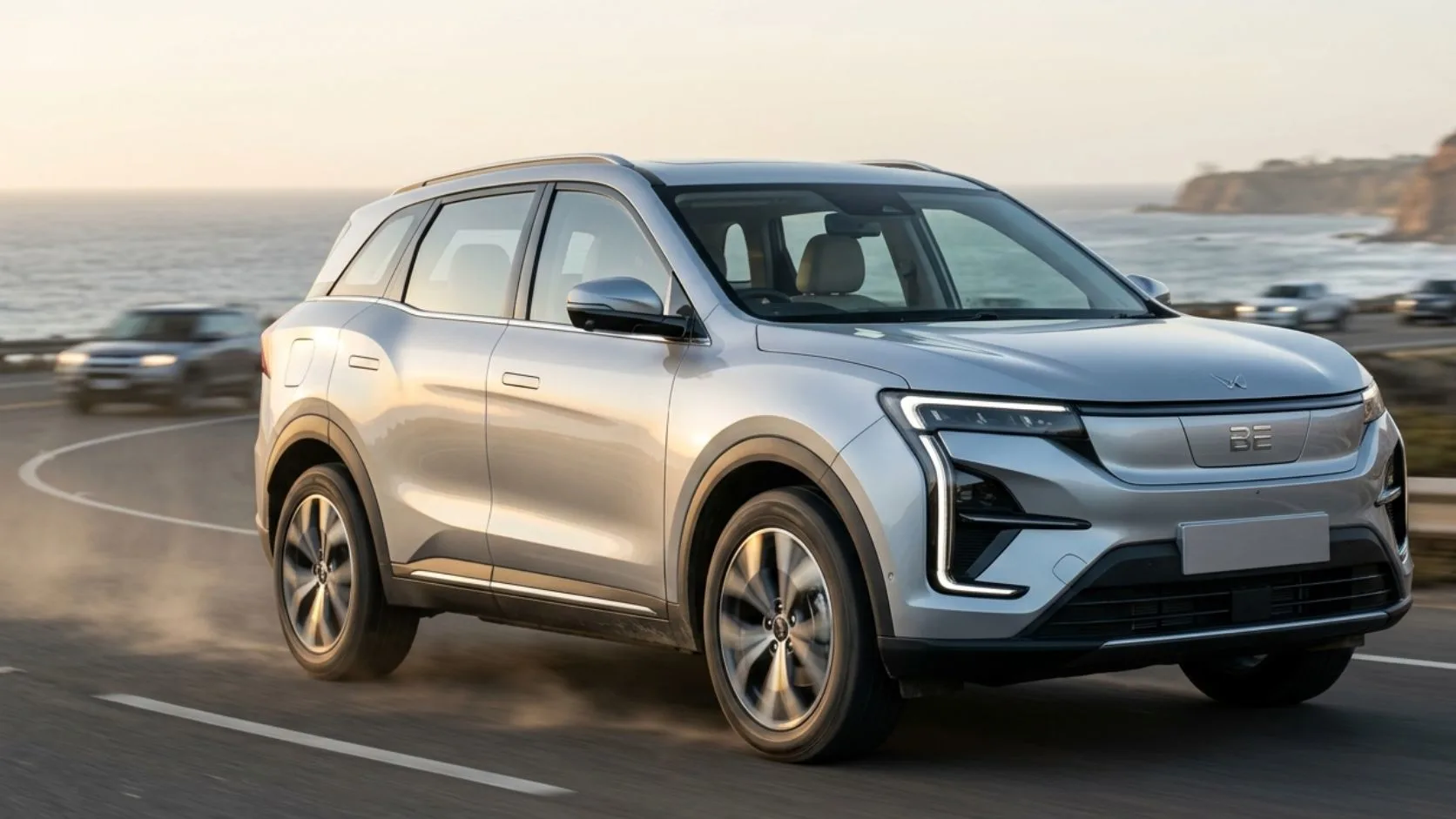
Meanwhile, DENZA and YANGWANG are helping BYD move further upmarket internationally.
Not every new model will reach every country, and launch timing, pricing and specifications can change. But the direction is clear: BYD is using 2026 to build a much broader international electrified-car portfolio rather than relying on a handful of global EV nameplates.
FAQ
What new BYD cars are coming in 2026?
Important 2026 BYD developments include the DOLPHIN G DM-i, ATTO 2 DM-i, ATTO 3 EVO, Ti 7, SHARK and RACCO, although availability varies by market. BYD Group is also expanding DENZA and YANGWANG internationally.
What is the BYD DOLPHIN G DM-i?
The DOLPHIN G DM-i is a compact plug-in-hybrid hatchback developed for Europe. BYD says it uses its fifth-generation DM 5.0 technology and can achieve up to 1,040 km of combined range under the relevant testing methodology.
Is the BYD RACCO coming in 2026?
Yes. The RACCO was developed specifically for Japan’s kei-car category and arrived in Japan on July 28, 2026. BYD Japan currently lists three versions, with claimed ranges of 210 km or 320 km depending on the grade.
How much does the BYD RACCO cost?
The Japanese-market RACCO starts at ¥2,145,000 including consumption tax. Higher versions are priced at ¥2,398,000 and ¥2,497,000. These are Japanese-market prices and should not be treated as international pricing.
Is BYD bringing the DOLPHIN G DM-i to Europe?
Yes. BYD officially introduced the DOLPHIN G DM-i for the European B-segment and announced a full launch in June 2026, with deliveries planned from autumn.
Is the BYD Ti 7 electric?
The European Ti 7 uses BYD’s DM-p plug-in-hybrid technology rather than being a pure battery-electric vehicle. In the UK specification, BYD lists 408 PS and an electric-only range of 74 miles.
Is BYD expanding outside China in 2026?
Yes. BYD says its international operations now cover 121 countries and regions. The company reported overseas sales above one million vehicles in 2025 and more than 780,000 international sales in the first half of 2026.
Is DENZA part of BYD?
Yes. DENZA is a premium technology-focused brand within the BYD Group. In 2026, it began a broader international rollout, with the Z9GT and D9 DM-i identified as its first models for customers outside China.
Will all new BYD models come to the U.S.?
No. BYD’s international launches are market-specific, and a model introduced in Europe, Japan or another region should not automatically be considered confirmed for the U.S. Buyers should wait for official U.S.-market announcements before assuming availability.
Sources & References
- BYD — DOLPHIN G DM-i European launch
- BYD — DM 5.0 technology and DOLPHIN G DM-i
- BYD Europe — Current European model range
- BYD UK Media — 2026 model lineup
- BYD UK Media — British Motor Show 2026 models and Ti 7 details
- BYD Japan — RACCO official model information
- BYD Japan — RACCO official special site and pricing
- BYD Japan — RACCO launch information
- BYD — Goodwood Festival of Speed 2026 new-model announcement
- BYD — DENZA global expansion announcement
- BYD — DENZA Z9GT European launch
- BYD — BAO 5 European debut
- BYD — 2026 Fortune Global 500 and international expansion update
- BYD — European headquarters and R&D center in Hungary