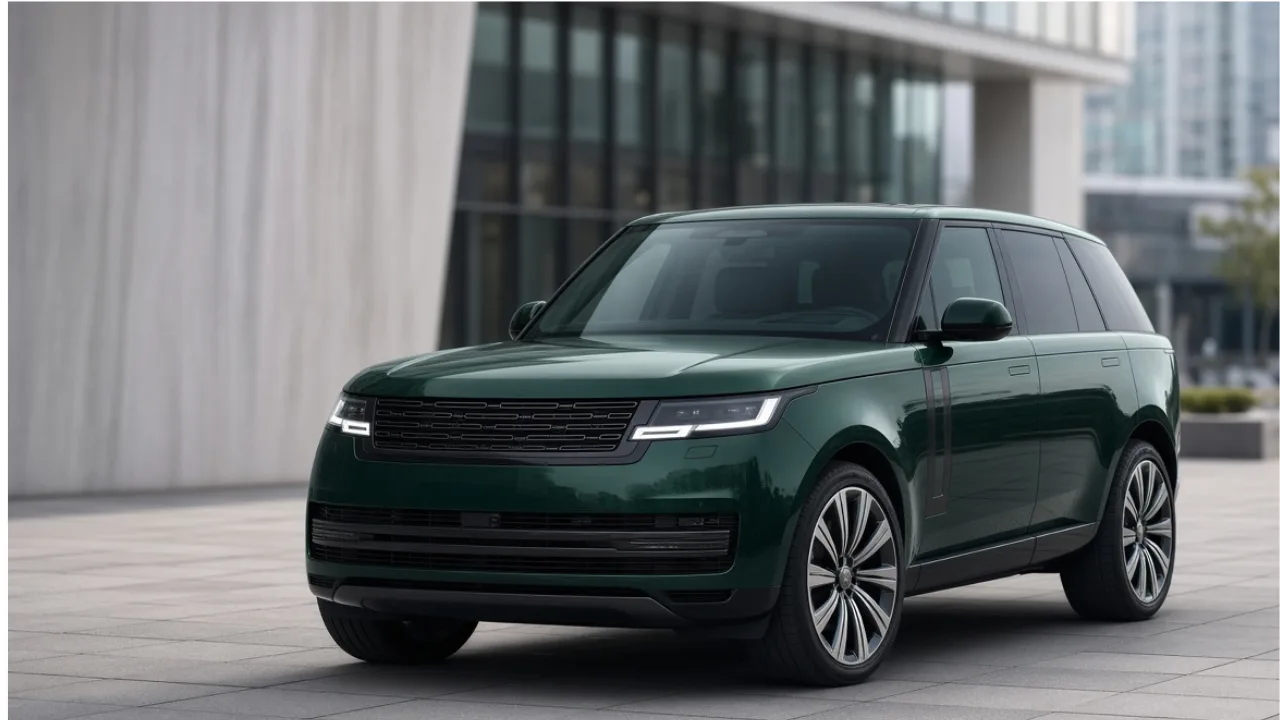
The 2026 Range Rover Electric has officially moved from years of development and testing into production specification. JLR revealed the production version on September 2, 2026, opened order books, and confirmed the first battery-electric model to carry the Range Rover name. In the UK, pricing starts at £154,070 on the road.
The new luxury SUV keeps the familiar Range Rover shape but replaces its combustion powertrains with two permanent-magnet electric motors, an 118.5-kWh usable battery and an 800-volt electrical architecture. JLR quotes up to 372 miles (600 km) of WLTP range, while its estimated real-world figure is up to 333 miles (535 km).
For buyers interested in the first electric Range Rover, the biggest questions are now less about whether it will happen and more about its real-world range, charging performance, luxury equipment, off-road capability, pricing and market availability.
For readers comparing the electric Range Rover with other premium electric SUVs, 2026 Mercedes-Benz GLC EV: Range, Technology and Features Explained provides a useful next reference for evaluating range, charging technology and the broader luxury-EV experience.
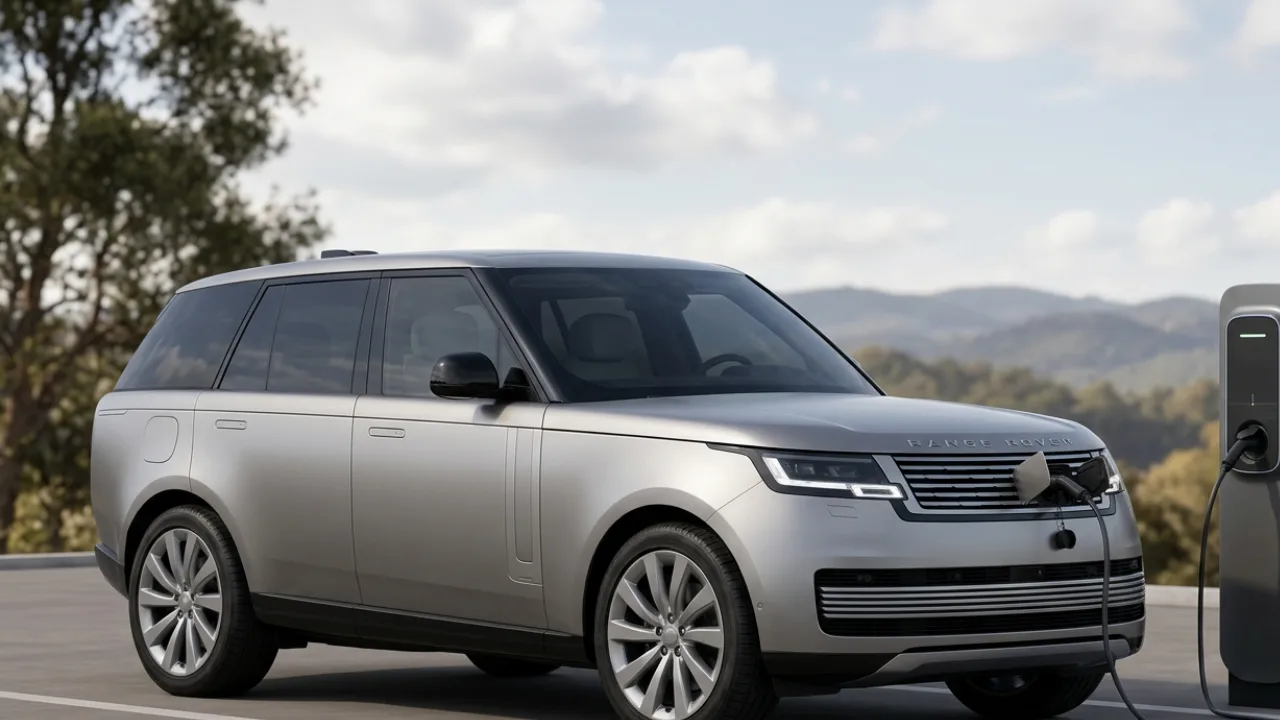
Quick Answer: What Is New About the Range Rover Electric?
The Range Rover Electric is the first fully electric model in the Range Rover family. It uses a dual-motor all-wheel-drive setup producing up to 550 PS and 850 Nm of torque.
Key confirmed details include:
| Specification | Range Rover Electric |
|---|---|
| Powertrain | Dual electric motors |
| Motor output | 2 × 260 kW |
| Maximum power | Up to 550 PS |
| Maximum torque | 850 Nm |
| Battery | 118.5 kWh usable |
| Architecture | 800V |
| Maximum WLTP range | Up to 372 miles / 600 km |
| Estimated real-world range | Up to 333 miles / 535 km |
| DC charging | 10–80% in about 22 minutes |
| Fast-charging system | Up to 350 kW |
| 0–60 mph | As little as 4.3 seconds |
| Maximum wading depth | 900 mm |
| Towing capacity | Up to 2,500 kg |
| Battery warranty | 8 years / 100,000 miles |
| UK starting price | £154,070 OTR |
Specifications and equipment can vary by market and configuration.
Range Rover Electric Range: Up to 372 Miles
Range is one of the most important aspects of the new electric Range Rover because the SUV is large, heavy and designed for long-distance luxury travel.
JLR quotes a maximum 372-mile WLTP range, equivalent to approximately 600 km. The company also provides an estimated real-world range of up to 333 miles, or 535 km.
Those numbers should not be treated as a guarantee for every journey. JLR itself notes that real-world range can vary with driving style, environmental conditions, vehicle load, wheels, accessories, route and battery condition.
The range figure also applies under the WLTP testing system, so U.S. shoppers should not automatically interpret 372 miles as an EPA rating.
That distinction matters because official range figures from different testing cycles are not directly interchangeable.
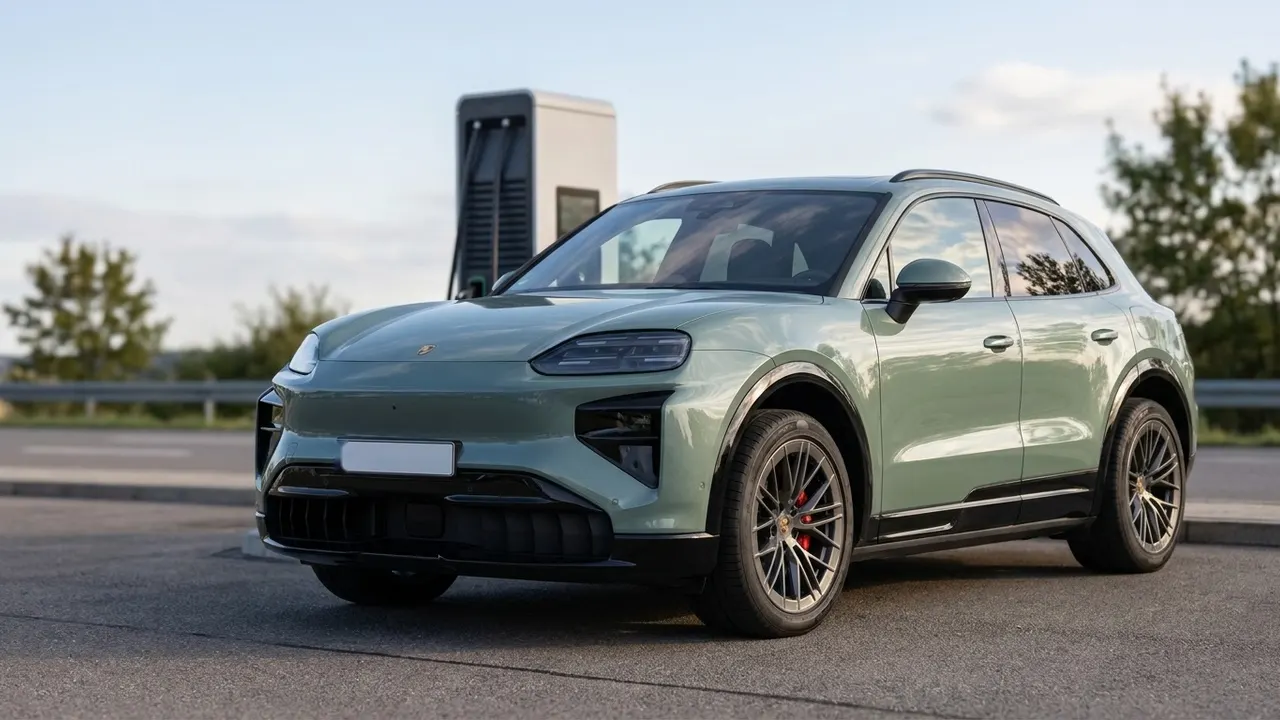
Range is only one part of the premium electric-SUV equation, so buyers comparing different approaches to electric performance can also explore 2026 Porsche Cayenne Electric: Range, Performance and Features Explained for another large luxury EV perspective.
118.5-kWh Battery and 800-Volt Technology
The Range Rover Electric uses a 118.5-kWh usable lithium-ion battery with an 800-volt electrical architecture.
The battery contains 344 prismatic cells arranged in a double-stack configuration. JLR says the battery was designed specifically around the requirements of the electric Range Rover rather than simply adapting an existing EV battery system.
The battery pack also forms an important part of the SUV’s off-road engineering. JLR has developed a re-engineered flat underbody and a protective enclosure intended to cope with the demands of rough terrain.
Range Rover Electric Charging Time
Fast charging is another major part of the new EV’s specification.
Using a suitable 350-kW DC rapid charger, the Range Rover Electric can charge from 10% to 80% in approximately 22 minutes. JLR also says a 10-minute charging session can add up to about 137 miles (220 km) of WLTP range under the stated conditions.
For home charging, JLR lists:
- Up to 22-kW AC charging: about 7 hours from 0–100%
- 7-kW AC charging: about 19 hours from 0–100%
Actual charging time depends on the charger, battery temperature, battery condition and other factors.
The vehicle can also use public charging networks, with availability depending on market. JLR says North American customers have access to the Tesla Supercharger network and that the vehicle has built-in NACS compatibility.
Charging is becoming an important differentiator among large premium EVs, making 2026 BMW iX5: Electric X5 Range, Charging and Performance Explained a natural related read for buyers looking beyond the Range Rover’s charging specifications.
Performance: 550 PS and 850 Nm
The Range Rover Electric uses two 260-kW permanent-magnet motors, giving it all-wheel drive and up to 550 PS and 850 Nm of torque.
JLR quotes a 0–60 mph time of as little as 4.3 seconds. The company also says the SUV can accelerate from 50 to 75 mph in as little as 2.7 seconds.
The 850-Nm torque figure is particularly relevant to the Range Rover’s off-road mission. Electric motors can deliver torque rapidly, allowing the vehicle’s control systems to make very quick adjustments when traction changes.
JLR says its Intelligent Traction Management system can adjust motor speed in as little as 50 milliseconds.
Off-Road Capability Remains a Major Focus
The Range Rover Electric isn’t designed simply as a road-focused luxury EV.
JLR has specifically engineered the electric powertrain around the company’s existing off-road philosophy. The vehicle can wade through water up to 900 mm deep, according to the manufacturer, and features Terrain Response technology and single-pedal driving designed to work across different surfaces.
The company also quotes towing capacity of up to 2,500 kg and says the vehicle incorporates towing-range prediction technology.
This is one of the more unusual aspects of the vehicle. The Range Rover Electric is intended to combine the quietness of an EV with the high-speed comfort and off-road capability expected from the Range Rover name.
Luxury Interior and Cabin Technology
The electric powertrain gives Range Rover another opportunity to focus on cabin refinement.
JLR describes the model as its quietest Range Rover yet, using near-silent propulsion, additional drivetrain isolation and acoustic laminated glass. Active Noise Cancellation is also available to create individual quiet zones for occupants.
The cabin can also feature:
- Cabin Air Purification Pro
- PM2.5 filtration
- nanoe X technology
- CO₂ monitoring
- Ambient Fragrance Diffuser
- Ultrafabrics upholstery
- Kvadrat wool-blend materials
- Connected vehicle functions through the Range Rover App
The exact equipment depends on specification and market.
For buyers focused on how luxury brands are approaching electric SUVs, Genesis GV90: New Electric SUV, Range, Features and Launch Details offers another relevant model to consider alongside the Range Rover Electric’s cabin technology and premium positioning.
The overall design deliberately stays close to the combustion-powered Range Rover. The major visual changes include an aerodynamically optimized grille, wheels and tailored underbody rather than a completely different EV body design.
ThermAssist Technology
One of the more interesting technical additions is JLR’s ThermAssist heat-management system.
According to JLR, the system can reduce heating energy consumption by 40% and is designed to help maintain range and charging consistency in changing temperatures. The company says the technology can add up to 25 miles of range under certain conditions.
Temperature management is especially important in a large luxury EV because heating and cooling can have a meaningful effect on energy consumption.
JLR says the Range Rover Electric was tested in environments ranging from -40°C conditions in Sweden to extreme heat in the Dubai desert as part of its development program.
Range Rover Electric Battery Warranty
JLR provides an eight-year or 100,000-mile battery warranty, whichever comes first, subject to the applicable terms and exclusions.
The company has also introduced a Battery Digital Twin system that uses more than 900 diagnostic data points to help monitor battery condition.
That system works alongside the vehicle’s over-the-air software capability to support battery monitoring and maintenance.
Range Rover Electric Price and Availability
The Range Rover Electric is now available to order in the UK, with JLR listing a starting price of £154,070 on the road.
Order books opened on September 2, 2026, with the model offered in standard- and long-wheelbase configurations and several specifications, including SE, HSE, Autobiography, SV, SV Ultra and SV Black. A First Edition is also available.
India Availability
India is also part of the initial launch activity. JLR opened Range Rover Electric bookings in India on September 2, 2026, with a reported booking amount of ₹10 lakh. Autocar India reported that Indian bookings cover the standard-wheelbase Autobiography, long-wheelbase SV/SV Ultra/SV Black models and the standard-wheelbase First Edition.
Indian-market pricing and final delivery details should be checked with JLR India because imported-vehicle pricing, taxes, specifications and availability can differ from the UK.
U.S. Availability
North America is also an important market for the Range Rover Electric. JLR says North American customers will have access to the Tesla Supercharger network and built-in NACS compatibility.
Pricing and equipment should be checked against the U.S. specification rather than converted directly from the UK price, because the two markets use different pricing structures and equipment configurations.
What Makes the Range Rover Electric Different?
The new Range Rover Electric is not simply an existing luxury SUV with its engine removed.
JLR developed a dedicated electric propulsion system around the Range Rover’s existing flexible architecture. The vehicle combines:
- Dual 260-kW electric motors
- 118.5-kWh usable battery
- 800-volt electrical architecture
- 550 PS
- 850 Nm
- Up to 372 miles of WLTP range
- 350-kW DC charging capability
- 900-mm wading capability
- Up to 2,500 kg towing capacity
- Advanced thermal management
- Battery health monitoring
- Over-the-air software capability
The result is an EV designed to preserve the fundamental Range Rover formula rather than reinvent it as a completely different type of SUV.
Range Rover Electric vs. a Conventional Range Rover
The biggest difference is obviously the powertrain, but the change affects more than acceleration and fuel costs.
The electric version should provide a quieter driving experience because there is no conventional combustion engine operating in the background. Instant electric torque also gives the vehicle a different response, particularly at low speeds and during off-road driving.
At the same time, buyers who regularly travel long distances will need to consider charging infrastructure and charging stops in addition to the vehicle’s official range.
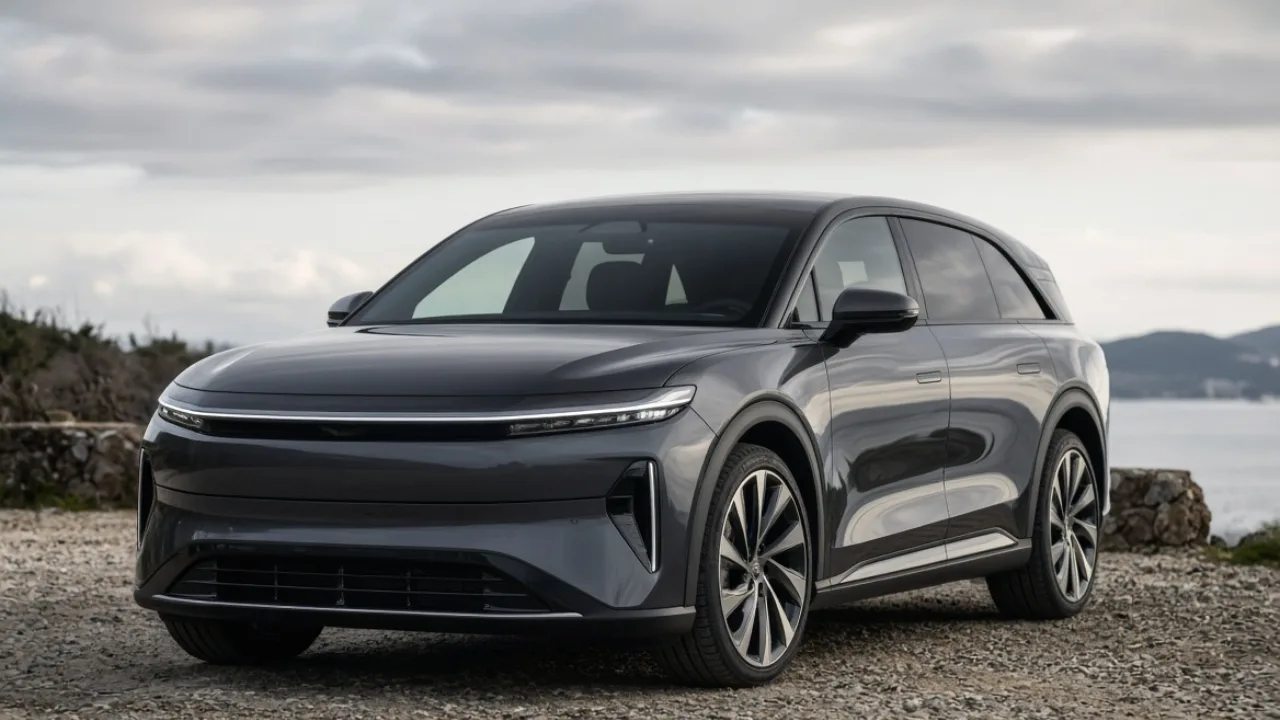
That ownership question also matters when comparing large luxury EVs with different approaches to range and performance, making 2026 Lucid Gravity: Range, Performance, Luxury Features and EV Technology a relevant comparison point for readers considering alternatives.
The electric Range Rover therefore represents a different ownership experience rather than simply a more powerful version of the existing SUV.
Latest Range Rover Electric Launch Update
The most important update as of September 20, 2026 is that the vehicle has moved beyond the prototype and preview stage.
JLR officially revealed the production-spec Range Rover Electric on September 2, 2026, confirmed its major technical specifications, published UK pricing and opened order books.
JLR says production takes place at its Solihull plant in the UK, where Range Rover vehicles have been built for decades. The company has also invested in electrification capabilities at the site and its Electric Propulsion Manufacturing Centre.
This means the Range Rover Electric is now a production vehicle rather than an upcoming concept or development prototype.
Final Thoughts
The 2026 Range Rover Electric marks a significant change for one of the world’s best-known luxury SUV nameplates. Instead of changing the Range Rover formula completely, JLR has used electric power to emphasize the qualities the brand already prioritizes: quietness, smooth performance, luxury and off-road capability.
The headline figures are substantial: up to 550 PS, 850 Nm, a 118.5-kWh usable battery and up to 372 miles of WLTP range. Its 800-volt architecture and approximately 22-minute 10–80% DC charging time also make charging performance a central part of the package.
The more important question for buyers will be how those figures translate into everyday use across different climates, driving conditions and markets. JLR has already provided an estimated real-world range of up to 333 miles, but actual results will vary.
For now, the biggest launch uncertainty has largely disappeared: the electric Range Rover has been officially revealed, orders are open in markets including the UK and India, and the production model’s core specifications are confirmed.
FAQ
How much range does the 2026 Range Rover Electric have?
The Range Rover Electric has a maximum claimed WLTP range of 372 miles (600 km). JLR estimates real-world range at up to 333 miles (535 km).
How big is the Range Rover Electric battery?
It uses a 118.5-kWh usable battery with an 800-volt electrical architecture.
How fast can the Range Rover Electric charge?
With a suitable 350-kW DC rapid charger, JLR says it can charge from 10% to 80% in about 22 minutes.
How powerful is the Range Rover Electric?
Its two 260-kW electric motors produce up to 550 PS and 850 Nm of torque.
How fast is the Range Rover Electric?
JLR quotes a 0–60 mph time of as little as 4.3 seconds.
Can the Range Rover Electric go off-road?
Yes. JLR says the electric Range Rover can wade through up to 900 mm of water and retains Range Rover’s all-terrain capability, including Terrain Response technology.
What is the Range Rover Electric price?
In the UK, JLR lists the Range Rover Electric from £154,070 on the road. Pricing varies by market and specification.
Is the Range Rover Electric available to order?
Yes. JLR opened order books on September 2, 2026. The model is offered in multiple specifications and both standard- and long-wheelbase configurations.
Sources & References
- JLR Corporate — Range Rover Electric official launch announcement
- Range Rover Electric official model page
- Range Rover Media Newsroom — production and order details
- Autocar India — Range Rover Electric India bookings and specifications
- Autocar — Range Rover Electric launch and technical overview