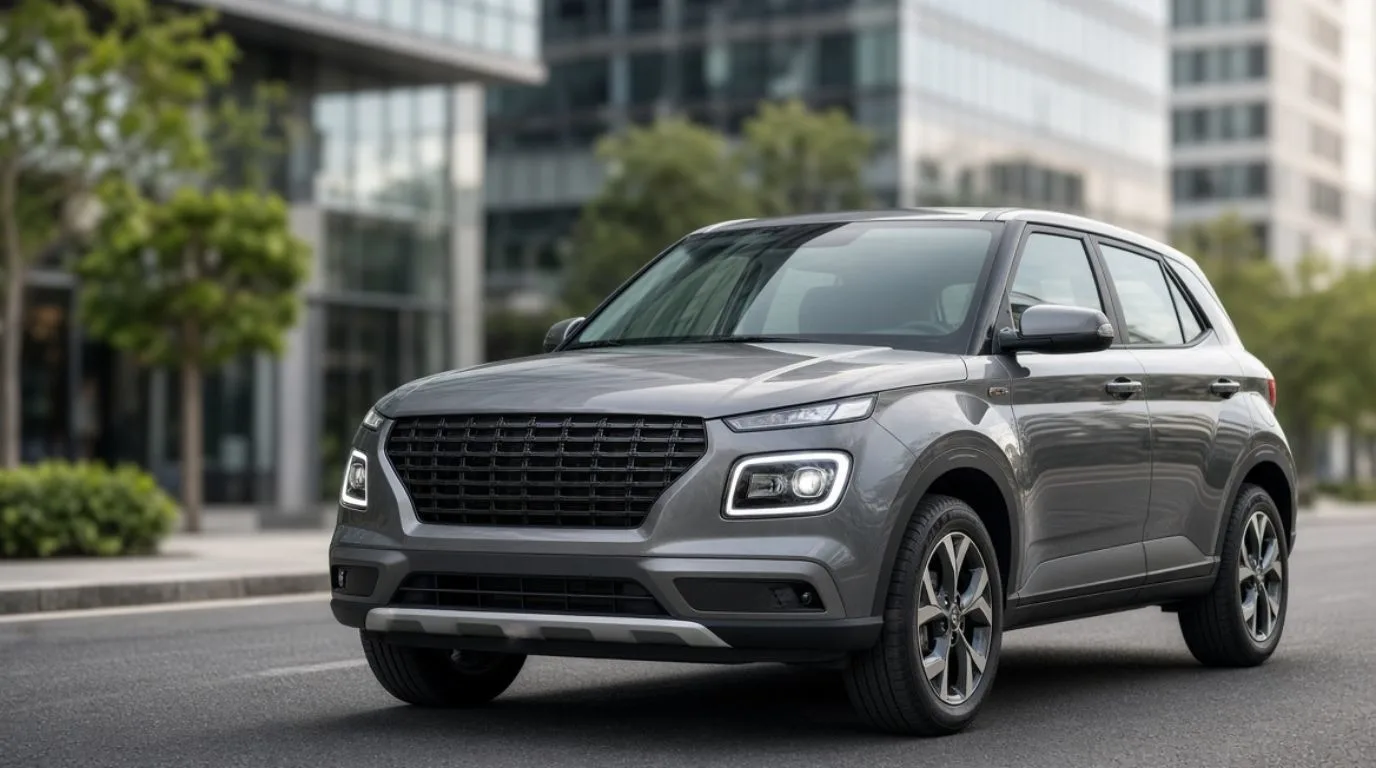
The 2026 Hyundai Venue is an important option for buyers considering a compact SUV in India, particularly those who prioritize modern technology, driver-assistance features and everyday practicality. Hyundai introduced a new-generation Venue for the Indian market, bringing updated styling, a redesigned cabin and a stronger focus on safety and connected features.
For buyers, the key questions are straightforward: How much does the 2026 Hyundai Venue cost, what mileage can its engine options deliver, and which variants offer advanced driver-assistance systems (ADAS)?
This guide focuses on the Indian-market Hyundai Venue. Prices, equipment and powertrain details can differ by variant, and the advertised fuel-efficiency figure should not be treated as a guarantee of real-world mileage.
2026 Hyundai Venue: Quick Overview
The Venue is a subcompact SUV designed for urban driving and everyday family use. Its compact footprint makes it suitable for city traffic, while its elevated seating position, flexible engine range and available convenience technology broaden its appeal.
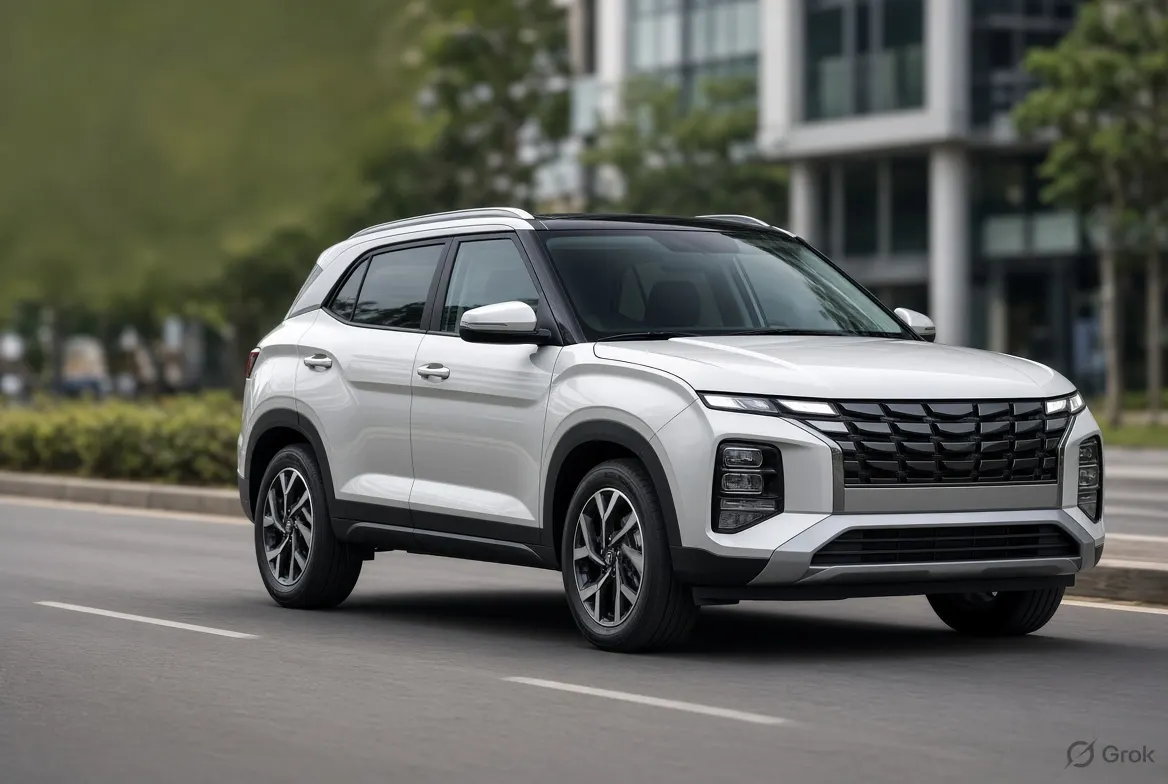
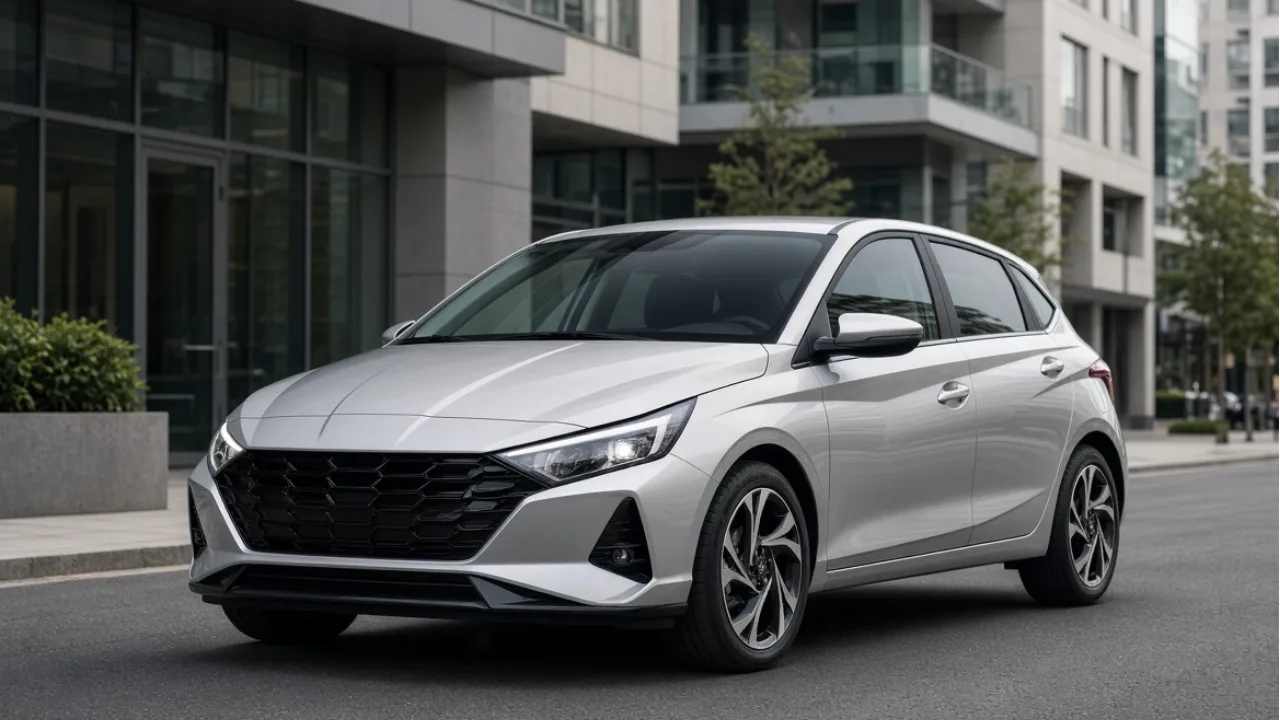
The 2026 model’s main areas of interest are its updated design, feature-rich cabin, range of petrol and diesel powertrains, and available driver-assistance technology. However, buyers should check the exact variant before assuming a particular feature is included.
2026 Hyundai Venue Price in India
Hyundai lists the all-new Venue at a starting ex-showroom price of ₹7,99,900 in India. The final price depends on the engine, transmission, variant and location.
The lineup includes standard Venue variants and special Knight editions. Higher trims add equipment such as a turbo-petrol engine, automatic transmission, upgraded displays, premium audio and additional driver-assistance technology.
| Price detail | Information |
|---|---|
| Starting ex-showroom price | ₹7,99,900 |
| Market | India |
| Body style | Subcompact SUV |
| Fuel options | Petrol and diesel |
| Transmission options | Manual, DCT automatic and torque-converter automatic, depending on engine |
| On-road price | Varies by city, taxes, registration and insurance |
The ex-showroom figure does not include all the costs involved in buying and registering the car. Before booking, ask a Hyundai dealer for a written on-road quotation for your preferred variant.


Hyundai Venue Mileage: What Can Buyers Expect?
The claimed fuel efficiency varies with the engine and gearbox. Published figures for the Indian-market Venue are:
| Engine and transmission | Claimed fuel efficiency |
|---|---|
| 1.2-liter petrol, manual | 18.05 km/l |
| 1.0-liter turbo-petrol, manual | 18.74 km/l |
| 1.0-liter turbo-petrol, 7-speed DCT | 20.00 km/l |
| 1.5-liter diesel, manual | 20.99 km/l |
| 1.5-liter diesel, automatic | 17.90 km/l |
These are claimed figures, not guaranteed results for every driver. Actual mileage depends on traffic, driving style, road conditions, air-conditioning use, vehicle load and maintenance.
For frequent city trips, the naturally aspirated petrol engine may appeal to buyers who want a straightforward powertrain. The turbo-petrol is worth considering for those who want stronger performance, while the diesel may suit drivers who regularly cover longer distances. The right choice depends on annual mileage, typical routes and the price difference between variants.
Engine Options and Performance
Hyundai offers three engine options in the Indian Venue range. Their availability depends on the trim.
| Engine | Maximum power | Maximum torque | Transmission options |
|---|---|---|---|
| 1.2-liter Kappa petrol | 83 PS | 114.7 Nm | 5-speed manual |
| 1.0-liter turbo-GDi petrol | 120 PS | 172 Nm | 6-speed manual or 7-speed DCT |
| 1.5-liter CRDi diesel | 116 PS | 250 Nm | 6-speed manual or 6-speed automatic |
The 1.2-liter petrol is the entry-level choice and is paired with a manual gearbox. The turbo-petrol offers higher output and is available with either a manual or dual-clutch automatic transmission, depending on the variant.
The diesel produces 250 Nm of torque, which can be useful for highway driving and overtaking. Its automatic option may also appeal to drivers who want a diesel SUV without a manual clutch.
Power figures alone do not determine which engine is best. Buyers should compare the on-road price, transmission, expected fuel use and the equipment included with each variant.
Hyundai Venue ADAS: Features and How They Work
One of the Venue’s major technology highlights is Hyundai SmartSense Level 2 ADAS, available on selected higher variants. ADAS stands for advanced driver-assistance systems. These systems use sensors and cameras to help drivers detect certain hazards and respond to specific situations.
Depending on the equipment fitted, the Venue’s driver-assistance features include:
- Forward Collision-Avoidance Assist: Can warn the driver and may apply braking in certain detected collision-risk situations.
- Lane Keeping Assist: Can help steer the vehicle to reduce unintended lane departures when the system detects relevant lane markings.
- Lane Following Assist: Helps the vehicle remain near the center of its lane under suitable conditions.
- Smart Cruise Control with Stop & Go: Helps maintain a set speed and following distance in supported conditions, including some stop-and-go traffic situations.
- Driver Attention Warning: Can alert the driver when the system detects signs that attention may be needed.
- High Beam Assist: Can automatically adjust the high-beam headlights in response to detected traffic conditions.
- Parking Collision-Avoidance Assist – Rear: Can provide warnings and, under supported conditions, apply braking when a rear parking collision risk is detected.
- Blind-Spot View Monitor: Displays a camera view of the relevant side of the vehicle in supported situations.
- Surround View Monitor: Uses camera views to help the driver judge the area around the SUV while maneuvering.
ADAS availability is variant-specific. Hyundai’s feature information lists several of these systems on the top HX10 trims rather than across the entire range. Buyers should check the current variant chart carefully before paying extra for a particular safety feature.
These systems do not make the Venue a self-driving car. Drivers must remain attentive, keep their hands and attention where required, and be prepared to brake or steer at all times. Performance can be affected by poor visibility, unclear lane markings, weather, road layout and other conditions.
Hyundai Venue Safety Features
The Venue’s safety package extends beyond ADAS. Hyundai lists several active and passive safety systems, with equipment varying by trim.
Key features include:
- Six airbags, including side and curtain airbags
- Anti-lock braking system (ABS) with electronic brake-force distribution (EBD)
- Electronic Stability Control (ESC)
- Vehicle Stability Management (VSM)
- Hill-start Assist Control (HAC)
- Three-point seat belts and reminders for all seats
- ISOFIX child-seat mounting points
- Tire Pressure Monitoring System (TPMS) on specified variants
- Rear parking sensors
- All-wheel disc brakes on selected variants
- Surround View Monitor and Blind-Spot View Monitor on higher trims
The distinction between standard equipment and optional or variant-specific technology matters. For example, Hyundai’s feature chart shows six airbags and ESC across the listed range, while several advanced parking and driver-assistance features are restricted to higher trims.
Bharat NCAP Safety Rating
Hyundai announced on March 30, 2026, that the all-new Venue and Venue N Line had received five-star Bharat NCAP safety ratings for adult and child occupant protection.
The rating is an important point for families comparing compact SUVs, but buyers should still review the official assessment and its applicability to the exact model and variants they are considering. A crash-test rating measures performance under defined test conditions; it does not eliminate the risk of injury in a real-world collision.

Exterior Design and Dimensions
The new-generation Venue retains a compact SUV body while adopting a more substantial design. Hyundai highlights a dark-chrome radiator grille, distinctive lighting, and available diamond-cut alloy wheels.
The published dimensions are:
| Dimension | Measurement |
|---|---|
| Length | 3,995 mm |
| Width | 1,800 mm |
| Height | 1,665 mm |
| Fuel tank capacity | 45 liters |
| Body style | Subcompact SUV |
| Driveline | Front-wheel drive |
Dimensions can vary slightly with equipment and wheel configuration. The Venue’s length keeps it within the sub-four-meter SUV category in India, a segment shaped in part by local tax rules.
For urban buyers, the compact length can make parking and maneuvering easier than in a larger SUV. However, the exterior dimensions alone do not determine rear-seat comfort or luggage space, so a physical inspection is worthwhile if the vehicle will regularly carry a full family.
Interior, Infotainment and Comfort Features
The Venue’s cabin places considerable emphasis on digital displays and connectivity. Depending on the variant, available equipment includes:
- Dual curved panoramic displays combining a digital instrument cluster and infotainment screen
- Wireless Android Auto and Apple CarPlay
- Connected-car functions through Hyundai Bluelink
- Voice-enabled smart electric sunroof
- Front-row ventilated seats
- Ambient cabin lighting
- Bose premium audio system
- Over-the-air vehicle software updates
- Automatic climate-control and convenience features on selected trims
The largest displays and premium equipment are not available throughout the lineup. Buyers should compare the variant-wise equipment list rather than assuming that every advertised feature comes with the entry-level model.
For daily use, wireless smartphone connectivity can reduce cable clutter, while a digital instrument cluster can make driving information easier to view. Connected-car services and remote functions may depend on the feature package, network availability, compatible devices and applicable service terms.
Which Hyundai Venue Variant Should You Consider?
The best variant depends on your budget and priorities. Instead of choosing solely by the trim name, compare the engine, transmission and safety equipment together.
- For budget-focused city driving: Consider a 1.2-liter petrol manual variant if you prefer a conventional petrol engine and do not need an automatic gearbox.
- For stronger petrol performance: Look at the 1.0-liter turbo-petrol variants, particularly if you want the option of a manual or DCT automatic.
- For regular highway travel: Compare the 1.5-liter diesel variants, paying attention to the manual and automatic options and their respective claimed mileage.
- For maximum driver assistance: Check the highest equipment levels, where Hyundai lists features such as Level 2 ADAS and advanced camera-based parking aids.
- For premium cabin equipment: Compare the availability of the larger displays, ventilated front seats, panoramic-style display setup and premium audio before deciding.
Do not assume that the most expensive trim is automatically the best value. If you mainly drive in the city and rarely use advanced assistance features, a lower variant may meet your needs at a lower purchase price.
Hyundai Venue vs. Its Main Rivals
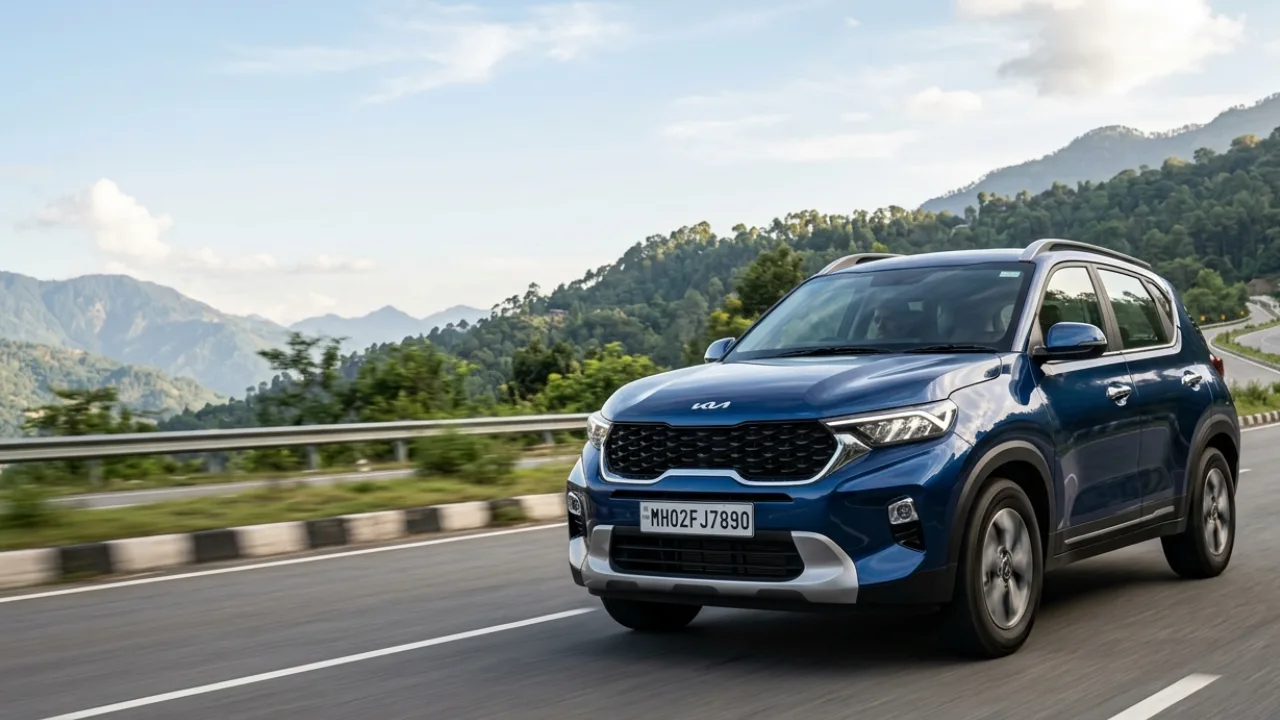
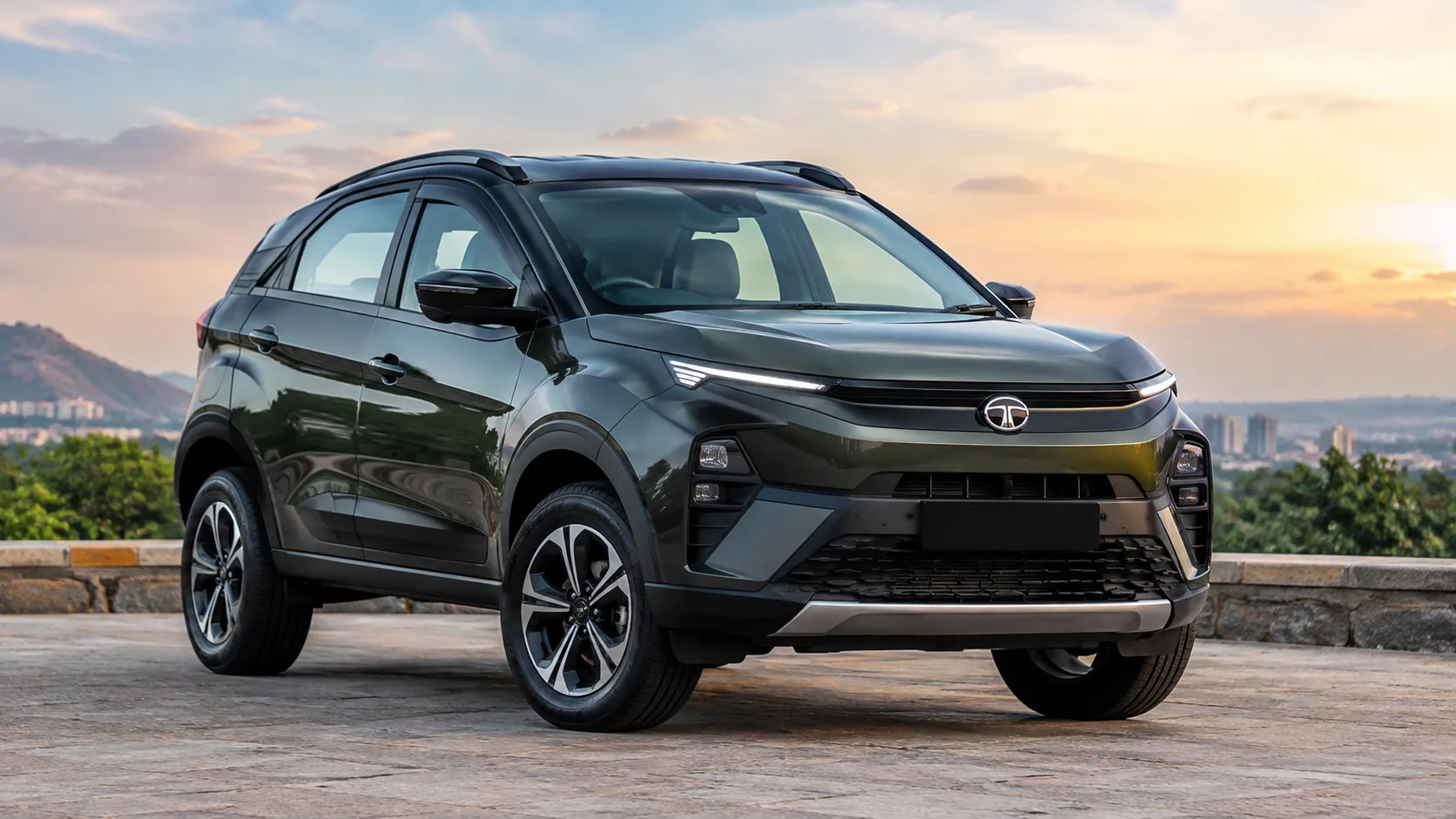
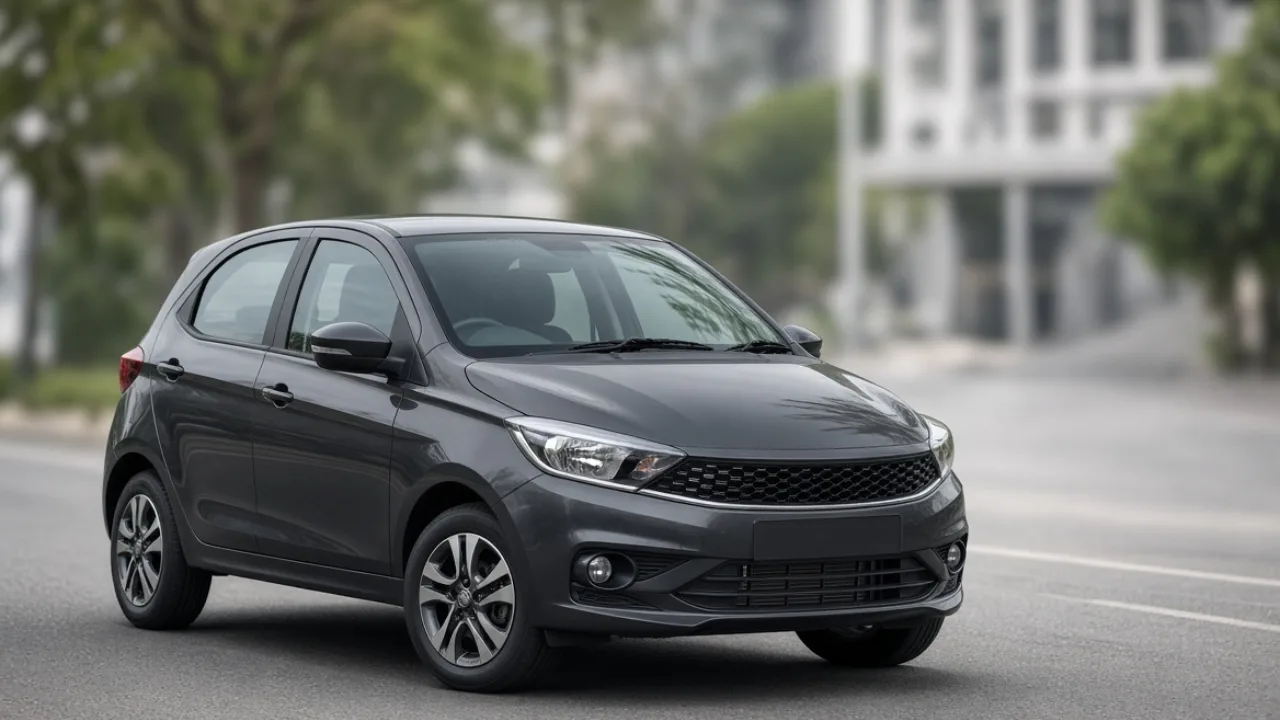
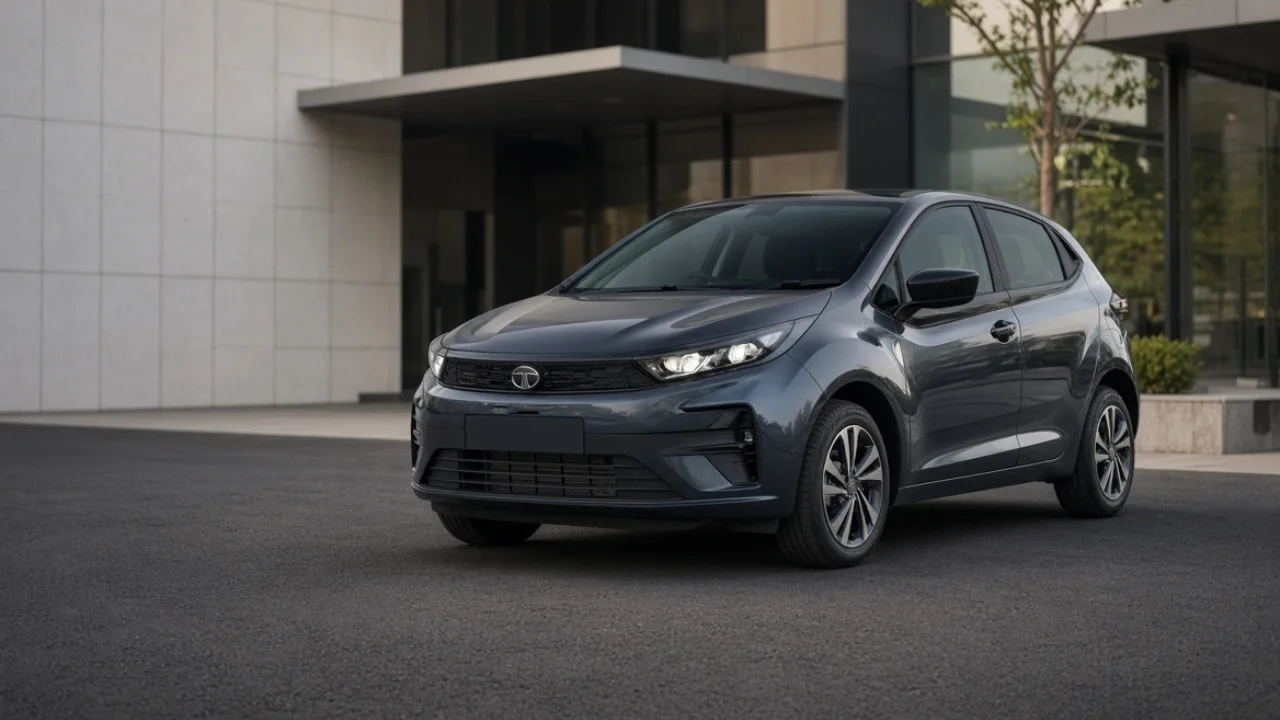
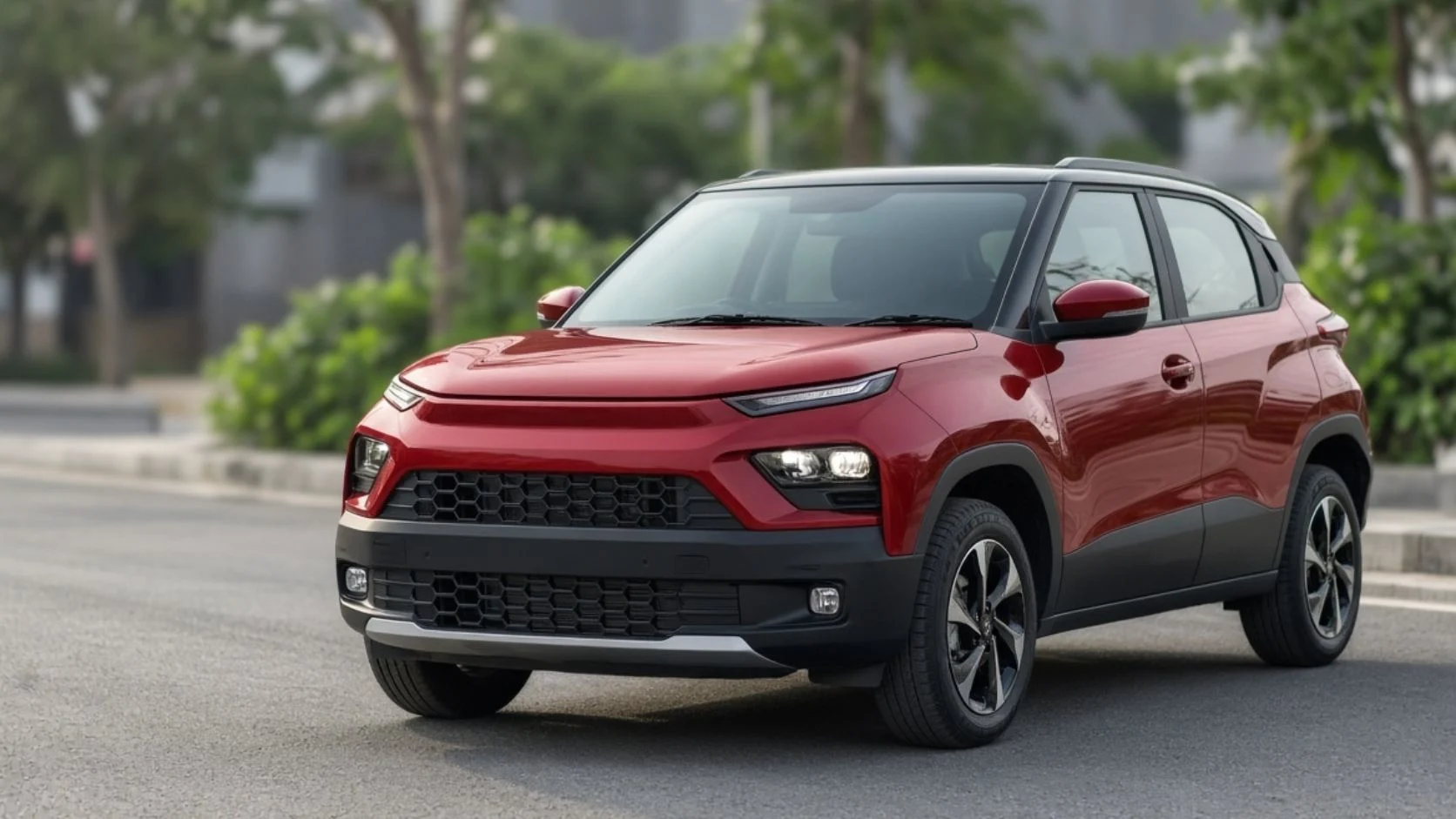
The Venue competes in India’s crowded subcompact SUV market. Alternatives include the Maruti Suzuki Brezza, Kia Sonet, Tata Nexon, Mahindra XUV 3XO and Skoda Kylaq.
Each model has a different mix of powertrains, cabin equipment, safety technology and pricing. A fair comparison should use similarly priced variants rather than comparing one model’s base version with a rival’s fully equipped trim.
When shortlisting these SUVs, compare:
- Ex-showroom and on-road prices in your city
- Petrol and diesel availability, where applicable
- Manual and automatic transmission choices
- Claimed fuel efficiency and independent real-world tests
- Standard safety equipment and crash-test ratings
- ADAS availability and operating limitations
- Rear-seat comfort, boot space and parking convenience
- Warranty coverage and service costs
The Venue’s combination of engine choices, connected features and available driver-assistance systems makes it worth considering. The best purchase will depend on which features you actually need and how each variant fits your budget.
What Buyers Should Know Before Booking
Before making a booking, take these steps:
- Confirm the current price. Ask for an itemized on-road quotation that includes registration, insurance and other applicable charges.
- Verify the exact powertrain. Check the engine and gearbox combination for the variant you want.
- Confirm ADAS availability. Ask the dealer to identify the driver-assistance features included in that specific trim.
- Review safety equipment. Check the airbag configuration, stability control, parking aids and official crash-test assessment.
- Take a test drive. Evaluate visibility, seating comfort, ride quality, braking, engine response and gearbox behavior on roads similar to your daily route.
- Compare ownership costs. Consider fuel use, servicing, insurance and your expected annual distance, not just the initial price.
Prices and equipment can change. The manufacturer’s latest price list and variant chart should take priority over older listings.
Final Thoughts
The 2026 Hyundai Venue is a technology-focused subcompact SUV for the Indian market, with petrol and diesel engines, multiple transmission choices and a wide range of available comfort and safety features. Its five-star Bharat NCAP result for adult and child occupant protection is a significant consideration for buyers who place safety high on their list.

The main decision is which version makes sense for your use. A lower petrol variant may be sufficient for everyday urban travel, while a turbo-petrol or diesel model may better suit different performance and driving-distance requirements. Buyers who want Level 2 ADAS and premium cabin technology should check the higher variants carefully.
Before booking, confirm the latest ex-showroom and on-road price, the exact equipment list and the safety features fitted to your chosen variant.
Frequently Asked Questions
What is the starting price of the 2026 Hyundai Venue in India?
Hyundai’s official India website lists a starting ex-showroom price of ₹7,99,900 for the all-new Venue. On-road prices vary by city, insurance, registration and other charges.
What mileage does the 2026 Hyundai Venue offer?
Published claimed figures range from 17.90 km/l for the diesel automatic to 20.99 km/l for the diesel manual, depending on the powertrain. The petrol figures listed are 18.05 km/l for the 1.2-liter manual, 18.74 km/l for the turbo-petrol manual and 20.00 km/l for the turbo-petrol DCT. Real-world mileage can differ.


Does the 2026 Hyundai Venue have ADAS?
Yes. Hyundai offers SmartSense Level 2 ADAS on selected variants. Features and availability depend on the trim, so buyers should verify the equipment list before booking.
Does the Hyundai Venue have a five-star safety rating?
Hyundai announced that the all-new Venue and Venue N Line received five-star Bharat NCAP ratings for adult and child occupant protection in March 2026. Buyers can consult the official assessment for details about the tested vehicle and rating applicability.
Which engines are available in the Indian Hyundai Venue?
The range includes a 1.2-liter naturally aspirated petrol, a 1.0-liter turbo-GDi petrol and a 1.5-liter CRDi diesel. Transmission availability varies by engine and trim.
Is the Hyundai Venue available with an automatic transmission?
Yes. Selected turbo-petrol variants offer a 7-speed DCT, while selected diesel variants offer a 6-speed automatic. The 1.2-liter petrol is paired with a 5-speed manual.
Which Hyundai Venue variant has ADAS?
Hyundai’s variant-wise feature information lists key ADAS functions on the HX10 and HX10 Knight trims. Confirm the latest equipment chart with Hyundai because variant specifications can change.
Is the 2026 Hyundai Venue suitable for family use?
It can suit families looking for a compact SUV with modern infotainment, multiple engine options and available advanced safety technology. A test drive is recommended to check rear-seat comfort, child-seat installation, luggage needs and visibility.