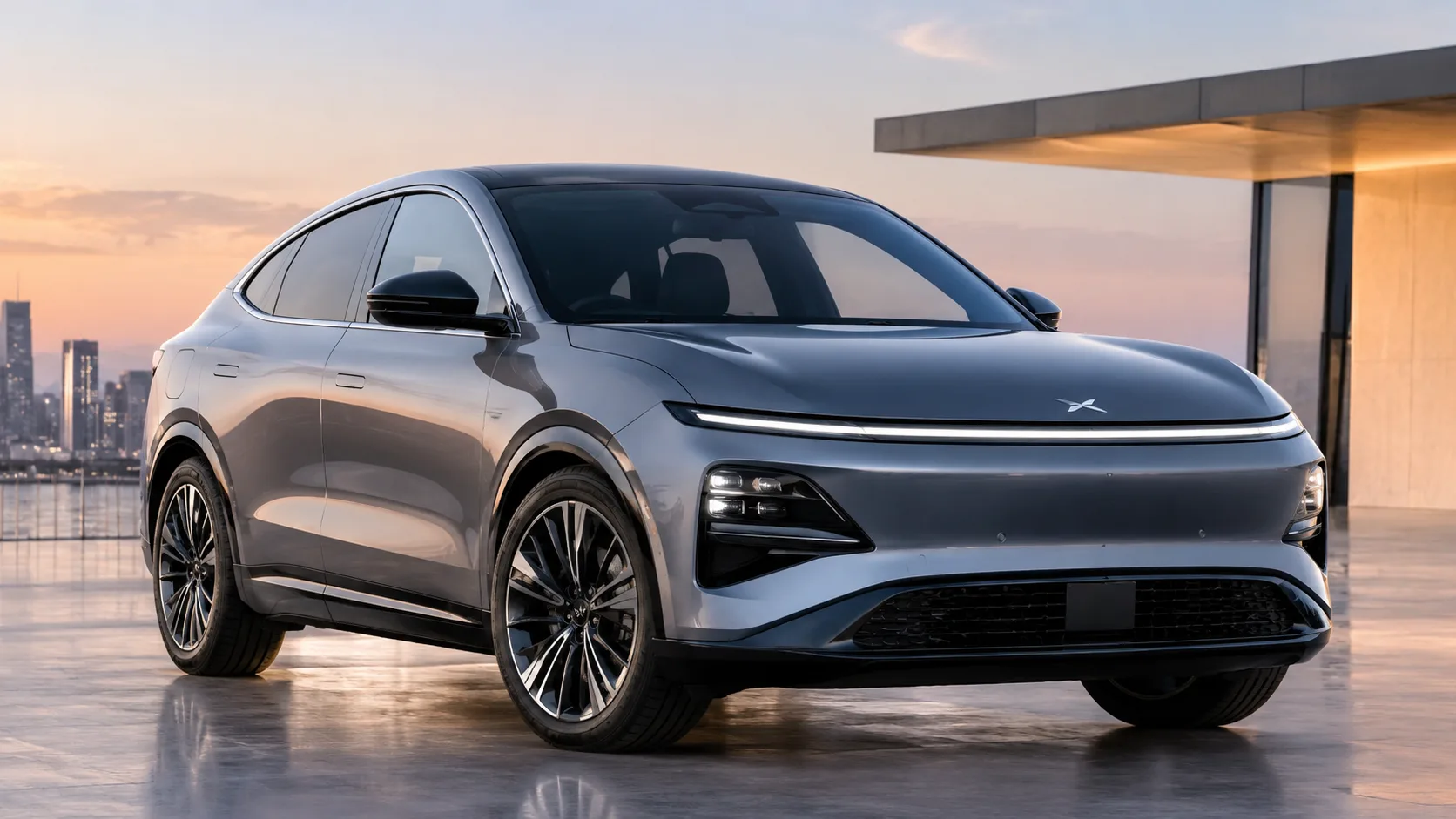
The 2026 XPeng G6 is an electric SUV designed around three important priorities: long-distance driving capability, ultra-fast charging and advanced driver-assistance technology. Developed by Chinese electric vehicle manufacturer XPeng, the G6 combines an 800-volt electrical architecture, a 5C supercharging battery and a technology-focused cabin in a practical five-seat SUV.
The updated G6 is particularly interesting because its charging performance is a major part of its appeal. Depending on the battery and market specification, the SUV supports DC fast charging at up to 451 kW, with XPeng quoting a 10% to 80% charging time of approximately 12 minutes for compatible versions.
However, the G6 is not identical in every country. European, Australian and Chinese versions have different battery configurations, range ratings, equipment and available driver-assistance systems. Understanding these differences is important before comparing specifications or considering a purchase.
This guide examines the 2026 XPeng G6’s electric range, battery technology, charging performance, interior features and advanced driver technology, using market-specific information rather than treating every version as identical.

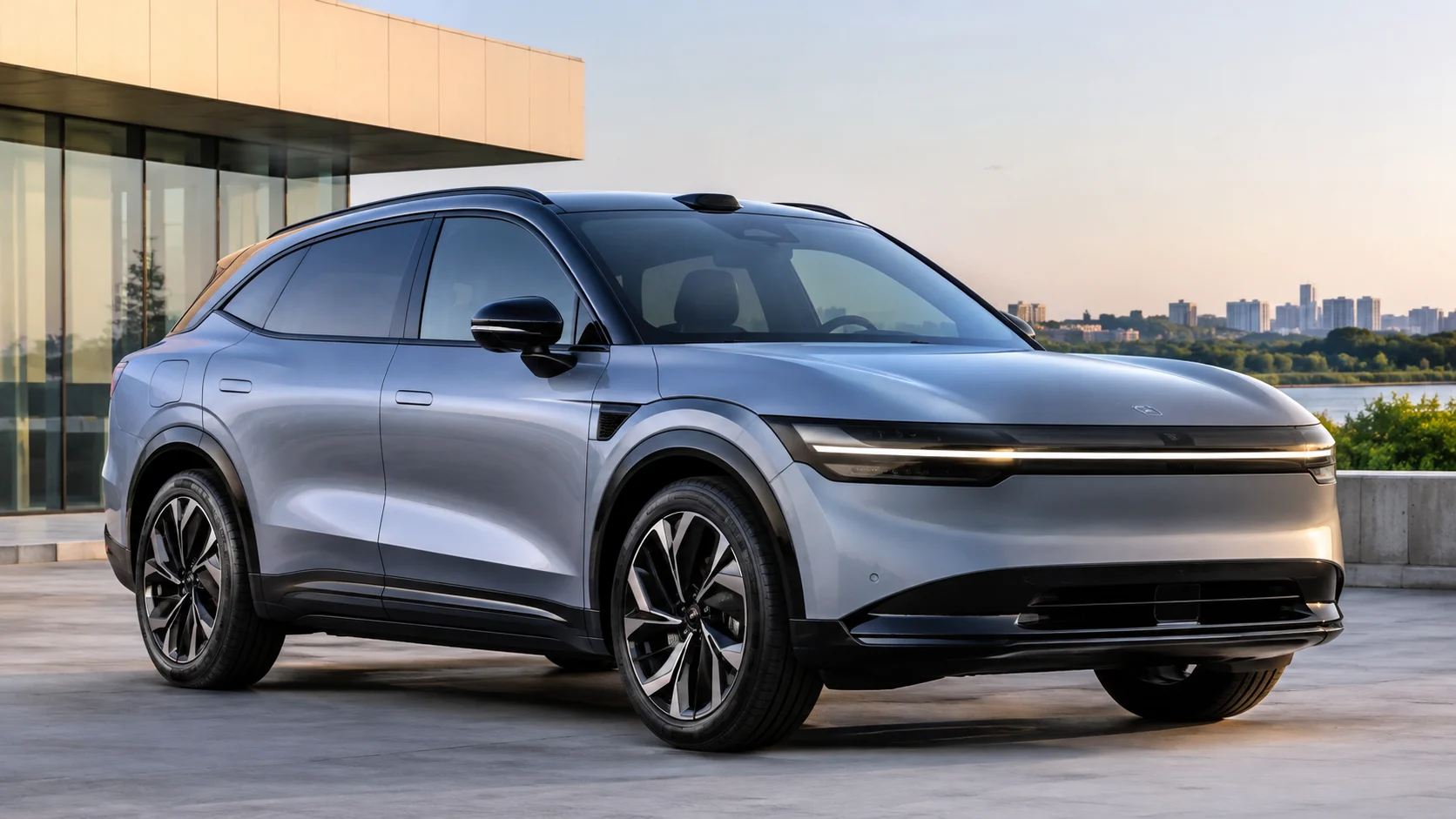
2026 XPeng G6: Key Specifications
The updated international G6 lineup is available with rear-wheel-drive and all-wheel-drive configurations, depending on the market.
The following specifications describe the European-market versions documented in XPeng’s technical information.
| Specification | RWD Standard Range | RWD Long Range | AWD Performance |
|---|---|---|---|
| Battery capacity (gross) | 68.5 kWh | 80.8 kWh | 80.8 kWh |
| Battery chemistry | LFP | LFP | LFP |
| Maximum power | 185 kW | 218 kW | 358 kW |
| Maximum torque | 440 Nm | 440 Nm | 660 Nm |
| Drivetrain | RWD | RWD | AWD |
| WLTP range | Up to 480 km | 525 km | 510 km |
| Maximum DC charging | 382 kW | 451 kW | 451 kW |
| 10–80% DC charging | Approx. 12 minutes | Approx. 12 minutes | Approx. 12 minutes |
| 0–100 km/h | 6.9 seconds | 6.7 seconds | 4.1 seconds |
| Seating capacity | 5 | 5 | 5 |
| Boot capacity | 571 litres | 571 litres | 571 litres |
Specifications are based on XPENG’s published European-market technical data. Standard Range range figures depend on wheel size. Equipment and homologated figures may vary between countries.
XPENG G6 Electric Range: How Far Can It Travel?
The XPENG G6 offers three main battery and powertrain configurations in its European lineup. Buyers can choose between the Standard Range, Long Range and Performance versions.
The RWD Long Range is the version designed to maximize driving distance between charging stops.
It offers an official WLTP range of up to 525 km, supported by an 80.8 kWh gross-capacity lithium iron phosphate (LFP) battery.
Range by Battery Version
RWD Standard Range
The Standard Range model uses a 68.5 kWh gross-capacity LFP battery and produces 185 kW of power.

Its official WLTP range is up to 480 km with 18-inch wheels. Choosing the optional 20-inch wheels reduces the quoted figure to 470 km.
This version is aimed at drivers who mainly travel within cities and surrounding areas but still want enough range for occasional longer journeys.
RWD Long Range
The Long Range version has an 80.8 kWh gross-capacity battery and a claimed WLTP range of 525 km.
Its rear-wheel-drive configuration produces 218 kW and 440 Nm of torque.
For buyers who regularly travel between cities, this version offers the most driving range among the fully electric European G6 variants.
AWD Performance
The AWD Performance model uses the same 80.8 kWh gross battery capacity but adds a second electric motor.

Its combined output reaches 358 kW and 660 Nm of torque. The official WLTP range is 510 km.
The slightly shorter range compared with the Long Range version reflects the Performance model’s additional power and all-wheel-drive hardware.
What Affects Real-World XPENG G6 Range?
WLTP figures provide a standardized comparison, but everyday driving conditions can produce different results.
Factors affecting the actual range include:
- Highway speed and acceleration.
- Outside temperature.
- Air-conditioning and heating use.
- Wheel and tire specifications.
- Passenger and luggage weight.
- Road gradients.
- Traffic conditions.
- Battery temperature.
Cold weather can also increase energy consumption because the vehicle needs additional energy to maintain a suitable cabin and battery temperature.
The G6 includes an intelligent thermal management system and heat pump technology to help manage energy use, particularly in colder conditions.
For buyers, the Long Range model is the more appropriate choice when minimizing charging stops is a priority.
XPENG G6 Battery Technology: 800V Platform and LFP Chemistry
Battery technology is central to the G6’s charging performance.

The updated international model combines lithium iron phosphate battery chemistry with XPENG’s 800V high-voltage electrical architecture.
What Is an LFP Battery?
LFP stands for lithium iron phosphate.
It is a lithium-ion battery chemistry that uses iron phosphate as its cathode material.
LFP batteries are commonly used in electric vehicles because they offer several useful characteristics:

- Good thermal stability.
- Long cycle-life potential.
- Reduced dependence on nickel and cobalt.
- Suitable performance for regular charging.
- Established battery manufacturing technology.
The G6’s battery system is designed to support both everyday driving and high-power charging.
However, battery longevity depends on temperature, charging habits, usage and other operating conditions. LFP chemistry alone does not guarantee a particular battery lifespan.
Understanding the 800V Electrical Architecture
An 800V platform allows an electric vehicle to transfer high electrical power at lower current than a comparable lower-voltage system.
This can help reduce electrical losses and support faster charging when the battery and charging equipment are designed to handle the required power.
XPENG combines its high-voltage platform with silicon carbide (SiC) power electronics.
Silicon carbide components are used in power conversion systems because they can operate efficiently under demanding electrical conditions.
The combination of the 800V architecture, battery design and thermal management system helps the G6 achieve its high advertised DC charging figures.
XPENG G6 Fast Charging: Up to 451 kW DC Charging
Fast charging is one of the G6’s main selling points.
XPENG advertises a maximum DC charging capacity of 451 kW for the Long Range and AWD Performance versions in markets where these specifications are offered.
The Standard Range version supports up to 382 kW.
XPENG G6 Charging Specifications
| Charging Detail | Standard Range | Long Range / AWD Performance |
|---|---|---|
| Maximum DC charging power | 382 kW | 451 kW |
| 10–80% charging time | Approximately 12 minutes | Approximately 12 minutes |
| AC charging capacity | 11 kW | 11 kW |
| Charging connector in Europe | CCS2 | CCS2 |
XPENG also describes the battery as a 5C supercharging battery.
The C-rate describes charging power relative to battery capacity. A higher C-rate indicates the battery is designed to accept a greater charging rate relative to its capacity.
However, the 451 kW figure is a maximum capability, not a charging speed that the vehicle maintains throughout the session.
How Long Does the XPENG G6 Take to Charge?
XPENG quotes approximately 12 minutes for charging from 10% to 80% on compatible versions using suitable high-power DC charging equipment.
This is an exceptionally short manufacturer-quoted charging window for an electric SUV.
Nevertheless, the result depends on several conditions:

- The charger must support the required power.
- The battery must be within a suitable temperature range.
- The initial battery charge level matters.
- The charging station must be operating correctly.
- The vehicle’s charging system must permit the requested power.
A public charger advertised as 350 kW, for example, cannot deliver the G6’s full 451 kW capability.
Even when a sufficiently powerful charger is available, the vehicle’s actual charging curve determines how much power it receives at different battery levels.
Home Charging and AC Charging
DC charging is useful during longer journeys, but most owners will likely rely on AC charging for regular overnight charging.
The G6 supports up to 11 kW AC charging in the European specification.
XPENG quotes the following charging times:
- Standard Range: approximately 7.3 hours from 5% to 100%.
- Long Range: approximately 9.2 hours from 5% to 100%.
- AWD Performance: approximately 9.2 hours from 5% to 100%.
These figures assume a compatible AC installation and the relevant charging conditions.
Home charging is generally more convenient when the vehicle remains parked overnight or for extended periods.
Vehicle-to-Load Technology
The G6 also supports Vehicle-to-Load (V2L) functionality in applicable configurations.


V2L allows the vehicle’s battery to supply electricity to compatible external devices through suitable equipment.
This can be useful for powering smaller electrical appliances during outdoor activities, camping or other situations where a conventional electrical outlet is unavailable.
The Australian Long Range and Performance specifications list a maximum V2L output of 6 kW.
V2L availability and equipment can differ between markets.
XPENG G6 Performance: Rear-Wheel Drive vs All-Wheel Drive
The G6 offers different performance characteristics depending on the selected powertrain.
The Standard Range and Long Range models use a single rear-mounted electric motor, while the AWD Performance version adds a front motor.
This gives buyers a choice between efficiency-oriented driving and stronger acceleration.
RWD Standard Range
The Standard Range version produces:
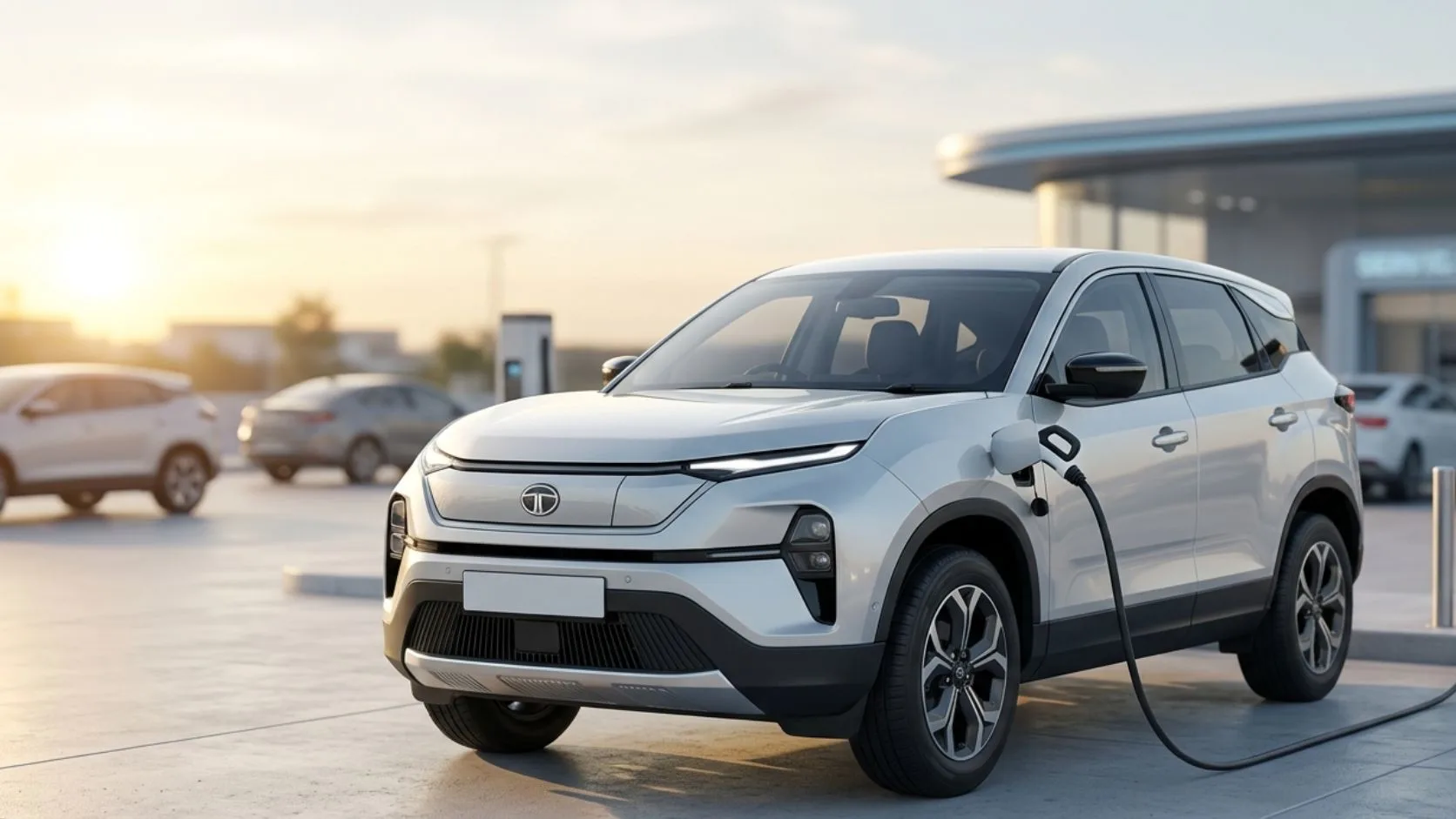
- 185 kW of maximum power.
- 440 Nm of maximum torque.
- 0–100 km/h acceleration in approximately 6.9 seconds.
It is designed for everyday driving rather than maximum acceleration.
RWD Long Range
The Long Range model increases motor output to 218 kW while retaining 440 Nm of torque.
XPENG quotes a 0–100 km/h time of approximately 6.7 seconds.
Its combination of rear-wheel drive, higher battery capacity and extended WLTP range makes it the balanced choice in the lineup.
AWD Performance
The AWD Performance version has two electric motors and produces a combined 358 kW and 660 Nm.
It can accelerate from 0–100 km/h in approximately 4.1 seconds.
All-wheel drive provides power to both axles, helping distribute traction under acceleration.
The Performance model is therefore better suited to buyers who prioritize acceleration and additional traction over achieving the longest possible driving range.
XPENG G6 Advanced Driver Technology: XPILOT Assist
Advanced driver-assistance technology is another important part of the G6’s equipment.
XPENG uses its XPILOT Assist system to provide a range of driving, safety and parking assistance functions.
These systems use cameras, radar sensors and other vehicle hardware to monitor the surrounding environment and assist the driver.
The exact hardware and software capabilities depend on the selected trim and market.

Adaptive Cruise Control
Adaptive Cruise Control (ACC) helps maintain a selected cruising speed and distance from the vehicle ahead.
If traffic slows, the system can adjust the vehicle’s speed to maintain the selected following distance.
This can reduce driver workload during suitable highway journeys.
Lane Centering Control
Lane Centering Control (LCC) assists with steering to help keep the vehicle positioned within its detected lane.
It works alongside other driver-assistance functions to reduce the need for continuous small steering corrections.
The driver must still remain attentive and keep control of the vehicle.
Automatic Emergency Braking
Automatic Emergency Braking (AEB) is designed to detect potential forward collisions and apply braking assistance when necessary.
The system can help reduce collision severity or potentially avoid certain accidents, depending on speed, road conditions and the detected obstacle.
It should not be treated as a replacement for attentive driving.
Lane Departure and Lane Keeping Assistance
The G6 includes several functions designed to help drivers remain within their lane.
These can include:
- Lane Departure Warning.
- Lane Keeping Assist.
- Emergency Lane Keeping.
- Lane Centering Control.
Lane Departure Warning alerts the driver when the vehicle unintentionally moves outside its detected lane.
Lane Keeping Assist can provide steering intervention when required.
Emergency Lane Keeping is designed to provide additional assistance in certain situations involving unintended lane departures.
Blind Spot Detection
Blind Spot Detection monitors areas beside and slightly behind the vehicle that may be difficult for the driver to see through the mirrors.
When another vehicle is detected in a monitored blind spot, the system can provide a warning.
This is particularly useful when changing lanes on multi-lane roads.
Rear Cross-Traffic Alert
Rear Cross-Traffic Alert helps detect approaching vehicles when the G6 is reversing out of a parking space or driveway.
The system can warn the driver about traffic approaching from either side behind the vehicle.
Traffic Sign Recognition
Traffic Sign Recognition uses the vehicle’s cameras to identify supported road signs.
It can display recognized speed limits and other relevant road information to help drivers remain aware of changing road conditions.
The availability and accuracy of recognition depend on visibility, road markings, sign condition and regional support.
Driver Monitoring
Driver State Monitoring helps identify signs of driver inattention or fatigue using the available monitoring hardware.
It can provide alerts when the system detects behavior that may indicate reduced driver attention.
This technology is intended to support safer driving rather than replace the driver’s responsibility.
XPENG G6 Parking Assistance Technology
Parking assistance is another area where the G6 uses its camera and sensor technology.
Depending on the market and equipment package, available functions include:
- 360-degree surround-view monitoring.
- Enhanced Automatic Parking Assist.
- Automatic Exit Parking Assist.
- Remote Parking Assist.
- Remote vehicle summoning.
- Transparent chassis visualization.
The surround-view system combines camera feeds to create a wider view around the vehicle.
This is particularly helpful when parking in tight spaces or maneuvering near obstacles.
Remote parking functions can allow the driver to control certain parking operations using a compatible smartphone or key.
However, these functions have operating limitations and may not be permitted in every situation or under every country’s road regulations.
Is XPENG G6 Self-Driving?
No. XPILOT Assist should not be confused with fully autonomous driving.
The system provides driver-assistance functions such as adaptive cruise control, lane assistance, collision warnings and parking support.
The driver remains responsible for monitoring traffic, maintaining control and responding to road conditions.
Weather, poor visibility, road markings and unexpected obstacles can affect the performance of these systems.
Buyers should also check which XPILOT functions are enabled in their particular market because hardware and software availability can differ between versions.
XPENG G6 Interior and Infotainment Technology
The G6 combines a minimalist dashboard design with a digital instrument display and a large central touchscreen.
Its interior is designed to provide a modern connected-car experience without relying on a large number of conventional dashboard buttons.
The following equipment refers to the documented European-market specification. Individual features vary by trim.
15.6-Inch Central Touchscreen
The central infotainment system uses a 15.6-inch touchscreen.
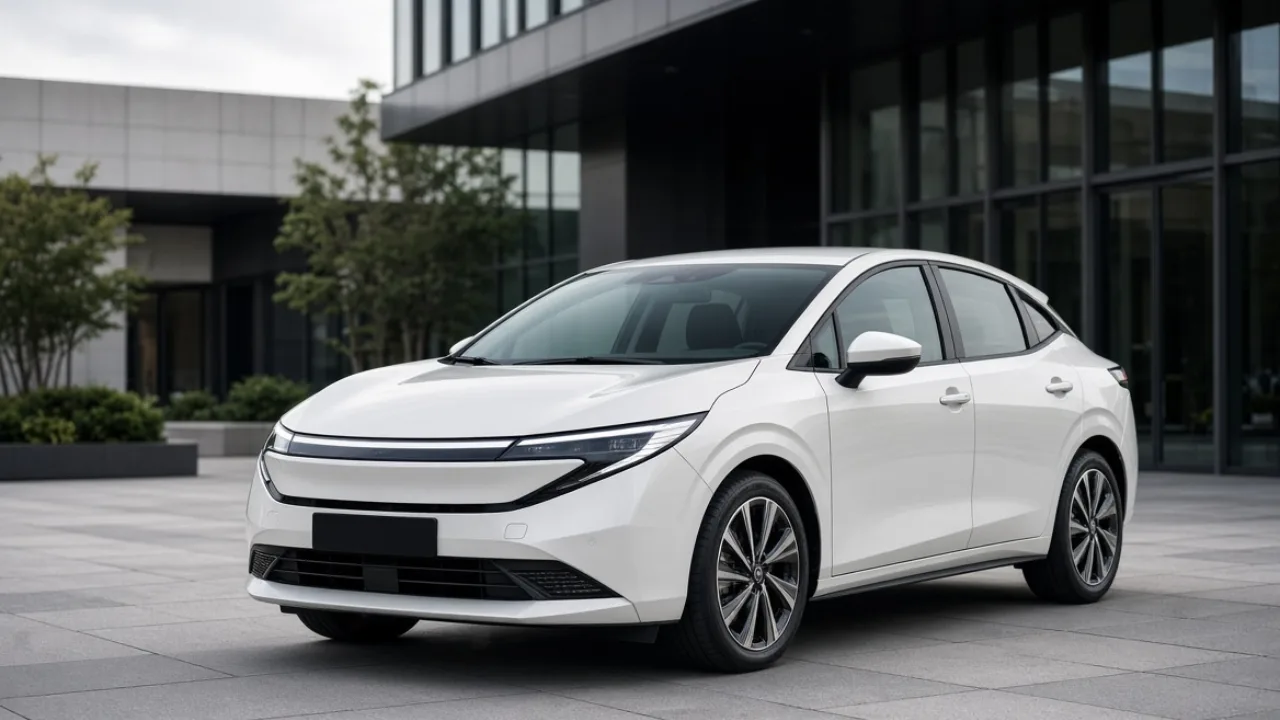
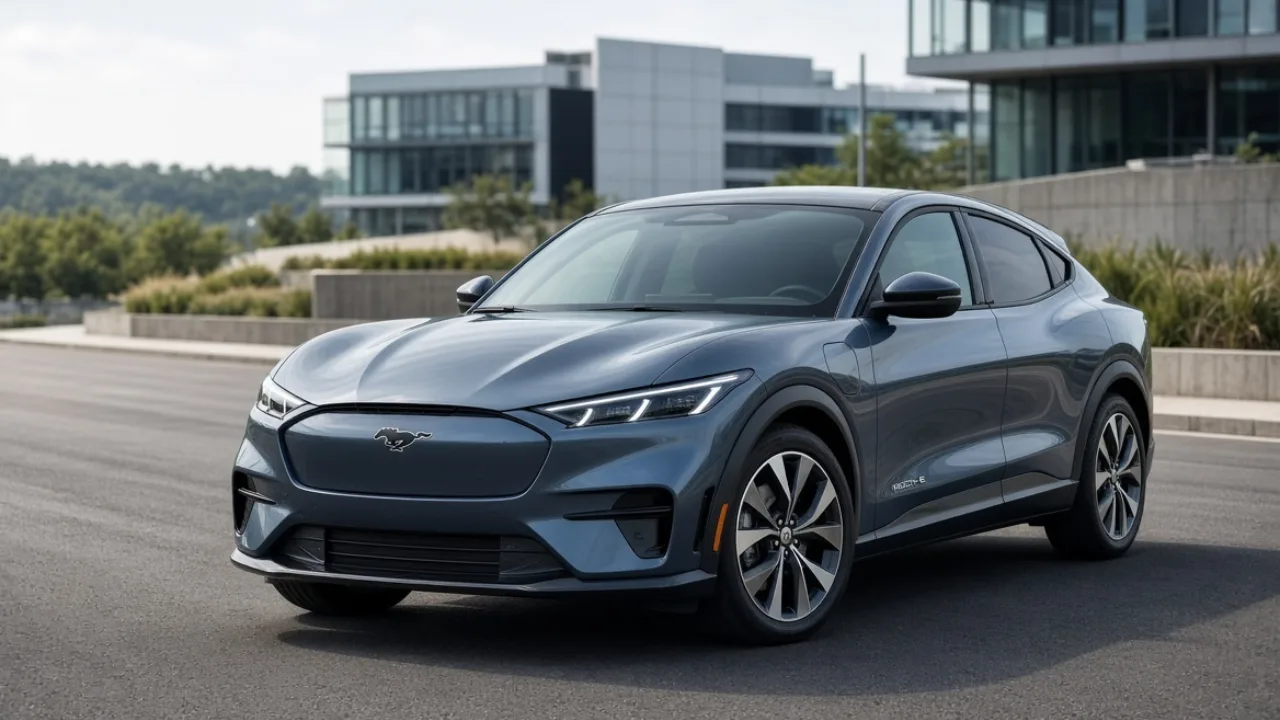
It provides access to vehicle settings, navigation, media, connectivity and other cabin functions.
The system also supports smartphone integration through Apple CarPlay and Android Auto in the documented UK specification.
Digital Instrument Display
A separate 10.25-inch digital instrument display provides driving information.
Drivers can use it to view important information such as speed, battery status and other vehicle data.
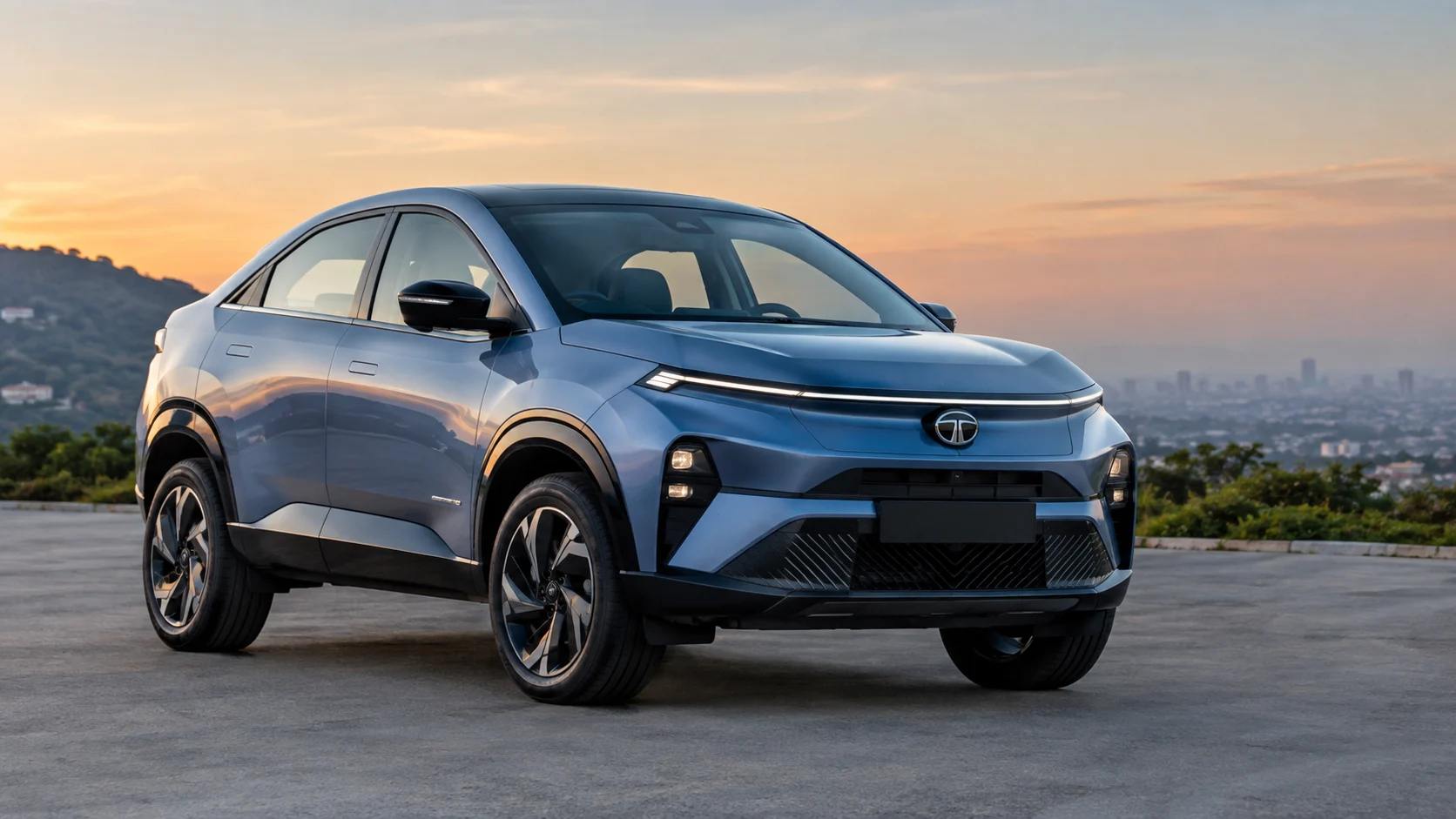

Keeping the instrument display separate from the main touchscreen helps provide a dedicated area for driving-related information.
Voice Assistant and Connected Features
The G6 includes XPENG’s voice-control technology.
Depending on the software version and market, drivers can use voice commands to access selected cabin functions.
Other connected features include:
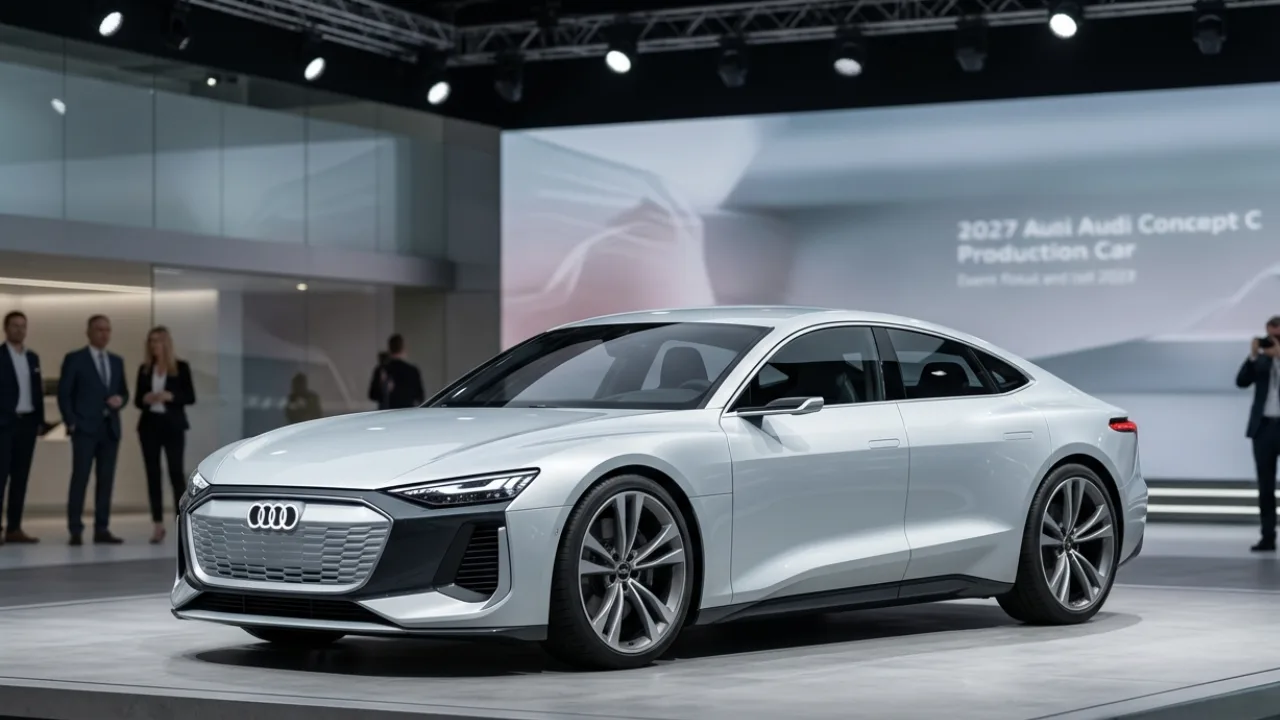
- Smartphone connectivity.
- Online navigation.
- Vehicle app integration.
- Remote vehicle functions.
- Over-the-air software updates.
- Connected entertainment applications.
Over-the-air (OTA) updates allow supported vehicle software to be updated without requiring every update to be installed through a conventional workshop visit.
However, not every update necessarily applies to every vehicle or market.
XPENG XOPERA Sound System
Higher-specification versions offer the XOPERA sound system.
The UK product information lists an 18-speaker setup with a surround-sound configuration.
This system is designed to provide a more immersive listening experience for occupants.
The exact audio equipment depends on the selected trim.
XPENG G6 Comfort, Seating and Practicality
The G6 is a five-seat electric SUV with a coupe-inspired roofline.
Its cabin is designed to balance passenger comfort with everyday practicality.
Depending on the trim, available equipment includes heated and ventilated front seats, power adjustment, lumbar support and massage functions.
The rear seats also feature an adjustable backrest.
This allows passengers to change their seating position rather than being limited to a fixed upright angle.
Boot Space
The European-market technical information lists:
| Storage Detail | Capacity |
|---|---|
| Standard boot capacity | 571 litres |
| Maximum capacity with rear seats folded | 1,374 litres |
| Seating capacity | 5 |
This gives the G6 useful storage flexibility for everyday shopping, luggage and family travel.
The rear seats fold to increase the available cargo area when carrying larger items.
Its coupe-style roofline provides a distinctive exterior profile, although buyers should assess rear headroom and luggage requirements before purchasing.
XPENG G6 Exterior Design and Aerodynamics
The G6 uses a coupe-SUV body style with a sloping roofline and a streamlined exterior.
The updated model features a revised front appearance with XPENG’s integrated lighting design.
Other styling elements include:
- Full-width front LED lighting.
- Frameless doors.
- Flush-fitting door handles.
- Panoramic glass roof.
- Integrated rear spoiler.
- Full-width rear lighting design.
The vehicle’s published drag coefficient is 0.248 Cd.
A lower drag coefficient generally means less aerodynamic resistance at a given speed, which can help improve energy efficiency.
However, aerodynamic efficiency is only one factor affecting an electric vehicle’s driving range.
XPENG G6 Dimensions and Everyday Practicality
The European-market G6 has the following published dimensions:
| Specification | Measurement |
|---|---|
| Length | 4,758 mm |
| Width | 1,920 mm |
| Height | 1,650 mm |
| Wheelbase | 2,890 mm |
| Boot capacity | 571 litres |
| Seating | 5 occupants |
The 2,890 mm wheelbase provides the foundation for a spacious five-seat cabin.
Its dimensions place it in the mid-size electric SUV category.
The double-wishbone front suspension and multi-link rear suspension are designed to balance ride comfort and handling.
The G6 also features ventilated disc brakes at the front and rear.
Actual ride quality depends on road surfaces, wheel size, tire specifications and suspension tuning.
2026 XPENG G6 Price and Availability
The XPENG G6 is available in several international markets, but its pricing and trim structure differ considerably.
For buyers, it is important to distinguish between the 2026 updated international model and the separate Chinese-market lineup.
Germany: Published 2026 Prices
XPENG’s November 2026 German technical and price documentation lists the following recommended retail prices, including VAT:
| Version | German Starting Price |
|---|---|
| RWD Standard Range | €43,600 |
| RWD Long Range | €47,600 |
| AWD Performance | €51,600 |
These are German-market prices and should not be used as estimates for other European countries.
Taxes, incentives, dealer offers and equipment can vary between markets.
United Kingdom
XPENG offers the updated G6 in the UK with Standard Range, Long Range and Performance configurations.
The locally available equipment and advertised prices should be checked through the official UK configurator because pricing and specifications can change.
Australia
The updated G6 is also listed in XPENG Australia’s official configurator.
Its Australian lineup includes:
- RWD Standard Range.
- RWD Long Range.
- AWD Performance.
The published Australian specifications include WLTP ranges of up to 480 km, 525 km and 510 km, respectively.
The Australian Long Range and Performance versions also list up to 451 kW DC charging capability.
China
The Chinese-market G6 has a separate product lineup.
XPENG’s 2026 Chinese configuration information includes fully electric versions with a claimed CLTC range of 625 km, as well as a range-extended electric version with a combined claimed range of 1,704 km.
These figures use China’s CLTC testing system and should not be directly compared with European WLTP results.
The range-extended version is also technically different from the fully electric G6 variants discussed in this article.
India and the United States
Indian and US buyers should not assume that the European or Chinese specifications represent an officially available local model.
Local launch confirmation, prices, charging standards, warranty coverage and equipment should be checked through the manufacturer’s official market channels.
XPENG G6 vs Other Electric SUVs
The G6 competes in the increasingly competitive electric SUV segment.
Its main selling points are its 800V architecture, high advertised charging capability, five-seat cabin and technology-focused equipment.
Depending on the market, potential alternatives include:
- Tesla Model Y.
- BYD Sealion 7.
- Hyundai IONIQ 5.
- Kia EV6.
- Polestar 4.
Each model approaches electric SUV ownership differently.
The Tesla Model Y focuses on electric efficiency, software integration and access to Tesla’s charging ecosystem in supported markets.
The BYD Sealion 7 offers a combination of electric performance, battery technology and premium cabin equipment.
The Hyundai IONIQ 5 and Kia EV6 are also known for their 800V charging architecture and fast-charging capabilities.
The Polestar 4 takes a more design-focused approach to the electric SUV segment.
A fair comparison requires matching model years, battery versions, testing standards and market specifications. There is no universal winner based on maximum charging power or claimed range alone.
What Buyers Should Know Before Buying the XPENG G6
The G6’s headline charging figures are impressive, but buyers should consider the complete ownership experience.
Charging network access: The ability to use high-power charging stations depends on the availability of compatible infrastructure in the buyer’s region.
Battery range: WLTP and CLTC figures are laboratory-based measurements. Actual driving range will vary.
Driver assistance: XPILOT functions are assistance systems, not autonomous driving. Buyers should understand their limitations.
Software support: Connected services, applications and OTA updates can vary by country and software version.
Warranty: Vehicle and battery warranty terms should be checked against the local manufacturer’s documentation.
Resale and service support: The availability of authorized service centers and replacement parts is worth considering, particularly in markets where the brand has a smaller dealer network.
XPENG G6: Advantages and Limitations
| Advantages | Limitations |
|---|---|
| Up to 525 km WLTP range in Long Range version | Actual range depends on driving conditions |
| 800V electrical architecture | High-power charging stations may be limited |
| Up to 451 kW advertised DC charging | Maximum charging power is not continuously available |
| 12-minute quoted 10–80% charging time | Depends on compatible charging equipment and battery conditions |
| RWD and AWD configurations | Specifications vary by country |
| 15.6-inch infotainment display | Many functions rely on touchscreen interaction |
| XPILOT driver-assistance technology | Not a fully autonomous driving system |
| 571-litre boot capacity | Coupe-style roofline may not suit every luggage requirement |
Final Thoughts
The 2026 XPENG G6 stands out because it combines long-distance electric driving capability with an unusually strong focus on charging speed and connected technology.
Its 800V architecture, LFP battery technology and advertised DC charging capability of up to 451 kW make it an interesting option in the electric SUV segment.
The RWD Long Range version is arguably the most balanced choice for buyers who want the longest official range, with a claimed 525 km under WLTP testing.
The AWD Performance model is better suited to drivers who prioritize acceleration and all-wheel-drive traction, while the Standard Range version offers a lower-capacity battery for buyers whose daily journeys do not require maximum range.
XPILOT Assist adds useful driving and parking assistance, while the digital cockpit, connected services and practical five-seat interior support everyday use.
The main consideration is market availability. Buyers should check local specifications, charging infrastructure, warranty conditions and software features before making a purchase decision.
Overall, the XPENG G6 is a technology-focused electric SUV whose appeal rests on the combination of battery performance, fast charging and driver-assistance features rather than any single specification.
Frequently Asked Questions About the 2026 XPENG G6
1. What is the range of the 2026 XPENG G6?
The European RWD Long Range version offers a claimed WLTP range of up to 525 km. The Standard Range version offers up to 480 km with 18-inch wheels, while the AWD Performance version offers up to 510 km.
2. How big is the XPENG G6 battery?
The European lineup uses two gross battery capacities: 68.5 kWh in the Standard Range and 80.8 kWh in the Long Range and AWD Performance versions.
3. How fast can the XPENG G6 charge?
The Standard Range supports up to 382 kW DC charging, while the Long Range and AWD Performance versions support up to 451 kW in applicable markets.
4. How long does the XPENG G6 take to charge from 10% to 80%?
XPENG quotes approximately 12 minutes for the updated G6 versions with the relevant high-power DC charging capability.
5. Does the XPENG G6 have an 800V platform?
Yes. The updated international G6 uses an 800V high-voltage architecture with silicon carbide power electronics.
6. Is the XPENG G6 available with all-wheel drive?
Yes. The AWD Performance version uses two electric motors to deliver a combined 358 kW and 660 Nm of torque.
7. What is the fastest XPENG G6 variant?
The AWD Performance version is the fastest fully electric version in the European lineup. XPENG quotes a 0–100 km/h acceleration time of approximately 4.1 seconds.
8. Does the XPENG G6 have advanced driver-assistance technology?
Yes. Its XPILOT Assist system offers features such as adaptive cruise control, lane assistance, automatic emergency braking, blind spot detection, traffic sign recognition and parking assistance. Availability depends on the market and trim.
9. Is the XPENG G6 fully autonomous?
No. XPILOT Assist provides driver-assistance functions. The driver must remain attentive and responsible for controlling the vehicle.
10. Does the XPENG G6 support home charging?
Yes. The European specification supports up to 11 kW AC charging, making compatible home wallbox charging possible.
11. What is the boot capacity of the XPENG G6?
The European-market G6 offers 571 litres of boot space, increasing to 1,374 litres when the rear seats are folded.
12. Is the 2026 XPENG G6 available in India?
The specifications discussed here are based on international and Chinese-market documentation. An official Indian-market launch and local specifications should not be assumed without confirmation from XPENG.