The 2026 Toyota RAV4 is part of Toyota’s latest RAV4 generation, with an emphasis on hybrid powertrains, updated technology, and everyday practicality. For buyers in the United States, the new model brings a lineup centered on electrified power, including conventional hybrids and plug-in hybrid options.
The most important details for shoppers are the RAV4’s starting price, official fuel-economy figures, available powertrains, safety equipment, and trim-level differences. These details can vary by market, so this article focuses on the U.S. model rather than combining specifications from different countries.
Toyota’s advertised fuel economy and electric-driving range should also be understood separately. A conventional hybrid uses gasoline and recovers energy while driving; a plug-in hybrid can travel on stored battery power before its gasoline engine becomes necessary.
2026 Toyota RAV4: Key Specifications
The 2026 RAV4 begins the model’s sixth generation in the U.S. market. Toyota offers conventional hybrid and plug-in hybrid powertrains, with front-wheel drive or all-wheel drive depending on the version.

| Specification | 2026 Toyota RAV4 |
|---|---|
| Vehicle type | Compact SUV |
| Generation | Sixth generation |
| Standard powertrain | 2.5-liter four-cylinder hybrid |
| Hybrid system output | 226 hp (FWD); 236 hp (AWD) |
| Plug-in hybrid output | 324 net combined hp |
| Hybrid fuel economy | Up to 47 mpg city / 40 mpg highway, depending on grade |
| Plug-in hybrid electric range | Up to 52 miles, manufacturer-estimated |
| Seating capacity | Five |
| Starting U.S. MSRP | $31,900 for the hybrid LE |
| Safety technology | Toyota Safety Sense 4.0 |
Specifications, fuel economy, and equipment vary by trim and drivetrain. The plug-in hybrid’s electric range is not comparable to the fuel economy of the conventional hybrid because the two systems operate differently.
What Is New for the 2026 Toyota RAV4?
The 2026 model introduces the sixth-generation RAV4, with revised styling, updated multimedia technology, and a new version of Toyota’s hybrid system. The lineup also expands the range of choices for drivers who want either an efficient everyday SUV or a more adventure-oriented model.
Toyota organizes the U.S. lineup around three design themes:
- Core: Conventional styling focused on everyday driving and comfort.
- Sport: A more athletic appearance, particularly on the SE and XSE grades.
- Rugged: The Woodland grade, with equipment and styling intended for outdoor-oriented use.
The 2026 RAV4 also introduces a new GR SPORT plug-in hybrid grade in the U.S. lineup. It sits toward the sportier end of the range, while the Woodland emphasizes a more rugged look.
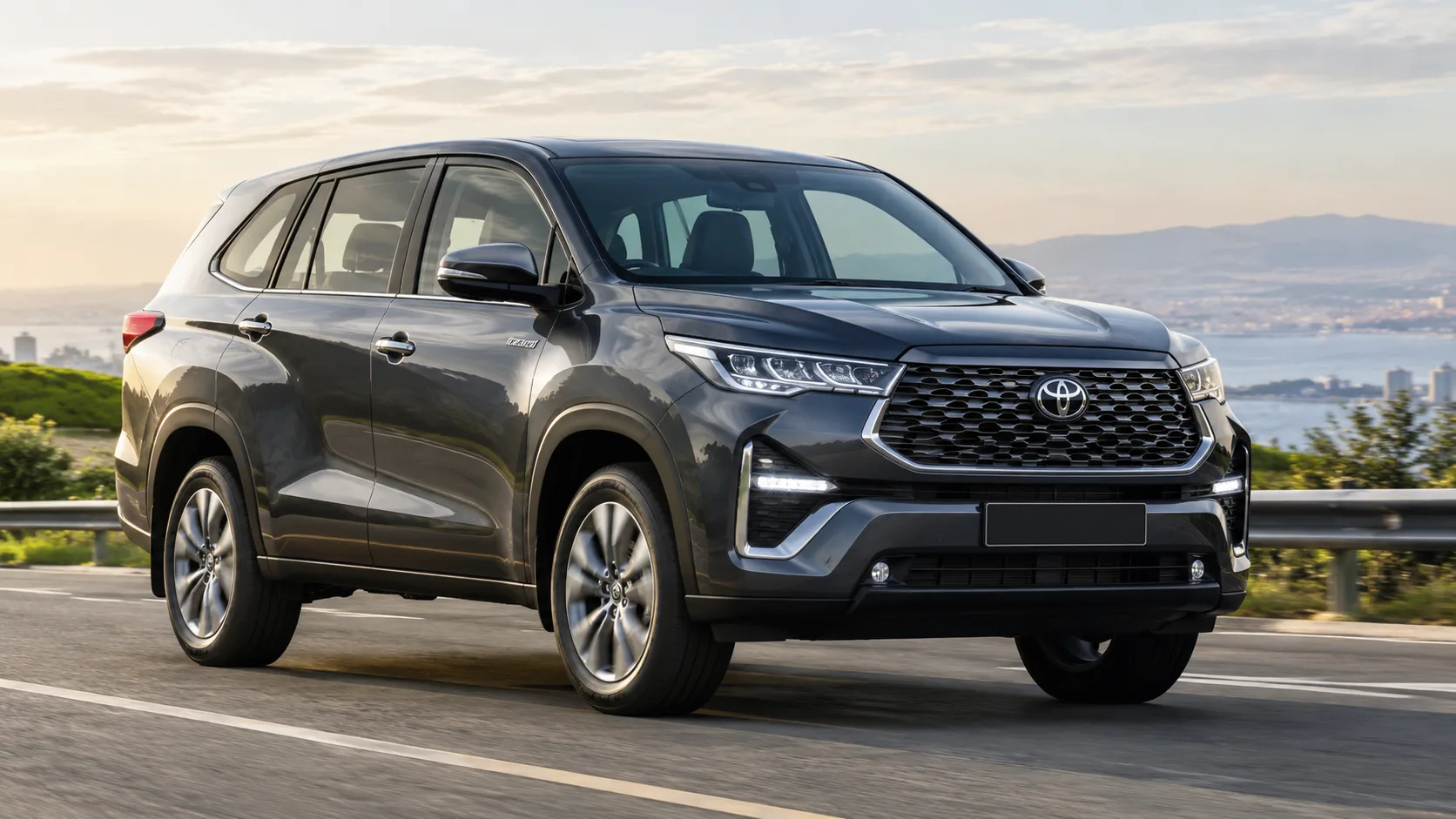
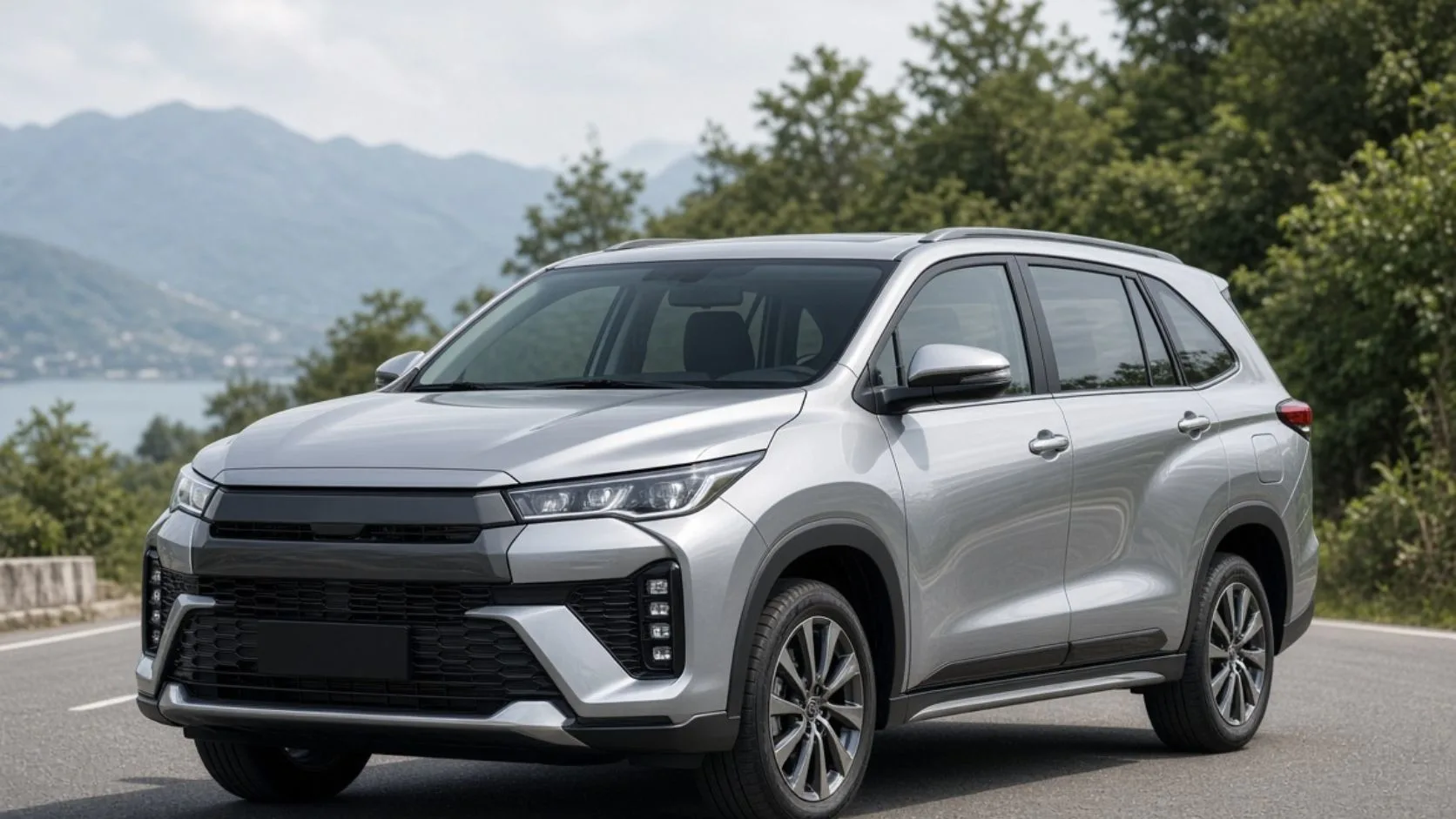
These are meaningful changes to the lineup, but buyers should still compare individual grades carefully. Exterior styling, wheels, interior materials, and convenience equipment can differ substantially.
2026 Toyota RAV4 Price in the United States
The 2026 Toyota RAV4 hybrid starts at $31,900 MSRP in the U.S. for the LE grade. Higher grades add equipment and styling upgrades, while the plug-in hybrid models cost more because they use a larger battery and can travel on electric power alone.
Hybrid model prices
| Grade | Starting MSRP |
|---|---|
| RAV4 LE | $31,900 |
| RAV4 SE | $34,700 |
| RAV4 XLE Premium | $36,100 |
| RAV4 Woodland | $39,900 |
| RAV4 XSE | $41,300 |
| RAV4 Limited | $43,300 |
Plug-in hybrid model prices
| Grade | Starting MSRP |
|---|---|
| RAV4 Plug-in Hybrid SE | $41,500 |
| RAV4 Plug-in Hybrid Woodland | $45,300 |
| RAV4 Plug-in Hybrid XSE | $47,200 |
| RAV4 Plug-in Hybrid GR SPORT | $48,500 |
These are U.S. manufacturer’s suggested retail prices, not guaranteed dealer transaction prices. Taxes, registration, dealer charges, optional equipment, and delivery or processing fees can increase the final cost.
For a buyer focused on affordability, the LE hybrid is the entry point. The XLE Premium adds comfort features, while the XSE and Limited offer more upscale equipment. The plug-in hybrid grades are worth considering if the ability to drive on electricity is a priority and the higher purchase price fits the budget.
Hybrid vs. Plug-in Hybrid: Which Powertrain Should You Choose?
The most important buying decision is whether to choose the conventional hybrid or the plug-in hybrid.
Conventional hybrid
The standard RAV4 hybrid combines a 2.5-liter four-cylinder gasoline engine with electric motors and a hybrid battery. It can switch between gasoline power, electric assistance, and combinations of the two as driving conditions change.
The battery is recharged through the vehicle’s hybrid system, including regenerative braking. You do not need to plug in a conventional RAV4 hybrid.
Toyota lists net combined system output of 226 hp for front-wheel-drive models and 236 hp for all-wheel-drive models. This makes the hybrid a practical option for drivers who want improved fuel efficiency without changing how they refuel.


Plug-in hybrid
The RAV4 Plug-in Hybrid uses a larger battery that can be charged from an external power source. Toyota estimates an all-electric driving range of up to 52 miles for the 2026 model.
That range can cover many routine commutes without using gasoline, provided the battery is charged and the journey falls within the vehicle’s available electric range. Once the battery’s usable charge is depleted, the vehicle can continue operating as a hybrid.
Toyota lists 324 net combined system horsepower for the plug-in hybrid. It also offers charging equipment and capabilities that differ by grade, so shoppers should check the specifications of the exact version they intend to purchase.
A plug-in hybrid is not automatically the better choice for every household. Its advantages depend on access to charging, daily mileage, electricity costs, gasoline prices, and the difference in purchase price.


2026 Toyota RAV4 Hybrid Range and Fuel Economy
Fuel economy is a major reason to consider the RAV4 hybrid. Toyota’s U.S. model information lists estimated figures of up to 47 mpg city and 40 mpg highway for certain hybrid grades. Other grades, including the Woodland, XSE, and Limited, have different published estimates.
| Hybrid grade | Estimated city mpg | Estimated highway mpg |
|---|---|---|
| LE | Up to 47 | Up to 40 |
| SE | Up to 47 | Up to 40 |
| XLE Premium | Up to 47 | Up to 40 |
| Woodland | Up to 41 | Up to 35 |
| XSE | Up to 43 | Up to 37 |
| Limited | Up to 43 | Up to 37 |
These are manufacturer-published estimates for the U.S. market, not a promise of real-world results. Actual fuel economy depends on traffic, temperature, driving style, terrain, tire choice, and other conditions.
For drivers who spend a lot of time in urban traffic, the hybrid system can reduce gasoline consumption by using electric assistance and recovering some energy while slowing down. Highway mileage may differ from city mileage, and a heavily loaded vehicle or sustained high-speed driving can reduce efficiency.
How far can the RAV4 Plug-in Hybrid travel on electricity?
Toyota estimates up to 52 miles of all-electric range for the 2026 RAV4 Plug-in Hybrid. This is an official manufacturer estimate, not a guarantee that every driver will achieve that distance.
Cold weather, high cabin-heating demand, speed, elevation changes, and driving habits can affect electric range. Drivers who frequently travel farther than the available electric range will use gasoline as well.
The plug-in hybrid also has fuel-economy and electric-efficiency ratings that should be considered separately. A vehicle’s MPGe rating accounts for electrical energy in a standardized comparison; it should not be read as ordinary miles per gallon.
Exterior Design: A More Distinctive RAV4
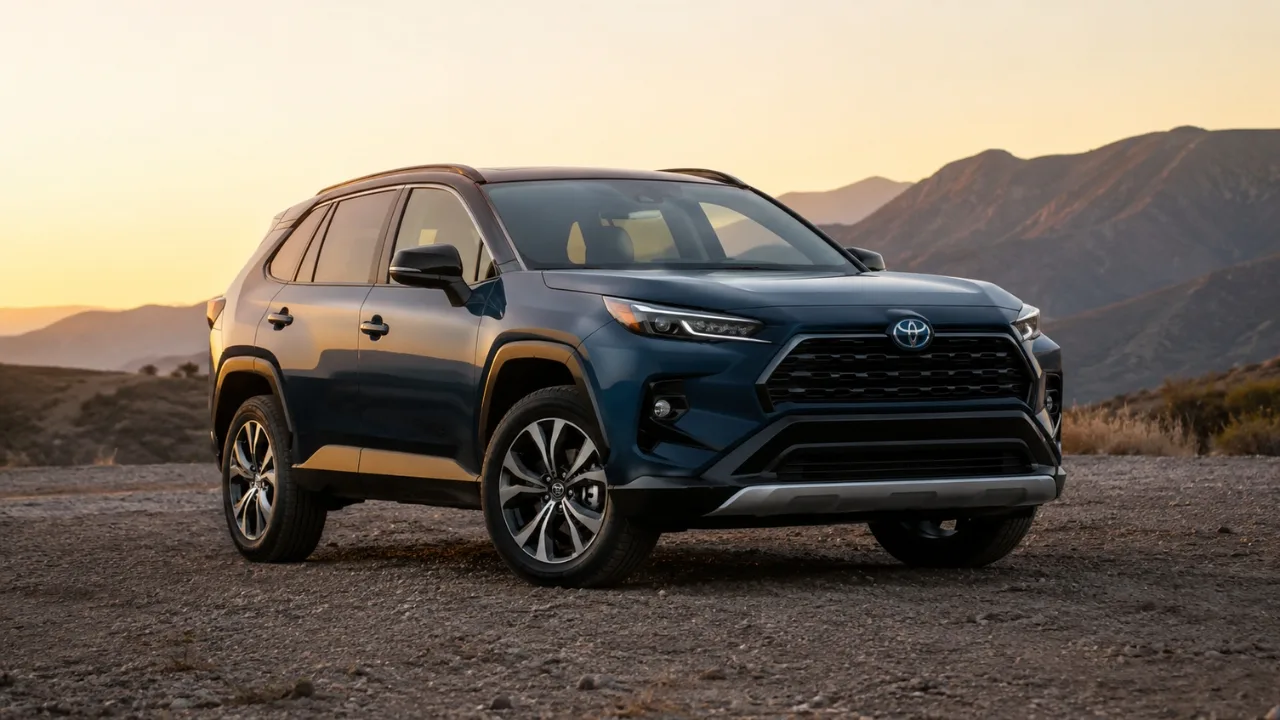
The sixth-generation RAV4 retains the compact SUV proportions that make the model suitable for daily use, while Toyota has revised the exterior design for 2026.
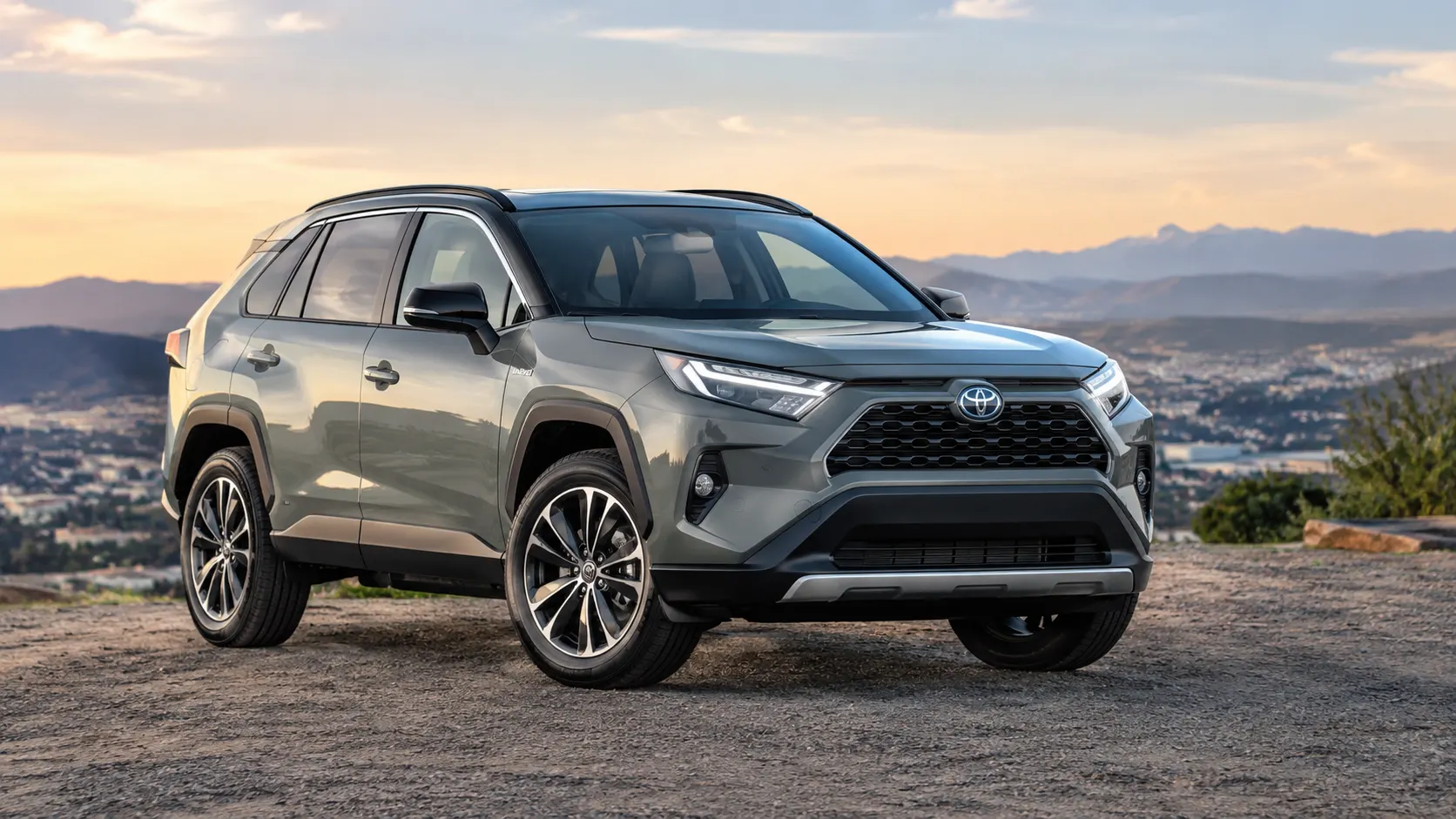
The front end uses Toyota’s newer design language, with a more pronounced nose, sculpted bodywork, and angular details. The upright rear section preserves the SUV’s practical shape, while the individual grades receive different styling treatments.
The Core grades have a more conventional appearance. The SE and XSE add sport-oriented details, and the Woodland uses rugged styling elements and equipment intended to suit outdoor activities.
Lighting and wheel designs also vary by grade. Buyers should check the specific model’s equipment list rather than assuming every version includes the same exterior features.
The overall approach gives shoppers a choice between a relatively understated daily driver and versions with a more expressive appearance, without requiring them to move to a larger SUV.
Interior, Comfort and Cargo Space
The RAV4’s interior is designed around everyday usability, with a digital instrument display, a central infotainment screen, and storage areas intended for daily essentials.

Toyota lists a 12.3-inch digital gauge cluster across the U.S. lineup. The standard multimedia screen is 10.5 inches on the LE, while a larger 12.9-inch screen is available on selected grades and included in certain higher-specification versions.
The cabin’s materials and comfort features vary by trim. For example, the XLE Premium includes SofTex-trimmed seats and heated front seats, while the XSE adds heated and ventilated front seats. The Limited includes additional premium equipment, such as a panoramic glass roof and JBL audio system.
Toyota lists cargo capacity of up to 37.8 cubic feet. The actual space available for luggage depends on how the cargo area is configured and whether additional equipment is fitted.
For families and regular travelers, the RAV4’s five-seat layout and useful cargo area make it a practical alternative to a larger, more expensive SUV. Buyers who regularly carry bulky items should still check the cargo dimensions and loading height in person.
Infotainment and Connectivity
The 2026 RAV4 receives an updated Toyota Audio Multimedia system. Its standard 10.5-inch touchscreen provides access to the vehicle’s main entertainment and connectivity functions, while a 12.9-inch screen is available on selected grades.
Toyota lists wireless Apple CarPlay and Android Auto compatibility. These systems allow compatible smartphones to connect with the vehicle’s infotainment interface without requiring a wired connection for normal use.
Other technology features depend on the grade and options selected. Available equipment includes dual wireless phone chargers, additional USB-C ports, a hands-free power liftgate, and a 1,500-watt AC outlet in the cargo area.
Toyota also offers certain connected and driver-assistance functions that may require an active trial or subscription, along with compatible network coverage. Buyers should check the terms, duration, and cost of connected services before relying on them.
Safety Features and Driver Assistance
Safety technology is one of the important updates for the 2026 RAV4. Toyota lists Toyota Safety Sense 4.0 (TSS 4.0) as standard equipment on the U.S. model lineup.
The system brings together driver-assistance technologies designed to help detect certain hazards and support the driver. These systems do not eliminate the need to pay attention or take control of the vehicle.
Features and functions include:
- Pre-Collision System: Designed to detect certain potential frontal collisions and provide warnings or braking assistance under qualifying conditions.
- Lane Tracing Assist: Can help keep the vehicle centered within detected lane markings when the required conditions are met.
- Dynamic Radar Cruise Control: Helps maintain a set following distance from a vehicle ahead.
- Lane-departure assistance: Provides warnings and, where supported, steering assistance when the vehicle begins to leave a detected lane.
- Additional safety and convenience features: Equipment such as Blind Spot Monitor, Rear Cross-Traffic Alert, and parking assistance varies by grade and configuration.
The exact operation and availability of individual systems depend on vehicle equipment, road conditions, and other operating requirements. Driver assistance is not autonomous driving, and the driver remains responsible for steering, braking, and safe vehicle operation.
Does the 2026 Toyota RAV4 have a safety rating?
Toyota’s inclusion of safety technology does not by itself establish an independent crash-test rating. A safety rating must come from a recognized testing organization and apply to the relevant model and market.
Buyers should check the latest applicable results from the U.S. National Highway Traffic Safety Administration (NHTSA) and the Insurance Institute for Highway Safety (IIHS). A rating for an earlier RAV4 model year should not automatically be treated as a rating for the redesigned 2026 vehicle.
Driving Capability and Towing
The RAV4 is intended to balance everyday driving with the flexibility expected of a compact SUV. Front-wheel drive is available on selected hybrid grades, while other versions offer all-wheel drive.
All-wheel drive can be useful when driving on slippery roads or uneven surfaces, but it does not make the RAV4 an off-road specialist. Tires, ground clearance, road conditions, and driver judgment remain important.
Toyota lists a maximum towing capacity of up to 3,500 pounds for certain equipped models. Capacity varies by grade and drivetrain; some versions have a lower limit. Buyers planning to tow a trailer should confirm the exact vehicle’s rating and follow Toyota’s requirements for towing equipment and loading.
The Woodland grade adds an outdoor-oriented look, all-terrain tires, raised roof rails with crossbars, and integrated LED fog lights. Those features may appeal to drivers who frequently travel on gravel roads or take outdoor trips, although they do not guarantee performance on difficult terrain.
2026 Toyota RAV4 vs. Other Compact SUVs
The RAV4 competes in a crowded U.S. compact SUV segment. Buyers may also consider the Honda CR-V, Hyundai Tucson, Kia Sportage, and Subaru Forester, depending on budget and powertrain preferences.
A fair comparison should use equivalent model years, drivetrain configurations, and trim levels. Starting prices alone can be misleading if one vehicle includes equipment that is optional on another.
The RAV4’s key appeal is its hybrid-focused lineup and the availability of a plug-in hybrid with a manufacturer-estimated electric range of up to 52 miles. The conventional hybrid is suited to drivers who want gasoline convenience with hybrid efficiency, while the plug-in hybrid is more attractive to households that can charge regularly.
Other compact SUVs may offer different interior layouts, ride characteristics, warranties, infotainment systems, or powertrain options. Test-driving the alternatives and comparing the actual equipment on similarly priced trims is a better way to decide than relying on a single headline specification.
Who Should Buy the 2026 Toyota RAV4?
The 2026 RAV4 hybrid may suit drivers who want a five-seat SUV with useful cargo space, a hybrid powertrain, and a broad range of trim choices. It is worth considering for commuting, family errands, and road trips where fuel efficiency and practicality matter.
The LE is the entry-level choice for shoppers prioritizing price. The XLE Premium adds comfort features, while the SE and XSE offer sportier styling. The Limited targets buyers who want more premium equipment, and the Woodland is aimed at those who prefer a rugged appearance and outdoor-oriented details.
The plug-in hybrid is worth a closer look if you can charge at home or work and often make shorter daily trips. Its electric range can reduce gasoline use on those journeys, but its higher starting price makes it important to compare the total cost of ownership.
Before buying, check the vehicle’s exact equipment, dealer price, fuel-economy label, warranty information, and availability in your area. Those details can affect the value of the vehicle more than a trim name alone.
Pros and Limitations
Potential advantages
- A hybrid powertrain is standard across the conventional U.S. lineup.
- A plug-in hybrid option provides an estimated electric range of up to 52 miles.
- A wide range of grades offers different styling and comfort equipment.
- Standard Toyota Safety Sense 4.0 provides a broad set of driver-assistance features.
- Cargo capacity of up to 37.8 cubic feet supports everyday practical use.
Points to consider
- The plug-in hybrid costs more than the conventional hybrid.
- Fuel economy and equipment differ between grades.
- Real-world fuel economy and electric range may fall below official estimates.
- Some connected features may require a subscription or trial activation.
- Independent crash-test ratings should be checked for the exact model year rather than assumed from previous versions.
Final Thoughts
The 2026 Toyota RAV4 gives U.S. buyers a choice between a conventional hybrid SUV and a more powerful plug-in hybrid. The conventional hybrid starts at $31,900 MSRP, while the plug-in hybrid adds the ability to drive on electricity for an estimated distance of up to 52 miles when fully charged.
Its updated design, standard digital instrument display, revised infotainment system, and Toyota Safety Sense 4.0 make it a significant new-generation model. The best version depends on how much equipment you need, whether you can charge a plug-in hybrid regularly, and how much you want to spend.
For many buyers, the conventional hybrid is the simpler starting point because it does not require external charging. The plug-in hybrid makes more sense for drivers who can take advantage of its electric range. Comparing the final dealer price and equipment of each grade will help determine which RAV4 offers the best fit.
Frequently Asked Questions
How much does the 2026 Toyota RAV4 cost?
The 2026 Toyota RAV4 hybrid starts at $31,900 MSRP in the United States for the LE grade. The plug-in hybrid lineup starts at $41,500 MSRP. Taxes, fees, optional equipment, and dealer pricing can increase the final cost.
What is the fuel economy of the 2026 Toyota RAV4 Hybrid?
Toyota lists estimated fuel economy of up to 47 mpg city and 40 mpg highway for certain U.S. hybrid grades. Other grades have different estimates, so buyers should check the rating for the exact model they choose.
What is the electric range of the 2026 RAV4 Plug-in Hybrid?
Toyota estimates up to 52 miles of all-electric driving range for the 2026 RAV4 Plug-in Hybrid. Actual range varies with temperature, speed, driving style, and other conditions.
How much horsepower does the 2026 Toyota RAV4 have?
Toyota lists 226 net combined horsepower for front-wheel-drive conventional hybrid models and 236 hp for all-wheel-drive hybrid models. The plug-in hybrid produces 324 net combined system horsepower.
Does the 2026 Toyota RAV4 have all-wheel drive?
Yes. All-wheel drive is available on selected conventional hybrid and plug-in hybrid grades. Availability depends on the specific version, so check the model’s equipment list before ordering.
Is the 2026 Toyota RAV4 safe?
The U.S. 2026 RAV4 comes with Toyota Safety Sense 4.0. For independent crash-test results, consult NHTSA and IIHS and verify that any rating applies to the 2026 model rather than an earlier generation.
Is the 2026 Toyota RAV4 available in India?
The prices and specifications in this article apply to the U.S. market. They should not be treated as Indian-market pricing or proof of Indian availability. Buyers in India should check Toyota’s official local lineup for current confirmation.