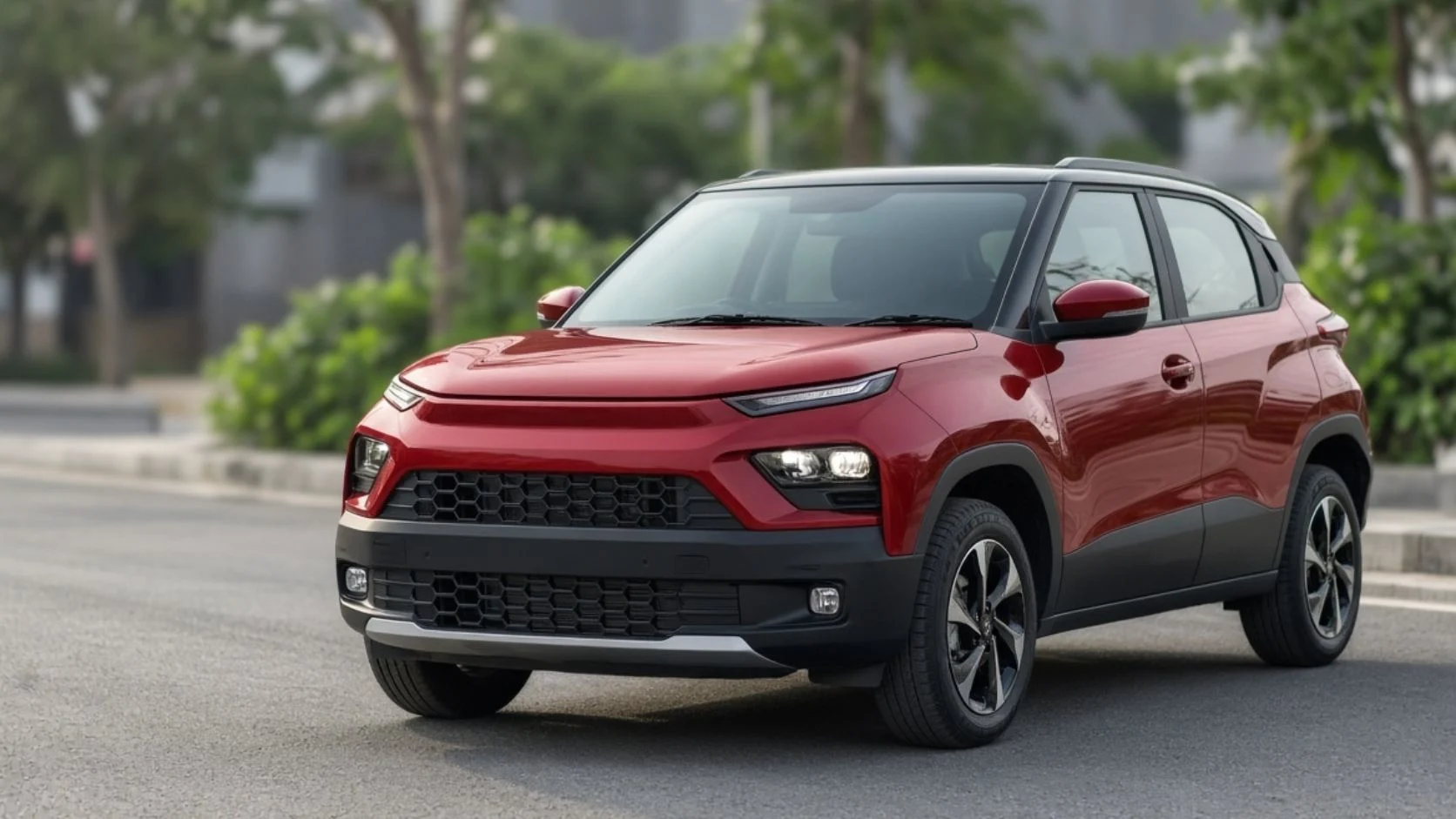
The 2026 Tata Punch brings a substantial update to Tata Motors’ popular micro-SUV in India, with revised styling, additional technology, expanded powertrain options, and a stronger standard safety package. The facelift adds features such as a digital instrument cluster, a 360-degree camera, and an updated infotainment system while retaining the compact dimensions that make the Punch suitable for city driving.
For buyers considering the Tata Punch in 2026, the key questions are its current ex-showroom price, petrol and CNG mileage, available engines and transmissions, safety rating, and which features are worth paying extra for.
The information below focuses on the Indian-market Tata Punch facelift. Prices and equipment can vary by variant and may change, so buyers should confirm the final details with Tata Motors or an authorized dealership before booking.
2026 Tata Punch: Quick Overview
| Specification | Details |
|---|---|
| Model | Tata Punch facelift |
| Market | India |
| Body style | Micro-SUV |
| Seating capacity | 5 |
| Petrol engine | 1.2-litre naturally aspirated petrol |
| Additional engine option | 1.2-litre turbo-petrol |
| Fuel options | Petrol and CNG |
| Transmission options | 5-speed manual, AMT and 6-speed manual, depending on powertrain |
| Standard safety equipment | Six airbags and electronic stability control |
| Safety rating | 5-star Bharat NCAP rating reported for adult and child occupant protection |
| Petrol boot capacity | 366 litres |
| CNG usable boot capacity | 210 litres |
| Starting price | Check Tata Motors’ current variant-wise price list |
The Punch is positioned for buyers who want the upright styling and higher seating position of an SUV without moving to a larger, more expensive vehicle.

2026 Tata Punch Price in India
The Tata Punch facelift was launched in India in January 2026, with an introductory starting price of ₹5.59 lakh, ex-showroom. Tata Motors’ current specification listing shows prices starting at ₹5,74,990 for selected petrol variants, so buyers should use the latest variant-wise price list rather than relying on the original launch price.
The final price depends on the engine, transmission, variant, and optional equipment. On-road prices will be higher because they include applicable registration charges, insurance, and taxes.
What affects the Tata Punch price?
- Petrol manual: A suitable starting point for buyers who want a straightforward, relatively affordable configuration.
- Petrol AMT: Worth considering for frequent city traffic. AMT stands for automated manual transmission, which changes gears without a conventional clutch pedal.
- CNG: Designed for buyers who want to reduce fuel expenses, particularly when driving regularly.
- Turbo-petrol: Offers stronger performance than the naturally aspirated petrol engine, but is available with a more limited transmission choice.
Before comparing dealer quotations, confirm that each quote refers to the same variant and includes the same items. Ex-showroom prices and on-road prices are not interchangeable.
2026 Tata Punch Mileage
Fuel economy is one of the main considerations for buyers in this segment. The Punch is available with petrol and CNG powertrains, and the mileage varies according to the engine, transmission, and driving conditions.
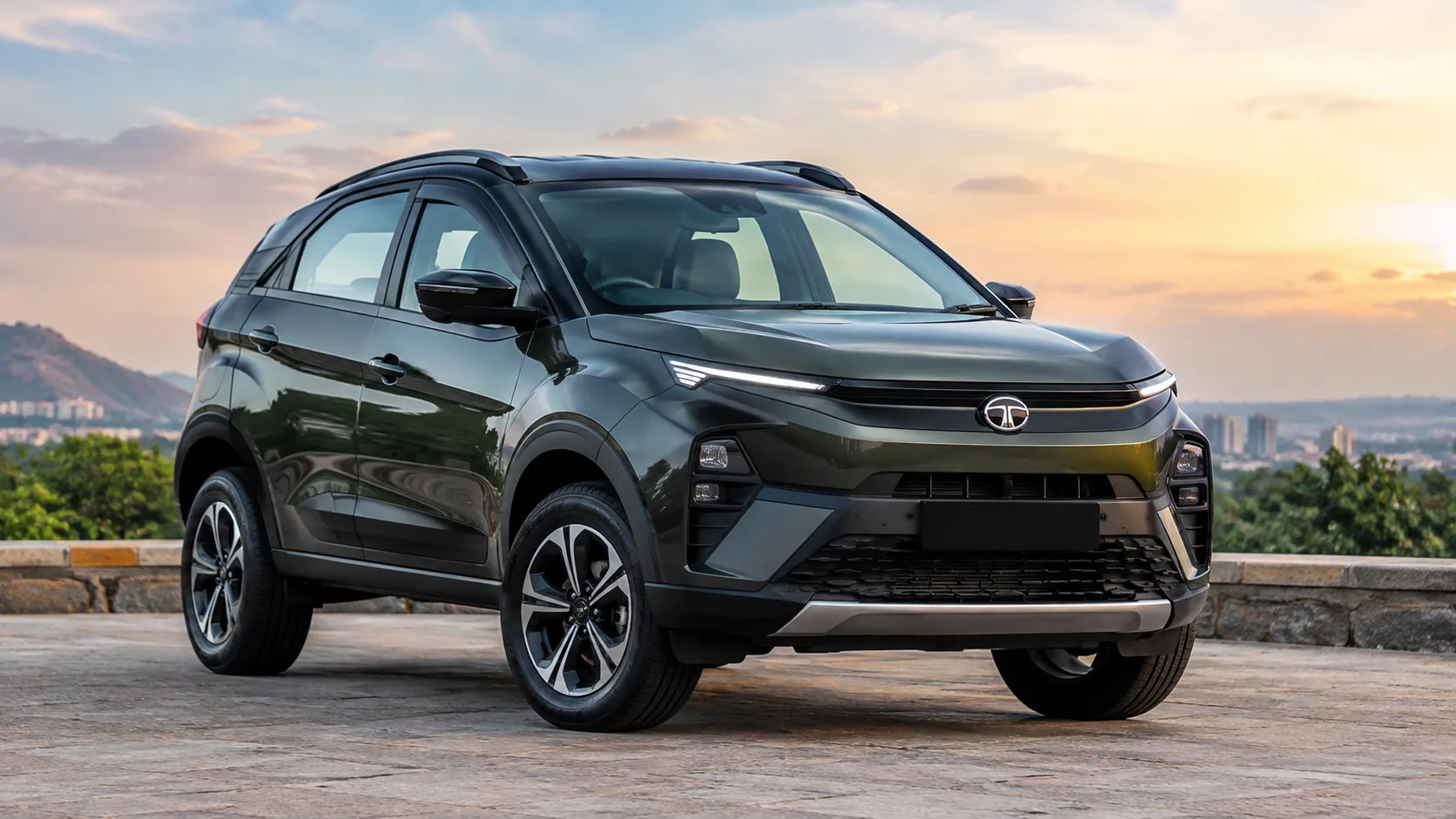
Published ARAI-certified figures for the petrol and CNG versions are approximately 18.8–20.09 km/l and up to 26.99 km/kg, respectively. The exact figure depends on the specific version.
| Fuel type | Published certified efficiency |
|---|---|
| Petrol | Approximately 18.8–20.09 km/l |
| CNG | Up to 26.99 km/kg |
These figures are laboratory-certified results, not a guarantee of everyday fuel economy. Congested traffic, air-conditioning use, driving style, road conditions, passenger load, and tire pressure can all affect actual consumption.
Is the Tata Punch CNG more economical?
The CNG version can make financial sense for drivers who cover substantial distances and have convenient access to CNG stations. The lower cost per kilometer can help offset any price difference between comparable petrol and CNG variants.
However, buyers should consider more than the mileage figure. CNG availability varies by location, refueling requires additional planning, and the CNG version has less usable boot capacity than the petrol model.

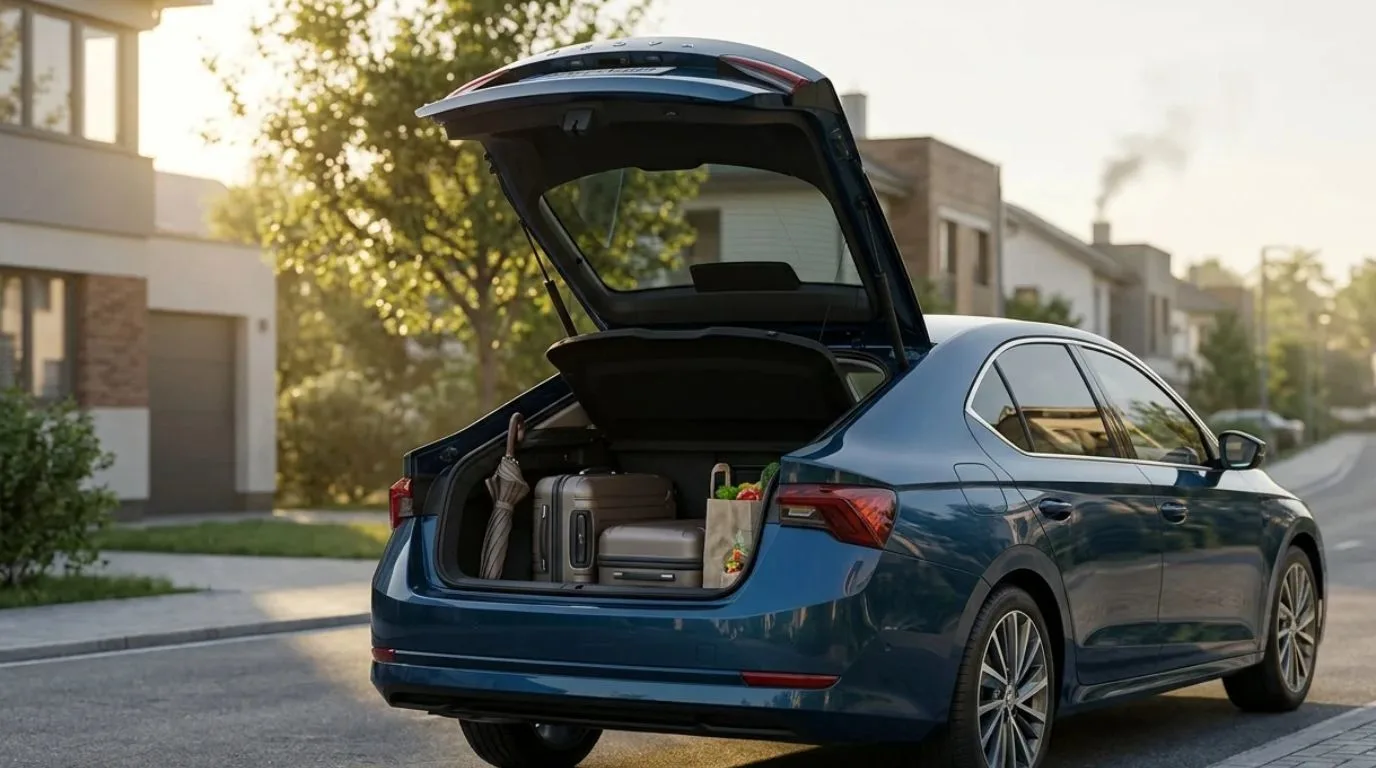
The Punch CNG uses a twin-cylinder arrangement, helping preserve more luggage space than a conventional large-cylinder layout. Its reported usable boot capacity is 210 litres, compared with 366 litres in petrol versions.
For occasional short trips, the petrol version may be simpler to live with. For high annual mileage, the CNG option deserves a closer cost comparison.
Engine Options and Performance
The 2026 Tata Punch facelift expands the model’s powertrain choices beyond the naturally aspirated petrol and CNG configurations. The available combination depends on the selected variant.
| Powertrain | Maximum power | Maximum torque | Transmission |
|---|---|---|---|
| 1.2-litre naturally aspirated petrol | 88 PS | 115 Nm | 5-speed manual or AMT |
| 1.2-litre CNG | 73.5 PS in CNG mode | 103 Nm in CNG mode | 5-speed manual or AMT |
| 1.2-litre turbo-petrol | 120 PS | 170 Nm | 6-speed manual |
The figures above are published specifications for the Indian-market facelift. Power and torque should be interpreted in the context of each powertrain and its operating mode.
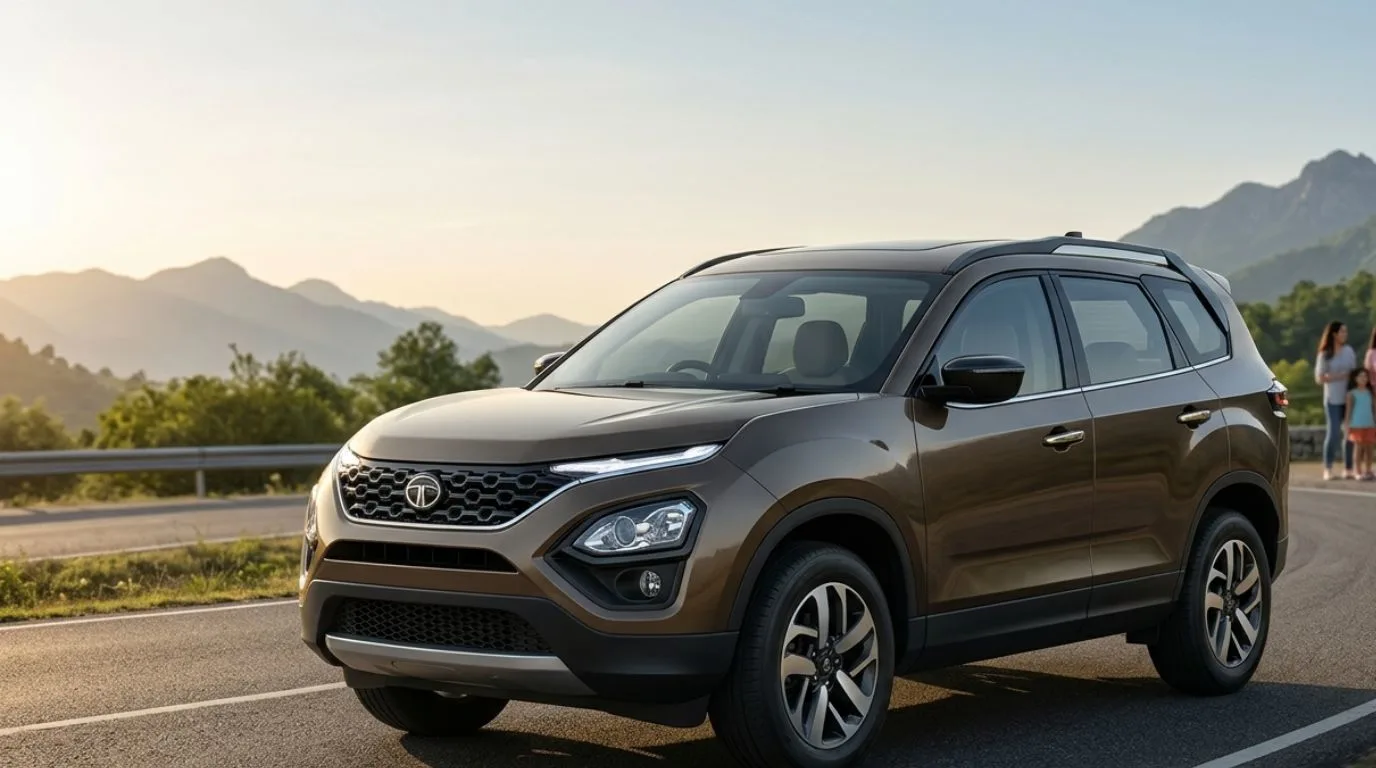
Naturally aspirated petrol engine
The standard 1.2-litre petrol engine is aimed at everyday use. Its output is appropriate for a small SUV intended for commuting, shopping trips, and regular urban driving.
Buyers who frequently drive on highways with a full passenger load should take a test drive before deciding. Engine response, overtaking ability, cabin noise, and transmission behavior are more useful purchase considerations than peak power alone.
CNG engine
The CNG version prioritizes running costs over outright performance. Its power output is lower in CNG mode than the petrol engine’s output, so drivers should assess how it responds during uphill driving, overtaking, and fully loaded journeys.
The availability of an AMT option can make the CNG version more convenient for urban commuters who prefer not to operate a manual clutch in heavy traffic.
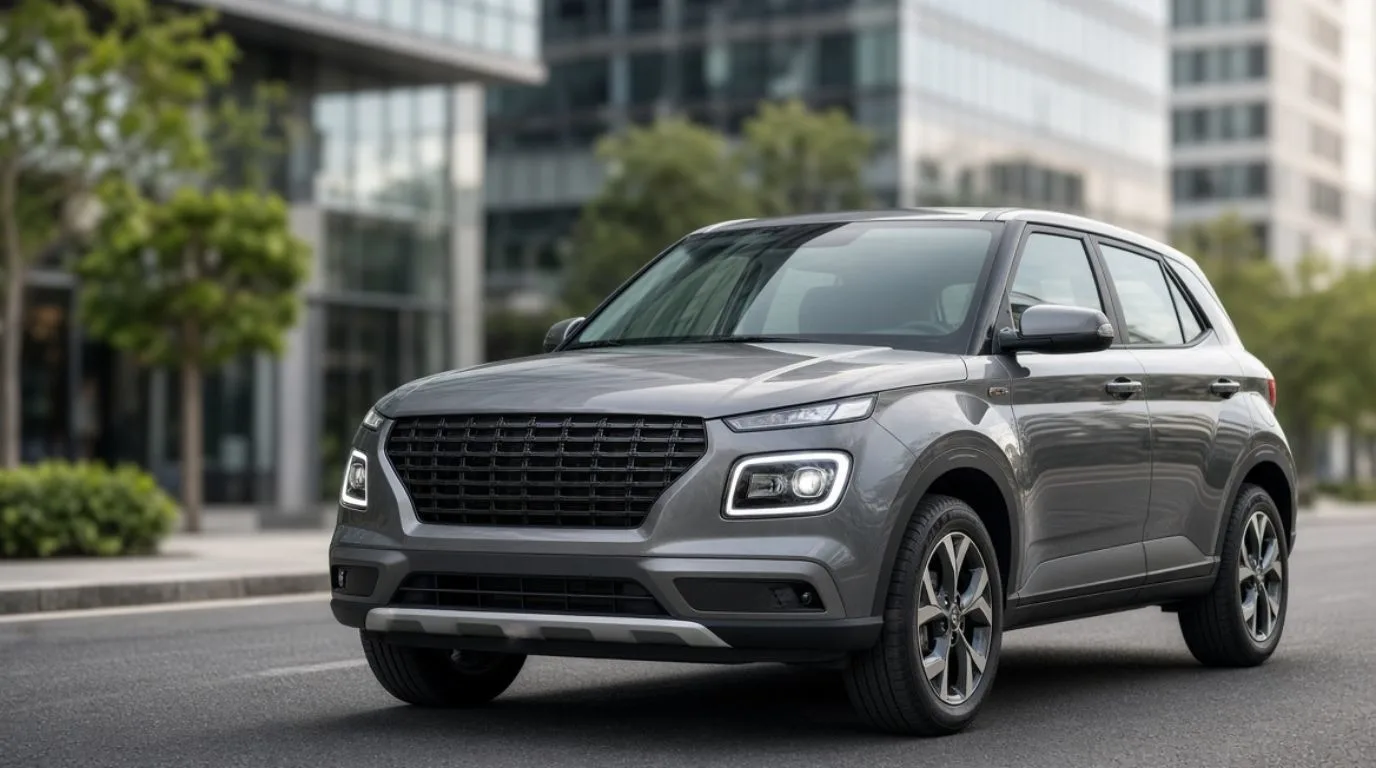

Turbo-petrol engine
The turbo-petrol version is the more performance-focused option. It produces 120 PS and 170 Nm, providing a substantial increase in output over the naturally aspirated engine.
Its six-speed manual transmission is intended for buyers who want greater control over gear selection. The turbo version is worth considering if highway performance and quicker acceleration are higher priorities than minimizing fuel expenses.
New Features in the 2026 Tata Punch
The facelift focuses on updated styling, cabin technology, convenience, and safety equipment. Feature availability varies by trim, so the presence of a feature on a top-spec model does not mean it is included in the entry-level version.
Updated exterior design
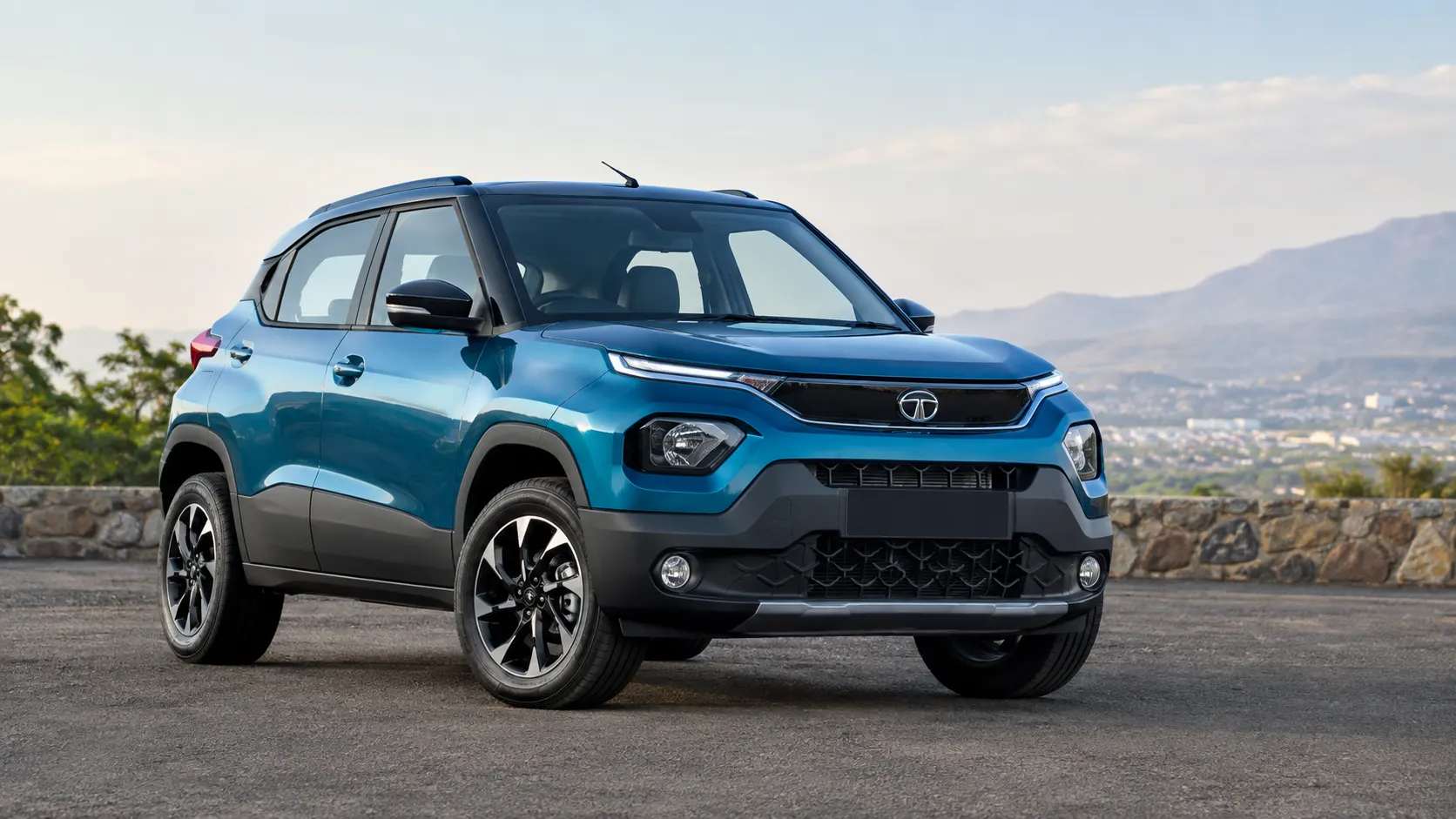
The refreshed Punch adopts revised front-end styling, updated lighting elements, and redesigned bumpers. Changes to the rear lighting and bumper give the vehicle a more contemporary appearance, while the upright body and prominent wheel-arch cladding preserve its small-SUV character.
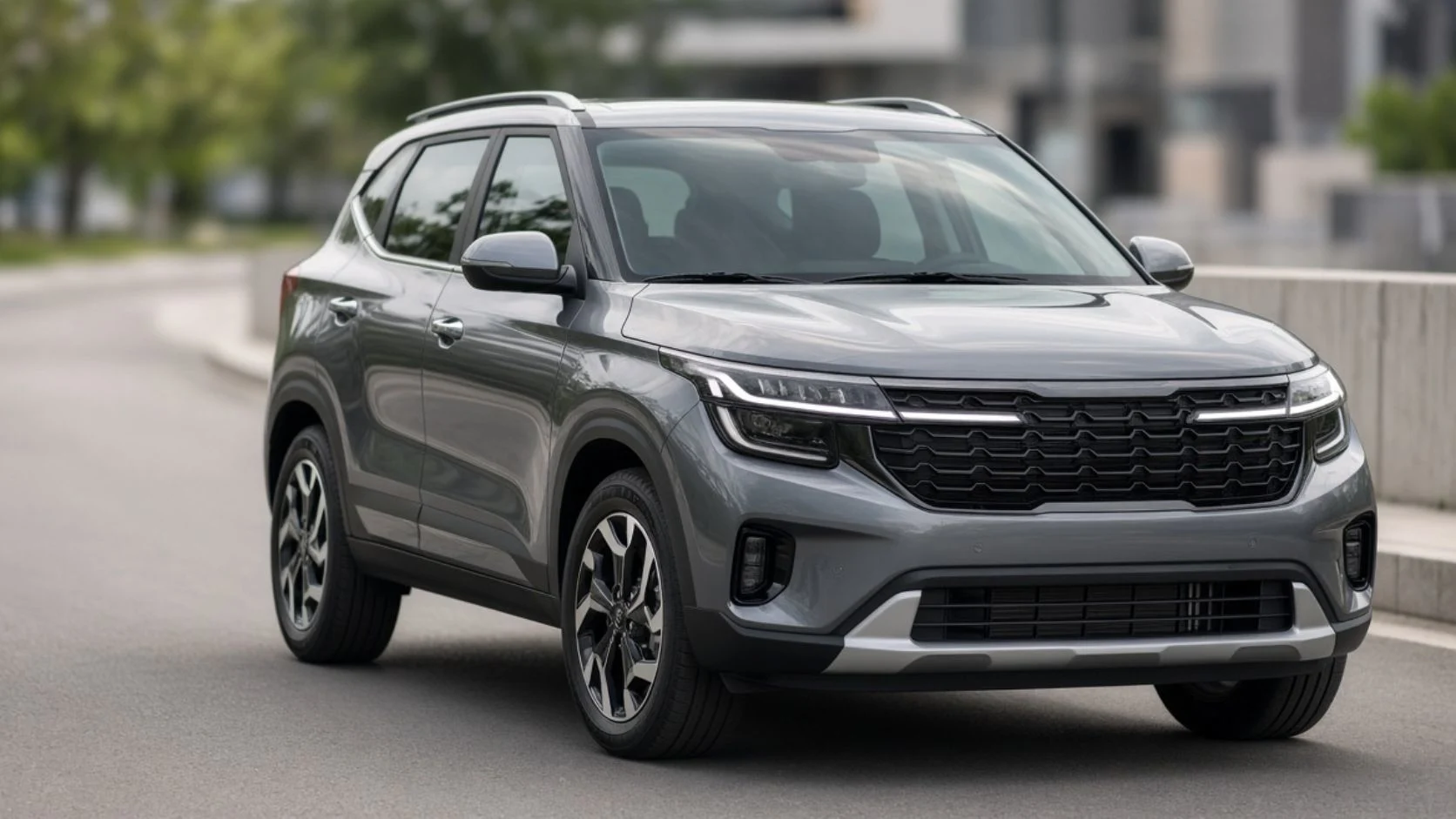
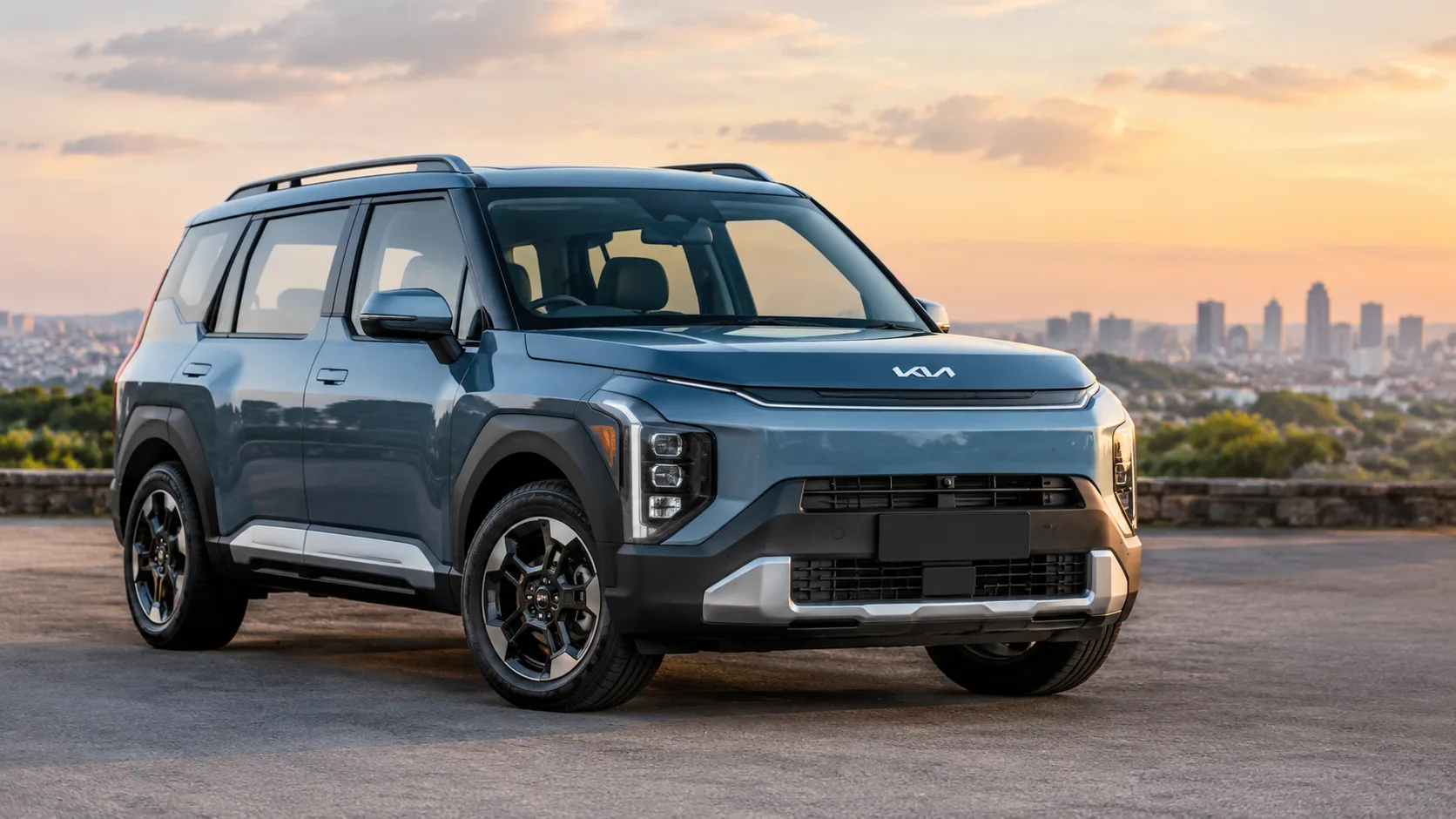
New wheel designs and lighting details help distinguish the facelift from earlier versions. The overall proportions remain compact, which is useful for navigating crowded streets and parking in limited spaces.
Digital instrument cluster
Selected variants receive a 7-inch digital instrument display. It presents driving information in a digital format rather than relying entirely on conventional analogue-style instruments.
Its usefulness depends on how clearly it displays the information a driver needs. Buyers should check the actual display layout and available information on the variant they intend to purchase.
Touchscreen infotainment system
Higher variants offer a 10.25-inch touchscreen infotainment system with wireless Android Auto and Apple CarPlay support. These smartphone integrations allow compatible phones to connect without a cable, subject to device and software compatibility.
The system can make navigation, calls, and music easier to access. Buyers should confirm the screen size and connectivity features on their chosen trim, as lower variants may receive a different setup.
360-degree camera and blind-view monitor
The available 360-degree camera combines views from cameras positioned around the vehicle to help the driver judge nearby obstacles during low-speed maneuvers. It can be particularly useful in tight parking spaces.
A blind-view monitor can provide an additional view of areas that may be difficult to see using the mirrors alone. Neither system replaces checking mirrors, looking around the vehicle, or driving carefully.
Sunroof and convenience equipment
Selected variants offer a voice-assisted electric sunroof, automatic climate control, rain-sensing wipers, automatic headlamps, cruise control, a wireless phone charger, and connected-car features.
The exact equipment depends on the trim. Buyers should check the variant-specific feature list instead of assuming every convenience feature is standard throughout the range.
Interior and passenger comfort
The cabin receives updated controls and trim details, including a redesigned two-spoke steering wheel with an illuminated logo and a touch-operated climate-control panel.
The facelift also adds extended thigh support to the seats, intended to improve comfort on longer journeys. Rear air-conditioning vents are available on relevant variants.
The Punch remains a compact five-seat vehicle. Families should check rear-seat space, child-seat installation, and access to the middle seat in person, particularly if adults regularly travel in the back.
Tata Punch Safety Rating and Features
Safety is a major consideration for the Punch, and the 2026 facelift has a five-star Bharat NCAP rating for adult and child occupant protection. Bharat NCAP’s published results list scores of 30.58 out of 32 for adult occupant protection and 45 out of 49 for child occupant protection for the tested vehicle and applicable variants.
The rating applies according to Bharat NCAP’s published variant-coverage details. Buyers should check the official assessment to understand which versions are covered.
Standard safety equipment
The facelift’s safety package includes six airbags and electronic stability control. Depending on the variant, other safety and driver-support equipment includes:
- Anti-lock braking system with electronic brake-force distribution.
- Rear parking sensors.
- Tire-pressure monitoring system.
- Hill-hold assistance.
- Hill-descent control.
- ISOFIX child-seat anchorages.
- Three-point seat belts and seat-belt reminders.
- Automatic headlamps and rain-sensing wipers.
Equipment availability should be confirmed against the current variant list.

What does the five-star Bharat NCAP rating mean?
Bharat NCAP evaluates vehicle crash protection and related safety-assistance requirements under its assessment protocol. Its star rating gives buyers a standardized way to understand the performance of the tested vehicle.
A five-star rating is a positive safety indicator, but it does not mean a vehicle is accident-proof. Correct seat-belt use, suitable child restraints, appropriate speed, tire maintenance, and responsible driving remain essential.
The Punch’s 2026 rating should also not be confused with the older model’s Global NCAP result. These are separate assessment programs, and their scores and protocols should not be treated as directly interchangeable.
Tata Punch Dimensions and Boot Space
The Punch’s compact footprint is one of its practical advantages in Indian cities. Its upright body and relatively high ground clearance give it the appearance of a traditional SUV while keeping its overall size manageable.

| Specification | Published figure |
|---|---|
| Length | 3,876 mm |
| Width | 1,742 mm |
| Height | 1,615 mm |
| Wheelbase | 2,445 mm |
| Ground clearance, unladen | 193 mm |
| Petrol boot capacity | 366 litres |
| CNG usable boot capacity | 210 litres |
The 2,445 mm wheelbase helps define the cabin’s space, while the 193 mm unladen ground clearance can be useful on uneven roads and over common speed breakers. It should not be interpreted as a guarantee of off-road capability.
The petrol model’s larger boot capacity is better suited to buyers who regularly carry luggage. The CNG version retains useful storage space for its fuel type, but the difference is worth considering if the car will often carry several passengers and their bags.
Is the 2026 Tata Punch Good for City Driving?
The Punch’s dimensions, available AMT transmission, elevated seating position, and parking-assistance features make it worth considering for urban use.
Its small footprint can simplify parking and navigating narrow roads. The AMT option is particularly relevant for drivers who regularly encounter stop-and-go traffic.
However, buyers should evaluate visibility, steering effort, brake response, and the AMT’s behavior in real traffic during a test drive. A camera system can assist parking, but it cannot fully compensate for poor judgment or inadequate observation.
For drivers who spend more time on highways, the turbo-petrol variant may be more appealing because of its higher power and torque. Those prioritizing fuel costs should compare the CNG option against their expected annual distance and local CNG prices.
2026 Tata Punch: Key Advantages and Limitations
Advantages
- A compact footprint suited to crowded urban environments.
- Petrol and CNG options, with multiple transmission choices depending on the engine.
- A turbo-petrol version for buyers seeking stronger performance.
- Six airbags and electronic stability control as part of the safety package.
- A five-star Bharat NCAP rating for the assessed vehicle and applicable variants.
- Available features such as a 360-degree camera, digital instrument display, touchscreen infotainment, and sunroof.
- Twin-cylinder CNG packaging that preserves some usable luggage space.
Limitations to consider
- The standard naturally aspirated engine may not satisfy buyers who prioritize strong acceleration.
- CNG boot capacity is lower than the petrol version’s.
- Several desirable comfort and technology features are restricted to selected variants.
- The turbo-petrol version’s six-speed manual configuration may not suit buyers who prefer an automatic.
- Certified fuel-economy figures may differ significantly from real-world results.
- The top variants may cost considerably more than the entry-level model.
The best version depends on how the car will be used. A low purchase price, low running cost, stronger performance, and a long equipment list are different priorities and may point toward different variants.
Tata Punch vs Its Main Rivals
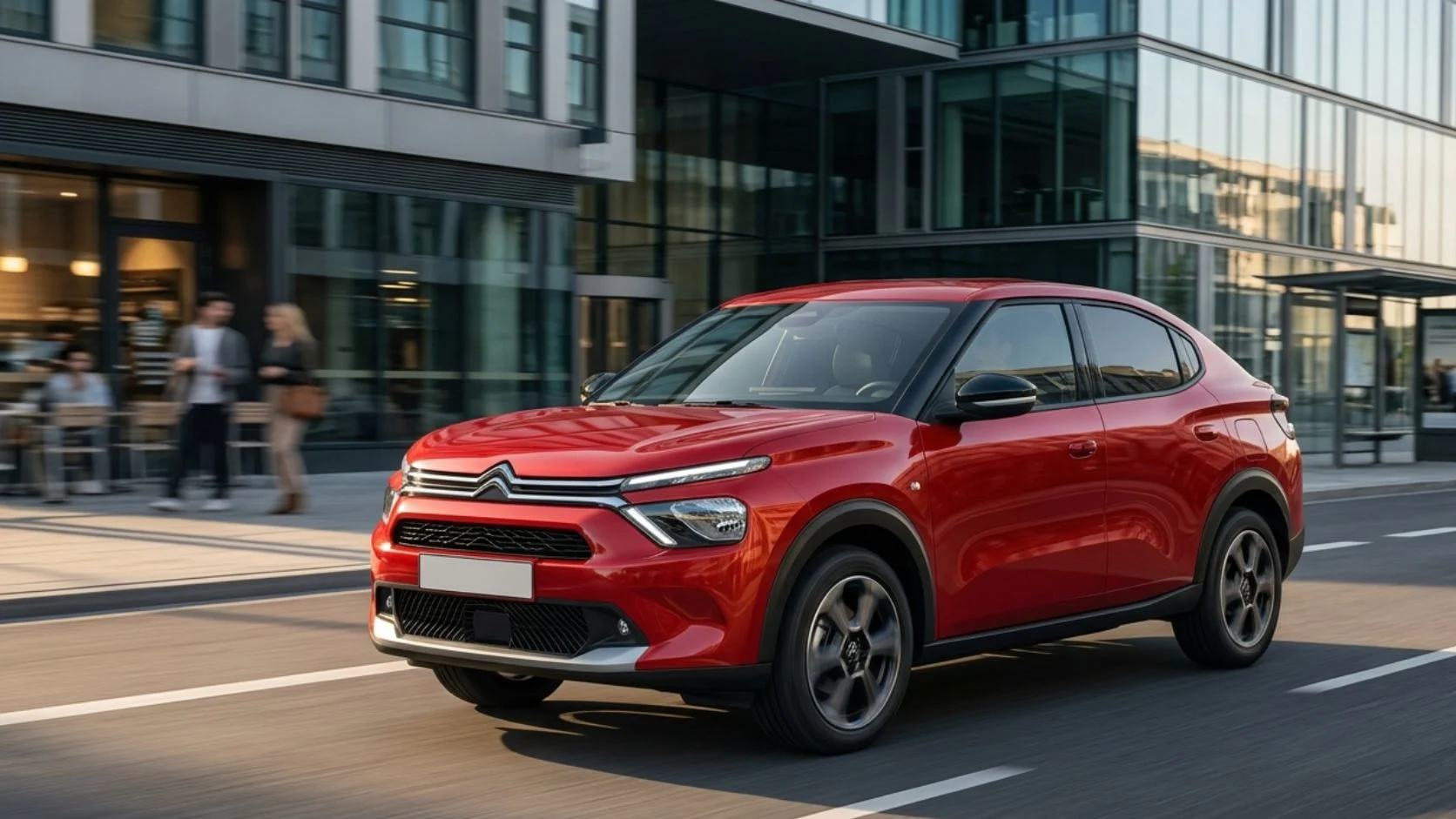
The Tata Punch competes with small SUVs and crossover-style cars in India’s affordable-car market. Relevant alternatives include the Hyundai Exter, Citroën C3, Nissan Magnite, and Renault Kiger, although prices, equipment, and powertrain choices differ.
| Buyer priority | What to compare |
|---|---|
| Safety | Official crash-test results, standard airbags, and electronic stability control |
| Fuel economy | Certified efficiency, actual running costs, and local fuel availability |
| City driving | Overall dimensions, visibility, turning behavior, and transmission |
| Performance | Engine output, torque, transmission, and highway overtaking ability |
| Technology | Infotainment, smartphone connectivity, parking cameras, and driver aids |
| Family use | Rear-seat comfort, child-seat installation, and boot space |
| Budget | Comparable ex-showroom prices and complete on-road quotations |
There is no single winner for every buyer. A fair comparison should use similarly priced variants and account for the equipment actually included, rather than comparing one car’s base price with another car’s fully equipped version.
Which 2026 Tata Punch Variant Should You Consider?
The right variant depends on the balance between budget, convenience, fuel costs, and features.
- For budget-conscious buyers: Start by comparing entry-level petrol variants and check which essential safety equipment is included.
- For daily city commuting: Consider a petrol AMT if convenience in heavy traffic matters more than having a conventional manual gearbox.
- For high annual mileage: Compare the CNG variants and calculate potential savings using your local petrol and CNG prices.
- For performance: Look at the turbo-petrol version, keeping in mind that it is paired with a six-speed manual transmission.
- For a feature-rich cabin: Compare the higher trims for the digital instrument cluster, larger touchscreen, sunroof, wireless charging, and parking-camera equipment.
Do not choose a variant based on one feature alone. Confirm the full equipment list, current price, insurance quote, warranty terms, and delivery availability before making a booking.
Final Verdict
The 2026 Tata Punch facelift strengthens the model’s appeal with revised styling, more technology, additional powertrain choices, and a five-star Bharat NCAP safety rating for the assessed vehicle and applicable variants.

Its main strengths are its compact dimensions, range of fuel and transmission choices, and availability of useful convenience features. The standard petrol engine is the sensible starting point for many everyday buyers, the CNG version may suit high-mileage drivers, and the turbo-petrol version is worth considering for those who want more performance.
The main decision is which variant provides the right balance of price, safety equipment, fuel economy, and comfort. Check the current Tata Motors price list and take a test drive before choosing, especially if you are deciding between petrol, CNG, manual, AMT, and turbo-petrol versions.
Frequently Asked Questions
What is the price of the 2026 Tata Punch in India?
The facelift launched in January 2026 at an introductory starting price of ₹5.59 lakh, ex-showroom. Tata Motors’ current specification listing shows prices starting at ₹5,74,990 for selected petrol variants. The final price depends on the variant and applicable updates, so check the current official price list.
What is the mileage of the 2026 Tata Punch?
Published ARAI-certified figures are approximately 18.8–20.09 km/l for petrol versions and up to 26.99 km/kg for CNG versions. Actual fuel economy varies with traffic, driving style, and vehicle conditions.


Does the 2026 Tata Punch have a five-star safety rating?
Yes. Bharat NCAP lists a five-star rating for the 2026 Tata Punch, with scores of 30.58/32 for adult occupant protection and 45/49 for child occupant protection. The rating applies to the variants covered by the official assessment.
How many airbags does the 2026 Tata Punch have?
The facelift’s safety package includes six airbags. Buyers should confirm the exact safety equipment and variant coverage using Tata Motors’ current specifications and Bharat NCAP’s assessment.
Does the 2026 Tata Punch come with an automatic transmission?
Yes. Selected naturally aspirated petrol and CNG variants are offered with an AMT. The turbo-petrol version uses a six-speed manual transmission.
Is the 2026 Tata Punch available with a CNG engine?
Yes. The Indian-market Punch is offered with a CNG powertrain. Published certified efficiency is up to 26.99 km/kg, depending on the version. The CNG model’s usable boot capacity is lower than the petrol model’s.

Does the 2026 Tata Punch have a sunroof?
A voice-assisted electric sunroof is available on selected variants. It is not a feature that buyers should assume is included on every trim.
What is the boot space of the 2026 Tata Punch?
The published boot capacity is 366 litres for petrol versions and 210 litres of usable boot space for CNG versions.
Is the 2026 Tata Punch suitable for highway driving?
It can be used for highway travel, but the best powertrain depends on the driver’s needs. Buyers who prioritize stronger acceleration may prefer the turbo-petrol version, while those focused on economy may consider CNG. A test drive is the best way to assess comfort, engine response, and transmission behavior.