The 2026 Tata Harrier is an India-market midsize SUV that combines a premium cabin, a diesel powertrain, modern infotainment technology, and a strong focus on occupant safety. It competes with SUVs such as the Mahindra XUV700, MG Hector Plus, and Jeep Compass, depending on the configuration and price range being considered.
For buyers researching the 2026 Tata Harrier, the key questions are its current price, available engine and transmission options, safety credentials, and the features offered across variants. One important distinction is that the Harrier’s officially published specifications and safety results should not automatically be treated as confirmation of a separate, fully updated 2026 model-year version.
2026 Tata Harrier: Price in India
The Tata Harrier’s pricing depends on the engine, transmission, variant, and edition. Current automotive listings place the starting ex-showroom price at approximately ₹12.99 lakh, with higher-specification versions costing considerably more.
V3Cars lists the range up to approximately ₹26.10 lakh ex-showroom, although prices and variant availability can change. These are indicative listing prices rather than a guarantee of the amount payable at a dealership.
| Price detail | Information |
|---|---|
| Market | India |
| Starting ex-showroom price | Approximately ₹12.99 lakh |
| Higher-specification variants | Approximately ₹26.10 lakh |
| Fuel options | Turbo-petrol and diesel |
| Transmission options | 6-speed manual and 6-speed automatic |
| Seating capacity | 5 |
| Vehicle type | Midsize SUV |
The ex-showroom price does not include all registration charges, insurance, and other applicable on-road costs. Buyers should obtain a current, variant-specific quotation from an authorized Tata Motors dealer before making a booking.
Engine Options and Performance
The Harrier is available with two engine choices in the current Indian lineup: a 1.5-liter turbo-petrol engine and a 2.0-liter turbo-diesel engine. Both are rated at 170 horsepower, but their torque outputs and driving characteristics differ.
| Specification | 1.5L Turbo-Petrol | 2.0L Turbo-Diesel |
|---|---|---|
| Engine type | Turbocharged petrol | Turbocharged diesel |
| Displacement | 1,498 cc | 1,956 cc |
| Maximum power | 170 hp | 170 hp |
| Maximum torque | 280 Nm | 350 Nm |
| Transmission | 6-speed manual or automatic | 6-speed manual or automatic |
| Fuel type | Petrol | Diesel |
| Drive configuration | Front-wheel drive | Front-wheel drive |
The diesel engine produces more torque, which can be useful when carrying passengers and luggage or driving on highways. The turbo-petrol engine gives buyers an alternative to diesel while retaining a similar headline power output.
Both engines are turbocharged, meaning they use exhaust-driven compressors to push more air into the engine. This helps generate more power from a relatively compact displacement.
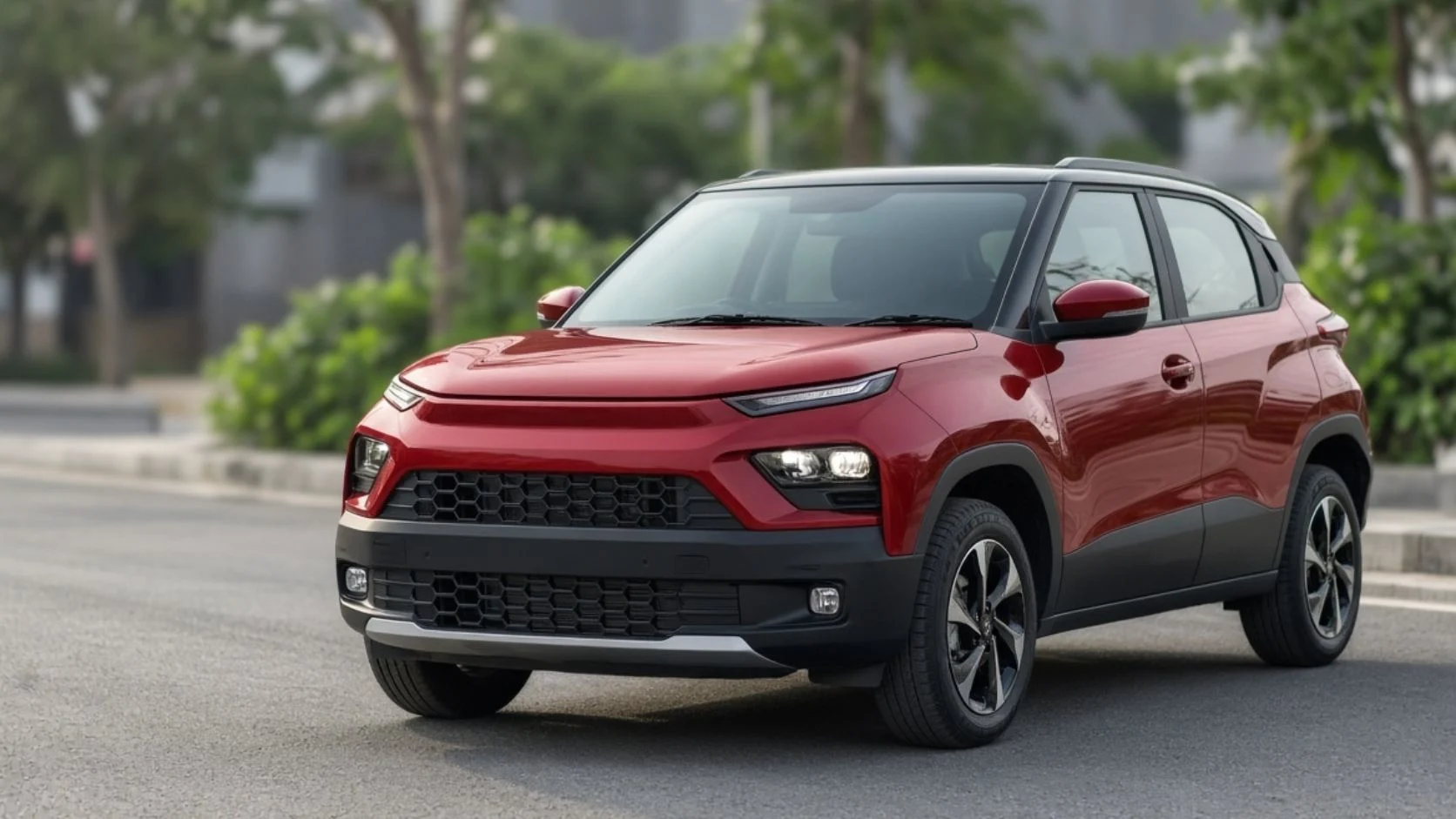
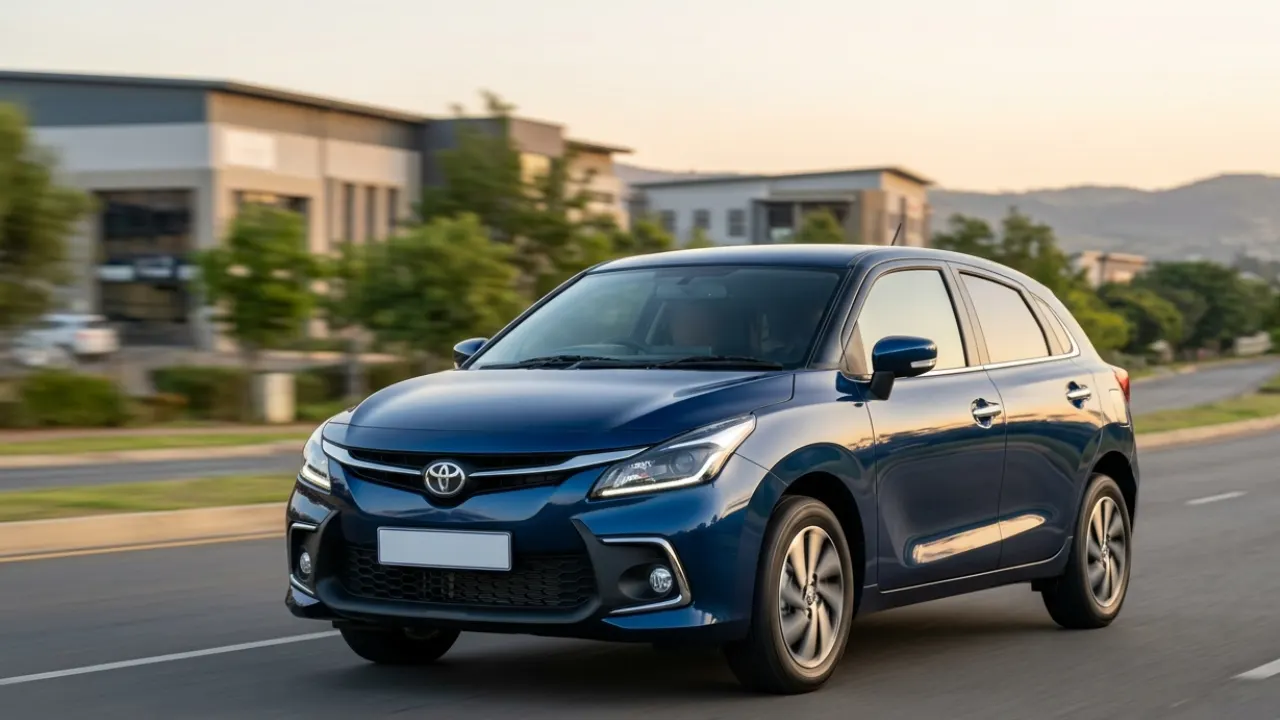
Which Harrier engine should you choose?
The diesel version may suit buyers who regularly travel long distances, drive frequently on highways, or prefer the strong pulling power associated with diesel engines. The petrol version may appeal to people who prefer a petrol-powered SUV or whose driving pattern makes a diesel engine less attractive.
The right choice also depends on annual mileage, fuel prices, maintenance costs, and the difference between comparable variants. A test drive in both versions, where available, can help buyers decide which powertrain feels better suited to their needs.
Exterior Design and Road Presence
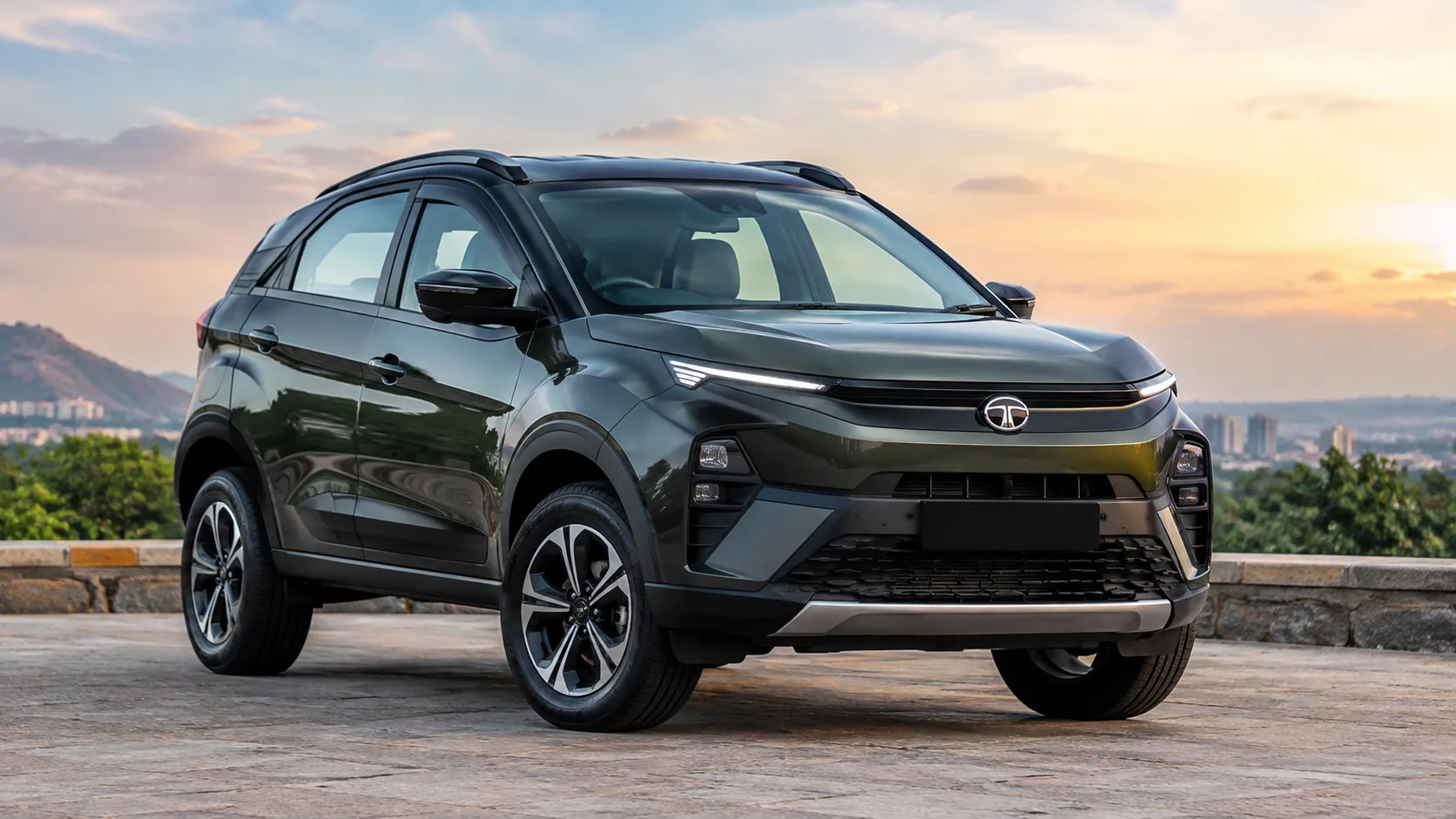
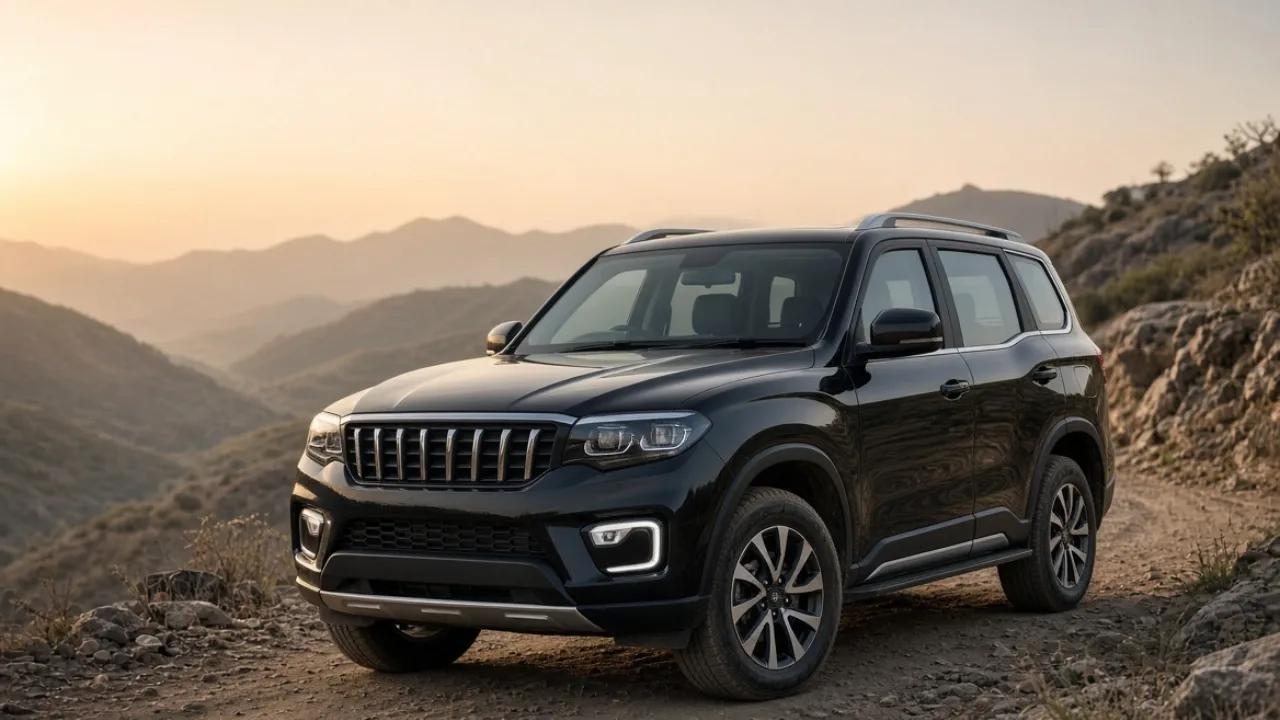
The Tata Harrier has a broad stance and an upright SUV profile. Its design emphasizes a wide front end, a high bonnet, sculpted bodywork, and distinctive lighting elements.
Its overall proportions give it a substantial road presence without placing it in the full-size, three-row SUV category. The Harrier is a five-seat model, unlike the larger Tata Safari, which offers additional seating.
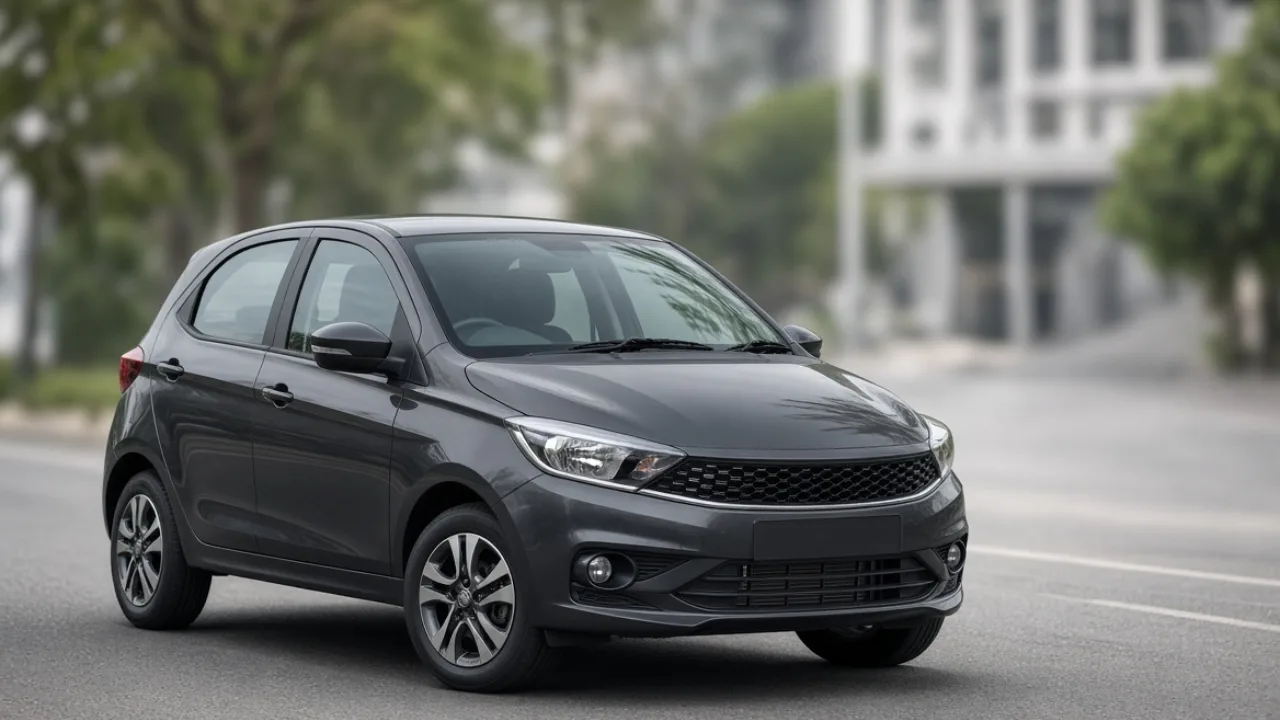
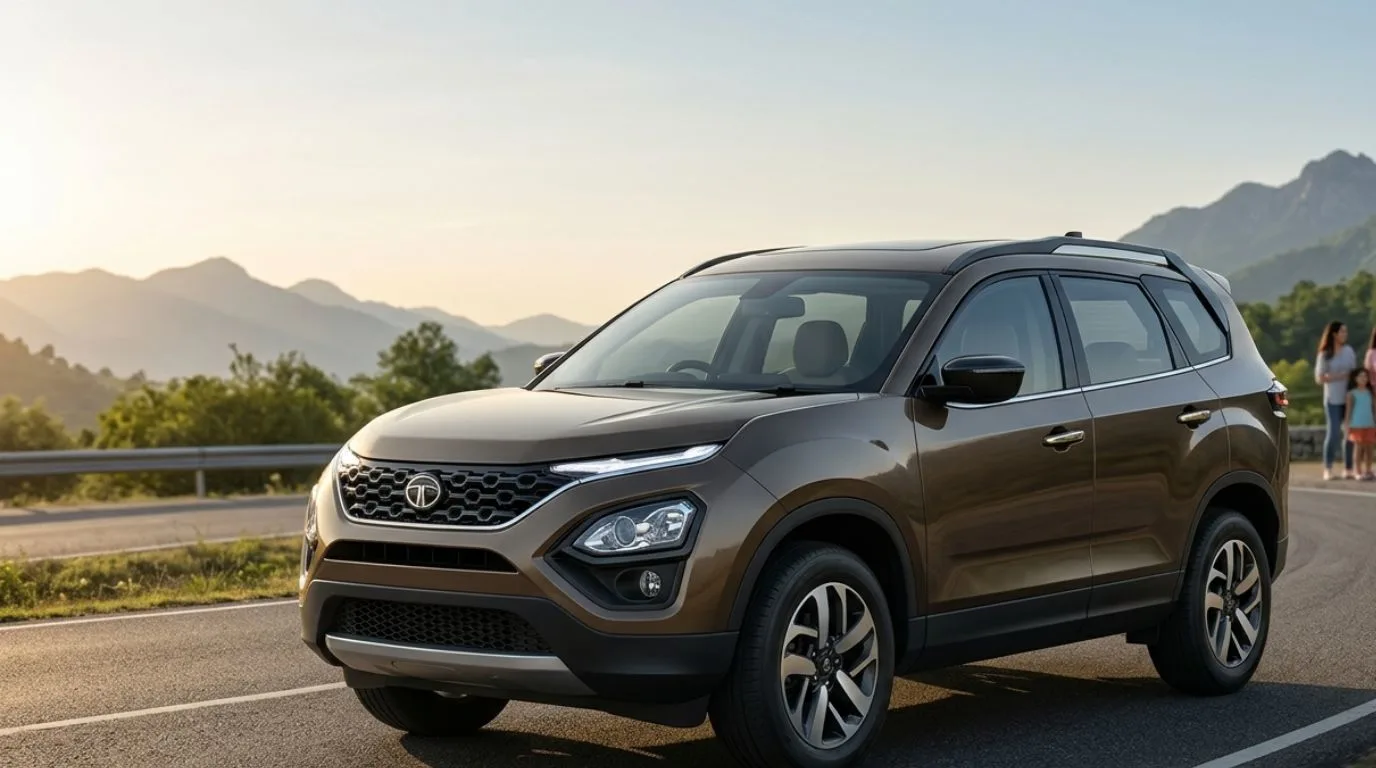
The exact exterior details depend on the selected variant and edition. Dark-themed versions, for example, use a different visual treatment from standard versions, so buyers should check the current variant brochure for the specific wheels, finishes, and trim details included.
Interior, Comfort and Premium Features
The Harrier’s cabin is a major part of its appeal. Depending on the variant, it can offer a combination of digital displays, powered seating, ventilation, connected-car technology, and convenience features designed for everyday use and longer journeys.
Infotainment and digital displays
Higher variants offer a large touchscreen infotainment system and a digital instrument cluster. The touchscreen provides access to compatible entertainment and vehicle functions, while the instrument display presents driving information.
Wireless Android Auto and Apple CarPlay are available on applicable configurations. Buyers should confirm compatibility and equipment on the precise variant they intend to purchase, as features are not necessarily standard throughout the range.
Panoramic sunroof
A panoramic sunroof is available on selected versions. It allows more daylight into the cabin and gives the interior a more open feel.
It is a variant-dependent feature rather than something buyers should assume is included on the entry-level Harrier.
Ventilated front seats
Ventilated front seats are offered on selected higher variants. They circulate air through the seat surfaces, helping occupants remain more comfortable in hot weather.
Some configurations also offer powered seat adjustment and memory functions for the driver’s seat. These features are particularly useful when multiple drivers regularly share the vehicle.
Wireless charging and connected-car technology
Depending on the trim, the Harrier can include wireless phone charging and Tata’s iRA connected-car technology. Connected functions may provide vehicle-related information and selected remote services, subject to equipment, subscription terms, connectivity, and service availability.
The exact list of connected features should be checked before purchase, particularly if a specific remote function is important to the buyer.
Audio and cabin convenience
Selected versions offer a premium branded audio system, a surround-view camera, and other convenience equipment. The availability of individual features varies by trim and edition.
For buyers comparing variants, it is worth checking the complete equipment list rather than relying on a single headline feature. A lower-priced version may cover essential needs, while a more expensive trim may add comfort, parking assistance, and additional technology.
Safety Rating: How Safe Is the Tata Harrier?
Safety is one of the Harrier’s strongest selling points, but the testing organization and rating system matter.
The Harrier and Safari received a five-star Global NCAP rating in 2023. They also have a Bharat NCAP assessment published for the applicable model and variants.
Bharat NCAP safety results
The official Bharat New Car Assessment Programme listing for the Tata Safari/Harrier records the following results:
| Safety assessment | Score |
|---|---|
| Adult Occupant Protection | 30.08 out of 32 |
| Child Occupant Protection | 44.54 out of 49 |
| Overall star rating | 5 stars for adult and child protection |
The Bharat NCAP assessment was published in 2023, with subsequent extensions to listed variants. Its applicability information includes specified Harrier diesel and petrol variant families. Buyers should consult the official applicability list to confirm that the exact version they are considering is covered.

Global NCAP rating
Tata Motors announced the Harrier’s five-star Global NCAP result in October 2023. The assessment recorded 33.05 out of 34 for adult occupant protection and 45 out of 49 for child occupant protection under the Global NCAP test protocol used at that time.
These scores should not be directly compared with Bharat NCAP scores as though both organizations use identical testing protocols. A five-star rating is meaningful within the relevant assessment, but the testing organization, protocol, and vehicle-version applicability should always be considered.
Safety equipment and driver assistance
The Harrier offers a range of safety equipment, with availability depending on the variant. Features across the lineup and selected trims include:
- Multiple airbags
- Electronic stability control
- ISOFIX child-seat mounting points
- Seat-belt reminders
- A surround-view camera on applicable variants
- Advanced driver-assistance systems on selected variants
Higher-specification versions offer driver-assistance functions such as autonomous emergency braking, forward collision warning, lane-departure warning, blind-spot detection, and rear cross-traffic alert, depending on the equipment package.
Advanced driver-assistance systems, or ADAS, use sensors and cameras to help detect certain hazards and warn the driver or intervene in specific situations. They do not make the vehicle self-driving, and drivers remain responsible for controlling the car.
A safety rating also does not guarantee that every version has identical equipment. Check the official variant-specific safety list before booking.
Dimensions, Seating and Practicality
The Harrier is designed as a five-seat SUV with a relatively wide body and a substantial wheelbase. Its dimensions support its road presence and cabin packaging, while the five-seat layout gives rear passengers a dedicated seating row without a third row occupying additional space.
| Specification | Tata Harrier |
|---|---|
| Length | 4,605 mm |
| Width | 1,922 mm, excluding outside rear-view mirrors |
| Height | 1,718 mm |
| Wheelbase | 2,741 mm |
| Seating capacity | 5 |
| Boot capacity | 445 litres |
These figures are based on Tata Motors’ published Harrier specifications and may vary if the manufacturer revises the model or its equipment.
The boot capacity is useful for everyday luggage and family travel, but buyers should assess the actual luggage they regularly carry. A showroom inspection can help establish whether the boot opening, loading height, and rear-seat arrangement suit their needs.
Ride, Handling and Everyday Driving
The Harrier’s SUV format is intended to balance cabin space, road presence, and everyday usability. Its front-wheel-drive configuration differs from traditional body-on-frame off-road SUVs that may offer four-wheel drive.
That distinction matters for buyers who regularly drive on rough tracks. The Harrier’s SUV styling and ground clearance should not be taken as proof of the same off-road capability as a dedicated four-wheel-drive vehicle.
Actual ride comfort, steering response, noise levels, and fuel economy can vary with road conditions, tyre choice, load, and driving style. Without a verified instrumented test of the exact current variant, it would be misleading to give precise real-world performance or fuel-consumption claims.
Prospective buyers should take a test drive on roads similar to their usual commute and, if possible, include uneven surfaces and highway speeds.
Tata Harrier Mileage and Fuel Efficiency
Fuel economy is an important consideration because the Harrier is a relatively large SUV. Its actual mileage depends on the engine, transmission, traffic, driving habits, road conditions, and vehicle load.
The diesel engine’s higher torque may be attractive for highway use, but it does not guarantee a particular fuel-economy result. Likewise, the petrol version’s efficiency will depend on how and where it is driven.
For an accurate comparison, check the current official fuel-efficiency figure for the specific engine and transmission. Treat owner reports and independent road tests as real-world reference points rather than guaranteed results for every driver.


When estimating running costs, consider more than fuel consumption. Annual mileage, local fuel prices, insurance, scheduled maintenance, tyre replacement, and the purchase-price difference between variants can all affect the total cost of ownership.
Tata Harrier Variants: Which One Makes Sense?
The Harrier range includes multiple equipment levels and special editions. The most suitable variant depends on which features a buyer values and whether those features justify the additional cost.
Entry-level variants: These may suit buyers who prioritize the Harrier’s size, core safety equipment, and basic convenience rather than premium cabin technology.
Mid-range variants: These can offer a balance between purchase price and features, depending on the current equipment list. Check which infotainment, camera, comfort, and convenience functions are included.
Higher-specification variants: These are worth considering if features such as powered seating, ventilated seats, premium audio, panoramic sunroof, surround-view camera, or selected ADAS functions are priorities.
Dark and special editions: These generally emphasize a distinctive exterior or interior treatment. Confirm whether the chosen edition changes equipment as well as appearance, and compare its price with a similarly equipped standard variant.
Variant names and equipment can change over time. Before deciding, compare the latest official brochure and a written dealer quotation for the exact engine, transmission, and edition.
Tata Harrier vs. Its Main Rivals
The Harrier competes in India’s midsize SUV market, where buyers may also consider the Mahindra XUV700, MG Hector, and Jeep Compass. These models do not offer identical seating arrangements, powertrains, or equipment, so comparisons should be made at the variant level.

| SUV | What buyers should compare |
|---|---|
| Tata Harrier | Five-seat layout, petrol and diesel options, premium features, and published safety assessments |
| Mahindra XUV700 | Available seating configurations, engine choices, driver-assistance equipment, and variant pricing |
| MG Hector | Cabin and infotainment features, engine and transmission choices, and ownership costs |
| Jeep Compass | Variant-specific equipment, engine availability, driving characteristics, and pricing |
The Harrier may appeal to buyers who want a five-seat SUV with a substantial cabin, premium equipment, and strong published crash-test credentials. Buyers who need a third row should compare the Safari and other three-row SUVs instead.
There is no universal winner. The better choice depends on budget, passenger needs, driving conditions, desired features, and ownership costs.
What Buyers Should Check Before Booking
Before placing an order for a 2026 Tata Harrier, consider the following points:
- Confirm the latest price. Ask for the current ex-showroom and on-road prices for your city and selected variant.
- Compare engine and transmission options. Consider your annual mileage, traffic conditions, and typical journey lengths.
- Verify the exact feature list. Do not assume that a feature shown in advertising is included in every variant.
- Check safety-rating applicability. Confirm that the official assessment covers the specific version you plan to buy.
- Review the warranty and service terms. Ask the dealer for the current warranty coverage, service schedule, and applicable conditions.
- Take a test drive. Assess visibility, seating comfort, steering, braking feel, parking convenience, and cabin usability.
- Get the final quotation in writing. Check insurance, registration, accessories, optional packages, and any applicable offers separately.
These steps help avoid paying for equipment you do not need or assuming that a particular safety or convenience feature is standard.
Final Thoughts
The 2026 Tata Harrier remains a strong option for Indian buyers looking for a premium five-seat SUV. Its appeal comes from the choice of turbo-petrol and diesel engines, a feature-rich cabin on higher trims, and five-star results in both Global NCAP and Bharat NCAP assessments under their respective testing protocols.
The most important decision is choosing the right variant. Buyers who prioritize running costs may prefer to compare the engines using their own annual mileage and local fuel prices, while those who value comfort and technology should inspect the equipment differences carefully.
Prices, variant names, and feature availability can change. Before buying, verify the latest specifications and quotation with Tata Motors or an authorized dealer, and check the official safety-rating applicability for the exact model.
Frequently Asked Questions
What is the price of the 2026 Tata Harrier in India?
Current automotive listings place the starting ex-showroom price at approximately ₹12.99 lakh, with higher variants listed at approximately ₹26.10 lakh. Prices can change, so confirm the current amount with an authorized dealer.

Which engines are available in the Tata Harrier?
The current Indian lineup includes a 1.5-liter turbo-petrol engine producing 170 hp and 280 Nm, and a 2.0-liter turbo-diesel engine producing 170 hp and 350 Nm. Both are offered with manual and automatic transmission options.
Does the Tata Harrier have a five-star safety rating?
Yes. The Harrier received a five-star Global NCAP rating in 2023 and has a five-star Bharat NCAP assessment for adult and child occupant protection. Buyers should check the relevant testing protocol and applicability list for their exact variant.
Is the Tata Harrier a five-seater or a seven-seater?
The Tata Harrier is a five-seat SUV. Buyers who need a third row can consider the Tata Safari, which is available in six- and seven-seat configurations depending on the variant.
Does the Tata Harrier offer ADAS?
Selected Harrier variants offer advanced driver-assistance features, which can include autonomous emergency braking, forward collision warning, lane-departure warning, and blind-spot detection. Availability depends on the variant and equipment package.

Is the Tata Harrier available with a petrol engine?
Yes. The current Indian lineup includes a 1.5-liter turbo-petrol engine alongside the 2.0-liter turbo-diesel option. Confirm current variant and transmission availability before booking.
What is the boot capacity of the Tata Harrier?
Tata Motors’ published specifications list a boot capacity of 445 litres. Confirm the latest specification for the exact version you are considering.
Is the Tata Harrier suitable for off-road driving?
The Harrier is an SUV with a front-wheel-drive configuration. It can suit ordinary roads and some rough-road conditions, but buyers who regularly need serious off-road capability should compare it with vehicles specifically equipped for that use.