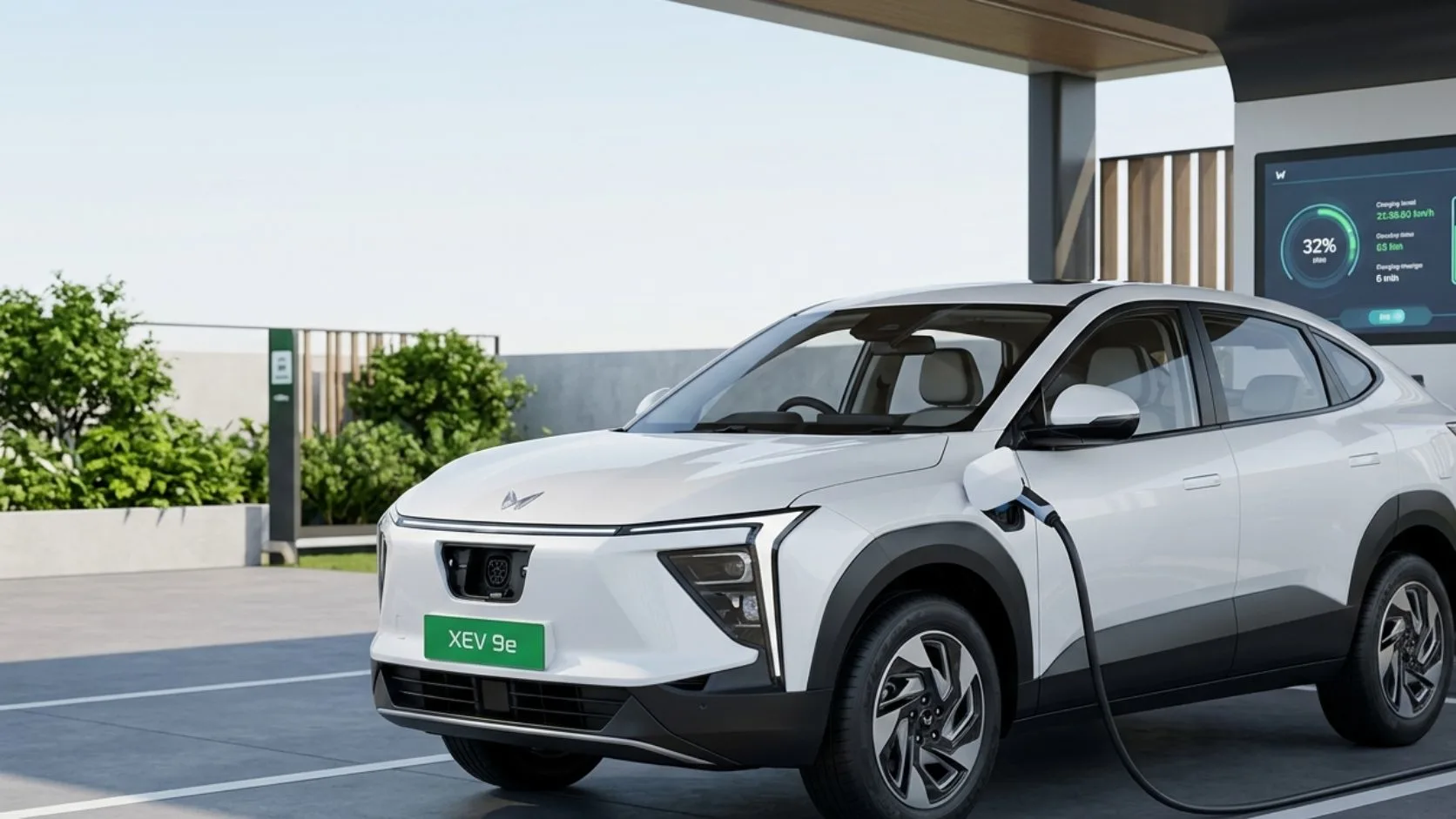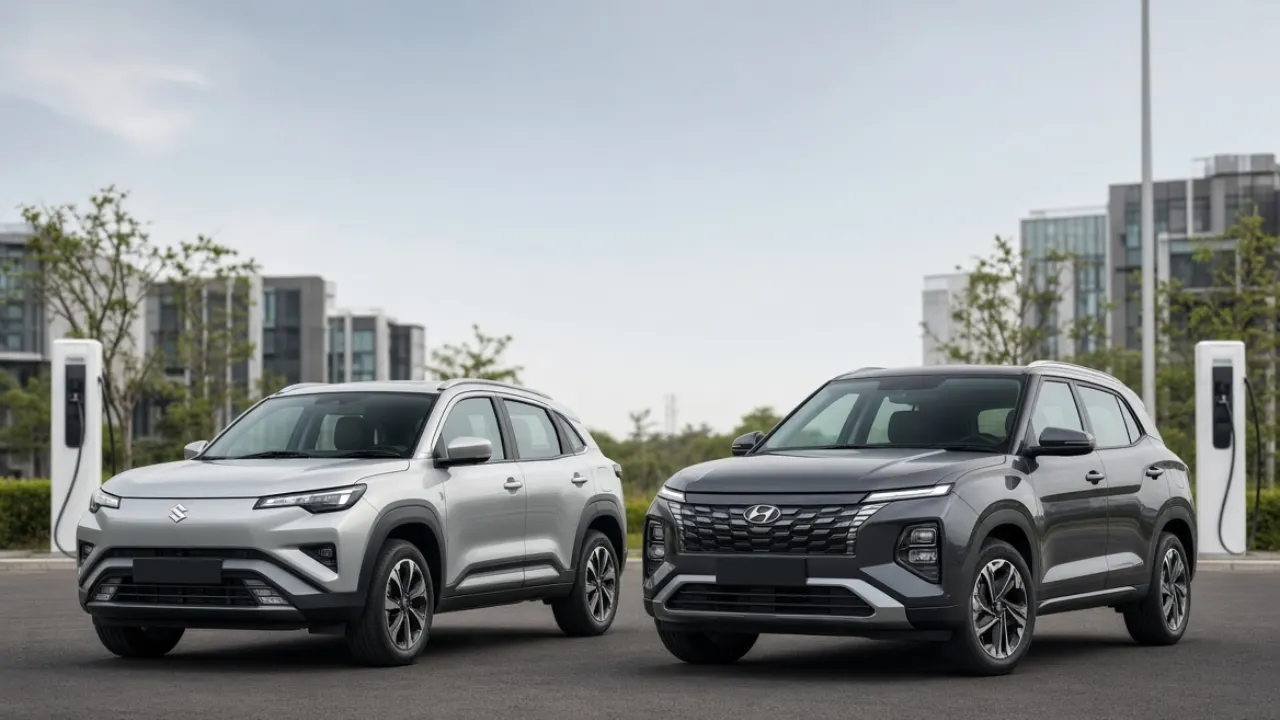
India’s electric SUV market has moved into a more competitive phase, and two of the most closely matched models are the Maruti Suzuki e Vitara and Hyundai Creta Electric. Both are five-door electric SUVs aimed at mainstream Indian buyers, but they take different approaches to battery size, charging capability, packaging and technology.
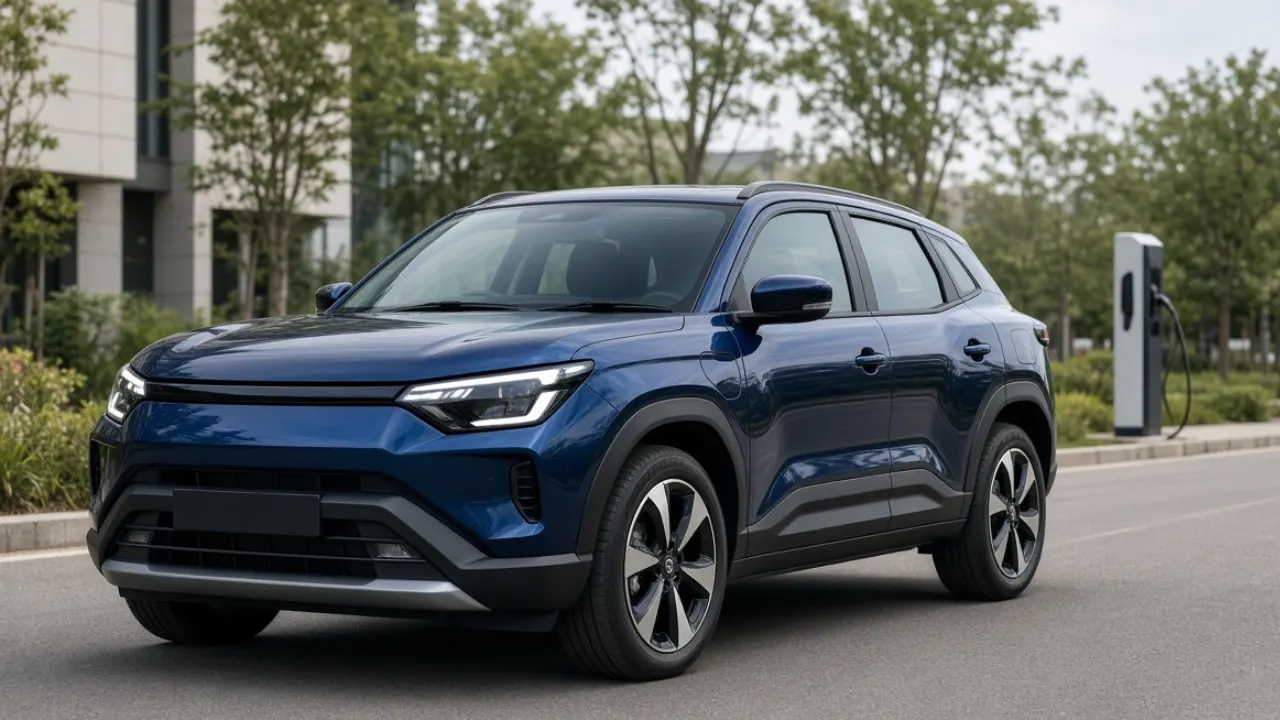
The e Vitara is Maruti Suzuki’s first battery-electric SUV and uses the dedicated HEARTECT-e EV platform. It is available with 49 kWh and 61 kWh battery packs, with the larger battery offering a claimed ARAI range of up to 543 km.
The Creta Electric offers 42 kWh and 51.4 kWh battery options, with the long-range version officially rated for up to 510 km. Hyundai also offers features such as Level 2 ADAS, Vehicle-to-Load (V2L) and faster AC charging support.
For buyers deciding between the two, the important question is not simply which SUV has the longer claimed range. Battery capacity, charging speed, equipment, dimensions and everyday practicality all matter.
Maruti e Vitara vs Hyundai Creta Electric: Quick Comparison
| Specification | Maruti Suzuki e Vitara | Hyundai Creta Electric |
|---|---|---|
| Battery options | 49 kWh / 61 kWh | 42 kWh / 51.4 kWh |
| Maximum claimed range | Up to 543 km | Up to 510 km |
| Motor layout | Single motor, front-wheel drive | Single motor, front-wheel drive |
| Maximum power | 174 hp | 171 hp |
| Maximum torque | 193 Nm | 255 Nm |
| Maximum AC charging support | 7.4 kW | 11 kW |
| DC charging | Up to 70 kW | Up to 100 kW |
| 10–80% DC charging claim | 45 minutes | 39 minutes |
| Length | 4,275 mm | 4,340 mm |
| Width | 1,800 mm | 1,790 mm |
| Wheelbase | 2,700 mm | 2,610 mm |
| Claimed boot capacity | 306 litres | 433 litres + 22-litre frunk |
The comparison above uses the currently published specifications for the Indian-market vehicles.
Battery and Range: e Vitara Has the Larger Top Battery
The biggest numerical advantage for the e Vitara is its 61 kWh battery option. Maruti Suzuki also offers a 49 kWh battery, with claimed ARAI ranges of up to 543 km and 440 km respectively.
The Creta Electric uses 42 kWh and 51.4 kWh battery packs. Hyundai currently lists claimed ranges of up to 420 km for the 42 kWh version and 510 km for the 51.4 kWh long-range version.
That gives the e Vitara a 33 km advantage in maximum claimed range when comparing the largest battery versions: 543 km versus 510 km.
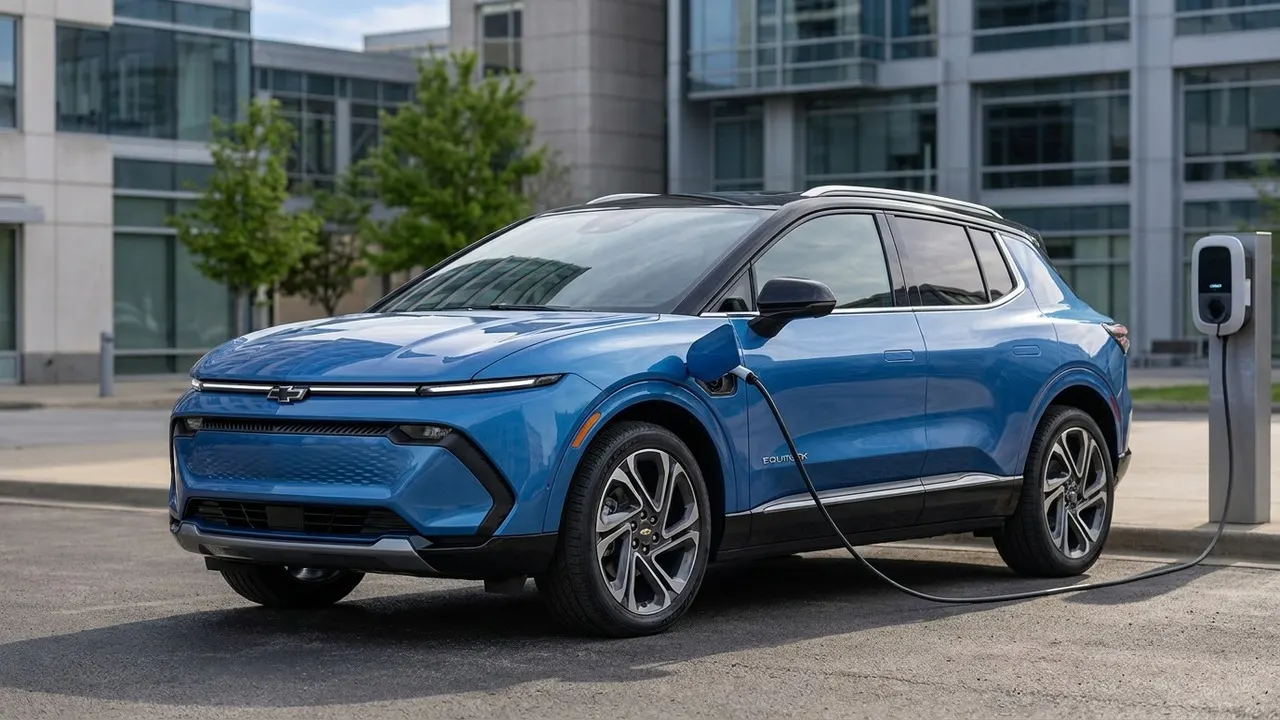
However, these are certified figures obtained under controlled testing conditions. They should not be interpreted as a guaranteed real-world driving distance. Actual range can vary with speed, traffic, temperature, terrain, air-conditioning use, battery condition and driving style.
Range comparison
- e Vitara 49 kWh: up to 440 km claimed
- e Vitara 61 kWh: up to 543 km claimed
- Creta Electric 42 kWh: up to 420 km claimed
- Creta Electric 51.4 kWh: up to 510 km claimed
Charging: Creta Electric Supports Higher Charging Power
Charging is one area where the Hyundai has a clear specification advantage.
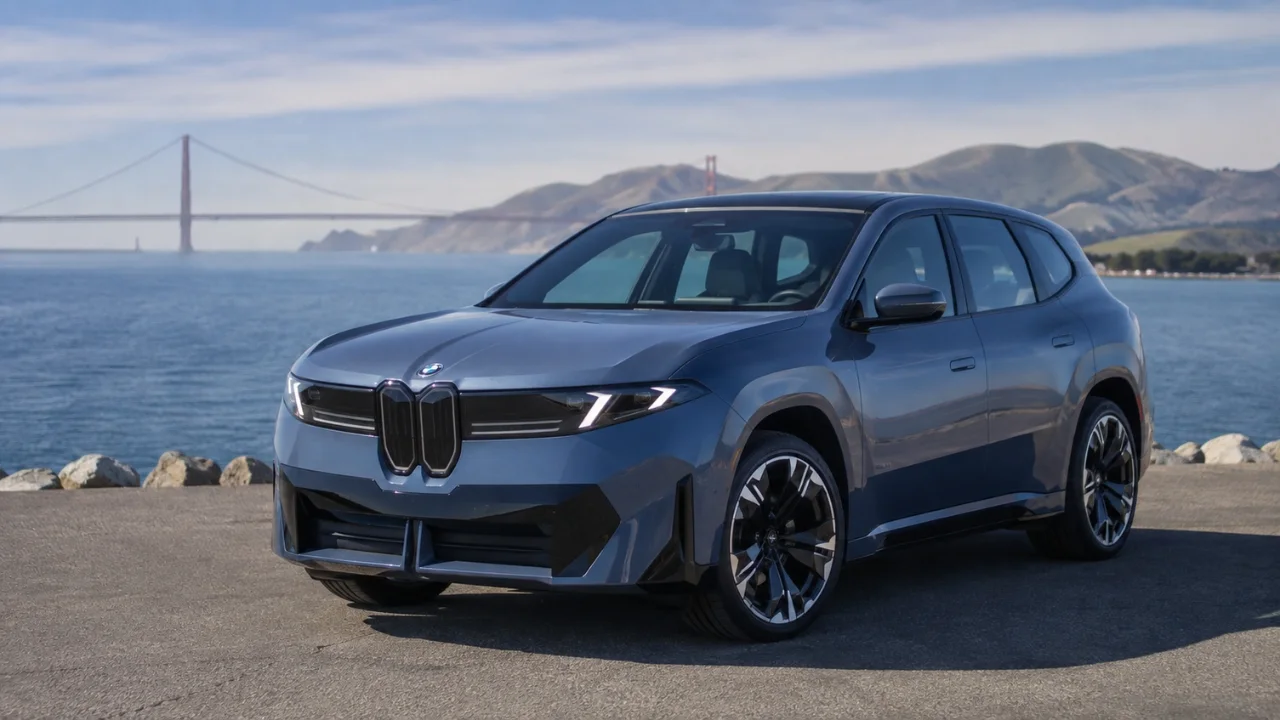
The e Vitara supports up to 7.4 kW AC charging and up to 70 kW DC fast charging. Maruti’s published figures put the 10–80% DC charging time at about 45 minutes using a compatible 70 kW charger.
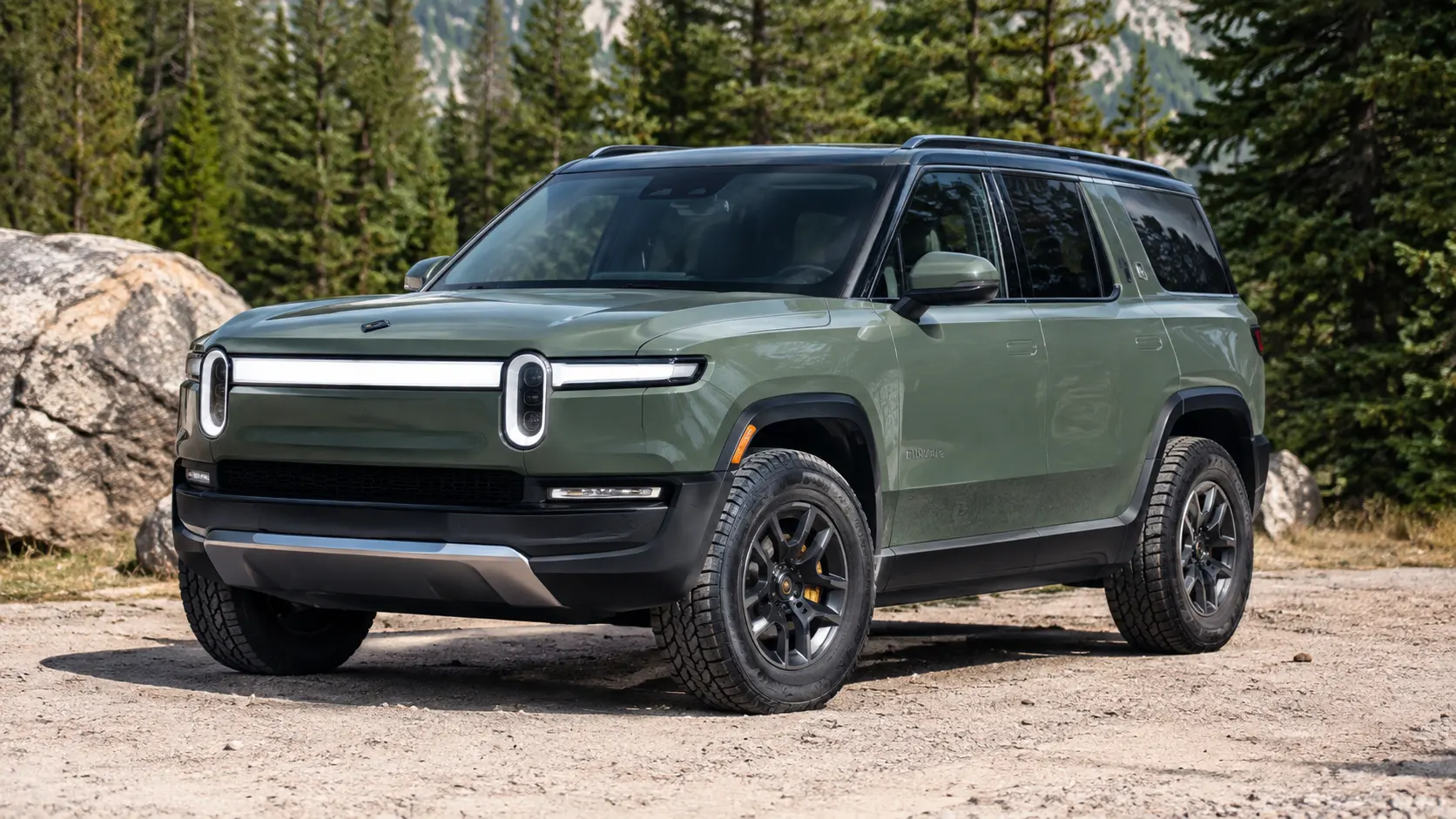
The Creta Electric supports 11 kW AC charging, while its DC charging capability can reach 100 kW. Hyundai quotes 39 minutes for a 10–80% DC charge under the specified charging conditions.
Charging comparison
| Charging detail | e Vitara | Creta Electric |
|---|---|---|
| AC charging | Up to 7.4 kW | Up to 11 kW |
| DC charging | Up to 70 kW | Up to 100 kW |
| 10–80% DC | About 45 minutes | About 39 minutes |
This does not mean every charging session will take exactly those times. Hyundai specifically notes that charging time can vary according to battery state of charge, charger output, battery and vehicle settings, temperature and other conditions.
For someone who frequently relies on public fast chargers, the Creta Electric’s higher peak charging capability is an important difference.
Performance: Creta Electric Has More Torque
Both SUVs use a single front-mounted electric motor, but their output figures are different.
The 61 kWh e Vitara produces 174 hp and 193 Nm, while the 51.4 kWh Creta Electric develops 171 hp and 255 Nm.
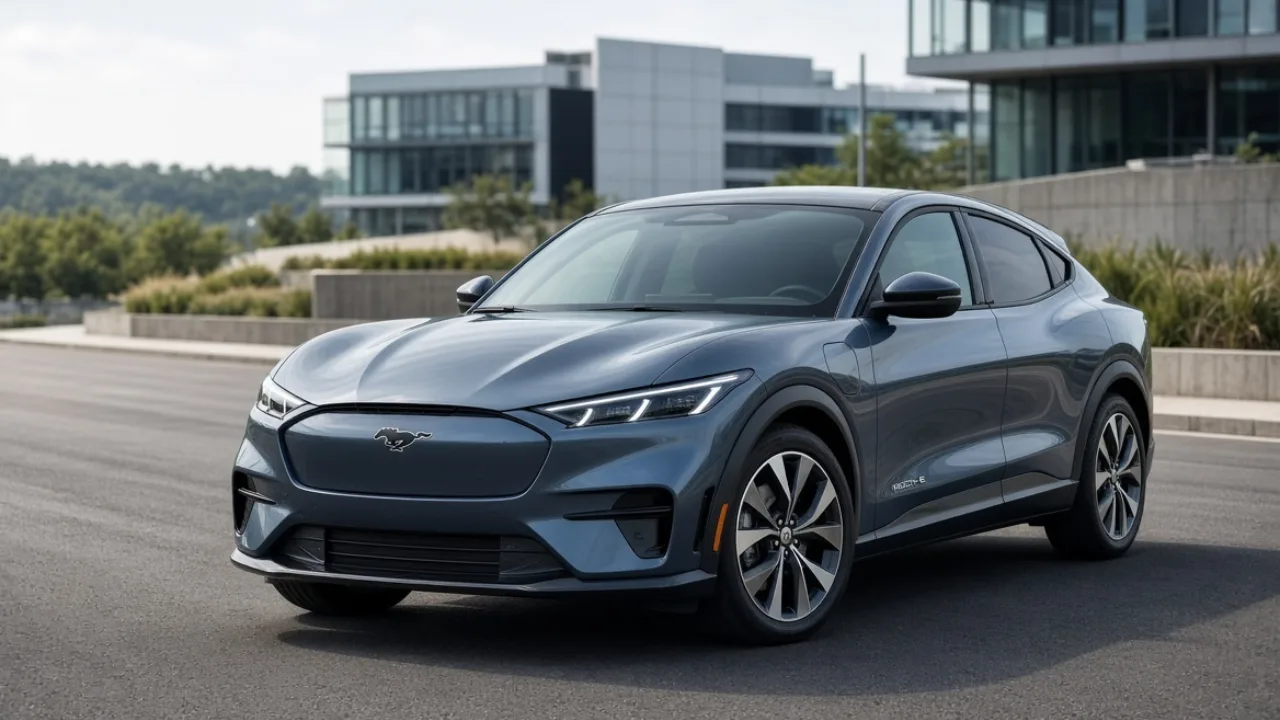
So the e Vitara has a slight advantage in peak power, but the Hyundai has considerably more quoted torque.
That distinction matters because electric-motor torque influences how quickly a vehicle can respond to accelerator inputs, although outright performance also depends on gearing, vehicle weight, software calibration and other factors.
The two SUVs therefore have different numerical strengths rather than one simply outperforming the other across every specification.
Dimensions and Practicality
The e Vitara and Creta Electric are similar in overall concept but have noticeably different dimensions.
The Hyundai is 65 mm longer, while the Maruti has a 90 mm longer wheelbase. The e Vitara is also 10 mm wider according to the comparison data.
| Dimension | e Vitara | Creta Electric |
|---|---|---|
| Length | 4,275 mm | 4,340 mm |
| Width | 1,800 mm | 1,790 mm |
| Height | 1,640 mm | 1,655 mm |
| Wheelbase | 2,700 mm | 2,610 mm |
The Creta Electric has the advantage in published luggage capacity. Autocar India’s comparison lists 433 litres of boot space plus a 22-litre frunk, compared with 306 litres for the e Vitara.
For families carrying luggage regularly, this difference may be more meaningful than a small difference in exterior dimensions.
Features: Both SUVs Take Different Approaches
Maruti Suzuki positions the e Vitara as a technology-focused electric SUV. Its official equipment highlights include a digital cockpit, a 10-way power-adjustable driver’s seat, sliding and reclining rear seats, Infinity by Harman audio, Level 2 ADAS and Suzuki Connect.
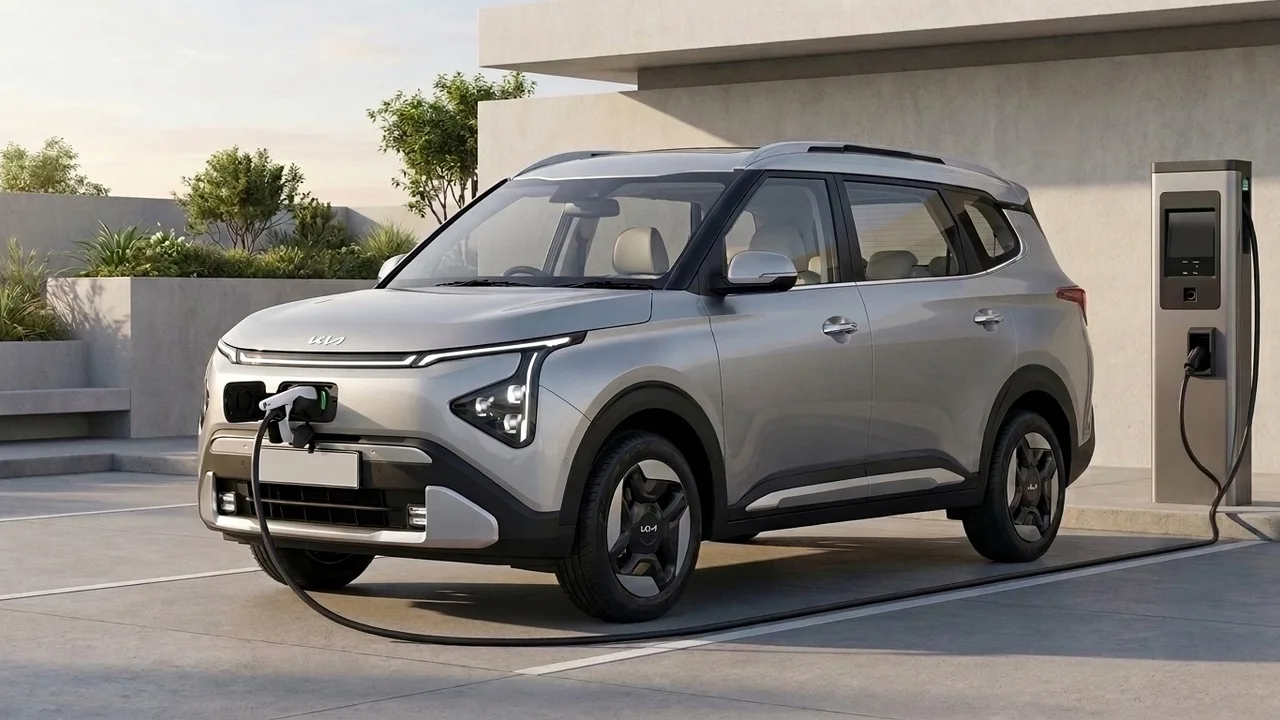
The company also says the e Vitara gets seven airbags as standard and uses a dedicated EV platform called HEARTECT-e.
The Creta Electric offers a different set of technology features. Hyundai lists dual 10.25-inch displays, connected-car technology, Digital Key, V2L, panoramic sunroof availability and Hyundai SmartSense Level 2 ADAS among its equipment.
Notable e Vitara features
- HEARTECT-e dedicated EV platform
- Level 2 ADAS
- Seven airbags
- Integrated digital display setup
- 10-way power-adjustable driver’s seat
- Sliding and reclining rear seats
- Infinity by Harman audio
- Suzuki Connect
- Smart home charging support
Notable Creta Electric features
- Dual 10.25-inch displays
- Level 2 ADAS
- V2L functionality
- Digital Key
- Bluelink connected-car technology
- Panoramic sunroof on applicable variants
- i-Pedal single-pedal driving
- Multiple battery and variant choices
Equipment can vary by variant, so buyers should check the exact trim rather than assuming that every listed feature is standard.
Price and Ownership Structure
Pricing requires some caution because both manufacturers now offer battery-related ownership options that can make headline prices difficult to compare directly.
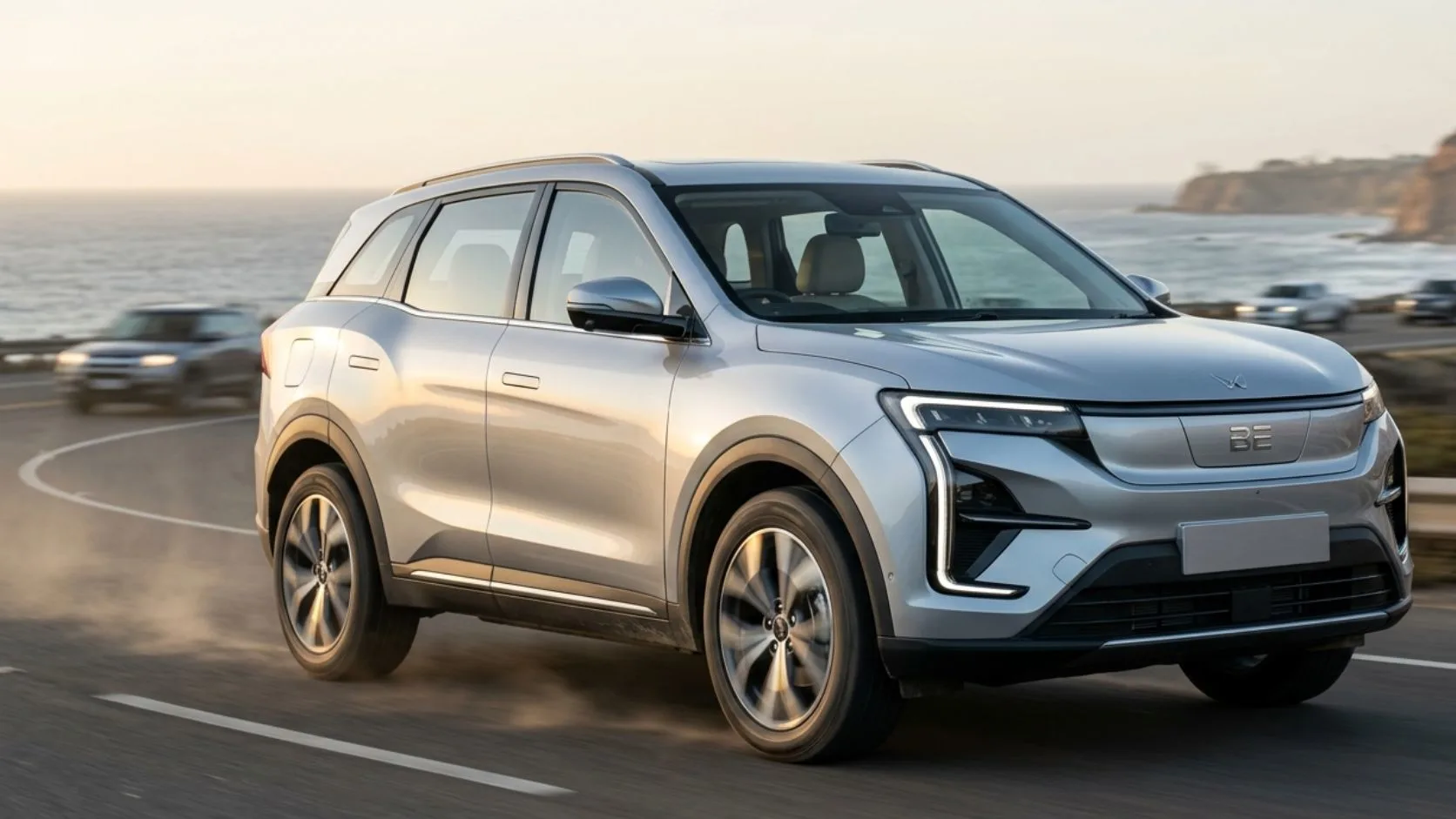
Maruti Suzuki introduced a BaaS option for the e Vitara, with an introductory price of ₹10.99 lakh plus a battery EMI starting at ₹3.99 per km. The company stated that this introductory offer was valid through March 31, 2026, so that particular introductory pricing should not be treated as the current standard price in September 2026.
Hyundai also offers a BaaS program for the Creta Electric. Hyundai’s current information lists a starting BaaS price of ₹10.99 lakh, with battery usage starting at ₹3.90 per km. The conventional ex-showroom starting price is listed at around ₹18.03 lakh.
Because BaaS separates the vehicle price from battery usage costs, buyers should compare the total ownership cost, not simply the headline upfront figure.
Charging Ecosystem
Maruti Suzuki has developed its e for me ecosystem around the e Vitara. The company says the platform supports charging discovery, scheduling and payment, while its EV strategy includes a network of EV-enabled service outlets.
Hyundai says its myHyundai app gives EV users access to more than 30,000 charging points across India.
The actual usefulness of either ecosystem depends on where a buyer lives and travels. A large national number does not necessarily mean that a convenient charger will be available on every regular route.
Which One Makes More Sense for Different Buyers?
Rather than naming one universal winner, the differences point toward different buyer priorities.
The e Vitara may appeal more to buyers who prioritize:
- The larger 61 kWh battery
- The higher 543 km claimed maximum range
- A longer wheelbase
- A dedicated EV platform
- Maruti Suzuki’s EV service ecosystem
- Seven airbags as standard
The Creta Electric may appeal more to buyers who prioritize:
- Higher AC charging capability
- Higher DC charging capability
- Faster quoted DC charging
- Higher torque output
- Larger published boot capacity
- V2L functionality
- Hyundai’s connected technology and ADAS package
These are specification-based distinctions rather than a universal verdict. Actual suitability depends on driving patterns, charging access, budget, variant and ownership preferences.
e Vitara vs Creta Electric: What Stands Out
The Maruti Suzuki e Vitara has the larger battery at the top end and the higher maximum claimed ARAI range. Its dedicated EV platform and longer wheelbase are also notable characteristics.
The Hyundai Creta Electric, meanwhile, has stronger charging specifications, more quoted torque and greater published luggage capacity. It also brings features such as V2L and Hyundai SmartSense Level 2 ADAS.
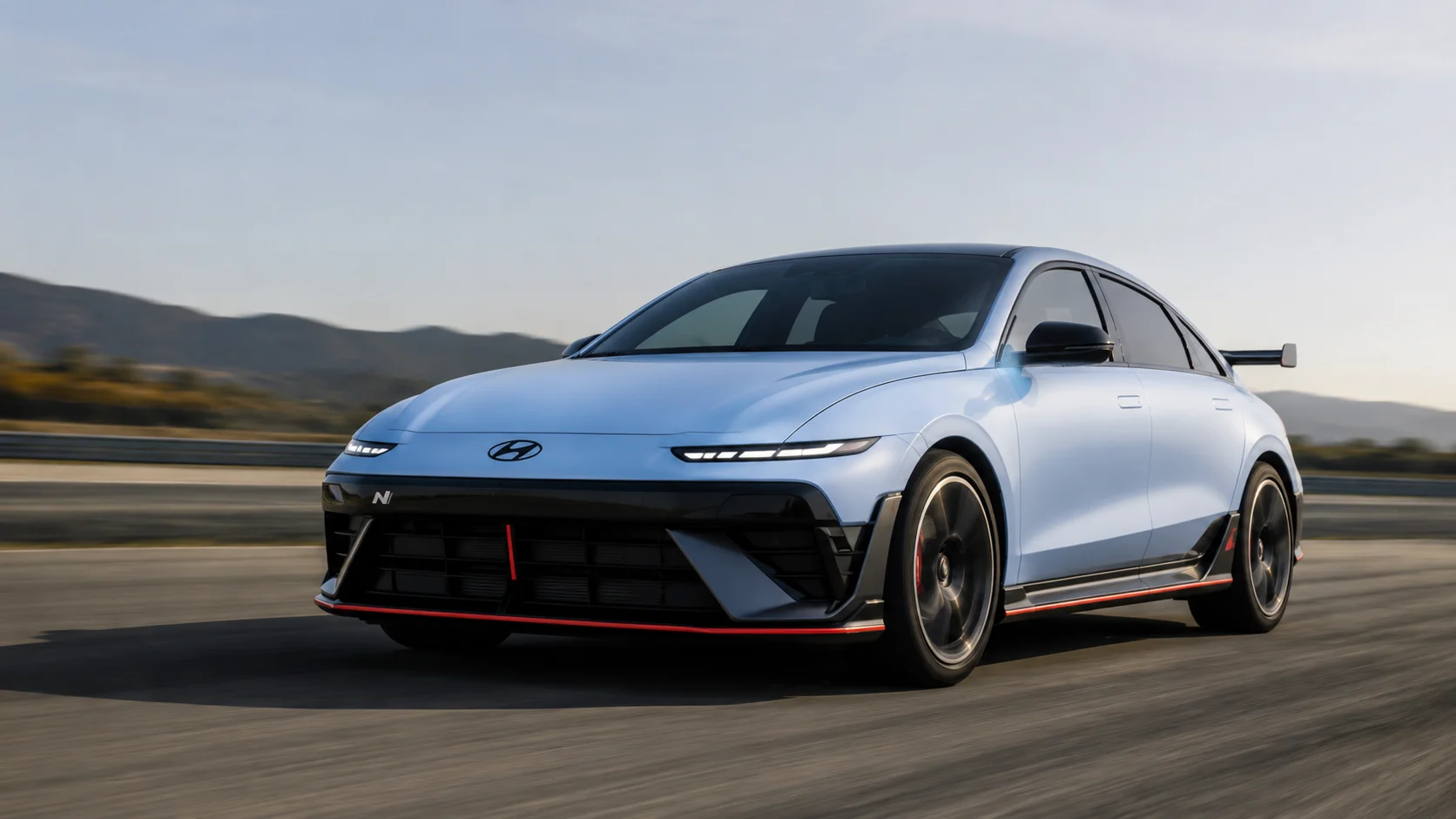
For long-distance EV users, the e Vitara’s 61 kWh battery and 543 km claimed range may be particularly relevant. For drivers who depend heavily on faster charging or value cargo capacity and V2L, the Creta Electric’s specifications deserve close attention.
Frequently Asked Questions
Is the e Vitara’s range higher than the Creta Electric?
Yes. The 61 kWh e Vitara has a claimed ARAI range of up to 543 km, while the 51.4 kWh Creta Electric is rated for up to 510 km.
Which has the bigger battery?
The e Vitara has the larger maximum battery option. It is offered with 49 kWh and 61 kWh packs, while the Creta Electric uses 42 kWh and 51.4 kWh packs.
Which charges faster?
On the published specifications, the Creta Electric supports higher AC and DC charging power. Hyundai quotes 39 minutes for a 10–80% DC charge under specified conditions, compared with about 45 minutes for the e Vitara.
Does the Creta Electric have V2L?
Yes. Hyundai lists Vehicle-to-Load functionality for the Creta Electric, allowing the vehicle to supply power to compatible external devices.
Does the e Vitara have Level 2 ADAS?
Yes. Maruti Suzuki lists Level 2 ADAS among the e Vitara’s safety technologies.
Which has more boot space?
The published comparison figures favor the Creta Electric, with 433 litres of boot space plus a 22-litre frunk, compared with 306 litres listed for the e Vitara.
Are the claimed ranges the same as real-world range?
No. ARAI-certified range figures are obtained under controlled testing conditions. Real-world range can vary with driving conditions, speed, temperature, traffic, air-conditioning use and other factors.
Final Thoughts
The Maruti Suzuki e Vitara and Hyundai Creta Electric are closely matched mainstream electric SUVs, but their strengths are different.
The e Vitara’s 61 kWh battery and 543 km claimed range give it an advantage on maximum certified range, while its dedicated HEARTECT-e platform and longer wheelbase are notable parts of its engineering package.
The Creta Electric counters with higher charging power, more torque, larger published cargo capacity and features such as V2L and Level 2 ADAS.
For Indian EV buyers, the more useful comparison is therefore not simply range versus range. Charging access, daily distance, highway use, luggage requirements, desired features and the total cost of ownership—including any BaaS charges—should all be considered before choosing between these two SUVs.
Sources & References
- Maruti Suzuki — e VITARA official launch information
- Maruti Suzuki — e VITARA India launch and BaaS information
- Hyundai India — CRETA Electric specifications
- Hyundai India — CRETA Electric features
- Hyundai India — CRETA Electric highlights and pricing
- Autocar India — Maruti e Vitara vs Hyundai Creta Electric comparison
- Autocar India — e Vitara vs Creta Electric top-variant comparison