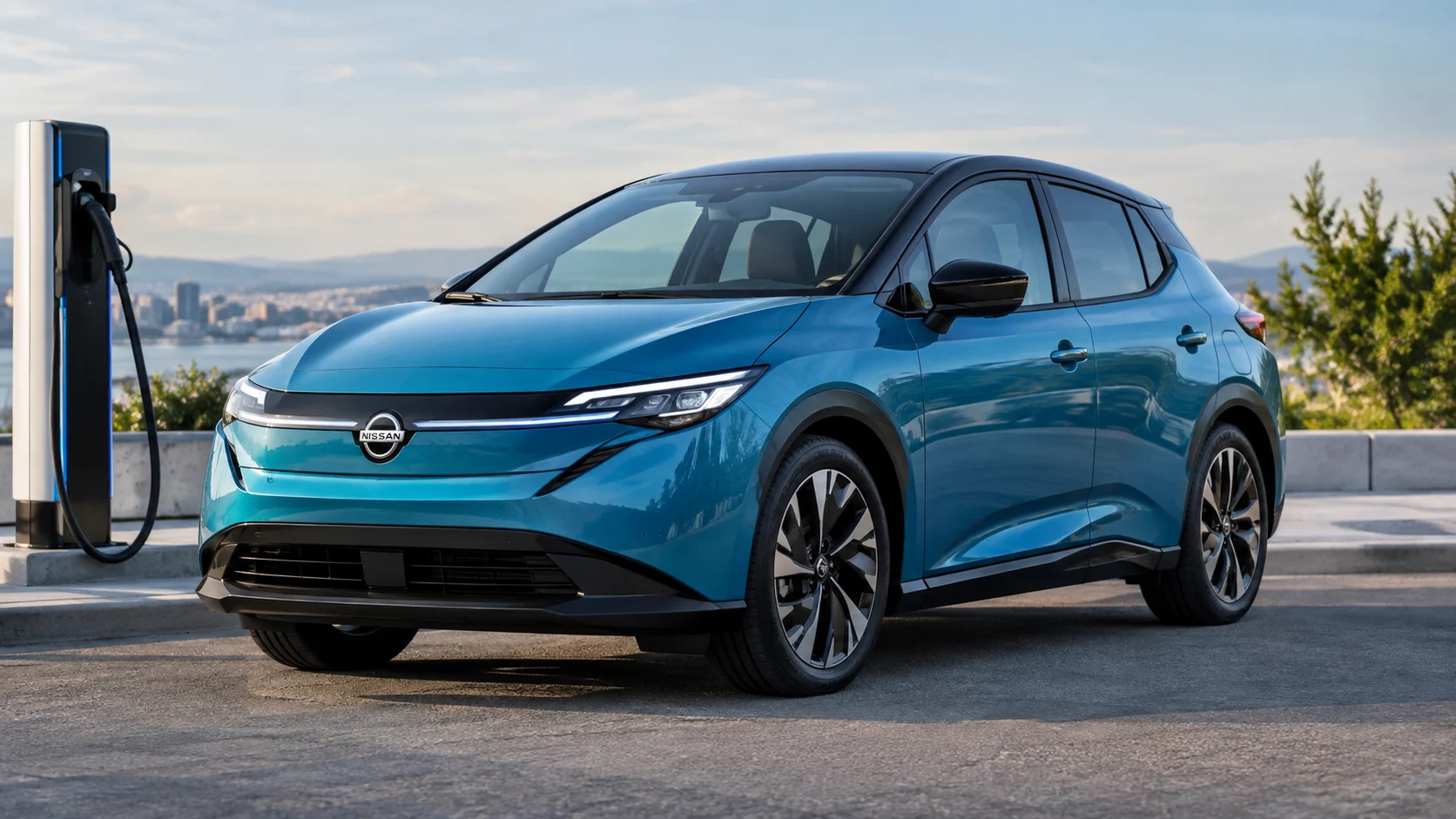
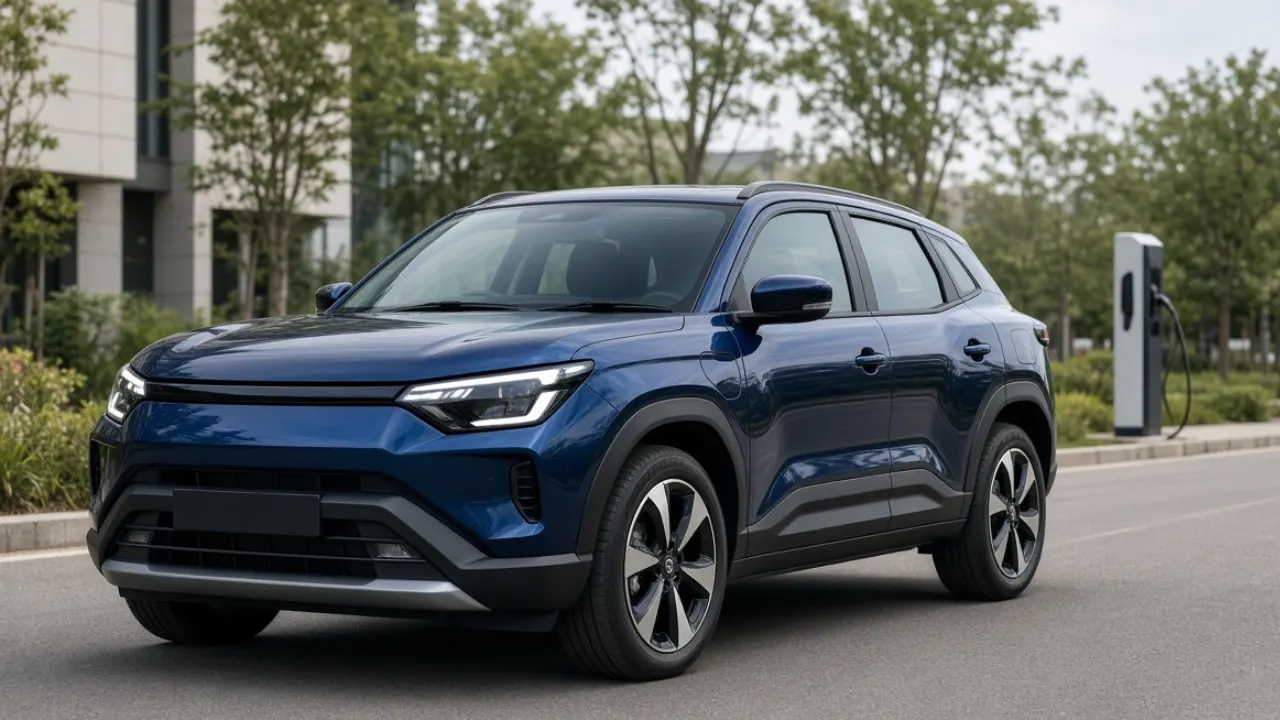
The 2026 Nissan Leaf marks a major change for Nissan’s long-running electric car. For the 2026 model year, the Leaf moves into its third generation with a crossover-style body, a 75-kWh battery, a North American Charging Standard (NACS) DC fast-charging port, and up to 303 miles of EPA-estimated range in the U.S. market. Nissan also gives the new Leaf a substantially redesigned cabin with larger digital displays and more connected technology.
For U.S. buyers, the 2026 Leaf is offered in three front-wheel-drive trims: S+, SV+, and Platinum+. Pricing starts at $29,990 MSRP for the S+, before the $1,545 destination charge listed by Nissan.
2026 Nissan Leaf: Quick Overview
| Specification | 2026 Nissan Leaf |
|---|---|
| Market covered | United States |
| Powertrain | Battery-electric |
| Motor | 160-kW AC synchronous electric motor |
| Power | 214 hp |
| Torque | 261 lb-ft |
| Battery | 75 kWh lithium-ion |
| Drivetrain | Front-wheel drive |
| Maximum EPA range | 303 miles |
| Fast-charging standard | NACS |
| DC fast charging | 150 kW |
| 20–80% DC charging | About 30 minutes |
| Seating | 5 |
| Starting MSRP | $29,990 |
| Model lineup | S+, SV+, Platinum+ |
Specifications and pricing above are based on Nissan’s U.S. documentation and therefore should not be treated as global Leaf specifications.
What’s New for the 2026 Nissan Leaf?
The biggest change is the Leaf’s move away from its previous hatchback form toward a more crossover-oriented design. Nissan describes the 2026 model as the third-generation Leaf and positions it around a new exterior design, connected features and expanded charging access.
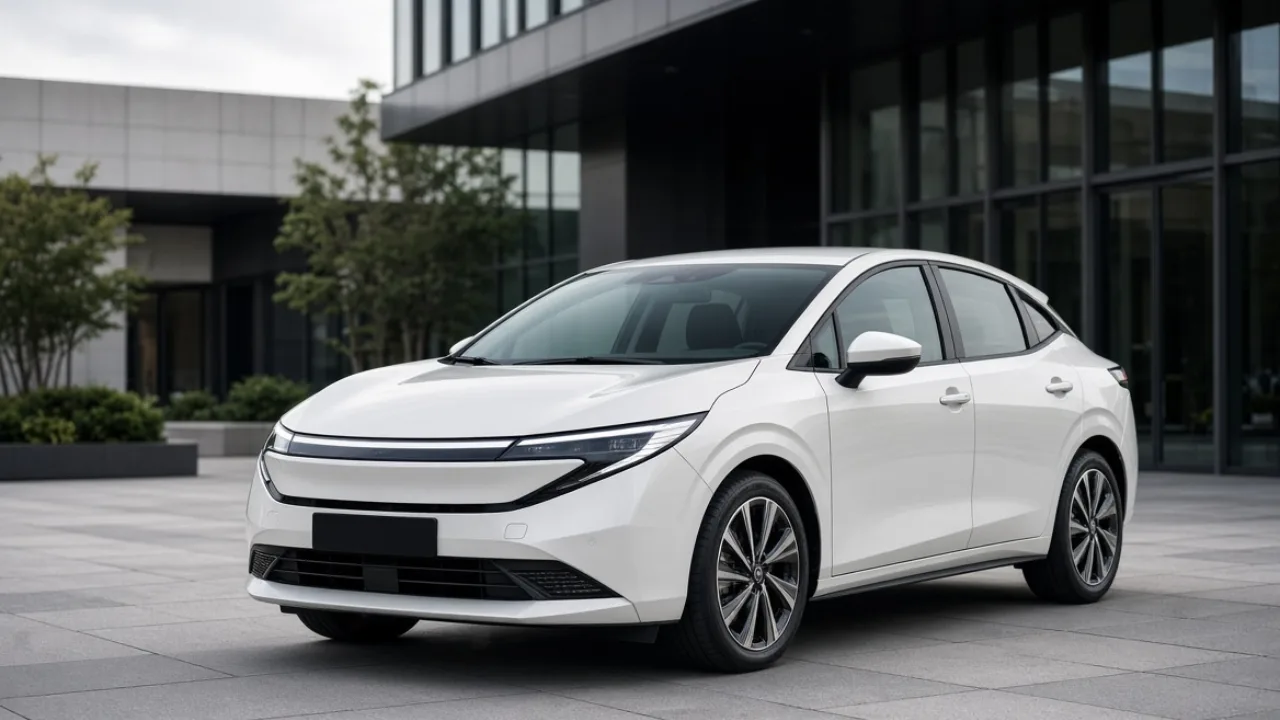
The mechanical package is also substantially updated. All three U.S. trims use a 75-kWh lithium-ion battery and 160-kW electric motor, producing 214 hp and 261 lb-ft of torque. The Leaf remains front-wheel drive.
Another important change is charging compatibility. The 2026 Leaf has a built-in NACS port for DC fast charging, while a separate J1772 port handles routine AC charging. Nissan says the NACS connection allows direct use of compatible Tesla Superchargers without an adapter.
2026 Nissan Leaf Range
Range varies considerably by trim because of differences including wheel and equipment configurations.
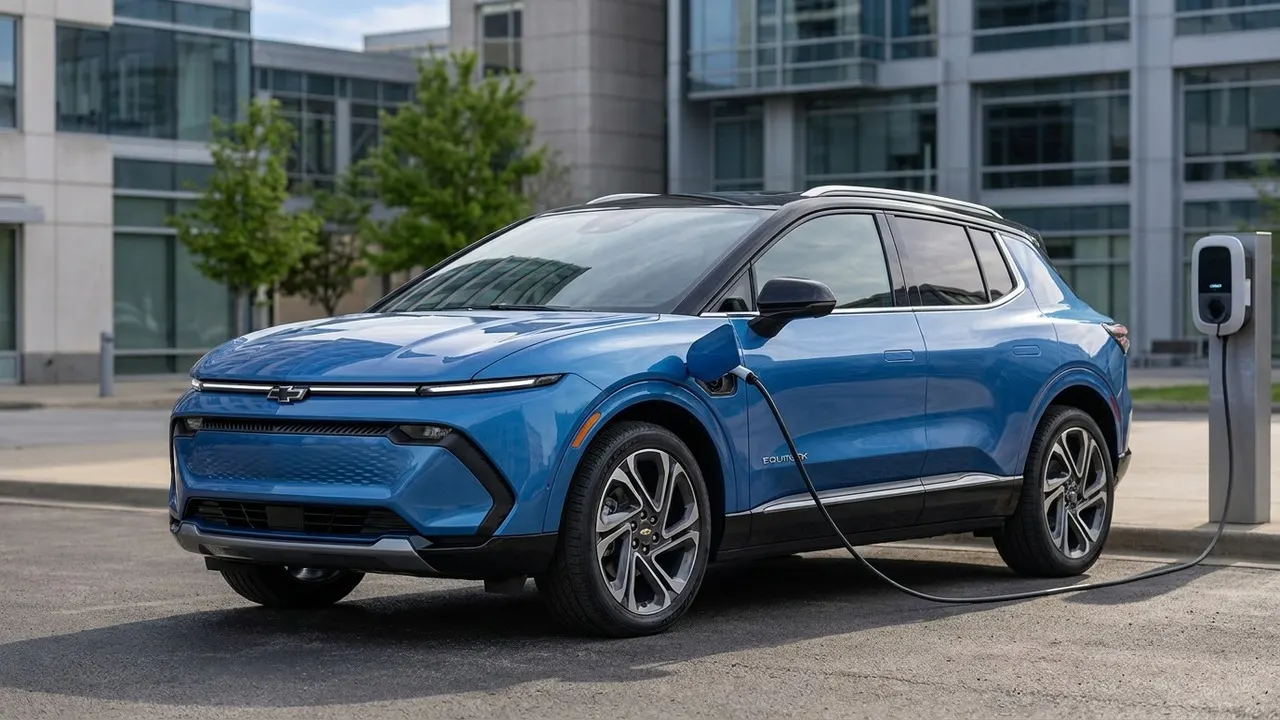
The Leaf S+ has the highest EPA-estimated range at 303 miles per charge. The SV+ is rated for 288 miles, while the range of the Platinum+ drops to 259 miles.
| Trim | EPA-estimated range | Battery |
|---|---|---|
| S+ | 303 miles | 75 kWh |
| SV+ | 288 miles | 75 kWh |
| Platinum+ | 259 miles | 75 kWh |
Nissan’s published EPA figures also list combined efficiency of 121 MPGe for the S+, 114 MPGe for the SV+, and 103 MPGe for the Platinum+.
The difference between trims is worth considering for buyers who prioritize maximum driving range. The Platinum+ adds equipment such as 19-inch wheels and additional luxury features, while the S+ uses 18-inch steel wheels with aerodynamic covers.
As with other EVs, actual range can vary with driving speed, temperature, weather, terrain, passenger and cargo loads, and use of climate control. The figures above are EPA estimates rather than guarantees of real-world driving range.
2026 Nissan Leaf Charging
Charging is one of the most significant changes for the new Leaf.
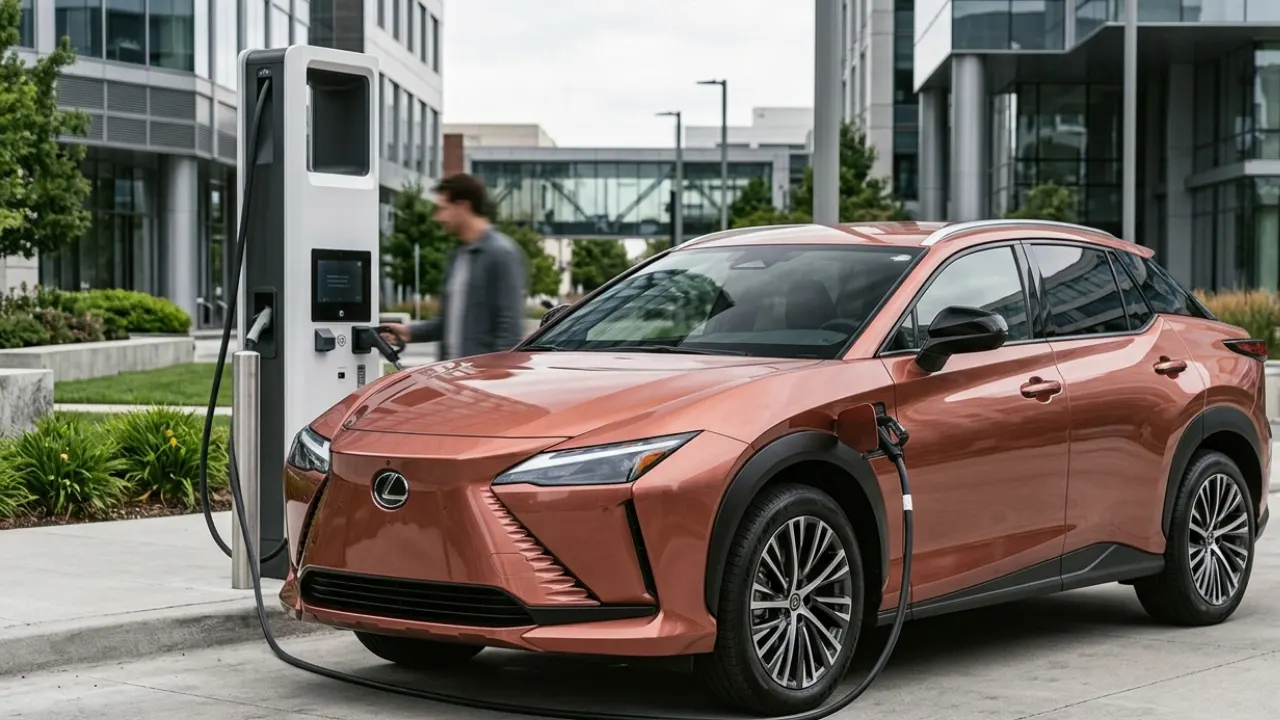
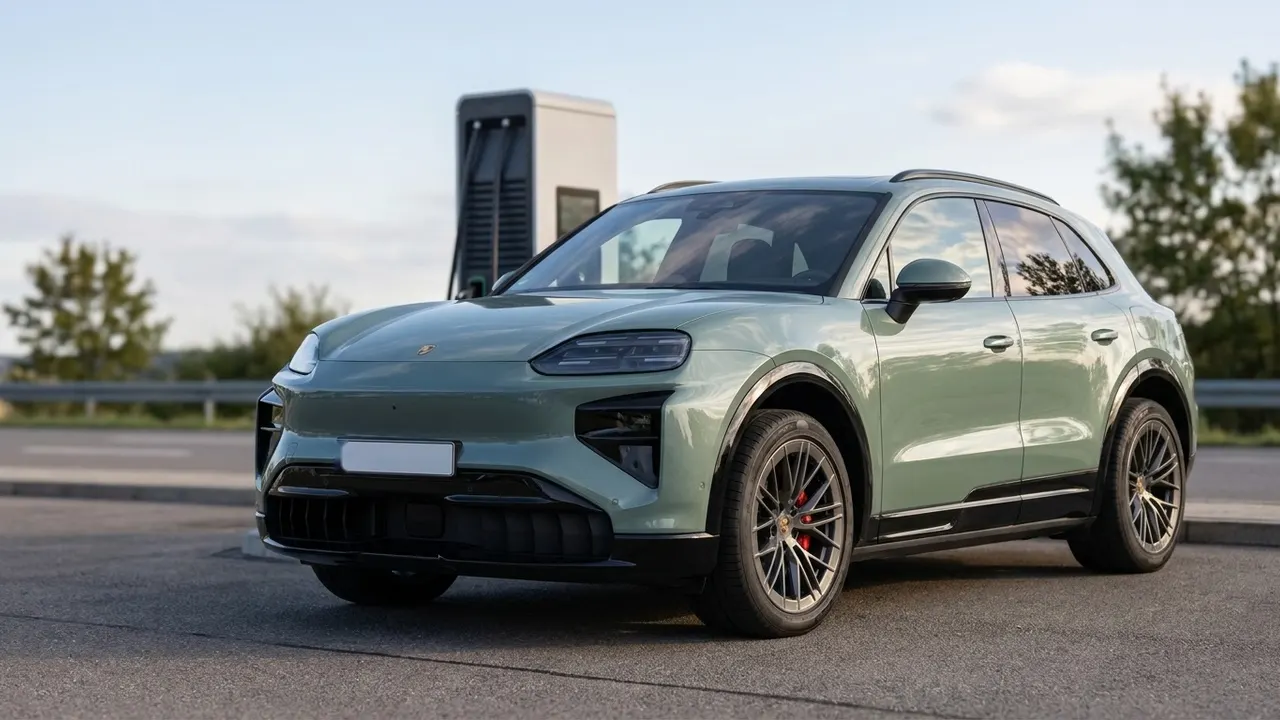
The U.S.-market 2026 Leaf uses a 150-kW NACS DC fast-charging port. Nissan’s specifications indicate a 20–80% DC fast-charge time of about 30 minutes under the specified conditions. The car also has a 7.2-kW onboard AC charger.
For home and routine charging, the Leaf uses a J1772 connection. Nissan says the 2026 Leaf supports Level 1 charging from a 120-volt outlet and Level 2 charging from a 240-volt source.
NACS Fast Charging
The built-in NACS port is designed to give the Leaf direct access to compatible NACS DC fast chargers, including Tesla Superchargers. Nissan says 2026 Leaf owners can access more than 29,000 Tesla Superchargers through its charging ecosystem, subject to network and station compatibility.
Nissan also offers a CCS adapter for compatible CCS fast-charging stations, expanding the number of charging networks that can potentially be used.
Home Charging
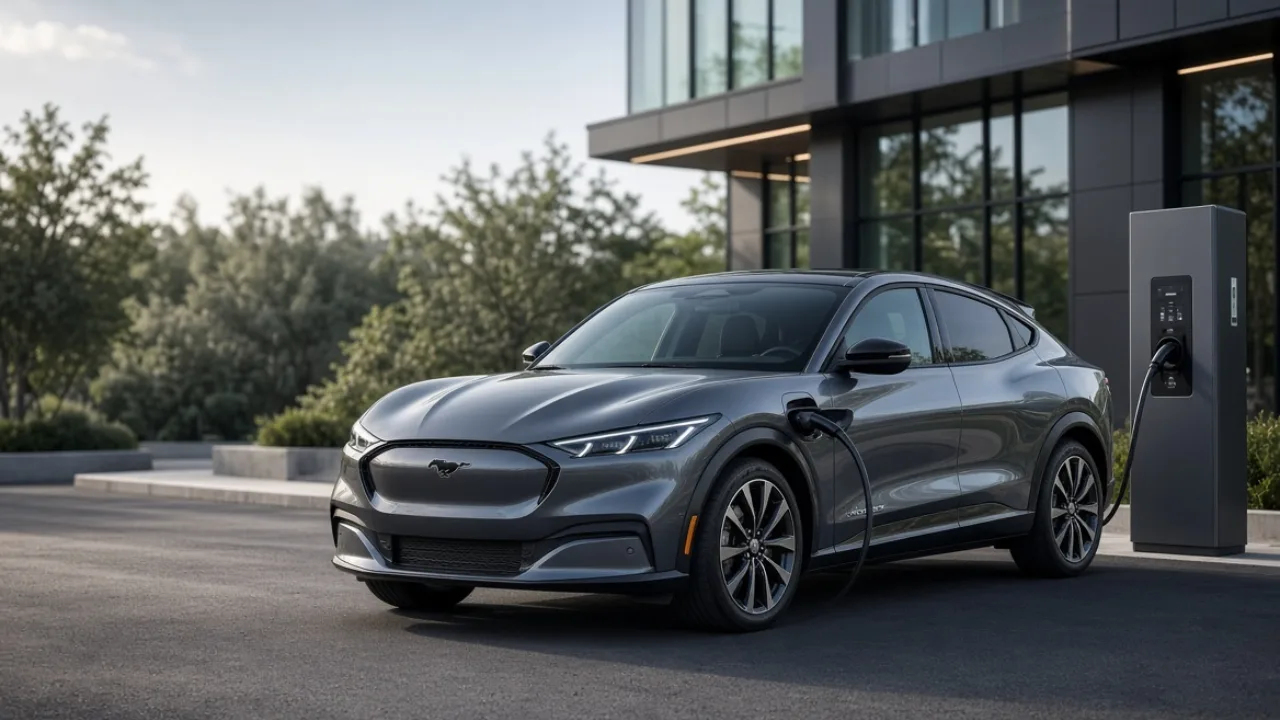
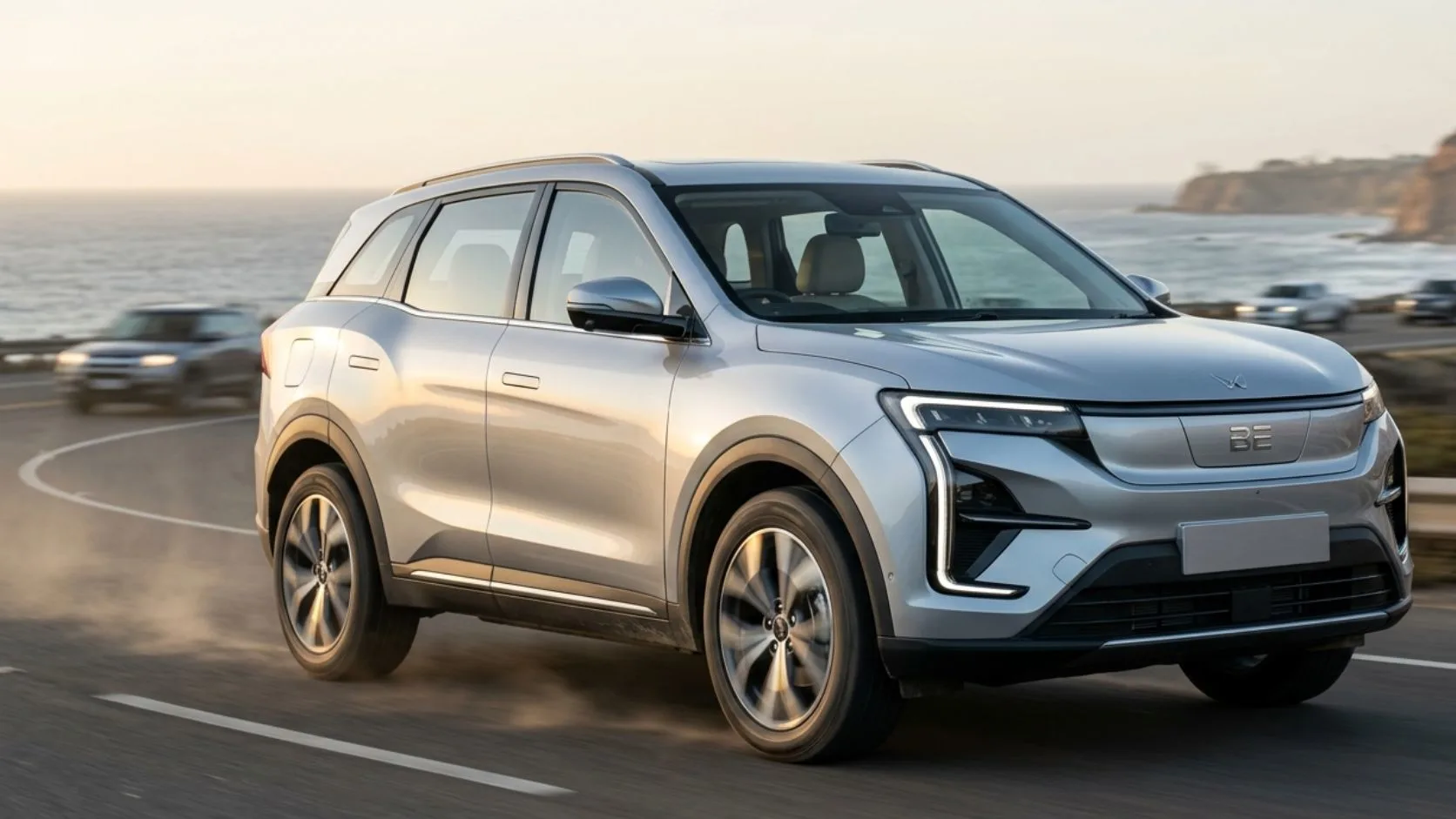
Nissan lists a 6.5-hour 20–80% charge time using 240-volt AC charging. The company also supplies a portable charging cable that supports 120- and 240-volt connections.
For regular use, Level 2 home charging is the more practical setup for drivers who want to replenish a large portion of the battery overnight.
2026 Nissan Leaf Interior
The Leaf’s cabin has been redesigned around a more modern digital layout.
The S+ features dual 12.3-inch displays, while the SV+ and Platinum+ move to dual 14.3-inch displays. Wireless Apple CarPlay and Android Auto are available, with Google built-in added to the SV+ and Platinum+ configurations.
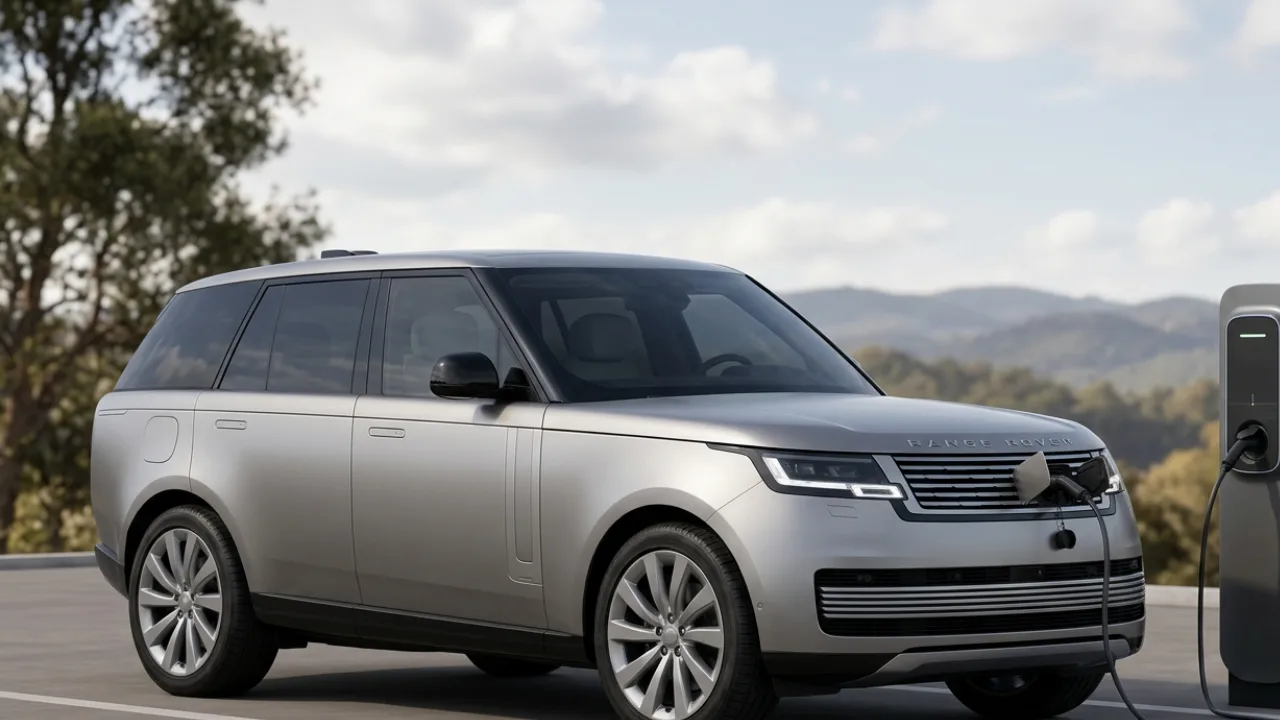
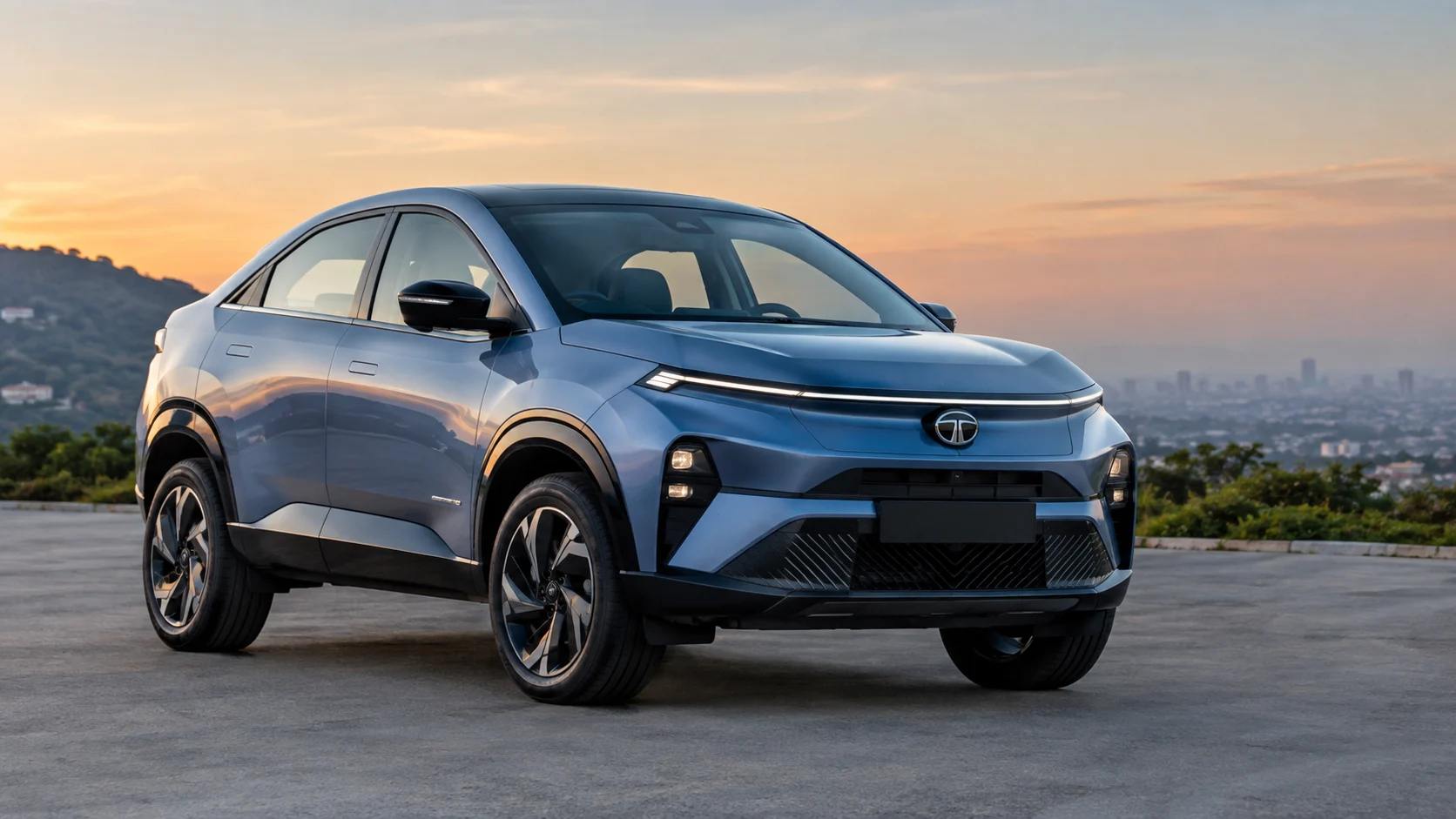
The Platinum+ takes the technology package further with features including a head-up display, a 10-speaker Bose Personal Plus audio system and a panoramic roof with dimming functionality.
Nissan also offers TailorFit seating material on higher trims. The material is designed as an animal-free alternative to leather and is described by Nissan as durable and wrinkle-resistant.
Interior Space and Cargo Capacity
Despite its more crossover-like exterior, the 2026 Leaf remains a five-seat vehicle.
Nissan lists 42.4 inches of front legroom and 31.8 inches of rear legroom. Passenger volume is rated at 92.3 cubic feet, while total interior volume is listed at 112.3 cubic feet without the glass roof.
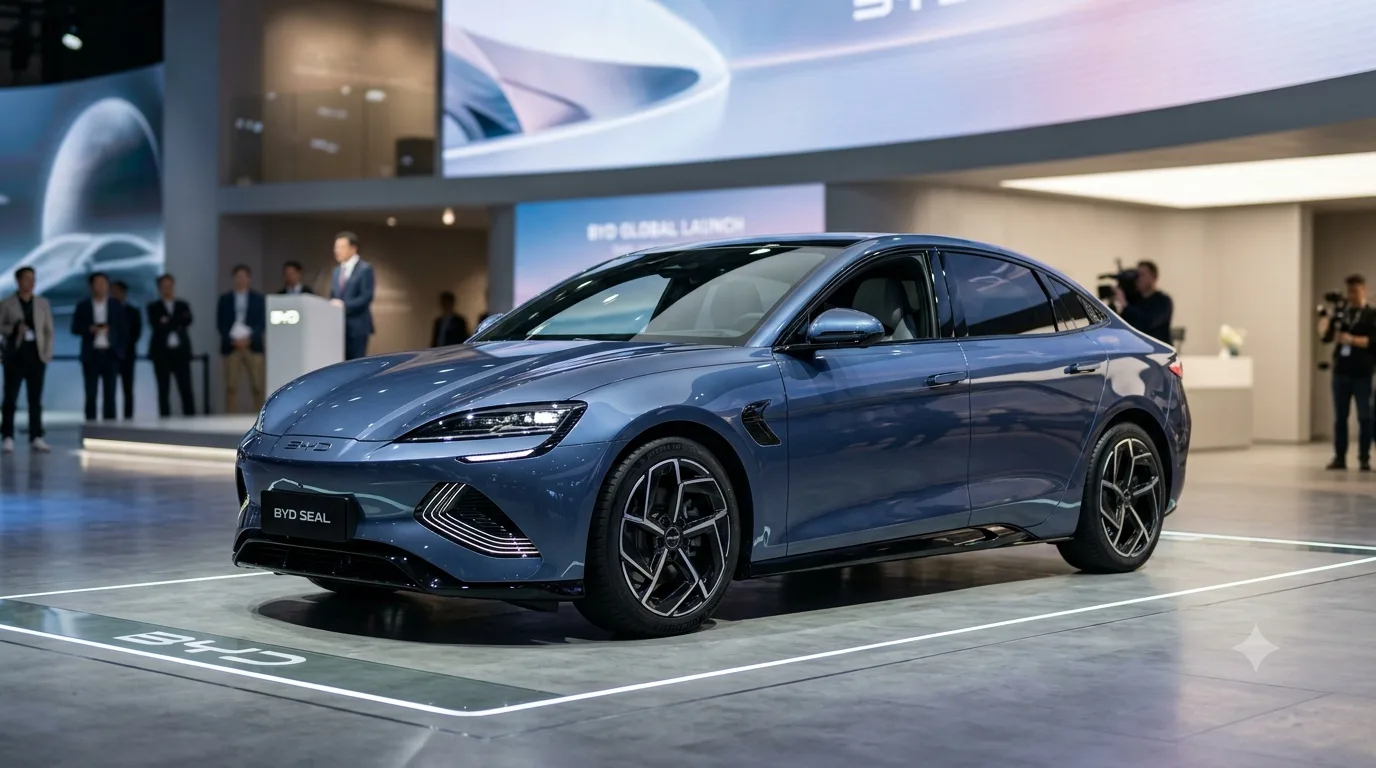
Cargo space is rated at:
- 20.0 cubic feet behind the rear seats
- 55.5 cubic feet with the rear seats folded
The rear seats use a 60/40 split-folding design, and higher trims include Nissan’s Divide-N-Hide cargo system.
Key Interior Features
Depending on trim, the 2026 Nissan Leaf can be equipped with:
- Dual 12.3-inch displays on S+
- Dual 14.3-inch displays on SV+ and Platinum+
- Wireless Apple CarPlay
- Wireless Android Auto
- Google built-in on SV+ and Platinum+
- Heated front seats
- Heated rear outboard seats on Platinum+
- Heated steering wheel on Platinum+
- Wireless smartphone charging
- Bose Personal Plus audio on Platinum+
- Head-up display on Platinum+
- Dimming panoramic roof on Platinum+
- Customizable ambient lighting
- TailorFit seating
Nissan also says the cabin uses an acoustic laminated windshield to help reduce noise.
2026 Nissan Leaf Performance
All three U.S. Leaf trims use the same basic electric powertrain: a 160-kW AC synchronous motor producing 214 hp and 261 lb-ft of torque. Power is sent to the front wheels through a single-speed reduction gear.
The Leaf also includes regenerative braking and Nissan’s e-Step mode. Regenerative braking paddles are standard on the SV+ and Platinum+ trims.
Nissan does not position the Leaf as a high-performance EV. Instead, the powertrain is designed around everyday electric driving, efficiency and practical range.
Safety and Driver Assistance
Nissan equips the 2026 Leaf with Safety Shield 360 features. The S+ specification includes systems such as:
- Automatic Emergency Braking with Pedestrian Detection
- Lane Departure Warning
- Blind Spot Warning
- Rear Cross Traffic Alert
- Rear Automatic Braking
- High Beam Assist
The S+ also includes ProPILOT Assist and an HD Enhanced Intelligent Around View Monitor.
The vehicle also has multiple airbag systems, including front, side-impact, knee and roof-mounted curtain airbags, according to Nissan’s specifications.
Driver-assistance features are designed to support the driver; they do not turn the Leaf into a fully autonomous vehicle.
2026 Nissan Leaf Technology and Connectivity
Connectivity is another major part of the redesigned Leaf.
The MyNISSAN app can provide remote access to information such as battery status, estimated range and charging progress. Nissan also supports remote climate control, allowing owners to precondition the cabin while the vehicle is plugged in.
The available Google built-in system integrates services such as Google Maps and Google Assistant directly into the vehicle’s infotainment system.
Nissan also supports Plug & Charge at compatible stations through its charging network, allowing charging sessions to be initiated without manually handling payment at supported locations.
Vehicle-to-Load Capability
The 2026 Leaf also offers 1,500-watt Vehicle-to-Load (V2L) capability.
The S+ and SV+ can provide exterior V2L power, while the Platinum+ adds V2L outlets inside the vehicle and in the cargo area. Nissan says its V2L connector can provide a 120-volt AC outlet for light-duty devices and outdoor equipment.
This feature can be useful for powering compatible small electrical devices when the vehicle is parked, although the available output is limited to the system’s rated capacity.
2026 Nissan Leaf Trims and Prices
The U.S. 2026 Leaf lineup consists of three trims.
| Trim | Starting MSRP | EPA Range |
|---|---|---|
| S+ | $29,990 | 303 miles |
| SV+ | $34,230 | 288 miles |
| Platinum+ | $38,990 | 259 miles |
Nissan lists a $1,545 destination charge for each trim. The prices above are U.S. MSRPs before destination and any applicable taxes, fees, incentives or options.
Leaf S+
The S+ is the range-focused entry point. It comes with the 75-kWh battery, 214-hp electric motor, 303-mile EPA range, 18-inch steel wheels with aero covers, dual 12.3-inch displays, wireless smartphone integration and ProPILOT Assist.
Leaf SV+
The SV+ starts at $34,230 and reduces the EPA range to 288 miles. It adds features including 18-inch alloy wheels, heated front seats, a power driver’s seat, a larger 14.3-inch display setup, Google built-in, wireless charging and additional cabin equipment.
Leaf Platinum+
The Platinum+ starts at $38,990 and has a 259-mile EPA-estimated range. It adds 19-inch alloy wheels, a dimming panoramic roof, Bose Personal Plus audio, a head-up display, heated rear seats and additional premium features.
Is the 2026 Nissan Leaf a Big Change?
Yes, the 2026 model represents a substantial redesign of the Leaf rather than a minor model-year update.
The previous Leaf’s familiar hatchback shape has been replaced by a crossover-oriented body, while the new generation brings a larger battery, significantly more EPA-rated range, NACS fast charging and a more technology-focused interior. Nissan’s U.S. specifications also show a 214-hp motor and 75-kWh battery across the three trims.
The most notable difference for many EV shoppers may be the combination of 303 miles of EPA-estimated range and direct NACS fast charging on the S+.
What Buyers Should Know
The 2026 Leaf’s trim structure involves a tradeoff between equipment and range.
The S+ has the highest EPA range and lowest starting MSRP. Moving to the SV+ adds interior and convenience features but lowers the official range to 288 miles. The Platinum+ adds the most premium equipment but has the lowest EPA range at 259 miles, partly reflecting its larger wheels and additional equipment.
Charging compatibility is also considerably more straightforward than on earlier Leaf generations because the new model combines J1772 AC charging with a built-in NACS DC fast-charging port. Drivers who regularly use DC fast chargers should still check individual station compatibility and charging conditions before relying on a particular route.
2026 Nissan Leaf: Final Thoughts
The 2026 Nissan Leaf is a major reinvention of Nissan’s electric model. In the U.S., it combines a 75-kWh battery with a 214-hp electric motor, up to 303 miles of EPA-estimated range and 150-kW NACS DC fast charging.
Its redesigned interior also gives the Leaf a more technology-focused cabin, with large digital displays, wireless smartphone integration and available Google built-in. Higher trims add features such as a panoramic roof, Bose audio and a head-up display.
For buyers, the main decision within the range is between the S+’s longer EPA range and lower starting price and the additional equipment available on the SV+ and Platinum+. Actual suitability will depend on charging access, driving habits, desired equipment and local pricing.
2026 Nissan Leaf FAQ
How much range does the 2026 Nissan Leaf have?
The U.S.-market 2026 Nissan Leaf has an EPA-estimated range of up to 303 miles on the S+. The SV+ is rated at 288 miles and the Platinum+ at 259 miles.
How big is the 2026 Nissan Leaf battery?
All three U.S. 2026 Leaf trims use a 75-kWh lithium-ion battery.
How fast can the 2026 Nissan Leaf charge?
Nissan lists a 20–80% DC fast-charging time of about 30 minutes using a 150-kW DC charging connection under the specified conditions. The Leaf also supports 240-volt AC charging, with Nissan listing 6.5 hours for a 20–80% charge.
Does the 2026 Nissan Leaf have NACS?
Yes. The U.S.-market 2026 Leaf has a built-in NACS DC fast-charging port. Nissan says compatible Tesla Superchargers can be used without an adapter.
How much does the 2026 Nissan Leaf cost?
The 2026 Nissan Leaf starts at $29,990 MSRP for the S+ in the U.S. The SV+ starts at $34,230 and the Platinum+ at $38,990, before the listed $1,545 destination charge and other applicable costs.
Does the 2026 Nissan Leaf have all-wheel drive?
No. Nissan’s U.S. specifications list all three 2026 Leaf trims with front-wheel drive.
How many people can the 2026 Nissan Leaf seat?
The 2026 Nissan Leaf has seating for five people.
Does the 2026 Nissan Leaf support Apple CarPlay and Android Auto?
Yes. Nissan lists wireless Apple CarPlay and Android Auto compatibility. The SV+ and Platinum+ also add Google built-in.
Does the 2026 Nissan Leaf have Vehicle-to-Load?
Yes. Nissan lists 1,500-watt V2L capability on the 2026 Leaf. The Platinum+ adds interior and cargo-area V2L outlets in addition to exterior capability.
Sources & References
- Nissan USA — 2026 Nissan LEAF Specifications & Trims
- Nissan USA — 2026 Nissan LEAF Features
- Nissan USA — 2026 Nissan LEAF Brochure
- Nissan USA — 2026 Nissan LEAF Connected Services
- Nissan USA — 2026 Nissan LEAF Owner’s Manual