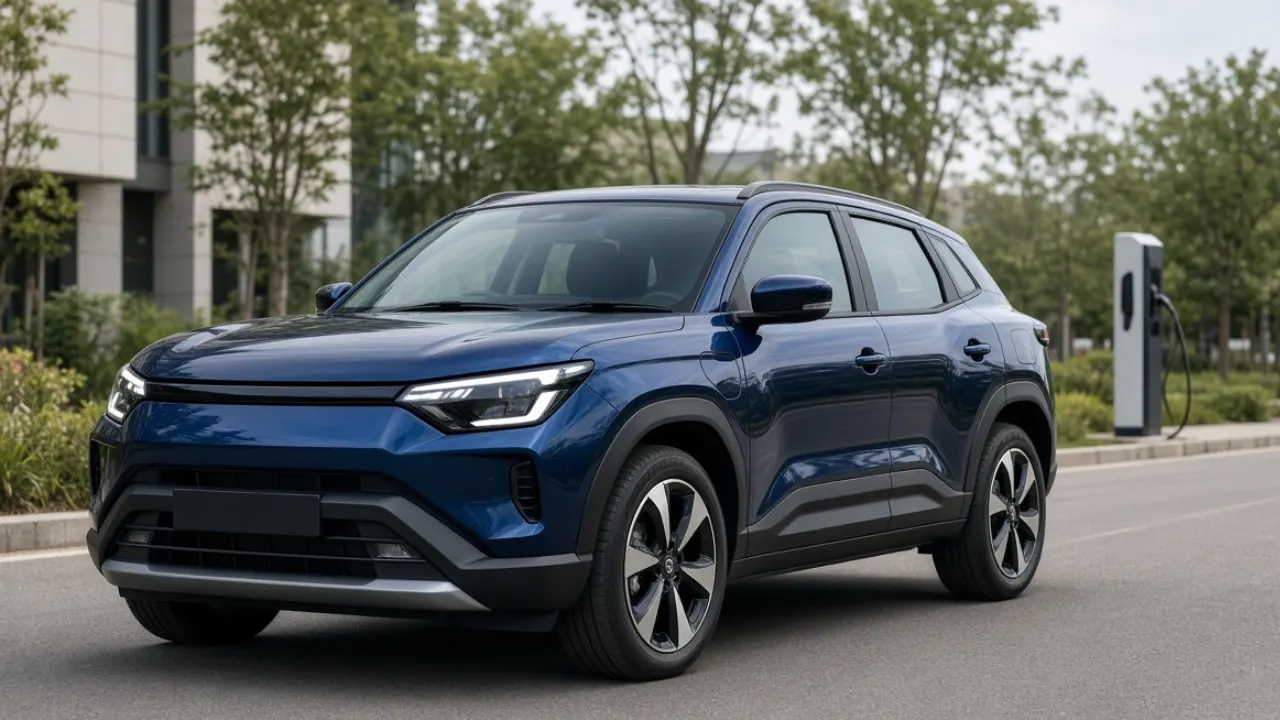
The Maruti Suzuki e VITARA is Maruti Suzuki’s first battery-electric vehicle for India, and it represents a major move for a manufacturer that has historically been strongest in petrol, CNG and hybrid-powered passenger cars. The e VITARA is sold through the NEXA channel and uses Maruti Suzuki’s dedicated HEARTECT-e EV platform. It is available in India with 49kWh and 61kWh battery options.
The bigger question for buyers is not simply how much range the e VITARA claims. It is how the battery options, charging setup, cabin technology, safety equipment and everyday usability come together in a practical Indian EV.
Maruti Suzuki e VITARA: Quick Take
The India-spec e VITARA offers a choice of 49kWh and 61kWh batteries, with claimed certified ranges of 440km and 543km, respectively. The 49kWh version uses a 144hp electric motor, while the 61kWh versions use a 174hp motor; both produce 193Nm of torque according to current specifications.
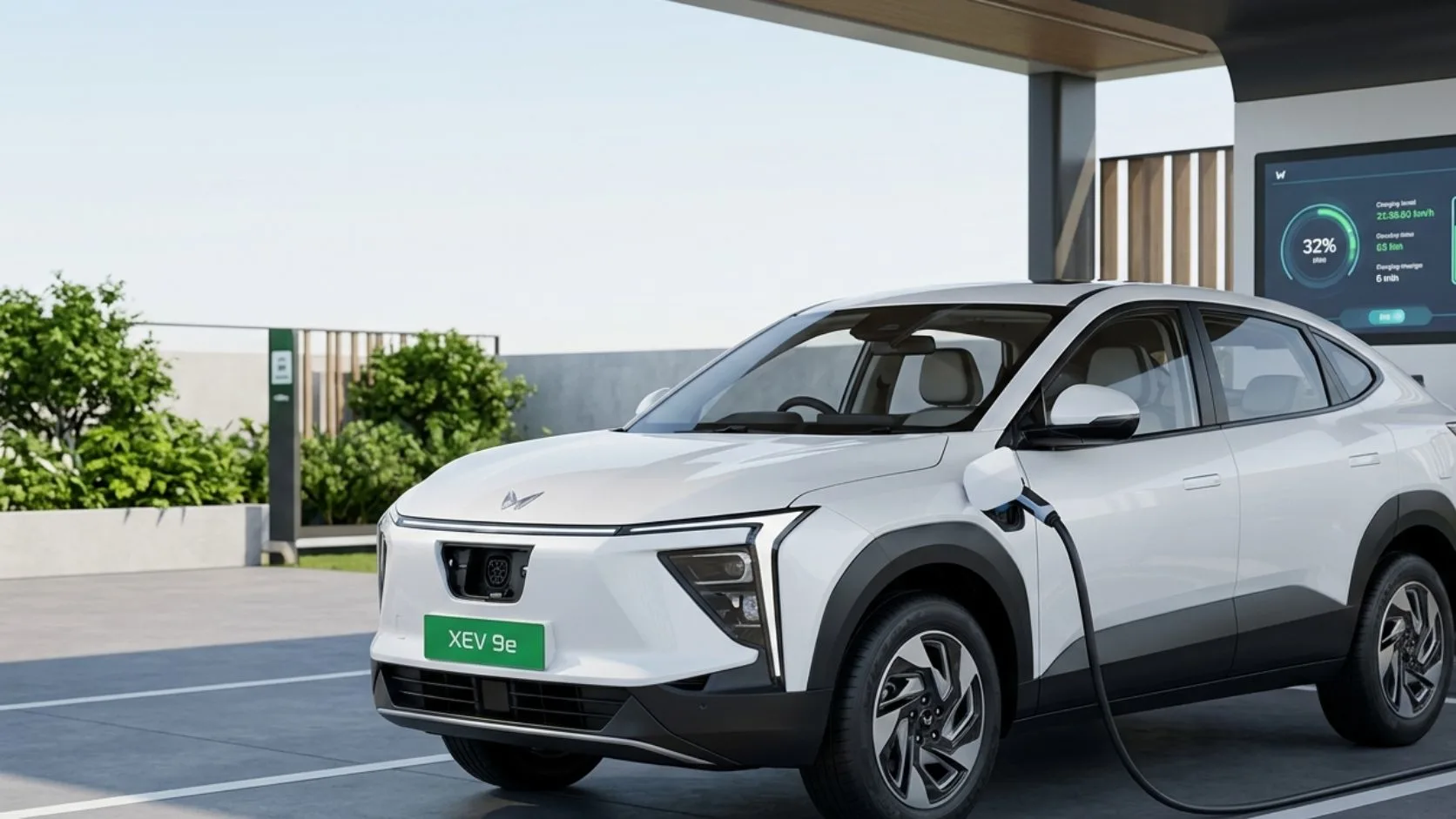
Charging is supported through AC and DC systems, while Maruti Suzuki has also developed its “e for me” ecosystem for locating, scheduling and paying for public charging. A complimentary 7.4kW AC wall-box charger with installation was included in the company’s launch package.
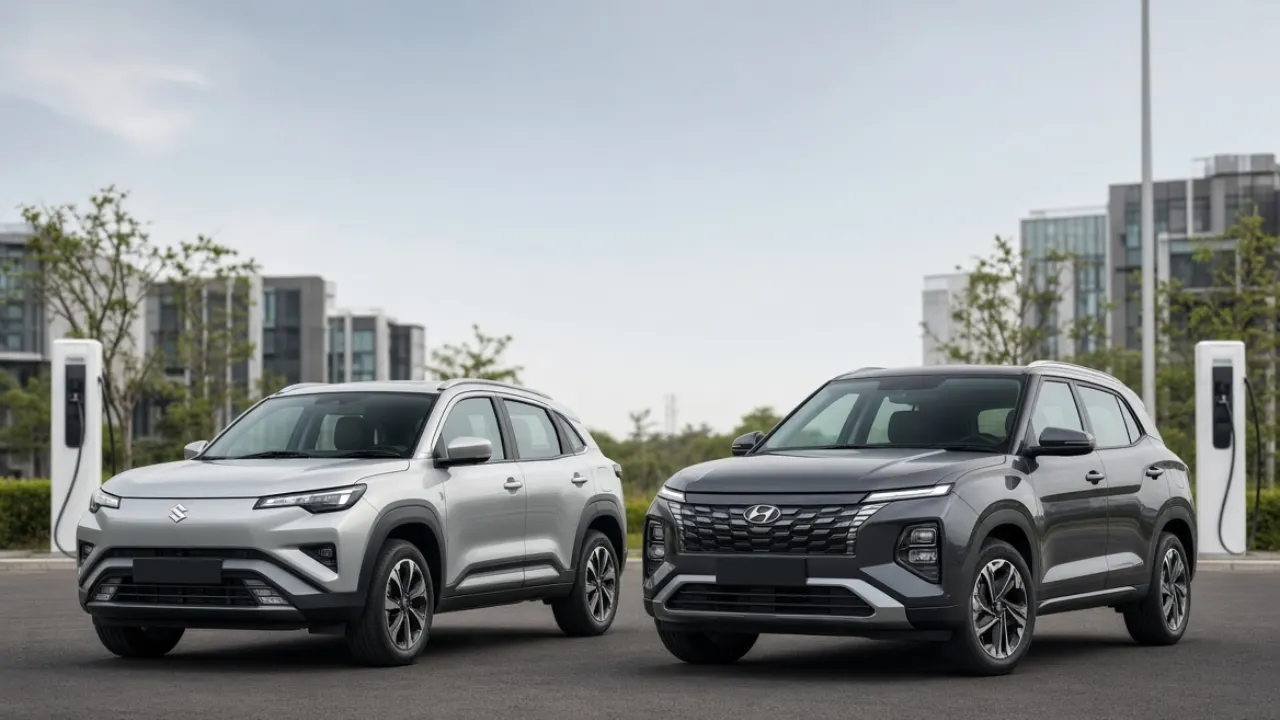
For safety, the e VITARA has a 5-star Bharat NCAP rating for the tested variants, with 31.49/32 points for adult occupant protection and 43/49 for child occupant protection.
Maruti Suzuki e VITARA Battery and Range
The e VITARA’s two battery options give buyers a straightforward choice between a smaller battery and a longer-range configuration.
| Specification | e VITARA 49kWh | e VITARA 61kWh |
|---|---|---|
| Battery capacity | 49kWh | 61kWh |
| Certified range | 440km | 543km |
| Electric motor | 144hp | 174hp |
| Torque | 193Nm | 193Nm |
| Drive layout in India | Front-wheel drive | Front-wheel drive |
The 61kWh version’s 543km certified range is the headline figure, while the 49kWh model is rated at 440km. These are certified test-cycle figures, not guarantees of the distance every driver will achieve on public roads. Actual range changes with speed, temperature, traffic, road conditions, air-conditioning use, driving style and other factors.
That distinction is particularly important with EVs. A 543km certification figure is useful when comparing vehicles under the same testing framework, but it should not be interpreted as a fixed real-world highway range.
What Is the e VITARA Like to Drive?
The e VITARA uses a single electric motor driving the front wheels in the Indian market. The 61kWh version produces 174hp and 193Nm, while the smaller-battery model gets a 144hp motor with the same torque figure.
Electric motors deliver torque without the need for a conventional multi-speed gearbox, so the e VITARA’s power delivery is fundamentally different from a petrol-powered Maruti SUV. For everyday city driving, that means smooth acceleration and easy low-speed operation.
Independent driving impressions also provide some useful context. Autocar India’s review reported approximately 4.8km/kWh during a highway run and about 7km/kWh in city driving during its short drive. The publication specifically noted that the drive was too brief for a full real-world range test.
That is an important limitation: these figures should be treated as observations from a short drive rather than a definitive long-term efficiency result.
e VITARA Charging: How Long Does It Take?
Charging depends on the charger and the battery configuration.
For the 61kWh model, Autocar India’s published specifications list approximately 9 hours 10 minutes from 10% to 100% using a 7.4kW AC charger, while a 70kW DC charger can take the battery from 10% to 80% in about 45 minutes. Its road-test coverage also reports around 5 hours 30 minutes for 10-100% using an 11kW AC setup on the UK-spec vehicle.
For an Indian owner, the most useful charging setup is likely to be a combination of overnight home charging and occasional DC fast charging on longer journeys.
Maruti Suzuki’s e for me platform is designed to bring charging discovery, scheduling and payment into one ecosystem. The company has also said its EV ecosystem includes more than 1,500 EV-ready service workshops across more than 1,000 cities.
Home Charging and Everyday EV Use
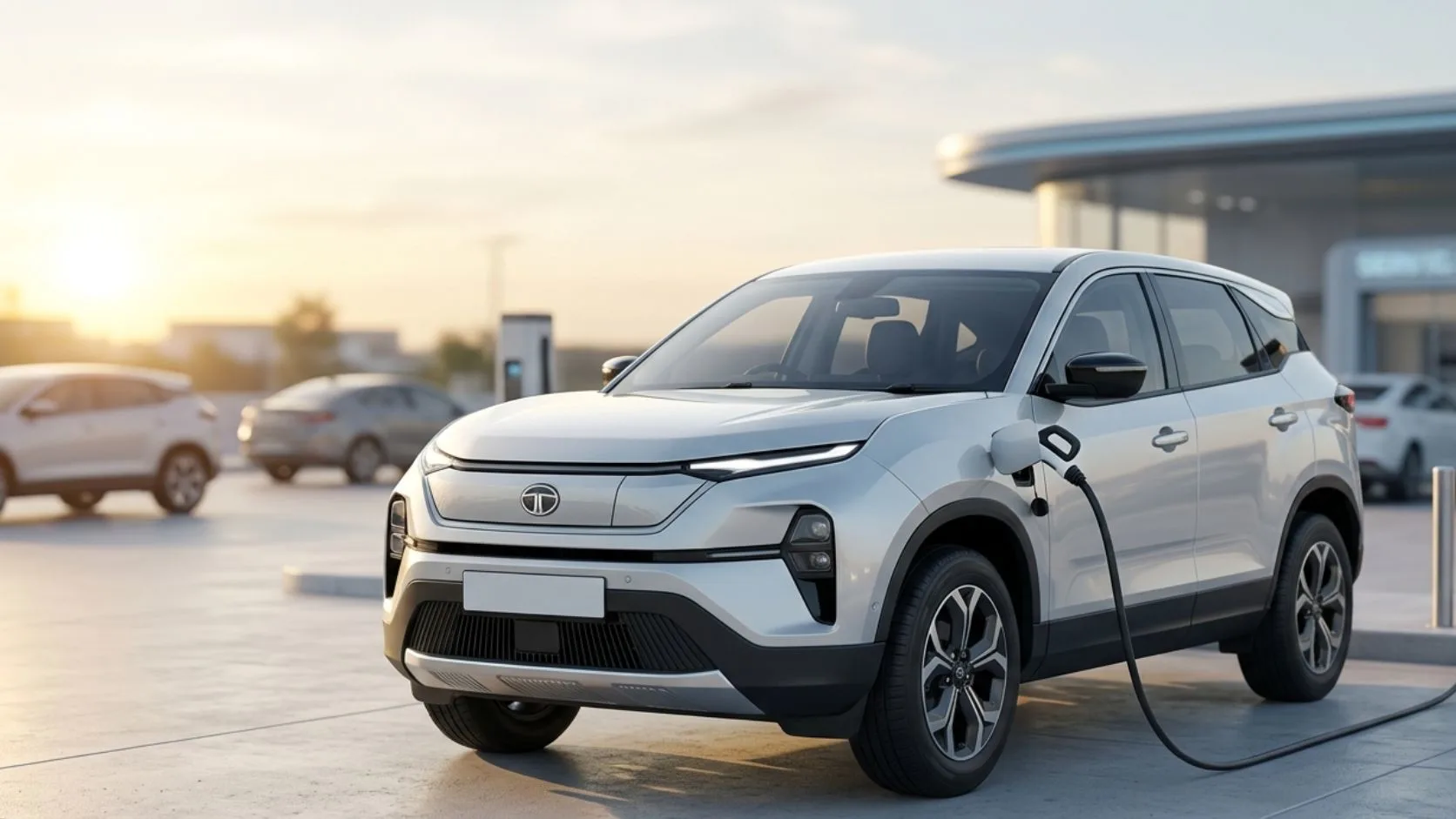
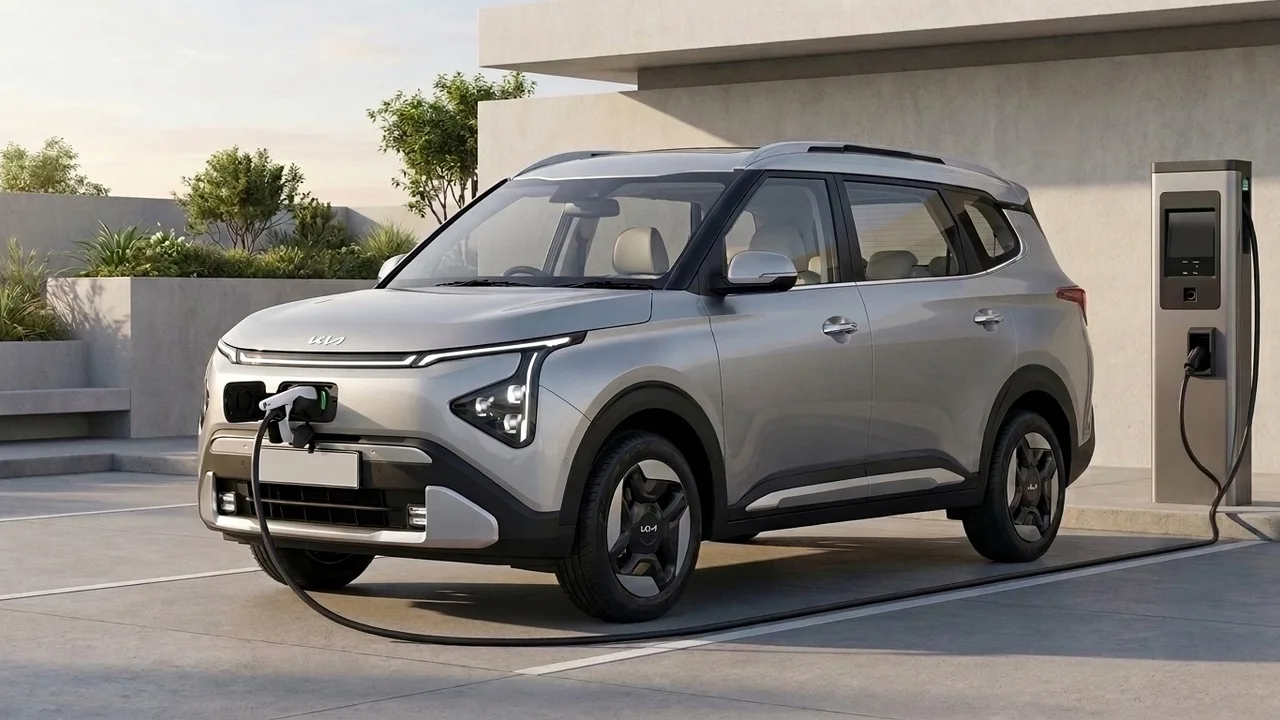
For someone who has access to a dedicated parking space and home charging, the e VITARA’s ownership experience can be considerably simpler than relying exclusively on public chargers.
Maruti Suzuki’s launch package included a 7.4kW AC wall-box charger and installation, subject to the stated package conditions. The company also integrated charging-related functions into its e for me platform.
The practical advantage of home charging is that the vehicle can be replenished while parked overnight rather than requiring a separate trip to a fuel station or public charging location.
For apartment residents or buyers without reliable parking access to electricity, however, the charging situation requires more planning. Public charging availability varies by location, and charging time remains longer than the time needed to refuel a conventional petrol car.
e VITARA Features and Technology
Maruti has positioned the e VITARA as a more technology-focused product than its conventional models.
Key features include an integrated digital display setup, a twin-deck floating console, connected-car functions through Suzuki Connect and an available Infinity by Harman audio system. The vehicle also offers a 10-way power-adjustable driver’s seat and sliding and reclining rear seats.
The e VITARA is built around the HEARTECT-e platform, which Maruti developed specifically for battery-electric vehicles. The platform also incorporates a battery mounting structure designed around EV safety requirements.
Safety and ADAS
Safety is one of the stronger documented aspects of the e VITARA.
Maruti Suzuki says the vehicle offers seven airbags as standard, including a driver’s knee airbag, along with Level 2 ADAS functions. The stated driver-assistance equipment includes adaptive cruise control, lane keep assist, blind-spot monitoring and automatic emergency braking.
The official Bharat NCAP assessment gives the e VITARA 5 stars, with the tested Alpha 61kWh vehicle scoring 31.49 out of 32 for adult occupant protection and 43 out of 49 for child occupant protection. The published applicability includes the Delta 49kWh, Zeta 61kWh and Alpha 61kWh variants listed in the assessment.
A five-star rating should still be understood as the result of the specified Bharat NCAP assessment rather than a guarantee that occupants will avoid injury in every type of crash.
e VITARA Price and Ownership Plans in India
The e VITARA has two different pricing approaches in India: conventional vehicle pricing and Maruti Suzuki’s battery-as-a-service arrangement.
The company’s February 2026 launch announcement stated that the BaaS introductory price started at ₹10.99 lakh plus a battery charge of ₹3.99 per km for the applicable 49kWh plan. The offer was subject to its terms and was stated as an introductory offer through March 31, 2026.
Current automotive listings put the conventional ex-showroom range at approximately ₹16.19 lakh to ₹19.99 lakh, although buyers should verify the exact variant price with Maruti Suzuki because pricing and schemes can change.
The battery warranty is listed by Maruti Suzuki as 8 years or 160,000km, whichever comes first, while the standard vehicle warranty is three years, with additional extension options subject to the applicable terms.
Everyday Practicality
The e VITARA is a five-seat electric SUV with a 2,700mm wheelbase. Its published dimensions are 4,275mm long, 1,800mm wide and 1,640mm tall.
Those dimensions put it in a useful middle ground for Indian urban driving. It is large enough to function as a family SUV while remaining considerably more compact than many larger electric SUVs.
The independent review experience is somewhat mixed. Autocar India found the e VITARA’s ride relatively firm over sharper low-speed bumps, while highway behaviour was described as less settled than expected. The publication also characterised the steering and handling as safe but not particularly sporty.
That makes the e VITARA more naturally suited to buyers looking for a practical electric SUV rather than a performance-oriented EV.
e VITARA Range in Real-World Driving
This is where buyers should be careful with the headline 543km figure.
The 543km figure applies to the 61kWh version under the certified Indian testing procedure. Maruti itself notes that actual results can differ depending on driving, road and other conditions.
Independent driving data has shown that efficiency can vary considerably between highway and city use. Autocar India’s short test recorded approximately 4.8km/kWh on the highway and around 7km/kWh in urban driving.
Therefore, buyers should treat the certified range as a standardized comparison figure rather than a promise of 543km in every situation.
What Makes the e VITARA Different?
The e VITARA is significant for Maruti Suzuki because it is the company’s first BEV and is based on a dedicated EV platform rather than being a conversion of an existing combustion-engine model.
It also combines the vehicle with a broader charging and service ecosystem. Maruti Suzuki says the e for me platform is designed to support charging discovery, scheduling and payment, while its EV-ready service network extends across more than 1,000 cities.
The vehicle is also manufactured in India for domestic sales and international markets. Maruti Suzuki reported in April 2026 that e VITARA exports had started to Europe and other international markets, with more than 25,000 units shipped to 44 countries since August 2025 at the time of that announcement.
Maruti Suzuki e VITARA: Pros and Limitations
Key strengths
- Two battery options give buyers a choice between cost and range.
- The 61kWh version has a certified range of up to 543km.
- Seven airbags are offered as standard according to Maruti Suzuki.
- Level 2 ADAS is available.
- The model has a five-star Bharat NCAP rating for the applicable tested variants.
- Home and public charging are supported through Maruti’s e for me ecosystem.
- India’s large Maruti Suzuki service network is being adapted for EV support.
Important limitations
- Certified range will not necessarily match real-world driving range.
- DC charging is considerably slower than a conventional petrol refuelling stop.
- Home charging access is important for convenient EV ownership.
- Independent road-test impressions have noted a relatively firm ride at low speeds.
- Public charging convenience can vary significantly by city and route.
Is the Maruti Suzuki e VITARA Suitable for Everyday Driving?
For an Indian buyer who can charge at home, the e VITARA presents a fairly conventional family-SUV format with an electric powertrain, two battery choices and a large certified range on the 61kWh model.
Its strongest everyday case is likely to be regular city and suburban use combined with home charging. The larger battery also provides more flexibility for longer trips, although the actual distance between charging stops will depend on driving conditions.
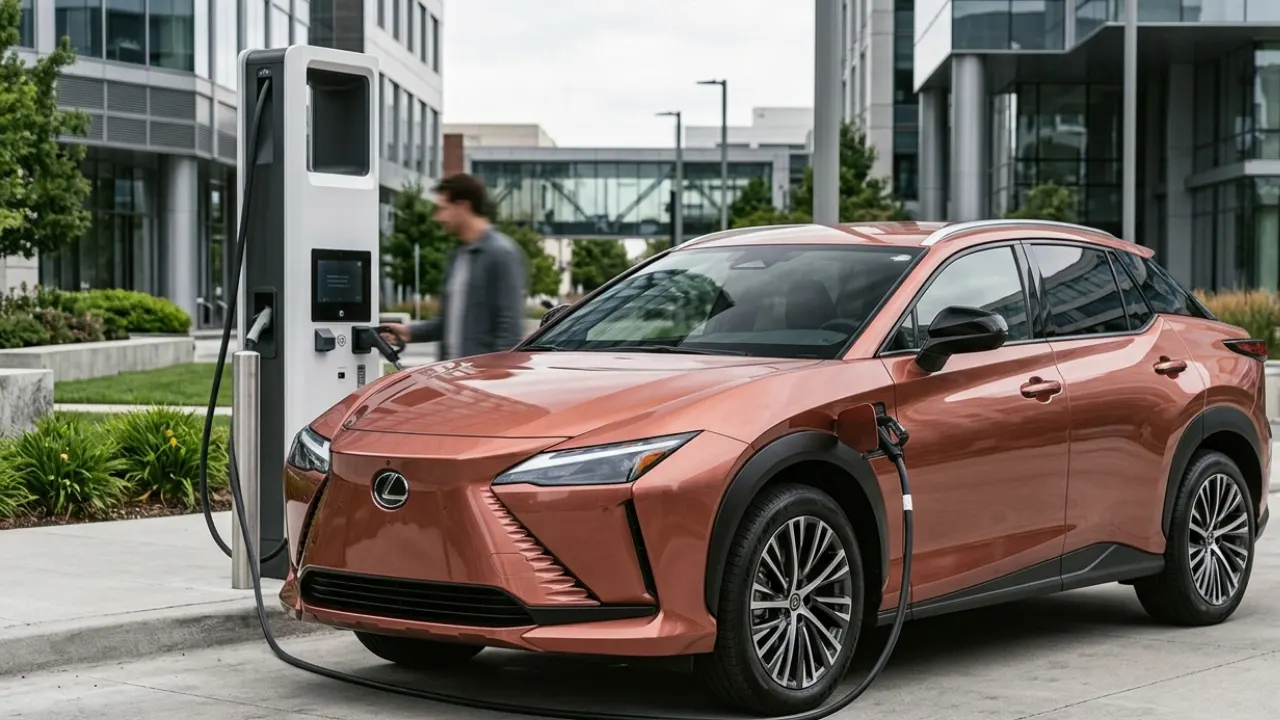
The ownership calculation becomes more complicated for buyers who cannot install home charging or who frequently travel through areas with limited DC infrastructure. In that situation, the convenience of the e VITARA depends much more heavily on the public charging network.
Maruti Suzuki e VITARA FAQ
What is the range of the Maruti Suzuki e VITARA?
The 49kWh e VITARA has a certified range of 440km, while the 61kWh versions are rated at 543km under India’s certification procedure. Real-world range can vary.
How many battery options does the e VITARA have?
The India-spec e VITARA is available with 49kWh and 61kWh battery packs.
How powerful is the Maruti e VITARA?
The 49kWh version uses a 144hp electric motor, while the 61kWh version gets a 174hp motor. Both are listed with 193Nm of torque.
How long does the e VITARA take to charge?
For the 61kWh model, published specifications list approximately 9 hours 10 minutes for 10-100% on a 7.4kW AC charger and around 45 minutes for 10-80% on a 70kW DC charger. Charging times vary with charger conditions and battery temperature.
Is the Maruti Suzuki e VITARA safe?
The e VITARA received a 5-star Bharat NCAP rating for the tested variants, scoring 31.49/32 in adult occupant protection and 43/49 in child occupant protection.
Does the e VITARA have ADAS?
Yes. Maruti Suzuki lists Level 2 ADAS functions including adaptive cruise control, lane keep assist, blind-spot monitoring and automatic emergency braking.
Is the e VITARA available outside India?
Yes. Maruti Suzuki manufactures the e VITARA in India for international markets as well as the domestic market. The company reported exports to Europe and other markets and said more than 25,000 units had been shipped to 44 countries since August 2025 as of its April 2026 announcement.
Final Thoughts
The Maruti Suzuki e VITARA is an important new direction for India’s largest passenger-car manufacturer. Its 49kWh and 61kWh battery choices, certified range of up to 543km, dedicated EV platform, advanced safety equipment and growing charging ecosystem give it a broad set of capabilities.
The most important consideration for everyday buyers remains charging access. A buyer with convenient home charging can use the e VITARA very differently from someone who depends entirely on public chargers. The certified range is also best viewed as a standardized benchmark rather than a guaranteed real-world distance.
For buyers considering an electric family SUV in India, the e VITARA therefore deserves to be evaluated not just on its headline range, but on the battery version, charging setup, daily driving pattern, price structure and the availability of charging along their regular routes.
Sources & References
- Maruti Suzuki — e VITARA official launch and specifications
- Maruti Suzuki — India launch, pricing, BaaS, warranty and charging ecosystem
- Maruti Suzuki — e for me charging ecosystem
- Bharat NCAP — Maruti Suzuki e VITARA safety assessment
- Autocar India — Maruti Suzuki e VITARA range and specifications
- Autocar India — Maruti Suzuki e VITARA review
- Maruti Suzuki — FY2025-26 export update including e VITARA