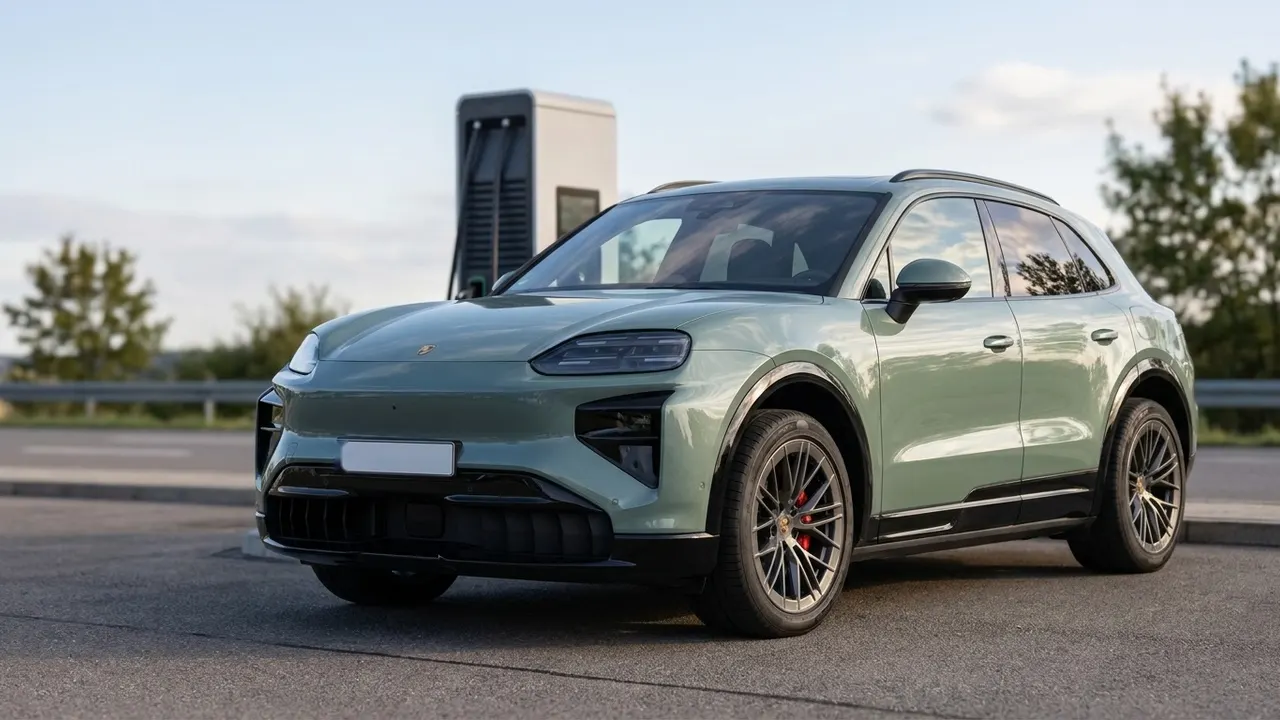
The 2026 Porsche Cayenne Electric brings Porsche’s Cayenne nameplate into the company’s fully electric lineup without giving up the performance focus that defines the SUV. In the U.S., the model is offered alongside the gasoline and plug-in-hybrid Cayenne rather than replacing them outright.
The new electric Cayenne uses a roughly 113-kWh gross battery, an 800-volt electrical architecture and DC charging capability of up to 400 kW under specific conditions. Depending on the version and market, Porsche quotes more than 600 km of WLTP range, while U.S. EPA estimates are lower and vary by configuration.
Performance is equally significant. The entry Cayenne Electric produces up to 435 hp in U.S. specification, while the Cayenne S Electric reaches 657 hp and the flagship Turbo Electric produces up to 1,139 hp in the U.S. The Turbo can accelerate from 0 to 60 mph in 2.4 seconds with Launch Control.
2026 Porsche Cayenne Electric: Quick Facts
| Specification | 2026 Cayenne Electric |
|---|---|
| Powertrain | Dual-motor electric AWD |
| Battery | Approx. 113 kWh gross |
| Architecture | 800-volt |
| U.S. EPA range | Up to 317 miles for the standard SUV |
| Maximum DC charging power | Up to 400 kW under specific conditions |
| DC 10–80% charging | About 16 minutes under optimal conditions |
| Standard U.S. MSRP | $109,000 |
| 0–60 mph | 4.5 seconds |
| Top track speed | 143 mph |
| Production location | Bratislava, Slovakia |
U.S. specifications and EPA figures are different from Porsche’s European WLTP figures, so the two testing systems should not be treated as interchangeable.
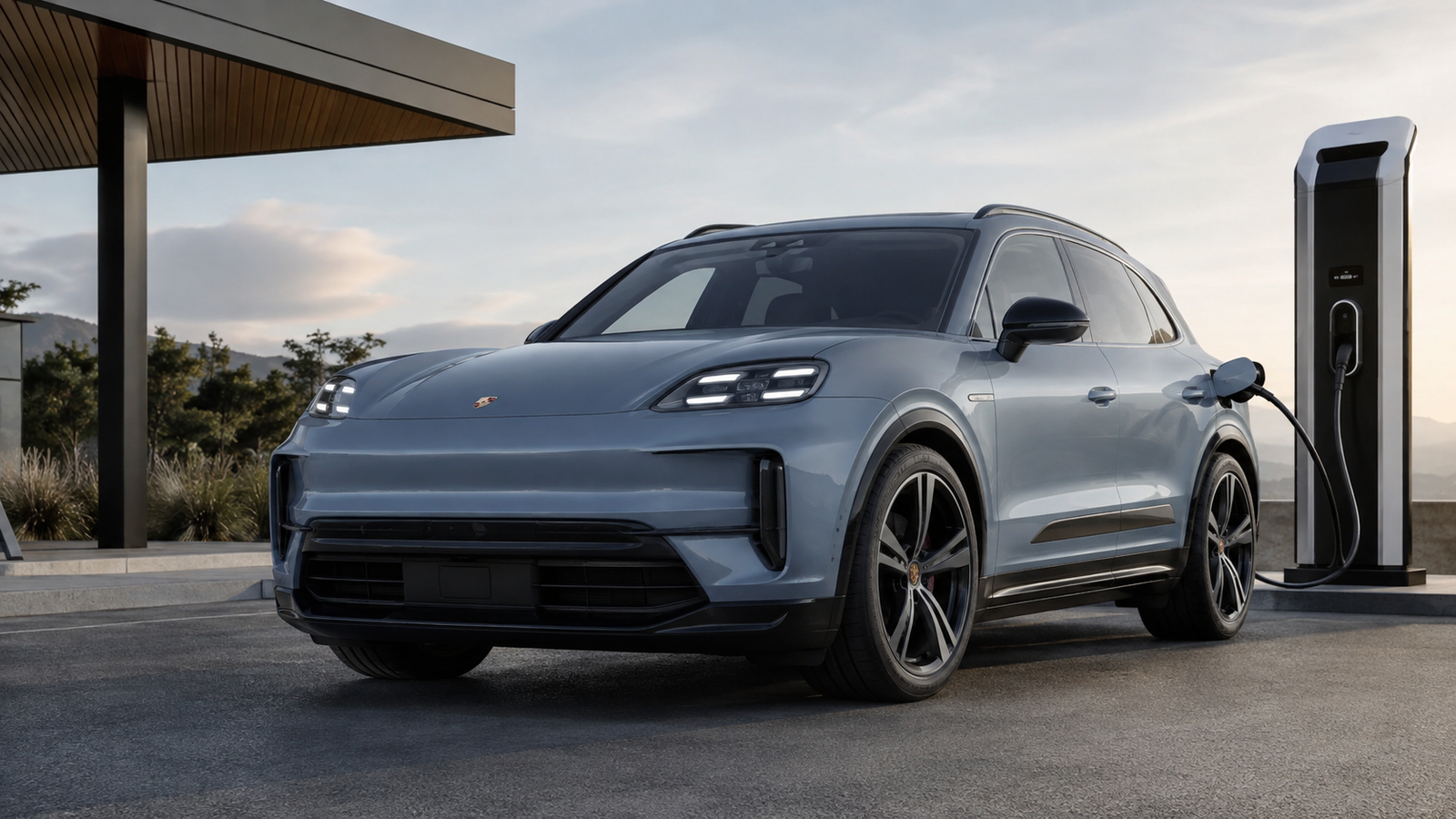
What Is New About the Cayenne Electric?
The Cayenne Electric is the first fully electric version of Porsche’s luxury SUV. Porsche developed it around an electric powertrain rather than simply converting an existing combustion-powered Cayenne.
Production began in Bratislava, Slovakia, in early 2026. Porsche uses the same flexible production facility for combustion-engine, hybrid and electric Cayenne models.
The battery is also a major part of the vehicle’s engineering. Porsche says the approximately 113-kWh high-voltage battery uses large pouch cells and is integrated into the vehicle structure. The battery incorporates cooling from both above and below, helping maintain its temperature during demanding driving and high-power charging.
2026 Porsche Cayenne Electric Battery
The Cayenne Electric uses a 113-kWh gross-energy battery. Porsche designed the battery as a structural element of the vehicle, which contributes to body rigidity while helping package the large battery within the SUV.
The battery’s thermal-management system is particularly important because Porsche is targeting both high performance and repeated fast charging.
Porsche uses double-sided battery cooling, with cooling plates positioned above and below the battery cells. The system can heat or cool the battery to reach a suitable operating temperature.
Porsche does not list the gross 113-kWh figure as the amount of energy available to the driver. As with most EVs, gross battery capacity and usable capacity are not necessarily identical.
2026 Porsche Cayenne Electric Range
Range depends heavily on the market and configuration.
For the U.S. market, Porsche lists an EPA-estimated 317 miles for the 2026 Cayenne Electric. Selecting Porsche’s Range Setup increases the published estimate to 322 miles.
The U.S. EPA estimates listed by Porsche include:
| U.S. Model | EPA Estimated Range |
|---|---|
| Cayenne Electric | 317 miles |
| Cayenne Electric with Range Setup | 322 miles |
| Cayenne S Electric | 299 miles |
| Cayenne S Electric with Range Setup | 325 miles |
| Cayenne Turbo Electric | 298 miles |
| Cayenne Turbo Electric with 21-inch all-season tires | 303 miles |
| Cayenne Coupe Electric | 326 miles |
| Cayenne Coupe Electric with Range Setup | 339 miles |
These are official EPA estimates, not real-world driving guarantees. Wheel and tire configuration, temperature, speed, terrain and driving conditions can all affect actual range.
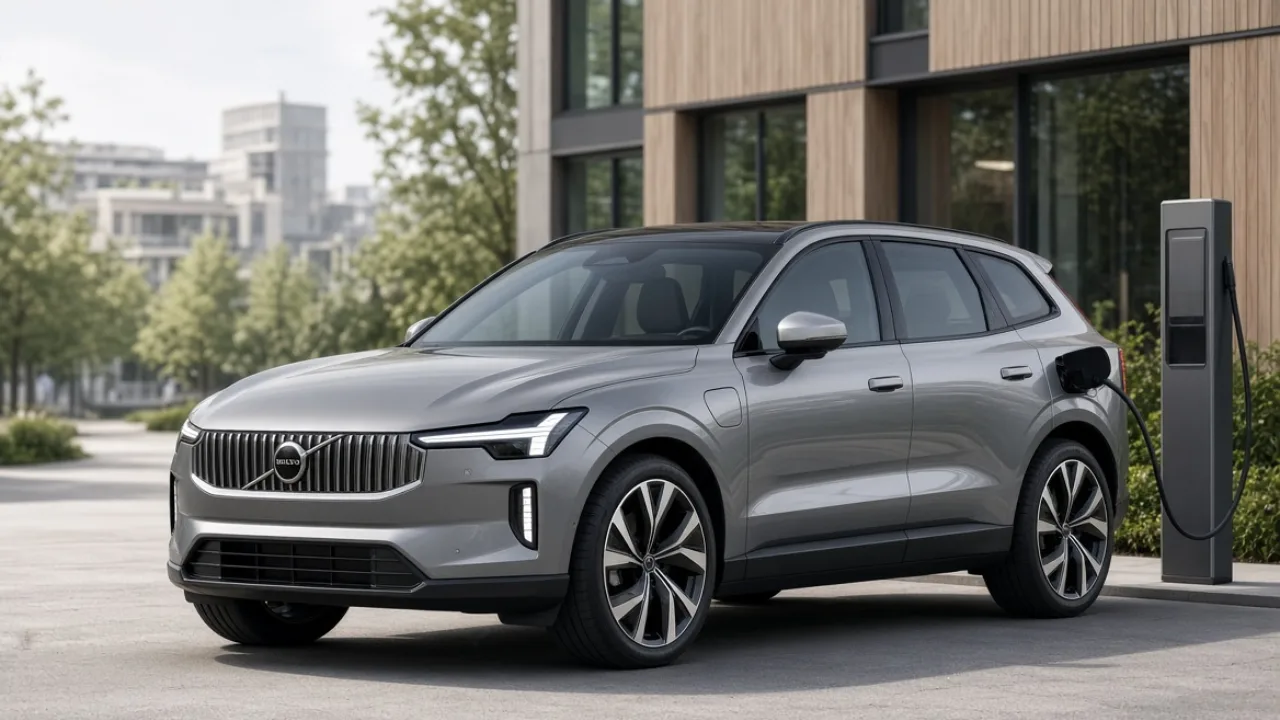
In Europe, Porsche publishes different WLTP figures. The standard Cayenne Electric is rated at 576–643 km (358–399 miles) WLTP, depending on configuration. The Cayenne S Electric is rated at 588–653 km, while the Turbo Electric is rated at 564–624 km.
EPA vs. WLTP Range
U.S. readers should use the EPA figures when evaluating a U.S.-market Cayenne Electric.
WLTP testing generally produces higher range numbers than EPA testing because the testing procedures differ. That is why Porsche’s European specification can show more than 600 km while the U.S. version has an EPA rating below 330 miles.
How Fast Does the Porsche Cayenne Electric Charge?
Charging is one of the strongest technical features of the new Cayenne Electric.
The SUV uses an 800-volt electrical architecture and can accept up to 390 kW of DC charging power under Porsche’s specified optimal conditions. Under particular conditions, Porsche says charging performance can reach 400 kW.
Porsche quotes approximately 16 minutes for a 10% to 80% DC charge under optimal conditions.
Those conditions are important. Porsche’s stated 10–80% time assumes a sufficiently powerful charging station, suitable voltage and current, and an appropriately conditioned battery. It should therefore be viewed as a best-case manufacturer figure rather than a guarantee at every public charger.
Porsche also says the Cayenne can add up to roughly 325 km of WLTP range in 10 minutes under optimal charging conditions.
Home Charging
For home charging, the Cayenne Electric has AC charging capability of up to 11 kW as listed by Porsche, with an optional upgrade to higher AC charging capability in some configurations.
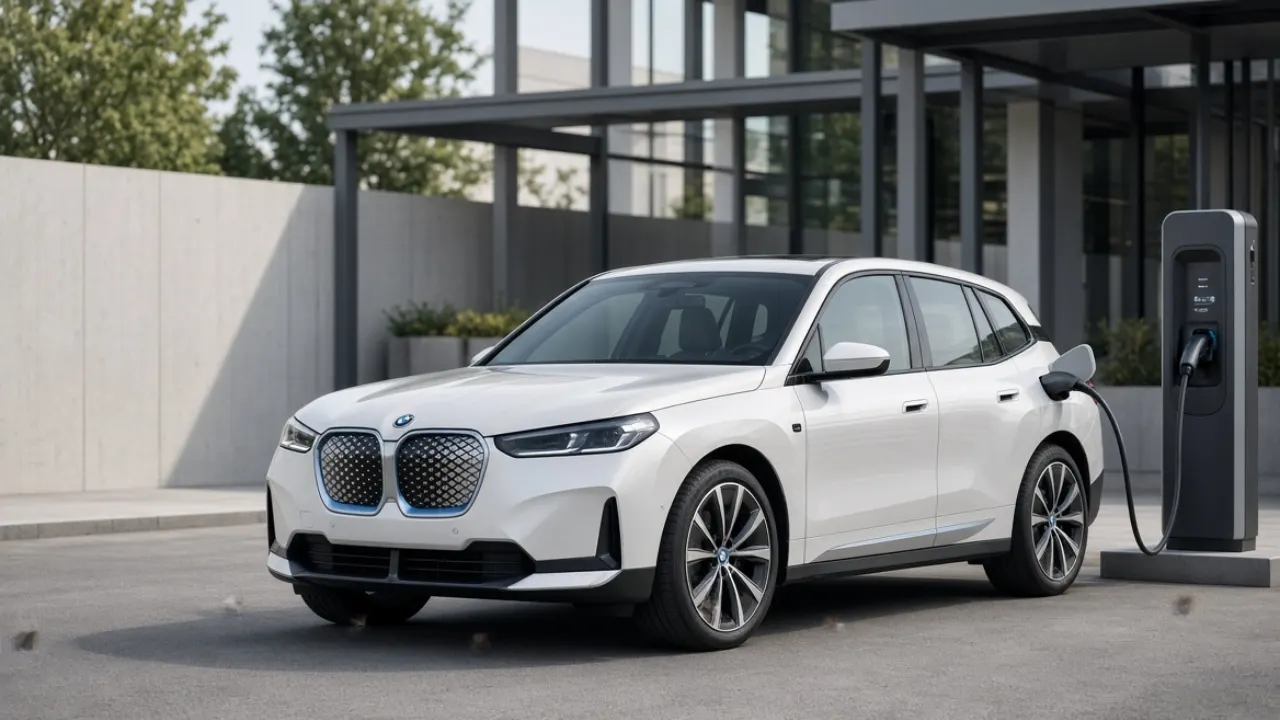
The vehicle has charging ports on both sides for convenient AC charging access, while the high-power DC charging connection is positioned on the left side.
Porsche is also introducing its wireless charging system for the Cayenne Electric. The inductive system is rated at up to 11 kW and is designed so the vehicle can charge after being parked over a dedicated charging plate. Porsche says the system is available from the second half of 2026 at the earliest.
2026 Cayenne Electric Performance
The standard Cayenne Electric is already a serious performance SUV.
In the U.S., Porsche lists:
- 435 hp maximum overboost power
- 4.5 seconds from 0–60 mph with Launch Control
- 143 mph top track speed
- All-wheel drive
- Dual-motor electric powertrain
The Cayenne S Electric raises output to 657 hp, cuts 0–60 mph acceleration to 3.6 seconds, and has a 155-mph top track speed.
The Turbo Electric goes much further.
Cayenne Electric vs. Cayenne S Electric vs. Turbo Electric
| Model | U.S. Max Overboost Power | 0–60 mph | Top Track Speed |
|---|---|---|---|
| Cayenne Electric | 435 hp | 4.5 sec | 143 mph |
| Cayenne S Electric | 657 hp | 3.6 sec | 155 mph |
| Cayenne Turbo Electric | 1,139 hp | 2.4 sec | 162 mph |
Porsche’s international specifications use different power figures because they are presented in PS rather than U.S. horsepower. The Turbo Electric is listed at up to 1,156 PS internationally and 1,139 hp in the U.S.
Porsche Cayenne Turbo Electric: The Performance Flagship
The Cayenne Turbo Electric is the headline model of the range.
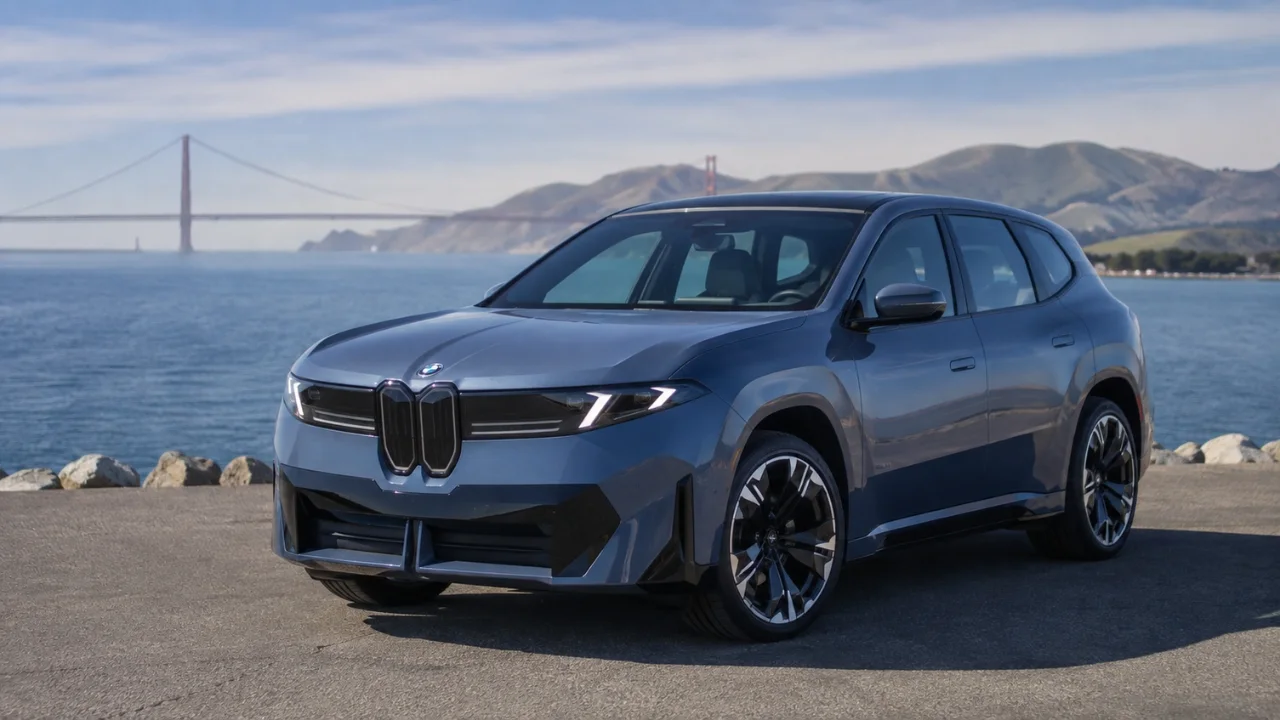
Porsche lists up to 850 kW and 1,139 hp in the U.S., along with a 2.4-second 0–60 mph time and a 162-mph top track speed.
Porsche says the Turbo Electric’s maximum output makes it the most powerful Porsche production model to date. Its performance is supported by the same 800-volt charging architecture and high-capacity battery technology used across the electric Cayenne range.
This makes the Turbo Electric less about simply providing a long-range luxury EV and more about showing how much performance Porsche can extract from a large electric SUV.
U.S. Pricing and Availability
The 2026 Porsche Cayenne Electric starts at $109,000 in the United States before options, taxes, title, registration, dealer charges and applicable fees. Porsche lists the Cayenne S Electric from $126,300, while the Cayenne Turbo Electric starts at $163,000.
Porsche’s original U.S. announcement stated that the 2026 Cayenne Electric and Cayenne Turbo Electric would be available to order, with deliveries expected to begin at the end of summer 2026.
Because Porsche’s current U.S. model pages now list the vehicles as 2026 models, buyers should check current dealer inventory and Porsche’s configurator for actual availability and final pricing.
The manufacturer’s suggested retail price also does not represent the final transaction price. Options can add substantially to the cost of a Porsche, and Porsche specifically notes that dealers set actual selling prices.
What Makes the Cayenne Electric Different?
The Cayenne Electric is not positioned as a basic efficiency-focused electric SUV.
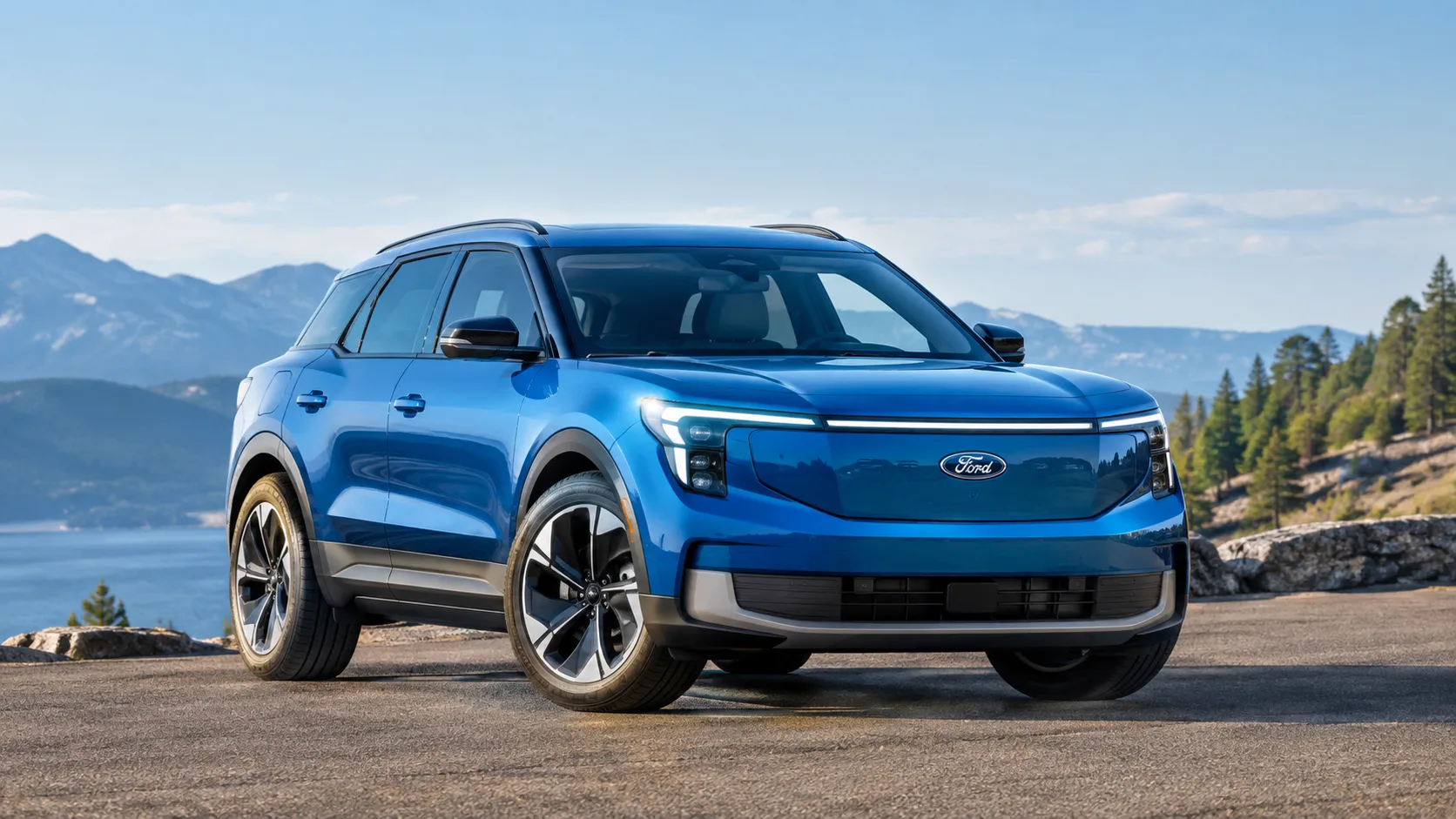
Its main differentiators are:
- High-performance dual-motor AWD
- 800-volt charging architecture
- Approximately 113-kWh gross battery
- Up to 400 kW charging capability under specific conditions
- 10–80% DC charging in about 16 minutes under optimal conditions
- EPA range of up to 317 miles for the standard U.S. SUV
- Up to 1,139 hp in Turbo Electric form
- Porsche’s performance-focused chassis technology
- Available wireless charging technology
The combination is what makes the Cayenne Electric notable. It is intended to retain the performance character of the Cayenne while moving the powertrain entirely to electricity.
Is the Cayenne Electric Practical for Long Trips?
The answer depends on the version and charging infrastructure available along the route.
A U.S.-market Cayenne Electric with a 317-mile EPA estimate has enough rated range for many long-distance journeys, but highway driving, cold temperatures and high speeds can reduce real-world range.
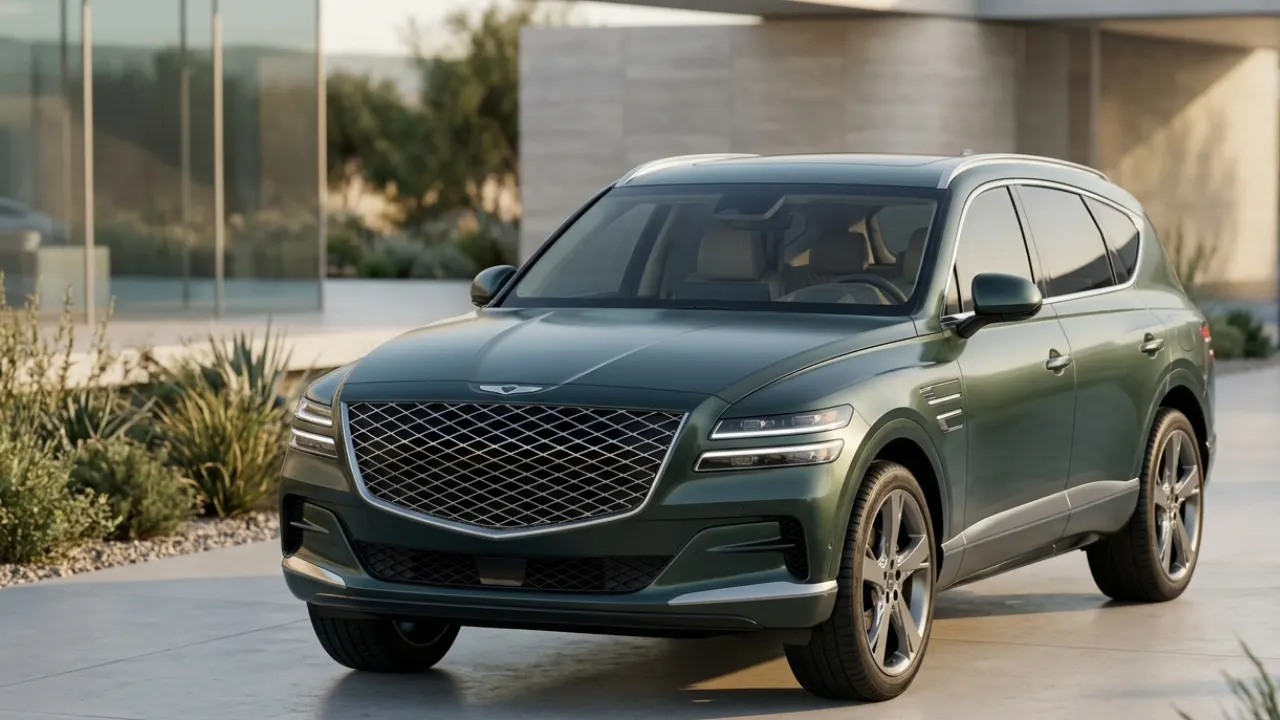
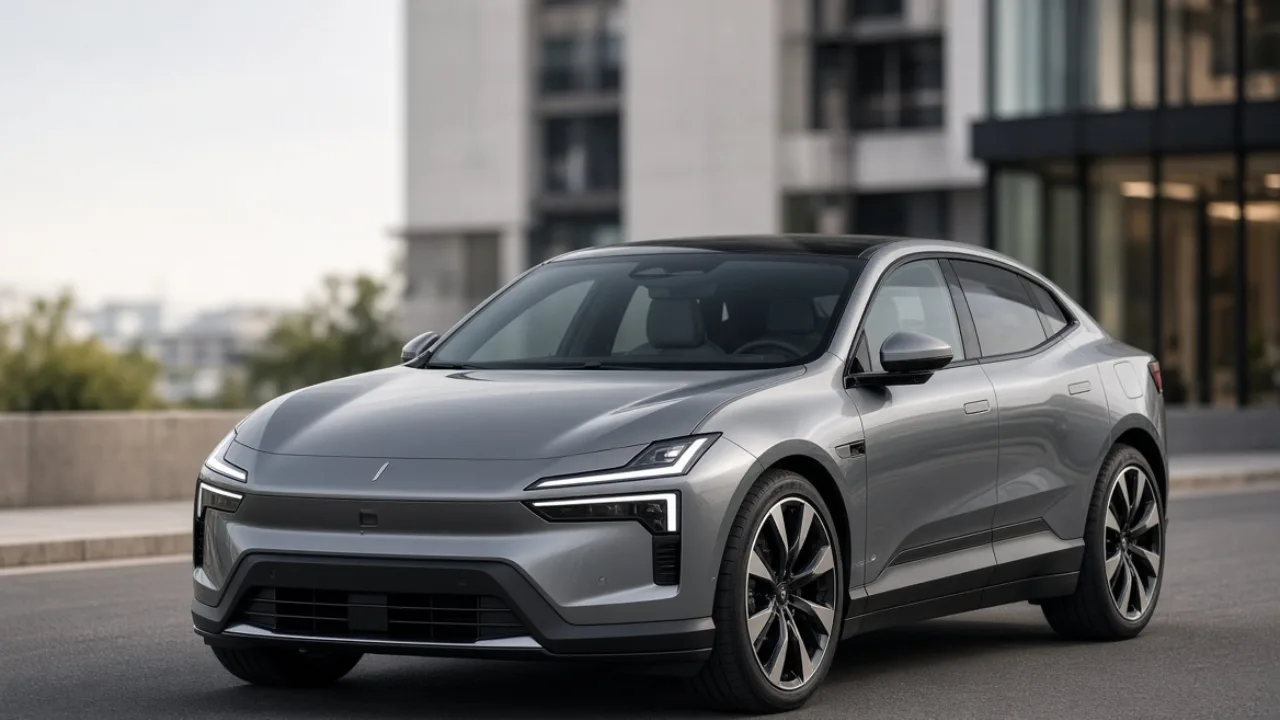
Its charging capability is arguably just as important as its range. If the vehicle reaches a compatible high-power charger, Porsche’s 10–80% charging claim of about 16 minutes can make shorter charging stops considerably more manageable. However, that performance requires a charger capable of supplying the necessary power and the right battery conditions.
For road-trip planning, drivers should therefore consider charger availability and charging power, not simply the vehicle’s maximum range figure.
Towing Capability
The Cayenne Electric is not limited to performance driving.
With the optional Off-Road Package, Porsche lists a maximum towing capacity of 7,716 pounds in the U.S. specification.
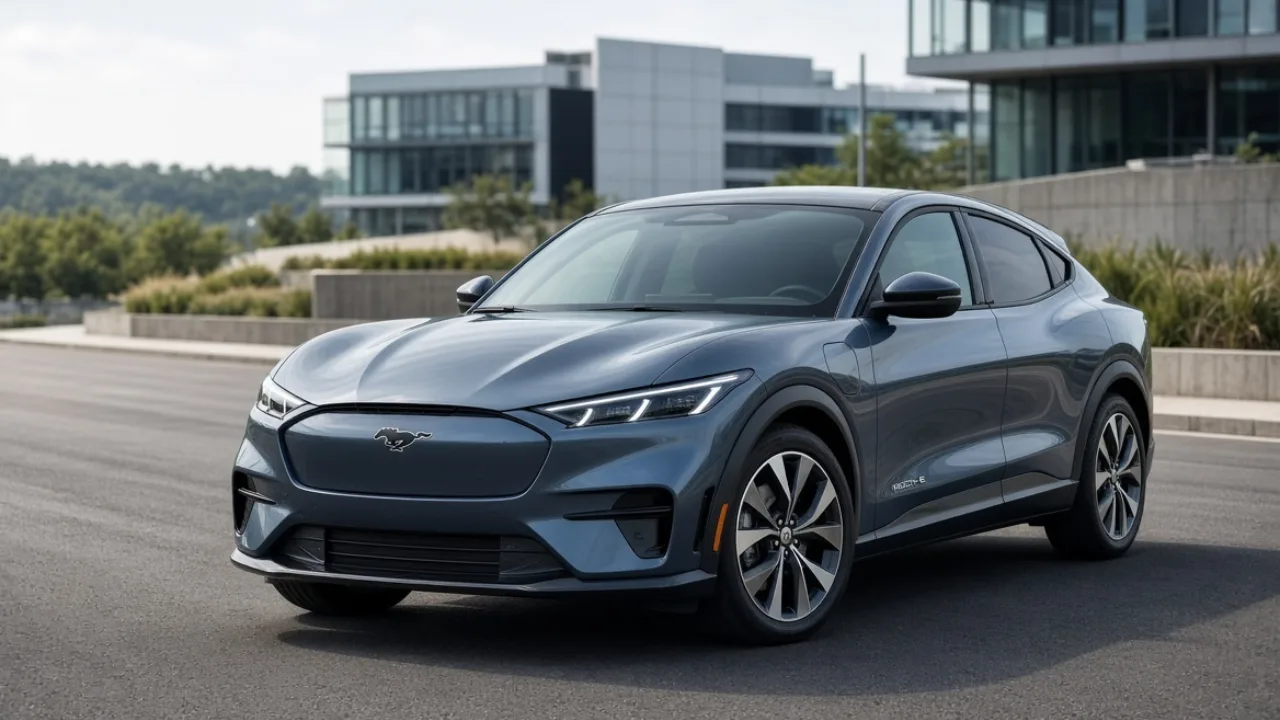
That gives the electric Cayenne a useful advantage for buyers who want an EV that can still perform traditional SUV duties.
However, towing can significantly increase energy consumption and reduce driving range, so the EPA range figure should not be used as a towing-range estimate.
2026 Porsche Cayenne Electric: Pros and Limitations
Pros
- Strong performance even in the standard version
- Extremely quick Turbo Electric
- Large 113-kWh-class battery
- 800-volt electrical architecture
- Very fast DC charging capability
- Up to 317 miles of EPA-rated range for the standard U.S. SUV
- Available towing capability
- Multiple electric versions to choose from
Limitations
- High starting price
- Expensive options can push the final price significantly higher
- Real-world range will vary from EPA estimates
- Maximum charging performance requires a suitable high-power charger
- Turbo Electric range is lower than the standard Cayenne Electric’s EPA estimate
- Large battery and performance hardware contribute to a substantial vehicle weight
2026 Porsche Cayenne Electric vs. Cayenne Turbo Electric: Which Makes More Sense?
For most buyers, the standard Cayenne Electric is the more rational starting point.
It provides 435 hp, a 4.5-second 0–60 mph time and a 317-mile EPA estimate while starting at $109,000.
The Turbo Electric is aimed at a very different buyer. Its 1,139 hp and 2.4-second 0–60 mph acceleration are extraordinary for an SUV, but its starting price is $54,000 higher than the standard Cayenne Electric before options.
The S Electric sits between them, offering 657 hp and a 3.6-second 0–60 mph time with a $126,300 starting MSRP.
For buyers focused on range and everyday usability, the standard model is likely the most compelling starting point. For buyers prioritizing maximum performance, the Turbo is the clear choice.
Final Thoughts
The 2026 Porsche Cayenne Electric shows how Porsche is approaching the transition to electric SUVs: not by making performance secondary, but by using electric power to push performance and charging capability further.
The roughly 113-kWh battery, 800-volt architecture and up-to-400-kW charging capability give the Cayenne Electric strong technical credentials. The standard model’s 317-mile EPA range is also competitive for a high-performance luxury SUV, while the S and Turbo versions move the focus progressively toward outright performance.
The most important distinction for shoppers is between official range and real-world range and between maximum charging capability and the charging performance actually available at a particular station. Porsche’s headline figures are based on specific testing and charging conditions.
For buyers who want a luxury SUV that combines Porsche performance with electric power, the Cayenne Electric is one of the company’s most significant new models for 2026.
2026 Porsche Cayenne Electric FAQ
How much does the 2026 Porsche Cayenne Electric cost?
The U.S. 2026 Cayenne Electric starts at $109,000 MSRP, before options, taxes, registration, dealer charges and applicable fees. The Cayenne S Electric starts at $126,300 and the Cayenne Turbo Electric at $163,000.
What is the battery size of the Cayenne Electric?
Porsche says the Cayenne Electric uses a high-voltage battery with approximately 113 kWh of gross energy content.
What is the 2026 Cayenne Electric’s range?
The standard U.S. Cayenne Electric has an EPA-estimated 317-mile range, or 322 miles with Porsche’s Range Setup. European WLTP ratings are different, with the standard model rated at 576–643 km depending on configuration.
How fast can the Porsche Cayenne Electric charge?
Under optimal conditions, Porsche quotes a 10–80% DC charging time of about 16 minutes. The vehicle can accept up to 390 kW in the specified charging conditions and can reach up to 400 kW under particular conditions.
How much horsepower does the Cayenne Electric have?
The U.S. Cayenne Electric produces up to 435 hp, the Cayenne S Electric up to 657 hp, and the Cayenne Turbo Electric up to 1,139 hp with Launch Control.
How fast is the Cayenne Turbo Electric?
The Cayenne Turbo Electric can accelerate from 0 to 60 mph in 2.4 seconds with Launch Control and has a 162-mph top track speed in the U.S. specification.
Is the Cayenne Electric available in the U.S.?
Yes. Porsche lists the 2026 Cayenne Electric, Cayenne S Electric and Cayenne Turbo Electric on its U.S. website.
Sources & References
- Porsche USA — 2026 Cayenne Electric
- Porsche USA — Cayenne Electric Range and EPA Estimates
- Porsche Newsroom — Cayenne Electric Production and Battery Technology
- Porsche International — Cayenne Electric Technical Specifications
- Porsche USA — Cayenne S Electric
- Porsche USA — Cayenne Turbo Electric