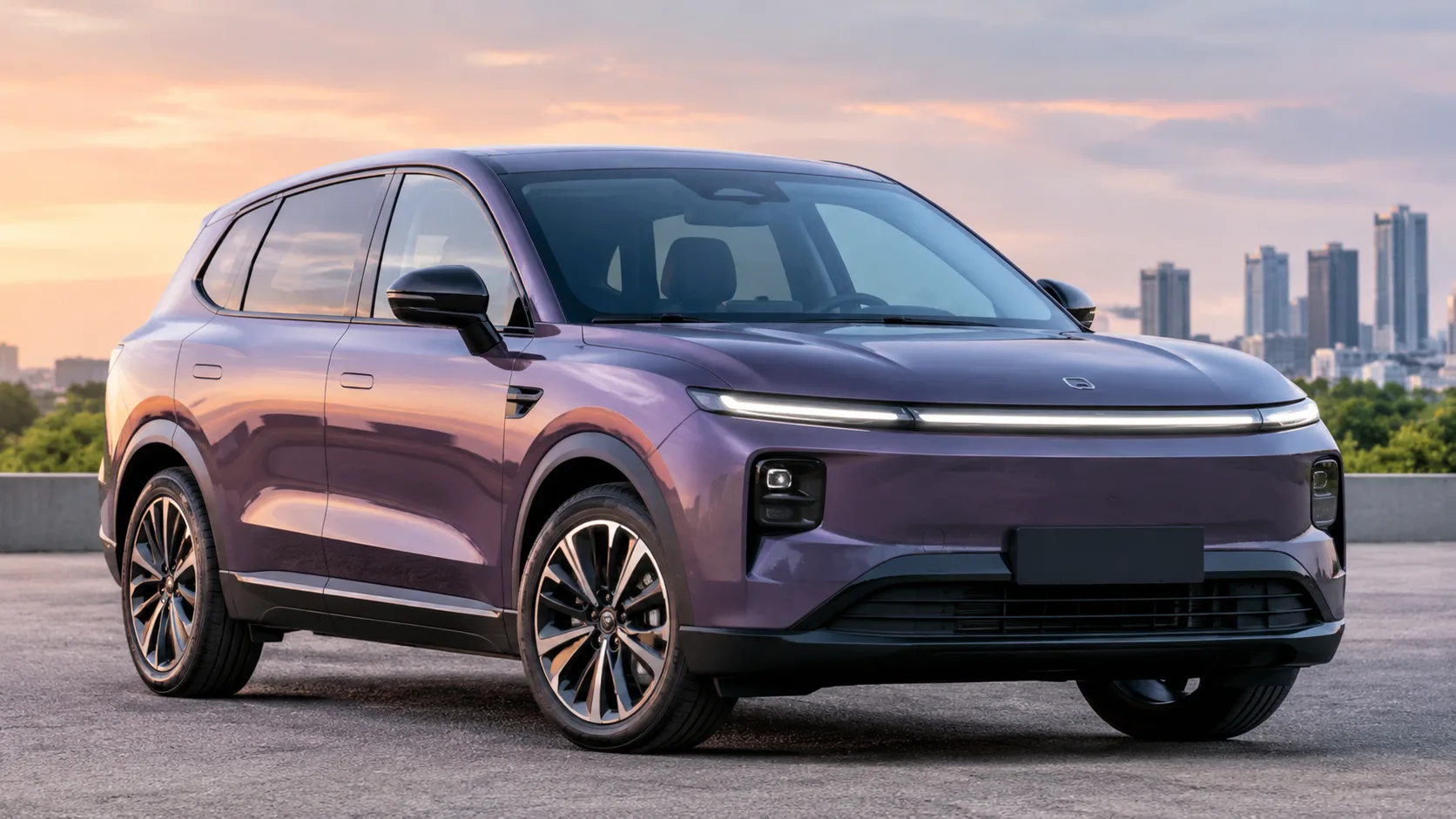
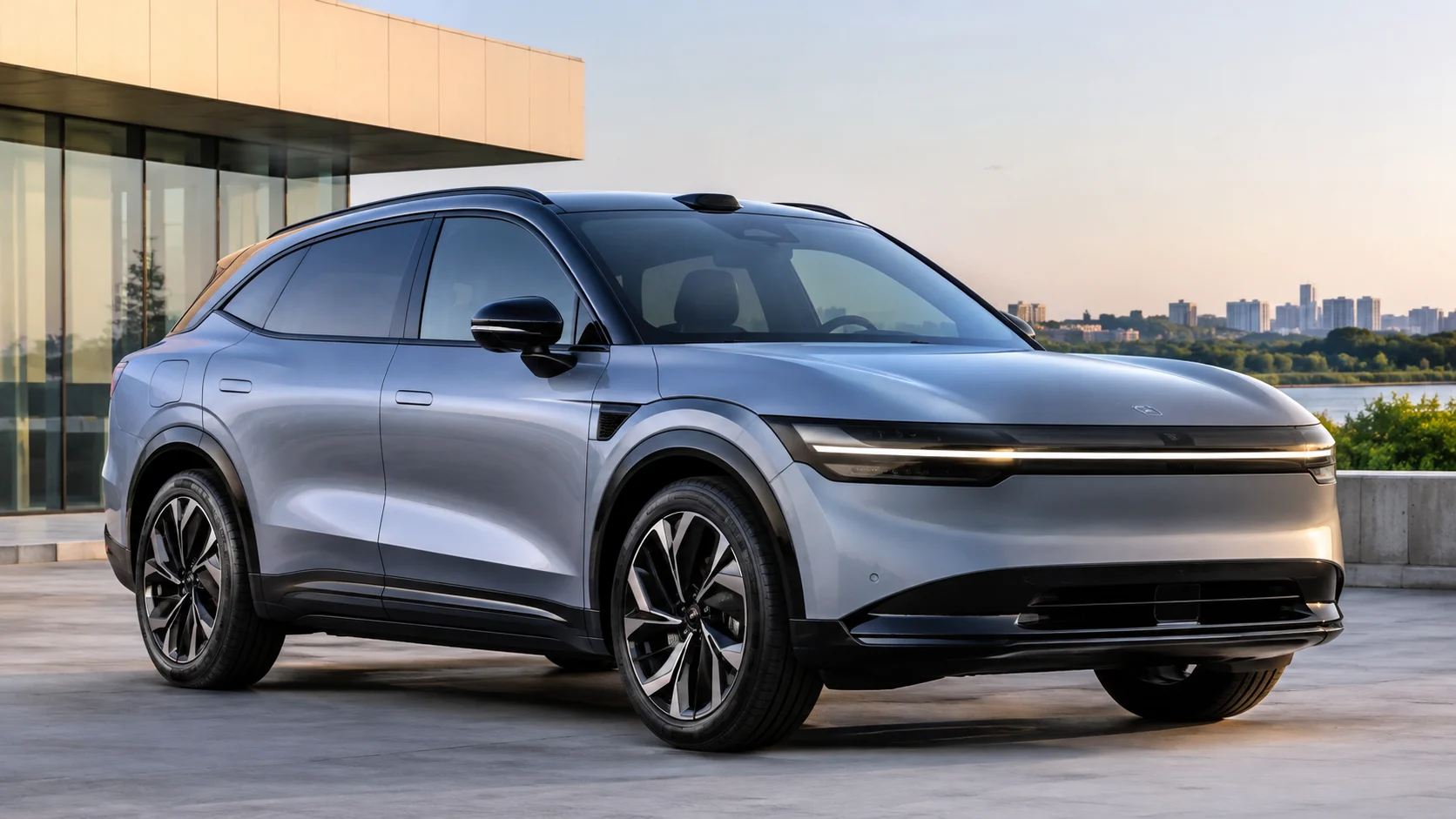
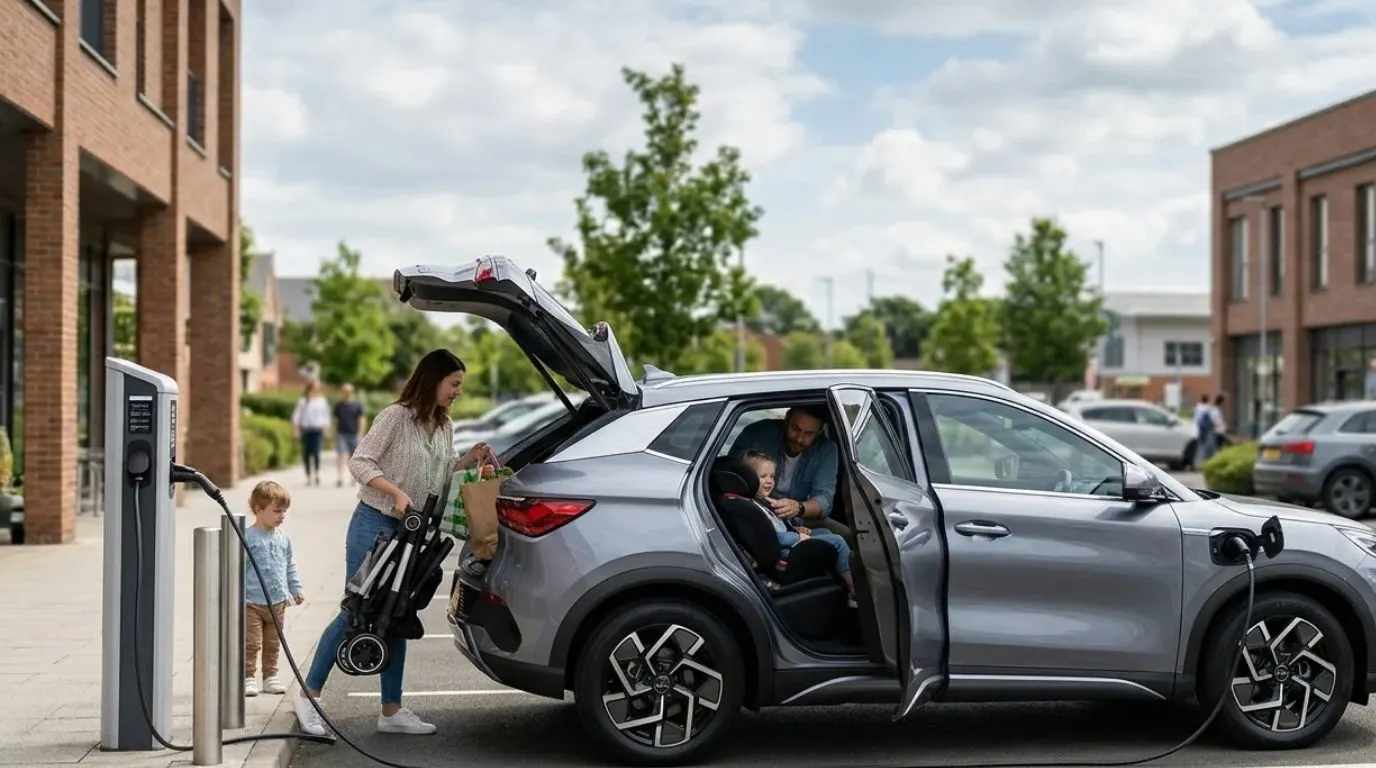
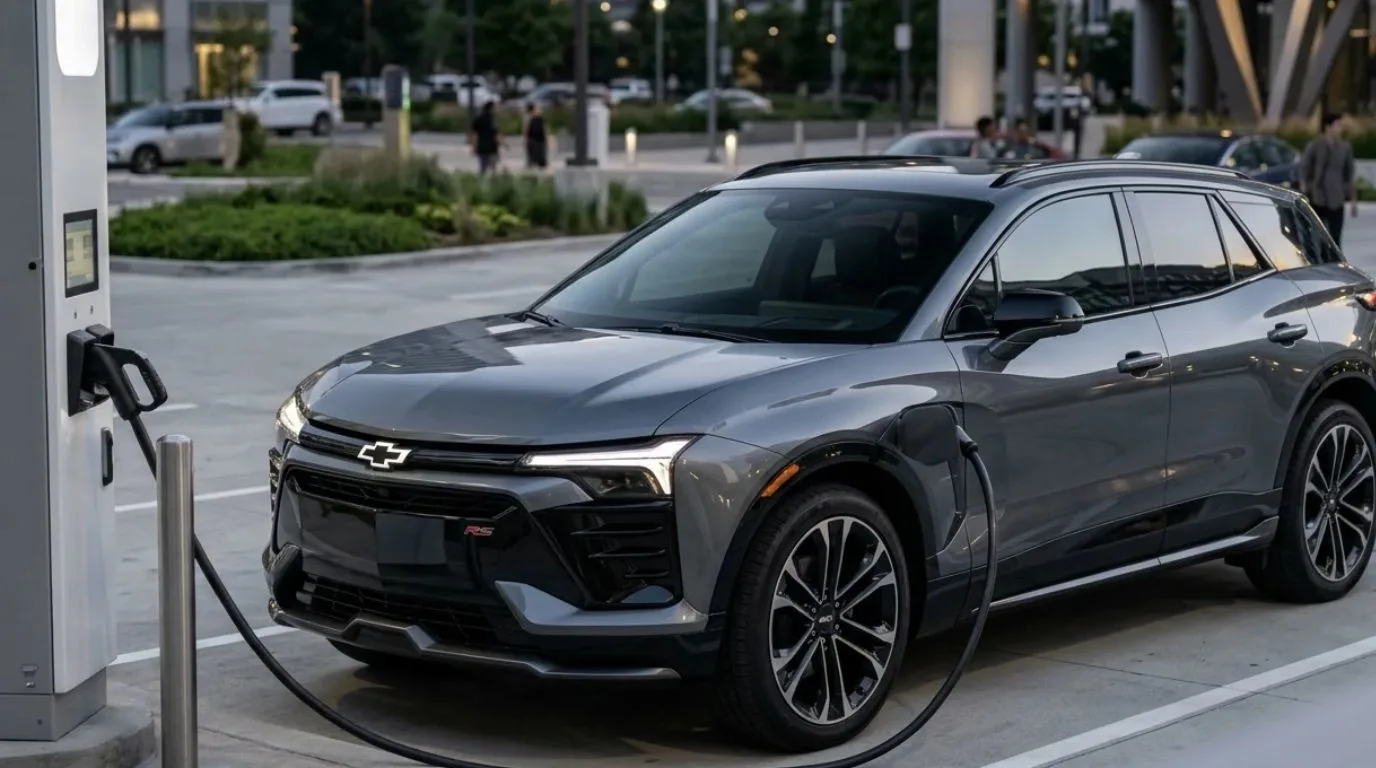
The BMW iX1 is a compact luxury electric SUV designed to combine everyday practicality with BMW’s electric powertrain technology. Its appeal depends on more than the advertised driving range: battery efficiency, home-charging access, public charging costs and luggage capacity all matter when deciding whether it can serve as a daily family car.
Specifications vary by market and model version. The European iX1 eDrive20, for example, is a front-wheel-drive model, while the xDrive30 uses two electric motors and all-wheel drive. India also has a market-specific long-wheelbase iX1, so its figures should not be mixed with those of the standard international model.
BMW iX1 range: how far can it travel on a charge?
The range depends on the version and the test cycle used. In Europe, BMW announced an efficiency update for the 2026 spring model changes, adding silicon-carbide components to the power electronics. BMW quoted a WLTP range of 458–461 km for the iX1 eDrive20 and 429–430 km for the xDrive30 under the stated German measurement figures. These figures should not be treated as the range of every iX1 sold worldwide. press.bmwgroup.com
For buyers in India, the relevant model is the BMW iX1 Long Wheelbase (eDrive20L). BMW’s India material lists a claimed MIDC range of up to 546 km on its current model page, while an earlier brochure quoted 531 km. These are laboratory-cycle figures, not a promise of the distance the car will cover in normal traffic. bmw.in+1
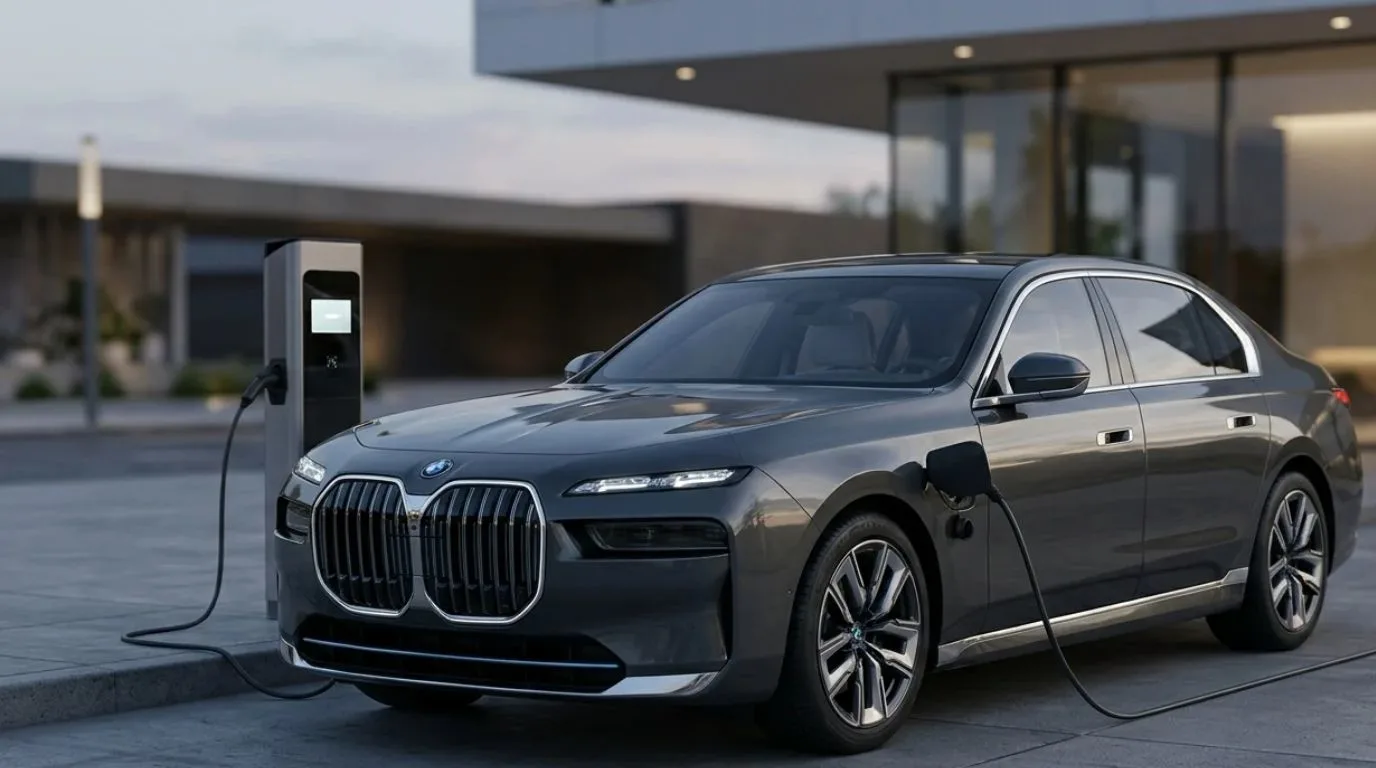

Real-world range changes with speed, traffic, outside temperature, air-conditioning use, passenger and luggage weight, tire choice and driving style. Sustained high-speed driving generally uses more energy than steady urban or mixed-speed travel. For regular use, it is sensible to plan journeys with a charging reserve rather than treating the official maximum as a guaranteed distance.
Battery, motor and performance
The iX1 is offered with different powertrain configurations across markets. The standard European eDrive20 uses a single front-mounted motor, while the xDrive30 adds a second motor and all-wheel drive.
| Specification | iX1 eDrive20 (Europe) | iX1 xDrive30 (Europe) |
|---|---|---|
| Motor layout | Single motor | Dual motor |
| Drive type | Front-wheel drive | All-wheel drive |
| Maximum system output | 150 kW (204 hp) | 230 kW (313 hp) |
| Maximum torque | 250 Nm | 494 Nm |
| 0–100 km/h | 8.6 seconds | 5.6 seconds |
| Battery capacity | Around 65 kWh | Around 65 kWh |
BMW’s current Irish technical data lists a 65.2 kWh battery for the eDrive20 and 65 kWh for the xDrive30. Exact figures and equipment can vary with model year and market. bmw.ie+1
The India-spec iX1 LWB eDrive20L is a front-wheel-drive model with a single motor producing 150 kW (204 hp) and 250 Nm. It is not the same powertrain as the international xDrive30. bmw.in+1

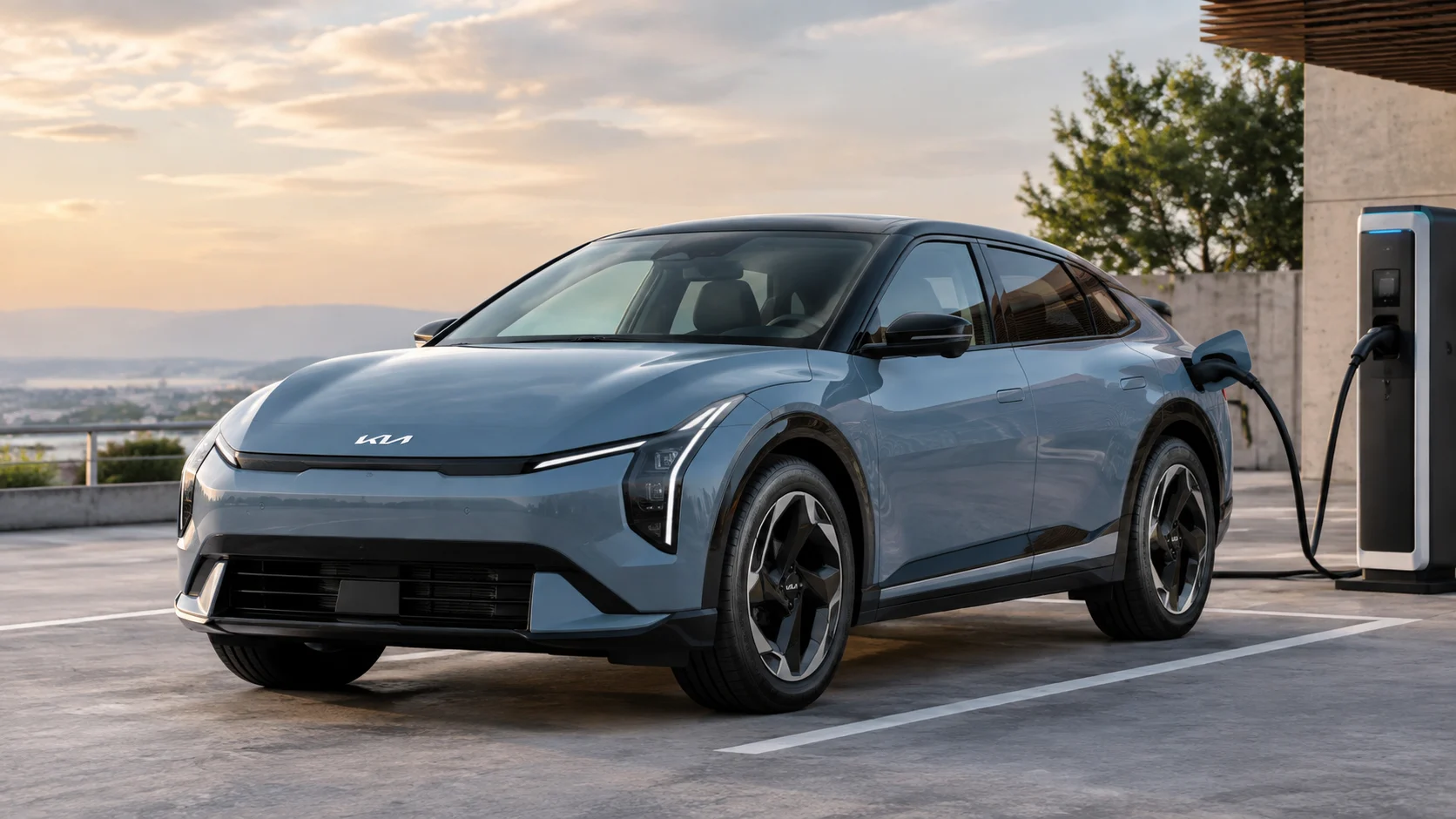
BMW iX1 charging speed and charging time
The iX1 supports both AC charging and DC fast charging. AC charging is generally the practical choice for overnight home charging, while DC charging is more useful when travelling or when the battery needs to be replenished during the day.
For the European versions listed by BMW, maximum DC charging power is up to 130 kW. BMW quotes a minimum 10–80% DC charging time of approximately 29 minutes under suitable conditions. The listed AC capability is up to 11 kW, with 22 kW support available in certain configurations or markets. bmw.ie+1
For the Indian iX1 LWB, BMW’s brochure specifies up to 130 kW DC charging and up to 11 kW AC charging. The brochure lists an 8-year/160,000 km high-voltage battery warranty. bmw.in+1
Actual charging time can be longer than the advertised minimum. It depends on the battery’s starting charge, temperature, the charger’s output, battery conditioning and how much power the vehicle can accept during that session. A 130 kW charger does not mean the car will draw 130 kW continuously.
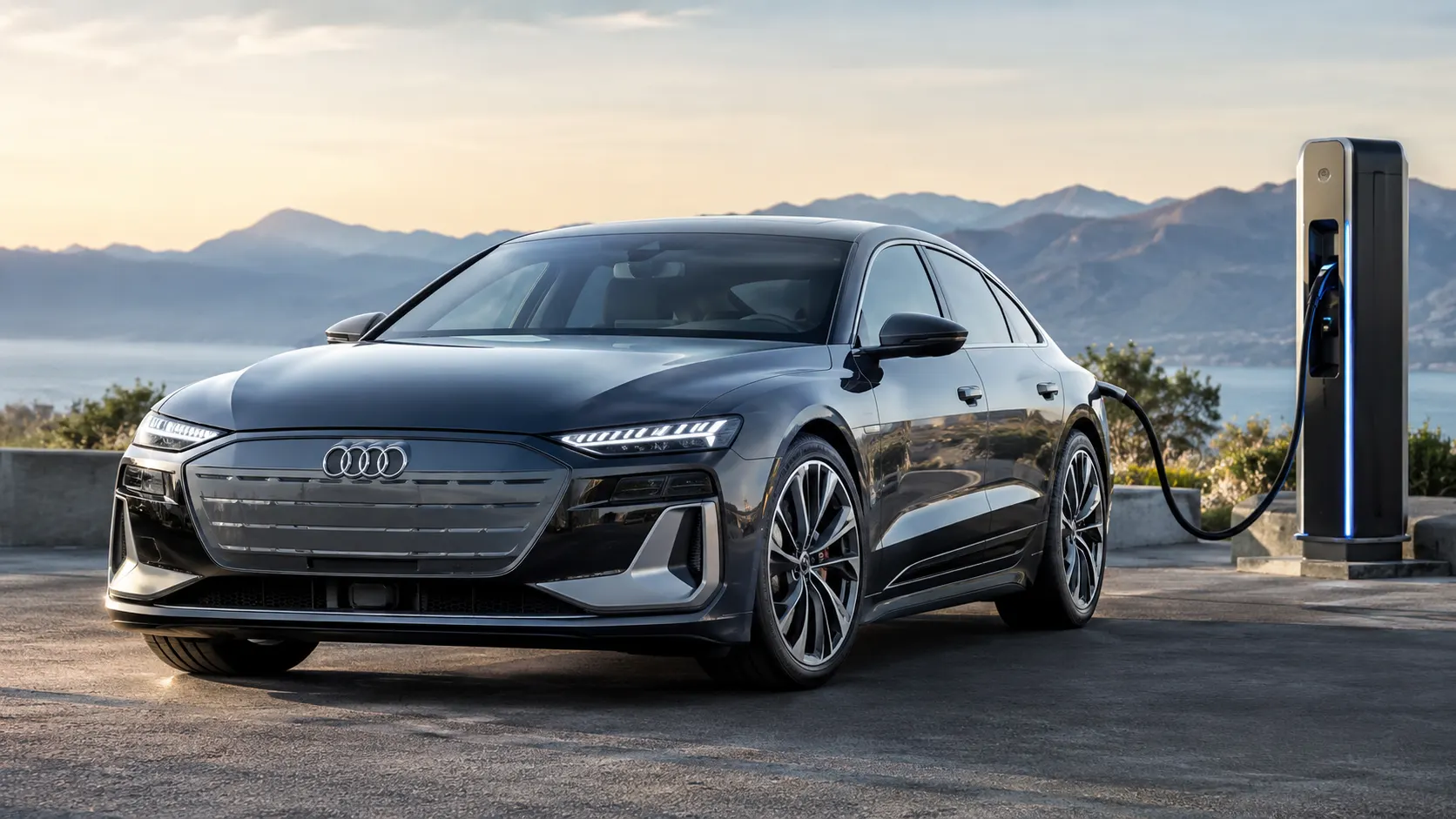
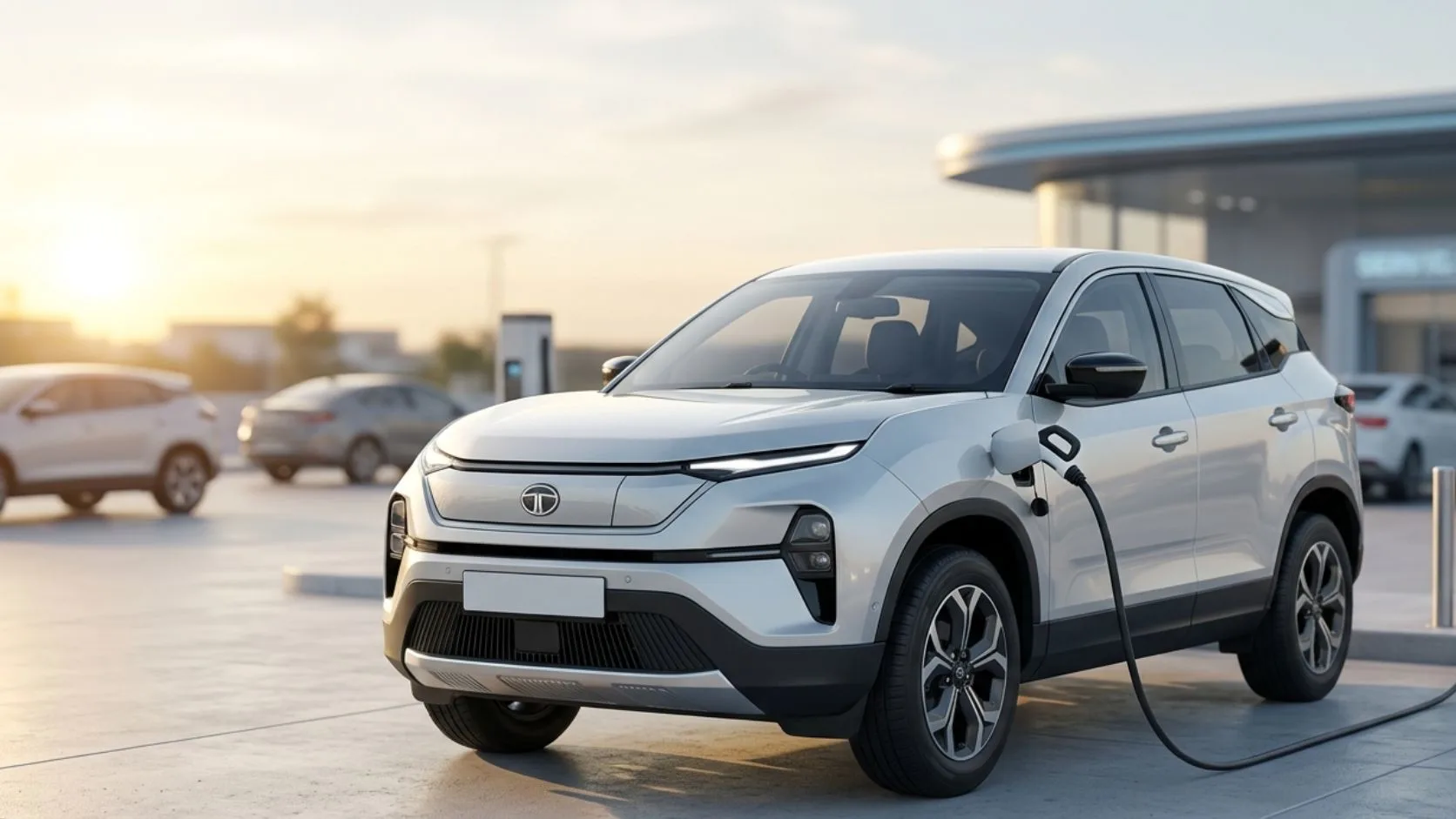
BMW iX1 charging costs: home versus public charging
There is no single charging cost for the BMW iX1. The amount depends on the electricity tariff, the public charging operator, the location and the energy used during charging.
A simple way to estimate home-charging cost is:
Energy used per 100 km × electricity price per kWh = estimated cost per 100 km
For example, if an electric SUV consumes 15.5 kWh per 100 km and the home electricity rate is ₹10 per kWh, the basic energy cost works out to approximately ₹155 per 100 km. This is an illustration, not a fixed BMW iX1 running-cost figure. Charging losses can increase the amount drawn from the wall.
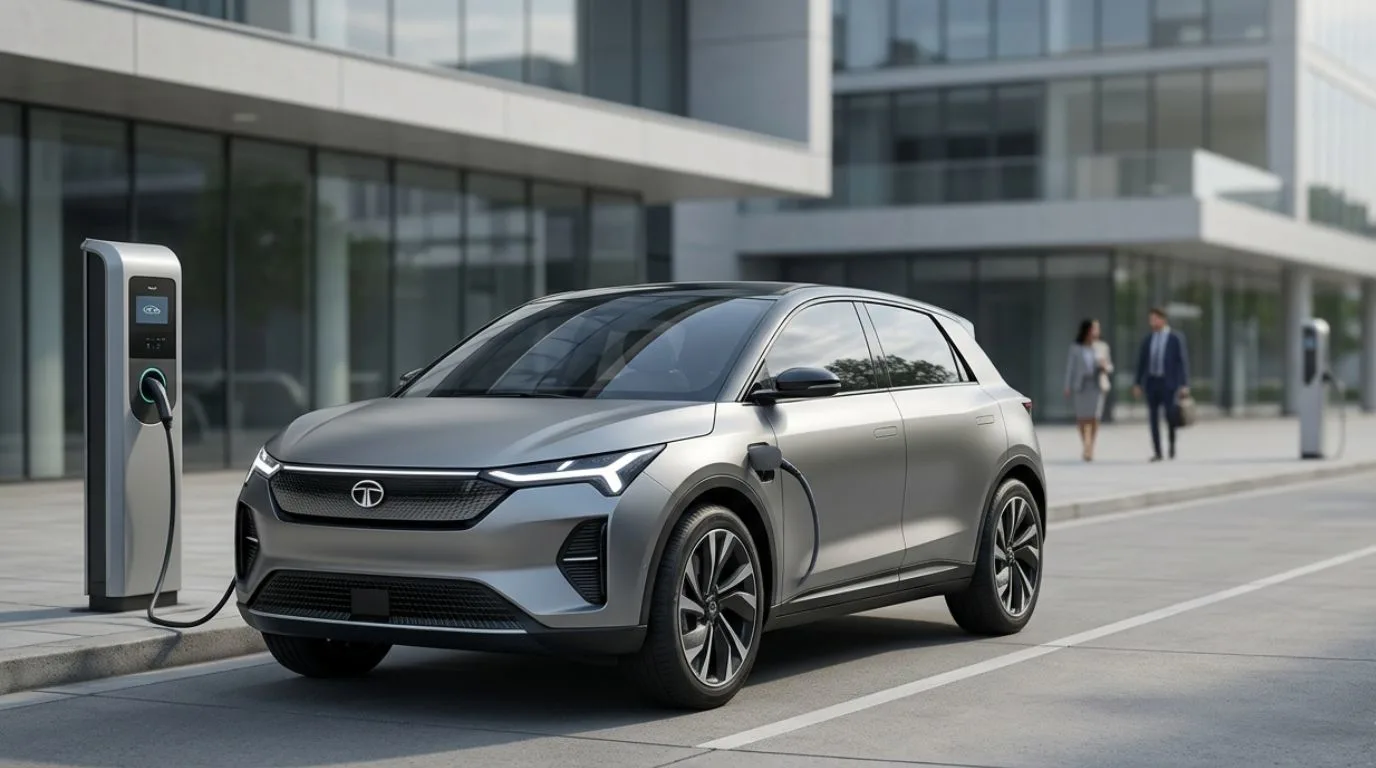
Public charging may cost more because charging networks set their own tariffs. Some stations also apply session fees, parking charges or different rates for faster chargers. Drivers who rely heavily on public DC charging should calculate costs using the rates of the stations they are likely to use.
For the most predictable ownership costs, home charging is usually preferable when a suitable parking space and electrical installation are available. Before buying, check whether your apartment, workplace or house can support a dedicated charger and whether installation costs are included in the vehicle offer.
BMW iX1 boot space and interior practicality
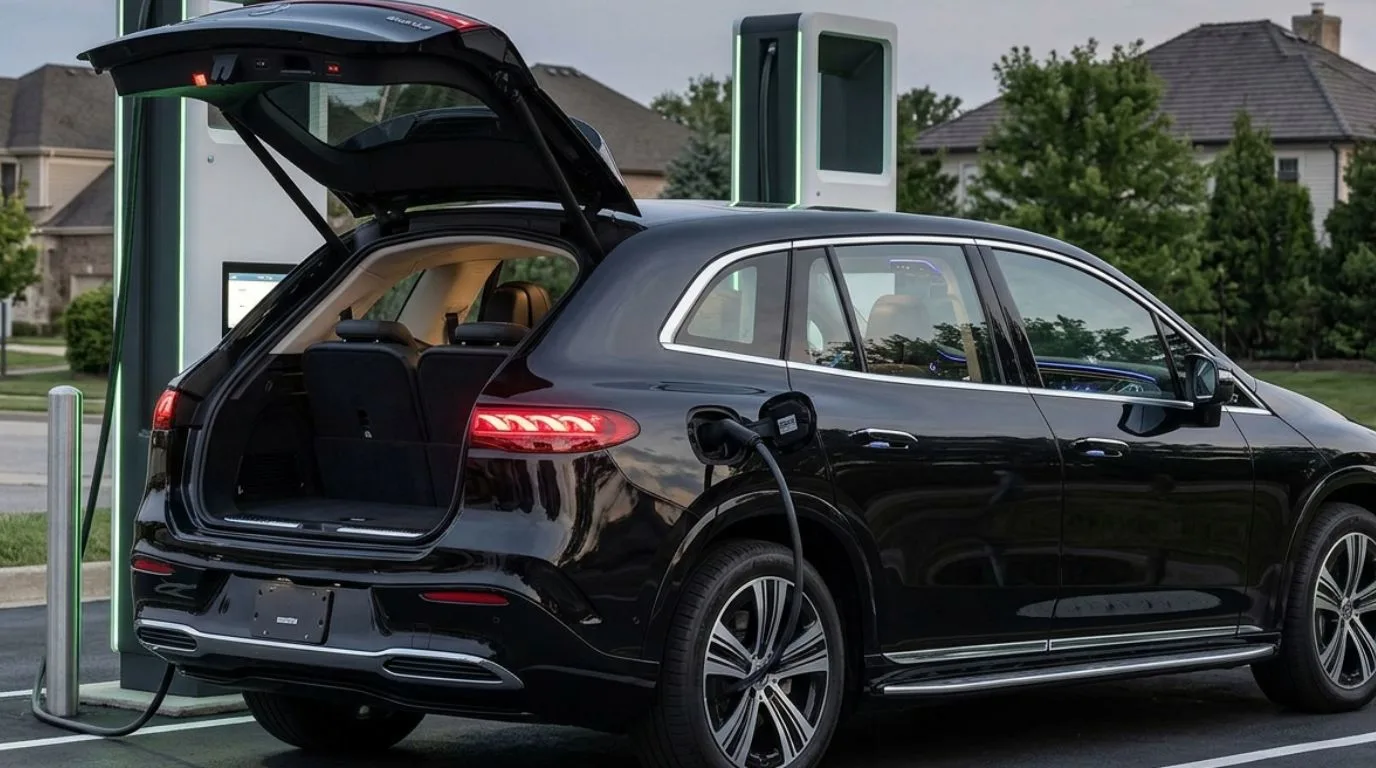
The standard European iX1 offers 490 litres of luggage capacity, expanding to 1,495 litres when the rear seats are folded. That is a useful amount of space for supermarket shopping, cabin bags and family luggage. The rear seatback can also be folded to accommodate longer items, although carrying bulky cargo will reduce the space available for passengers. bmw.ie
The Indian iX1 Long Wheelbase retains a 490-litre boot, with BMW advertising up to 1,600 litres when the rear seats are folded. Its longer wheelbase is primarily intended to improve passenger space, particularly for people travelling in the back. bmw.in
The 40:20:40 split-folding rear seat configuration is useful when carrying a combination of passengers and longer objects. Instead of folding the entire backrest, the center section can be lowered separately for items such as skis or narrow packages. Actual luggage capacity depends on the measurement method and market specification.
Everyday usability: city driving and family journeys
The iX1’s compact-SUV format makes it easier to place in the premium family-car category than a larger electric SUV. Its electric motor delivers power without conventional gear changes, which can make stop-start traffic smoother. Regenerative braking also helps recover some energy when the vehicle slows down.
The standard eDrive20’s front-wheel-drive layout is suited to everyday road use. The xDrive30’s all-wheel-drive system and higher output provide stronger acceleration and additional traction, but the more powerful version is not automatically the better choice for every buyer. It also has a different efficiency and range profile.
The Indian long-wheelbase version has a 2,800 mm wheelbase, compared with 2,692 mm for the standard international model. That extra length is intended to create more rear-seat room. Buyers who regularly travel with adults in the back should consider this version’s cabin layout rather than relying only on the boot figure. bmw.in+1
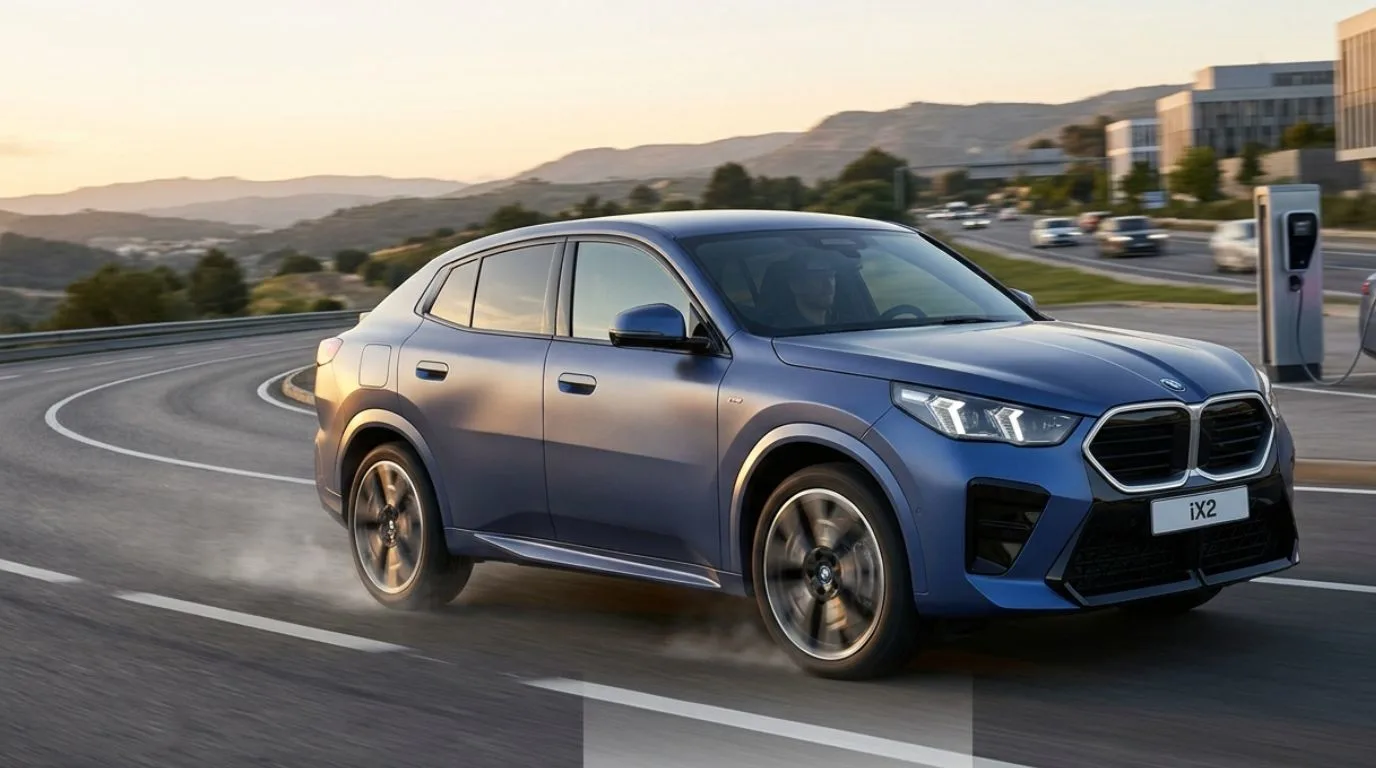
There are a few practical points to consider before choosing the iX1:
- Home charging access: Owning an EV is more convenient when overnight charging is available at home or in a dedicated parking space.
- Long-distance travel: Check fast-charger availability along regular routes before depending on the car for frequent intercity journeys.
- Real-world range: Highway speed, air-conditioning and a full passenger load can reduce the distance available compared with the official test figure.
- Parking and dimensions: The long-wheelbase India version is longer than the standard iX1, so check garage and parking-space dimensions.
- Boot flexibility: The 40:20:40 rear seat arrangement helps, but folding seats means sacrificing some passenger seating.
Interior technology and comfort
Equipment varies by country and trim, but the iX1’s cabin is built around BMW’s curved digital display arrangement and iDrive infotainment system. Depending on the market and model year, features can include smartphone integration, navigation, connected services, a panoramic glass roof, ambient lighting and upgraded audio.
BMW India’s original iX1 specification sheet lists a 10.25-inch instrument display, a 10.7-inch control display, BMW Operating System 8.5, wireless smartphone integration and a Harman Kardon sound system. Equipment should be checked against the current Indian variant because specification sheets can change between model years. press.bmwgroup.com
The long-wheelbase India version puts additional emphasis on rear passenger comfort. That makes it more relevant to buyers who often use the rear seats with family members or a driver, rather than treating the vehicle only as a personal daily commuter.

Is the BMW iX1 practical for everyday ownership?
The BMW iX1 can work well as a daily electric SUV if its charging requirements match the owner’s routine. Its 490-litre boot, five-seat layout, compact-SUV footprint and available home-charging support give it the basic practicality expected from a family vehicle.
The strongest case for the India-spec iX1 LWB is its longer wheelbase and claimed MIDC range. The standard European eDrive20, meanwhile, is the more relevant reference for buyers considering the international version. The xDrive30 is better suited to drivers who place greater importance on acceleration and all-wheel-drive traction.
The main limitation is not the basic luggage capacity; it is the need to plan charging around the availability of home or public infrastructure. Buyers who cannot charge at home and regularly make long journeys should assess their local charging network carefully before committing.
BMW iX1: key specifications at a glance
| Specification | BMW iX1 LWB eDrive20L (India) |
|---|---|
| Powertrain | Fully electric |
| Motor layout | Single front-mounted motor |
| Drive type | Front-wheel drive |
| Maximum power | 150 kW (204 hp) |
| Maximum torque | 250 Nm |
| Battery capacity | 66.4 kWh (gross, as listed in BMW India material) |
| Claimed range | Up to 546 km MIDC on BMW India’s current model page |
| Maximum DC charging | 130 kW |
| Maximum AC charging | 11 kW |
| Boot capacity | 490 litres |
| Wheelbase | 2,800 mm |
| Battery warranty | 8 years / 160,000 km, subject to terms |
BMW’s earlier India brochure lists a 531 km MIDC range, while its current model page advertises up to 546 km. Buyers should confirm the applicable figure for the exact model year and vehicle being offered. bmw.in+1

Frequently asked questions
What is the range of the BMW iX1 Electric?
It depends on the version and market. BMW’s India page advertises up to 546 km MIDC for the iX1 LWB, while European versions have different WLTP figures. These test-cycle results should not be treated as guaranteed real-world range.
How much boot space does the BMW iX1 offer?
The standard iX1 offers 490 litres of luggage capacity, increasing to 1,495 litres with the rear seats folded. BMW advertises up to 1,600 litres for the India-spec long-wheelbase version.
How long does the BMW iX1 take to charge?
BMW lists up to 130 kW DC fast charging for the iX1, with a minimum 10–80% charging time of around 29 minutes for the European version. Charging times for the India-spec model can vary with the charger and conditions.
How much does it cost to charge a BMW iX1?
The cost depends on the electricity tariff and charging provider. Home charging is generally easier to budget for, while public DC charging rates vary by operator and location.
Is the BMW iX1 available in India?
BMW offers the iX1 Long Wheelbase in India. Its specifications differ from the standard international iX1, so buyers should check the India-specific model details before comparing it with overseas versions.
Does the BMW iX1 have all-wheel drive?
Some versions do. The xDrive30 uses a dual-motor all-wheel-drive setup, while the eDrive20 and India’s iX1 LWB eDrive20L use front-wheel drive.
Final thoughts
The BMW iX1 makes a practical case as a premium electric SUV through its usable luggage space, flexible rear seats and choice of powertrains. The India-spec long-wheelbase version adds a longer wheelbase for rear passenger comfort, while the international eDrive20 and xDrive30 offer different balances of efficiency, performance and traction.
Its suitability for everyday use ultimately depends on charging access and the distance covered regularly. Buyers with convenient home charging and mostly predictable daily journeys may find the iX1 easy to live with. Those who depend on public chargers or frequently travel long distances should check charging availability and plan around real-world range rather than relying solely on the official figure.