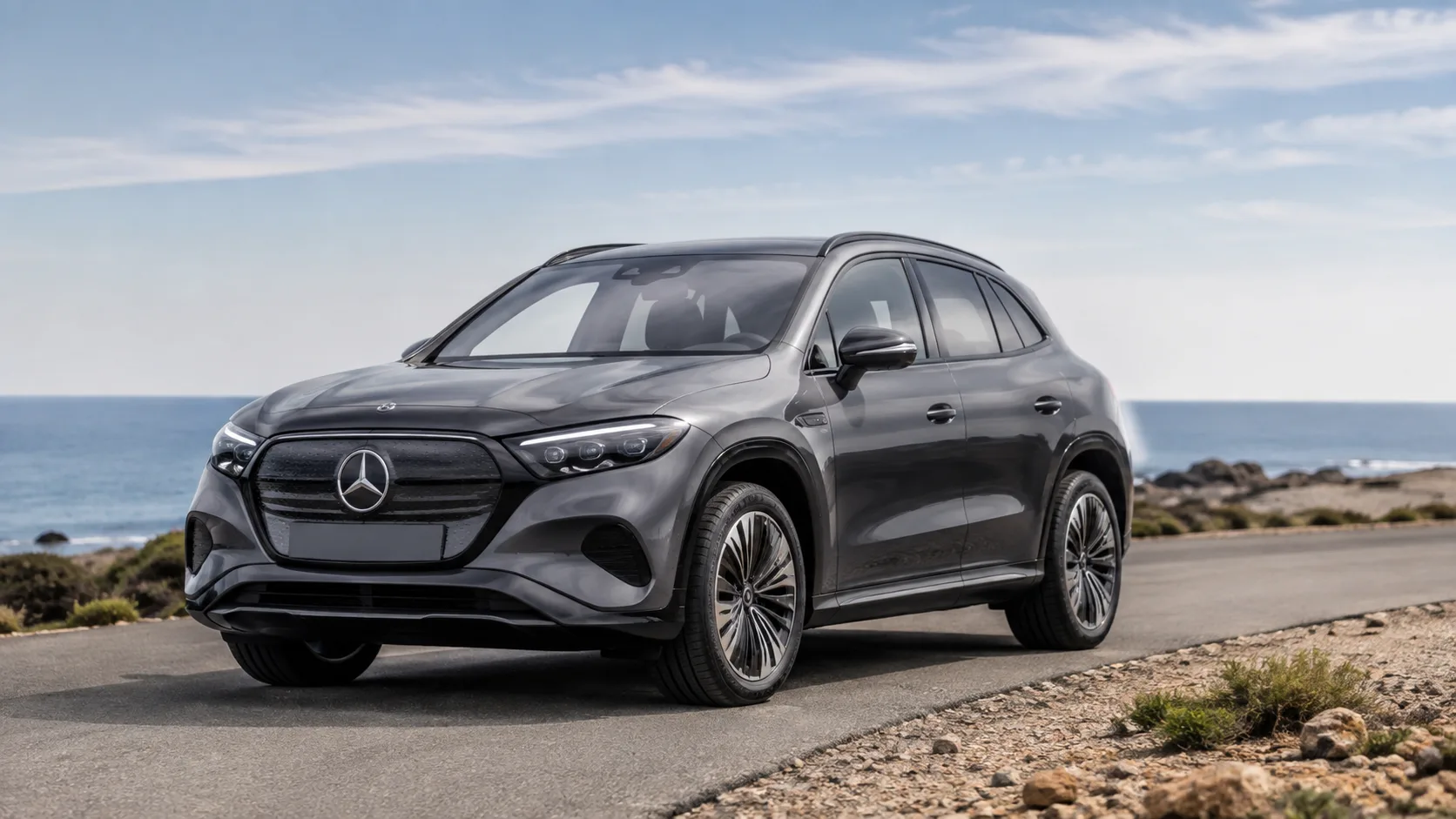
The Mercedes-Benz EQS SUV combines all-electric performance with the comfort, technology and premium cabin expected from a flagship luxury SUV. It offers a large battery, all-wheel drive, advanced infotainment and an optional third row in the U.S. market.
But its appeal depends on more than the official driving range. Buyers also need to consider highway efficiency, charging stops, rear-seat comfort and how much luggage the vehicle can carry when all seven seats are occupied.
For the 2026 model year, the U.S. lineup includes the EQS 400 4MATIC and EQS 550 4MATIC. Other markets use different model names and specifications. The Indian-market EQS 450 4MATIC, for example, is listed as a five-seat SUV.
This guide looks at the vehicle’s range, charging performance, passenger space and luxury equipment, with particular attention to the differences between the U.S. and Indian versions.
Mercedes-Benz EQS SUV: Key Specifications
The following table covers the 2026 U.S.-market models. Figures should not be treated as universal specifications because equipment and powertrain details vary by country.
| Specification | EQS 400 4MATIC | EQS 550 4MATIC |
|---|---|---|
| Power | 355 hp | 536 hp |
| Torque | 590 lb-ft | 633 lb-ft |
| Drivetrain | All-wheel drive | All-wheel drive |
| Battery pack | 118 kWh | 118 kWh |
| EPA-estimated range | 312 miles | 317 miles |
| Maximum DC charging rate | 200 kW | 200 kW |
| Maximum AC charging rate | 9.6 kW | 9.6 kW |
| Starting MSRP in the U.S. | $89,950 | $112,450 |
The battery’s 118-kWh figure refers to the pack capacity quoted for the U.S. models. Usable capacity and the way battery capacity is reported can differ between sources and markets.
The EPA range figures are standardized estimates, not promises of the distance drivers will achieve in everyday conditions.
Mercedes-Benz EQS SUV Real-World Range
Driving range is one of the most important considerations when choosing a large electric SUV. The EQS SUV offers a substantial battery and competitive official range figures, but actual distance depends on driving conditions.
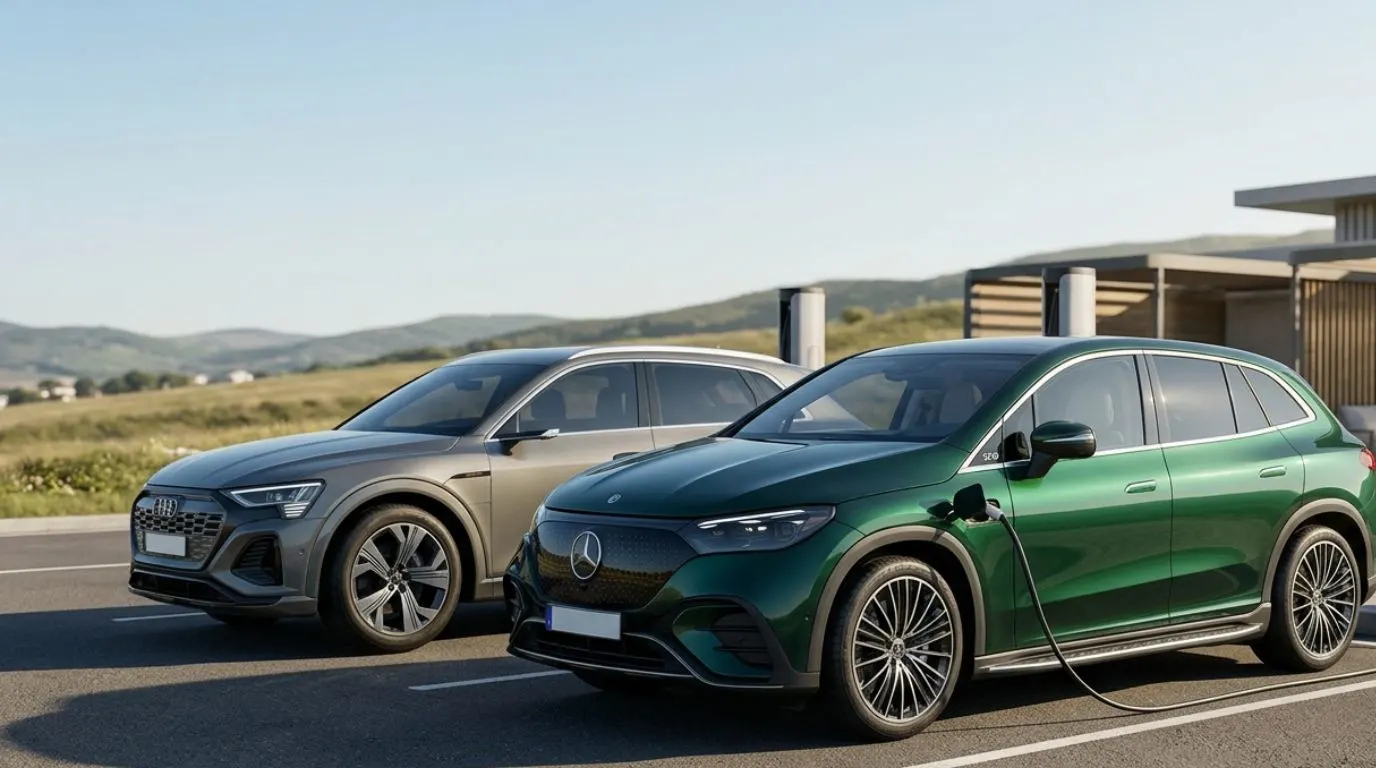
For 2026, the U.S.-market EQS 400 4MATIC has an EPA-estimated range of 312 miles. The EQS 550 4MATIC is rated at 317 miles.
The difference between the two versions is relatively small despite the EQS 550’s higher power output. Buyers should therefore consider performance, equipment and price alongside the official range rather than assuming the more powerful model will have a dramatically shorter driving distance.
What real-world testing shows
Consumer Reports tested an earlier EQS 450 4MATIC, a version whose successor in the 2026 U.S. lineup is called the EQS 400 4MATIC. In its 70-mph highway range test, the vehicle covered 314 miles.
That result is useful because sustained highway driving can place more consistent demands on an EV’s battery than mixed city driving. However, it should not be treated as a guaranteed result for every 2026 vehicle or driving situation.

Real-world range can change because of:
- Highway speed and driving style.
- Outside temperature and weather conditions.
- Wheel and tire configuration.
- Passenger and luggage weight.
- Road elevation and terrain.
- Heating and air-conditioning use.
- Battery temperature and condition.
Cold weather and sustained high-speed driving can reduce the distance available between charging stops. Drivers planning long journeys should leave a sensible range reserve rather than planning to arrive with almost no battery charge remaining.
Is the EQS SUV suitable for long-distance travel?
The EQS SUV has the battery capacity and charging capability to support long journeys, provided suitable public charging stations are available along the route.
Its navigation system can help drivers plan journeys around charging stops. However, the quality of the charging network matters just as much as the vehicle’s maximum charging rate.

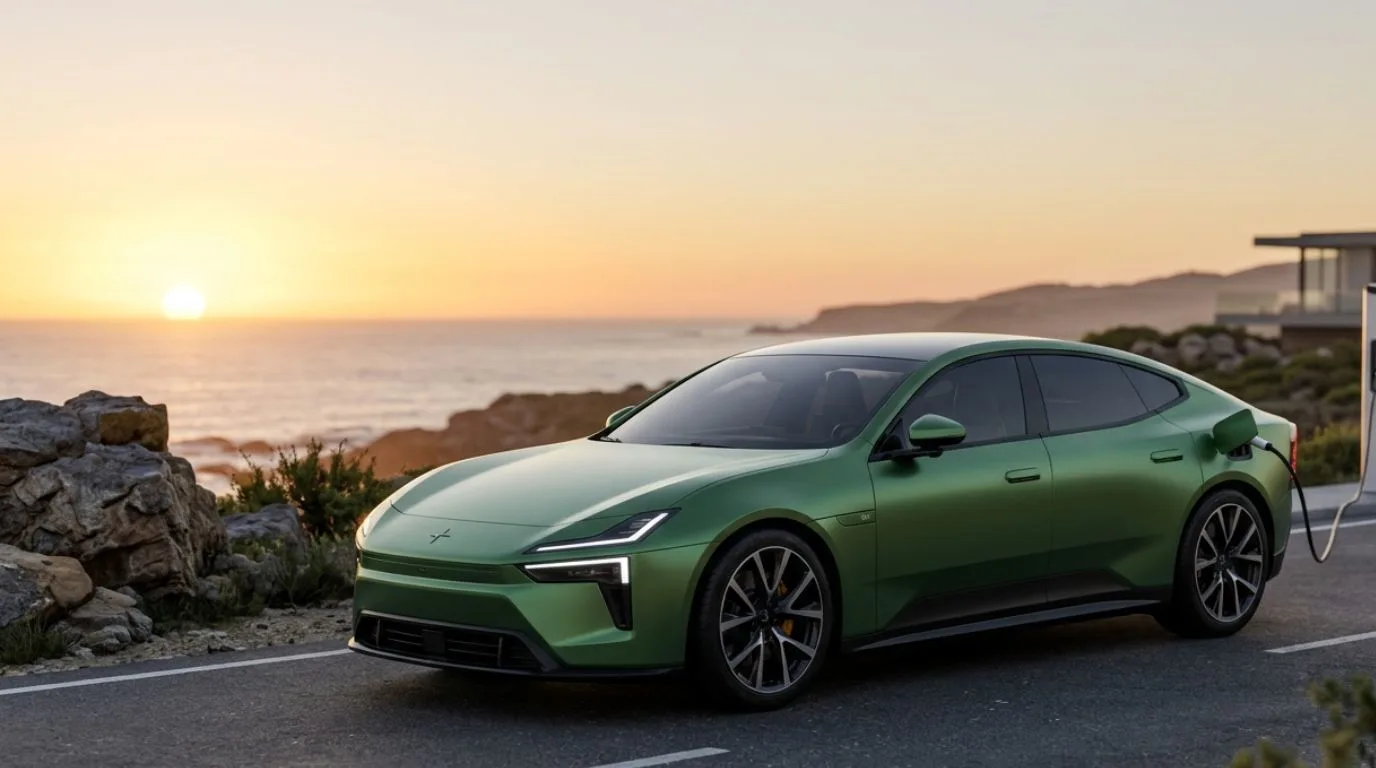
Before travelling, owners should check charger availability, connector compatibility and the distance between suitable charging locations. This is particularly important on routes where high-power DC chargers are less common.
Battery and Electric Powertrain
The 2026 U.S.-market EQS SUV uses a 118-kWh lithium-ion battery pack and dual electric motors. Both versions have all-wheel drive, with an electric motor powering each axle.
The EQS 400 4MATIC produces 355 horsepower and 590 lb-ft of torque. It provides substantial output for a large family SUV and is the less expensive option in the U.S. range.
The EQS 550 4MATIC increases output to 536 horsepower and 633 lb-ft of torque. This version is aimed at buyers who want stronger acceleration and a higher-performance driving experience.
Both models use a single-speed electric transmission. Unlike a conventional gasoline-powered SUV, an electric vehicle does not need multiple transmission gears to deliver power across its normal operating range.
The 4MATIC all-wheel-drive system distributes power through the front and rear electric motors. It can help provide traction in wet or slippery conditions, although the EQS SUV is primarily designed as a luxury road vehicle rather than a dedicated off-road model.
Mercedes-Benz EQS SUV Charging Time and Technology
Charging capability is another important part of the EQS SUV ownership experience. The 2026 U.S. models support DC fast charging at up to 200 kW.
Mercedes-Benz quotes approximately 31 minutes for a 10–80% charge under suitable conditions. This is a manufacturer estimate, not a fixed charging time for every station or journey.

DC fast charging
A compatible high-power DC charger can replenish the battery during a highway stop. The 200-kW figure represents the vehicle’s maximum charging capability, not the power it will receive throughout the entire session.
Charging speed generally changes as the battery fills. The vehicle may accept a higher rate at a lower state of charge and reduce power as the battery approaches a higher level.
Actual charging time depends on:
- The charger’s available power.
- Battery temperature.
- Starting battery percentage.
- Charging station conditions.
- The vehicle’s charging curve.
A charger advertised with a higher maximum output will not necessarily charge the EQS SUV faster than its own charging system allows.
Home and AC charging
Home charging is likely to be the more convenient option for regular use. The U.S.-market EQS SUV has a 9.6-kW onboard AC charger.
A home wallbox can replenish the battery overnight, although the exact charging time depends on the electrical supply, charging equipment, battery level and charging losses.
A full charge using AC power takes considerably longer than a 10–80% DC fast-charging session. Most owners will find it more practical to charge regularly at home rather than wait for the battery to reach 100% during a public charging stop.
Charging connector and public charging access
The 2026 U.S. EQS SUV includes a NACS DC fast-charging adapter as standard equipment, according to Mercedes-Benz’s U.S. model information. This is intended to provide access to compatible Tesla Supercharger locations in North America.
Charging access is market-specific. Connector standards, public charging networks and adapter availability differ between countries, so buyers outside the United States should check the local vehicle specification.
Third-Row Space: Is the EQS SUV a Practical Seven-Seater?
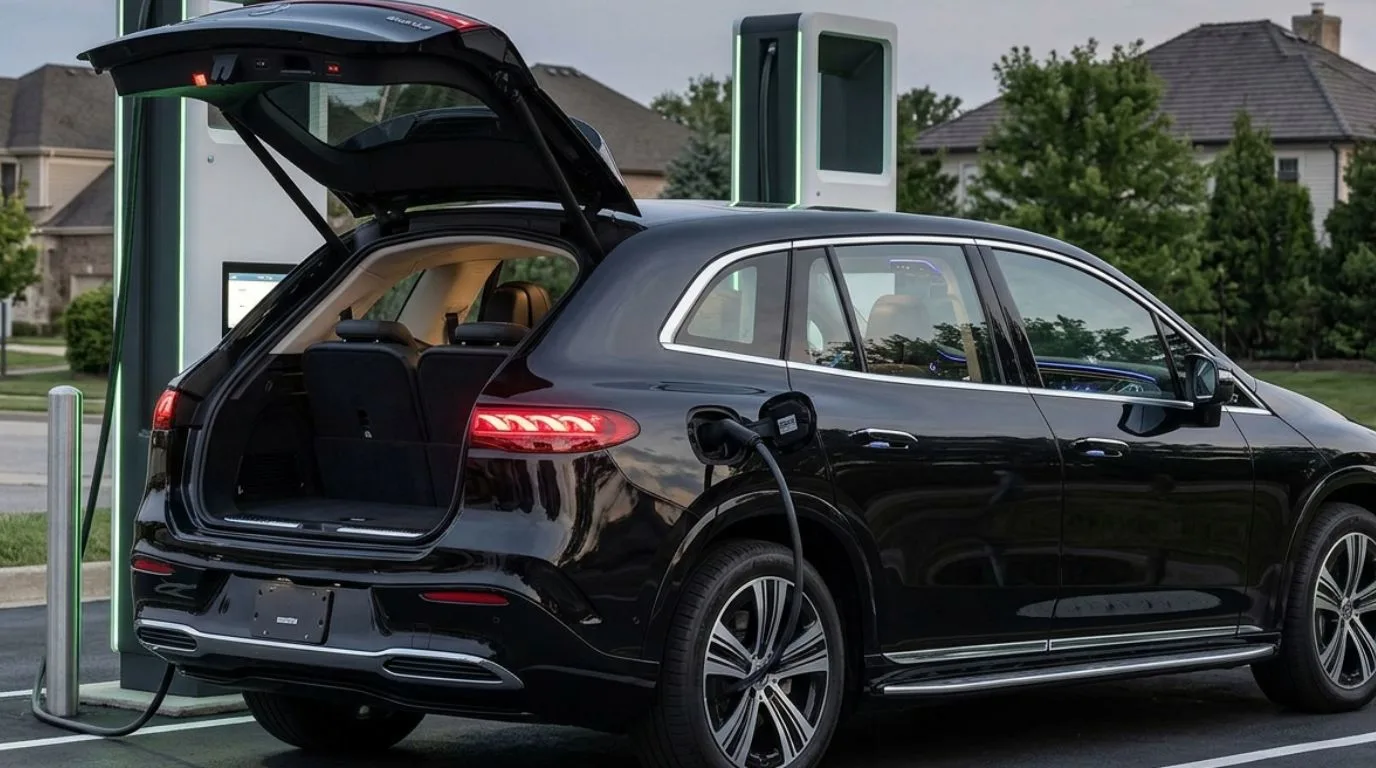
The optional third row is one of the EQS SUV’s most important family-oriented features in markets where it is offered. It allows the U.S.-market vehicle to accommodate up to seven occupants.
However, there is an important difference between having seven seats and offering comfortable space for seven adults. The EQS SUV’s third row is more suitable for children and occasional passenger use than regular long-distance travel with adults.
First and second-row comfort
The front seats provide the most adjustment and comfort options. Depending on equipment, buyers can find features such as electrically adjustable seats, heating, ventilation and premium upholstery.
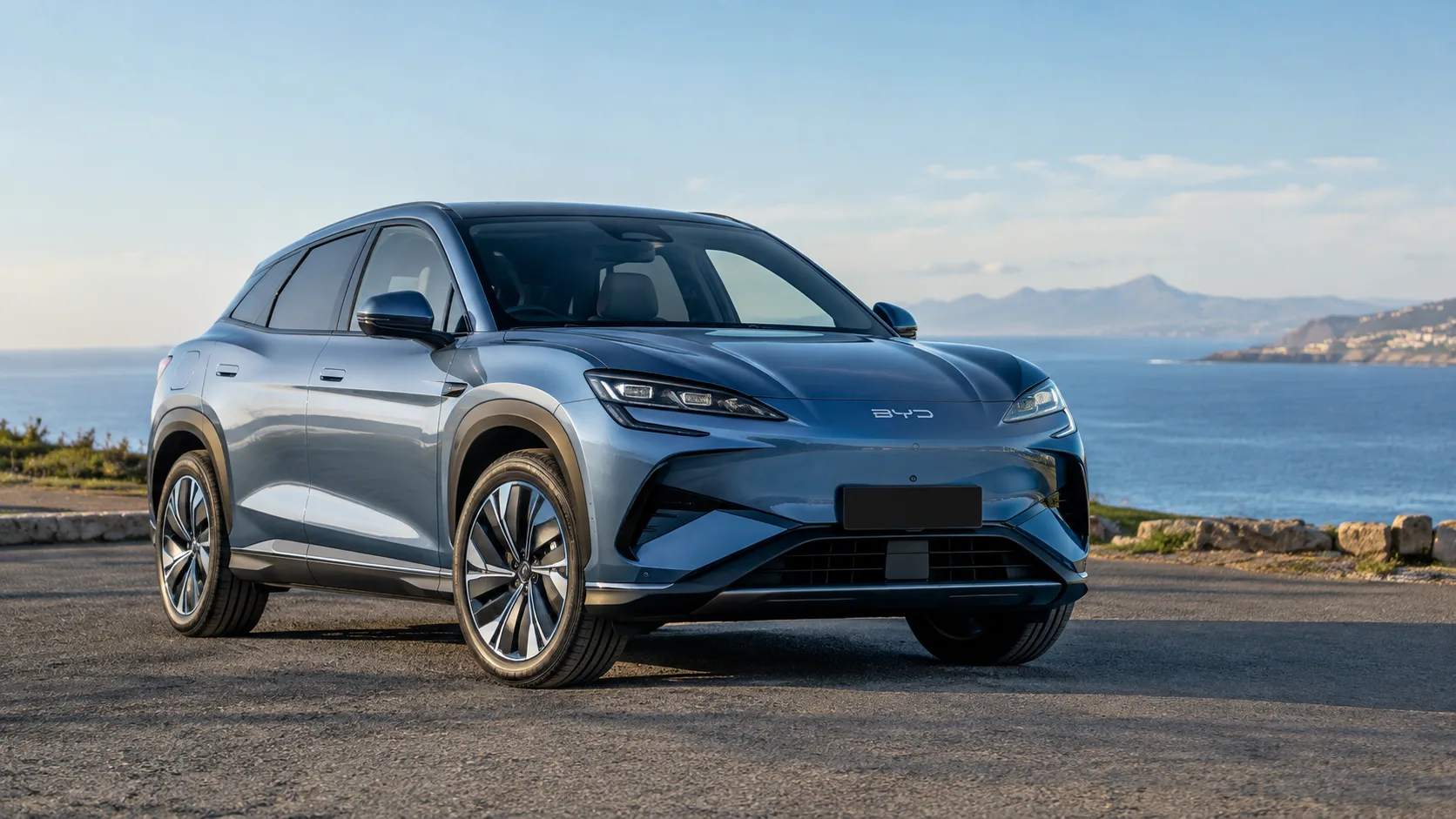
The second row is more accommodating than the rear-most seats. It offers useful passenger space, and its adjustable seating arrangement can help balance legroom against the space available for luggage.
For families who normally travel with four or five people, this is likely to be the most frequently used seating configuration.
Third row: Better suited to children
The optional third row provides two additional seats. Adults can use them for shorter journeys, but headroom and legroom are more restricted than in the first two rows.
The sloping roofline reduces the available space around the rear passengers, while the raised floor can make the seating position less comfortable for taller occupants.
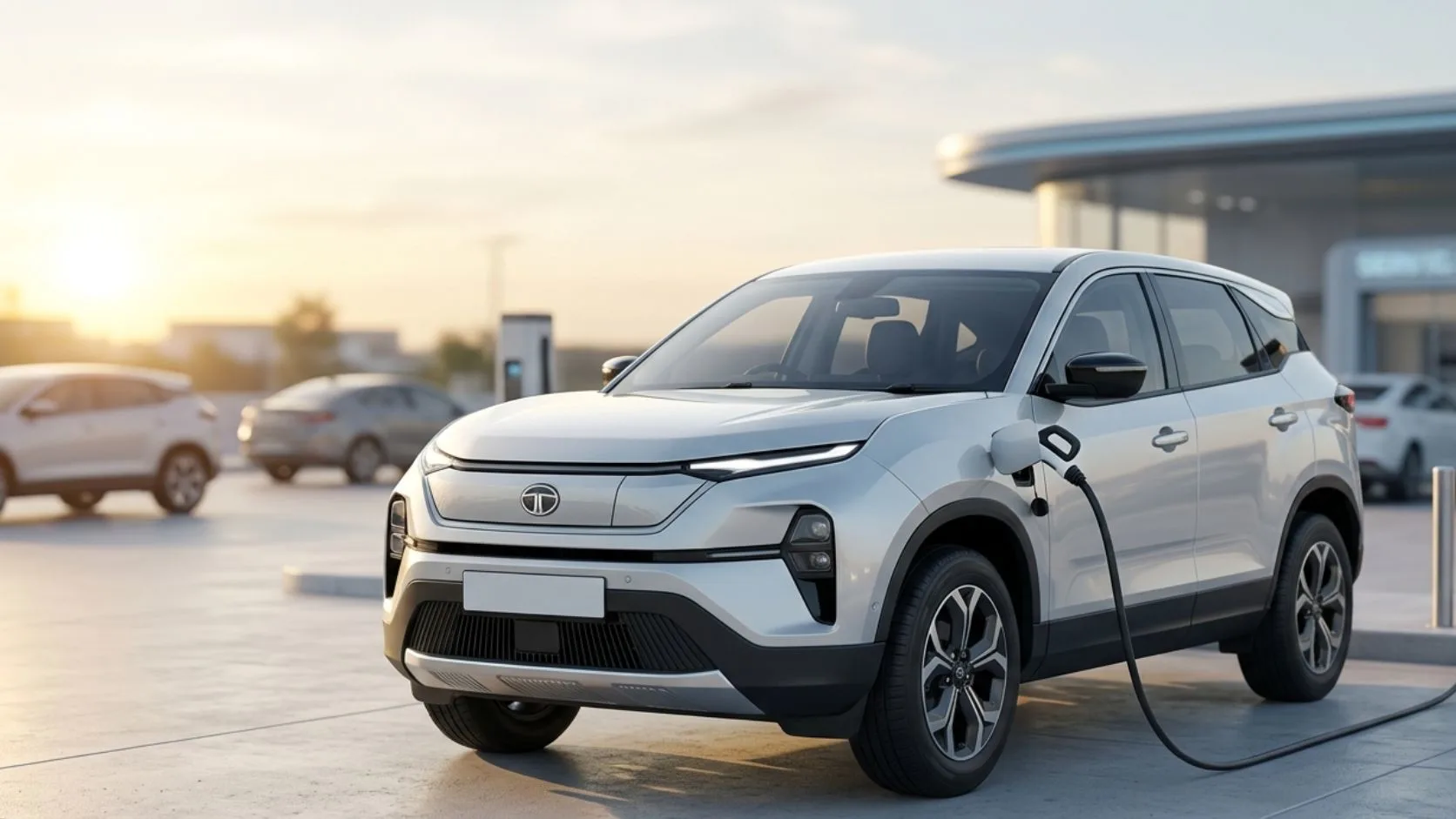
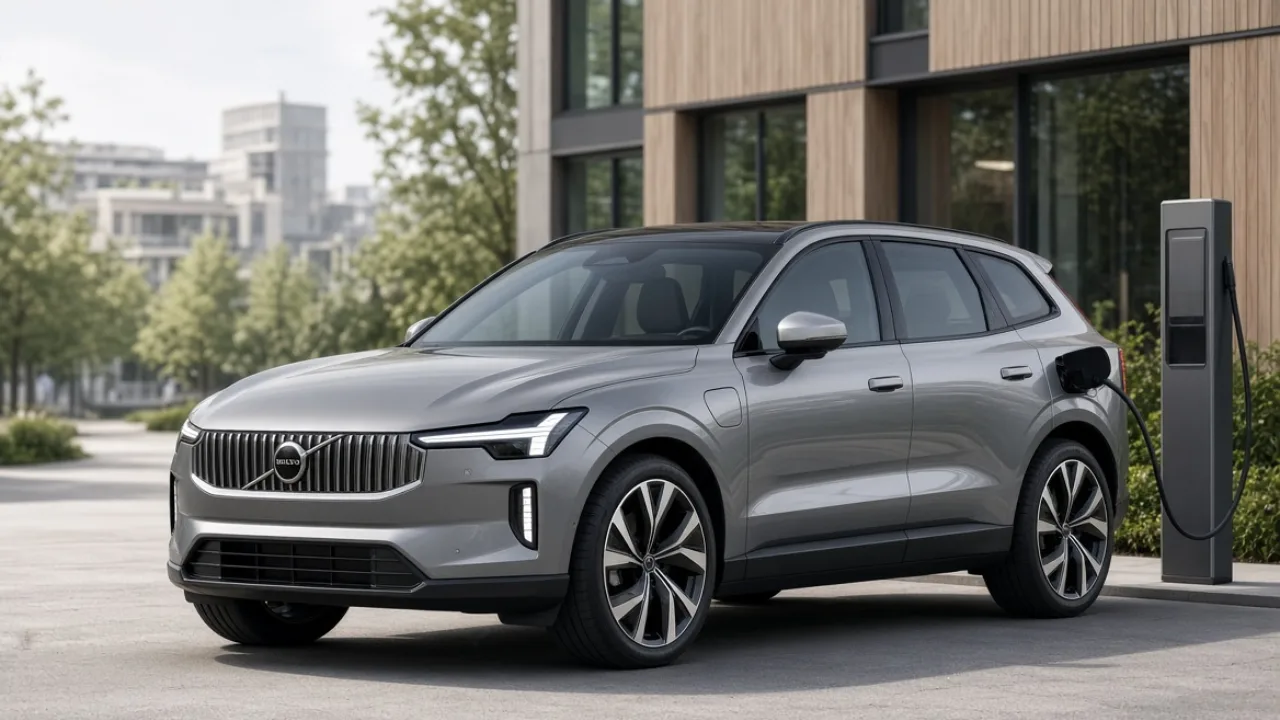
Consumer Reports has also highlighted limited headroom and a third-row seatback that does not recline in its tested configuration.
Families should try the third row before buying, especially if they expect adults to use it regularly. The space may be sufficient for children, but it is not equivalent to the passenger accommodation in a large dedicated people carrier.
Luggage space with all seven seats in use
Cargo capacity is a major consideration for anyone buying a three-row electric SUV.
According to Car and Driver’s published specifications, the seven-seat EQS SUV has approximately 7 cubic feet of cargo space behind the third row. That is enough for a few smaller bags, but it leaves limited room for luggage when all seats are occupied.

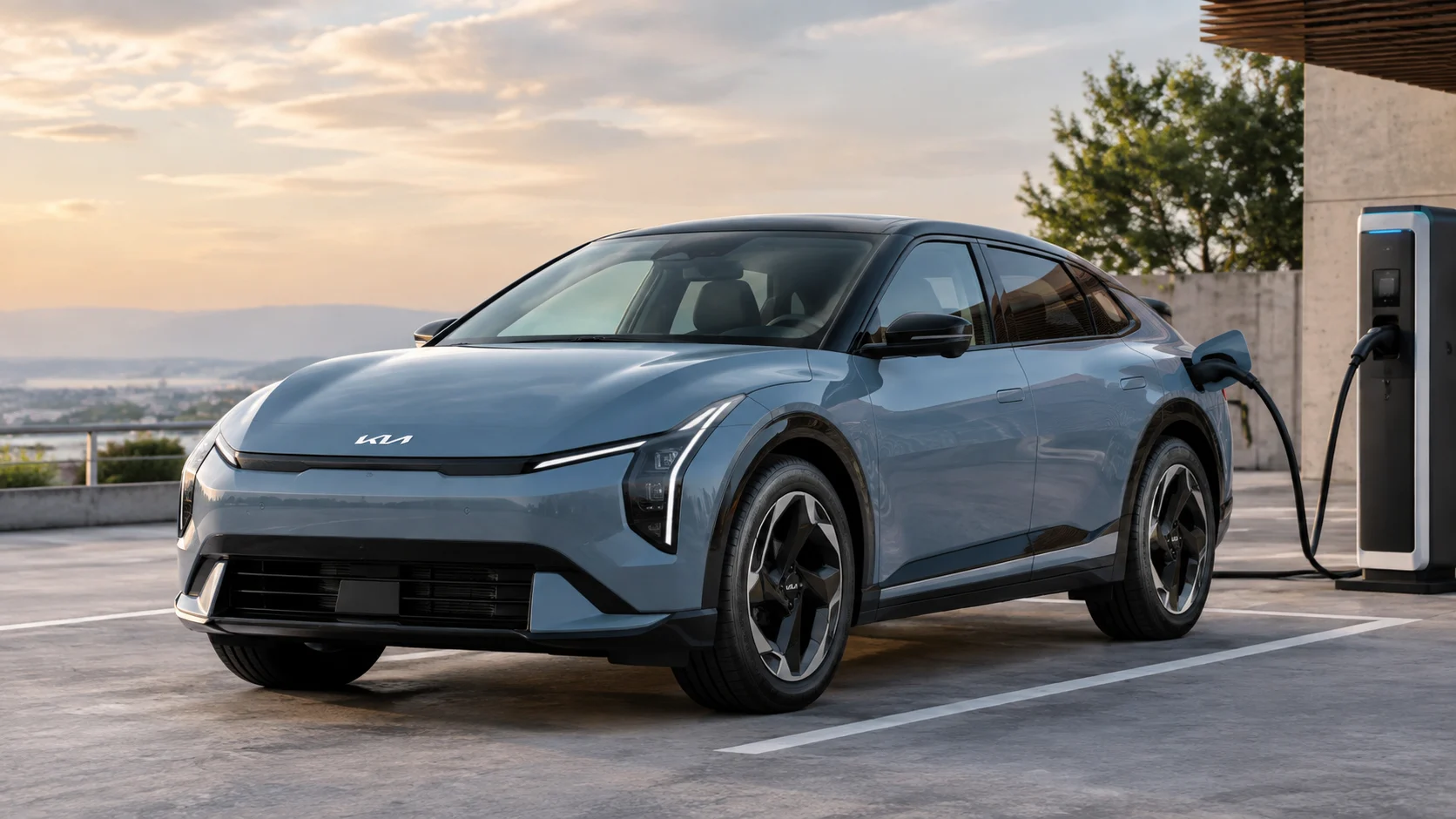
With the third row folded, the cargo area becomes considerably more useful. The five-seat configuration also provides more luggage capacity than the seven-seat version when the rear seats are not required.
For families planning long holidays with seven passengers, luggage may need to be packed carefully. A roof carrier or another luggage solution may be worth considering, provided it is compatible with the vehicle and used within the manufacturer’s limits.
Exterior Design and Interior Luxury
The EQS SUV has a smooth, rounded body shape that differs from the more upright styling of traditional large luxury SUVs. Its design is intended to reduce aerodynamic resistance while giving the vehicle a distinctive appearance.
The cabin is where the electric SUV places much of its emphasis. Mercedes-Benz combines digital displays, premium materials and comfort-focused equipment to create a technology-led luxury environment.
MBUX Hyperscreen
The available MBUX Hyperscreen is one of the most recognizable interior features. It combines multiple displays beneath a continuous glass surface across the dashboard.
The system brings together the driver’s digital instrument display, central infotainment screen and a separate passenger display. It can provide access to navigation, media, vehicle settings and other connected functions.
The large screen creates a distinctive cabin appearance, but buyers should consider how comfortable they are using touchscreen controls. A system with many menus and digital functions may take time to learn.
Cabin materials and comfort equipment
Depending on the market and selected equipment, the EQS SUV can offer:

- Premium upholstery and interior trim.
- Ambient cabin lighting.
- Panoramic glass roof.
- Electrically adjustable front seats.
- Heated and ventilated seating.
- Multi-zone climate control.
- Wireless smartphone connectivity.
- Premium Burmester audio equipment.
- Rear-seat comfort and convenience features.
Not every feature is standard on every version. Buyers should check the equipment list for the specific model and country rather than assuming that a feature shown in promotional material is included in the base vehicle.
Ride comfort and suspension
The EQS SUV is designed to prioritize a comfortable and quiet driving experience. Its air suspension and adaptive damping systems can adjust the vehicle’s ride characteristics according to driving conditions and selected settings.
The suspension can also adjust ride height, while automatic leveling helps maintain the vehicle’s position under changing passenger or luggage loads.
Rear-axle steering is another useful feature. At lower speeds, the rear wheels can turn to help reduce the turning circle and make the large SUV easier to maneuver. At higher speeds, the system can help improve stability.
These technologies are particularly relevant in a vehicle of this size, where parking and navigating tight spaces can otherwise be challenging.
Safety and Driver-Assistance Features
The EQS SUV offers a range of safety and driver-assistance systems. Equipment depends on the model, market and selected package.
Depending on configuration, features can include:
- Active Distance Assist DISTRONIC adaptive cruise control.
- Active Steering Assist.
- Active Lane Keeping Assist.
- Blind Spot Assist.
- Active Brake Assist.
- Parking assistance systems.
- Surround-view camera functionality.
- Automatic emergency braking systems.
These technologies can help monitor traffic, maintain a following distance, support lane positioning and assist with parking.
They do not make the EQS SUV a fully autonomous vehicle. Drivers remain responsible for monitoring traffic, responding to hazards and maintaining control.
2026 Mercedes-Benz EQS SUV Price and Availability
The U.S. 2026 lineup includes two main versions with different performance and equipment levels.
| U.S. Model | Starting MSRP |
|---|---|
| EQS 400 4MATIC SUV | $89,950 |
| EQS 550 4MATIC SUV | $112,450 |
These are manufacturer-listed starting MSRPs. Optional equipment, destination charges, taxes and dealer costs can increase the final purchase price.
The 2026 U.S. lineup also uses updated model names. The EQS 400 4MATIC and EQS 550 4MATIC replace the earlier EQS 450 4MATIC and EQS 580 4MATIC naming in the range.
Mercedes-Benz EQS SUV in India
The Indian-market EQS SUV has a different specification from the 2026 U.S. models.
Mercedes-Benz India’s official technical information lists the EQS 450 4MATIC with:
| Specification | Indian-market EQS 450 4MATIC |
|---|---|
| Power | 265 kW (360 hp) |
| Torque | 800 Nm |
| Battery usable energy | 118 kWh |
| Maximum DC charging capacity | 200 kW |
| DC charging time, 10–80% | 31 minutes |
| Maximum AC charging capacity | 22 kW |
| AC charging time, 0–100% | 12 hours 15 minutes |
| Seating capacity | 5 |
| Boot capacity | 645 liters |
The Indian technical listing specifies five seats, so buyers should not assume that the optional U.S. third-row configuration is available locally.
The Indian model’s published specifications also use a different power and torque rating from the U.S. EQS 400. These figures should not be combined into one global specification table.

Range figures should also be compared carefully. EPA, WLTP and other regional testing procedures use different methods, so a figure from one market cannot automatically be treated as equivalent to a figure from another.
What Buyers Should Consider Before Choosing the EQS SUV
The EQS SUV combines a premium cabin, strong electric performance and useful long-distance charging capability. Its optional third row adds flexibility, but buyers should consider how often they will actually need all seven seats.
Main strengths
- Large battery pack and competitive U.S. EPA-estimated range.
- Strong output from both electric powertrain options.
- Maximum DC fast-charging capability of 200 kW in the cited U.S. and Indian specifications.
- Spacious and comfortable second-row seating.
- Advanced infotainment and digital cabin technology.
- Air suspension and rear-axle steering.
- Optional third row in the U.S. market.
Important limitations
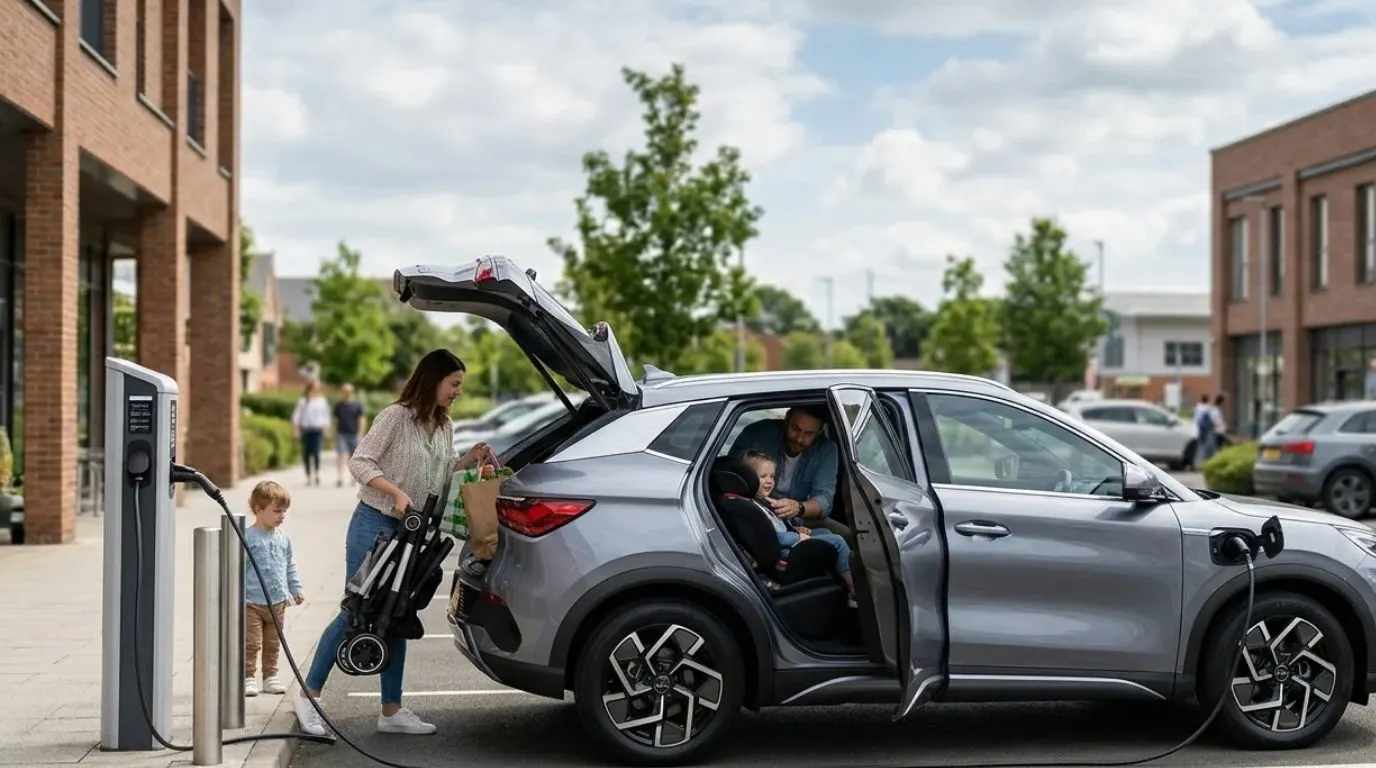
- The third row is relatively cramped for adults.
- Luggage space is limited when all seven seats are occupied.
- Real-world range changes with weather, speed and driving conditions.
- The large touchscreen interface may take time to learn.
- The vehicle’s size can make parking and maneuvering more difficult.
- Luxury equipment and options can raise the purchase price.
Who Should Consider the Mercedes-Benz EQS SUV?
The EQS SUV is worth considering for buyers who want an electric luxury vehicle with a comfortable second row, substantial driving range and a high level of cabin technology.
It is particularly suitable for families who normally travel with five people but occasionally need additional seats. The EQS 400 4MATIC is the less expensive U.S. option, while the EQS 550 4MATIC is aimed at buyers who want more power and stronger acceleration.
Families who regularly carry seven adults or need substantial luggage space with every seat occupied should compare other three-row SUVs before making a decision.
Final Thoughts
The Mercedes-Benz EQS SUV offers a combination of electric performance, luxury equipment and family flexibility. Its 2026 U.S. versions have EPA-estimated ranges of 312 to 317 miles, while DC fast charging at up to 200 kW helps make longer journeys more practical.

Its strongest qualities are the comfortable first and second rows, quiet electric powertrain and technology-focused cabin. The optional third row adds passenger capacity, but it is best viewed as occasional seating rather than a comfortable space for seven adults on long trips.
For buyers prioritizing luxury, electric driving and second-row comfort, the EQS SUV is a compelling option. Those who need frequent seven-passenger travel should pay close attention to rear-seat comfort and luggage capacity before choosing it.
Frequently Asked Questions
What is the real-world range of the Mercedes-Benz EQS SUV?
Real-world range depends on speed, weather, road conditions and vehicle configuration. Consumer Reports recorded 314 miles in a 70-mph highway test of an earlier EQS 450 4MATIC. This provides useful context but is not a guaranteed result for every 2026 model.
What is the EPA range of the 2026 Mercedes-Benz EQS SUV?
The 2026 U.S.-market EQS 400 4MATIC has an EPA-estimated range of 312 miles. The EQS 550 4MATIC is rated at 317 miles.
How long does the Mercedes-Benz EQS SUV take to charge?
Mercedes-Benz quotes approximately 31 minutes for a 10–80% DC fast charge under suitable conditions. The 2026 U.S. models support DC charging at up to 200 kW.
Does the Mercedes-Benz EQS SUV have seven seats?
The U.S.-market EQS SUV offers an optional third row, allowing it to seat up to seven people. The Indian-market EQS 450 4MATIC is listed as a five-seat vehicle.
Is the EQS SUV third row comfortable for adults?
The third row is better suited to children and shorter journeys. Adults may find the available headroom and legroom restrictive, particularly on longer trips.
How much luggage can the EQS SUV carry with seven seats in use?
Car and Driver lists approximately 7 cubic feet of cargo capacity behind the third row in the seven-seat configuration. This is enough for a limited amount of luggage, so families travelling with seven occupants may need to pack carefully.
What battery does the 2026 EQS SUV use?
The 2026 U.S.-market EQS 400 4MATIC and EQS 550 4MATIC use a 118-kWh battery pack. The Indian EQS 450 4MATIC technical listing specifies 118 kWh of usable battery energy.
How much does the 2026 Mercedes-Benz EQS SUV cost in the United States?
The listed starting MSRP is $89,950 for the EQS 400 4MATIC and $112,450 for the EQS 550 4MATIC. Additional equipment, destination charges, taxes and dealer costs can increase the final price.
Is the Mercedes-Benz EQS SUV available in India?
Mercedes-Benz India lists the EQS 450 4MATIC SUV. Its published specifications include 360 hp, 800 Nm of torque and 118 kWh of usable battery energy. The Indian technical listing specifies five seats.