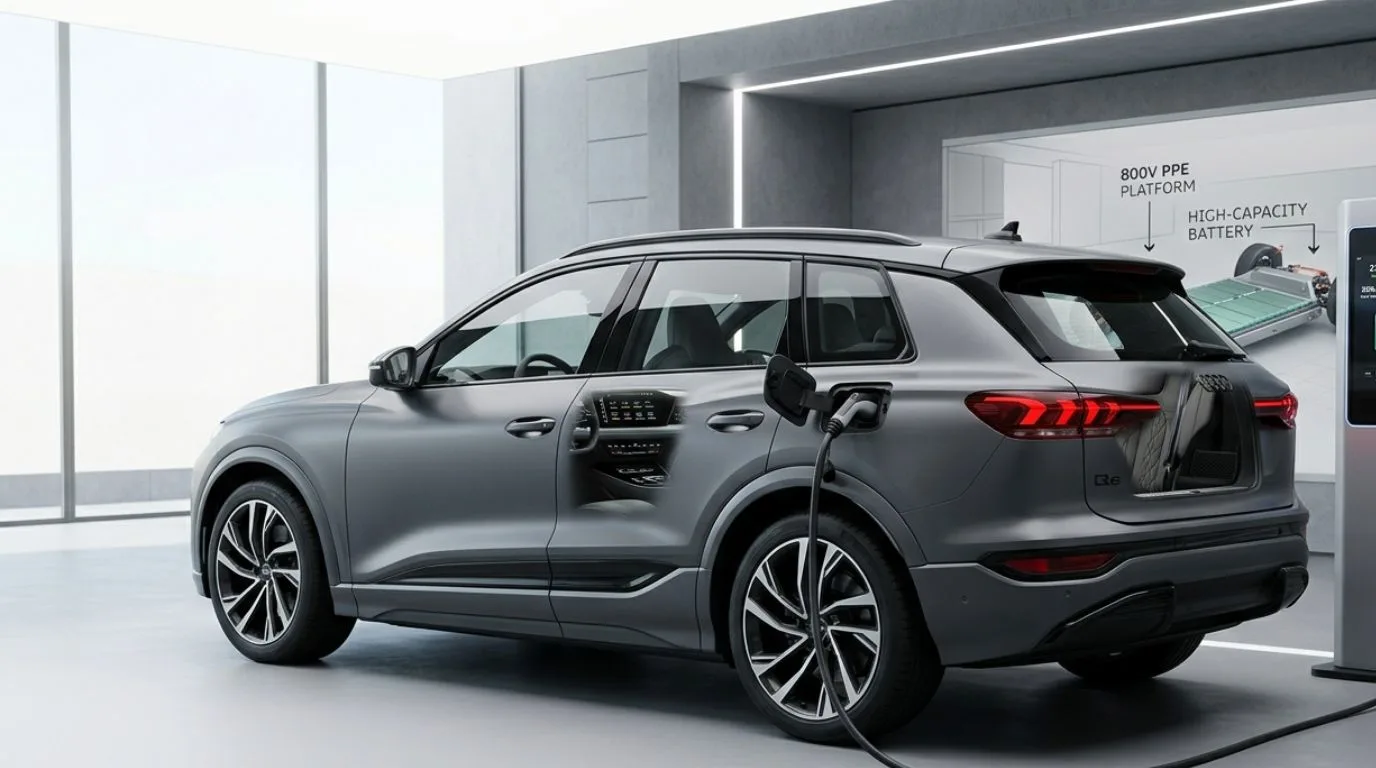
The Audi Q6 e-tron is a fully electric luxury SUV built on the Premium Platform Electric (PPE) architecture developed by Audi and Porsche. Its main highlights include an 800-volt electrical system, a high-capacity lithium-ion battery, fast DC charging and a digital cabin with panoramic displays.
Battery capacity, motor output and driving range depend on the version and market. Audi’s published figures therefore need to be read alongside the specific model and regional specification rather than treated as one global set of numbers.
Audi Q6 e-tron battery and powertrain options
The Q6 e-tron uses Audi’s Premium Platform Electric architecture, or PPE. This platform was developed for electric vehicles and supports an 800-volt high-voltage system. The battery is installed beneath the passenger compartment, helping keep the vehicle’s center of gravity low.
For the 2026 model year, Audi’s published European technical data lists four SUV versions. They use two battery sizes and different motor configurations.
| Version | Gross battery capacity | Power | Drive type |
|---|---|---|---|
| Q6 e-tron | 83 kWh | 185 kW | Rear-wheel drive |
| Q6 e-tron performance | 100 kWh | 225 kW | Rear-wheel drive |
| Q6 e-tron quattro | 100 kWh | 315 kW | All-wheel drive |
| SQ6 e-tron | 100 kWh | 360 kW | All-wheel drive |
The 100 kWh battery has a usable capacity of 94.9 kWh. The smaller 83 kWh pack has a usable capacity of 75.8 kWh in the specifications published for this model range. Gross capacity describes the battery’s total energy storage, while usable capacity is the portion available for driving.
The rear-wheel-drive versions use a motor on the rear axle. The quattro models add a front motor to provide all-wheel drive. The SQ6 e-tron sits at the performance-focused end of the range, with a higher power output than the standard Q6 versions.
Audi Q6 e-tron range: How far can it travel?
Audi’s 2026 European technical data gives the following maximum WLTP range figures for the Q6 SUV e-tron:
| Version | Maximum WLTP range |
|---|---|
| Q6 e-tron | 531 km |
| Q6 e-tron performance | 639 km |
| Q6 e-tron quattro | 623 km |
| SQ6 e-tron | 597 km |
The Q6 e-tron performance has the highest listed range in this group. Its rear-wheel-drive layout and 100 kWh battery are configured for a longer distance between charges, while the quattro versions prioritize additional traction and performance.
WLTP is a standardized laboratory test procedure used to estimate electric-vehicle range. It is useful for comparing vehicles tested under the same procedure, but it is not a guarantee of the distance a driver will cover in everyday conditions.
Actual range can change with outside temperature, speed, driving style, road conditions, passenger and luggage weight, wheel choice, climate-control use and battery condition. Sustained high-speed driving and cold weather can reduce the distance available from a full charge.
These figures apply to the European 2026 model range. They should not be used as EPA estimates for the United States or as confirmed figures for India and other markets.
Audi Q6 e-tron charging speed and technology
Charging performance is one of the Q6 e-tron’s key technical features. Its 800-volt electrical architecture allows the compatible versions to accept high DC charging power at suitable high-power charging stations.
DC fast charging
Audi lists a maximum DC charging capacity of up to 270 kW for the large-battery versions. Under suitable conditions, the battery can charge from 10% to 80% in approximately 21 minutes.
Audi also states that around 10 minutes of charging can add enough energy for up to 255 km of driving range. This is a manufacturer figure based on ideal charging conditions, not a guaranteed result at every charging station.
The actual charging rate depends on several factors:
- The battery’s current state of charge
- Battery temperature
- Whether the battery has been preconditioned
- The charging station’s available power
- The vehicle version and its charging limits
- Other vehicles sharing the charging station’s capacity
The peak charging figure is not maintained throughout the entire charging session. Charging power changes as the battery fills, with the vehicle managing the process to protect battery performance and temperature.

800-volt architecture and 400-volt charging stations
The Q6 e-tron’s high-voltage battery uses an 800-volt system. This supports high charging power and helps reduce the current required for a given power level.
The vehicle also supports a feature Audi calls bank charging at compatible 400-volt charging stations. The battery management system can divide the 800-volt battery into two sections, allowing them to charge in parallel at up to 135 kW each under suitable conditions.
This means the vehicle can work with certain 400-volt charging infrastructure rather than being limited to 800-volt stations.
Home and AC charging
Audi lists 11 kW AC charging as standard in its published technical information for the relevant versions. AC charging is generally the practical option for overnight charging at home or for longer stays at destinations.
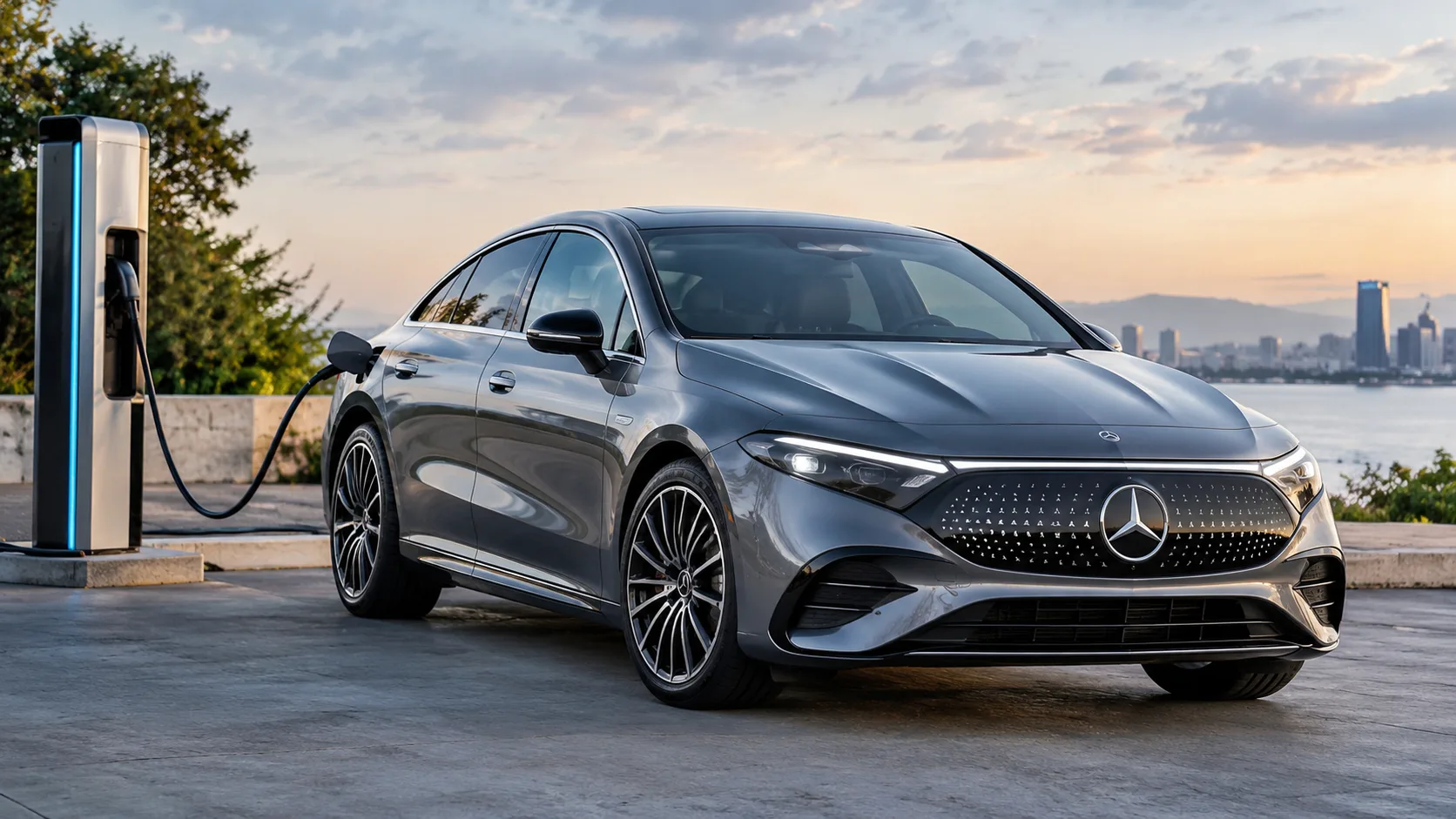

Charging time depends on the available electrical supply, the installed wallbox, the vehicle’s onboard charger and the battery’s starting charge. A suitable three-phase home installation can make better use of the vehicle’s AC charging capability than a standard domestic socket.
Audi has also described 22 kW AC charging as an option for certain versions and markets. Buyers should check the local specification rather than assume that this equipment is standard everywhere.
Battery preconditioning and thermal management
Battery temperature affects how quickly an electric vehicle can charge. If the battery is too cold or too hot, the vehicle may limit charging power.
The Q6 e-tron uses thermal management to regulate battery temperature. Its navigation and charging-route planning functions can prepare the battery for a planned fast-charging stop, helping it reach a more suitable temperature before arrival.
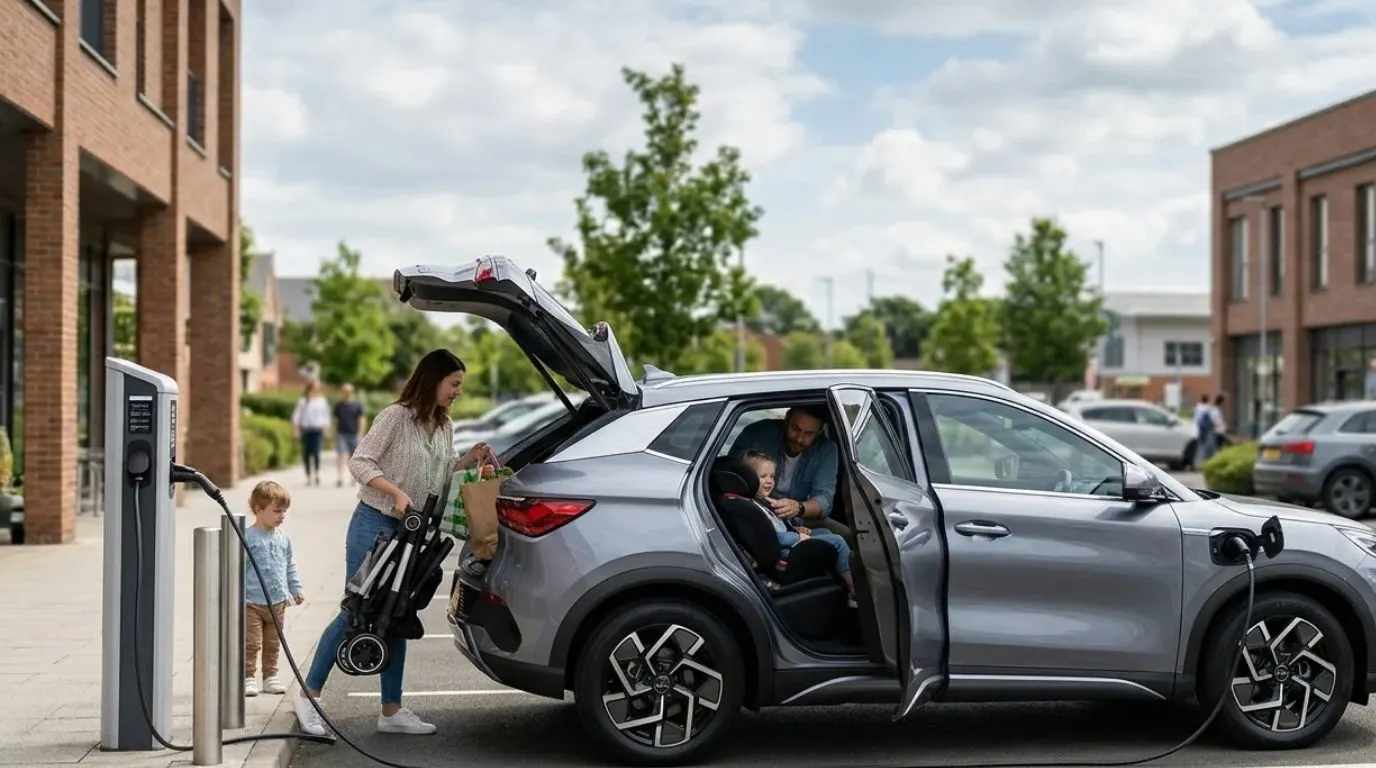
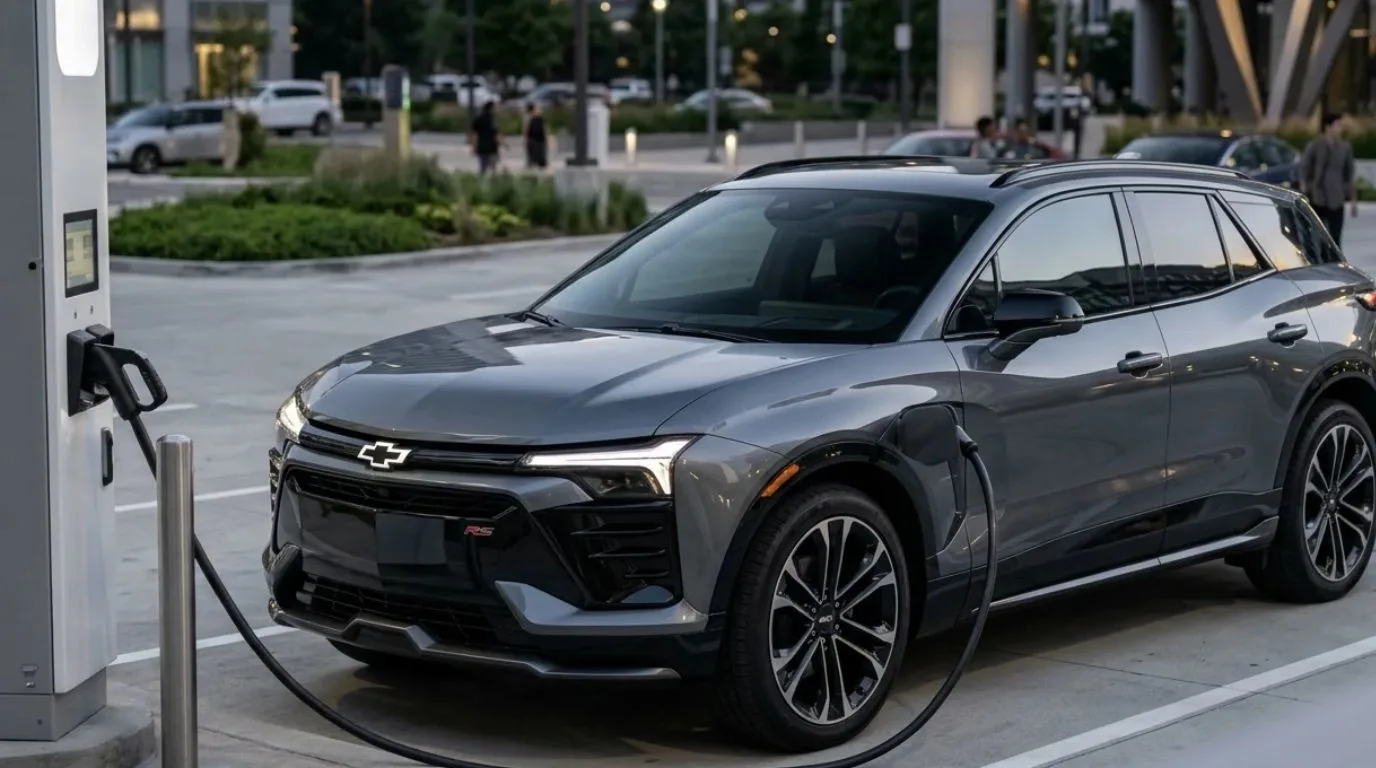
Audi’s battery system also uses an integrated cooling plate designed to distribute heat across the battery. This supports more consistent temperature management during charging and driving.
Audi Q6 e-tron battery construction
The 100 kWh gross battery pack used in the larger-battery versions contains 12 modules and 180 prismatic cells, according to Audi’s technical information. The cells are arranged in the modules, which are integrated into the high-voltage battery system.
The battery uses lithium-ion technology. Audi’s design combines the battery modules with thermal-management hardware and the vehicle’s high-voltage electronics.
The smaller 83 kWh battery is used in the entry-level Q6 e-tron version listed in the 2026 European specifications. Battery capacity is one of the main differences between this version and the 100 kWh models.
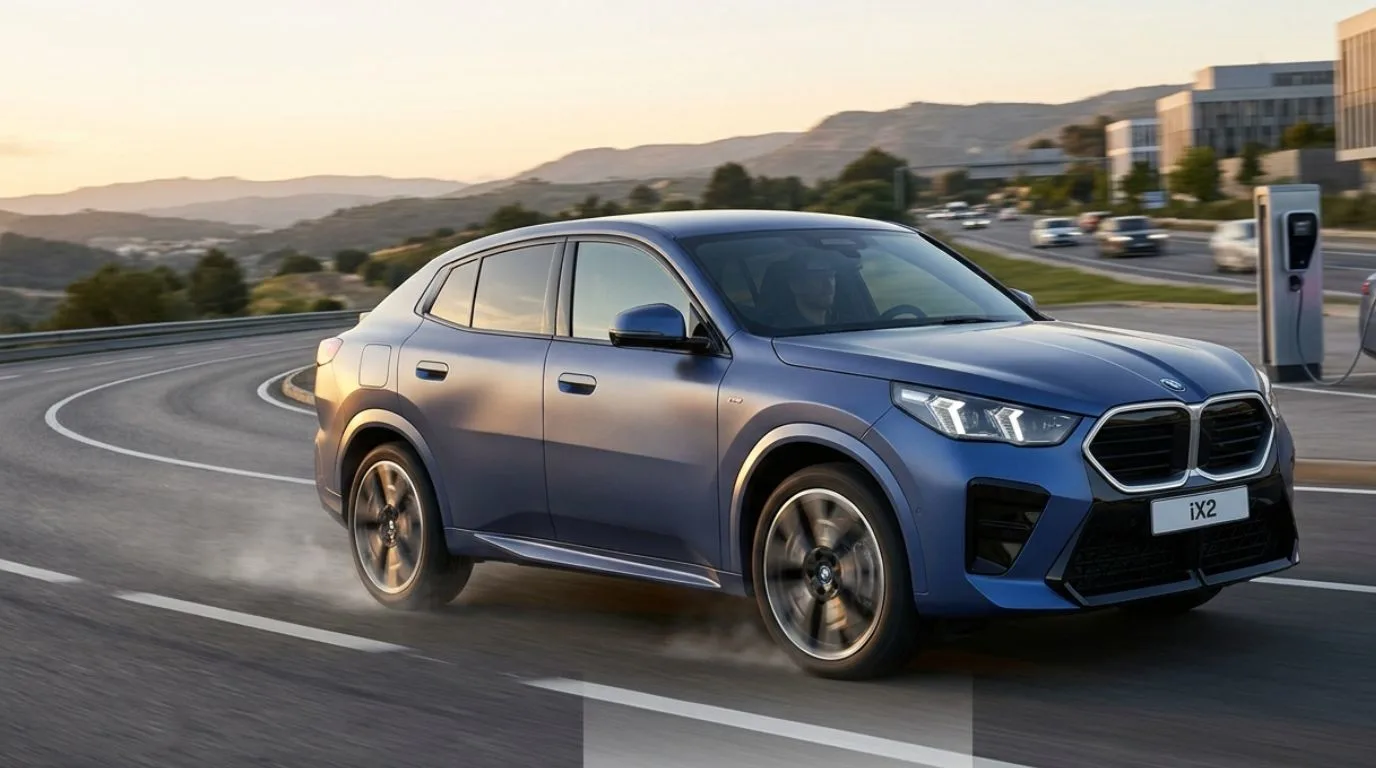
For buyers, the important distinction is not just the gross battery figure. Usable capacity, energy consumption, charging performance and the vehicle’s official range all affect how practical an EV will be for a particular driving routine.
Audi Q6 e-tron interior and digital features
The Q6 e-tron’s cabin is built around Audi’s digital display concept, which the company calls the Digital Stage. The dashboard combines a curved panoramic display with a separate touchscreen for the front passenger on suitably equipped versions.
The main panoramic display uses OLED technology and brings two screens together:
- 11.9-inch Audi virtual cockpit: Shows driving information such as speed, range, navigation and vehicle-system details.
- 14.5-inch MMI touch display: Handles infotainment, vehicle settings and other central functions.
An optional 10.9-inch MMI passenger display is available in relevant markets and equipment configurations. It allows the front passenger to access supported entertainment and vehicle functions. Audi’s Active Privacy Mode is designed to limit what the driver can see on the passenger screen while the vehicle is moving.


Augmented reality head-up display
The optional augmented reality head-up display projects selected information onto the windshield. Depending on the system and driving situation, this can include navigation guidance, speed information, traffic signs and driver-assistance information.
The augmented reality presentation is designed to make navigation directions appear aligned with the road ahead. It can help the driver follow instructions without repeatedly looking down at the central touchscreen.
Availability depends on market and equipment package.
Audi assistant and connected technology
The Audi assistant provides voice control for supported vehicle functions. Drivers can use spoken commands for selected infotainment, navigation and comfort-related tasks.
Audi’s newer electronic architecture also supports connected functions and over-the-air software updates. The availability of particular online services, apps and features can depend on the vehicle’s equipment, software version, subscription and local market.
Dynamic interaction light
A light strip across the dashboard and cabin adds visual feedback to selected vehicle functions. Audi calls this the dynamic interaction light.
Depending on equipment, it can provide welcome and status lighting, indicate selected safety-related warnings and display information associated with charging. It is an additional visual aid and does not replace the vehicle’s instrument-cluster warnings or required exterior indicators.
Cabin space and luggage capacity
The Q6 e-tron is designed as a practical electric SUV rather than a low-roof performance car. Audi lists a 526-litre rear luggage compartment and a 64-litre front storage compartment, commonly called a frunk.

With the rear seats folded, the luggage capacity increases to as much as 1,529 litres. These figures are based on Audi’s published model information and can vary with market specification and measurement method.
The front storage compartment is useful for smaller items, including charging cables, while the main boot provides the larger space for everyday luggage.
Audi Q6 e-tron: Key specifications at a glance
The following figures refer to Audi’s published 2026 European Q6 SUV e-tron technical data. They are not a universal specification sheet for every country.
| Specification | Published information |
|---|---|
| Vehicle type | Fully electric SUV |
| Platform | Premium Platform Electric (PPE) |
| Electrical architecture | 800 volts |
| Battery type | Lithium-ion |
| Battery capacities | 83 kWh or 100 kWh gross |
| Usable capacity | 75.8 kWh or 94.9 kWh |
| Motor configurations | Single-motor RWD or dual-motor AWD |
| Maximum listed power | 360 kW in SQ6 e-tron |
| Maximum DC charging power | Up to 270 kW on compatible versions |
| AC charging | 11 kW listed as standard |
| Fast-charging time | Around 21 minutes for 10–80% under suitable conditions |
| Rear luggage capacity | 526 litres |
| Front storage capacity | 64 litres |
| Maximum luggage capacity | 1,529 litres with rear seats folded |
European, U.S. and Indian market differences
The Q6 e-tron is sold with different powertrain combinations and specifications depending on the market. Range figures from different testing systems should not be compared as if they were measured under identical conditions.

Europe
Audi’s 2026 European technical data lists four versions: the 185 kW Q6 e-tron, 225 kW Q6 e-tron performance, 315 kW Q6 e-tron quattro and 360 kW SQ6 e-tron. The maximum WLTP ranges listed for these versions are 531 km, 639 km, 623 km and 597 km respectively.
United States
Audi’s U.S. model information lists the Q6 e-tron quattro with up to 456 hp using launch control and an EPA-estimated range of 325 miles with 19-inch wheels. The SQ6 e-tron is listed with up to 509 hp and an EPA-estimated range of 285 miles with 20-inch wheels.
These are U.S.-market figures and use the EPA testing system. They should not be substituted for European WLTP figures.
India
The European and U.S. specifications should not be treated as confirmed Indian-market specifications. Battery options, power outputs, equipment, charging compatibility, pricing and availability need to be checked against an official India-specific announcement or product specification.
No India-specific price or launch detail is included here because it has not been established by the market information used for this article.
What buyers should know before choosing the Q6 e-tron
The different Q6 e-tron versions serve different priorities.
- Q6 e-tron: The 83 kWh battery and rear-wheel-drive layout make this the smaller-battery option in the 2026 European range.
- Q6 e-tron performance: Its 100 kWh battery, rear-wheel drive and 639 km maximum WLTP figure make it the range-focused version in the listed European line-up.
- Q6 e-tron quattro: The dual-motor all-wheel-drive system provides a different balance of traction and performance.
- SQ6 e-tron: This is the performance-oriented version, with the highest listed output in the group.
Charging access is another important consideration. The advertised 270 kW maximum DC rate requires a compatible high-power charger and suitable battery conditions. Buyers who mainly charge at home may find the AC charging specification more relevant to their daily routine.
The optional passenger display, augmented reality head-up display and other cabin equipment should also be checked against the local trim list. Not every feature is necessarily included as standard.
Final thoughts
The Audi Q6 e-tron combines an 800-volt electrical system, two battery-capacity options in its European range, high-power DC charging and a technology-focused cabin. Its 100 kWh battery versions offer the strongest combination of capacity and fast-charging capability, while the rear-wheel-drive performance version has the highest published WLTP range among the four 2026 European SUV variants listed here.
The most suitable version depends on the buyer’s priorities: maximum range, all-wheel-drive traction or stronger performance. Since specifications and equipment differ by market, buyers should use the official local model information when comparing versions or making a purchase decision.
Frequently asked questions
What is the battery capacity of the Audi Q6 e-tron?
The 2026 European SUV range includes an 83 kWh gross battery and a 100 kWh gross battery. Their respective usable capacities are 75.8 kWh and 94.9 kWh.
What is the maximum range of the Audi Q6 e-tron?
The Q6 e-tron performance has a maximum published WLTP range of 639 km in Audi’s 2026 European technical data. The actual range depends on driving conditions, temperature, equipment and other factors.

How long does the Audi Q6 e-tron take to charge?
Audi quotes approximately 21 minutes for a 10–80% DC charge under suitable conditions on compatible versions. Charging speed varies with battery temperature, charger capability and state of charge.
What is the maximum DC charging speed of the Audi Q6 e-tron?
Audi lists up to 270 kW of DC charging power for compatible large-battery versions. This is a peak figure, not a charging rate maintained throughout the session.
Does the Audi Q6 e-tron support home charging?
Yes. Audi lists 11 kW AC charging as standard in its published technical information for the relevant versions. Actual home charging time depends on the electrical installation and charger.
Does the Audi Q6 e-tron have an 800-volt battery system?
Yes. The Q6 e-tron uses an 800-volt high-voltage architecture. It also supports bank charging at compatible 400-volt charging stations.
What screens are available inside the Audi Q6 e-tron?
The digital panoramic display combines an 11.9-inch virtual cockpit and a 14.5-inch central MMI touchscreen. A 10.9-inch passenger display and an augmented reality head-up display are also available, depending on equipment and market.
Is the Audi Q6 e-tron available in India?
The specifications covered in this article are based on Audi’s European and U.S. market information. They do not establish Indian-market availability, pricing or specifications.