The Hyundai IONIQ 9 is a large, three-row electric SUV designed for families who need space for up to seven occupants without giving up long-distance electric driving capability. It combines a 110.3-kWh battery, Hyundai’s 800-volt charging architecture and a choice of rear-wheel-drive and all-wheel-drive powertrains.
Its range depends on the market and configuration. In the United States, the 2026 IONIQ 9 has an EPA-estimated range of up to 335 miles, while Hyundai quotes up to 620 km under the WLTP test cycle for a European-specification Long-Range rear-wheel-drive version. These figures use different testing standards and should not be compared directly.
The SUV’s headline charging claim is a 10–80% charge in approximately 24 minutes when connected to a suitable 350-kW DC ultra-fast charger. That makes battery size, charging infrastructure and the chosen drivetrain central to understanding what the IONIQ 9 offers.
Hyundai IONIQ 9: Key Specifications
| Specification | Confirmed details |
|---|---|
| Vehicle type | Three-row electric SUV |
| Seating capacity | Up to seven, depending on configuration |
| Battery capacity | 110.3 kWh |
| Battery chemistry | Lithium-ion |
| Powertrain options | Rear-wheel drive and all-wheel drive |
| Maximum power | Up to 422 hp in specified U.S. versions |
| Maximum torque | Up to 516 lb-ft in specified U.S. versions |
| U.S. EPA-estimated range | Up to 335 miles |
| European WLTP range | Up to 620 km |
| DC fast charging | Up to 350 kW |
| 10–80% DC charging time | Approximately 24 minutes under suitable conditions |
| Electrical architecture | 800-volt system |
| Seating layout | Three rows |
Specifications vary by market, trim and equipment. Range and charging figures are manufacturer estimates under specified test or charging conditions.

What Makes the Hyundai IONIQ 9 Different?
The IONIQ 9 sits at the larger end of Hyundai’s electric SUV lineup. It is built on the company’s Electric-Global Modular Platform (E-GMP), an architecture developed for battery-electric vehicles.
Its long 3,130-mm wheelbase helps create room for three seating rows. The flat cabin floor also gives Hyundai more flexibility when arranging seats and storage.
Depending on the market and trim, buyers can get a six-seat layout with second-row captain’s chairs or a seven-seat configuration. This makes the IONIQ 9 relevant to families who want an electric SUV with more passenger capacity than a typical two-row model.
Battery Capacity and Electric Powertrain Options
The IONIQ 9 uses a 110.3-kWh lithium-ion battery pack. Hyundai offers different motor configurations, allowing buyers to choose between rear-wheel drive and all-wheel drive.
Rear-wheel drive
The rear-wheel-drive Long-Range version uses a single electric motor mounted on the rear axle. In the U.S. specification, it produces 215 hp and 258 lb-ft of torque.
This configuration is aimed at buyers who prioritize driving range over maximum acceleration or all-weather traction. It also achieves the highest EPA-estimated range in the IONIQ 9 lineup.
All-wheel drive
The standard dual-motor all-wheel-drive setup adds a motor at the front axle. U.S. specifications list output at 303 hp and 446 lb-ft of torque.
Having motors at both axles provides power to all four wheels. This can improve traction when accelerating on slippery surfaces, although actual capability depends on tires, road conditions and the vehicle’s control systems.

Performance all-wheel drive
The Performance AWD version uses more powerful front and rear motors. In the U.S. market, Hyundai lists output at up to 422 hp and 516 lb-ft of torque.
European specifications use different power figures and measurement conventions. Hyundai Motor Europe lists up to 304.6 kW and 700 Nm for its Performance AWD version.
The higher-output configuration is intended for drivers who want stronger acceleration while retaining the practicality of a large three-row SUV.
Hyundai IONIQ 9 Range: How Far Can It Travel?
Range is one of the main reasons to consider the IONIQ 9. However, the official figure changes according to the market, drivetrain, trim and wheel configuration.
U.S. EPA-estimated range
For the 2026 U.S. model, Hyundai lists these EPA-estimated figures:
| U.S. configuration | EPA-estimated range |
|---|---|
| S RWD | 335 miles |
| SE AWD | 320 miles |
| SEL AWD | 320 miles |
| Limited AWD | 311 miles |
| Calligraphy AWD | 311 miles |
| Calligraphy Design AWD | 311 miles |
The rear-wheel-drive S delivers the longest quoted range. The all-wheel-drive versions have additional traction and, in some trims, more power, but their official range estimates are lower.
These are EPA estimates, not guaranteed distances. Actual range depends on speed, temperature, road conditions, passenger and luggage weight, tire choice, climate-control use and driving style.
European WLTP range
Hyundai Motor Europe lists up to 620 km of WLTP range for the Long-Range rear-wheel-drive version with 19-inch wheels.

Its published technical data also lists:
| European powertrain | Maximum power | Maximum torque | WLTP range |
|---|---|---|---|
| Long-Range RWD | 160 kW | 350 Nm | Up to 620 km |
| Long-Range AWD | 226.1 kW | 605 Nm | Up to 606 km |
| Performance AWD | 304.6 kW | 700 Nm | Up to 600 km |
The WLTP and EPA figures come from different test procedures. A 620-km WLTP estimate should not be treated as equivalent to a 620-km EPA rating.
What affects real-world range?
A large electric SUV has to move more weight and can use more energy than a smaller EV. The IONIQ 9’s actual distance between charges will depend on several factors:
- Highway speed: Driving faster generally increases aerodynamic resistance and energy consumption.
- Cold weather: Low temperatures can reduce battery efficiency and increase cabin-heating demand.
- Heating and air conditioning: Climate control uses electricity that would otherwise be available for driving.
- Passenger and luggage load: Carrying more weight can increase energy use.
- Wheels and tires: Larger wheels and different tire specifications can affect efficiency.
- Driving style: Hard acceleration and frequent high-speed driving can reduce range.
For family road trips, it is sensible to plan charging stops with a reserve rather than assuming the SUV will always achieve its maximum advertised range.
Hyundai IONIQ 9 Charging Technology
The IONIQ 9 uses Hyundai’s 800-volt electrical architecture, which supports high-power DC charging. This is one of the SUV’s most important technical features because it can reduce the time spent waiting at compatible public charging stations.
10–80% charging in approximately 24 minutes
Hyundai quotes a charging time of around 24 minutes to move the battery from 10% to 80% when using a suitable 350-kW DC ultra-fast charger under favorable conditions.
The figure is not a promise that every charging station will deliver the same result. Charging speed depends on the station’s available power, battery temperature, starting charge level and other conditions.
The charger also needs to support the vehicle’s charging requirements. A station rated at 350 kW does not automatically mean the vehicle will receive 350 kW throughout the session.
Home charging
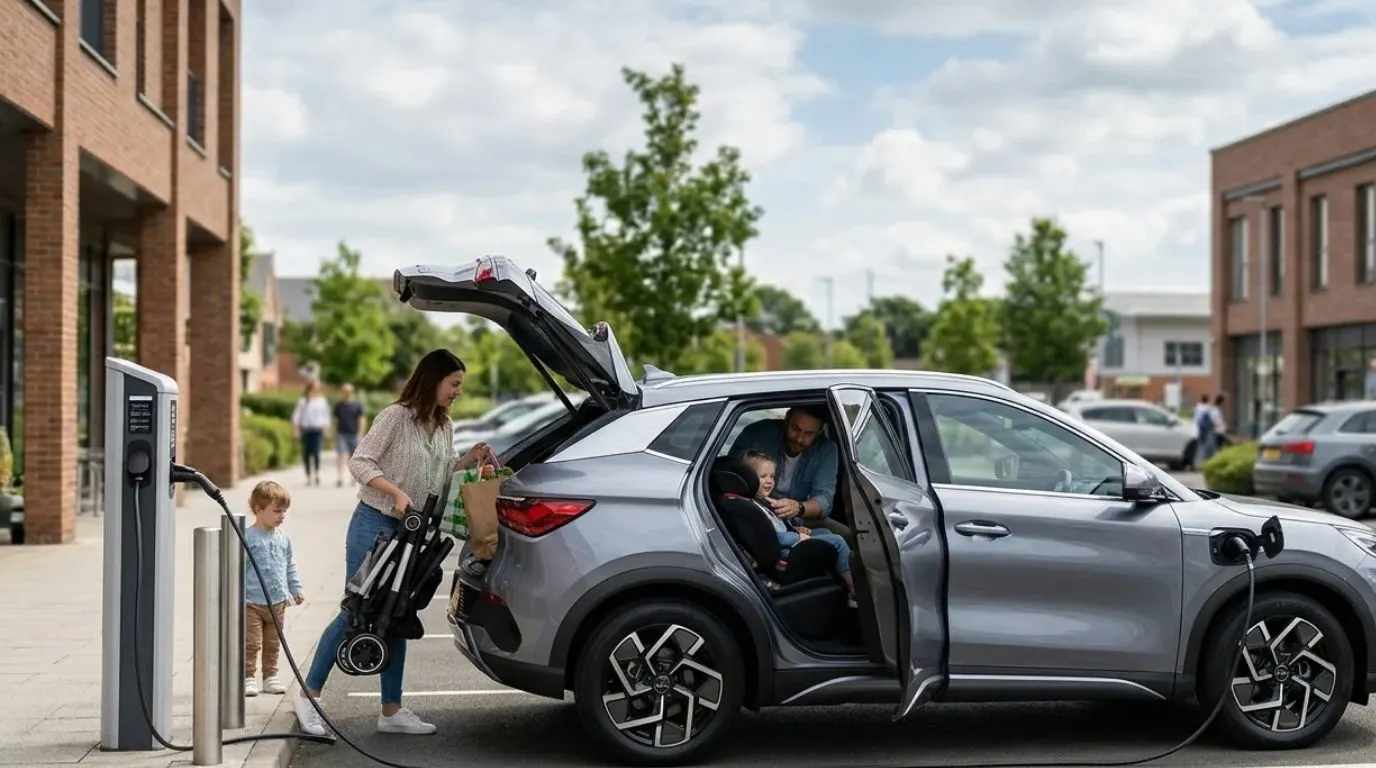
Home charging is likely to be the most convenient option for owners who can install a suitable charging point.
Hyundai’s U.S. specifications quote approximately 9 hours and 40 minutes for a 10–100% charge using an 11-kW, 240-volt Level 2 AC charger.
This is a useful overnight-charging arrangement for households with access to a compatible home installation. The actual time can vary with the power supply, charging equipment and battery conditions.
Public charging and connector differences
Charging connectors and network access differ by market.

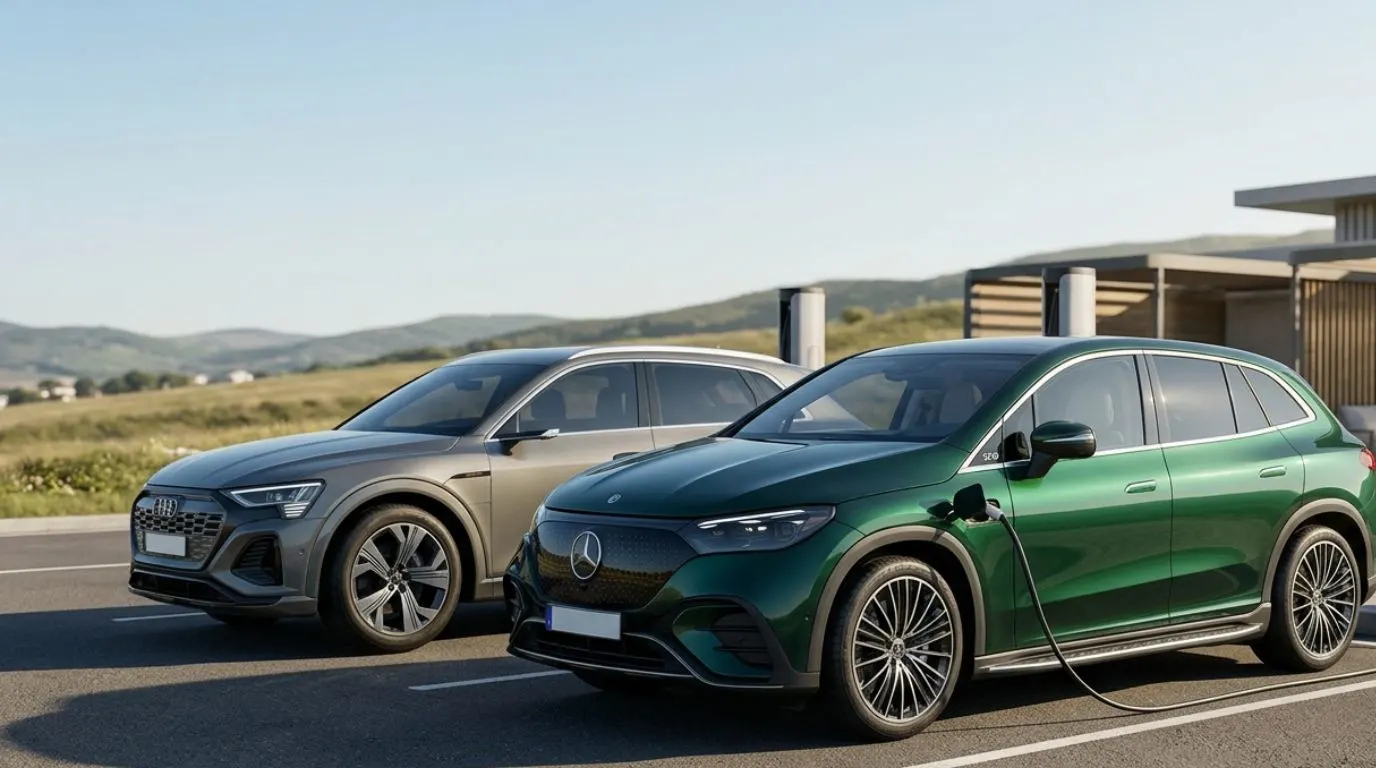
In the United States, the 2026 IONIQ 9 has a native NACS charging port for compatible Tesla Supercharger access. Hyundai also describes charging from 10% to 80% in approximately 24 minutes using a 350-kW DC charger and the included CCS adapter. The company quotes around 40 minutes for the same charge window on a NACS V3 Supercharger.
European charging equipment and connector arrangements follow regional standards. Buyers should check the specification for their country rather than assuming that U.S. charging details apply elsewhere.
Battery preconditioning
Battery temperature can affect how quickly an EV accepts power at a fast-charging station. The IONIQ 9 includes a battery heating and preconditioning function in the U.S. specification.
Preconditioning helps bring the battery toward a suitable temperature before or during charging preparation. This can support faster charging when conditions would otherwise limit the battery’s ability to accept power.
Vehicle-to-Load: Using the Battery to Power External Devices
The IONIQ 9 also offers Vehicle-to-Load (V2L) capability in specified configurations and markets.
V2L allows the vehicle’s high-voltage battery to supply electricity to compatible external equipment through the appropriate outlet or adapter. It can be useful for powering small appliances, charging devices or supporting equipment during outdoor activities.
It should not be confused with vehicle-to-grid technology. V2L is designed to supply power to external devices; it does not automatically mean the SUV can send electricity back to a home’s electrical grid.
Equipment availability can vary by trim and market.
Interior Space and Three-Row Seating
The IONIQ 9’s large body and long wheelbase are intended to make all three seating rows more usable.
Hyundai offers six- and seven-seat arrangements, depending on configuration. The six-seat layout uses second-row captain’s chairs, while the seven-seat arrangement adds a middle seat in the second row.
Relaxation seats
Selected configurations offer Relaxation Seats in the first and second rows. These seats can recline and include leg rests, allowing occupants to adopt a more relaxed position when the vehicle is stationary.
Some versions also offer Hyundai’s Dynamic Body Care system, which includes a massage function. Availability depends on trim and market.

Swiveling second-row seats
Hyundai has also introduced swiveling second-row seats for selected configurations. When the vehicle is stationary, these seats can turn toward the third row.
This arrangement can make the cabin more flexible when parked. It is not a driving position: occupants must return the seats to their approved forward-facing position before the vehicle moves.
Cargo space
Hyundai’s global launch information quotes up to 620 liters of luggage capacity with all three rows in place and up to 1,323 liters with the third row folded flat. These figures use the measurement method and configuration specified by Hyundai and should not be mixed with regional cargo measurements.
The SUV also has a front storage compartment. Hyundai lists a maximum of 88 liters for rear-wheel-drive versions and 52 liters for all-wheel-drive versions in its global specifications.
Exterior Design and Aerodynamics
The IONIQ 9 has a rounded, streamlined body rather than the boxier shape often associated with large family SUVs.
Hyundai calls its design approach “Aerosthetic,” combining aerodynamic features with the styling elements of the IONIQ electric vehicle family.
The front lighting incorporates Hyundai’s Parametric Pixel design language. A smooth roofline, carefully shaped body panels and aerodynamic wheel designs contribute to the vehicle’s overall appearance.
Hyundai quotes a drag coefficient as low as 0.259 Cd when the SUV is equipped with digital side mirrors in the relevant specification. That figure is configuration-dependent, and conventional mirror-equipped versions may differ.


The main dimensions listed by Hyundai are:
| Dimension | Measurement |
|---|---|
| Overall length | 5,060 mm |
| Overall width | 1,980 mm |
| Overall height | 1,790 mm |
| Wheelbase | 3,130 mm |
These dimensions help explain why the IONIQ 9 offers a spacious cabin, but they also mean it requires more parking space than a compact or midsize SUV.
Infotainment, Convenience and Safety Technology
The IONIQ 9 combines a large digital display area with connected-car features and driver-assistance systems.
Depending on trim and market, available equipment includes:
- A panoramic curved display incorporating the instrument cluster and infotainment screen
- Connected services and navigation
- Digital Key functionality
- A head-up display
- A premium audio system
- Surround View Monitor
- Blind-Spot View Monitor
- Remote Smart Parking Assist 2
- Highway Driving Assist 2
- Forward Collision-Avoidance Assist
- Vehicle-to-Load capability
Not every feature is standard across the lineup. Some are restricted to higher trims or specific regional packages.
Driver-assistance technology can help with tasks such as maintaining distance, monitoring blind spots and supporting steering on suitable roads. These systems do not make the IONIQ 9 a fully autonomous vehicle. The driver remains responsible for supervising the road and controlling the vehicle.
Hyundai IONIQ 9 Price and Availability
The IONIQ 9 is being offered in selected international markets, but its pricing and trim structure are not identical everywhere.
United States
Hyundai’s U.S. website lists the 2026 IONIQ 9 with a starting MSRP of $58,955 for the S trim. The published trim lineup also includes SE, SEL, Limited, Calligraphy and Calligraphy Design versions.
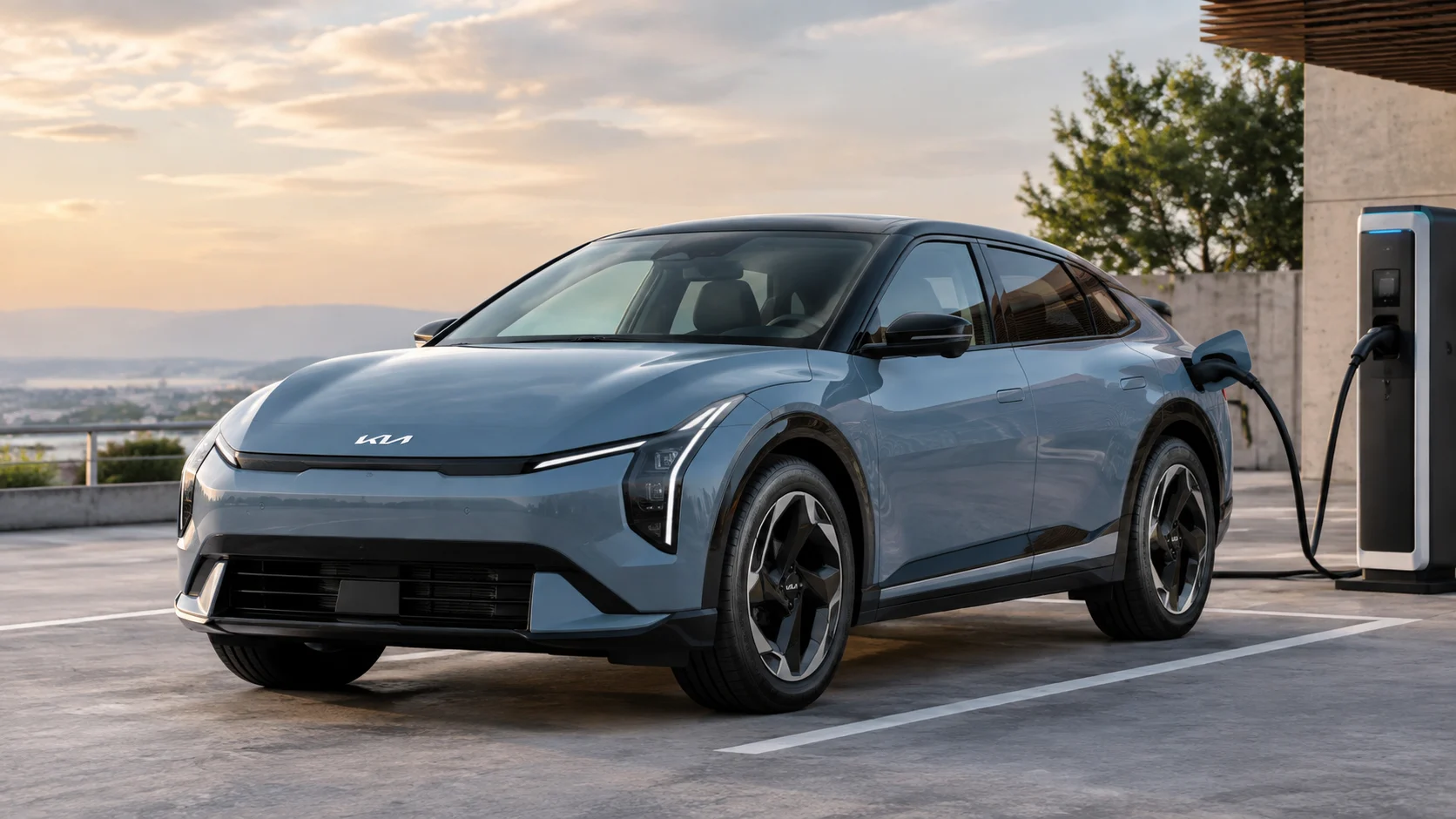
The listed MSRP excludes freight charges, taxes, title and license fees. Dealer prices and availability can vary.
Europe
Hyundai Motor Europe provides country-specific model and technical information. Prices, equipment and availability depend on the national market, so there is no single European price that applies to every country.
India
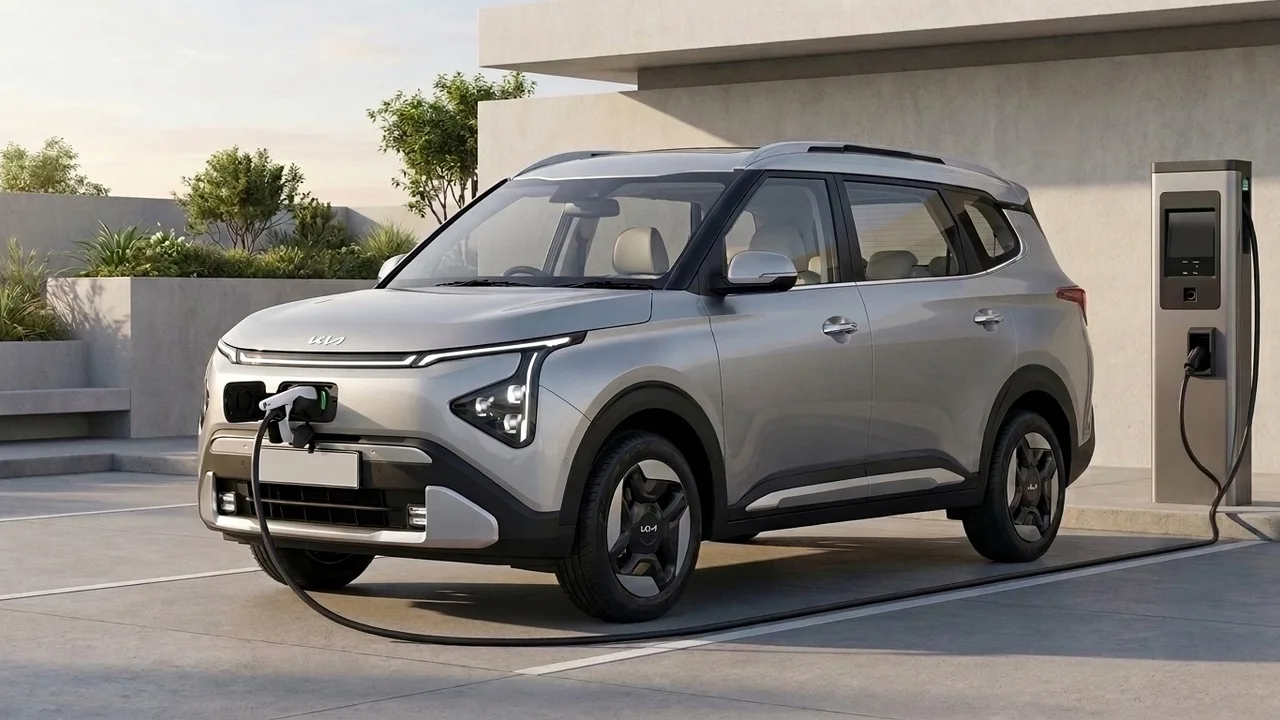
Hyundai’s international specifications do not establish an Indian launch or local price. An India-specific launch date, variant lineup and pricing should not be assumed unless Hyundai Motor India officially confirms them.
For Indian buyers, local availability, charging infrastructure and service support would be important considerations before treating the IONIQ 9 as a practical purchase option.
Who Should Consider the Hyundai IONIQ 9?
The IONIQ 9 is aimed at buyers who need a large electric vehicle rather than a compact city EV.
It may suit:
- Families who regularly travel with six or seven occupants.
- Buyers who want three seating rows in an electric SUV.
- Drivers who make longer journeys and can access reliable DC fast-charging networks.
- Households with the ability to install home charging.
- Buyers interested in a premium cabin with flexible seating and connected technology.
It may be less suitable for people who mainly drive in narrow urban streets, have limited parking space or cannot access convenient charging. Its large dimensions and substantial battery also make it important to consider the purchase price and local charging costs.
Hyundai IONIQ 9: Key Advantages and Limitations
Advantages
- Large 110.3-kWh battery pack.
- EPA-estimated range of up to 335 miles in the U.S. RWD version.
- European WLTP range of up to 620 km in the specified RWD version.
- 800-volt charging architecture.
- Approximately 24-minute 10–80% DC charging claim with a suitable high-power charger.
- Six- and seven-seat configurations, depending on market and trim.
- Flexible cabin features, including available Relaxation Seats and swiveling second-row seats.
- V2L capability in specified versions.
Limitations
- Range varies significantly by drivetrain, trim and wheel configuration.
- The fastest charging figure depends on access to a compatible ultra-fast charger and suitable battery conditions.
- Large exterior dimensions may make parking and maneuvering more difficult.
- Premium features are not available on every trim.
- Availability and specifications differ by country.
- Indian launch details and local pricing are not established by the cited international specifications.
Final Thoughts
The Hyundai IONIQ 9 brings together three-row seating, a large battery and high-speed DC charging in a full-size electric SUV. Its 110.3-kWh battery and choice of rear-wheel-drive and all-wheel-drive powertrains give buyers different priorities to consider, from maximum range to stronger performance.

For U.S. buyers, the headline EPA estimate reaches 335 miles in the rear-wheel-drive S trim. European buyers can refer to Hyundai’s WLTP figure of up to 620 km for the specified Long-Range RWD configuration. Neither figure should be treated as a guaranteed real-world distance.
The charging system is another major part of the package. A roughly 24-minute 10–80% charge is possible under the conditions Hyundai specifies, but the experience will depend on the charging network and the vehicle’s battery temperature.
For families considering a large electric SUV, the IONIQ 9’s seating flexibility, cabin space and charging capability make it a significant option in markets where it is sold. Buyers should confirm their local trim, equipment, range certification and price before making a decision.
Frequently Asked Questions
What is the battery capacity of the Hyundai IONIQ 9?
The Hyundai IONIQ 9 uses a 110.3-kWh lithium-ion battery pack. Exact published capacity descriptions can vary slightly by regional technical document.
What is the maximum range of the Hyundai IONIQ 9?
The 2026 U.S. rear-wheel-drive S trim has an EPA-estimated range of up to 335 miles. Hyundai Motor Europe lists up to 620 km under the WLTP cycle for the Long-Range RWD version with 19-inch wheels.
How long does the Hyundai IONIQ 9 take to charge?
Hyundai quotes approximately 24 minutes for a 10–80% charge using a suitable 350-kW DC ultra-fast charger. Charging time varies with the charger, battery temperature, starting charge level and other conditions.
Does the Hyundai IONIQ 9 support 800V charging?
Yes. The IONIQ 9 uses an 800-volt electrical architecture designed to support high-power DC fast charging.
Is the Hyundai IONIQ 9 available with all-wheel drive?
Yes. Hyundai offers dual-motor all-wheel-drive versions, including a higher-output Performance AWD configuration. The exact powertrain lineup depends on the market.
How many people can sit in the Hyundai IONIQ 9?
The IONIQ 9 is available with seating for up to seven people. Some configurations use six seats, with second-row captain’s chairs.
Does the Hyundai IONIQ 9 support Vehicle-to-Load?
Yes. V2L is available in specified configurations and markets. It allows the vehicle to supply electricity to compatible external devices using the appropriate equipment.
Is the Hyundai IONIQ 9 coming to India?
An India-specific launch date, price and variant lineup are not confirmed by the international specifications referenced here. Buyers should wait for an official announcement from Hyundai Motor India.
What is the starting price of the 2026 Hyundai IONIQ 9 in the U.S.?
Hyundai’s U.S. website lists a starting MSRP of $58,955 for the 2026 IONIQ 9 S. This excludes freight charges, taxes, title and license fees, and dealer pricing may vary.