
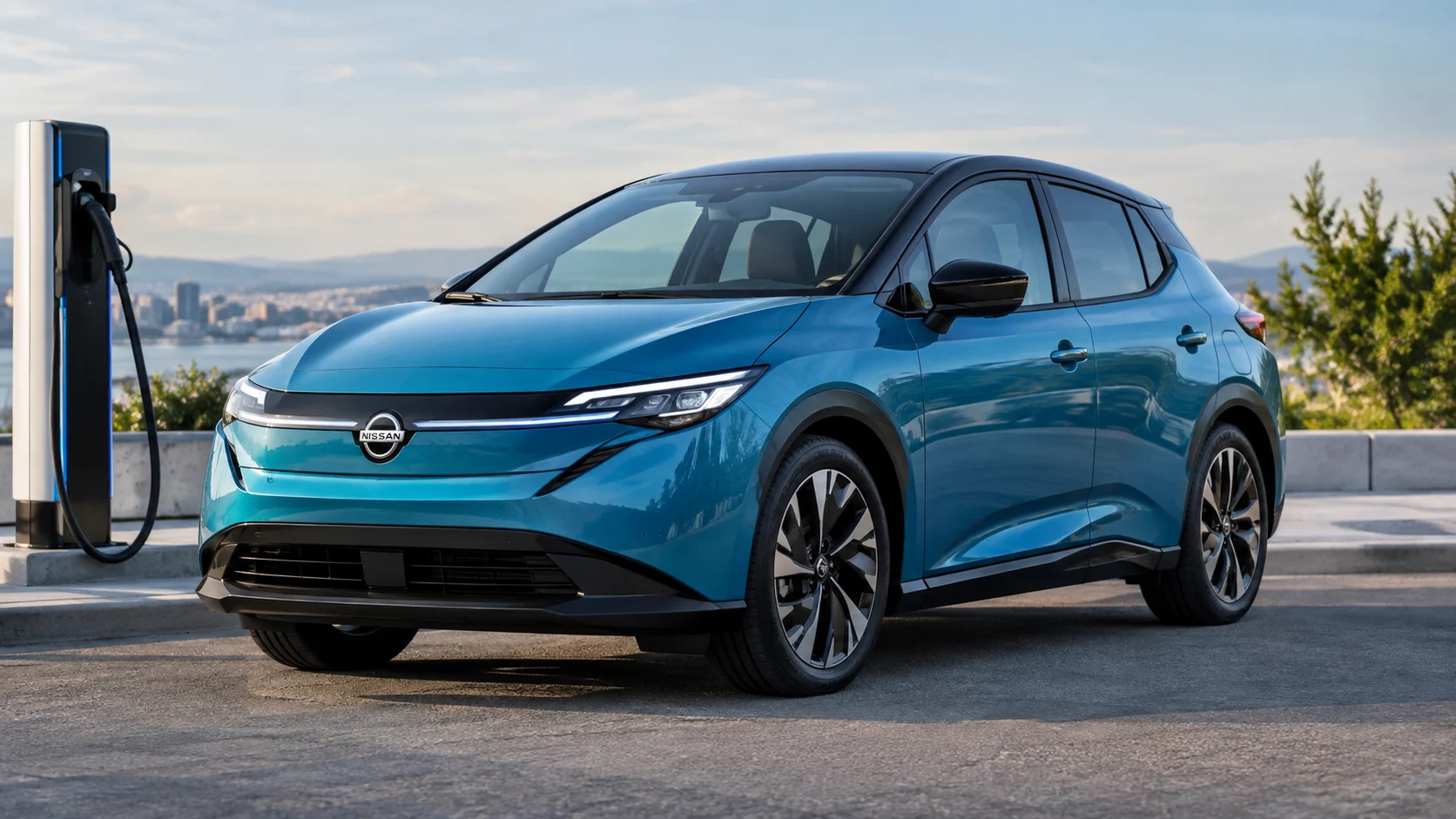
The Nissan Ariya is an all-electric SUV designed for drivers who want a comfortable family vehicle with practical driving range, modern technology and a premium-feeling interior. Unlike some electric SUVs that focus heavily on acceleration or maximum range, the Ariya places considerable emphasis on cabin comfort, everyday usability and a relaxed driving experience.
One of its biggest advantages is the choice of two battery sizes: 63 kWh and 87 kWh. Depending on the market and configuration, buyers can also choose between front-wheel drive and Nissan’s e-4ORCE dual-motor all-wheel-drive system.
However, the official driving range is only part of the ownership picture. Real-world efficiency, motorway consumption, charging speed and available charging infrastructure can make a significant difference to how useful the Ariya is for everyday driving and longer journeys.
This guide examines the Nissan Ariya’s battery options, official and independently tested range, charging capabilities, interior space and practicality, with important differences between international markets.
Nissan Ariya: Quick Overview
The Nissan Ariya is a five-seat electric crossover SUV built around a dedicated electric vehicle platform. Its battery is positioned underneath the floor, allowing Nissan to create a relatively flat cabin floor and a spacious passenger compartment.
The main specifications depend on battery size, drivetrain and market.
| Specification | Nissan Ariya |
|---|---|
| Vehicle type | All-electric SUV |
| Battery options | 63 kWh and 87 kWh |
| Battery chemistry | Lithium-ion |
| Motor configuration | Single-motor or dual-motor |
| Drivetrain | FWD or e-4ORCE AWD |
| Maximum DC charging power | Up to 130 kW |
| Maximum official range | Up to 329 miles (UK WLTP, 87 kWh FWD) |
| Seating capacity | 5 passengers |
| Transmission | Single-speed automatic |
| Rear cargo capacity | Market-dependent |
| Charging connection | CCS in UK and US versions |
The Ariya’s two battery options give buyers flexibility. The smaller battery is suitable for regular commuting and shorter journeys, while the larger battery makes more sense for drivers who frequently travel longer distances.
Nissan Ariya Battery Options: 63 kWh vs 87 kWh
Nissan offers two main battery configurations for the Ariya in several international markets.


Both use liquid-cooled lithium-ion battery technology. The thermal management system helps regulate battery temperature, which is important for charging performance, efficiency and battery operation in different weather conditions.
It is worth distinguishing total battery capacity from usable capacity. In Nissan’s 2025 US specifications, the 63 kWh battery has 66 kWh of total capacity, while the 87 kWh version has 91 kWh of total capacity.
| Battery specification | Smaller battery | Larger battery |
|---|---|---|
| Total capacity (US specification) | 66 kWh | 91 kWh |
| Usable capacity | 63 kWh | 87 kWh |
| Battery type | Lithium-ion | Lithium-ion |
| Cooling | Liquid-cooled | Liquid-cooled |
| Maximum DC charging | 130 kW | 130 kW |
| Main advantage | Lower entry cost | Longer driving range |
The usable capacity is particularly important because it represents the energy available for driving rather than the battery’s entire nominal capacity.
63 kWh Battery: Better for Everyday Driving
The smaller battery is designed for buyers who primarily use their electric SUV for commuting, school runs, shopping and regular local journeys.
In the UK, Nissan lists a maximum WLTP combined range of approximately 250 miles for the 63 kWh version, although the exact figure depends on the model and equipment.
The US-market 2025 Ariya Engage with its 63 kWh usable battery has an EPA-estimated range of 216 miles.
These numbers demonstrate why market-specific specifications matter. WLTP and EPA testing use different procedures, so their results should not be treated as directly interchangeable.
The smaller battery also reduces the amount of energy needed for a complete recharge.
For drivers with convenient home charging, this can make everyday ownership relatively straightforward.
Who should consider it?
- Drivers with predictable daily commuting distances.
- Families who primarily travel within their local area.
- Buyers who want an electric SUV without paying for the larger battery.
- People who can recharge overnight at home.
87 kWh Battery: Better for Longer Journeys
The larger battery is the more attractive option for drivers who regularly travel between cities or want fewer charging stops on longer journeys.
In the UK, the front-wheel-drive 87 kWh version is listed with a maximum WLTP combined range of up to 329 miles.

The US-market 2025 Evolve+ FWD model has an EPA-estimated range of up to 289 miles.
The larger battery also provides more flexibility when motorway driving, cold temperatures or other conditions increase energy consumption.
However, choosing the bigger battery does not automatically guarantee a longer range in every configuration.
The e-4ORCE AWD models use two electric motors, adding weight and increasing energy demand. Consequently, their official range is generally lower than that of comparable front-wheel-drive versions.

Who should consider it?
- Drivers who frequently travel longer distances.
- Families planning regular motorway journeys.
- Buyers who want fewer charging stops.
- Drivers who prefer additional range flexibility.
Nissan Ariya Range: Official Figures Explained
Driving range is one of the most important considerations when buying an electric SUV.
Nissan’s published figures vary according to the battery, drivetrain, trim and regional testing standards.
The following figures illustrate the differences between commonly available configurations.
| Configuration | Official range |
|---|---|
| 63 kWh FWD (UK) | Up to 250 miles WLTP |
| 87 kWh FWD (UK) | Up to 329 miles WLTP |
| 87 kWh AWD (UK) | Up to 319 miles WLTP |
| 63 kWh FWD (US, 2025) | 216 miles EPA |
| 87 kWh FWD (US, 2025) | Up to 289 miles EPA |
| 87 kWh AWD (US, 2025) | Approximately 205–272 miles EPA, depending on trim |
These figures should be understood as market-specific ratings rather than guaranteed driving distances.
The EPA and WLTP results are laboratory-based estimates. Actual driving range depends on several factors, including:
- Vehicle speed.
- Outside temperature.
- Air-conditioning and heating use.
- Driving style.
- Road gradient.
- Wheel and tire configuration.
- Passenger and luggage weight.
- Traffic conditions.
For example, an Ariya travelling at moderate speeds in warmer weather may achieve substantially better efficiency than one driven continuously at motorway speeds in winter.
Nissan Ariya Real-World Range: What Can Drivers Expect?
The official range provides a useful starting point, but independent testing gives buyers a better understanding of how the vehicle performs outside laboratory conditions.
The Ariya has produced different results across independent road tests, particularly between battery configurations and driving environments.
63 kWh Real-World Range
DrivingElectric reported approximately 3.7 miles per kWh during its testing of the 63 kWh Ariya.
Based on that efficiency, the publication estimated a real-world driving range of approximately 235 miles from a full battery.
This is below the UK model’s maximum WLTP rating of 250 miles, but it demonstrates that the smaller battery can still provide useful everyday range.

87 kWh Real-World Range
The larger battery offers considerably more flexibility.
However, motorway driving and cold temperatures can significantly reduce the distance available between charging stops.
Consumer Reports tested an 87 kWh Ariya on a 70 mph highway route in the United States and recorded 253 miles of driving range.
That result is particularly useful because sustained highway speeds generally create higher energy consumption than slower urban driving.
A separate German ADAC winter range test recorded 314 km (approximately 195 miles) from an 87 kWh front-wheel-drive Ariya.
The test recorded an average consumption of 28.0 kWh per 100 km, demonstrating the effect of demanding winter conditions.
These results should not be combined into one universal real-world range estimate because the testing environments, temperatures and driving procedures were different.
What Affects the Ariya’s Driving Range?
Several factors can influence how far the vehicle travels on a charge.
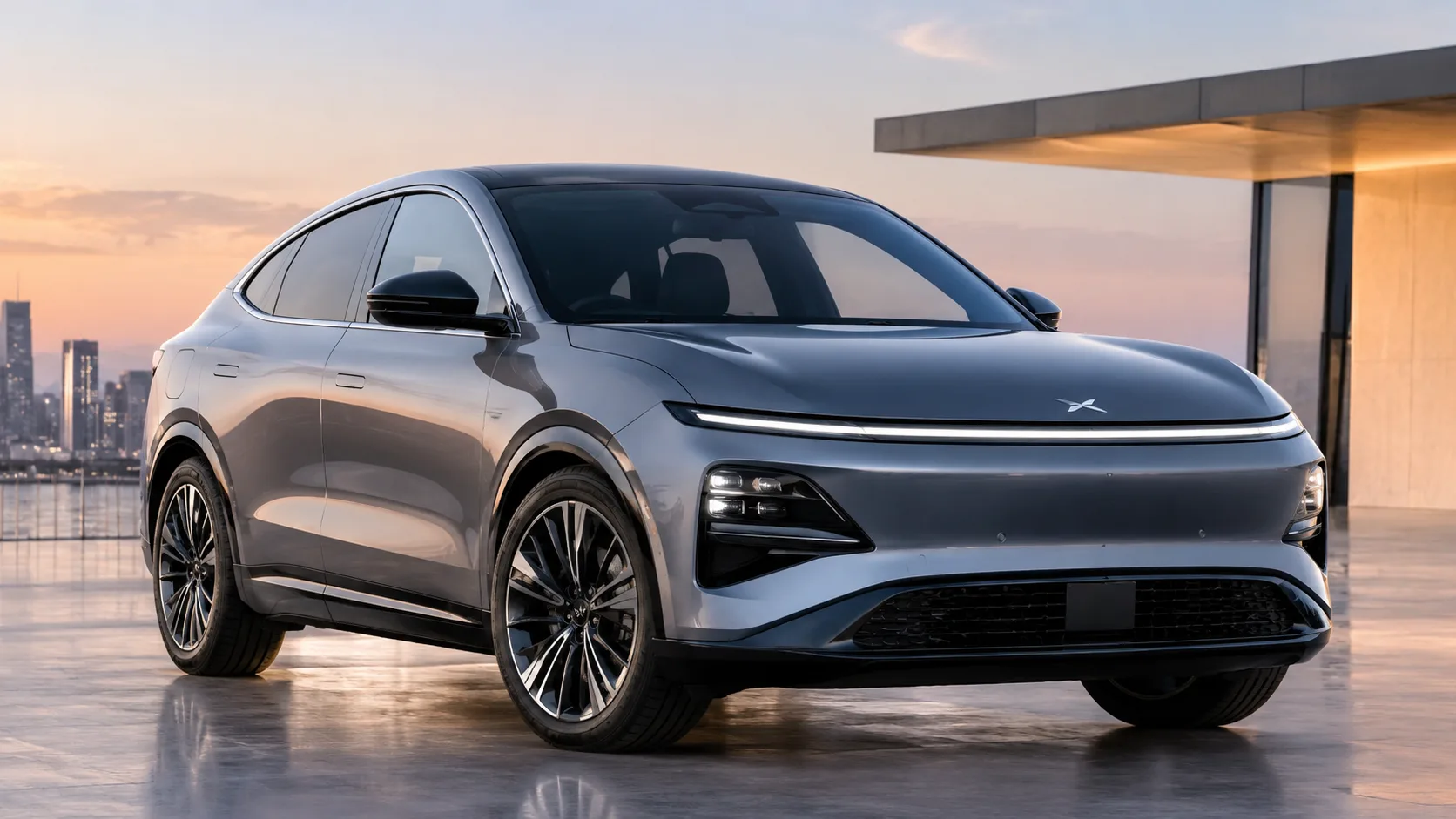
Highway speed: Driving at sustained high speeds increases aerodynamic resistance and energy consumption. This is particularly noticeable in heavier electric SUVs.
Cold weather: Low temperatures can affect battery efficiency and increase heating requirements. Battery temperature management and cabin heating both influence energy use.
Heating and air conditioning: Using climate control requires additional electricity. Heating can be particularly demanding during winter journeys.
Driving style: Frequent hard acceleration and sudden braking can reduce efficiency. Smooth acceleration and effective regenerative braking can help preserve energy.
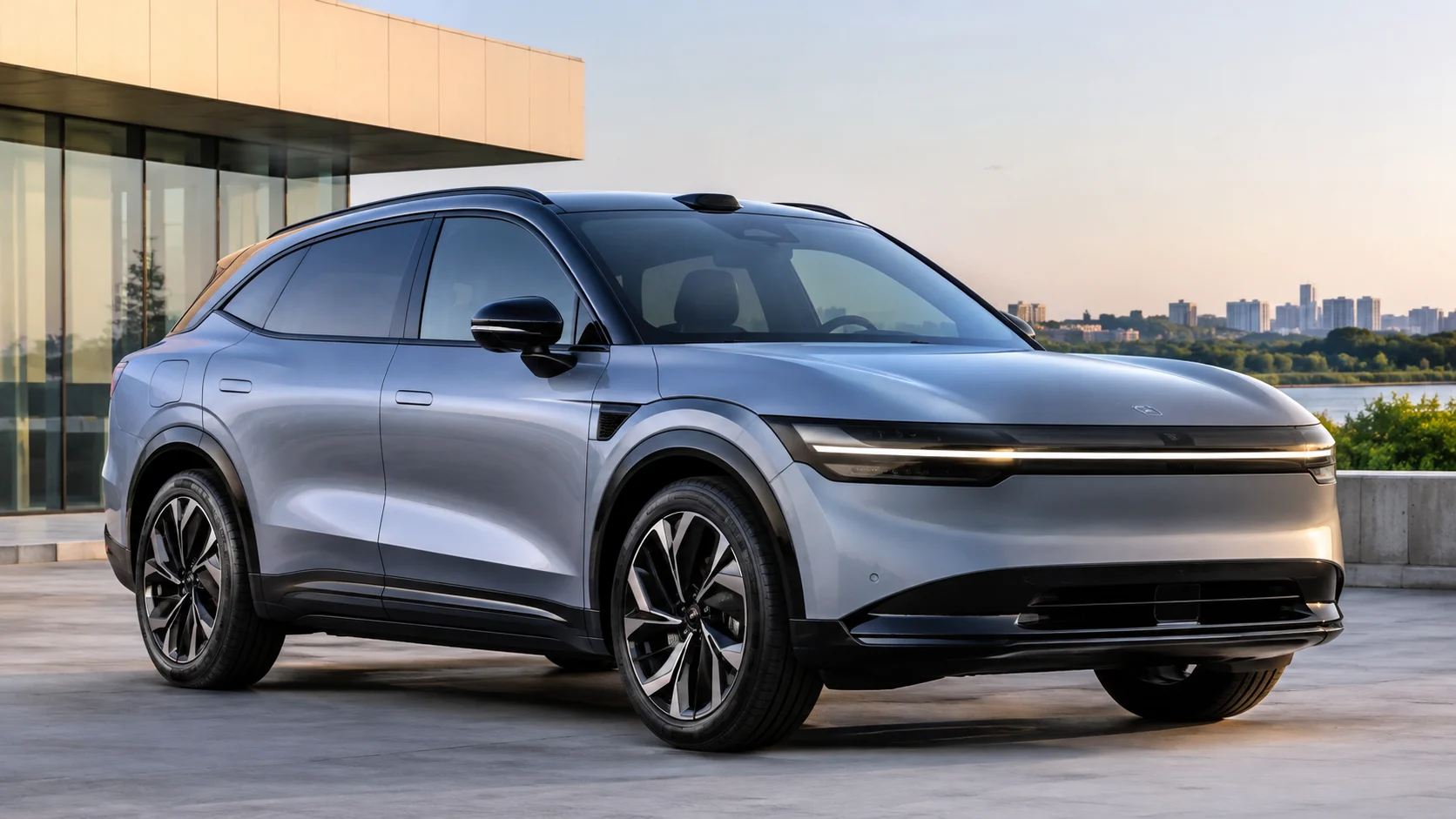
Wheel size: Different wheel and tire combinations can influence rolling resistance and aerodynamic efficiency.
For practical ownership planning, buyers should leave a comfortable battery reserve rather than assuming the advertised maximum range will always be achievable.
Nissan Ariya Charging: Home Charging and DC Fast Charging
Charging performance is another important part of the Ariya ownership experience.
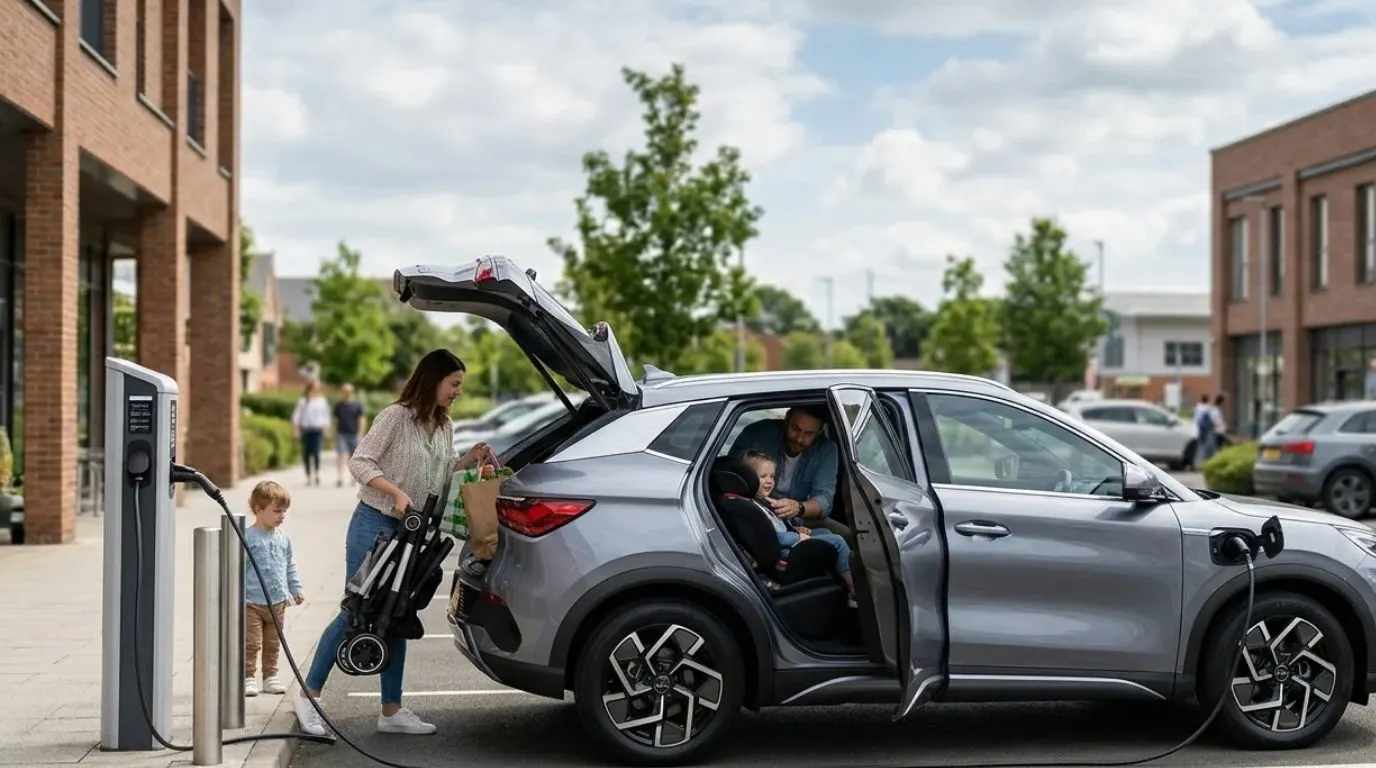
The vehicle supports AC charging for home and destination charging, along with DC rapid charging for longer journeys.
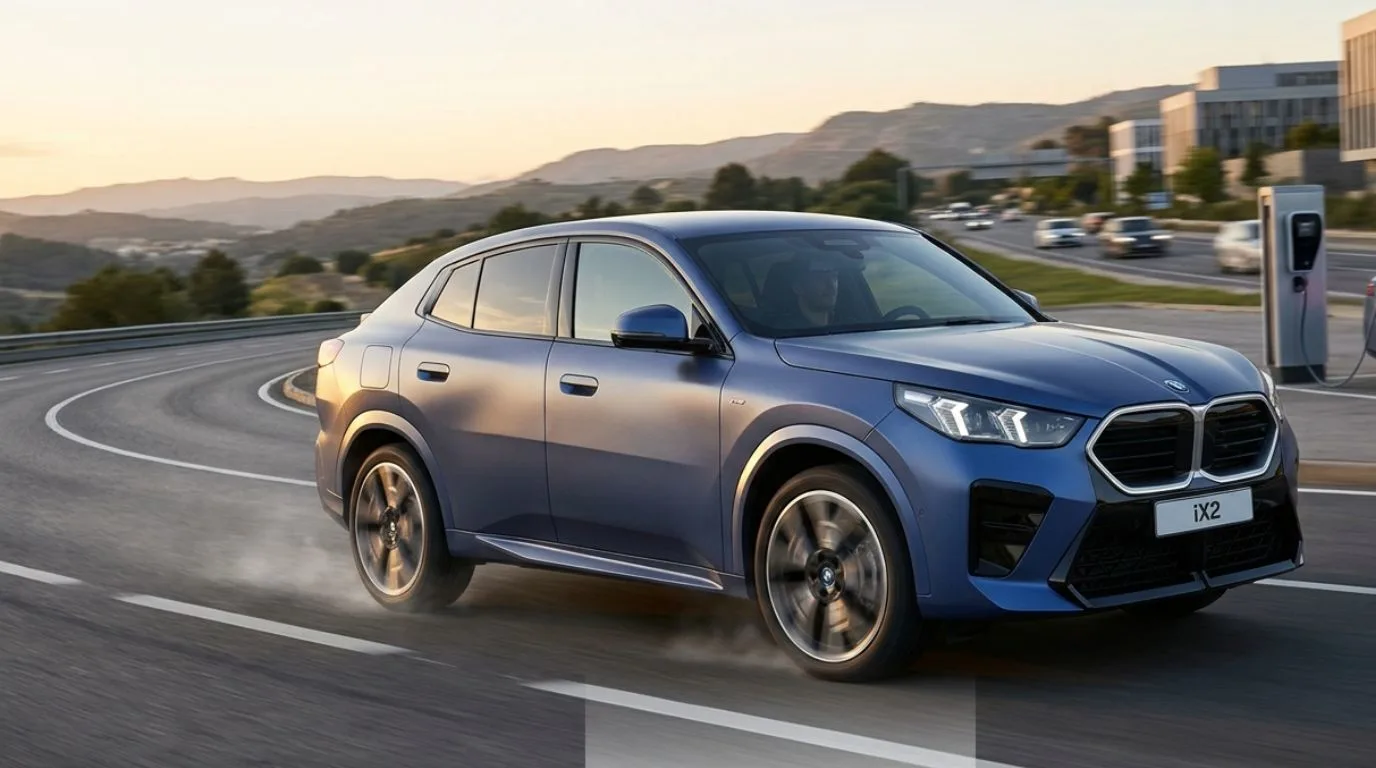
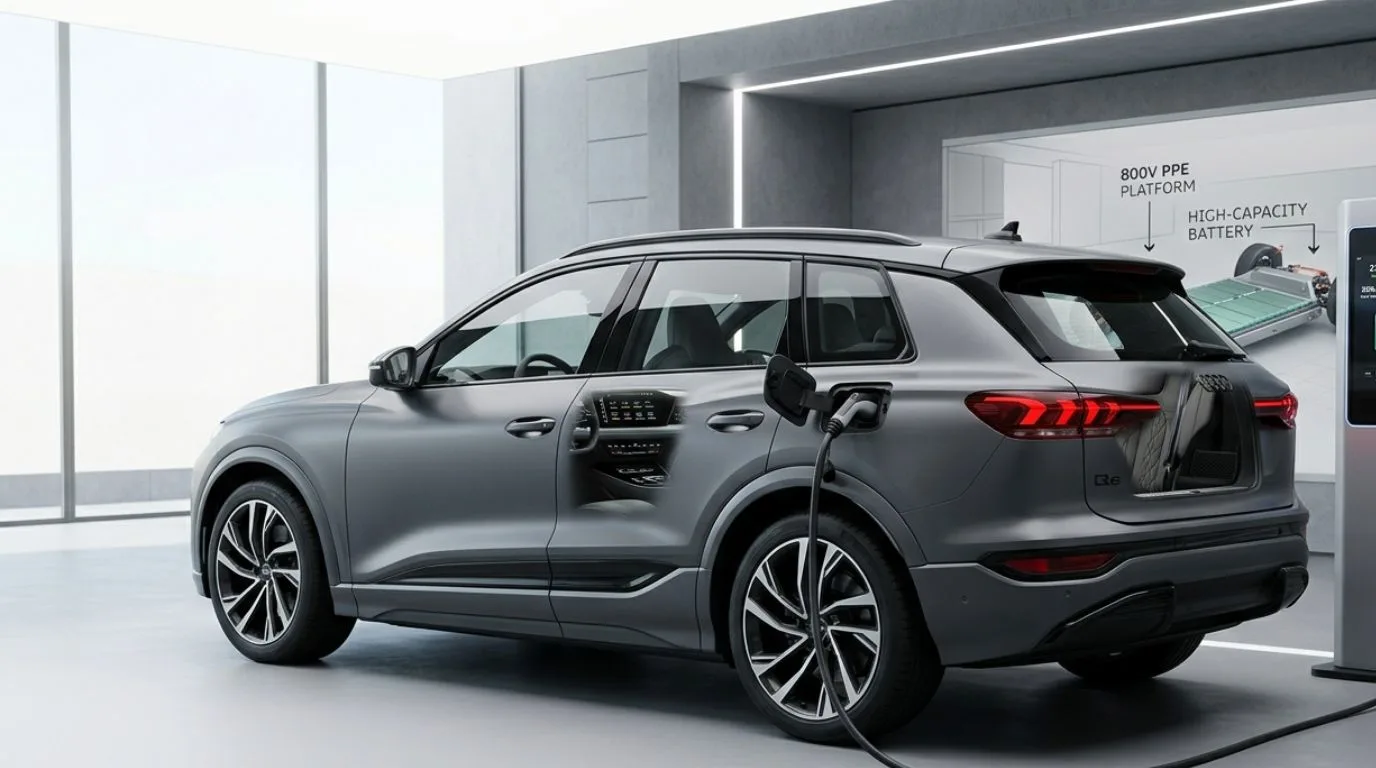
Nissan lists a maximum DC charging capability of up to 130 kW for several Ariya configurations.
However, the maximum charging rate is not maintained throughout the entire charging session. Actual power depends on battery temperature, state of charge, charger capability and other conditions.
DC Fast Charging
For the US-market 2025 Ariya, Nissan publishes the following charging estimates using a 130 kW DC fast charger:
| Battery | Approximate charging time |
|---|---|
| 63 kWh | 20–80% in 35 minutes |
| 87 kWh | 20–80% in 40 minutes |
These are manufacturer estimates under suitable charging conditions.

In the UK, Nissan lists approximately 30 minutes for certain 10–80% or 20–80% charging sessions, depending on the battery and model specification.
The difference in published times reflects different market specifications and charging conditions. The starting and ending battery percentages also matter when comparing charging claims.
The Ariya uses a CCS charging connection in the UK and US versions.
For long-distance journeys, DC rapid charging is generally the most convenient way to replenish the battery during a break.

However, the Ariya’s maximum charging capability is more modest than that of some newer electric SUVs that support substantially higher peak charging rates.
Home AC Charging
Home charging is likely to be the most convenient option for owners who have access to a suitable charging installation.
For the 2025 US-market Ariya, Nissan specifies a 7.2 kW onboard charger.
Its estimated charging times from empty to full using Level 2 charging are:
| Battery | Approximate charging time |
|---|---|
| 63 kWh | 10.5 hours |
| 87 kWh | 14 hours |
UK equipment can differ. Nissan’s current UK specifications list a 7.4 kW onboard charger for certain 63 kWh versions and a 22 kW onboard charger for certain 87 kWh versions.
The availability of a 22 kW onboard charger can make a substantial difference when using a compatible three-phase AC charging installation.
It is important to remember that the car’s onboard charger determines how much AC power it can accept. Installing a more powerful home wallbox does not automatically make every Ariya charge faster.
Is the Nissan Ariya Suitable for Long-Distance Driving?
Yes, particularly with the 87 kWh battery.
The larger battery provides a useful starting range for intercity travel, while DC rapid charging allows drivers to replenish the battery during longer journeys.
However, its 130 kW maximum DC charging capability is not class-leading by current electric vehicle standards.
Drivers who frequently undertake long motorway journeys should compare not just the advertised range but also charging speed, charging-network availability and actual highway efficiency.
Nissan Ariya Interior: Space, Comfort and Cabin Design
The Ariya’s interior is one of its defining features.
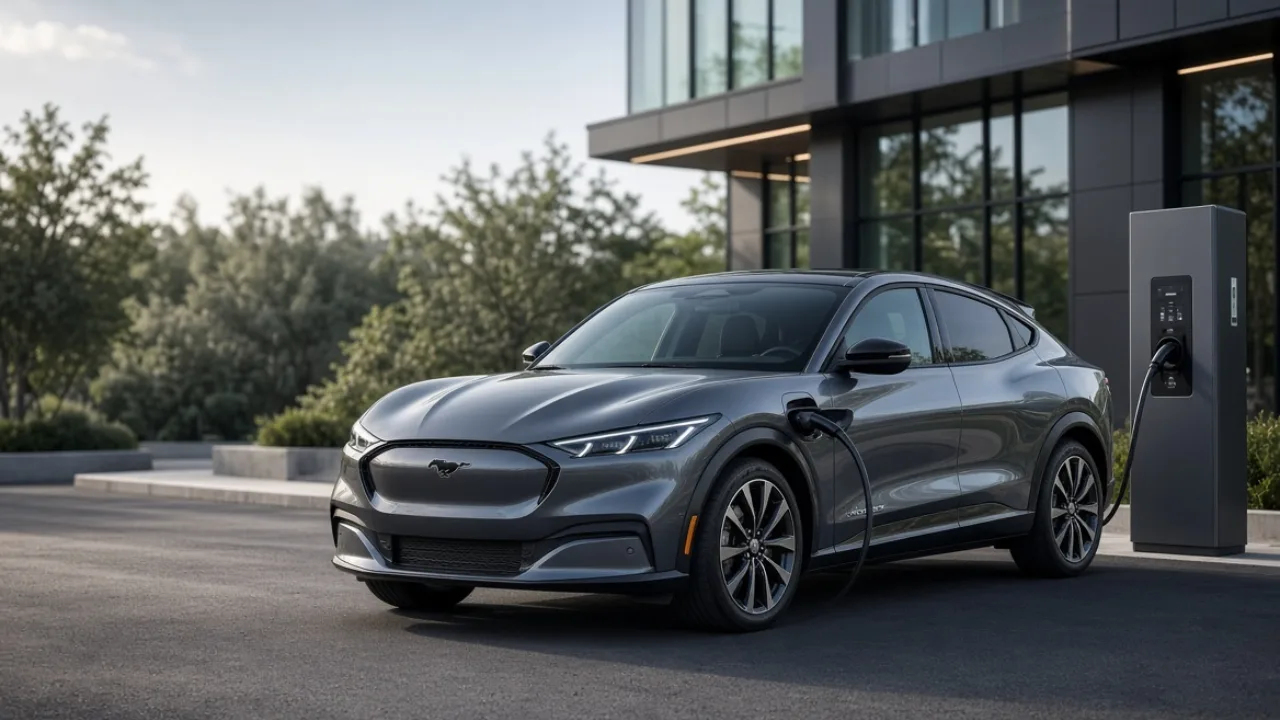
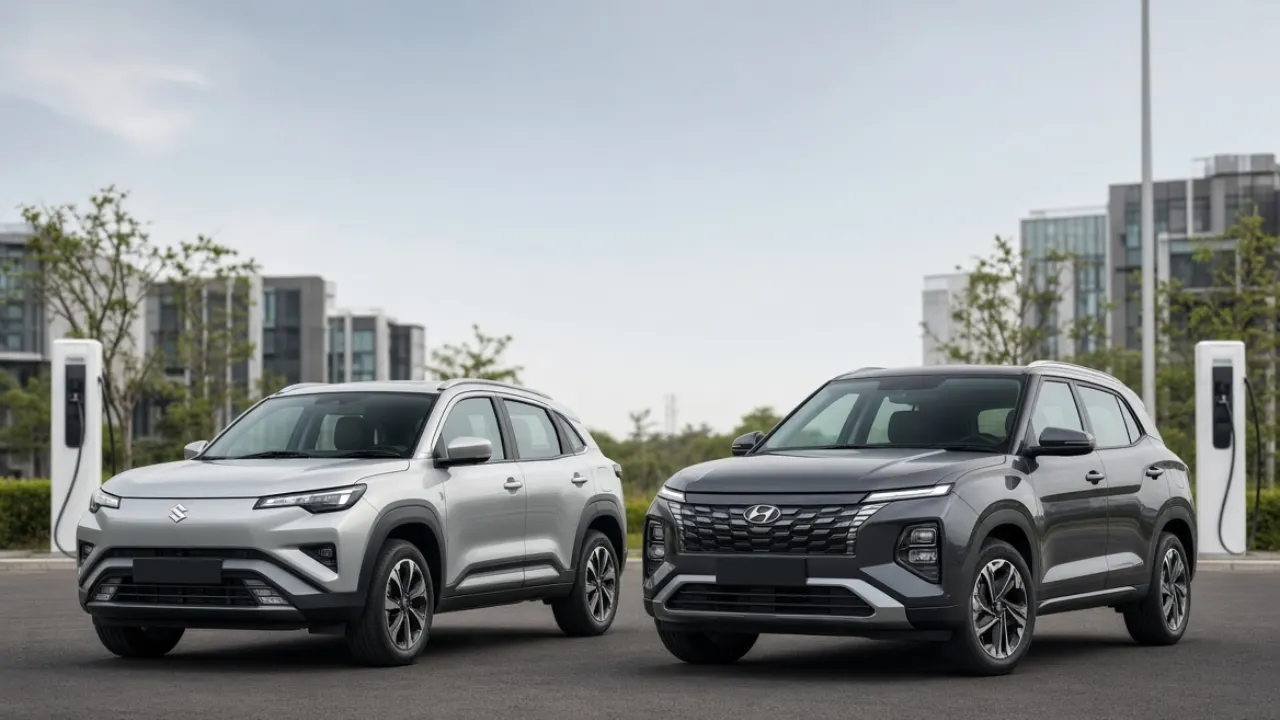
Nissan designed the cabin around a minimalist layout, a relatively flat floor and a spacious passenger environment.
Unlike traditional SUVs with prominent transmission tunnels, the electric platform allows a more open central floor area.
The result is a cabin that feels more open, particularly for front passengers.
Interior specifications and equipment vary by market and trim.
Front Seat Comfort
The front seats are designed for comfortable everyday driving and longer journeys.
Depending on the trim, available equipment can include power-adjustable seating, heating and other comfort features.
The dashboard has a relatively uncluttered appearance, with digital displays and integrated controls.
The flat floor and open centre area also help create a less restrictive feeling for the front occupants.

Rear Passenger Space
Rear passenger comfort is another important part of the Ariya’s family-oriented design.
Its 2,775 mm wheelbase helps provide useful legroom, while the flat floor makes it easier for rear passengers to position their feet.
Nissan’s US-market specifications list:
| Interior measurement | Dimension |
|---|---|
| Front legroom | 42.3 inches |
| Rear legroom | 37.0 inches |
| Front shoulder room | 57.1 inches |
| Rear shoulder room | 55.9 inches |
| Front hip room | 56.0 inches |
| Rear hip room | 52.5 inches |
| Seating capacity | 5 |
These measurements indicate that the Ariya offers a reasonably generous passenger compartment for a midsize electric SUV.
Two adults should find the rear seats comfortable for regular journeys.
The centre rear position is less suitable for extended trips with three adults because of the limitations of a typical three-person rear bench.
The rear seat also benefits from a relatively flat floor, which helps improve passenger flexibility.
Dashboard and Infotainment
The Ariya uses a modern digital dashboard with two integrated displays.

Depending on the market and trim, these provide access to:
- Digital driver information.
- Navigation.
- Media and entertainment.
- Smartphone connectivity.
- Vehicle settings.
- Climate control information.
- Driving assistance information.
Nissan’s interior design aims to combine a clean appearance with practical everyday controls.
The cabin also features touch-sensitive controls integrated into the dashboard in certain versions.
Although this creates a modern appearance, some drivers may prefer conventional physical buttons for frequently used functions.
Cabin Storage and Practicality
The Ariya’s open cabin layout provides useful storage opportunities.
Depending on the specification, features can include a movable centre console, storage compartments, cupholders and USB charging connections.
One particularly useful aspect is the ability to create more open space between the front seats.
This can improve everyday practicality when carrying personal belongings or accessing items inside the cabin.
Nissan Ariya Boot Space and Luggage Capacity
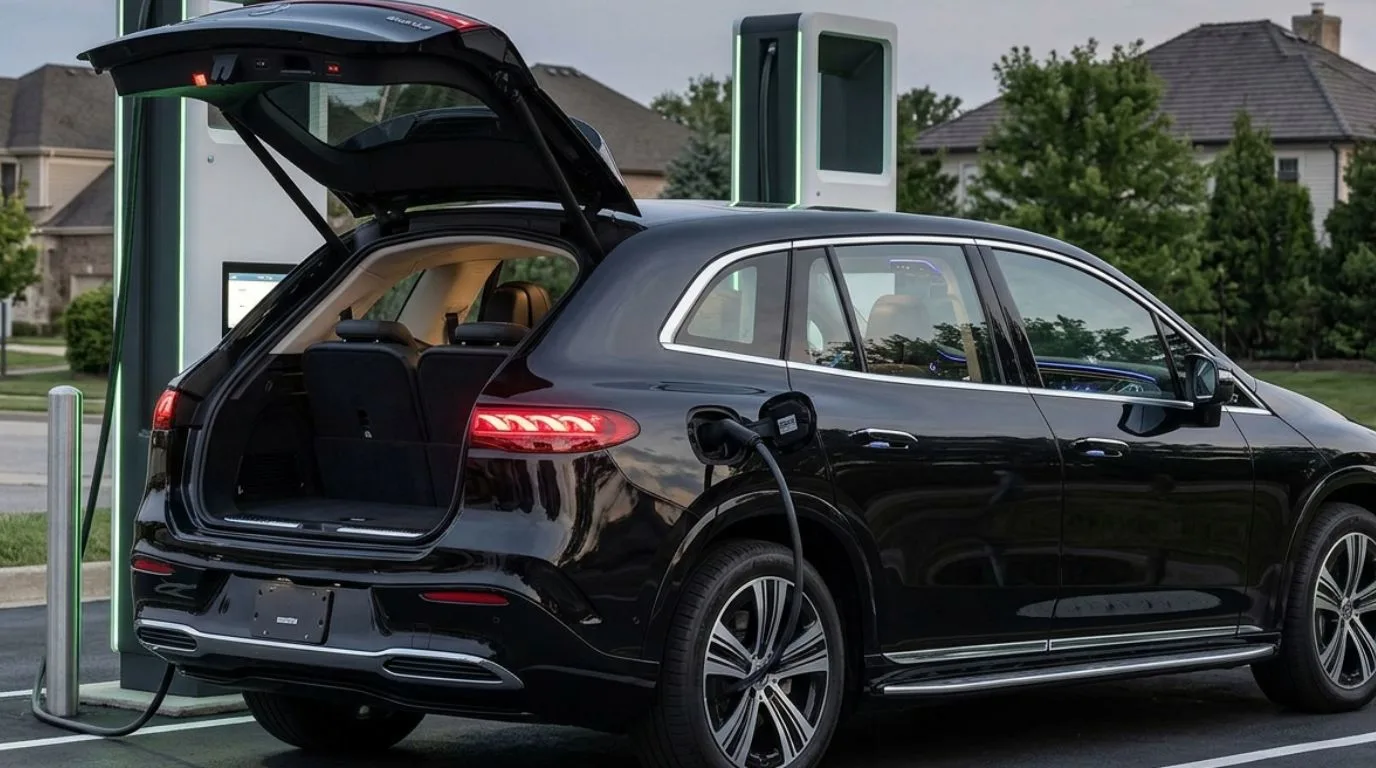
The Ariya is designed to function as a family SUV, so luggage capacity is an important consideration.
In the UK and several other markets, Nissan quotes approximately 466 litres of luggage capacity with the rear seats in place for front-wheel-drive versions.
Folding the rear seats increases the available luggage capacity to approximately 1,350 litres.
| Cargo measurement | Capacity |
|---|---|
| Rear seats upright | 466 litres |
| Rear seats folded | Up to 1,350 litres |
| Rear seat configuration | 60:40 split |
These figures are not universal across all configurations.
For example, Nissan’s US-market 2025 specifications list 27.9 cubic feet of cargo space behind the second row and 59.7 cubic feet with the rear seats folded.
Different regional measurement methods and vehicle configurations mean these numbers should not be directly compared without considering their respective specifications.
Is the Boot Big Enough for Family Use?
The 466-litre figure provides useful space for everyday luggage, shopping and smaller family trips.
The rear seats can also be folded when carrying larger items.
However, the Ariya’s boot is not particularly generous compared with some competing electric SUVs.
Automotive reviewers have also highlighted the absence of a traditional front storage compartment, which means charging cables and other equipment must be stored elsewhere.
For most regular family journeys, the luggage area should be practical, but buyers who frequently carry bulky luggage should compare it with alternatives before purchasing.
Nissan Ariya Performance and e-4ORCE All-Wheel Drive
The Ariya is available with different electric motor configurations depending on the market.
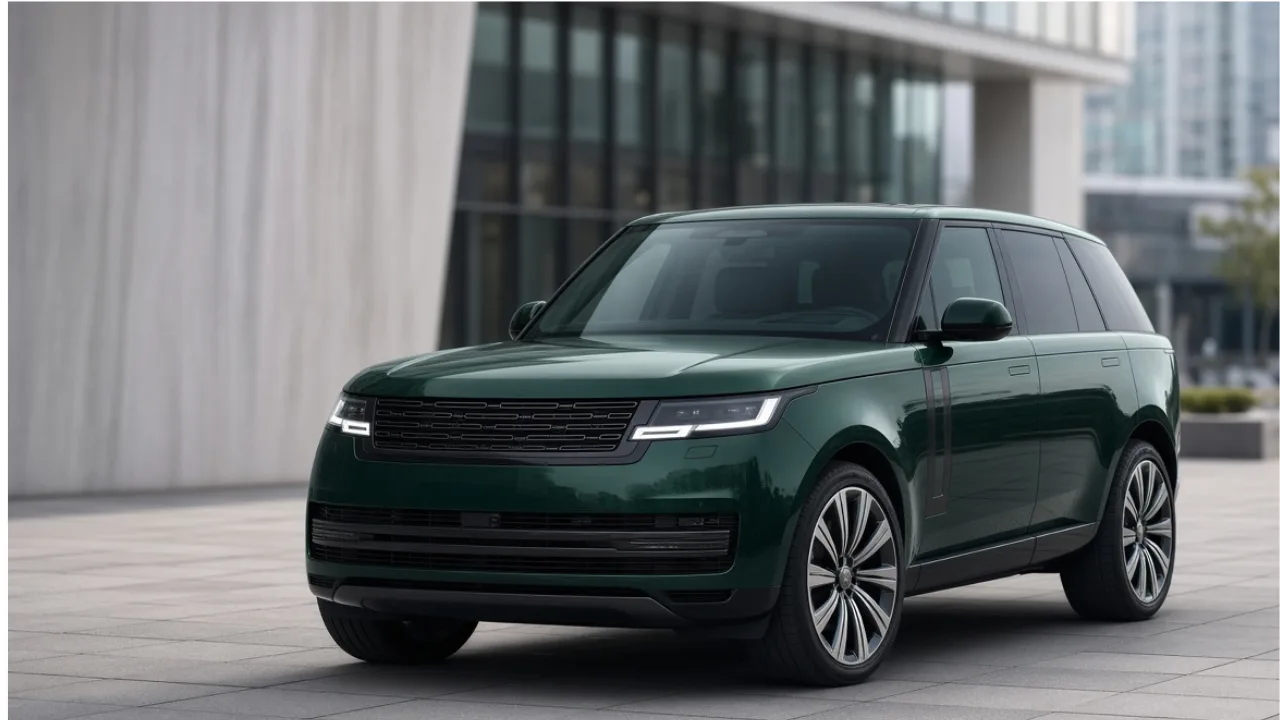
The front-wheel-drive versions use a single electric motor, while e-4ORCE models use two motors to provide all-wheel drive.
Nissan’s e-4ORCE system electronically controls power delivery between the front and rear motors.
It is designed to improve traction, stability and power distribution under different driving conditions.
In the US-market 2025 specifications, the main power configurations include:
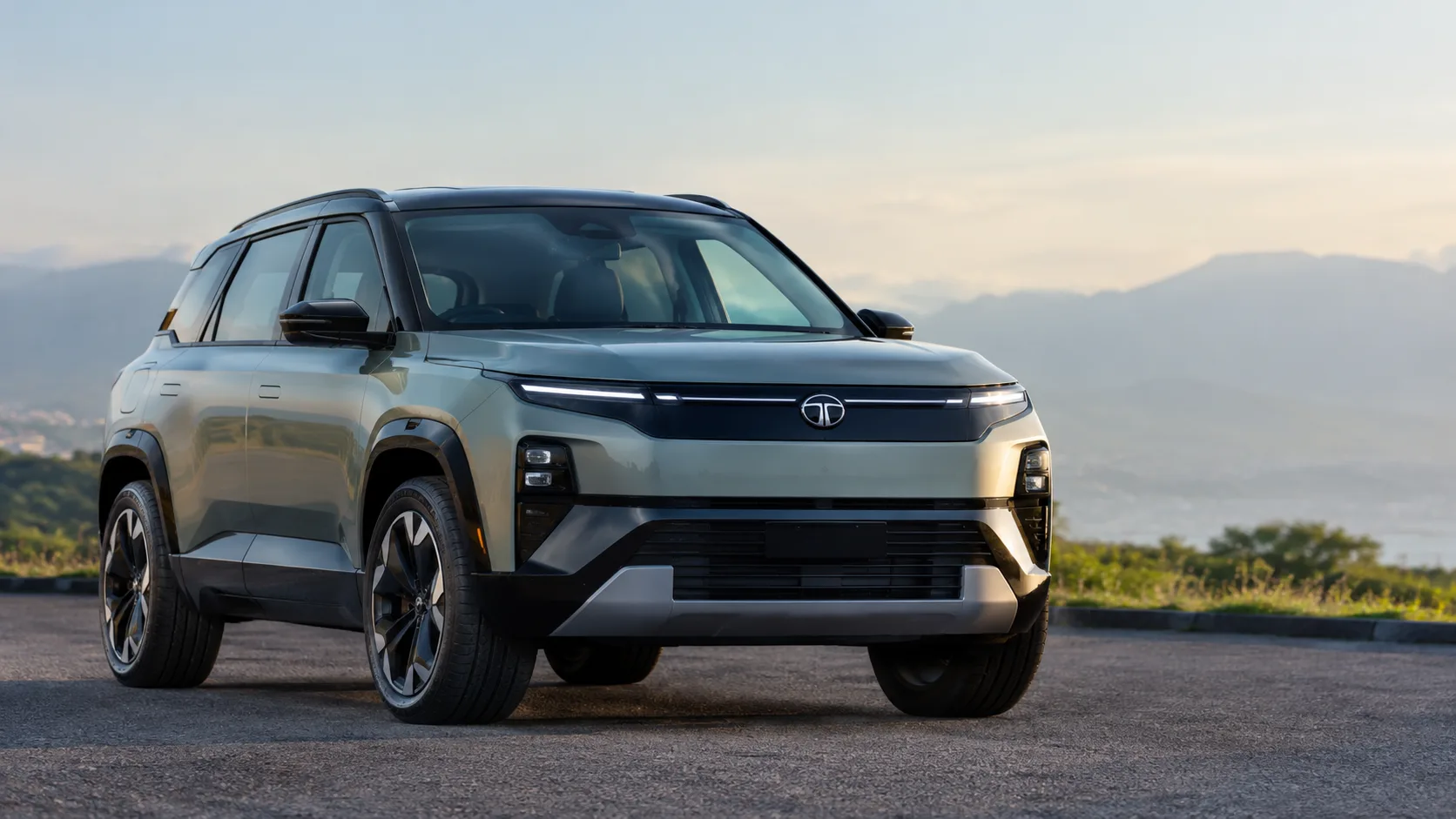
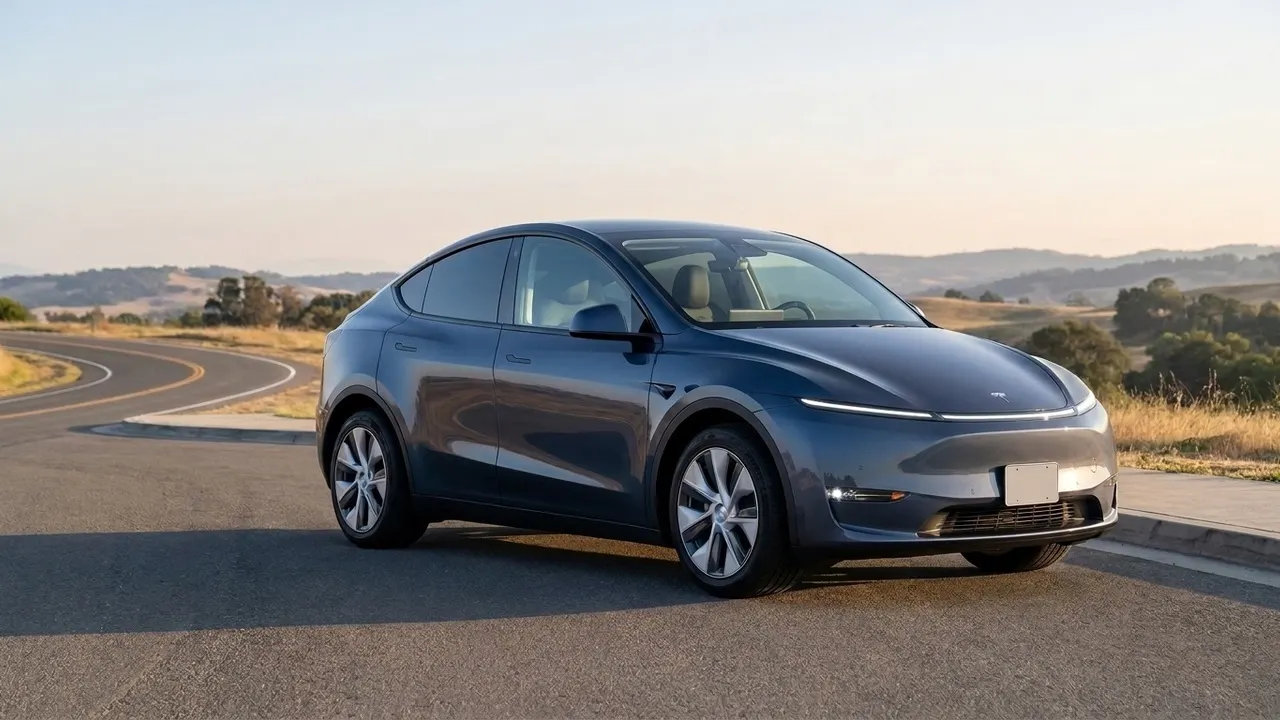
| Configuration | Power | Torque |
|---|---|---|
| Single motor FWD | 214 hp | 221 lb-ft |
| Single motor FWD, larger battery | 238 hp | 221 lb-ft |
| Dual motor e-4ORCE | 335 hp or 389 hp | 413 or 442 lb-ft |
The exact output depends on the battery, trim and drivetrain.
How Does e-4ORCE Work?
Unlike a conventional mechanical four-wheel-drive system, the Ariya’s e-4ORCE system uses two independent electric motors.
One motor powers the front wheels, while the second powers the rear wheels.
The vehicle’s control system can adjust torque distribution between the two axles according to driving conditions.
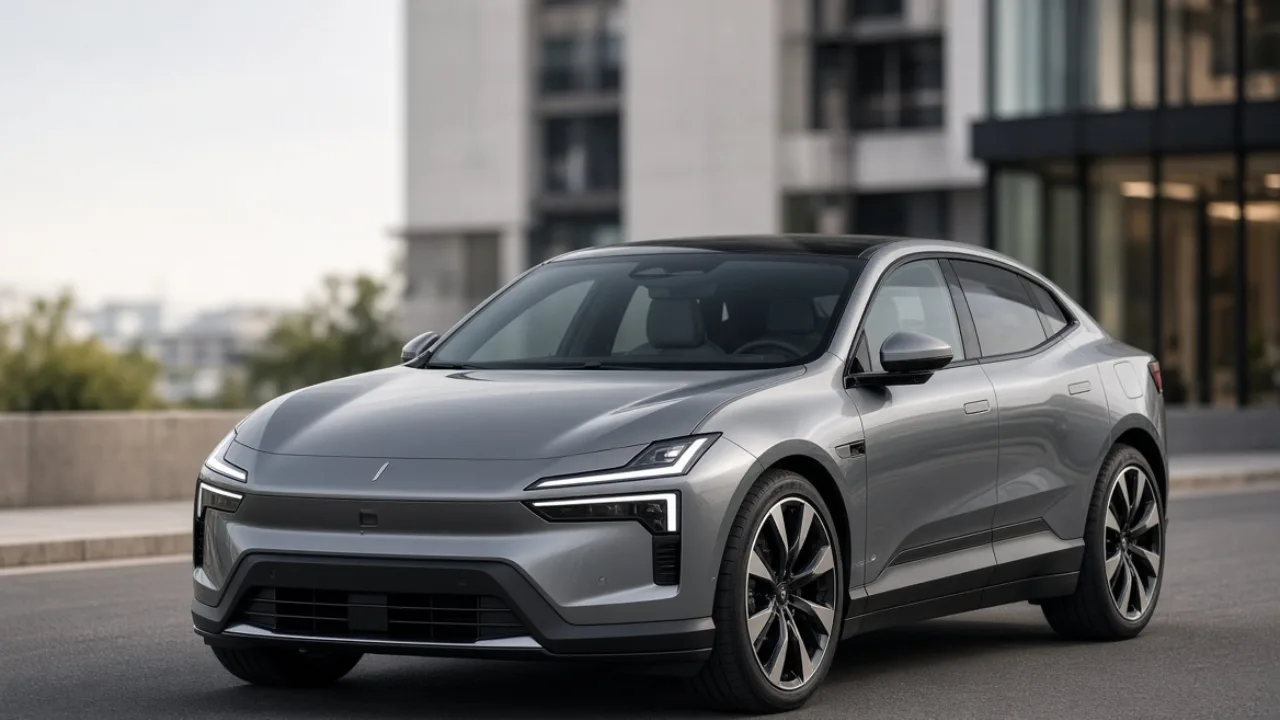
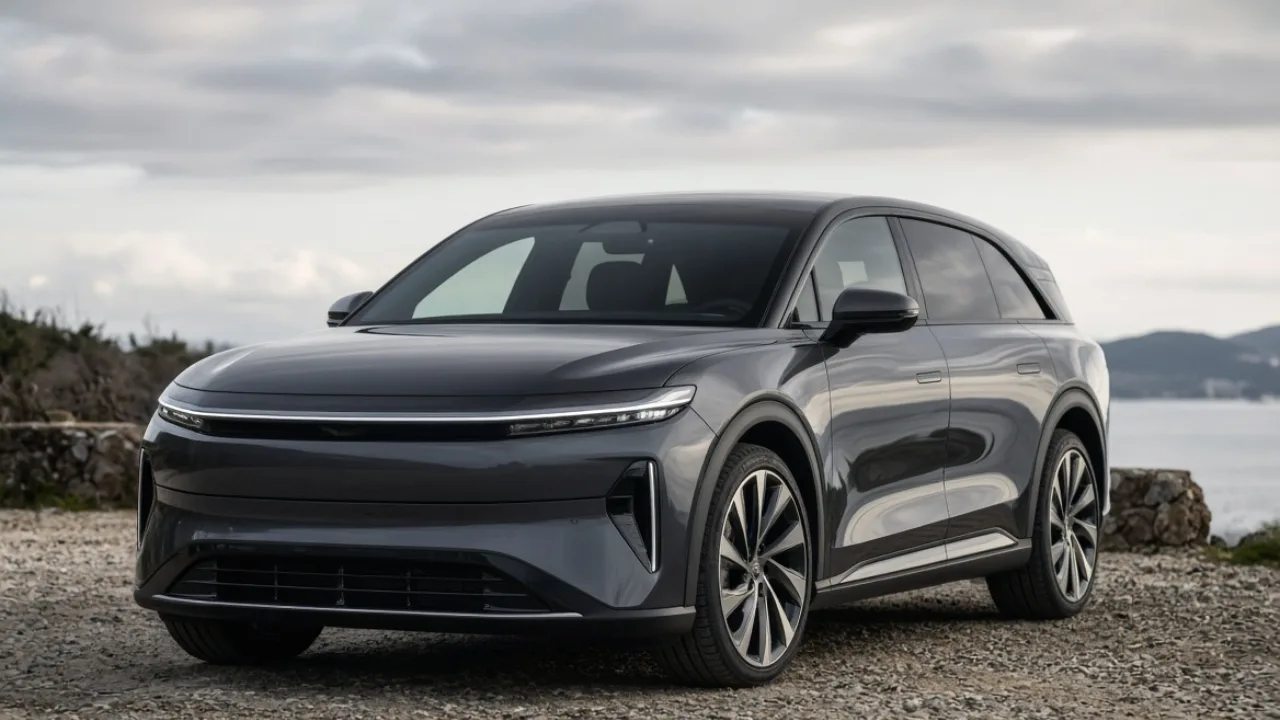
This helps the Ariya maintain traction on slippery surfaces and improve stability during acceleration and cornering.
The system also coordinates braking forces between the wheels to help manage vehicle movement.
For buyers who regularly encounter wet roads, snow or other slippery conditions, e-4ORCE can offer additional traction.
However, all-wheel drive does not eliminate the need for suitable tires or careful driving.
Nissan Ariya Technology and Safety Features
The Ariya includes a range of driver assistance and vehicle technology features.
Equipment varies according to market, model year and trim.
Depending on specification, available features can include:
- Automatic Emergency Braking.
- Intelligent Cruise Control.
- Lane Departure Warning.
- Blind Spot Warning.
- Rear Cross Traffic Alert.
- Intelligent Lane Intervention.
- Intelligent Driver Alertness.
- ProPILOT Assist with Navi-link.
- Parking assistance features.
- Around View Monitor.
ProPILOT Assist is designed to provide driver assistance during certain driving situations, including motorway journeys.
It can help with acceleration, braking and lane positioning under supported conditions.
However, it remains a driver-assistance system. The driver must remain attentive and responsible for controlling the vehicle.
Buyers should also check the equipment list for their specific country because safety technology and feature availability can differ between versions.
Nissan Ariya Dimensions
The Ariya has exterior dimensions that place it within the midsize electric SUV category.
Its relatively long wheelbase helps create a spacious passenger compartment.
| Dimension | Measurement |
|---|---|
| Length | 4,595 mm |
| Width excluding mirrors | 1,850 mm |
| Height | 1,660 mm |
| Wheelbase | 2,775 mm |
| Seating capacity | 5 |
The dimensions are based on Nissan’s published UK specifications.
Actual dimensions can vary slightly with equipment and market-specific configurations.
The relatively wide body also contributes to the cabin’s sense of space, although drivers should consider its overall width when using narrow parking spaces.
Nissan Ariya: Advantages and Limitations
The Ariya has several strengths, but it is not necessarily the best choice for every electric vehicle buyer.
Advantages
Two battery options: The 63 kWh and 87 kWh choices allow buyers to select a configuration suited to their driving requirements.
Comfortable passenger cabin: The flat floor and generous rear legroom make it a practical option for families.
Useful long-distance range: The larger-battery front-wheel-drive version offers up to 329 miles of official WLTP range in the UK.
e-4ORCE AWD: The dual-motor system provides additional traction and strong acceleration in applicable versions.
Liquid-cooled battery: Thermal management supports battery operation across different environmental conditions.
Modern interior: The digital dashboard, minimalist layout and available comfort equipment give the Ariya a premium character.
Limitations
Charging speed: Its maximum 130 kW DC charging capability is lower than that of some newer competitors.
Real-world range variation: Highway driving and cold weather can reduce range considerably.
Boot capacity: The luggage area is useful but not class-leading.
Market-dependent specifications: Battery, charging equipment, trims and features vary between countries.
No front luggage compartment: The lack of a conventional front boot limits additional storage flexibility.
These factors are worth considering alongside the vehicle’s comfort and driving range.
Nissan Ariya vs Other Electric SUVs
The Ariya competes in a segment that includes several established electric SUVs.
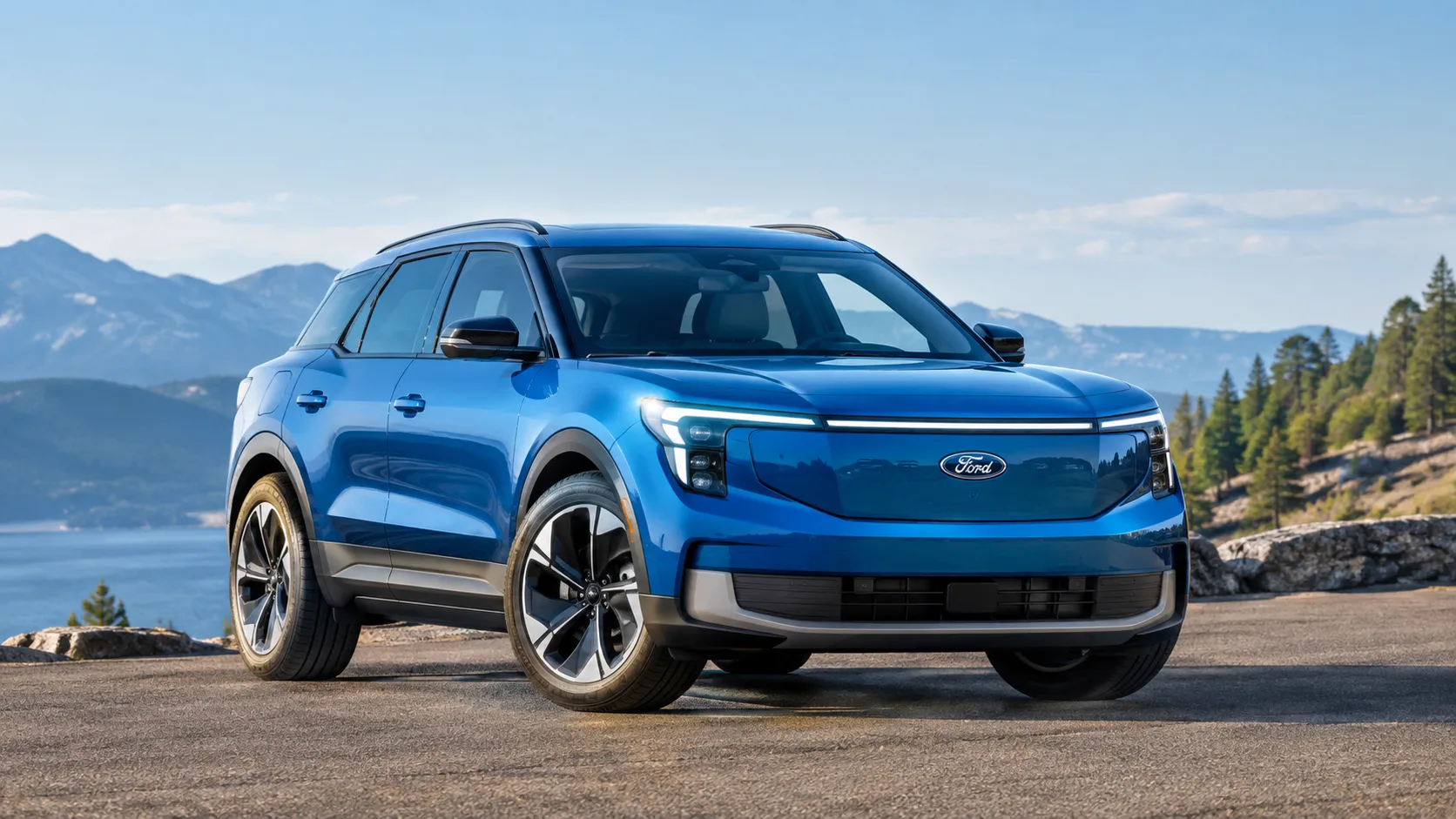
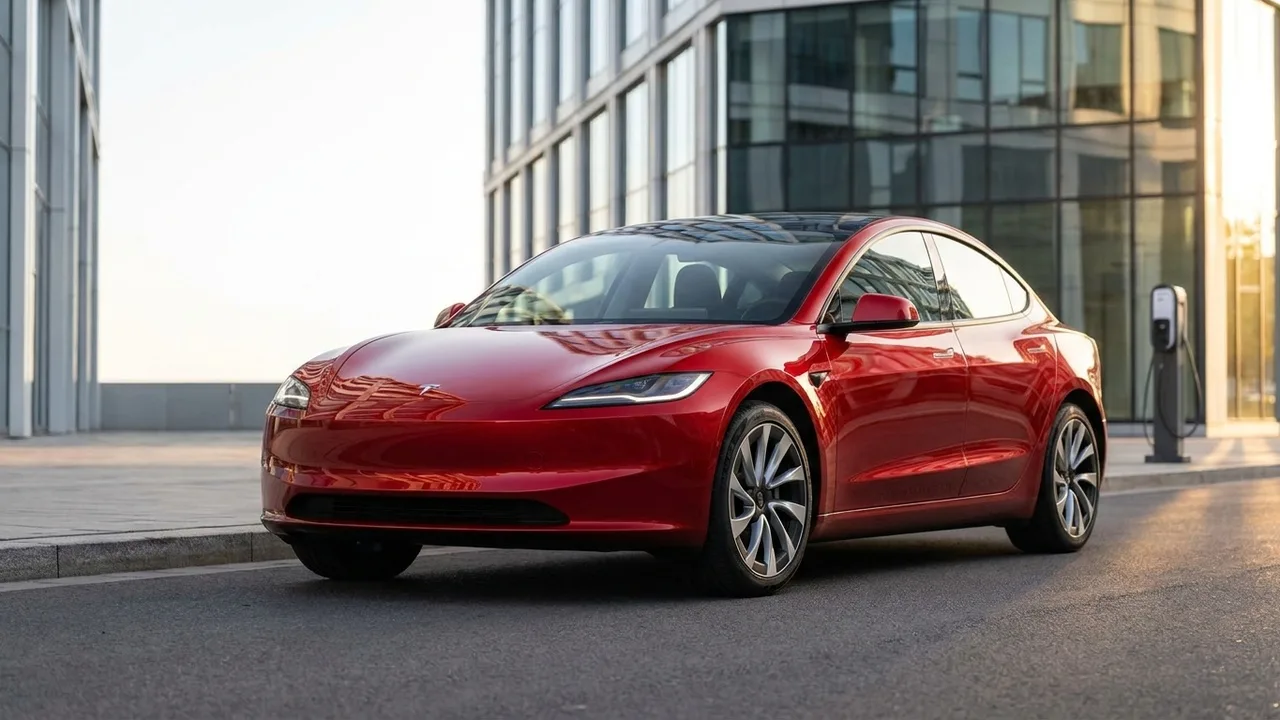
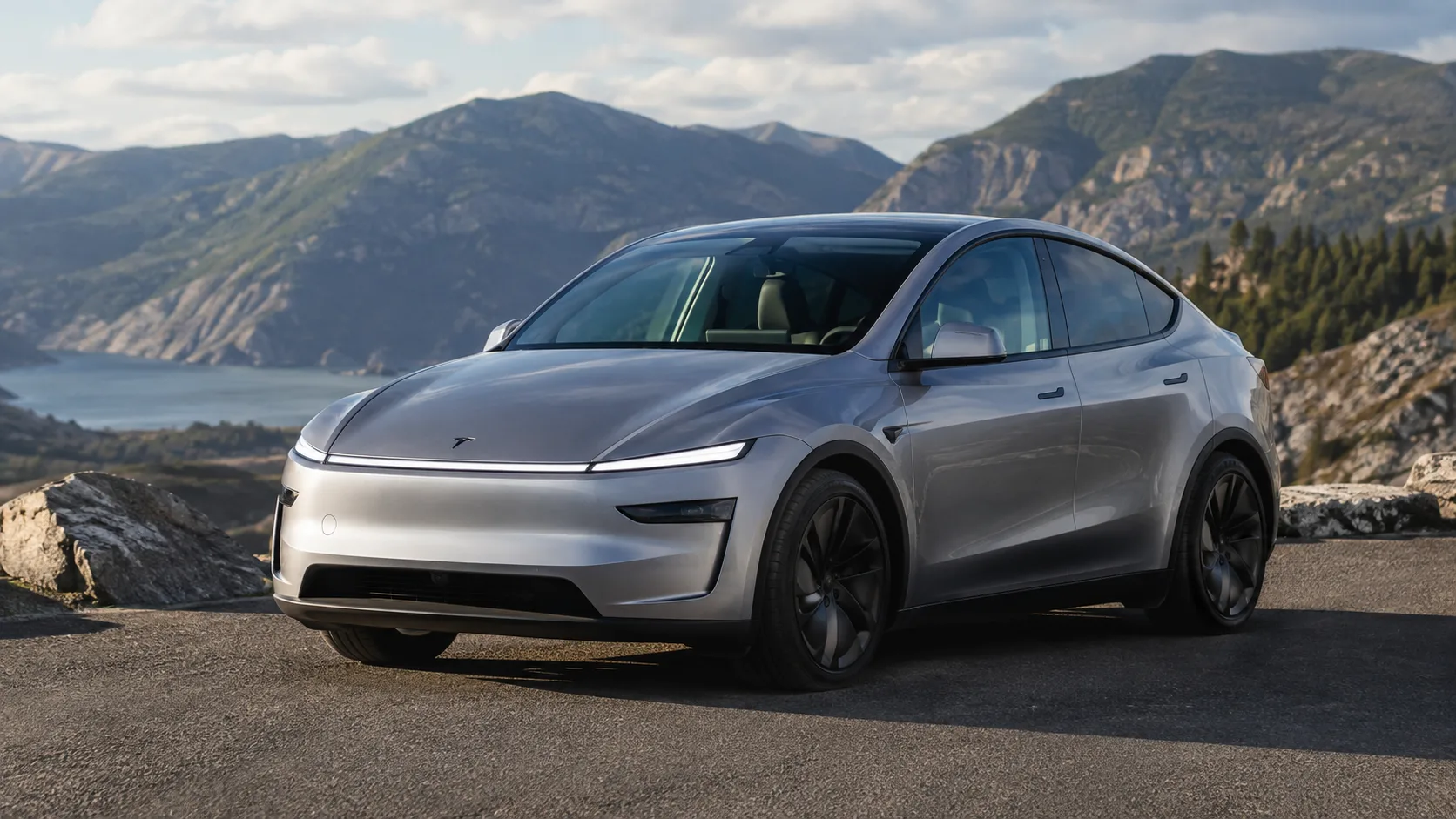
Some of its alternatives include the Tesla Model Y, Hyundai IONIQ 5, Kia EV6 and Volkswagen ID.4.
These are general market alternatives, not a direct comparison of identical model-year specifications.
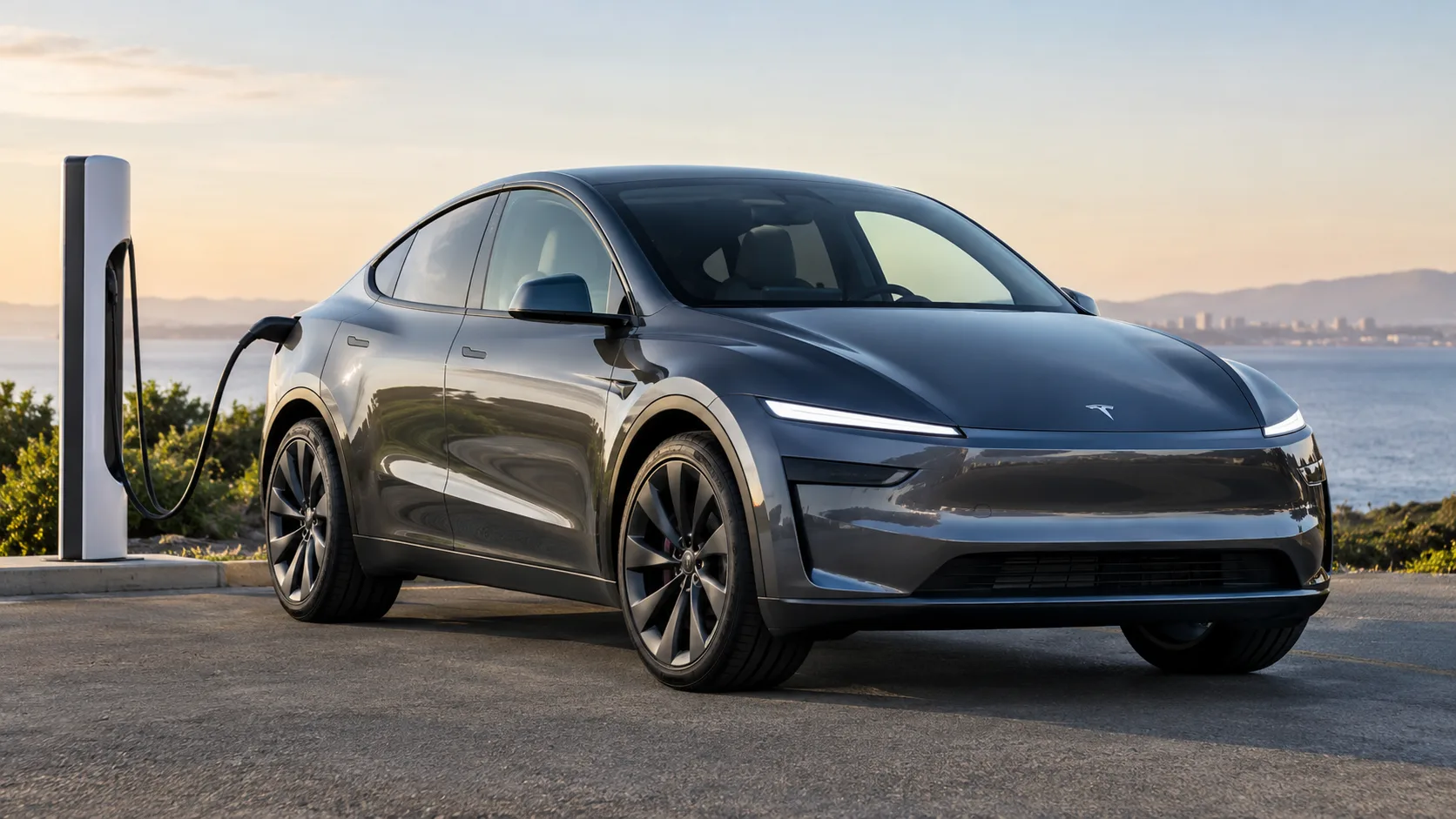
Nissan Ariya vs Tesla Model Y
The Tesla Model Y is a major competitor for buyers looking for an electric family SUV.
The Model Y places considerable emphasis on efficiency, technology and cargo practicality.
The Ariya takes a different approach, with a more conventional cabin layout, a focus on passenger comfort and a choice of battery and drivetrain configurations.
Buyers should compare the latest regional range ratings, charging access, prices and equipment before choosing between them.
Nissan Ariya vs Hyundai IONIQ 5
The Hyundai IONIQ 5 is particularly notable for its advanced 800-volt electrical architecture in applicable versions.
This allows compatible versions to support substantially faster DC charging than the Ariya under suitable conditions.
The Ariya, meanwhile, offers a comfortable cabin and a more conventional electric SUV experience.
For drivers who regularly undertake long journeys and prioritize charging speed, the IONIQ 5 deserves particular attention.
Nissan Ariya vs Kia EV6
The Kia EV6 is another important competitor, combining an electric crossover design with a focus on performance and charging technology.
Its 800-volt architecture gives it a charging advantage over the Ariya in compatible configurations.
The Ariya may appeal more to buyers who prioritize its cabin design, seating comfort and driving character.
The better choice depends on the buyer’s priorities rather than one specification alone.
Is the Nissan Ariya Available in India?
The Nissan Ariya should not be confused with Nissan’s petrol-powered SUVs or its e-POWER hybrid technology.
It is a fully electric vehicle that requires an appropriate charging infrastructure.
International specifications and availability should not be assumed to apply to India.
Nissan’s established UK and US product information does not establish an Indian retail launch, local price or India-specific variant lineup.
Consequently, an Indian purchase decision should be based on an official announcement from Nissan India and a confirmed local specification sheet.
At the time of writing, an India-specific retail price and launch date should not be treated as confirmed without an official Nissan India announcement.
For Indian buyers, local charging access, service support, warranty coverage and spare-parts availability would also be important considerations.
Is the Nissan Ariya Worth Considering?
The Nissan Ariya is worth considering for buyers who want a comfortable electric SUV with a choice of battery sizes and a practical family-oriented interior.
The 63 kWh version makes sense for regular local driving, particularly when home charging is available.
The 87 kWh front-wheel-drive version is the more attractive choice for drivers who frequently cover longer distances and want the maximum available range.
The e-4ORCE versions offer additional traction and stronger performance, although their higher energy consumption can reduce driving range.
Its main weaknesses are its relatively modest DC charging capability compared with newer electric vehicles and the limited luggage space compared with some alternatives.
Buyers should also pay attention to the specific model year because Nissan’s equipment, charging specifications and regional availability can change.
Final Thoughts
The Nissan Ariya combines two useful battery options, a comfortable five-seat cabin and a choice of front-wheel-drive or dual-motor all-wheel-drive configurations.
Its 87 kWh front-wheel-drive version offers up to 329 miles of official WLTP range in the UK, while independent testing shows that actual driving distances can vary substantially with speed and weather.
The charging system is practical for home charging and occasional long-distance travel, although its 130 kW maximum DC capability is not among the fastest in the current electric SUV segment.
Interior comfort is another strong point. Rear legroom, the flat floor and a relatively open cabin make the Ariya suitable for family use, although its luggage capacity could be better.
For buyers who value comfort, everyday usability and a premium-feeling cabin, the Ariya remains an interesting electric SUV. Those who prioritize maximum motorway range, rapid charging or cargo capacity should compare it carefully with newer alternatives.
Frequently Asked Questions
1. What battery options are available in the Nissan Ariya?
The Nissan Ariya is available with two main battery options: 63 kWh and 87 kWh usable capacity in markets offering both configurations.
The smaller battery is suitable for everyday driving, while the larger battery provides additional driving range.
2. What is the maximum range of the Nissan Ariya?
The 87 kWh front-wheel-drive Nissan Ariya has an official WLTP combined range of up to 329 miles in the UK.
In the United States, the 2025 Evolve+ FWD version has an EPA-estimated range of up to 289 miles.
Actual range depends on driving conditions, temperature and vehicle configuration.
3. What is the real-world range of the Nissan Ariya?
Real-world range varies by battery and driving conditions.
DrivingElectric reported approximately 235 miles for the 63 kWh version based on its observed efficiency.
Consumer Reports recorded 253 miles during a 70 mph highway range test of an 87 kWh Ariya.
These are independent test results rather than guaranteed driving distances.
4. How long does the Nissan Ariya take to charge?
Nissan’s US-market 2025 specifications estimate approximately 35 minutes for a 63 kWh model and 40 minutes for an 87 kWh model to charge from 20% to 80% using a 130 kW DC charger.
Home charging takes approximately 10.5 hours and 14 hours respectively using a suitable Level 2 charging connection.
Actual charging times depend on the charging equipment and battery conditions.
5. Does the Nissan Ariya support fast charging?
Yes. The Ariya supports DC rapid charging at up to 130 kW in several international configurations.
It uses a CCS charging connection in the UK and US versions.
6. Is the Nissan Ariya available with all-wheel drive?
Yes. Selected versions feature Nissan’s e-4ORCE dual-motor all-wheel-drive system.
It uses separate front and rear electric motors to manage power distribution and improve traction.
Availability depends on the market and model year.
7. How many passengers can the Nissan Ariya accommodate?
The Nissan Ariya is a five-seat electric SUV.
It has two front seats and a three-person rear bench.
The flat floor and generous rear legroom help make the cabin suitable for family journeys.
8. How much boot space does the Nissan Ariya offer?
Nissan lists approximately 466 litres of luggage capacity with the rear seats upright and up to 1,350 litres with the seats folded in applicable UK configurations.
US specifications use different cargo measurements and list 27.9 cubic feet behind the rear seats.
9. Is the Nissan Ariya suitable for long-distance journeys?
Yes. The 87 kWh battery provides a useful range for longer journeys, and DC rapid charging supports charging stops along the way.
However, its maximum 130 kW charging capability is relatively modest compared with some newer electric SUVs.
10. Is the Nissan Ariya coming to India?
An Indian retail launch, India-specific price and local variant lineup should only be considered confirmed when announced by Nissan India.
International specifications and availability do not automatically establish an Indian launch.
11. What is the difference between the Nissan Ariya 63 kWh and 87 kWh versions?
The main difference is battery capacity and driving range.
The 63 kWh version is aimed at buyers with regular local driving requirements, while the 87 kWh version offers greater range flexibility for longer journeys.
The exact motor output and charging equipment also depend on the market and trim.
12. Does the Nissan Ariya have a heat pump?
Heat pump availability depends on the market and model specification. Nissan and independent automotive publications list heat-pump equipment for certain Ariya versions.
Buyers should verify the exact equipment included in their chosen vehicle rather than assuming it is standard in every country.