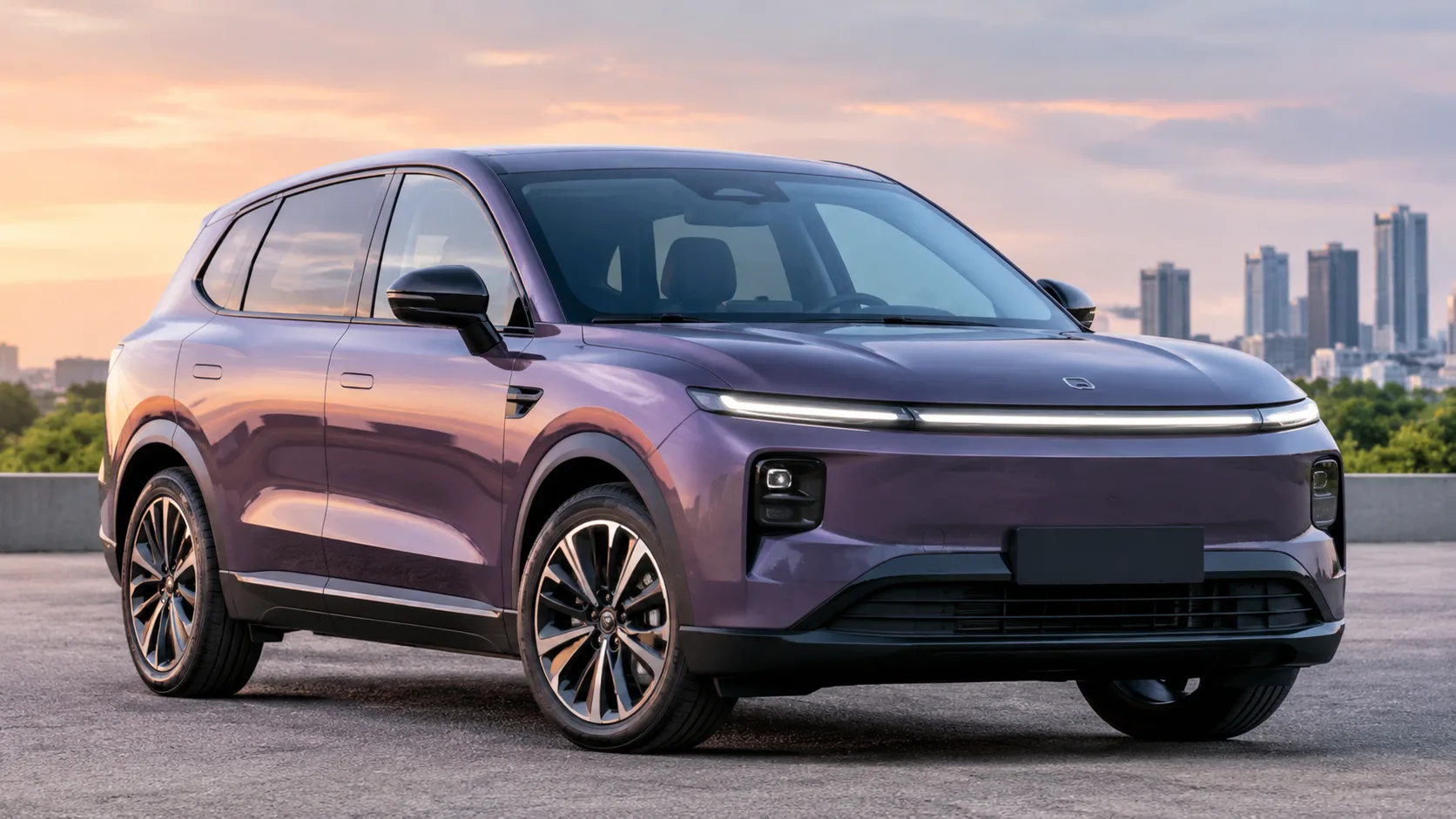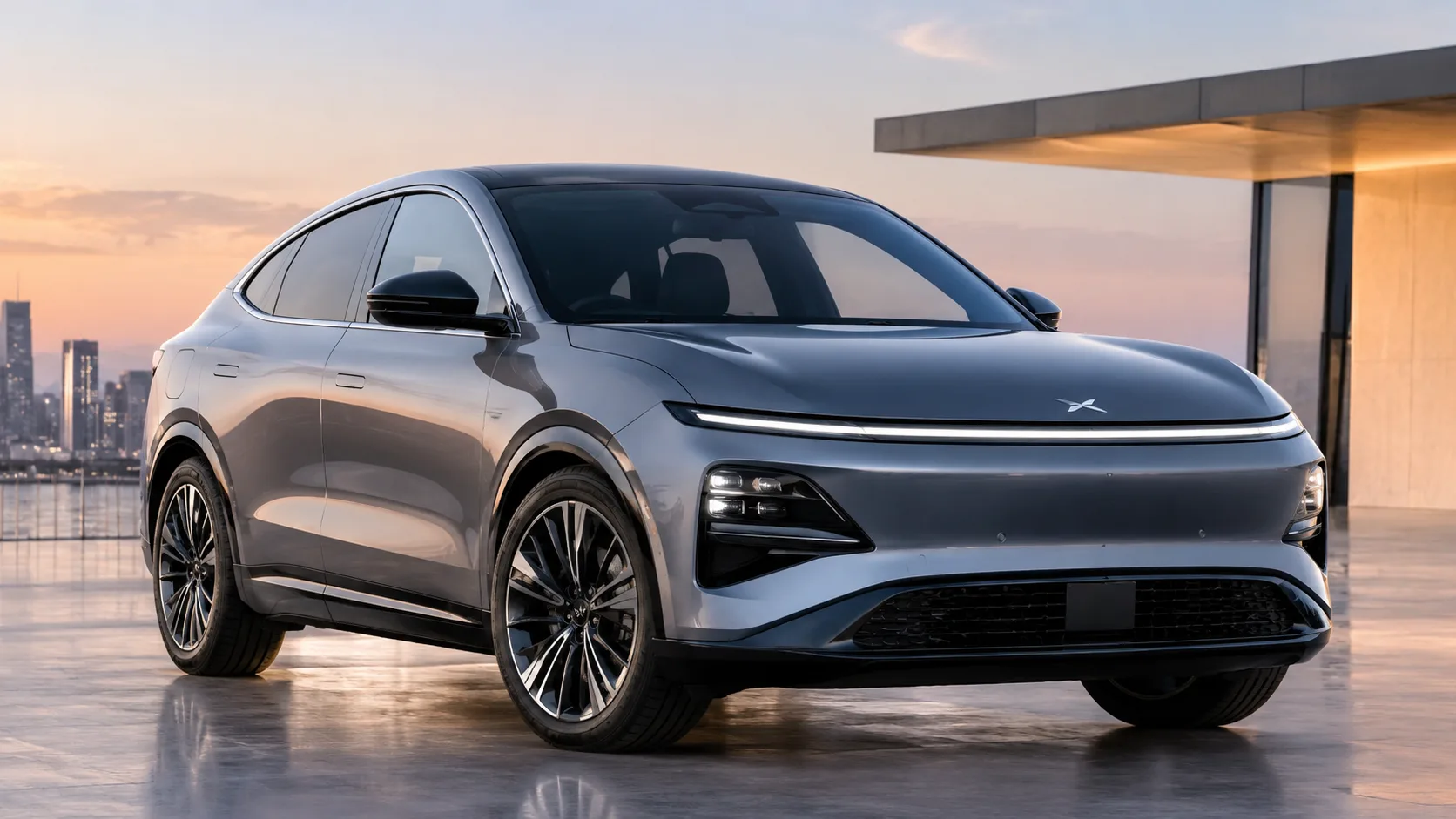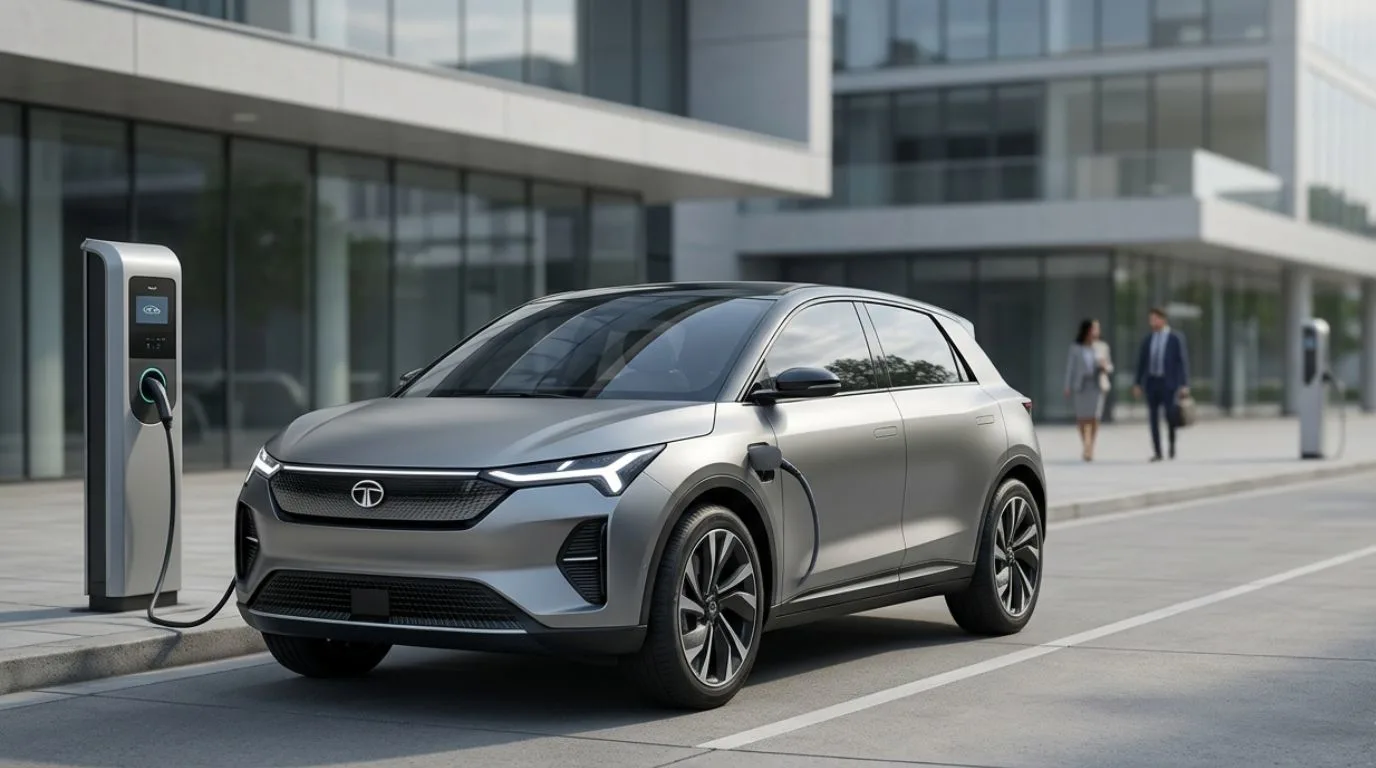
The Tata Avinya is a planned premium electric vehicle range from Tata Motors, intended to take the company into a more upmarket segment of the EV market. First introduced as a concept in 2022, the Avinya project has since evolved through additional concept showcases, including the Avinya X presented in January 2025.
For buyers in India, the key questions are how far the production model will travel on a charge, how quickly it will recharge, what technology will make it into the cabin, and when it will reach showrooms. As of October 28, 2026, those details should be treated carefully: Tata has shown its design direction and discussed its premium EV ambitions, but a final production specification sheet with confirmed range, battery capacity, charging speed and price is not available in the official material cited here.
The launch outlook has also changed. Earlier plans pointed toward a 2026 arrival, while more recent reporting in June 2026 indicated that the first production model, expected to be called the Avinya X, is targeted for 2027 following a change in platform strategy.
Tata Avinya EV: Quick Overview
- Market: India is the confirmed initial market discussed by Tata Motors.
- Positioning: A premium electric vehicle range above Tata’s existing mainstream EV offerings.
- Design direction: Previewed by the original Avinya concept and the Avinya X concept.
- Expected range: Not officially confirmed for the production vehicle.
- Battery and charging: Production specifications have not been officially confirmed.
- Launch outlook: Recent reporting points to a 2027 launch for the first production model, rather than the earlier 2026 target.
- Price: Not officially announced.
The Avinya should not yet be assessed like a production EV with a finalized specification sheet. Its concept designs provide clues about Tata’s intentions, but the final vehicle could differ in appearance, equipment and engineering.
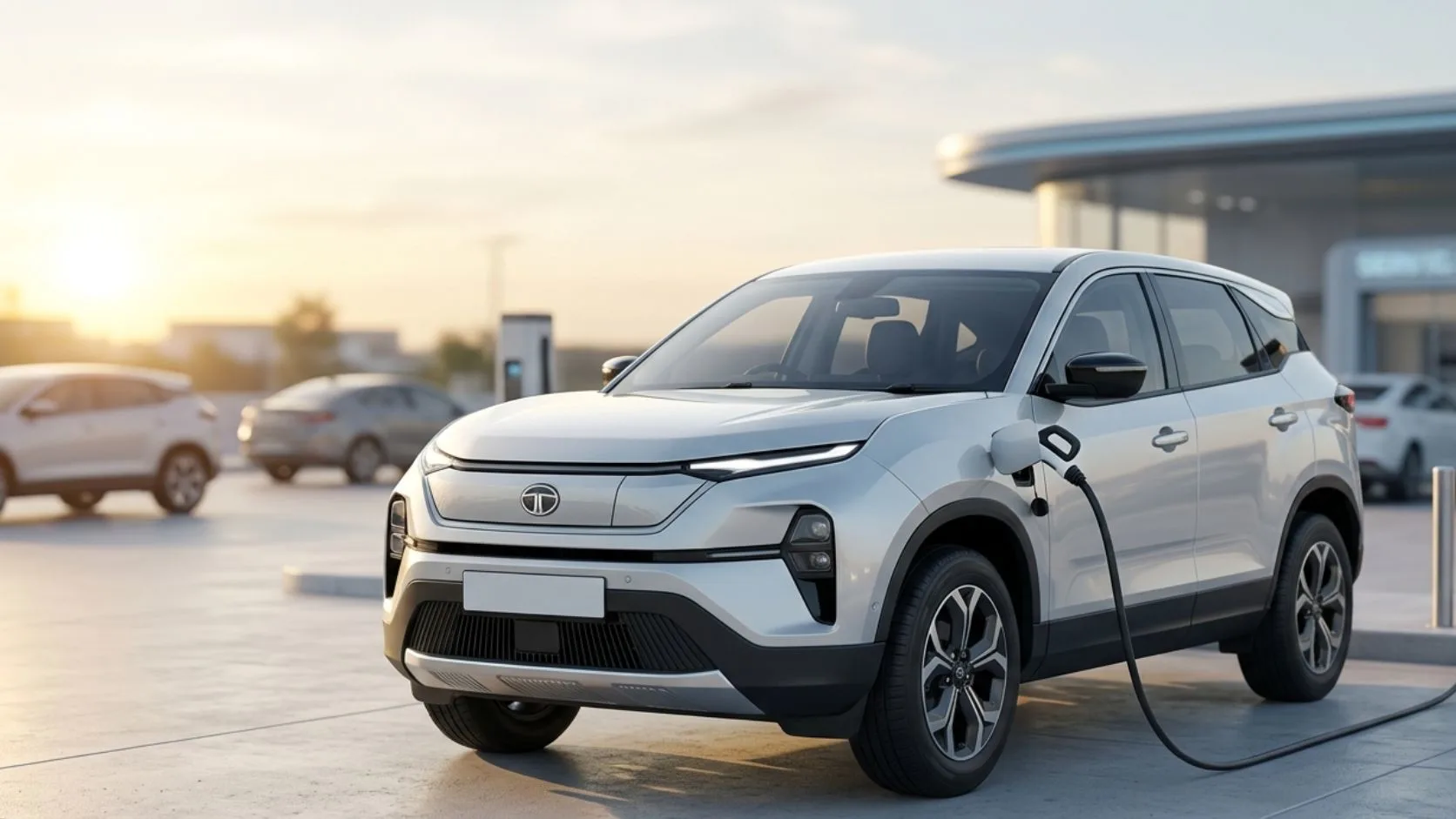

What Is the Tata Avinya EV?
Avinya is a premium EV program developed by Tata Passenger Electric Mobility, part of the Tata Motors passenger-vehicle business. The name comes from Sanskrit and is associated with innovation.
When Tata introduced the original Avinya concept in April 2022, it presented the project as a new approach to electric mobility, emphasizing cabin space, comfort, software-led features and a more premium experience. The concept was also associated with Tata’s planned third-generation electric-vehicle architecture.
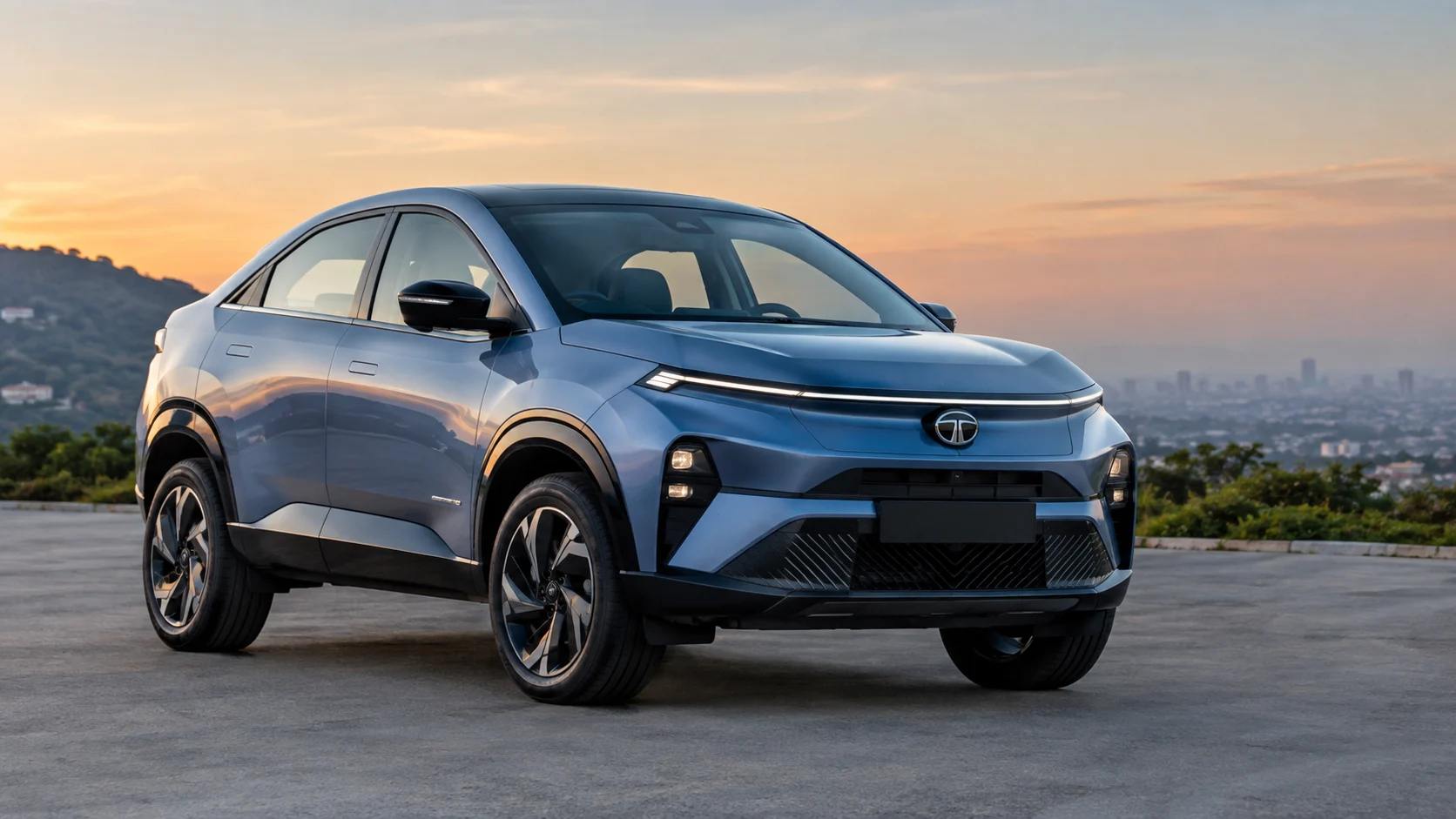
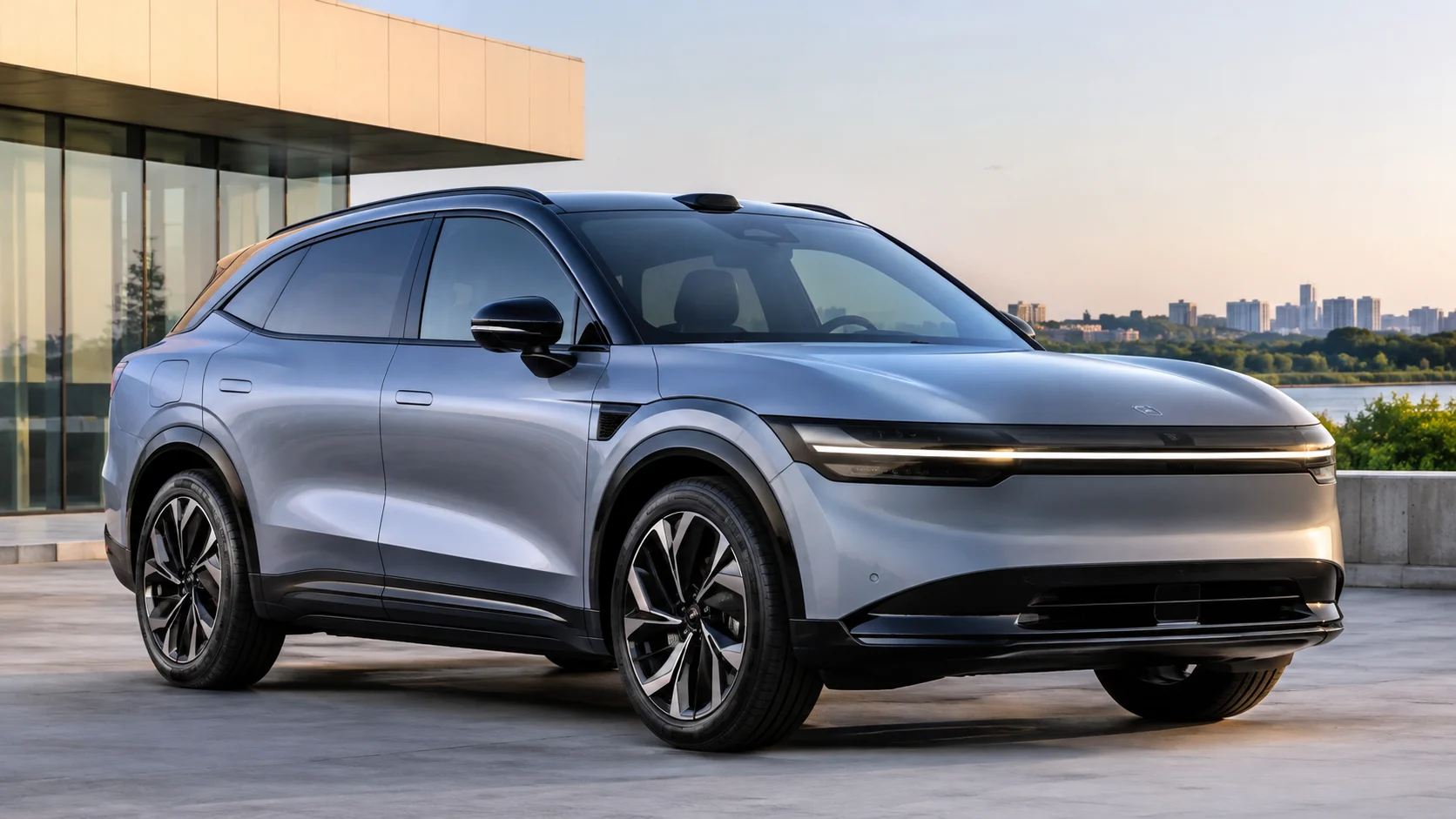
The Avinya X concept shown in January 2025 developed that vision in a more SUV-like direction. Its design emphasized a wide stance, sculpted bodywork, distinctive lighting and aerodynamic details.
However, a concept vehicle is not a final production model. Features shown on a display vehicle may be redesigned, simplified or removed before a car reaches customers. Buyers should therefore wait for production photographs, official specifications and variant details before making assumptions about the finished Avinya.

Tata Avinya EV Expected Range: What Do We Know?
Tata Motors has not officially confirmed the production Avinya’s driving range. There is no verified official figure in kilometers per charge that buyers can use to compare it directly with other electric SUVs.
A June 2026 report by Autocar Professional cited industry sources suggesting that early Avinya models could use battery packs in the 65–80 kWh range. This is reported information, not a finalized specification from Tata Motors, and it does not establish the vehicle’s driving range.
Battery capacity alone cannot determine how far an EV will travel. Range also depends on factors such as:
- The vehicle’s weight and aerodynamic efficiency
- Motor and powertrain efficiency
- Wheel and tire specifications
- Driving speed and traffic conditions
- Cabin heating or air-conditioning use
- Battery management and temperature
A larger battery can store more energy, but it does not guarantee a specific distance. Buyers should wait for Tata’s official range figure and the testing standard used to calculate it.
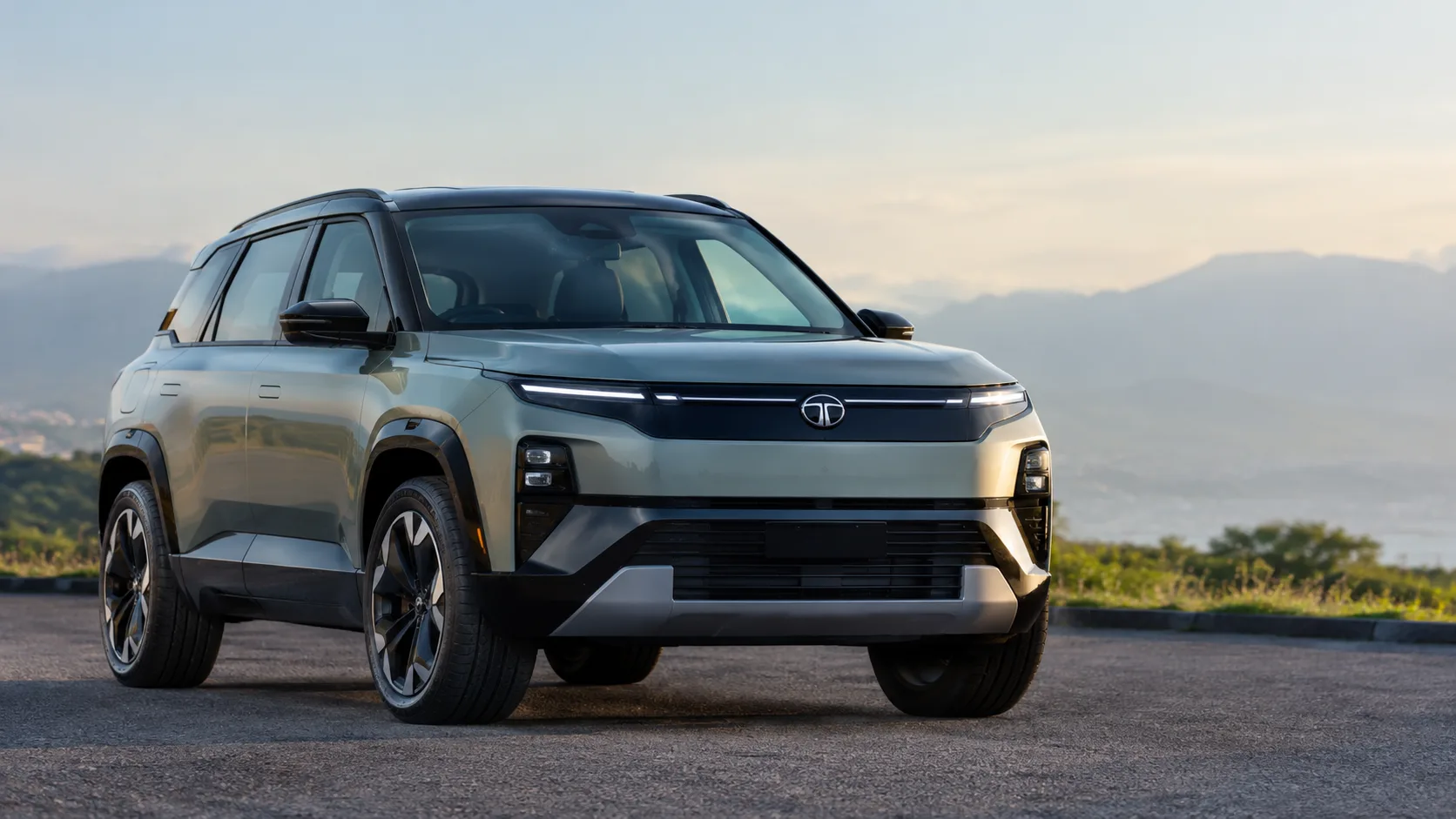
When the production model is announced, it will also be important to distinguish between a certified test-cycle figure and the range owners may achieve in everyday driving.
Tata Avinya EV Charging Technology
Charging is another major unanswered question. Tata’s concepts emphasize advanced electric technology, but the company has not yet published a complete production charging specification for the first Avinya model.
| Charging detail | Current status |
|---|---|
| Battery capacity | Not officially confirmed |
| Maximum DC fast-charging power | Not officially confirmed |
| 10–80% charging time | Not officially confirmed |
| AC home-charging capacity | Not officially confirmed |
| Charging connector and standard | Production specification not confirmed |
| Vehicle-to-load functionality | Not confirmed |
| Battery preconditioning | Not confirmed |
What Will Matter for Fast Charging?
DC fast charging allows an EV to receive power directly from a compatible high-power charging station. The actual charging time depends on the vehicle’s maximum charging rate, the charger’s available output, battery temperature and the charging curve.
The charging curve matters because an EV generally does not maintain its maximum charging speed throughout the entire session. Charging often slows as the battery approaches a high state of charge.
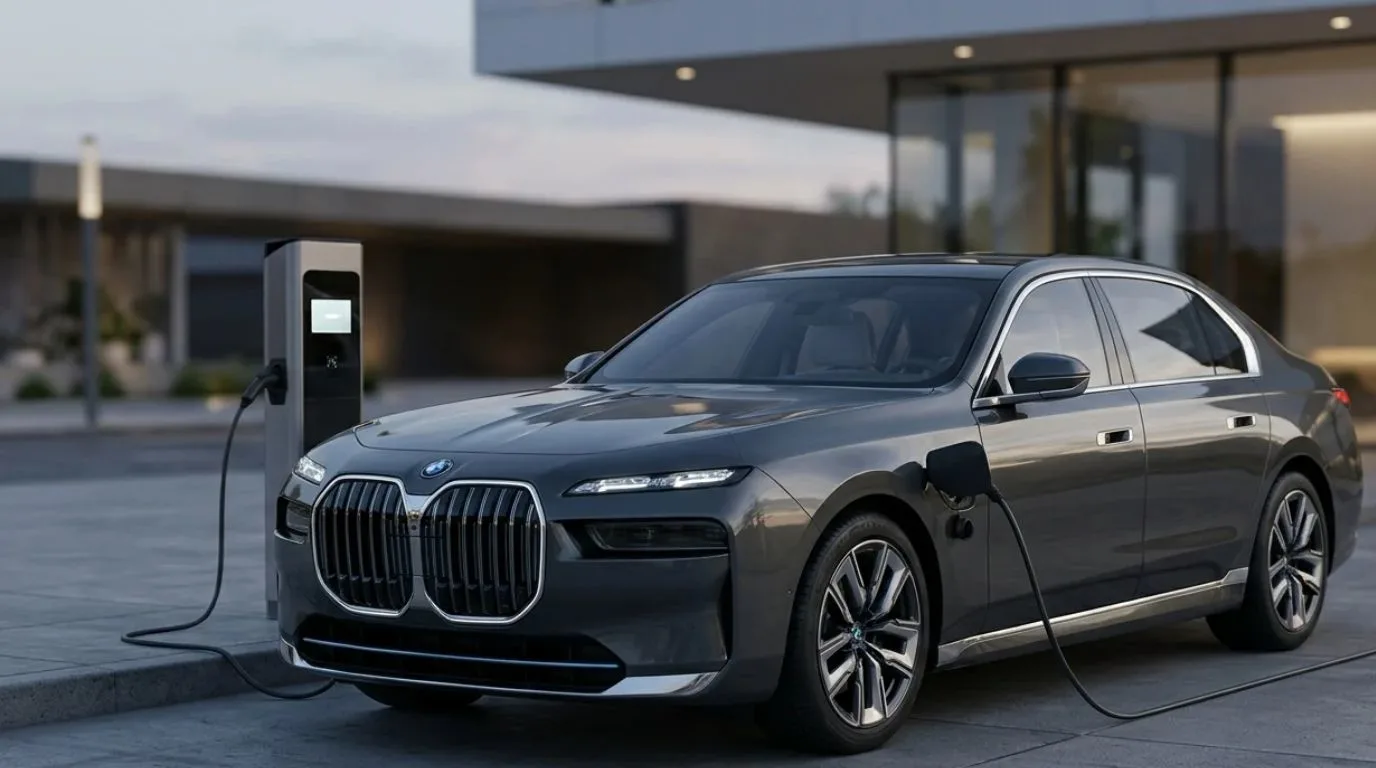
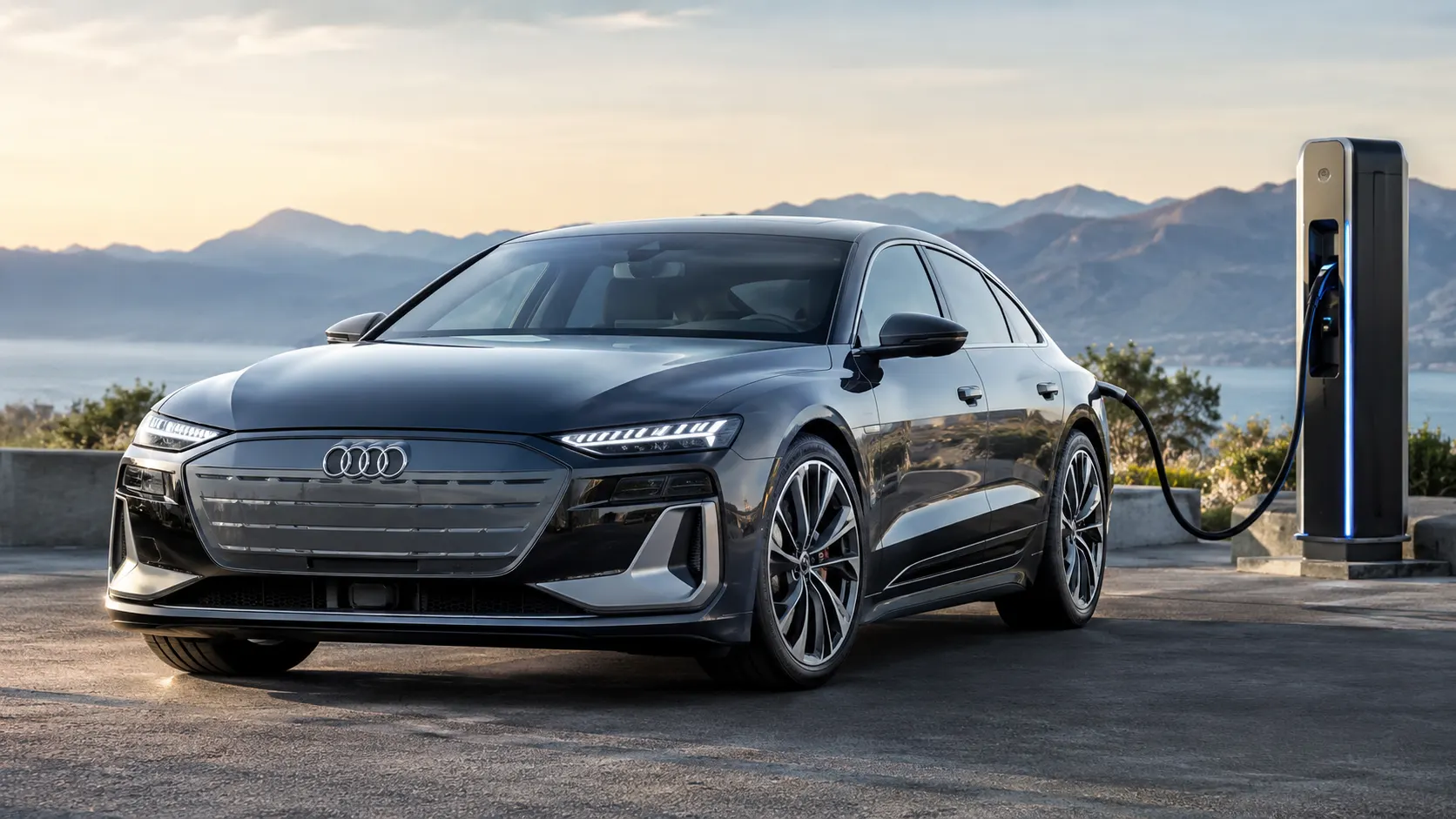
For buyers who regularly travel between cities, the Avinya’s eventual peak charging rate and 10–80% charging time could be just as important as its battery capacity.
What About Home Charging?
Home charging can be convenient for drivers with a suitable parking space and electrical installation. However, the Avinya’s official AC charging limits, compatible equipment and recommended installation requirements have not been announced in the sources cited here.
Before buying any premium EV, prospective owners should consider whether they can install a home charger and whether reliable public charging is available along their regular routes.
Tata Avinya EV Design: What the Concepts Reveal
Tata’s design direction for Avinya has become clearer through two major concept showcases: the original Avinya in 2022 and the Avinya X in January 2025.
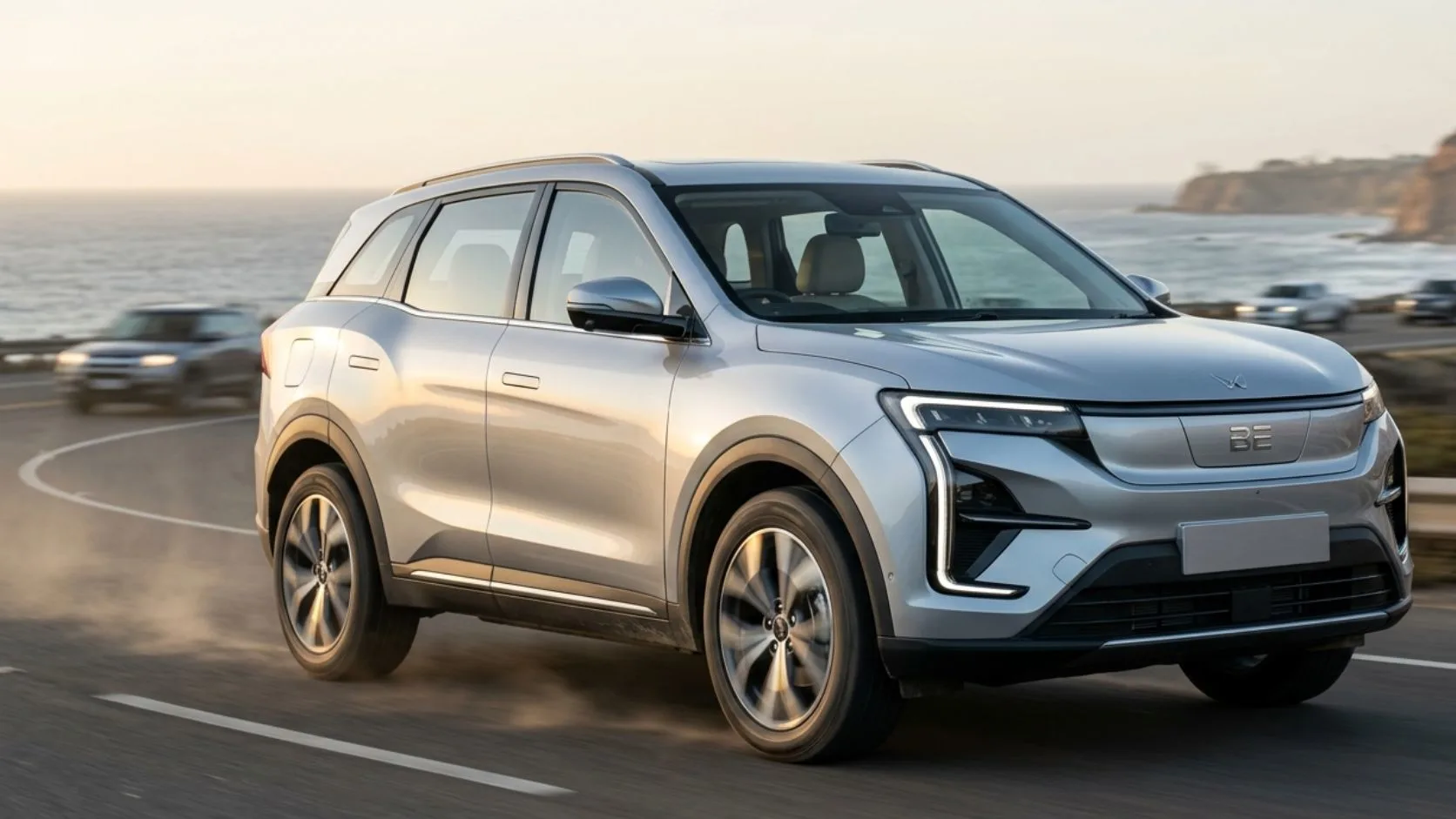

The original concept introduced a futuristic, spacious-looking electric vehicle with a minimalist design approach. The Avinya X took the idea toward a more SUV-oriented shape, with a broad stance and a more substantial body profile.
These concepts indicate the kind of premium experience Tata is aiming for, but the production model’s final body dimensions, lighting units, wheels and exterior equipment remain unconfirmed.
Exterior Design and Aerodynamics
The official Avinya X concept presentation highlighted several design elements, including:
- Matrix LED lighting: A lighting technology that can selectively control portions of a headlight beam, depending on the system’s design and capabilities.
- Aerodynamic wheels: Wheels designed to help manage airflow around the vehicle.
- Active aerodynamic elements: Components that can adjust their position to manage airflow, although the final production system has not been specified.
- A wide stance and long silhouette: Proportions intended to give the concept a premium SUV appearance.
These features were presented as part of the concept’s design direction. Their exact configuration and availability on the production vehicle will need confirmation.

Interior Design and Cabin Comfort
The Avinya X concept’s cabin was designed around a calm, lounge-like atmosphere rather than a conventional dashboard filled with prominent controls.
Tata’s concept presentation showcased ideas such as fabric-wrapped soundbars, concealed air vents, an aroma diffuser and lounge-style rear seating. It also emphasized sustainable materials and a restrained dashboard layout.
Those details suggest that comfort and cabin ambience are central to the project’s positioning. However, concept interiors often use design elements that require modification before mass production.
The final model’s seating layout, screen sizes, upholstery, physical controls, storage spaces and rear-seat adjustment functions have not been confirmed in a production specification sheet.
For buyers, the practical questions will be whether the cabin offers comfortable seating on longer journeys, intuitive controls, sufficient storage and a usable balance between digital displays and physical functions.
Platform Strategy: An Important Change to the Avinya Plan
One of the most significant developments in the Avinya program is the reported change in its underlying vehicle platform.
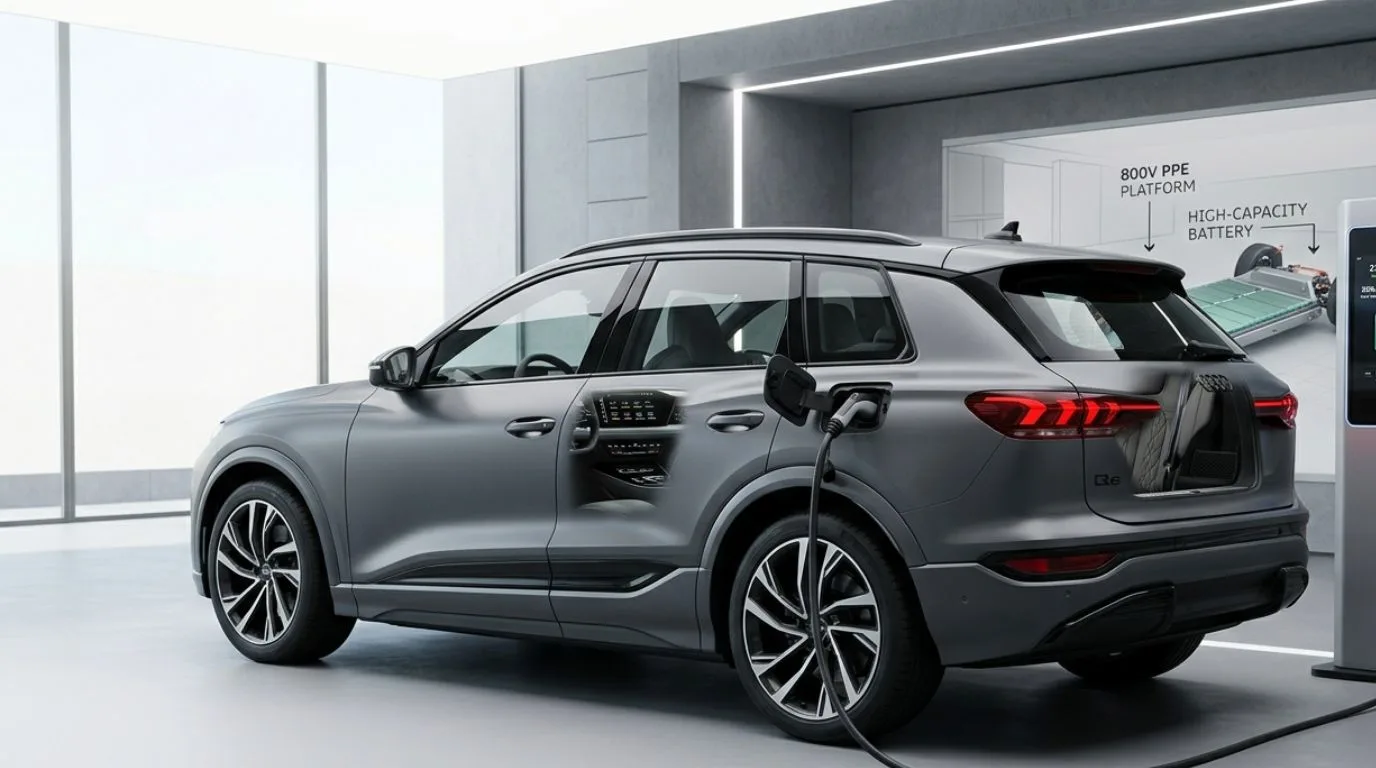
The project was initially associated with Tata’s planned Gen 3 electric architecture and was later linked to Jaguar Land Rover’s Electrified Modular Architecture, or EMA. In June 2026, Autocar India and Autocar Professional reported that Tata had changed direction and that the first production Avinya would use the Freelander platform developed within the Chery-JLR ecosystem.
A Tata Motors spokesperson confirmed to Autocar Professional that the first Avinya vehicle planned for India in 2027 would use the CJLR-produced Freelander platform and be manufactured at the TMPV-JLR facility in Panapakkam, Tamil Nadu.
This is a meaningful change because the platform underpins key parts of a vehicle’s engineering, including its basic packaging and electrical architecture. The switch also means that details associated with the original concept should not automatically be assumed to apply to the production vehicle.
The company has described Avinya as a premium EV portfolio that can use multiple scalable platforms and architectures, while Tata’s own engineering and integration capabilities remain central to the program.
The production model’s final battery, motor, software, charging and driver-assistance specifications still need to be announced.
Technology and Features: What Could Buyers Expect?
Tata’s Avinya concepts point toward a technology-led premium experience, but the company has not yet confirmed a complete list of production features.
The final equipment list will matter more than concept-car demonstrations. Buyers should look for clear details on the following areas when Tata publishes the production specification.
Infotainment and Connected Features
The concepts emphasize a clean cabin and technology that does not overwhelm the driver. Production details such as screen layout, smartphone integration, navigation, connected services and software-update support remain unconfirmed.
A well-designed system should make common functions easy to use while limiting distractions during driving.
Driver Assistance and Safety
Advanced driver-assistance systems can help with tasks such as maintaining a safe following distance, warning about lane departures or applying emergency braking in specific situations. Their capabilities vary by vehicle and system.

Tata has not published a final, verified list of Avinya production ADAS features in the sources used for this article. Features shown or discussed at the concept stage should not be treated as confirmed equipment.
The production model’s crash-test rating, airbag count, active safety systems and standard-versus-optional equipment should also be checked after official specifications and independent assessments become available.
Sustainable Materials
Sustainability has been a recurring theme in Tata’s Avinya concept presentations. The Avinya X concept highlighted eco-conscious material choices and a premium cabin atmosphere.
The exact materials that will be used in the production model, their availability across variants and any associated environmental claims have not been confirmed. Buyers should look for specific material disclosures rather than relying only on broad sustainability language.
Tata Avinya EV Launch Date in India
The launch timeline has changed over the course of the project.
The original Avinya concept was shown in 2022, and subsequent reporting discussed different target dates as development progressed. By June 2026, Autocar India and Autocar Professional were reporting a 2027 target for the first production model, expected to be the Avinya X.
This is the most relevant recent timeline in the sources used here, but a target year is not the same as a confirmed showroom date. Tata has not announced a specific public launch day or confirmed first customer deliveries in the cited material.
The first production vehicle’s identity has also evolved. Earlier reporting discussed a P1 program as the initial Avinya, while the June 2026 reports said the focus had shifted toward the Avinya X, associated with the P2 program.

For prospective buyers, the next meaningful milestones will be the production-model reveal, confirmation of the final platform and specifications, pricing announcements, booking details and delivery schedules.
Tata Avinya EV Expected Price in India
Tata Motors has not officially announced the production Avinya’s starting price.
Autocar Professional reported in June 2026 that early Avinya models were expected to be positioned in the ₹30 lakh–₹40 lakh range. This is an industry-reported estimate, not an official ex-showroom price, and the final price could differ depending on the model, battery, equipment and market conditions.
The price range should therefore be treated as an early indication of intended positioning rather than a confirmed amount.
Before comparing the Avinya with other EVs, buyers should wait for the official variant list and determine whether published prices are ex-showroom or on-road. Registration, insurance, taxes and other costs can affect the final amount paid.
Who Could the Tata Avinya EV Compete With?
The Avinya’s final competitors will depend on its production body style, price, battery configuration, range and equipment.
If the first model reaches the market as a premium electric SUV, it could be cross-shopped against other higher-priced electric SUVs available in India at the time. However, naming a definitive set of rivals now would be premature because Tata has not published the full production specifications or confirmed the final price.
Three factors will be especially important in judging its position:
- Range and charging: Buyers will need verified range figures and practical charging performance, not just a battery-capacity estimate.
- Cabin quality and equipment: The production interior will need to deliver on the premium experience suggested by the concepts.
- Price and ownership support: Warranty terms, service coverage, charging access and the final on-road cost will influence its value proposition.
The Avinya’s success will depend on how well the production vehicle delivers on those areas, rather than on concept design alone.
What Buyers Should Know Before Waiting for the Avinya
The Avinya is worth watching if you are considering a premium electric vehicle in India, but it is too early to make a purchase decision based on unconfirmed specifications.
Keep these points in mind:
- Do not assume a particular driving range from the reported battery-capacity estimate.
- Wait for the official DC fast-charging rate and charging-time figures.
- Treat the reported ₹30 lakh–₹40 lakh price range as an estimate, not a confirmed price.
- Check whether the production design retains the concept’s most distinctive features.
- Look for official warranty details, service arrangements and battery coverage.
- Compare the production model with vehicles that are actually available when the Avinya launches.
For buyers who need a vehicle soon, an upcoming model with unknown specifications may not be a practical substitute for a currently available EV. Those willing to wait should monitor official announcements rather than relying on unverified social media claims or speculative specification lists.

Final Thoughts
The Tata Avinya represents a significant step in Tata Motors’ plan to build a more premium electric-vehicle portfolio. Its concepts suggest a focus on distinctive design, a calming cabin and technology-led mobility. The reported move to a Freelander-derived platform also marks an important change in the program’s development strategy.
But the key buying details remain unresolved. Tata has not officially confirmed the production vehicle’s range, battery capacity, charging speed, final features or price. Recent reporting points to a 2027 launch for the first production model, the Avinya X, but a firm launch date and customer-delivery schedule are still needed.
Until those details are released, the most useful approach is to separate the concept’s ambitions from the production car’s verified specifications. That will give buyers a more reliable basis for judging whether the Avinya deserves a place on their shortlist.
Frequently Asked Questions
What is the expected range of the Tata Avinya EV?
Tata Motors has not officially confirmed the production Avinya’s driving range. A June 2026 report suggested a possible 65–80 kWh battery pack for early models, but that estimate does not establish an official range in kilometers.

When will the Tata Avinya launch in India?
Recent reporting from June 2026 points to a 2027 launch for the first production model, expected to be called the Avinya X. Tata has not confirmed a specific launch date or first-delivery schedule in the sources cited here.
What is the expected price of the Tata Avinya?
The price has not been officially announced. Autocar Professional reported an expected range of ₹30 lakh–₹40 lakh in June 2026, but this remains an estimate rather than a confirmed ex-showroom price.
How fast will the Tata Avinya charge?
The production model’s maximum DC charging power, AC charging capacity and charging times have not been officially confirmed. Buyers should wait for Tata’s final charging specifications.
Will the Tata Avinya be an SUV?
The Avinya X concept presented in January 2025 has an SUV-oriented design. Recent reports identify the Avinya X as the first production model targeted for 2027, but its final dimensions, body configuration and production design require confirmation.
Which platform will the first production Tata Avinya use?
June 2026 reporting, including a statement from Tata Motors, says the first Avinya planned for India in 2027 will use the Freelander platform produced within the Chery-JLR ecosystem. This differs from the architecture strategy previously associated with the project.
Will the Tata Avinya launch outside India?
Tata has described Avinya as a global premium EV brand, but specific launch markets and availability dates beyond India have not been confirmed in the sources cited here.