The Toyota Corolla Cross Hybrid combines the fuel-saving benefits of Toyota’s hybrid technology with the higher seating position and flexible cabin layout of a compact SUV. It is designed for buyers who want better fuel efficiency than a conventional petrol SUV without moving to a plug-in hybrid or fully electric vehicle.
However, the Corolla Cross Hybrid is not identical in every country. Engine output, fuel economy, boot capacity, equipment and available grades vary by market. The U.S., Australian and European versions use different specifications, so figures should not be treated as interchangeable.
For buyers, four areas deserve particular attention: official fuel economy, luggage capacity, rear-seat practicality and the technology included in the chosen trim.
Toyota Corolla Cross Hybrid: Quick Overview
The Corolla Cross Hybrid is a five-seat compact SUV that uses a petrol engine and electric motor assistance. Its hybrid system can recover energy during braking and use electric power at low speeds or when driving conditions allow.

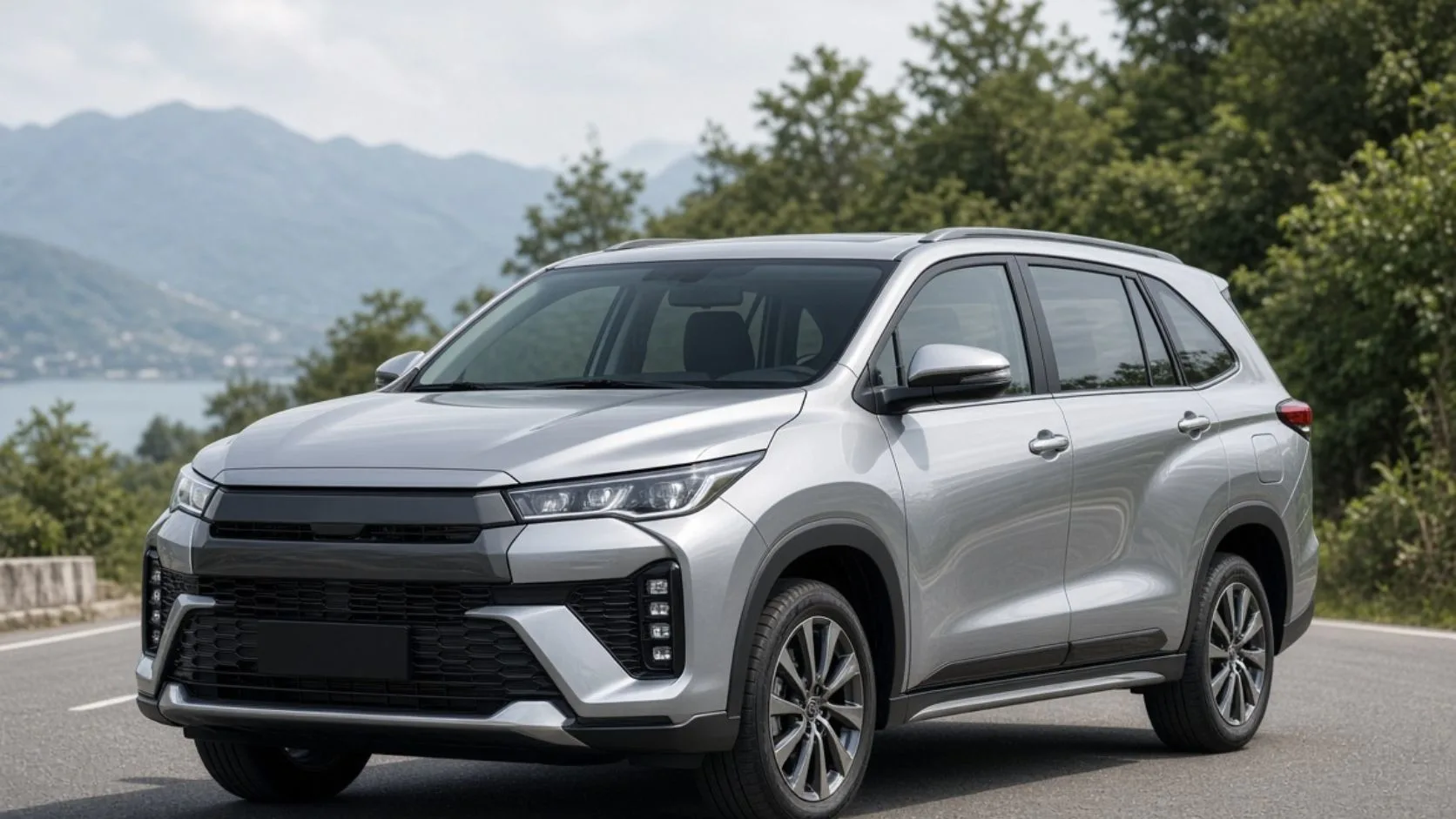
Here is a snapshot of specifications from selected markets:
| Specification | U.S. 2026 model | Australia | Ireland |
|---|---|---|---|
| Hybrid system | 2.0-litre petrol-electric | 2.0-litre petrol-electric | 1.8-litre or 2.0-litre hybrid, depending on grade |
| Combined output | 196 hp | 146 kW | 103 kW or 132 kW |
| Drive layout | AWD | 2WD or AWD, depending on grade | Market and grade dependent |
| Transmission | e-CVT | Auto CVT | e-CVT |
| Official fuel economy | 42 mpg combined | From 4.2 L/100 km | 4.9–5.2 L/100 km, depending on version |
| Seating | Five | Five | Five |
| Boot/cargo capacity | 21.5 cu. ft. | 414 litres | 425–473 litres, depending on version |
These are market-specific figures from different model specifications and testing systems. They are not direct comparisons. Equipment and specifications can also change by model year.
1. Toyota Corolla Cross Hybrid Mileage and Fuel Economy
Fuel efficiency is one of the main reasons to consider the Corolla Cross Hybrid. Unlike a conventional petrol SUV, it can use electric motor assistance to reduce the amount of work required from the engine, particularly in slower traffic and during acceleration.
The petrol engine and electric motor work together automatically. Drivers do not need to plug the vehicle into a charging point or manually switch between power sources.
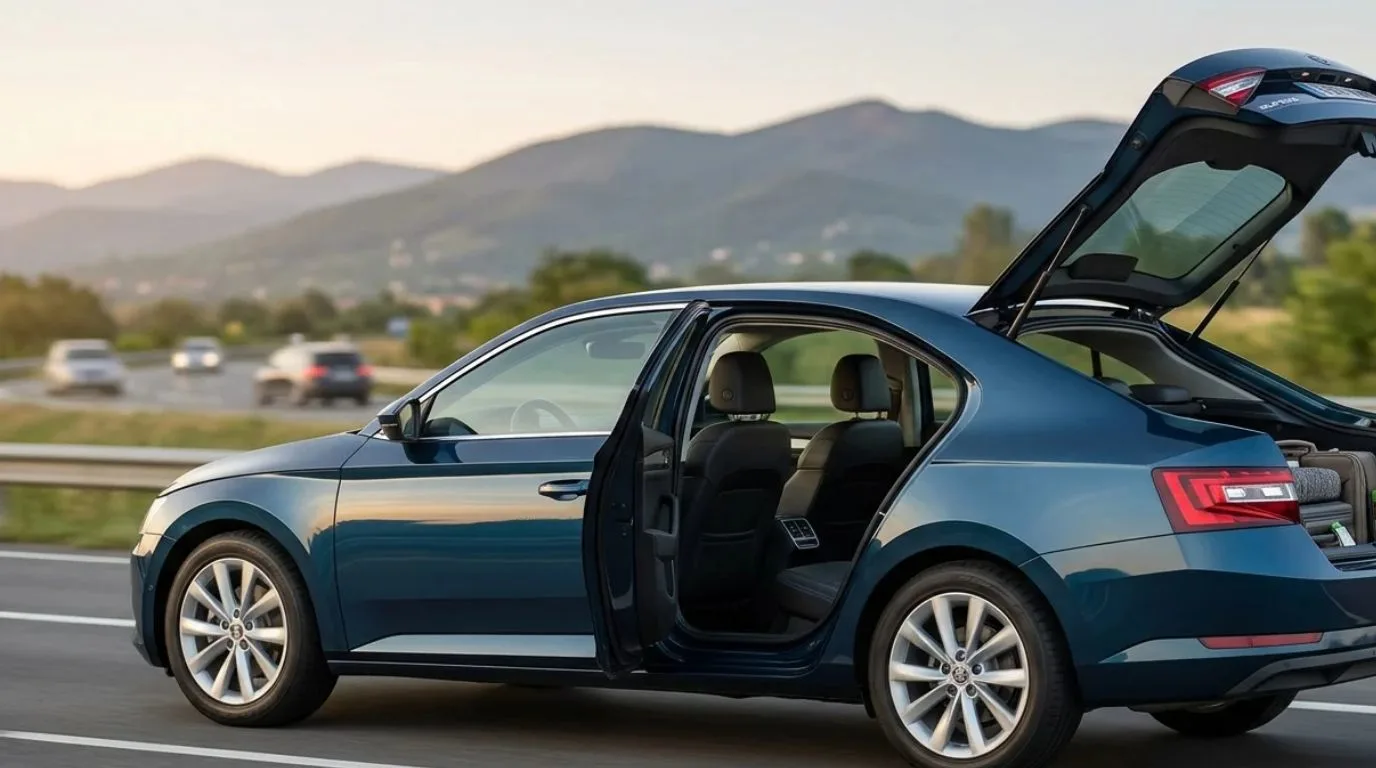

U.S. fuel economy
For the 2026 U.S.-market Corolla Cross Hybrid, Toyota lists an EPA-estimated rating of:
- 46 mpg in city driving
- 39 mpg on the highway
- 42 mpg combined
These figures apply to the Hybrid S, Hybrid SE and Hybrid XSE configurations listed by Toyota. The combined figure is an official estimate, not a guarantee of the mileage every owner will achieve.
Australian fuel consumption
Toyota Australia lists combined laboratory fuel consumption of 4.2 L/100 km for the Corolla Cross GX Hybrid 2WD. Higher grades and all-wheel-drive versions can have different figures.
The Australian figure uses the local testing and reporting system, so it should not be directly compared with the U.S. EPA rating.
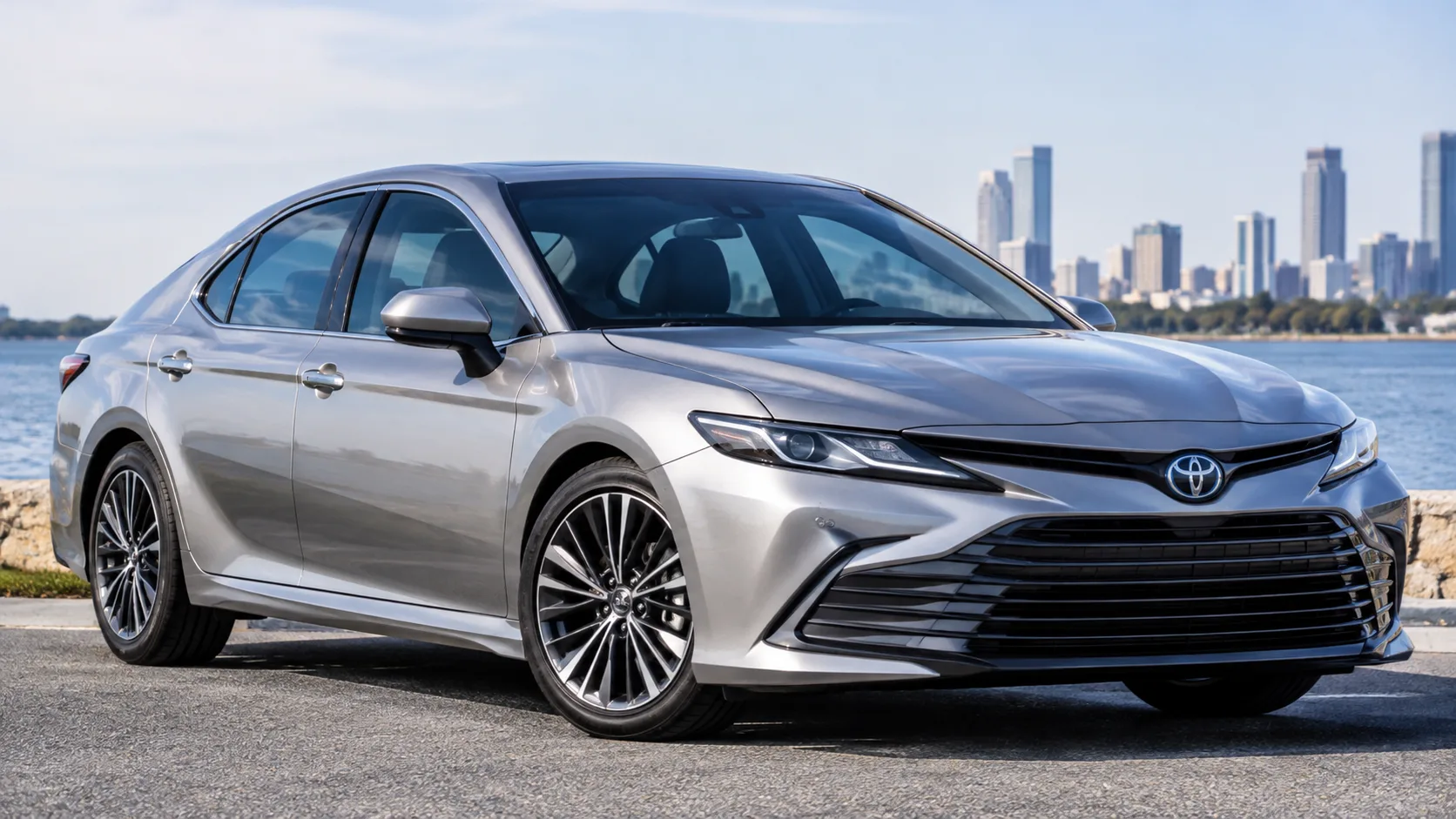
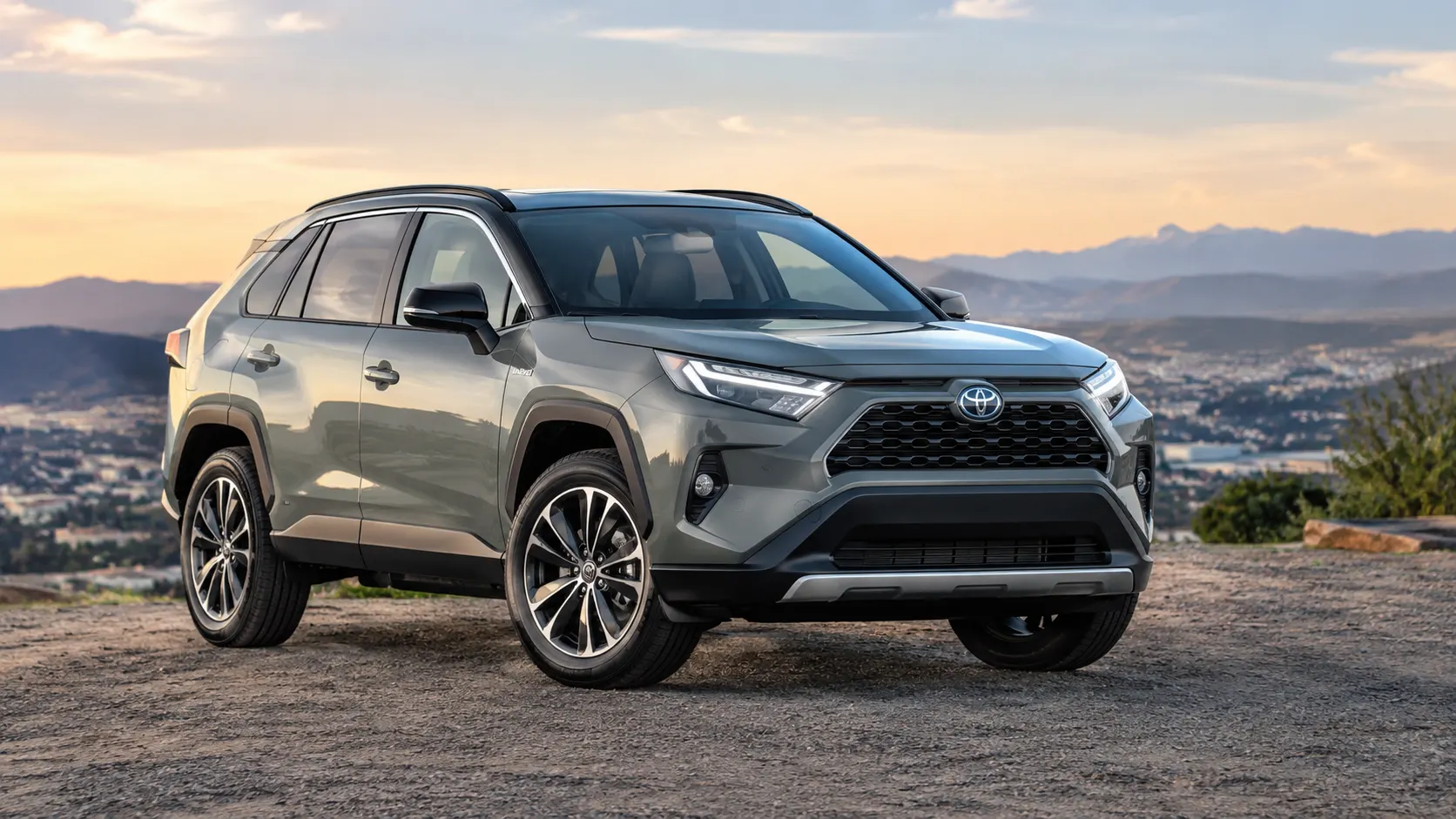
European fuel economy
Toyota Ireland lists combined fuel consumption of approximately 4.9–5.0 L/100 km for the Hybrid 140 and 5.2 L/100 km for the Hybrid 200 GR SPORT. These are figures for the versions shown on its model page and may be subject to homologation and specification updates.
What affects real-world mileage?
The official figure is useful for comparing vehicles, but everyday fuel consumption depends on several factors:
- Traffic conditions and average speed
- Driving style and acceleration
- Road gradients and terrain
- Outside temperature
- Tyre pressure and vehicle load
- Air-conditioning use
- Wheel and tyre specification
Hybrid systems can be particularly useful in stop-and-go traffic because they can recover energy during deceleration and use electric assistance at lower speeds. On a long highway journey, the petrol engine generally plays a larger role.
For that reason, buyers should treat official fuel economy as a comparison benchmark rather than a promise of real-world results.
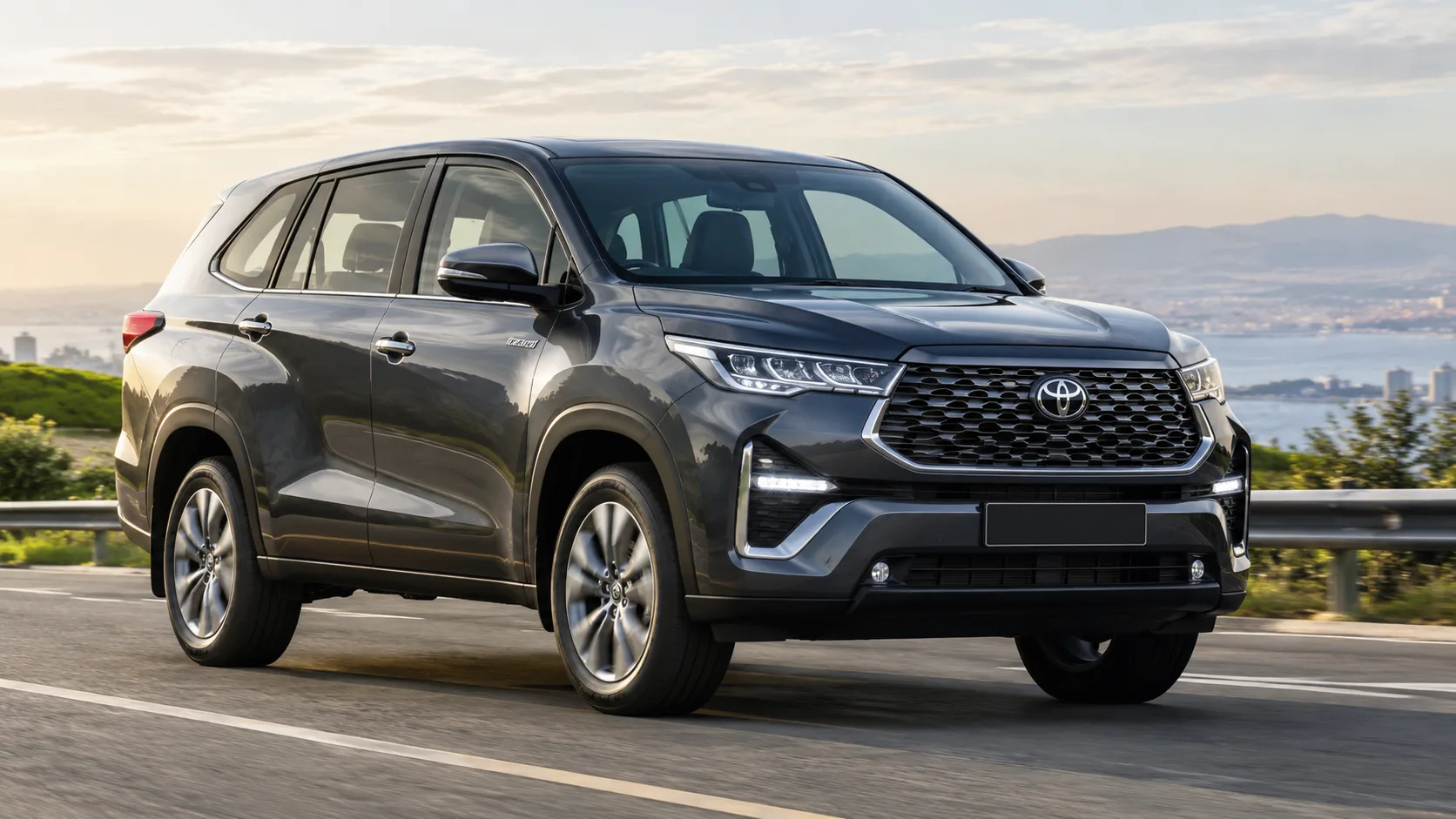
2. Toyota Corolla Cross Hybrid Boot Space and Cargo Capacity
Boot space is an important consideration for a family SUV. The Corolla Cross Hybrid offers a practical rear luggage area, but the published capacity differs between markets and versions.
### U.S. cargo capacity
Toyota’s 2026 U.S. product information lists 21.5 cubic feet of cargo volume behind the second row for the Corolla Cross Hybrid. That is the space available with the rear seats in their normal upright position.
The rear seats can be folded to make room for longer or bulkier items. Toyota’s Canadian product information lists 61.8 cubic feet behind the front row with the second row folded, although that figure belongs to the Canadian specification and should not automatically be applied to every market.

Australian boot space
Toyota Australia lists 414 litres of cargo space for the Corolla Cross in its model comparison information. The exact figure and configuration should be checked against the relevant grade and model-year specification before purchase.
European boot space
Toyota Ireland lists different boot capacities for its hybrid versions:
- Hybrid 140: 473 litres
- Hybrid 200 GR SPORT: 425 litres
The difference demonstrates why a single global boot-space figure would be misleading.
Is the boot practical for family use?
The luggage area should be suitable for routine shopping, school bags, backpacks and everyday family items. It can also accommodate luggage for shorter trips, although the amount of space available will depend on the number and size of bags.

For a family that regularly carries a stroller, large suitcases or sports equipment, it is worth checking the boot in person. A published litre or cubic-foot figure does not show the shape of the loading area, the height of the boot floor or how easily bulky objects fit through the opening.
The 60:40 split-folding rear seat offered in the Australian range also gives owners more flexibility when carrying a mixture of passengers and cargo.
3. Hybrid Engine and Driving System
The Corolla Cross Hybrid uses a petrol engine, electric motor and battery as part of one integrated powertrain. The system manages the combination automatically, so the driver does not need to select when the engine or electric motor operates.
The battery is recharged through the vehicle’s hybrid system, including energy recovered during braking. This is different from a plug-in hybrid: the conventional Corolla Cross Hybrid does not require an external charging connection.

U.S. hybrid powertrain
The 2026 U.S. model uses a 2.0-litre four-cylinder petrol engine paired with electric motors. Toyota quotes 196 combined net horsepower for the hybrid system.
The U.S. hybrid range uses electronic on-demand all-wheel drive. This system can send power to the rear wheels when additional traction is needed.
Australian hybrid powertrain
Toyota Australia lists a maximum hybrid system output of 146 kW for its Corolla Cross Hybrid range. Depending on grade, buyers can choose between front-wheel drive and all-wheel drive.
European hybrid options
Toyota Ireland lists two hybrid power outputs:

- Hybrid 140: 103 kW maximum hybrid system output.
- Hybrid 200: 132 kW maximum hybrid system output.
The Hybrid 200 is listed for the GR SPORT grade on the Irish model page. These European specifications should not be confused with the U.S. 196-hp system or the Australian 146-kW version.
What does e-CVT mean?
The Corolla Cross Hybrid uses an electronically controlled continuously variable transmission, commonly called an e-CVT. It is designed to manage engine and electric-motor power smoothly rather than relying on conventional fixed gear changes.
Drivers may notice that engine speed does not always rise and fall like it does in a traditional automatic transmission. This is normal behavior for this type of hybrid system.
4. Interior Space and Passenger Comfort
The Corolla Cross is designed around a five-seat layout. Its compact SUV proportions provide a higher seating position than a typical hatchback, while the cabin is intended to accommodate everyday passenger and luggage needs.
The front seats provide the main driving and passenger space, with controls and storage areas arranged for routine use. Rear passengers get a separate seating area with a folding rear bench, although available comfort equipment varies by market and trim.
Toyota Australia’s range information lists a 60:40 split-folding rear seat. This arrangement allows one section of the back seat to be folded while the other remains available for a passenger.
For families, that flexibility can be useful when carrying a longer item alongside a child or another rear passenger.
Is the Corolla Cross Hybrid spacious enough for a family?
It can suit small families and buyers who usually travel with one or two passengers. The five-seat layout and flexible rear seating make it more versatile than a small two-row city car.

However, buyers who regularly carry three adults in the rear should check shoulder room and seating comfort before choosing it. The Corolla Cross is a compact SUV, not a large family vehicle with a third row.
5. Features and Technology
Equipment differs by country and trim, but the Corolla Cross Hybrid offers a range of infotainment, connectivity and convenience features.
Infotainment and smartphone connectivity
Toyota Australia’s current range information lists wireless Apple CarPlay and wireless Android Auto compatibility. The entry-level GX uses an 8-inch multimedia display, while the GXL grade adds a 10.5-inch touchscreen.
In the U.S., Toyota lists an 8-inch touchscreen on the Hybrid S and SE, with a 10.5-inch multimedia touchscreen on the Hybrid XSE.
These displays provide access to compatible smartphone functions, entertainment and vehicle information. Exact software features and connected services depend on the market, trim and subscription availability.
Digital instrument display
A digital driver display presents important information such as speed, fuel economy and hybrid-system operation. Its size and available functions vary across grades.
This can be particularly useful in a hybrid because the driver can monitor how the petrol engine and electric system are working together.
Convenience equipment
Depending on the market and grade, available equipment can include:
- Wireless smartphone connectivity
- Digital instrument display
- Keyless entry and push-button start
- Wireless phone charging
- Automatic climate control
- Heated front seats
- Power-operated tailgate
- Panoramic-view camera system
- Premium audio system
Not every feature is standard across the range. Buyers should check the official specification sheet for the exact vehicle they are considering rather than assuming that equipment shown in a top-grade model is included in the entry-level version.
6. Safety and Driver Assistance
Safety equipment is another important part of the Corolla Cross Hybrid package. Toyota offers driver-assistance technology, but the specific systems and their availability depend on the market and grade.
The 2026 U.S. Corolla Cross range includes Toyota Safety Sense 3.0. This package brings together driver-assistance functions designed to help the driver monitor the road and respond to certain hazards.
Depending on the system and operating conditions, features can include:
- Pre-Collision System
- Lane Departure Alert
- Lane Tracing Assist
- Dynamic Radar Cruise Control
- Automatic High Beams
- Road Sign Assist
These systems are intended to assist the driver. They do not make the vehicle autonomous, and the driver remains responsible for steering, braking and paying attention to the road.
Toyota Australia lists eight SRS airbags and features including Blind Spot Monitor and Safe Exit Assist on its Corolla Cross range information. Equipment availability can vary by grade.
A safety feature being available in one country does not mean it is standard in every market. Buyers should also check the applicable local crash-test rating rather than relying on a rating from another region or model year.
7. Exterior Design and SUV Practicality
The Corolla Cross has a conventional compact SUV shape, with a raised body, higher driving position and rear luggage compartment. Its proportions make it easier to distinguish from the Corolla hatchback and sedan, even though the models share the Corolla name.
The styling and equipment differ across markets. Toyota’s European range includes a GR SPORT grade, while the U.S. range has its own trim-specific exterior details.
The SUV body style offers a few everyday advantages:
- A higher seating position than a conventional hatchback
- A rear hatch for loading luggage
- Five-seat passenger capacity
- Folding rear seats for additional cargo flexibility
- Available all-wheel drive in selected markets
The Corolla Cross is still a compact vehicle. Its size can be useful in urban areas where parking and narrow streets matter, but buyers needing a very large luggage area or three rows of seating should consider a larger SUV.
8. Is the Toyota Corolla Cross Hybrid Good for Daily Driving?
The hybrid system is suited to mixed driving, including urban commuting and regular journeys outside the city. Electric assistance can help reduce petrol consumption in conditions involving frequent slowing and acceleration.
Its compact SUV dimensions may also make it easier to use than a larger family SUV in busy urban areas. The automatic hybrid transmission removes the need for conventional gear changes, while the raised seating position provides the driving perspective many SUV buyers prefer.
There are limitations to consider. The vehicle is not an electric SUV, so it still needs petrol. Its rear-seat and luggage capacity may also be less suitable for buyers who regularly carry a full load of adults and luggage.
The best way to judge its practicality is to check the rear seating position, boot opening and luggage area with the items you normally carry.
9. Toyota Corolla Cross Hybrid: Advantages and Limitations
| Advantages | Limitations |
|---|---|
| Strong official fuel-economy figures in several markets | Fuel-economy ratings differ between countries |
| No need to plug in the conventional hybrid | Still depends on petrol |
| Five-seat compact SUV layout | No third-row seating |
| Available AWD in selected markets | AWD availability depends on grade and country |
| Smartphone connectivity and driver-assistance features | Equipment varies significantly by trim |
| Folding rear seats improve cargo flexibility | Boot capacity differs between market versions |
10. Who Should Consider the Corolla Cross Hybrid?
The Corolla Cross Hybrid may be worth considering for:
- Urban commuters: The hybrid system can be useful in traffic involving frequent stops and starts.
- Small families: Five seats and a flexible rear bench support everyday family use.
- Fuel-conscious SUV buyers: It offers a hybrid alternative to a conventional petrol compact SUV.
- Drivers who do not want to plug in: The standard hybrid system does not need external charging.
- Buyers who want available AWD: Selected versions offer additional traction through an all-wheel-drive system.
It may be less suitable for people who need three rows, regularly carry bulky luggage or want a vehicle that can complete journeys using electricity alone.
Final Thoughts
The Toyota Corolla Cross Hybrid is a practical compact SUV option for buyers who want a combination of fuel efficiency, everyday passenger space and a raised driving position. Its conventional hybrid system provides electric assistance without requiring external charging, while the five-seat cabin and folding rear seats offer useful flexibility.
The most important figures depend on where the vehicle is sold. Toyota lists 42 mpg combined for the 2026 U.S. hybrid, 4.2 L/100 km for the Australian GX Hybrid 2WD and different fuel-consumption and boot-capacity figures for European versions.
Before buying, check the local model’s official fuel-economy rating, boot capacity, safety equipment and trim specifications. Those details will give a more accurate picture of how well the Corolla Cross Hybrid fits your daily needs.
Frequently Asked Questions
1. What is the mileage of the Toyota Corolla Cross Hybrid?
It depends on the market. Toyota lists 42 mpg combined for the 2026 U.S. Corolla Cross Hybrid. Toyota Australia lists 4.2 L/100 km for the GX Hybrid 2WD, while Toyota Ireland lists approximately 4.9–5.2 L/100 km for the versions shown on its website.
2. How much boot space does the Corolla Cross Hybrid have?
Boot capacity varies by market and version. Toyota lists 21.5 cubic feet of cargo space behind the rear seats for the 2026 U.S. hybrid. Toyota Ireland lists 425 litres for the Hybrid 200 GR SPORT and 473 litres for the Hybrid 140.
3. Does the Toyota Corolla Cross Hybrid need to be charged?
No. The conventional Corolla Cross Hybrid does not need to be plugged into an external charger. Its battery receives energy through the hybrid system, including regenerative braking.
4. How many people can the Corolla Cross Hybrid seat?
The Corolla Cross Hybrid has seating for five people, including the driver. It does not have a third row.
5. Does the Toyota Corolla Cross Hybrid offer all-wheel drive?
Yes, in selected markets and grades. The U.S. 2026 hybrid range uses electronic on-demand AWD, while Toyota Australia offers both 2WD and AWD versions depending on grade.
6. What infotainment features are available?
Depending on the market and trim, features include touchscreen infotainment, wireless Apple CarPlay, wireless Android Auto and digital instrument displays. Screen sizes and connected services vary by version.
7. Is the Corolla Cross Hybrid suitable for family use?
It can be suitable for small families that need five seats, a practical rear luggage area and good fuel efficiency. Families who regularly carry several large suitcases or need three rows should compare it with larger SUVs.
8. Is the Toyota Corolla Cross Hybrid available in India?
Availability and specifications should be checked through Toyota’s official India website or an authorized Toyota dealer. Specifications from the U.S., Australia or Europe should not be assumed to apply to the Indian market.