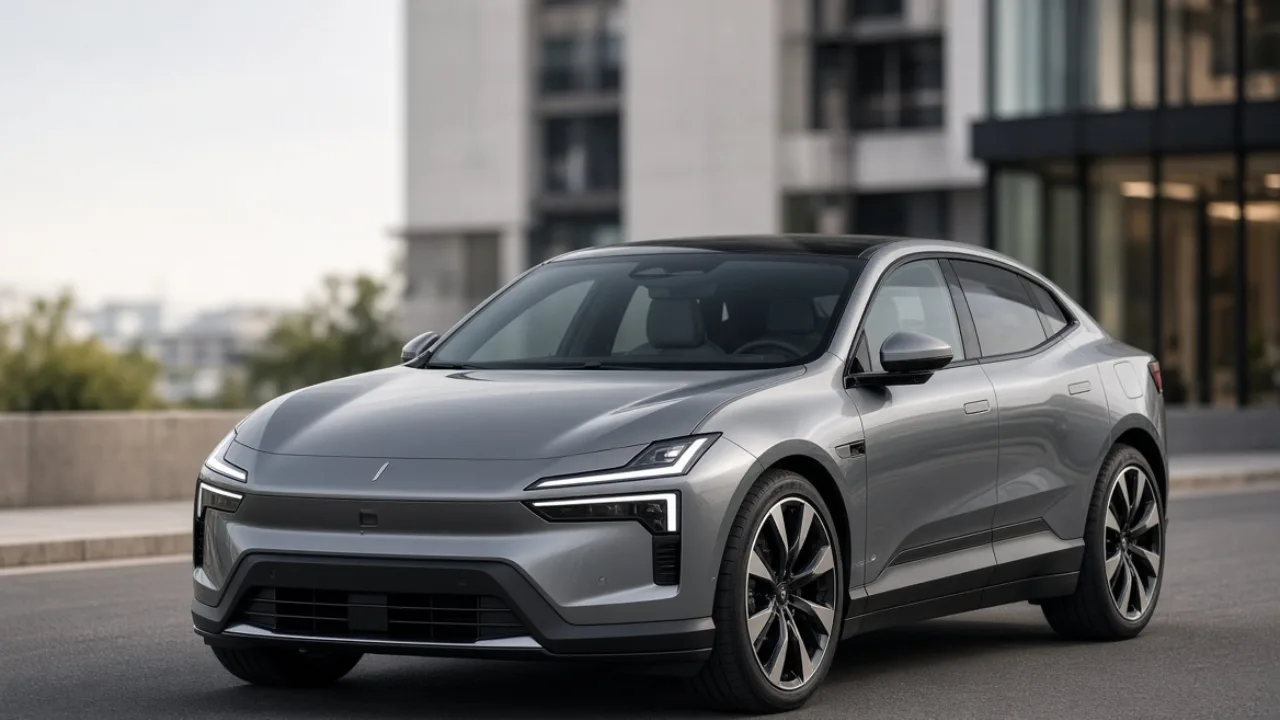
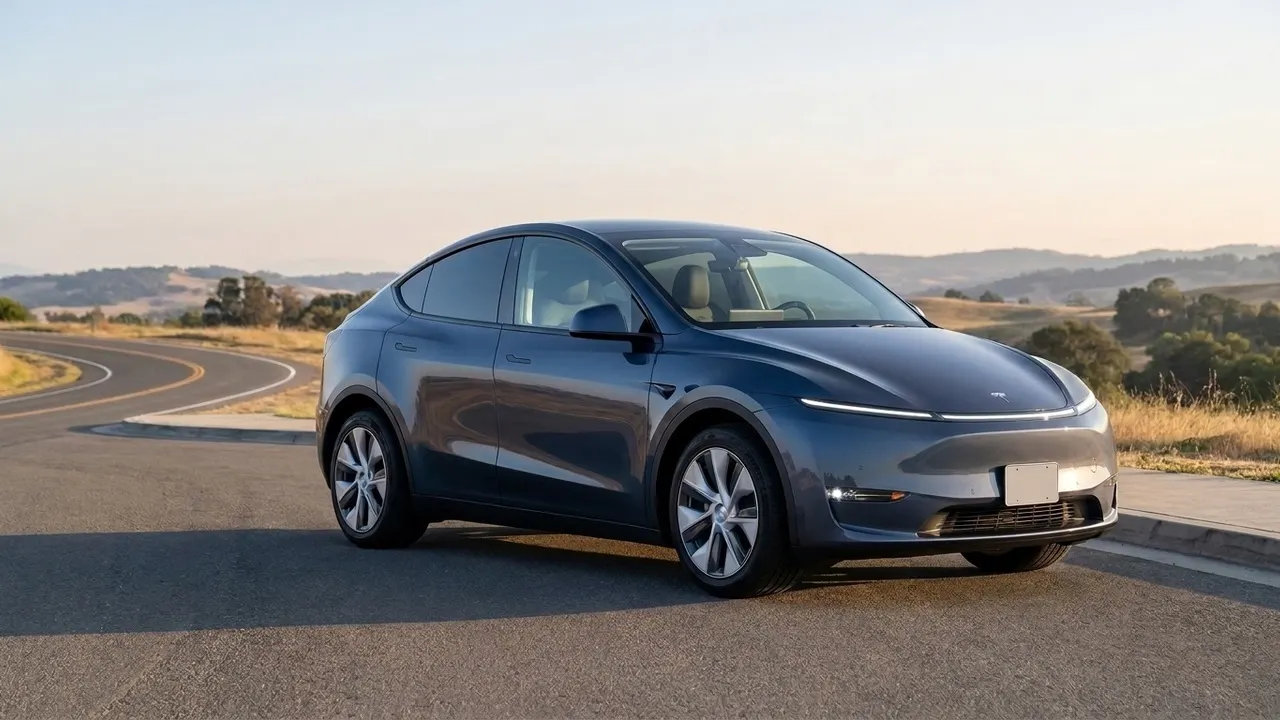
The 2026 Polestar 4 is an electric performance SUV coupe that sits between the Polestar 2 and Polestar 3 in the brand’s lineup. For the U.S. market, it combines a 100-kWh battery with a choice of rear-wheel-drive or all-wheel-drive powertrains, with EPA-estimated range reaching 310 miles in the rear-motor version. The dual-motor model raises output to 544 hp and can accelerate from 0 to 60 mph in 3.7 seconds.
For 2026, the Polestar 4 is also receiving ongoing software improvements, including changes to battery preconditioning, driver-assistance functions, infotainment and other vehicle systems. Polestar has also expanded the 4 family with a new Polestar 4 SUV variant for other markets, making the model’s latest updates more significant than a simple carryover.
2026 Polestar 4: Quick Answer
For the U.S.-market 2026 Polestar 4 coupe:
| Specification | Rear Motor | Dual Motor |
|---|---|---|
| Drivetrain | Rear-wheel drive | All-wheel drive |
| Battery | 100 kWh | 100 kWh |
| Power | 272 hp | 544 hp |
| Torque | 253 lb-ft | 506 lb-ft |
| 0-60 mph | 6.9 sec | 3.7 sec |
| EPA range | Up to 310 miles | Up to 280 miles |
| DC charging | Up to 200 kW | Up to 200 kW |
| 10-80% DC charging | About 30 min | About 30 min |
| Starting MSRP | $56,400 | Varies by configuration |
The figures above are based on Polestar’s current U.S. specifications.
What’s New for the 2026 Polestar 4?
The biggest story surrounding the 2026 Polestar 4 is not a wholesale redesign. Instead, Polestar continues to develop the vehicle through software updates while expanding the model family.
Polestar’s 2026 software releases include improvements to battery preconditioning, charging behavior, Google Maps energy estimates, climate functions, Pilot Assist, Adaptive Cruise Control, infotainment and digital-key functionality.
A particularly useful update concerns battery preconditioning. The system can prepare the battery for DC fast charging when a compatible charger is selected as the destination in the built-in Google Maps system. Later software improvements reduced the required estimated state of charge at arrival from 22% to 7%, according to Polestar’s software documentation.
Polestar has also announced a new Polestar 4 SUV variant, with sales planned from September 2, 2026 in the markets covered by the announcement. The new SUV variant retains the same basic performance philosophy but adds more practicality and a different body configuration.
2026 Polestar 4 Range
Range depends heavily on the selected powertrain.
The U.S. Polestar 4 Rear Motor is rated for up to 310 miles of EPA range, while the Dual Motor version is rated for up to 280 miles. The Rear Motor model uses rear-wheel drive, while the Dual Motor model adds all-wheel drive and substantially more power.
The difference illustrates an important EV tradeoff: the faster and more powerful configuration does not deliver the longest official range.
Real-world range can vary with weather, speed, temperature, driving style, road conditions, tire choice and vehicle load. Polestar specifically notes that certified figures may vary under real-world conditions.
Battery and Charging
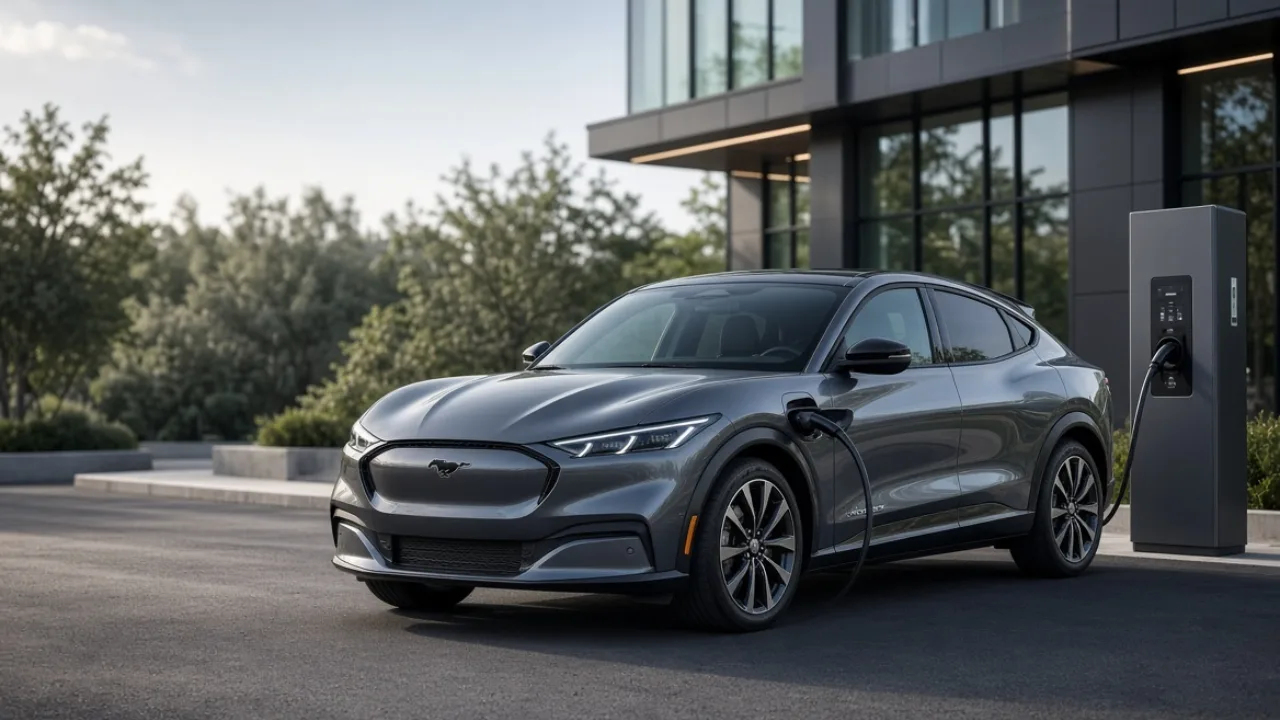
Both U.S. powertrains use a 100-kWh lithium-ion battery and a 400-volt electrical architecture. Maximum DC charging power is rated at 200 kW, while AC charging supports up to 11 kW.
Polestar quotes approximately 30 minutes to charge from 10% to 80% when using a 200-kW DC fast charger. A full 0-100% AC charge at 11 kW is listed at approximately 11 hours.
The charging experience is also being refined through software. Polestar’s 2026 updates include battery-preconditioning improvements designed to help prepare the battery for faster DC charging when navigation is set to an appropriate charger.
2026 Polestar 4 Performance
The Polestar 4 offers two distinctly different performance configurations.
The Rear Motor version produces 272 hp and 253 lb-ft of torque and reaches 60 mph in 6.9 seconds. It is the range-focused configuration and sends power to the rear wheels.
The Dual Motor version produces 544 hp and 506 lb-ft of torque. With all-wheel drive, Polestar lists a 0-60-mph time of 3.7 seconds.
Both versions have a top speed of 124 mph in the U.S. specification.
The Dual Motor system also incorporates a front-motor disconnect function that allows the vehicle to prioritize efficiency when the additional traction and performance of the front motor are not required.
Performance Pack
The available Performance Pack is designed for buyers who want sharper chassis hardware rather than simply more motor output.
It includes 22-inch Performance wheels, Polestar Engineered chassis tuning, active ZF dampers and Swedish-gold Brembo brakes and detailing. The package is available with the Dual Motor configuration.
The Performance Pack therefore changes the character of the vehicle through its chassis and braking equipment rather than turning the 544-hp powertrain into a different output level.
One tradeoff is range: Polestar’s U.S. configurator lists the 22-inch Performance-wheel configuration at up to 255 miles of range, below the standard Dual Motor’s 280-mile EPA figure.
Exterior Design and the Missing Rear Window
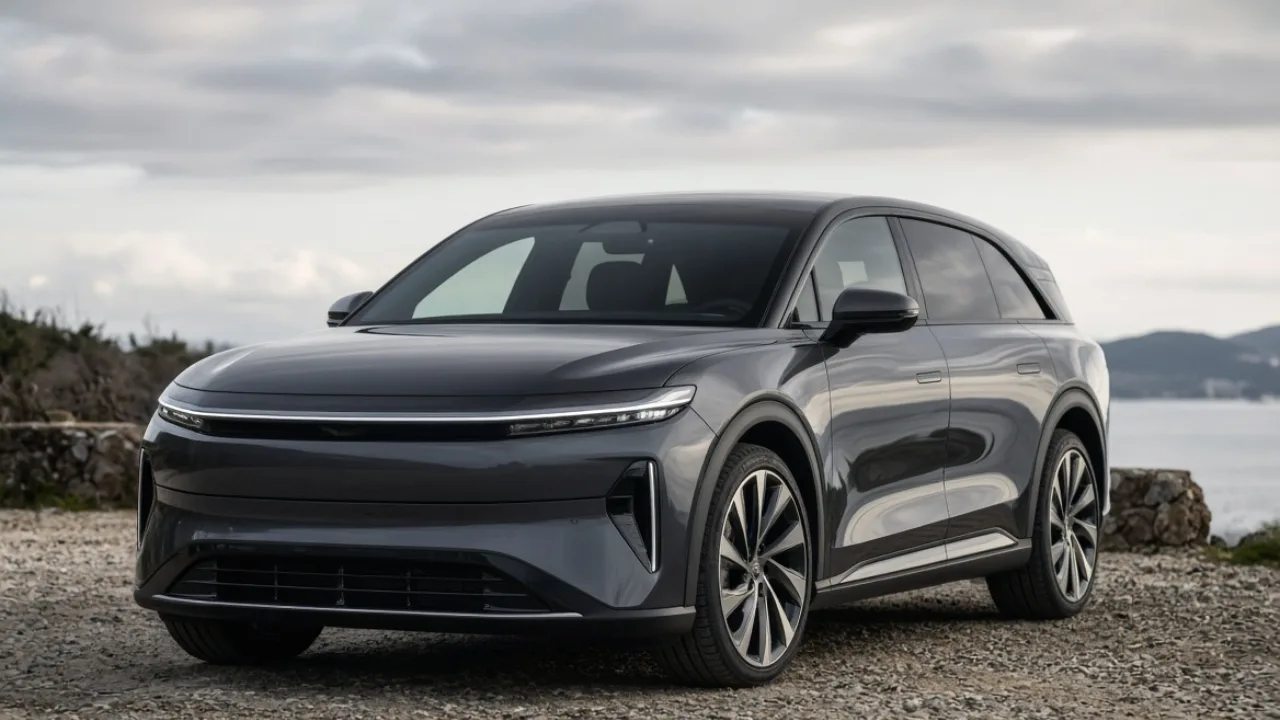
One of the most distinctive features of the Polestar 4 is something it does not have: a conventional rear window.
Instead, the vehicle uses a roof-mounted rear camera that feeds an interior digital rear-view display. Polestar says the design originated with its Precept concept and was carried into production on the Polestar 4.
The digital rear-view mirror can operate in two modes. In camera mode, it shows the view from the rear-mounted camera; in conventional mirror mode, it works like a normal mirror.
The setup gives the Polestar 4 a distinctive cabin layout while providing the driver with a camera-based view behind the vehicle.
Interior and Technology
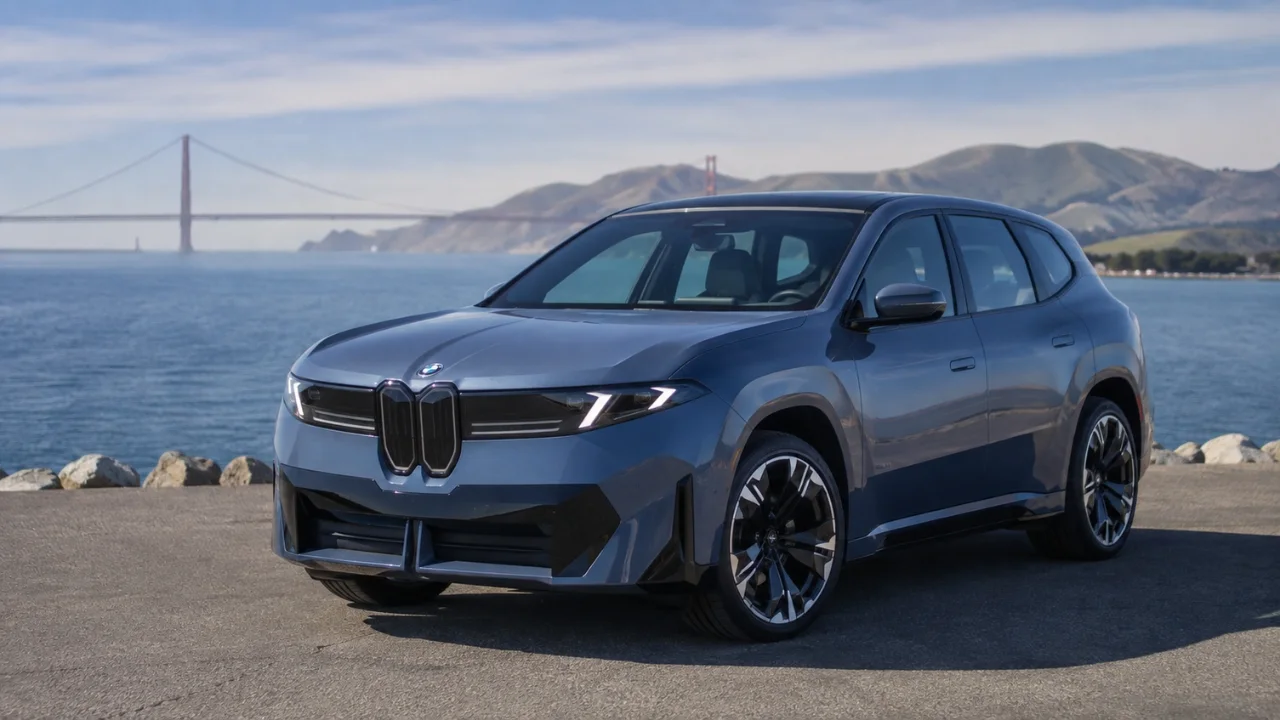
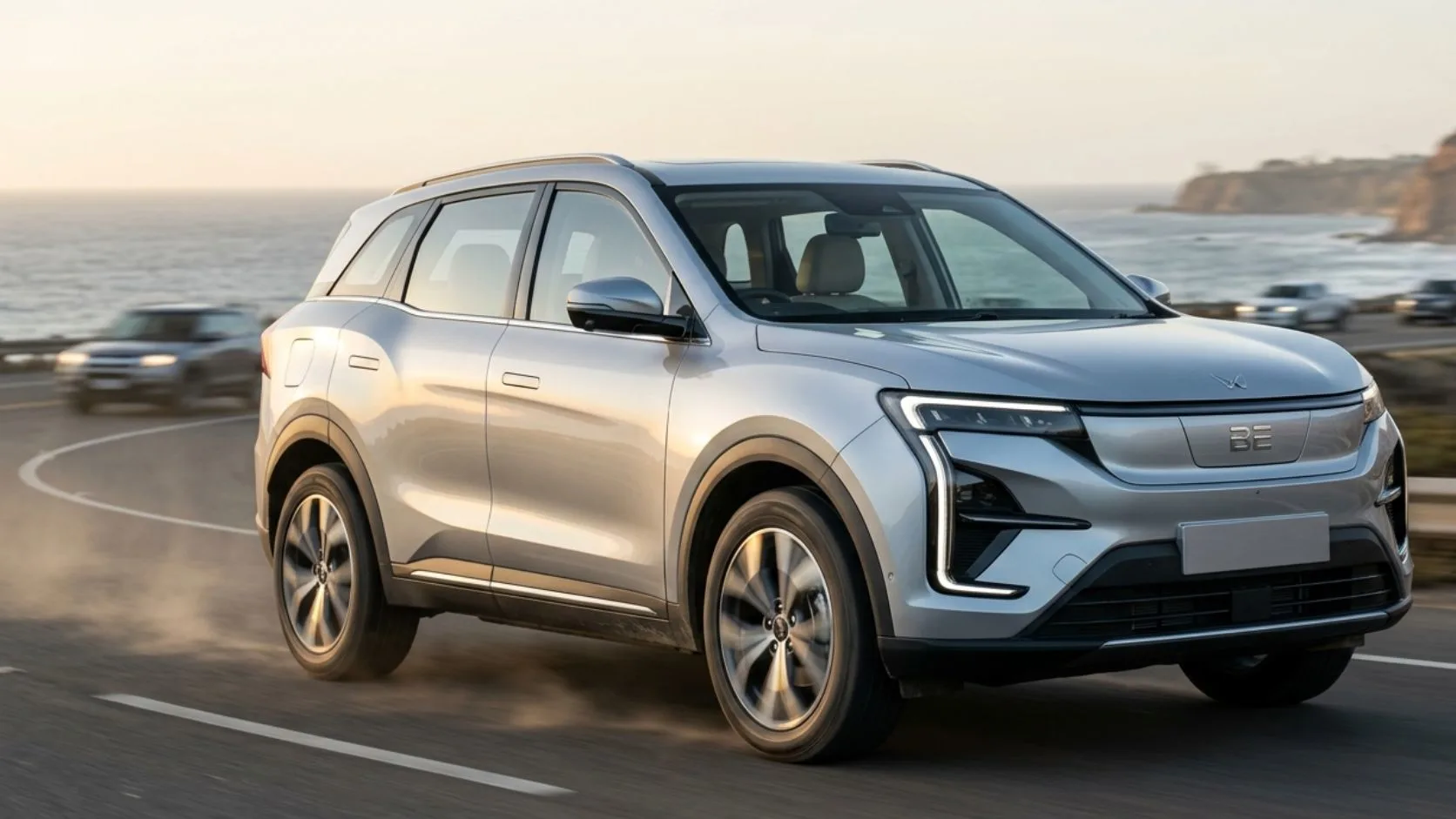
The cabin centers around a large 15.4-inch central touchscreen with a 10.2-inch driver display. An optional 14.7-inch head-up display is available with the Plus Pack.
The digital rear-view mirror uses an 8.9-inch display. With the Plus Pack, buyers can also get a 5.7-inch rear control and entertainment screen.
Polestar integrates Google built-in into the infotainment system, bringing Google-based navigation and compatible applications into the vehicle. Polestar’s current U.S. information also lists Google Gemini integration for functions such as route planning and certain vehicle controls, although feature availability can vary by market and connected services.
The Plus Pack can add features including a Harman Kardon premium audio system, head-up display, power-operated tailgate, rear controls, upgraded seating and three-zone climate control.
Safety and Driver Assistance
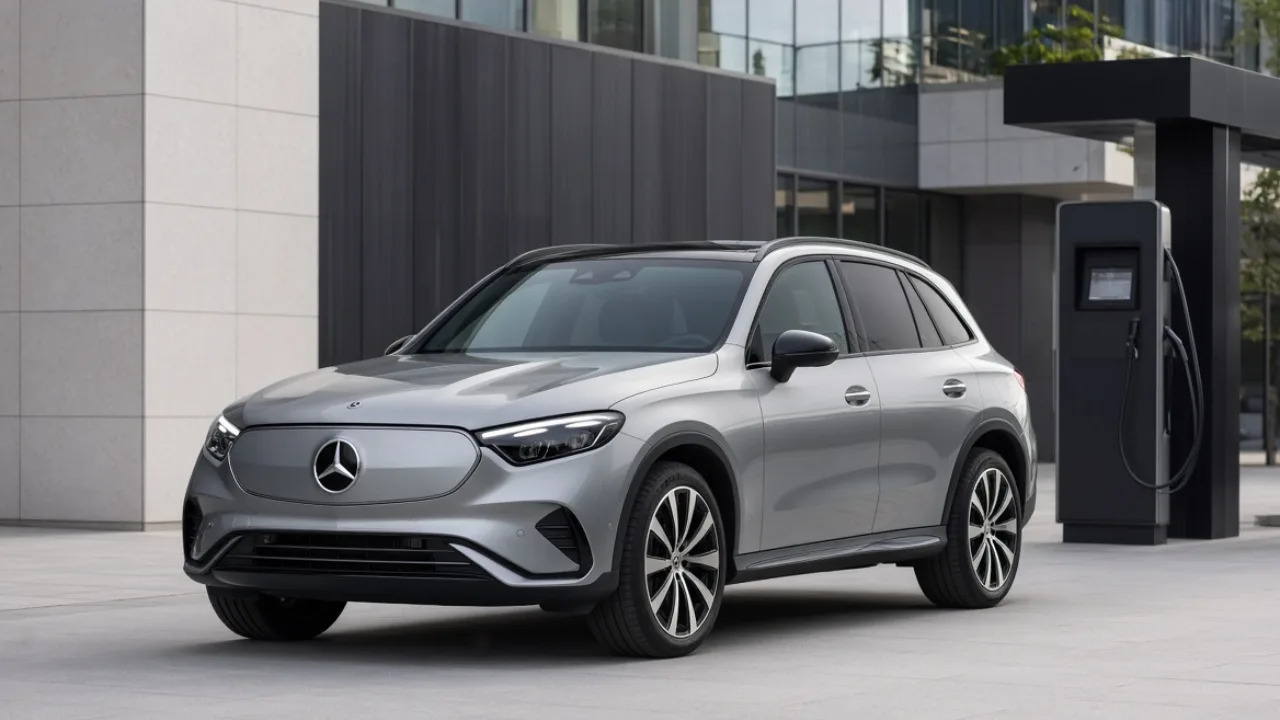
The Polestar 4 includes driver-assistance technology such as Adaptive Cruise Control and Pilot Assist, with the Pilot Pack adding features including lane-change assistance.
Polestar has continued to refine these systems through software. One 2026 update introduced an AI-based method for lateral control in Pilot Assist, while other updates addressed braking, steering behavior and driver-detection functions.
These systems remain driver-assistance features rather than fully autonomous driving. The driver remains responsible for controlling the vehicle safely.
2026 Polestar 4 Price in the U.S.
The current Polestar U.S. website lists the 2026 Polestar 4 starting at $56,400 MSRP. Exact pricing rises with the selected powertrain, packages, wheels and other options.
There is also a significant current U.S. incentive that needs to be separated from MSRP.
Polestar is advertising a $25,000 Clean Vehicle Incentive for qualifying cash purchases of new 2026 Polestar 4 vehicles through September 30, 2026, subject to the company’s terms and vehicle availability. The offer is not the same thing as a permanent reduction in the vehicle’s MSRP.
Polestar is also advertising separate lease and financing incentives during September 2026. Because these are time-limited commercial offers, buyers should verify the current terms directly with Polestar before making a purchase decision.
Polestar 4 vs. the New Polestar 4 SUV
The naming deserves attention because Polestar is now using Polestar 4 coupe for the original body style while introducing a new Polestar 4 SUV.
The new SUV variant is officially listed with a Rear Motor configuration producing 272 hp and a Dual Motor configuration producing 544 hp. Its target WLTP range is up to 630 km for the Rear Motor and 600 km for the Dual Motor.
Those figures should not be directly compared with the U.S. coupe’s EPA ratings because WLTP and EPA testing are different measurement systems.
For U.S. shoppers, the existing Polestar 4 coupe remains the relevant model in the current U.S. lineup, while Polestar’s global model pages identify the SUV as a new variant with market availability varying by region.
Latest Polestar 4 Software Updates
Software is becoming an important part of the Polestar 4 ownership experience.
Recent updates have included:
- Improved battery preconditioning
- More accurate Google Maps energy estimates
- Charging-system improvements
- Pilot Assist steering improvements
- Adaptive Cruise Control refinements
- Apple CarPlay stability improvements
- Apple digital-key functionality
- Infotainment stability improvements
- Additional Google Built-in applications
- Climate-system improvements
- Digital-key updates
- Driver-profile improvements
This means the feature set of a Polestar 4 can evolve after the vehicle leaves the factory. Availability of particular software functions can vary by market, model year and equipment.
Is the 2026 Polestar 4 Worth Considering?
The Polestar 4 occupies an unusual position in the EV market. It combines the visual proportions of a coupe with the space and seating position associated with an SUV, while offering either a range-focused rear motor or a substantially quicker dual-motor setup.
Its strongest specifications are clear: up to 310 miles of EPA range, up to 544 hp, 200-kW DC charging and a 3.7-second 0-60-mph time in Dual Motor form.
The tradeoffs are equally worth understanding. Choosing more performance-oriented hardware can reduce range, and the unusual digital rear-view system may require some adjustment for drivers accustomed to a conventional rear window.
The vehicle’s software-driven development is another important part of the ownership picture. Polestar continues to issue OTA improvements, so the 2026 Polestar 4 is not simply defined by the hardware installed on its production date.
2026 Polestar 4: Frequently Asked Questions
How much range does the 2026 Polestar 4 have?
The U.S.-market Rear Motor version has an EPA-estimated range of up to 310 miles. The Dual Motor version is rated for up to 280 miles.
How powerful is the Polestar 4?
The Rear Motor version produces 272 hp, while the Dual Motor version produces 544 hp.
How fast is the Polestar 4?
The Dual Motor version can accelerate from 0 to 60 mph in 3.7 seconds, while the Rear Motor version takes 6.9 seconds according to Polestar’s U.S. specifications.
How large is the Polestar 4 battery?
Both U.S. powertrains use a 100-kWh lithium-ion battery.
How quickly can the Polestar 4 charge?
Polestar lists up to 200 kW DC charging and approximately 30 minutes for a 10-80% charge using a 200-kW DC fast charger.
Does the Polestar 4 have a rear window?
No. Instead, it uses a rear-facing camera and digital rear-view mirror. The mirror can also be switched to conventional mirror mode.
How much does the 2026 Polestar 4 cost?
The current U.S. Polestar website lists the 2026 Polestar 4 from $56,400 MSRP. Pricing varies by powertrain and equipment.
What is the latest major update for the Polestar 4?
Polestar has continued improving the vehicle through OTA software updates, including battery preconditioning, charging behavior, Pilot Assist, infotainment and Google Maps energy-estimation improvements. Polestar has also announced the new Polestar 4 SUV variant for selected markets.
Final Thoughts
The 2026 Polestar 4 stands out because it does not follow the conventional formula for an electric SUV. Its combination of coupe-like styling, a camera-based rear-view system, Google-integrated technology and strong electric performance gives it a distinctive identity.
For U.S. buyers, the key numbers are 310 miles of EPA range for the Rear Motor, 544 hp and 3.7 seconds to 60 mph for the Dual Motor, a 100-kWh battery and up to 200-kW DC charging.
The latest software updates are also meaningful because they continue to refine charging, driver assistance and everyday usability. As Polestar expands the 4 family with the new SUV variant in other markets, the model is becoming an increasingly important part of the brand’s electric lineup.
Sources & References
- Polestar 4 — Official U.S. Overview
- Polestar 4 — U.S. Technical Specifications
- Polestar 4 — U.S. Performance
- Polestar 4 — 2026 Software Updates
- Polestar 4 SUV — Official Specifications
- Polestar — Current U.S. Offers