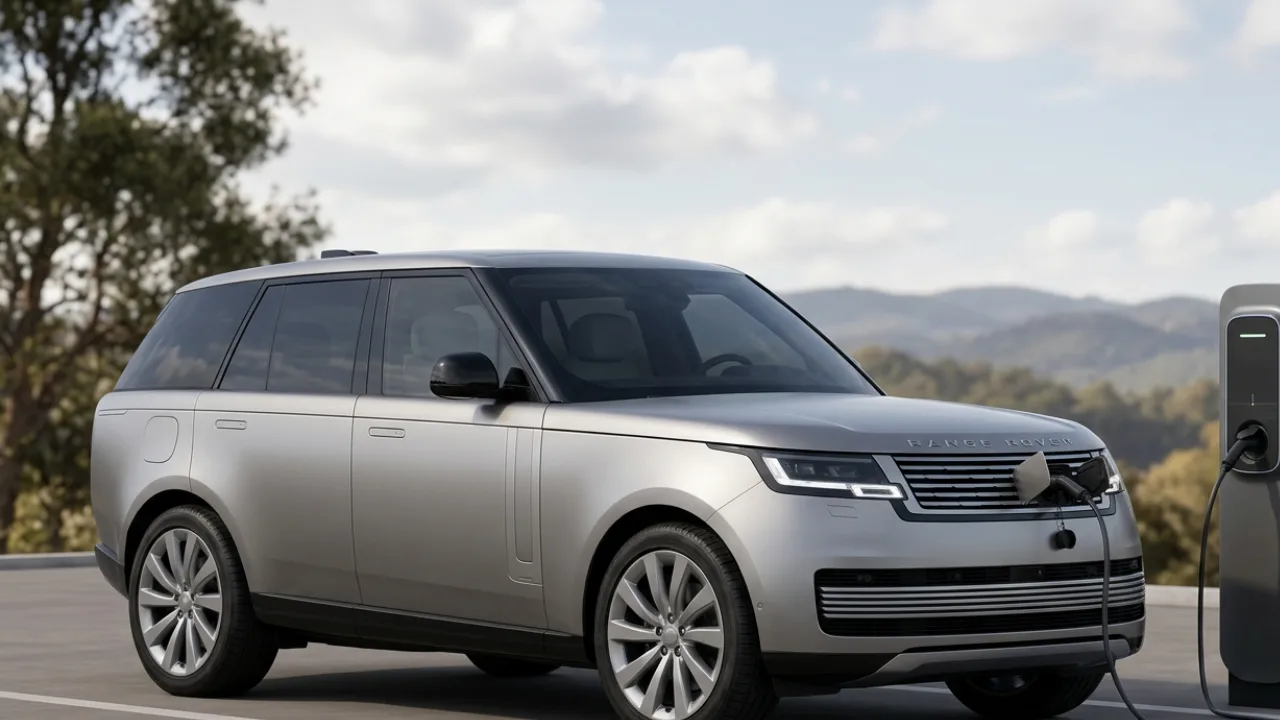
The Range Rover Electric has finally moved from a long-running preview program to a production model that customers can order. Revealed in September 2026, it becomes the first fully electric vehicle to carry the Range Rover name, combining a large 118.5-kWh battery, dual electric motors, all-wheel drive and the brand’s traditional focus on luxury and off-road capability.
For buyers, the headline numbers are a 600 km (372-mile) WLTP range, up to 550 PS and 850 Nm, and 10-80% DC charging in 22 minutes when connected to a suitable 350-kW rapid charger. Land Rover also estimates up to 535 km (333 miles) of real-world range.
The important point is that the Range Rover Electric is not simply a luxury SUV converted to battery power. Land Rover has developed specific battery, thermal-management, traction-control and charging technologies while retaining the familiar Range Rover design and capability.
Range Rover Electric: Quick Answer
The Range Rover Electric is a full-size luxury electric SUV with a dual-motor all-wheel-drive powertrain and a 118.5-kWh battery.
| Specification | Range Rover Electric |
|---|---|
| Powertrain | Dual electric motors |
| Drive | All-wheel drive |
| Maximum power | Up to 550 PS |
| Maximum torque | 850 Nm |
| Battery | 118.5 kWh |
| Architecture | 800V |
| WLTP range | Up to 600 km / 372 miles |
| Estimated real-world range | Up to 535 km / 333 miles |
| DC fast charging | Up to 350 kW |
| 10-80% DC charging | 22 minutes |
| Range added in 10 minutes | Up to 220 km / 137 miles |
| Maximum towing capacity | 2,500 kg |
| Maximum wading depth | 900 mm |
| UK starting price | £154,070 OTR |
These figures come primarily from Range Rover/JLR’s September 2026 launch information.
2026 Range Rover Electric Range
Range is one of the most important questions for a vehicle of this size, and Land Rover quotes up to 600 km (372 miles) under WLTP testing. The manufacturer’s current Range Rover Electric information gives an estimated real-world range of up to 535 km (333 miles).
The difference is normal for an EV. WLTP figures are designed for standardized comparison, while real-world range can change with speed, temperature, terrain, payload, wheel fitment, driving style and use of climate control. Land Rover itself notes that real-world figures can differ from official test results.
For longer journeys, the 535-km real-world estimate is therefore more useful as a general reference than assuming that every trip will deliver exactly 600 km.
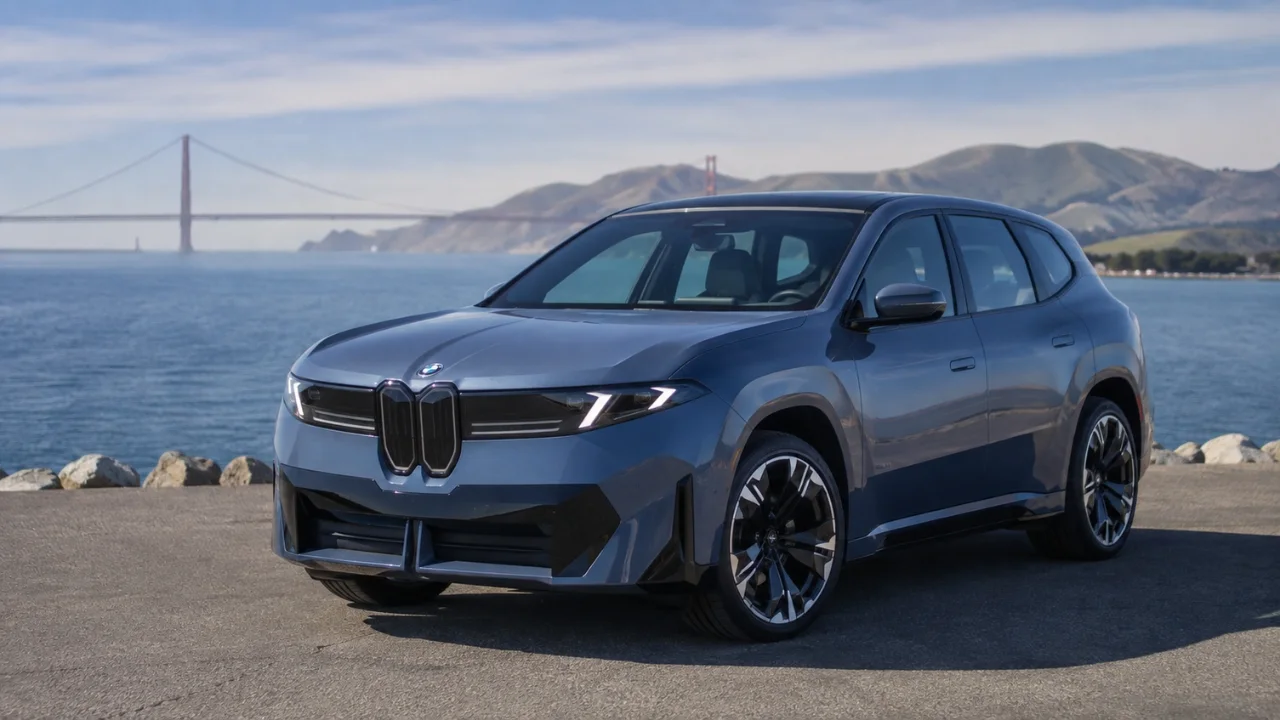
Range at a Glance
- Official WLTP range: up to 600 km / 372 miles
- Estimated real-world range: up to 535 km / 333 miles
- Battery: 118.5 kWh
- Electrical architecture: 800V
The combination gives the Range Rover Electric a substantial long-distance buffer for a large luxury SUV.
Range Rover Electric Charging Time
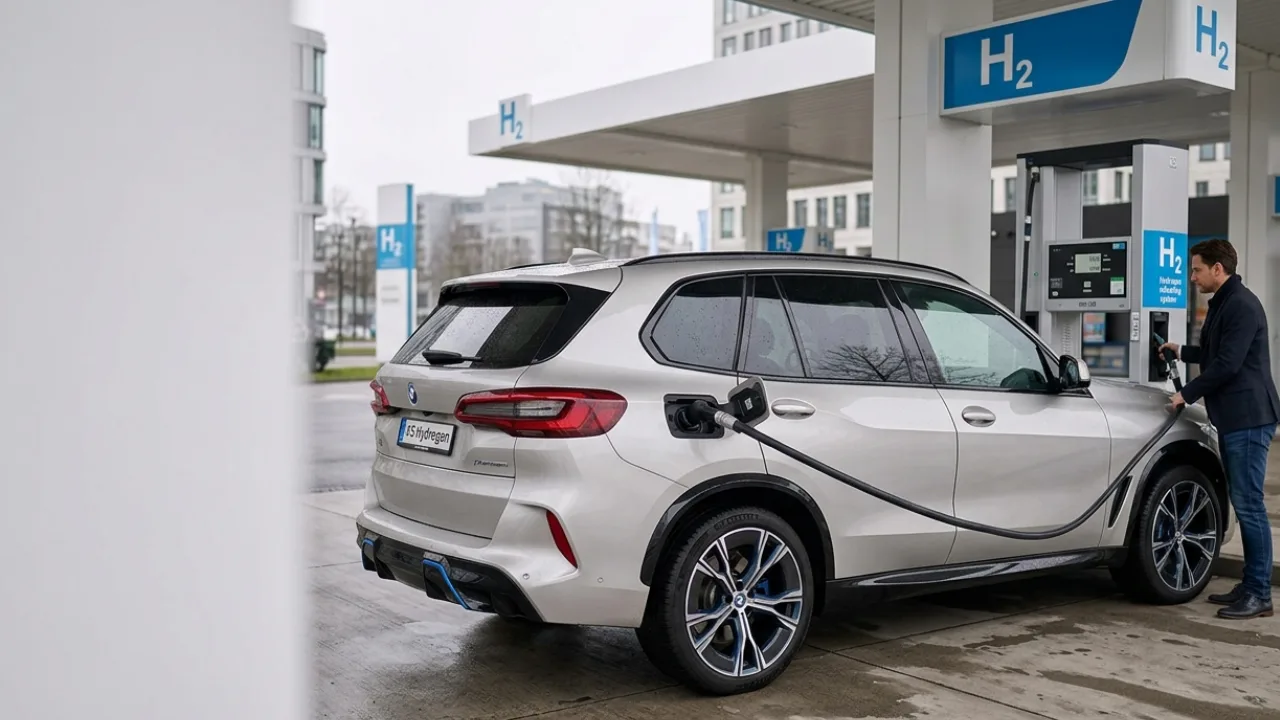
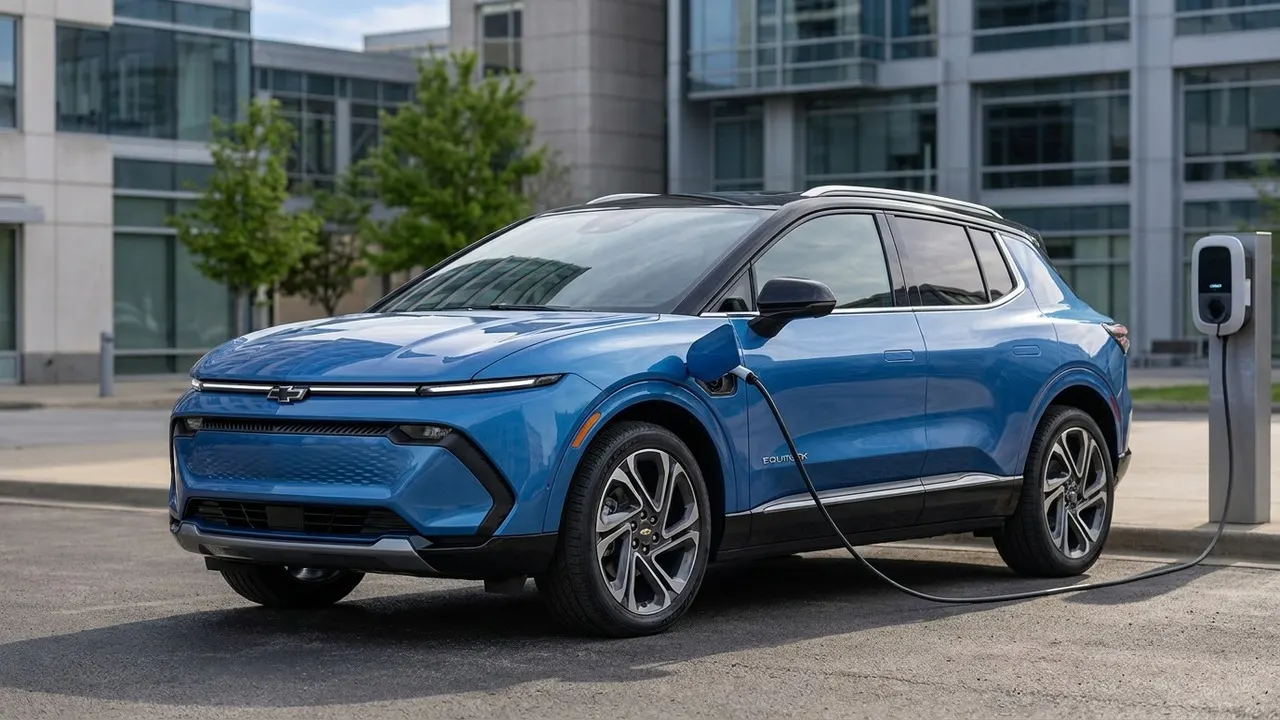
The Range Rover Electric uses an 800-volt electrical architecture and supports DC fast charging at up to 350 kW. Land Rover says a suitable rapid charger can take the battery from 10% to 80% in 22 minutes.
Land Rover also says the vehicle can add up to 220 km (137 miles) of WLTP range in 10 minutes under the stated charging conditions.
That does not mean every public charger will deliver 350 kW. Actual charging speed depends on the charger, battery state, temperature and other conditions.
Home Charging
At home, Range Rover quotes:
- 22-kW AC charging: less than 7 hours from 0-100%
- 7-kW AC charging: less than 19 hours from 0-100%
The 22-kW figure requires compatible home-charging equipment and electrical infrastructure.
For many owners, overnight 7-kW charging can still be sufficient for daily use, while higher-power AC charging can shorten the time needed for a complete recharge.
Range Rover Electric Performance
The electric Range Rover uses two 260-kW permanent-magnet electric motors, one driving each axle. Combined output is up to 550 PS, with 850 Nm of torque.
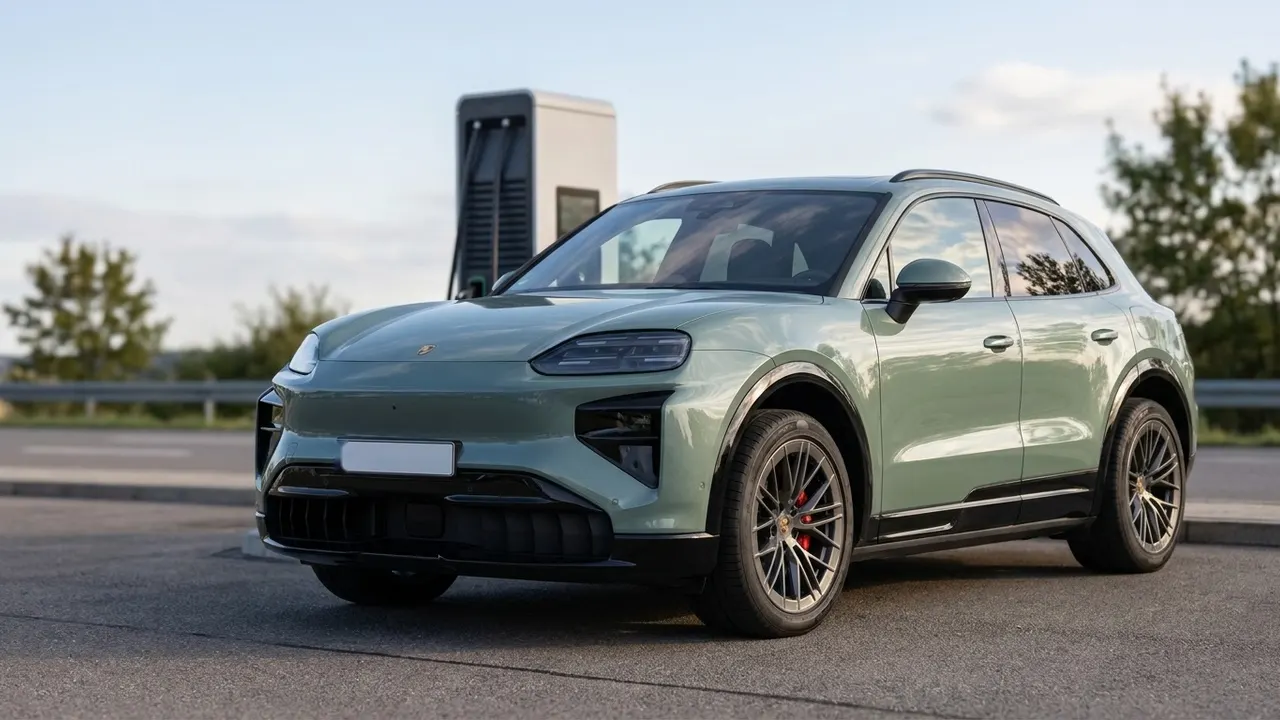
JLR says the vehicle can accelerate from 0 to 100 km/h in 4.5 seconds. Its maximum speed is reported at 200 km/h.
The electric powertrain also changes how the SUV delivers its performance. Rather than building power through a conventional transmission, the motors can provide torque almost immediately.
That is particularly useful in off-road driving, where precise torque delivery can matter as much as outright acceleration.
Intelligent Torque and Traction Management
One of the more significant technologies underneath the Range Rover Electric is its new traction-management system.
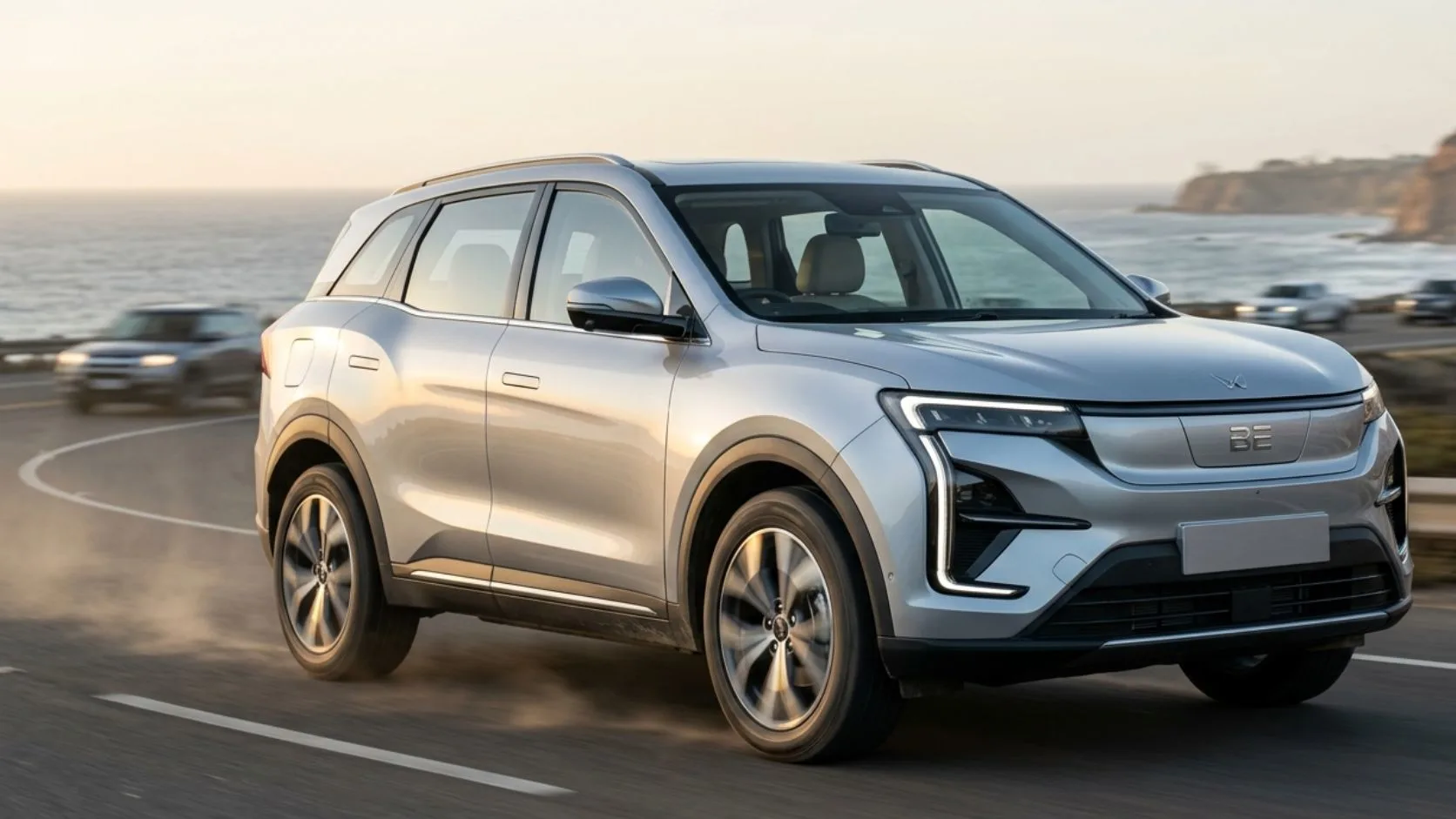
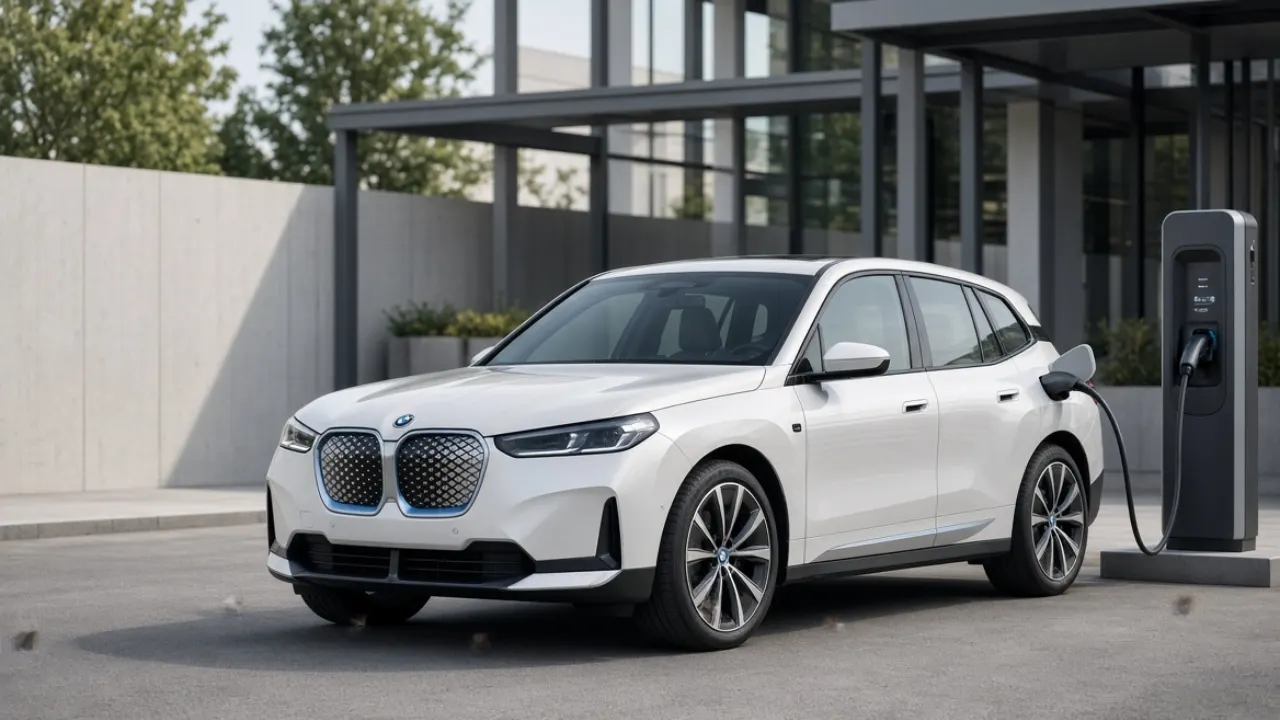
JLR says the system can respond in as little as 50 milliseconds, allowing torque to be adjusted quickly when available grip changes. The company says this is up to 100 times faster than the equivalent combustion-engine system.
The vehicle can also use single-pedal driving with its Terrain Response system. According to Range Rover, the system can help the vehicle climb slopes of up to 45 degrees.
These capabilities are aimed at making electric propulsion work within the existing Range Rover approach to all-terrain driving rather than treating the EV as a road-only luxury SUV.
Off-Road Capability
Despite being fully electric, the Range Rover Electric retains several capabilities associated with the Range Rover name.
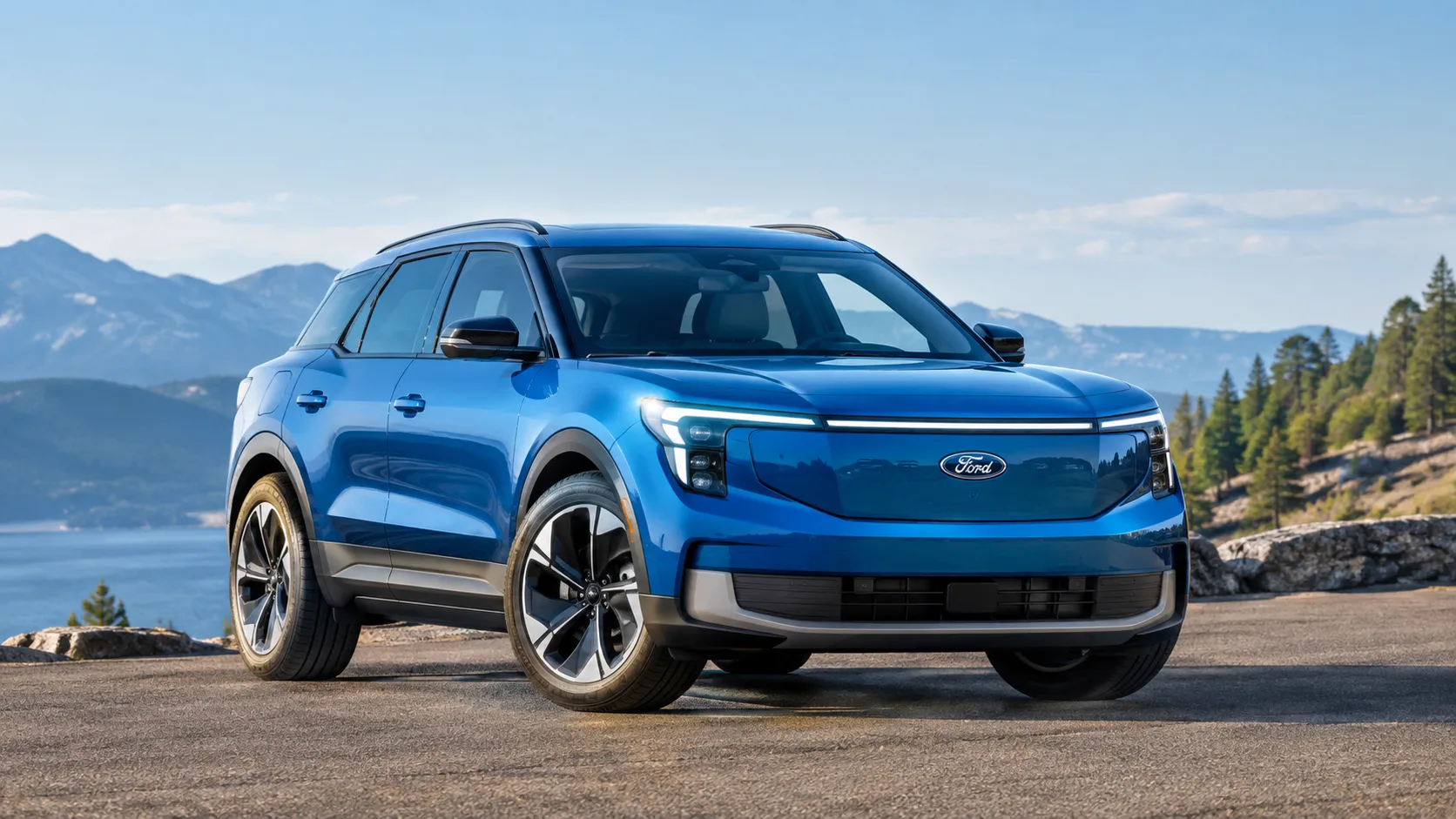
Land Rover quotes:
- 900 mm maximum wading depth
- 2,500 kg maximum towing capacity
- All-wheel drive
- Terrain Response technology
- Single-pedal driving
- Air suspension
The 900-mm wading capability is particularly notable because water crossings introduce additional engineering challenges for a battery-electric SUV.
Land Rover also says the vehicle’s towing system includes range-prediction technology designed to help estimate the effect of towing on available driving range.
Battery and EV Technology
The Range Rover Electric uses a 118.5-kWh battery with an 800V electrical architecture. JLR describes it as a double-stacked battery pack containing 344 nickel-manganese-cobalt cells.
The battery is supported by liquid cooling and thermal-management technology. One of the key systems is called ThermAssist, which Land Rover says can reduce heating energy consumption by 40% and help maintain range and charging consistency in varying weather conditions.
The battery is covered by an eight-year or 160,000-km warranty, whichever comes first, according to Range Rover.
Range Rover Electric Interior and Luxury Features
The interior follows the broader Range Rover design philosophy rather than adopting an entirely different EV-specific cabin.
Land Rover emphasizes quietness, premium materials and passenger comfort. The electric drivetrain itself reduces powertrain noise, while the vehicle uses acoustic laminated glass and additional drivetrain isolation.
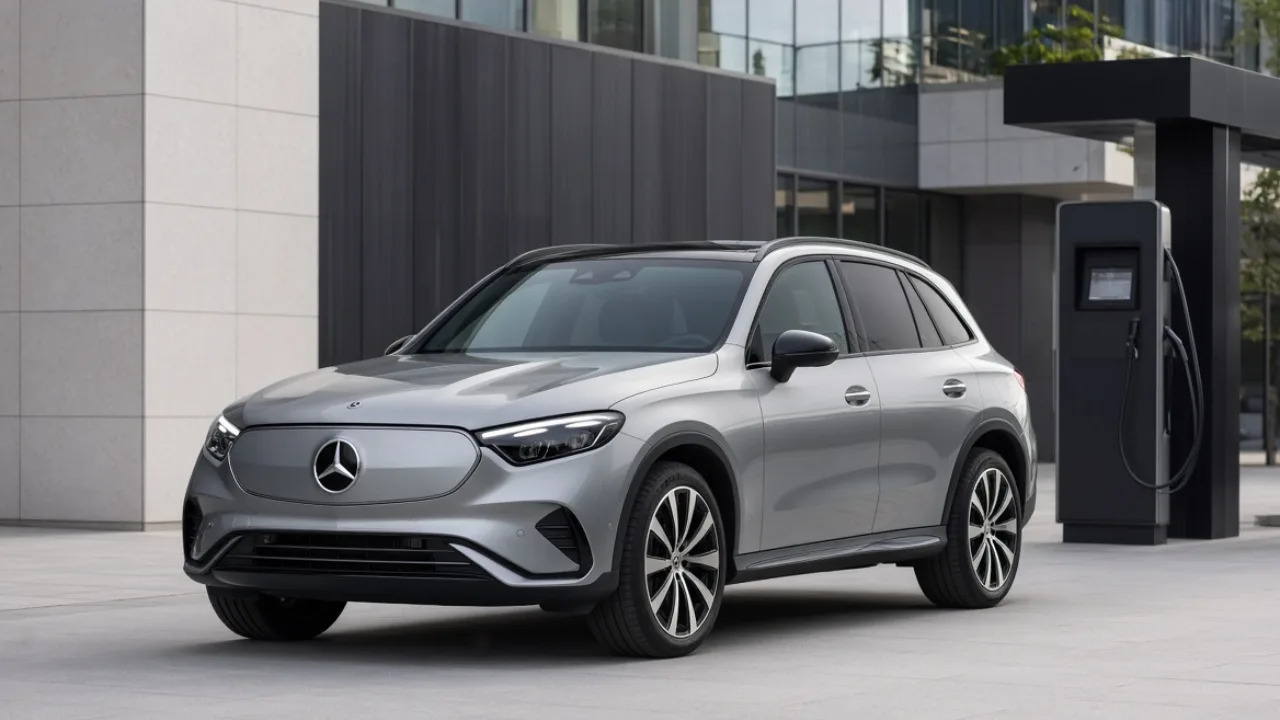
Available interior technology includes:
- Active Noise Cancellation
- Cabin Air Purification Pro
- PM2.5 filtration
- CO₂ monitoring
- nanoe X technology
- Ambient Fragrance Diffuser
- Ultrafabrics materials
- Kvadrat wool blends
- Connected charging controls through the Range Rover app
The company says Active Noise Cancellation can create individual quiet zones for occupants, reinforcing the vehicle’s focus on a quiet luxury experience.
Exterior Design
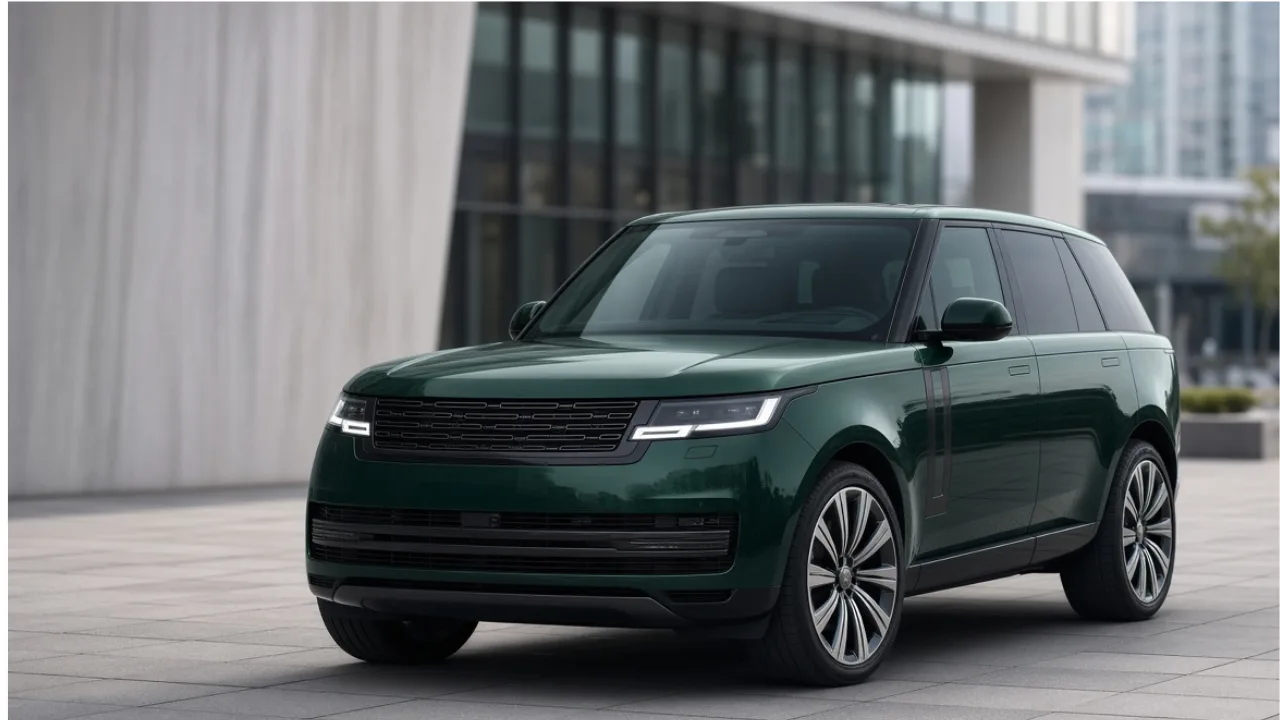
The Range Rover Electric retains the recognizable proportions and overall design language of the conventional Range Rover.
Instead of giving the EV an entirely separate appearance, JLR has made specific aerodynamic changes. These include an optimized grille, wheels and tailored underbody designed to improve motorway efficiency.
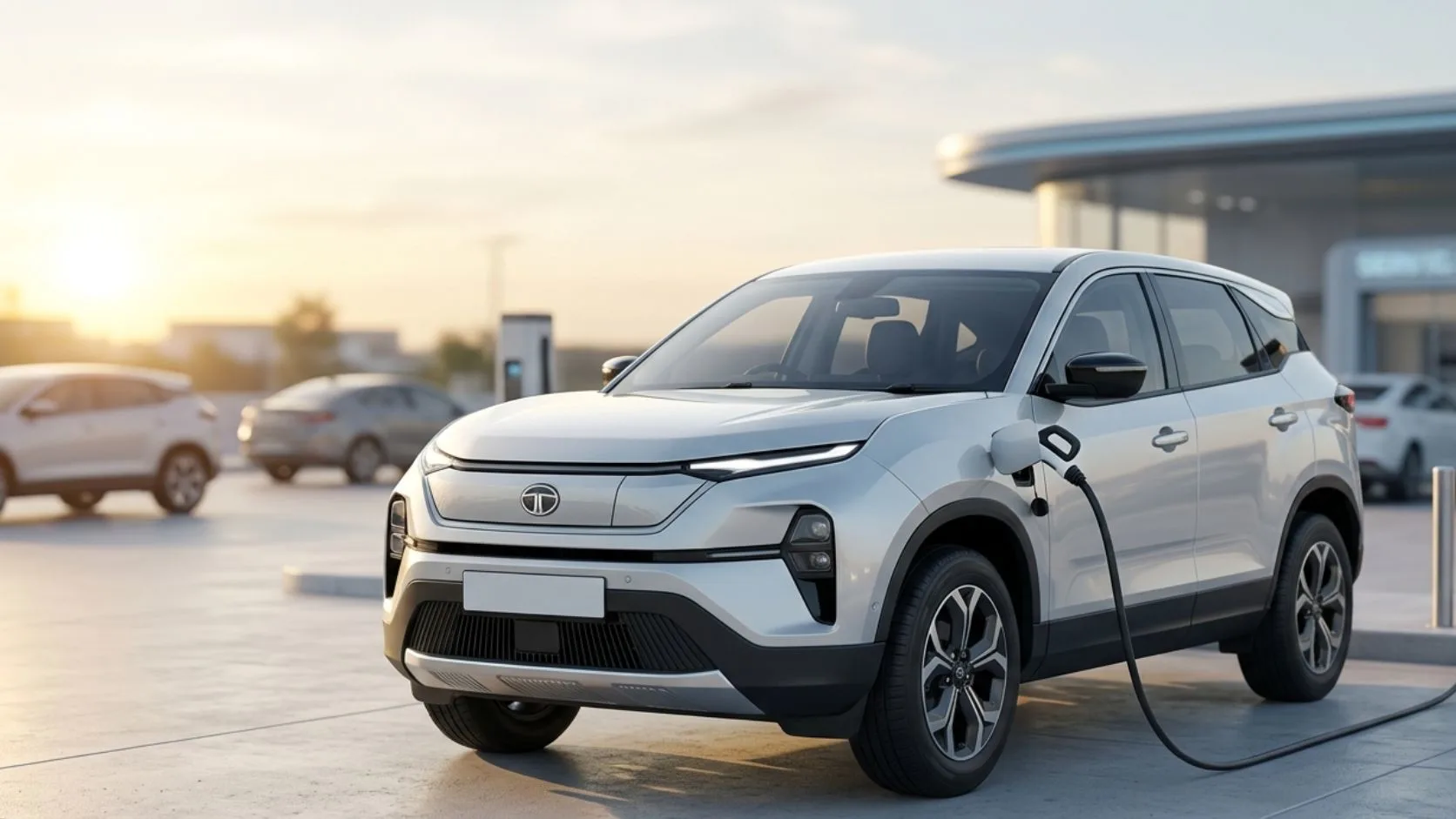
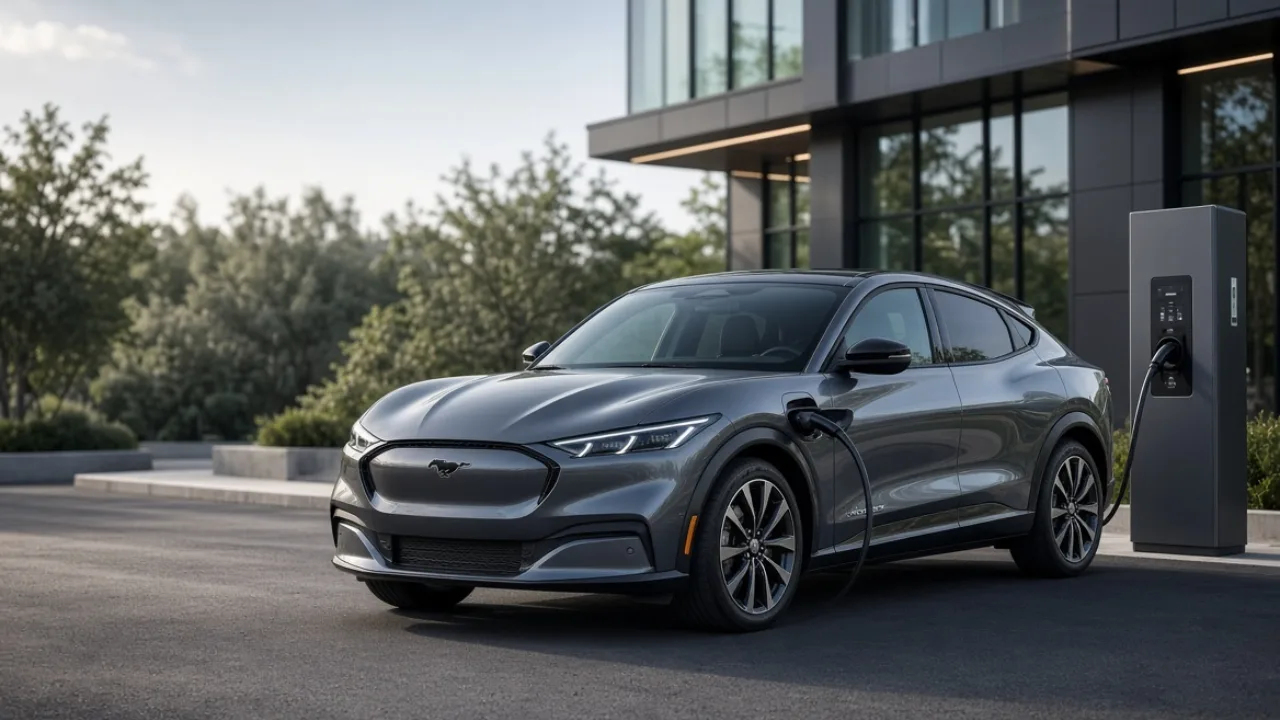
That approach makes the electric model visually familiar while still distinguishing it from its combustion-powered counterparts.
Range Rover Electric First Edition
JLR has announced a curated First Edition for the initial launch period.
The First Edition is offered in colors including:
- Belgravia Green
- Santorini Black
- Varesine Blue
It also introduces Light Cloud Ultrafabrics and Kvadrat interior materials.
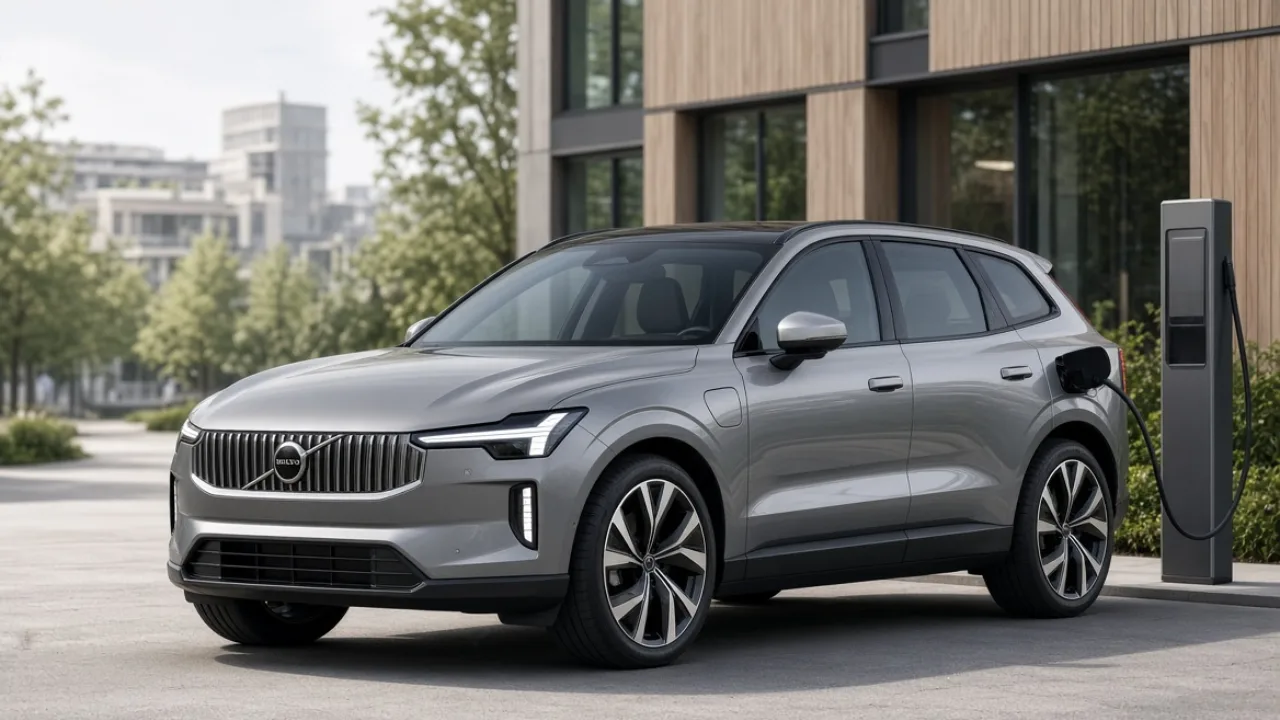
Other versions include Autobiography, SV and SV Black derivatives, with short- and long-wheelbase configurations listed in JLR’s launch information.
2026 Range Rover Electric Price
Pricing varies substantially by market.
In the United Kingdom, JLR lists the Range Rover Electric from £154,070 on the road. The launch lineup includes several higher-spec versions, with some SV Ultra pricing marked as available on request.
For the United States, the vehicle is marketed as a 2027 model year rather than a 2026 model year. Car and Driver lists the U.S. starting MSRP at $140,450 for the Range Rover Electric P550 SE SWB, while its broader model coverage lists MSRP figures ranging from $140,450 to $277,450 depending on configuration.
U.S. pricing and equipment should therefore be treated separately from UK or European pricing.
Is the Range Rover Electric Available to Order?
Yes. JLR announced on September 2, 2026, that the Range Rover Electric was available to order. The company describes it as the first fully electric Range Rover and says production takes place at Solihull in the UK.
The model had previously been previewed publicly during 2026, including at the Goodwood Festival of Speed, before the full production-specification reveal.
Availability, delivery timing and exact specifications can still vary by market and configuration.
What Makes the Range Rover Electric Different?
The key distinction is that Land Rover has attempted to preserve the traditional Range Rover formula while changing the propulsion system.
The vehicle combines:
- Full battery-electric power
- 600-km WLTP range
- 800V architecture
- 350-kW DC charging
- Dual-motor AWD
- 550 PS
- 850 Nm
- 900-mm wading capability
- 2,500-kg towing capacity
- A highly insulated luxury cabin
- Range Rover’s established off-road technology
That combination makes it different from a conventional luxury EV that is primarily designed around road performance and cabin comfort.
Range Rover Electric vs. Gas Range Rover
The biggest difference is the powertrain.
The Range Rover Electric eliminates the internal-combustion engine and uses two electric motors. That produces instant torque and allows the SUV to operate with zero tailpipe emissions.
The conventional Range Rover lineup continues to offer combustion and plug-in-hybrid choices in different markets, giving buyers alternatives where charging infrastructure or driving requirements make a full EV less convenient.
For buyers who regularly tow, travel long distances in remote areas or lack reliable home charging, the practical advantages of the electric model will depend heavily on local charging infrastructure and driving patterns.
Pros and Limitations
Potential strengths
- Long official WLTP range for a large luxury SUV
- 800V charging architecture
- 350-kW maximum DC charging
- 10-80% charging in 22 minutes under stated conditions
- Strong dual-motor performance
- Genuine off-road capability
- 900-mm wading capability
- Large, luxury-focused cabin
- Advanced thermal management
- Familiar Range Rover design
Things buyers should consider
- Very high purchase price
- Real-world range will vary from the official WLTP figure
- 350-kW charging depends on finding compatible infrastructure
- Large battery and vehicle size mean charging infrastructure remains important for long-distance travel
- Equipment and availability vary by market
- Higher-spec versions become substantially more expensive
Final Thoughts
The Range Rover Electric represents a significant change for Land Rover’s flagship SUV, but its approach is deliberately conservative in one important respect: it remains recognizable as a Range Rover.
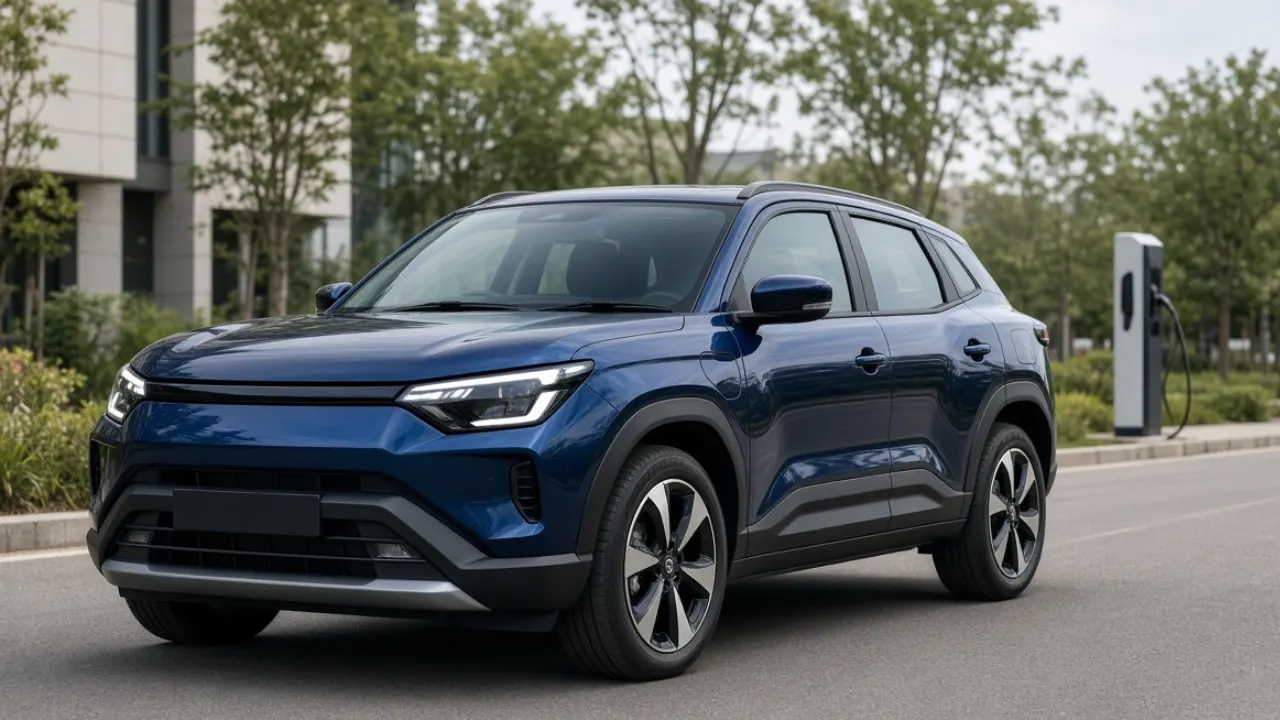
The numbers are substantial. A 118.5-kWh battery, up to 600 km of WLTP range, 550 PS, 850 Nm and 350-kW charging give it the technical foundation expected of a modern flagship EV. At the same time, the 900-mm wading capability and 2,500-kg towing rating show that the electric version has been engineered around more than luxury-road driving.
For buyers considering one, the most important questions will be market-specific pricing, charging access and how closely real-world range matches their driving needs. Official range figures are useful for comparison, but actual results will vary with conditions.
Range Rover Electric FAQ
How much range does the Range Rover Electric have?
The Range Rover Electric has a maximum 600 km (372 miles) WLTP range. Land Rover estimates real-world range at up to 535 km (333 miles).
How fast does the Range Rover Electric charge?
With a suitable 350-kW DC rapid charger, Land Rover says the battery can charge from 10% to 80% in 22 minutes. It can add up to 220 km (137 miles) of WLTP range in 10 minutes under the stated conditions.
What battery does the Range Rover Electric use?
It uses a 118.5-kWh battery with an 800V electrical architecture.
How powerful is the Range Rover Electric?
The dual-motor system produces up to 550 PS and 850 Nm of torque.
Is the Range Rover Electric all-wheel drive?
Yes. It uses two electric motors, one on each axle, providing all-wheel drive.
Can the Range Rover Electric go off-road?
Yes. Land Rover has retained substantial off-road capability, including Terrain Response technology, single-pedal driving and a claimed 900-mm maximum wading depth.
How much can the Range Rover Electric tow?
Its maximum stated towing capacity is 2,500 kg.
How much does the Range Rover Electric cost?
Pricing depends on the market. In the UK, JLR lists it from £154,070 on the road. In the U.S., the 2027 model starts at $140,450 MSRP according to current published specifications.
Is the Range Rover Electric a 2026 or 2027 model?
The global Range Rover Electric became available to order in September 2026. In the U.S., it is being sold as a 2027 model year vehicle.
Sources & References
- JLR — Range Rover Electric launch announcement
- JLR — Range Rover Electric corporate announcement
- Range Rover — Range Rover Electric specifications and charging
- Range Rover — Electric range and real-world range information
- Car and Driver — 2027 Range Rover Electric overview and U.S. specifications
- Car and Driver — Range Rover Electric P550 SE specifications