The Honda WR-V is a compact SUV nameplate used in several markets, but it does not represent one identical vehicle worldwide. Honda has developed different WR-V versions for regions including India, Indonesia, Japan, Malaysia and Brazil. Their designs, engines, equipment and market positions vary.
The latest updates make those differences particularly important. Brazil sells a newer-generation WR-V with a 1.5-liter flex-fuel engine, while Indonesia introduced a feature-focused update in February 2026. Honda Malaysia also announced an updated model in September 2026. Japan, meanwhile, sells a WR-V based on the model developed for emerging markets.
For buyers researching the Honda WR-V, the first question should be which country’s version they mean. A specification or feature advertised in one market should not automatically be assumed to apply elsewhere.
Honda WR-V at a Glance
The WR-V is a small SUV designed primarily for urban use, everyday passenger comfort and practical cargo space. Depending on the market, it sits at the entry level of Honda’s SUV range or competes with other compact crossovers.


Its main characteristics include:
- SUV-inspired exterior styling with a raised stance.
- A cabin designed for everyday passenger use.
- Petrol or flex-fuel engine options, depending on the country.
- Automatic CVT availability in several markets.
- Honda SENSING driver-assistance technology on selected versions.
- Market-specific infotainment, connectivity and convenience equipment.
There is no single global WR-V engine, price or equipment list. The sections below separate the main regional versions.
Global Honda WR-V Model Updates
| Market | Latest relevant model information |
|---|---|
| Brazil | New-generation WR-V launched for the 2026 model year |
| Indonesia | Updated WR-V introduced in February 2026 |
| Malaysia | New WR-V announced on September 1, 2026 |
| Japan | WR-V sales began on March 22, 2024 |
| India | The earlier WR-V was discontinued; a new India launch should not be assumed without an official announcement |
Exterior Design: A Different Approach in Each Market
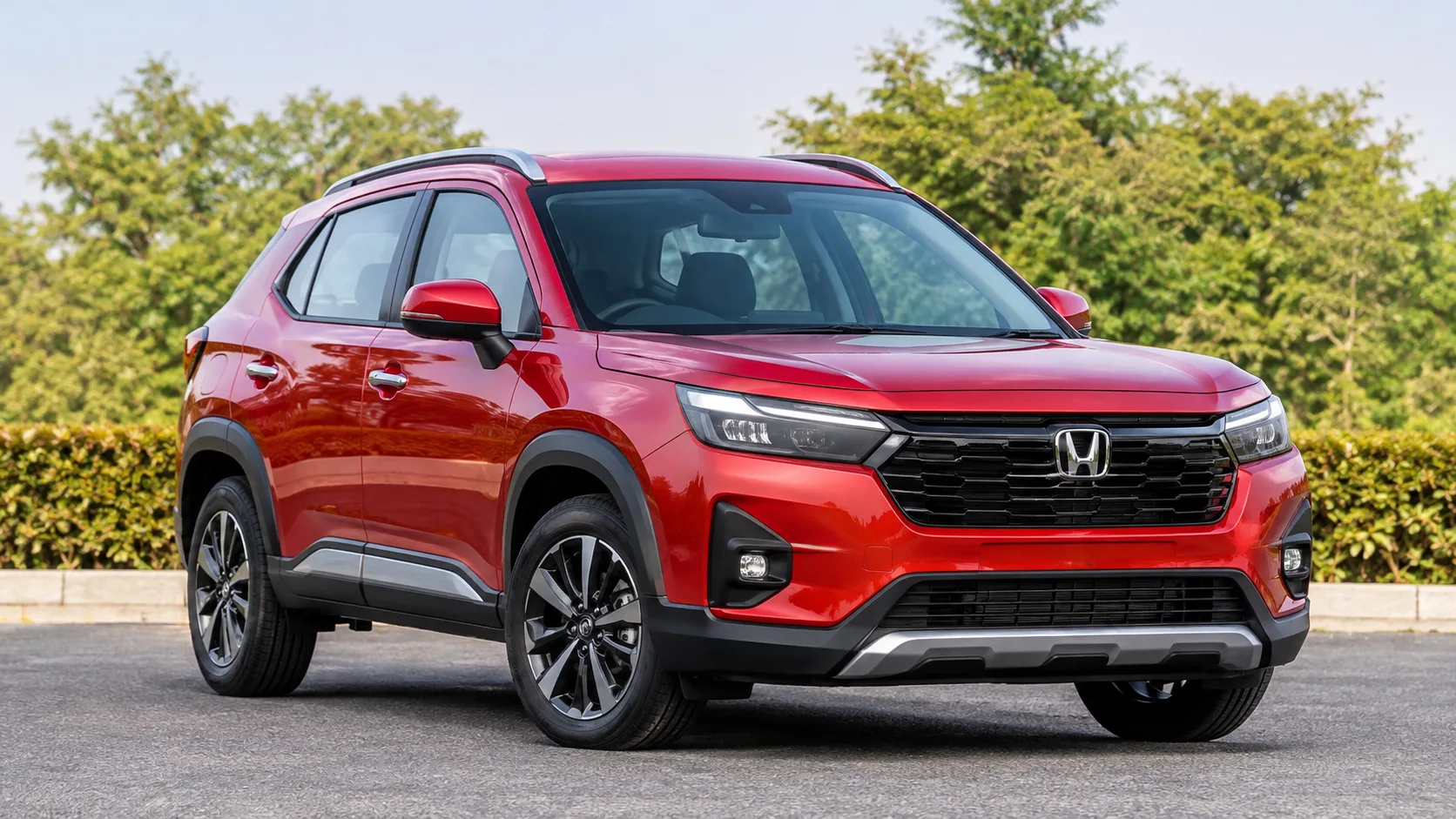
The WR-V generally uses a traditional compact-SUV design rather than the rounded proportions of a small hatchback. Its styling emphasizes a relatively upright front end, a raised bonnet, prominent grille and protective-looking body cladding.
The details differ by region.

Brazil: Larger, More Substantial SUV Styling
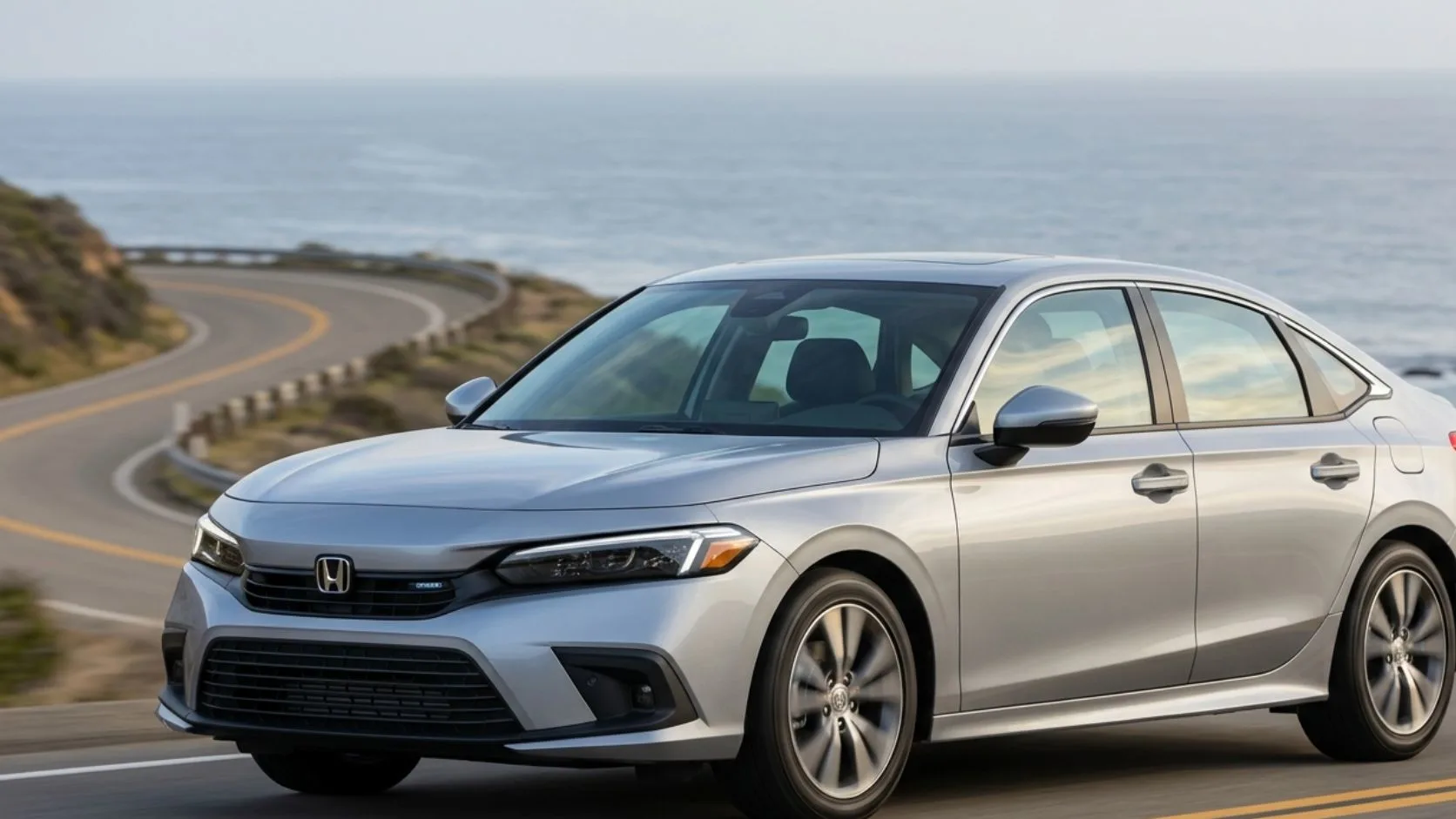
The Brazilian 2026 WR-V has a broad front design, a prominent grille, sculpted bumpers and a relatively upright body. LED lighting, 17-inch alloy wheels and roof rails contribute to its SUV appearance.
Honda’s Brazilian design approach also focuses on creating a spacious cabin. The model has a 2,650 mm wheelbase, which helps provide room for passengers in both rows.
Indonesia: Sportier Appearance After the 2026 Update
Honda introduced the updated Indonesian WR-V at the Indonesia International Motor Show on February 5, 2026.
The refreshed model received redesigned front and rear bumpers, revised grille details and new exterior trim. The E variant uses 16-inch black alloy wheels, while the RS gets 17-inch black alloy wheels.
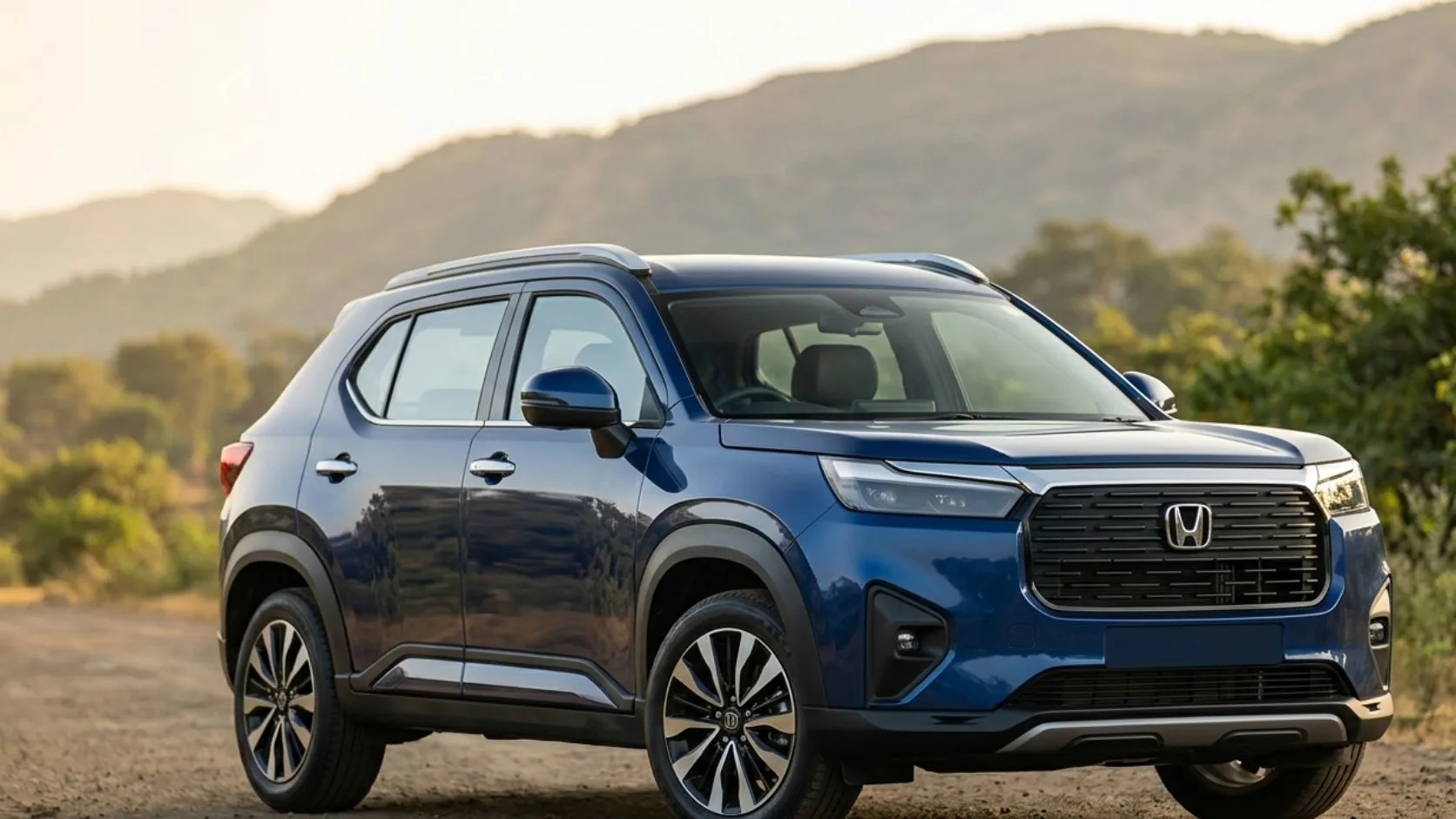

Honda also introduced new colors, including Sand Khaki Pearl and Blazing Red Pearl for the RS range.
Malaysia: A More Refined RS Variant
The Malaysian WR-V received another update on September 1, 2026. Its RS variant gained a black front grille and a two-tone Blazing Red Pearl paint option with a contrasting roof.
All three Malaysian variants now receive 17-inch black alloy wheels, giving the range a more consistent appearance.
Interior, Technology and Comfort
The WR-V’s interior is designed around straightforward controls, passenger comfort and everyday usability. However, the equipment list depends heavily on the market and trim.
Infotainment and Connectivity
The 2026 Indonesian update brought a 10.25-inch Display Audio system with wireless smartphone connectivity. A USB-C port in the first row is also included across the updated range.
The Brazilian WR-V uses a 10-inch touchscreen with wireless Apple CarPlay and Android Auto. A 7-inch TFT instrument display provides driving information, while the EXL variant adds myHonda Connect features.
In Malaysia, the updated WR-V features a 10-inch Display Audio system with wireless Apple CarPlay and Android Auto. The RS variant adds a wireless phone charger.
These differences matter when comparing specifications online. A feature available in the Brazilian EXL or Malaysian RS should not be assumed to be standard on every WR-V.

Cabin Comfort
Honda has focused on making the WR-V practical for everyday passenger use. Depending on the version, equipment can include:
- Automatic climate control.
- Rear air-conditioning vents.
- Split-folding rear seats.
- Leather or leather-trimmed upholstery.
- A digital instrument display.
- A rear center armrest.
- Wireless smartphone charging.
- Smart entry and push-button start.
The Brazilian model offers rear ventilation and body-stabilizing seats designed to improve passenger support. The Malaysian RS adds red ambient lighting and upgraded seat trim.
Honda WR-V Engine Options and Performance
There is no single engine configuration for the global Honda WR-V. The available powertrain depends on the country.
Brazil: 1.5-Liter Flex-Fuel Petrol Engine
The Brazilian 2026 WR-V uses a naturally aspirated 1.5-liter, four-cylinder DI i-VTEC flex-fuel engine. It can operate on gasoline or ethanol, which is important in Brazil’s fuel market.

| Specification | Brazil WR-V 2026 |
|---|---|
| Engine | 1.5-liter DI i-VTEC, four-cylinder |
| Fuel type | Flex-fuel: gasoline and ethanol |
| Maximum power | 126 cv |
| Maximum torque | 15.8 kgf.m on ethanol |
| Gasoline torque | 15.5 kgf.m |
| Transmission | CVT automatic |
| Drive type | Front-wheel drive |
The engine produces 126 cv at 6,200 rpm on both fuels. Torque is rated at 15.8 kgf.m with ethanol and 15.5 kgf.m with gasoline, both at 4,600 rpm.
The CVT is a continuously variable transmission. Rather than using a conventional set of fixed gear ratios, it adjusts its ratio to provide smooth acceleration and keep the engine operating within an appropriate speed range.
Steering-wheel paddle shifters allow the driver to select simulated gear steps when desired.
Japan: 1.5-Liter DOHC i-VTEC Engine
The Japanese WR-V also uses a 1.5-liter DOHC i-VTEC petrol engine paired with a CVT.
Honda introduced this version for the Japanese market in March 2024. It was developed from the India-produced Honda Elevate and exported to Japan under the WR-V name.
Honda’s original Japanese launch information listed three variants: X, Z and Z+. All were front-wheel drive and used the 1.5-liter engine with a CVT.
Malaysia: 1.5-Liter i-VTEC Petrol Engine
The updated Malaysian WR-V uses a 1.5-liter DOHC i-VTEC engine producing 121 PS and 145 Nm of torque.
It is paired with a CVT automatic transmission. Honda offers the E, V and RS variants in Malaysia, with Honda SENSING driver-assistance technology standard across the range.
Indonesia: Updated Model, Market-Specific Powertrain
Honda introduced the refreshed Indonesian WR-V in February 2026, with E, RS and RS with Honda SENSING versions.
The update focuses heavily on styling and equipment, including a larger infotainment display, USB-C connectivity and additional convenience features. Buyers should consult the current Indonesian technical specification sheet for the exact engine output and transmission details applicable to the selected variant rather than relying on figures from another country’s WR-V.
Fuel Economy and Everyday Running Costs
Fuel economy figures cannot be compared directly across all WR-V markets because the engines, fuel types and testing procedures differ.
For the Brazilian 2026 model, Honda lists the following figures under Brazil’s vehicle-labeling program:
| Fuel | Urban consumption | Highway consumption |
|---|---|---|
| Ethanol | 8.2 km/l | 8.9 km/l |
| Gasoline | 12.0 km/l | 12.8 km/l |
These are official Brazilian test-cycle figures, not guaranteed real-world results. Traffic, road conditions, driving style, weather, vehicle load and maintenance can affect actual consumption.
The Malaysian, Indonesian and Japanese versions should be evaluated using their respective local fuel-economy figures. A Brazilian ethanol figure, for example, is not a meaningful comparison with a Japanese petrol-only model.
Practicality: Cabin Space and Boot Capacity
Practicality is one of the WR-V’s important selling points. Honda has designed the model around a compact exterior footprint while aiming to provide useful passenger space and luggage capacity.
Brazilian WR-V: 458-Liter Boot
The Brazilian model offers 458 liters of luggage capacity with the rear seats in their normal position. Folding the rear seatbacks increases the available cargo volume to 1,466 liters, according to Honda’s published figures.
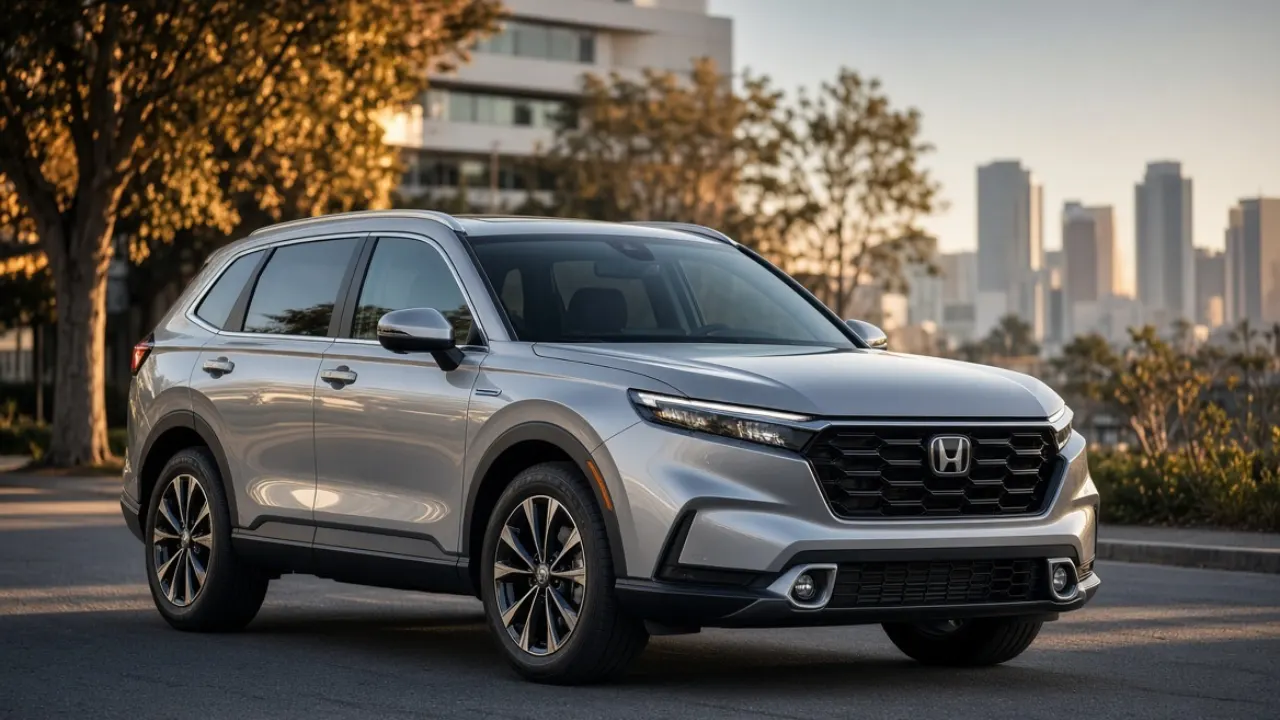
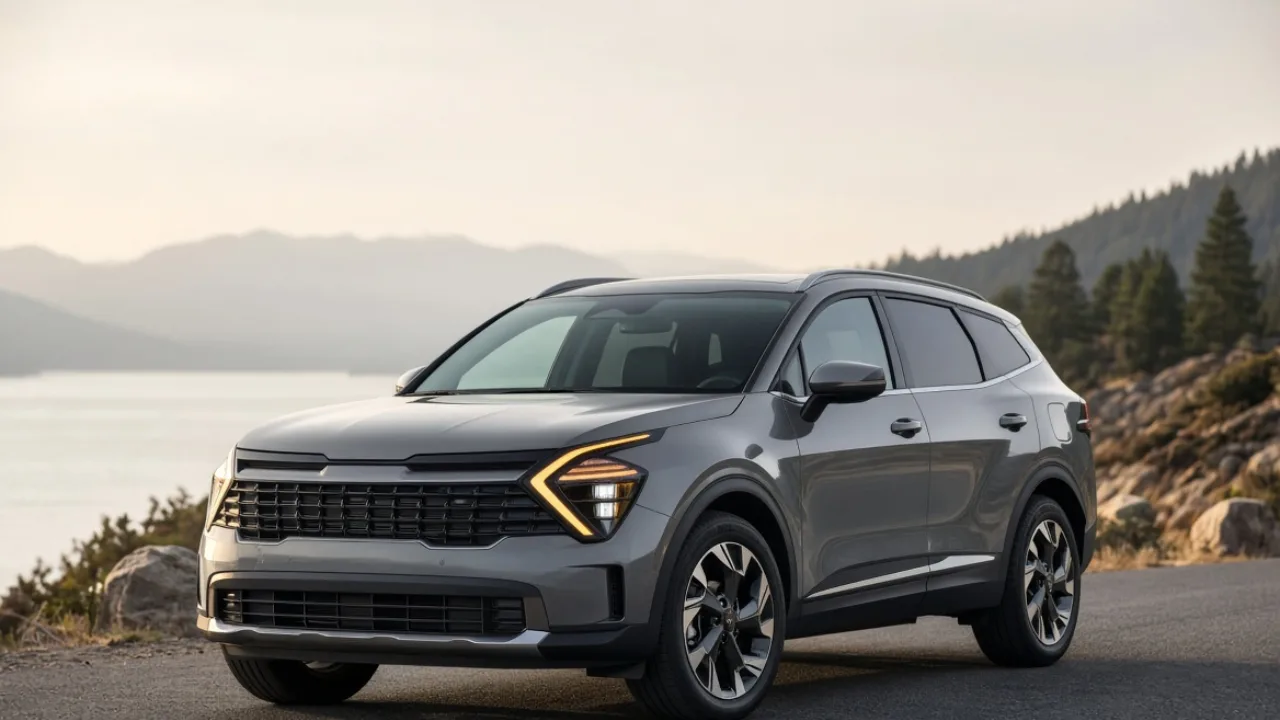
The rear seats also have a 60:40 split-folding arrangement, allowing owners to carry longer items while retaining space for a rear passenger.
Japanese WR-V: 458-Liter Cargo Capacity
Honda’s Japanese launch information also lists 458 liters of cargo capacity, measured using the VDA method.
The company highlights a relatively flat cargo-area design and underfloor storage as part of the model’s practical packaging. Its published minimum ground clearance is 195 mm.
Malaysian WR-V: 380-Liter Luggage Capacity
The Malaysian version has a smaller published luggage capacity of 380 liters. Its rear seats fold in a 60:40 configuration, with different loading arrangements available for larger or longer objects.
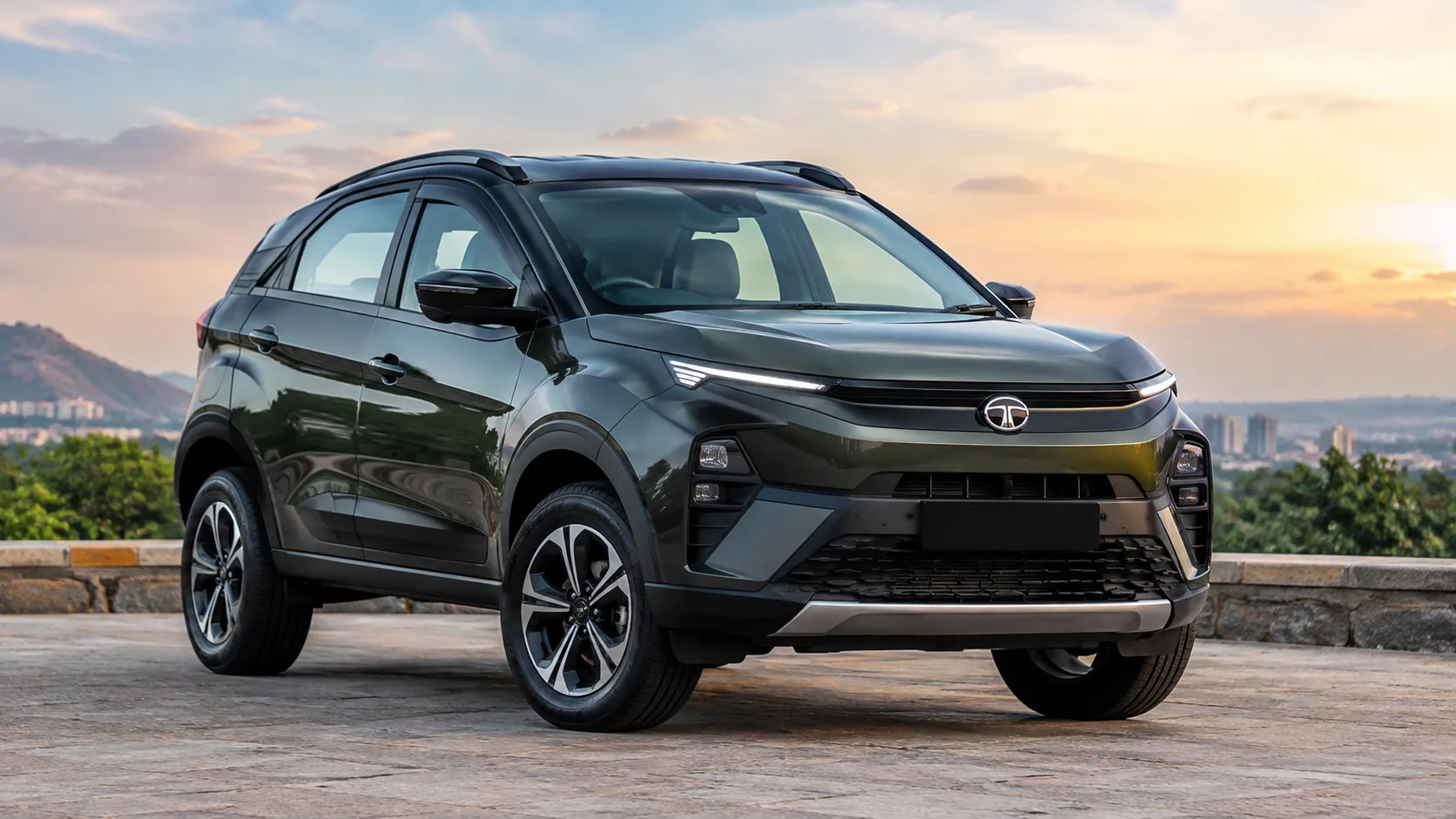
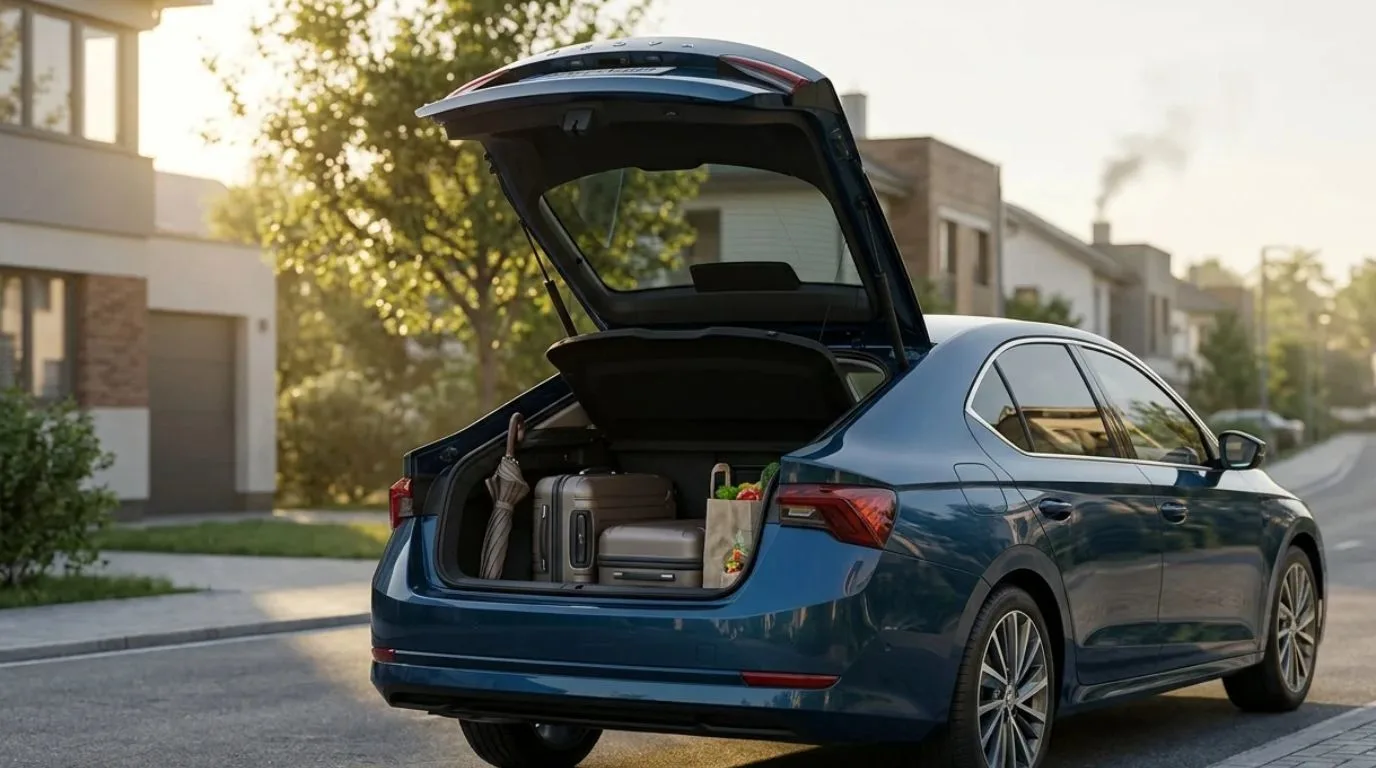
The difference between the Brazilian and Malaysian figures demonstrates why market-specific specifications matter. Buyers should not assume that all WR-V versions have the same boot space.
Safety and Honda SENSING
Honda SENSING is a collection of driver-assistance technologies designed to support the driver. It is not a self-driving system, and the driver remains responsible for controlling the vehicle.
The available functions vary by market and version.
In Brazil, Honda lists the following Honda SENSING features for the 2026 WR-V:
- Adaptive Cruise Control.
- Collision Mitigation Braking System.
- Lane Keeping Assist System.
- Road Departure Mitigation.
- Auto High-Beam headlights.
The Brazilian model also includes six airbags, vehicle stability and traction assistance, hill-start assistance, a rear-view camera and parking sensors.
In Japan, Honda’s original WR-V launch information listed Honda SENSING as standard across the X, Z and Z+ variants. Its listed functions included collision mitigation braking, adaptive cruise control, lane-keeping assistance, road-departure mitigation and traffic-sign recognition.
The updated Malaysian WR-V also offers Honda SENSING as standard across its E, V and RS variants.
These systems can provide additional support, but their performance depends on road markings, weather, visibility and other operating conditions. Buyers should check the local equipment list to confirm exactly which functions are included.
Honda WR-V 2026 Prices and Availability
Honda does not publish one global WR-V price. Each market has its own variants, taxes, equipment and pricing structure.
Brazil
Honda launched the new-generation WR-V in Brazil for the 2026 model year. The current official Brazilian model page lists EX and EXL versions.
The manufacturer’s displayed price should be checked directly with a Brazilian Honda dealer because the final amount can vary with state taxes, paint options and other charges.
Indonesia
Honda introduced the updated WR-V at IIMS 2026 on February 5, 2026.
The manufacturer’s announced prices were:
| Variant | Announced price |
|---|---|
| WR-V E | Rp284,100,000 |
| WR-V RS | Rp297,600,000 |
| WR-V RS with Honda SENSING | Rp321,100,000 |
These are Indonesian rupiah prices announced by Honda Indonesia. Buyers should confirm current dealer pricing and applicable taxes before purchase.
Malaysia
Honda Malaysia introduced the updated WR-V on September 1, 2026, with three variants.
| Variant | On-the-road price without insurance |
|---|---|
| WR-V E | RM94,900 |
| WR-V V | RM98,900 |
| WR-V RS | RM104,900 |
These prices are in Malaysian ringgit and apply to the Malaysian market.


Japan
Honda began selling the WR-V in Japan on March 22, 2024. The original launch lineup included X, Z and Z+ grades, all with a 1.5-liter engine and CVT.
The launch prices published in December 2023 were historical manufacturer suggested retail prices. They should not be treated as current 2026 dealer quotations.
India
India has a separate WR-V history. The earlier Indian WR-V was a different model from the newer SUV sold in Japan, Indonesia, Malaysia and Brazil.
Honda’s India-market WR-V was offered with petrol and diesel manual powertrains. Its older specification and equipment list should not be confused with the newer international model.
Honda has not provided a confirmed announcement in the sources reviewed here establishing a new-generation WR-V launch in India. Buyers should therefore avoid treating the Japanese or Brazilian model as a confirmed upcoming Indian launch.
How the Honda WR-V Differs Across Markets
The WR-V name covers vehicles with different specifications and equipment. The following comparison highlights the most useful confirmed distinctions.
| Feature | Brazil 2026 | Indonesia 2026 update | Malaysia 2026 update | Japan |
|---|---|---|---|---|
| Engine | 1.5L flex-fuel | Market-specific 1.5L petrol lineup | 1.5L petrol | 1.5L petrol |
| Transmission | CVT | Check selected variant | CVT | CVT |
| Boot capacity | 458 liters | Not stated in the update announcement | 380 liters | 458 liters |
| Infotainment | 10-inch touchscreen | 10.25-inch display | 10-inch display | Market-specific equipment |
| Honda SENSING | Standard on EX and EXL | Available on top RS version | Standard across variants | Standard at Japanese launch |
| Main 2026 update | New-generation model | Styling and connectivity upgrades | Exterior and interior refinements | No equivalent 2026 update established here |
Is the Honda WR-V a Practical Small SUV?
The WR-V’s appeal comes from its combination of compact-SUV proportions, a naturally aspirated petrol powertrain in several markets, automatic transmission availability and useful passenger and luggage space.
Its strongest points depend on the version:
Brazil: The 458-liter boot, flex-fuel engine, CVT and Honda SENSING equipment make it a practical option for buyers seeking a small family SUV.
Indonesia: The 2026 update brings a larger infotainment display, USB-C connectivity and additional RS equipment, improving its everyday technology package.
Malaysia: Standard Honda SENSING across the three variants and the updated infotainment system are notable features. The 380-liter luggage capacity is worth considering for buyers who regularly carry large loads.
Japan: The 458-liter boot, rear ventilation and standard Honda SENSING at launch are key practical features.
There are also limitations to consider. The naturally aspirated 1.5-liter engines are not designed to deliver the strong low-speed acceleration associated with turbocharged alternatives. The CVT prioritizes smoothness and efficiency rather than conventional stepped-gear responses. Equipment and cargo capacity also vary between markets.
For buyers, the most useful comparison is with similarly priced compact SUVs sold in their own country, not with a WR-V specification from another region.
Final Thoughts
The Honda WR-V is best understood as a market-specific compact SUV rather than a single globally standardized model. Brazil’s 2026 version offers a 1.5-liter flex-fuel engine and 458-liter boot, Indonesia’s 2026 update focuses on styling and connectivity, and Malaysia’s refreshed model adds equipment while retaining a 1.5-liter petrol engine and CVT.
Japan’s WR-V has its own market identity, despite sharing its origins with the India-produced Elevate. India’s earlier WR-V is a separate model and should not be confused with these newer versions.
Anyone considering the WR-V should verify the local engine, safety equipment, luggage capacity, warranty and price before making a purchase decision. Specifications and equipment can change by model year and variant.
Frequently Asked Questions
Is the Honda WR-V the same in every country?
No. Honda sells different WR-V versions across markets. Engine specifications, dimensions, boot capacity, infotainment systems, safety equipment and prices can vary.
What engine does the Honda WR-V use?
It depends on the market. The Brazilian 2026 model uses a 1.5-liter flex-fuel engine, while the Malaysian version uses a 1.5-liter petrol engine. Japan also offers a 1.5-liter DOHC i-VTEC petrol engine with a CVT.
Does the Honda WR-V have a diesel engine?
The newer versions discussed here use petrol or flex-fuel engines. The earlier Indian WR-V was offered with a 1.5-liter diesel engine, but that specification does not apply to the newer international models.

What is the boot space of the Honda WR-V?
The Brazilian and Japanese versions have a published capacity of 458 liters. The Malaysian version lists 380 liters. These figures come from different market specifications and should not be treated as interchangeable.
Does the Honda WR-V have an automatic transmission?
Yes. CVT automatic transmissions are available in the Brazilian, Malaysian and Japanese versions discussed in this article. Buyers should check the exact Indonesian variant specification before choosing a transmission.
Does the Honda WR-V offer Honda SENSING?
Yes, in several markets. Honda lists Honda SENSING on the Brazilian 2026 EX and EXL, the Malaysian updated range and the Japanese model at its launch. In Indonesia, it is associated with the RS with Honda SENSING variant.
Is the new Honda WR-V coming to India?
A new-generation India launch has not been confirmed in the official information reviewed for this article. The older Indian WR-V and the newer international model are different vehicles.
What is new in the 2026 Honda WR-V?
The main updates vary by market. Indonesia received revised styling, a 10.25-inch infotainment display and USB-C connectivity. Malaysia introduced updated exterior and interior details, wireless smartphone connectivity and additional RS equipment. Brazil sells the newer-generation WR-V for the 2026 model year.