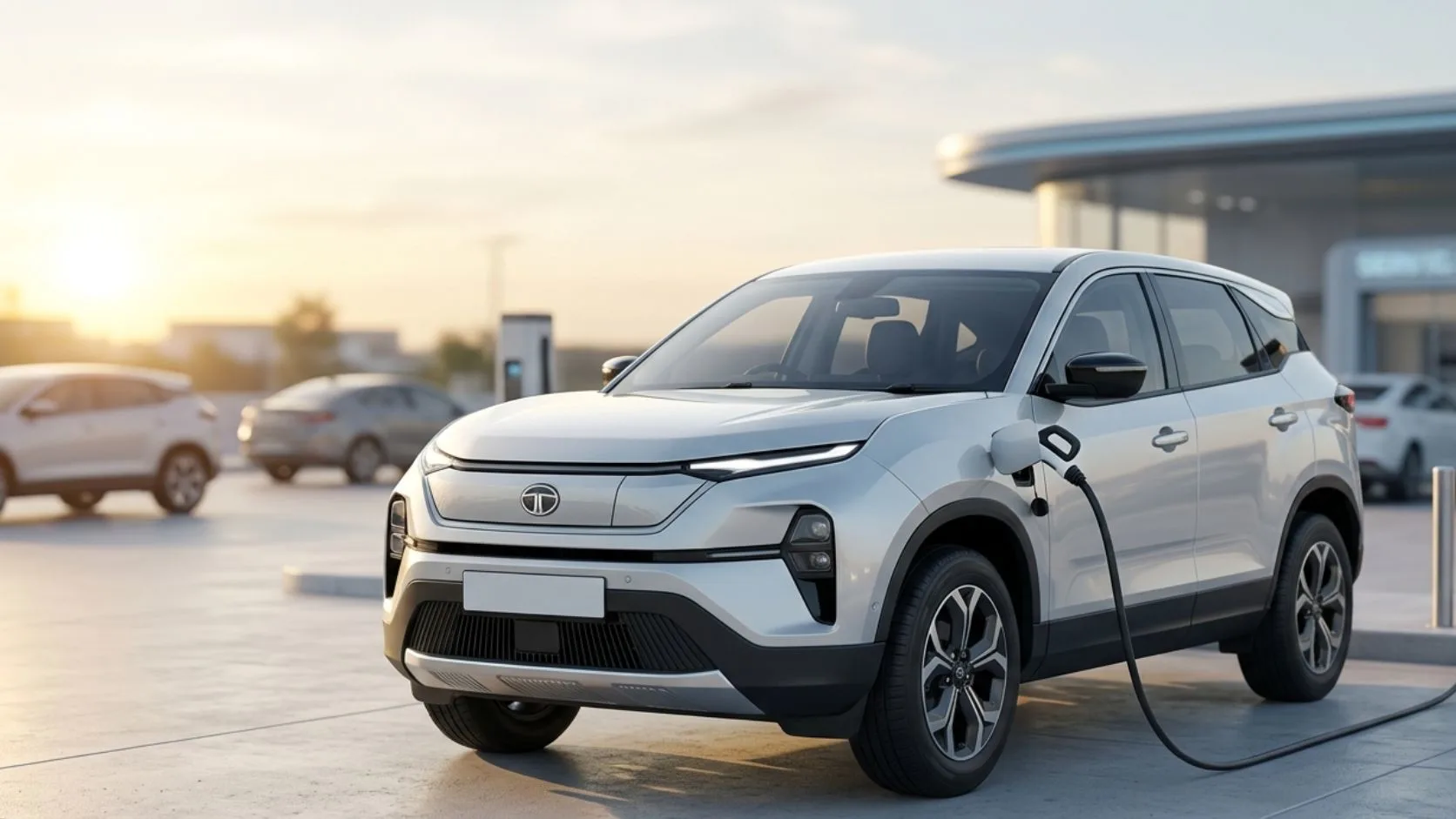
The 2026 Tata Harrier EV is an all-electric SUV designed for buyers who want the size and road presence of a premium family SUV without relying on a petrol or diesel engine. Launched in India in June 2025, it combines a large battery pack, a claimed driving range of up to 627 km, fast-charging capability and an available dual-motor all-wheel-drive system.
Unlike the conventional Tata Harrier, which uses a diesel engine, the Harrier EV runs entirely on electricity. Its key attractions include two battery-pack options, a feature-rich cabin, regenerative braking and Tata’s off-road-oriented Quad Wheel Drive technology on selected versions.
For buyers considering an electric SUV in 2026, the important questions are how far the Harrier EV can travel on a charge, how quickly its battery can be replenished, which variants offer all-wheel drive and whether its features justify the price.
The specifications below refer to the Indian-market model. Equipment, prices and availability may change with variant updates, so buyers should confirm the latest details before booking.
Tata Harrier EV: Key Specifications
| Specification | Tata Harrier EV |
|---|---|
| Vehicle type | All-electric SUV |
| Market | India |
| Battery options | 65 kWh and 75 kWh |
| Maximum claimed range | Up to 627 km |
| Drive configuration | Rear-wheel drive and available dual-motor AWD |
| Maximum charging rate | Up to 120 kW DC |
| Seating capacity | 5 passengers |
| Launch | June 2025 |
| Powertrain | Battery-electric |
| Starting price | Depends on the variant and current price list |
The maximum range applies to a specific battery and variant configuration under the applicable Indian test cycle. It should not be interpreted as a guaranteed distance in everyday driving.
Tata Harrier EV Battery Options and Range
Battery capacity is one of the biggest factors to consider when choosing the Harrier EV. Tata offers 65 kWh and 75 kWh battery packs, with the larger pack providing the longest claimed driving range.
The 65 kWh version has a claimed range of 538 km, while the 75 kWh rear-wheel-drive version is rated for up to 627 km under the Indian MIDC test cycle. The 75 kWh Quad Wheel Drive version has a claimed range of 622 km.
| Battery and drivetrain | Claimed MIDC range | Estimated real-world range |
|---|---|---|
| 65 kWh RWD | 538 km | 420–445 km |
| 75 kWh RWD | 627 km | 480–505 km |
| 75 kWh QWD (AWD) | 622 km | 460–490 km |
Real-world ranges are manufacturer estimates published for reference, not guaranteed results or independent test measurements.
What do these range figures mean?
MIDC stands for Modified Indian Driving Cycle, a standardized test used to determine certified vehicle efficiency and range. Like other laboratory-based driving cycles, it provides a consistent basis for comparing vehicles but cannot reproduce every real-world journey.
Actual range depends on highway speed, traffic, outside temperature, air-conditioning use, passenger load, elevation changes and driving style. Sustained high-speed driving can use more energy than slower urban travel, while regenerative braking can recover some energy during deceleration.
For a buyer who regularly travels between cities, the 75 kWh rear-wheel-drive version offers the highest certified range in the Harrier EV lineup. The 75 kWh QWD version gives up a small amount of claimed range in exchange for the additional traction and performance of a second motor.
Which battery should you choose?
The 65 kWh battery may be sufficient for buyers whose daily journeys are relatively short and who can charge at home or at work. It also offers a lower entry point into the Harrier EV range.
The 75 kWh battery is worth considering if you frequently travel longer distances or want fewer charging stops. The rear-wheel-drive version is particularly relevant if range is a higher priority than all-wheel-drive capability.
Choose the QWD version if you value its stronger acceleration and four-wheel-drive system. Its range remains substantial, but the additional motor and different drivetrain configuration affect the certified figure.
Tata Harrier EV Charging Time and Options
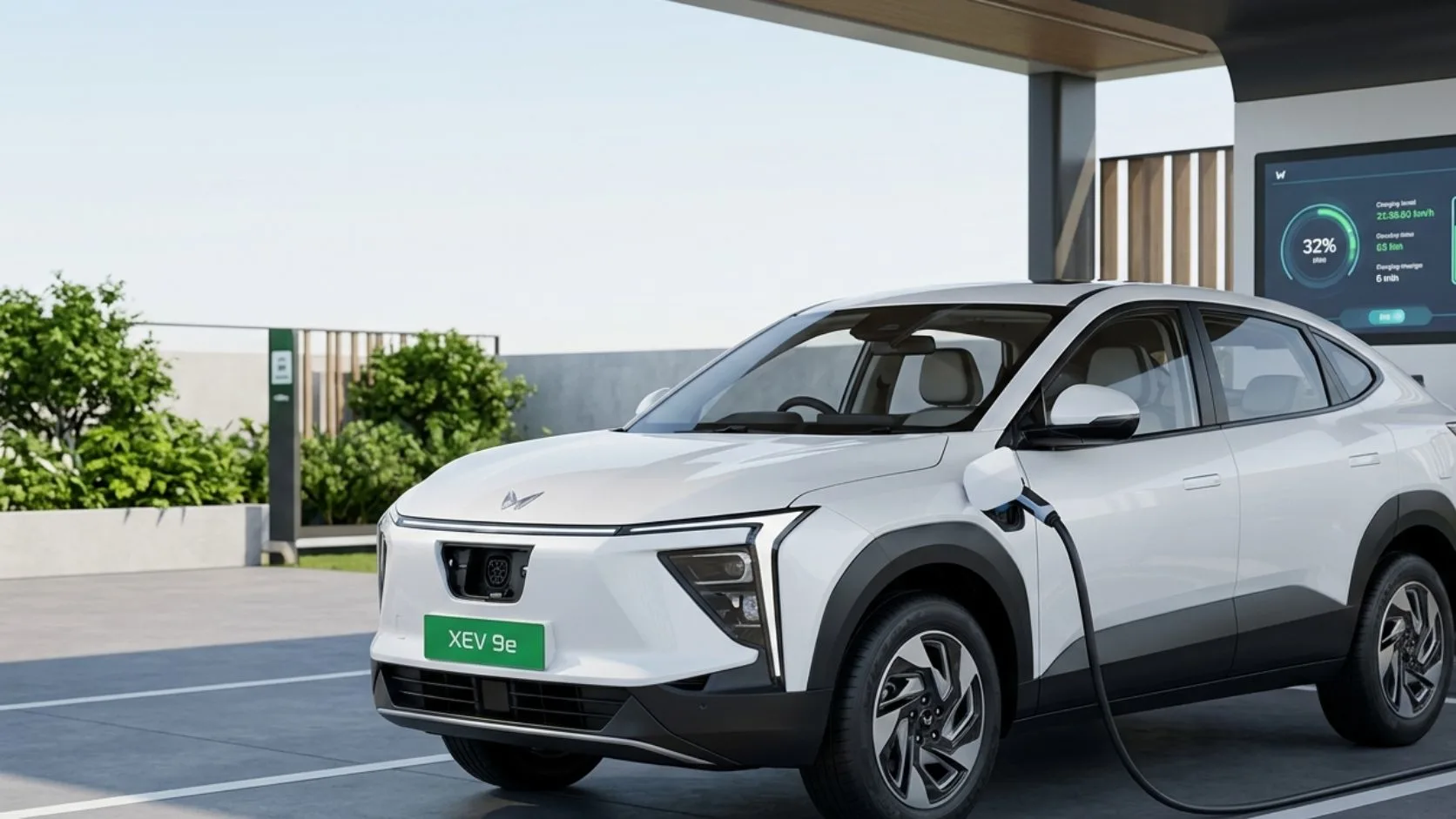
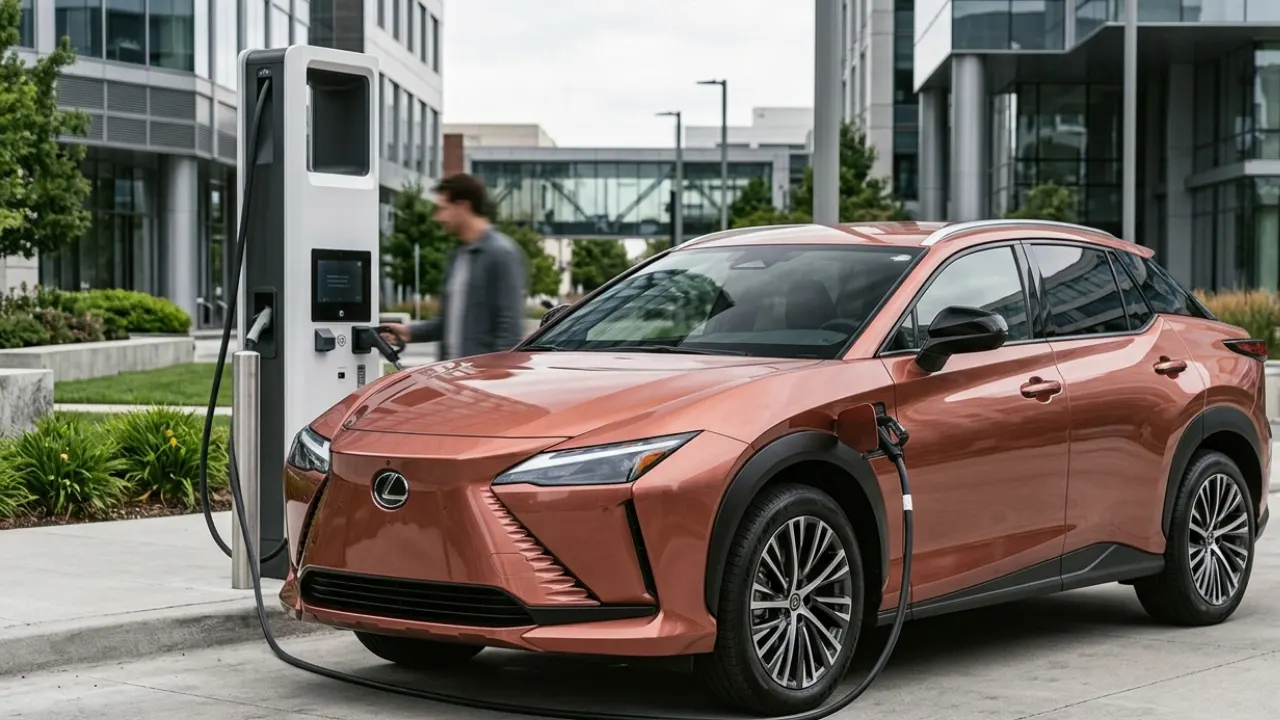
Charging convenience matters just as much as battery capacity. The Harrier EV supports home AC charging and public DC fast charging, allowing owners to replenish the battery overnight or make quicker stops during longer journeys.
Home charging
A 7.2 kW AC charger is available for the Harrier EV. Tata’s published charging information indicates approximately 10.7 hours for a 10% to 100% charge under the stated conditions.
This makes overnight charging a practical option for owners with a suitable home parking space and electrical installation. The actual time can vary with the available supply, charger performance, temperature and battery-management requirements.
Before installing a home charger, check the electrical capacity of the property and have the installation assessed by a qualified professional.
DC fast charging
The Harrier EV supports DC fast charging at up to 120 kW. Tata advertises the ability to add up to 250 km of claimed range in approximately 15 minutes under suitable conditions.
That figure describes a favorable charging scenario rather than a guaranteed result at every charging station. Charging power varies according to battery state of charge, temperature, charger capability and the vehicle’s charging curve.
A useful reference point is the published estimate of approximately 25 minutes to charge from 20% to 80% using a compatible 120 kW DC charger under the specified conditions.
| Charging method | Published reference |
|---|---|
| Home AC charging | 7.2 kW |
| Approximate AC charge time | 10.7 hours, 10%–100% |
| Maximum DC charging rate | Up to 120 kW |
| Approximate DC charge time | 25 minutes, 20%–80% |
| Advertised range added | Up to 250 km in 15 minutes |
These times are indicative. Actual results depend on charging conditions and the specific vehicle configuration.
How to plan a long trip
For a long journey, plan charging stops around the distance you need to cover rather than assuming the full certified range will be available on every trip.
A practical approach is to:
- Start with a sufficiently charged battery.
- Check compatible fast chargers along the planned route.
- Allow for a reserve in case a charging station is unavailable.
- Expect higher energy consumption at sustained highway speeds.
- Avoid planning every leg around the vehicle’s maximum certified range.
The Harrier EV’s navigation and connected-car functions can assist with locating charging points, but checking charger availability before departure remains sensible.
Tata Harrier EV Performance and Motor Specifications
The Harrier EV is available with rear-wheel drive and a dual-motor Quad Wheel Drive configuration. This distinction affects acceleration, traction and claimed range.
Rear-wheel-drive performance
The rear-wheel-drive versions use a rear-mounted electric motor. The published specification for the 65 kWh and 75 kWh rear-wheel-drive models lists power of approximately 238 PS and torque of 315 Nm.
Electric motors deliver torque without the gear changes associated with conventional combustion engines. This can make acceleration feel immediate, particularly when moving away from a stop or overtaking at moderate speeds.
Quad Wheel Drive performance
The 75 kWh QWD version adds a front electric motor to the rear motor. Tata’s published specifications list a combined output of 313 PS and 504 Nm of torque.
Tata claims a 0–100 km/h acceleration time of 6.3 seconds for this dual-motor configuration. This is a manufacturer-stated figure rather than an independent test result.
The additional front motor allows the system to drive all four wheels, improving the vehicle’s ability to distribute traction when road conditions demand it.
Performance specifications
| Specification | RWD versions | 75 kWh QWD |
|---|---|---|
| Battery options | 65 kWh / 75 kWh | 75 kWh |
| Motor layout | Single rear motor | Front and rear motors |
| Published power | Approx. 238 PS | Approx. 313 PS combined |
| Published torque | 315 Nm | 504 Nm combined |
| Drive type | Rear-wheel drive | Quad Wheel Drive |
| Claimed 0–100 km/h | Varies by configuration | 6.3 seconds |
The QWD model is the stronger performance choice, while the rear-wheel-drive versions prioritize a simpler drivetrain and, in the 75 kWh configuration, the highest certified range.
Tata Harrier EV Exterior Design
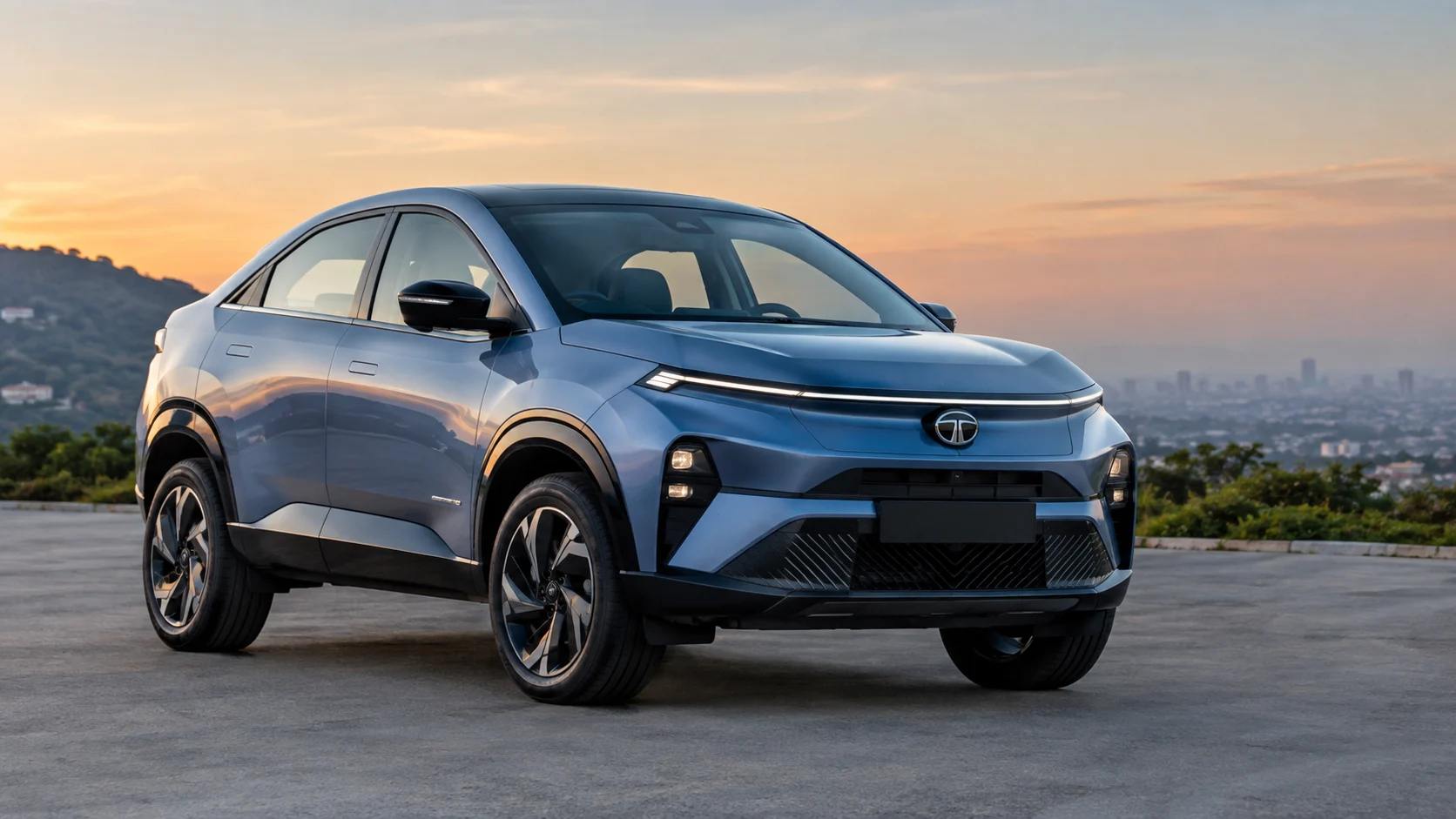
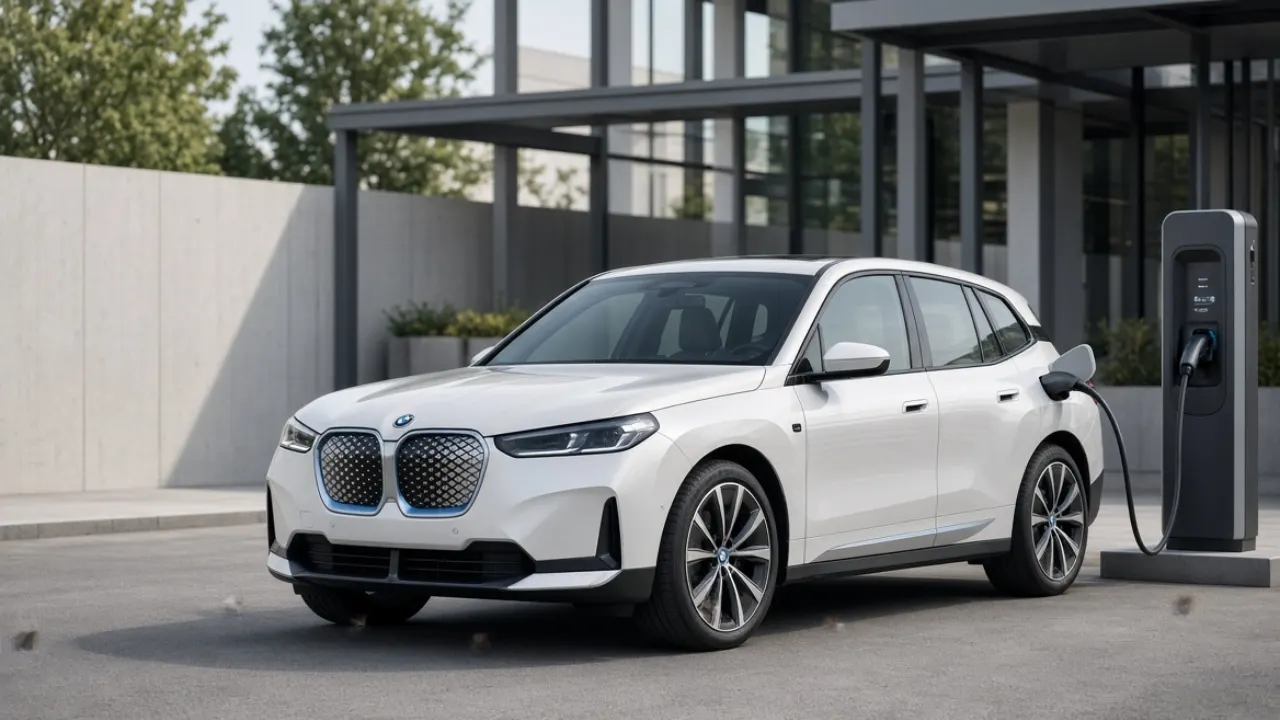
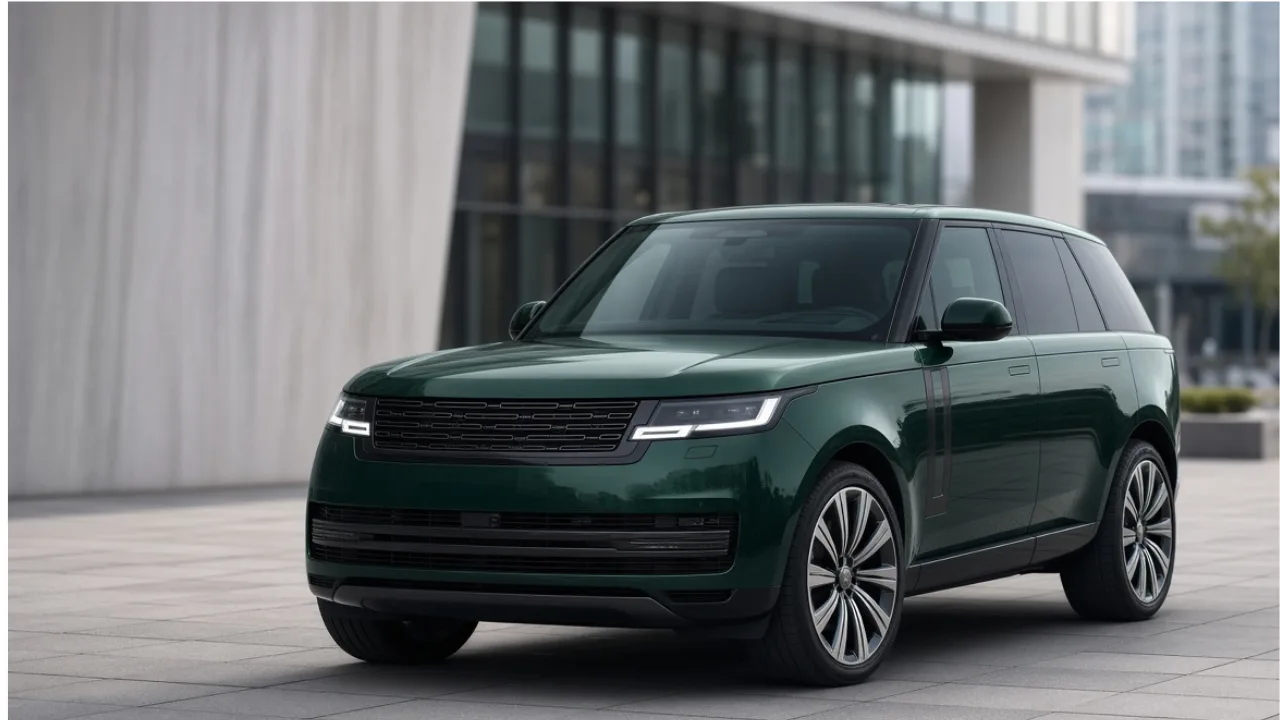
The Harrier EV retains the broad stance and upright proportions associated with the Harrier nameplate, but its electric powertrain brings distinctive styling details.
The front fascia features an EV-specific design, while the lighting elements, sculpted body panels and aerodynamic details help distinguish it from the diesel-powered Harrier. Its overall appearance is aimed at buyers who want a large SUV rather than a smaller, city-focused electric vehicle.
The design also has a practical side. The SUV’s substantial dimensions provide a commanding road presence, although its size can make tight parking spaces and narrow streets more challenging to negotiate.
Exterior equipment varies by trim and can include LED lighting, alloy wheels and additional styling details. Buyers should confirm the features fitted to the specific variant they are considering.
Tata Harrier EV Interior and Technology
The cabin is one of the Harrier EV’s major selling points. Tata has equipped higher-specification versions with a large infotainment display, a digital instrument cluster, connected-car technology and premium audio equipment.
Infotainment and digital features
Selected versions feature a 14.53-inch Harman infotainment display powered by Samsung Neo QLED technology. The system is paired with a premium JBL Black audio system featuring 10 speakers and Dolby Atmos.
Other available technologies include:
- Digital instrument display
- Wireless Apple CarPlay and Android Auto on equipped variants
- Connected-car functions through iRA.ev
- Built-in navigation with EV-oriented route planning
- Over-the-air software updates where supported
- Digital key functionality on compatible devices
- In-car applications through Arcade.ev
The exact equipment varies by variant. The largest infotainment screen and premium audio system should not be assumed to be standard on the entry-level model.
Comfort and convenience
Depending on the trim, the Harrier EV can include a panoramic sunroof, ventilated front seats, a powered driver’s seat with memory, automatic climate control and a powered tailgate.
The suspension system uses frequency-dependent damping, which is designed to adjust damping characteristics according to the movement of the suspension. The objective is to balance ride comfort and body control across different road conditions.
These specifications suggest a focus on long-distance comfort as well as everyday use. However, the actual ride experience depends on road surfaces, wheel and tire configuration, and individual expectations.
Parking assistance and digital visibility
The Harrier EV offers advanced parking assistance on selected variants, including Auto Park Assist and remote manoeuvring functions.
Its 540-degree surround-view system combines camera views to provide a broader picture of the vehicle’s surroundings. Transparent Mode is designed to help drivers see areas around and beneath the vehicle that would otherwise be difficult to observe.
These systems can be useful in tight parking areas and on uneven trails, but camera images do not replace direct observation. Drivers should remain alert to obstacles, pedestrians and areas that cameras may not show clearly.
Tata Harrier EV Safety and ADAS
Safety is an important consideration for a family-oriented electric SUV. The Harrier EV received a five-star Bharat NCAP rating for adult occupant protection and a five-star rating for child occupant protection in its 2025 assessment.
The Bharat NCAP fact sheet records 32 out of 32 points for adult occupant protection and 45 out of 49 points for child occupant protection. The tested variants were the Empowered 75 and Empowered 75 AWD, so the rating should be understood in the context of the tested configurations and stated applicability.
Key safety features
Depending on the variant, the Harrier EV offers equipment including:
- Six airbags
- Electronic stability control
- Tyre-pressure monitoring
- Hill-hold assistance
- Electronic parking brake with auto-hold
- All-wheel disc brakes
- Rear parking assistance
- Surround-view camera system
- Driver-assistance technologies on equipped versions
What does Level 2 ADAS offer?
Selected higher-specification variants offer Level 2 advanced driver-assistance systems, with features such as adaptive cruise control, lane-related assistance and intelligent speed assistance.
These technologies can support the driver by helping maintain a selected cruising speed, monitoring lane markings or providing warnings about certain driving situations. Availability depends on the specific equipment package.
Level 2 ADAS does not make the vehicle self-driving. The driver must continue to supervise the system, pay attention to traffic and remain ready to intervene.
Tata Harrier EV Off-Road Capability
The Harrier EV is not limited to paved roads. Its dual-motor QWD configuration is designed to provide additional traction on surfaces where one axle alone may struggle to maintain grip.
The system can drive both the front and rear wheels, while selectable terrain modes adjust vehicle responses for different surfaces.
Quad Wheel Drive and terrain modes
The QWD version offers six terrain modes:
- Normal
- Grass and Snow
- Mud-Ruts
- Sand
- Rock Crawl
- Custom
These modes are intended to help the vehicle adapt to changing traction conditions. For example, a mode designed for loose sand differs from one intended for slippery grass or rocky terrain.
The SUV also offers Off-Road Assist on equipped versions, which helps manage low-speed movement in difficult conditions. These systems can make controlled off-road driving more manageable, but they cannot eliminate the physical limits imposed by ground clearance, tires or the terrain itself.
Is the Harrier EV suitable for long-distance travel?
The Harrier EV’s 75 kWh rear-wheel-drive version has a claimed range of up to 627 km, which makes it a candidate for longer journeys when charging infrastructure is available along the route.
However, the practical distance between charging stops will be lower or higher depending on driving conditions. Highway speed, temperature, elevation and cabin climate settings can all affect consumption.
For frequent interstate travel, route planning and charger availability are just as important as the headline range figure.
Tata Harrier EV Price in India
Tata announced introductory prices for the Harrier EV in June 2025. The rear-wheel-drive range was launched with an introductory starting price of ₹21.49 lakh, while the QWD versions were announced from ₹28.99 lakh, both ex-showroom.
These are historical introductory prices, not a guarantee of the price applicable in October 2026. The current price can vary by variant and may change with manufacturer revisions or offers.
Before booking, confirm the latest ex-showroom price and on-road quotation with an authorized Tata EV dealer. Registration, insurance and other applicable charges can increase the final amount payable.
Which Harrier EV variant makes the most sense?
| Buyer priority | Configuration to consider |
|---|---|
| Lower purchase cost | 65 kWh RWD |
| Longer claimed range | 75 kWh RWD |
| Stronger acceleration | 75 kWh QWD |
| Additional traction | 75 kWh QWD |
| Premium cabin equipment | Higher-specification variants |
| Advanced driver assistance | Variant equipped with Level 2 ADAS |
The right choice depends on your budget, daily driving distance, access to charging and need for all-wheel drive. A larger battery is useful for frequent long-distance driving, while QWD is most relevant to buyers who value its additional performance and traction.
Tata Harrier EV: Advantages and Limitations
Advantages
- Up to 627 km of claimed MIDC range in the 75 kWh RWD version.
- Two battery choices to suit different driving requirements.
- Dual-motor QWD option with 313 PS and 504 Nm of claimed output.
- DC fast charging support up to 120 kW.
- Premium infotainment and audio equipment on selected trims.
- A five-star Bharat NCAP rating for adult and child occupant protection in the 2025 assessment.
- Terrain modes and off-road assistance on the QWD configuration.
Limitations
- Real-world range is lower than the maximum certified figure in many driving conditions.
- Access to reliable charging remains important for long-distance journeys.
- The fastest charging performance depends on suitable charging infrastructure.
- Premium equipment and ADAS are not available on every variant.
- The dual-motor QWD version has a slightly lower claimed range than the 75 kWh RWD model.
- The SUV’s size may be less convenient in narrow streets and tight parking spaces.
Final Verdict: Should You Consider the 2026 Tata Harrier EV?
The Tata Harrier EV combines a large-SUV format with an all-electric powertrain, two battery options, modern cabin technology and an available dual-motor all-wheel-drive system.
The 75 kWh rear-wheel-drive version is the strongest choice for buyers prioritizing maximum certified range, with a claimed 627 km under the MIDC cycle. The QWD version is better suited to those who want stronger acceleration and additional traction, while the 65 kWh model offers an alternative for buyers whose everyday driving needs do not require the larger battery.
The ownership decision ultimately comes down to charging access, driving habits, budget and the equipment you need. Buyers with home charging and predictable daily journeys may find the transition to an electric SUV straightforward. Those who regularly travel long distances should pay particular attention to fast-charger coverage and realistic highway range.
Before purchasing, confirm the latest price, variant specifications, charging equipment and warranty terms directly with Tata Motors or an authorized dealer.
Frequently Asked Questions
1. What is the range of the 2026 Tata Harrier EV?
The Indian-market Harrier EV has claimed MIDC ranges of 538 km for the 65 kWh RWD version, 627 km for the 75 kWh RWD version and 622 km for the 75 kWh QWD version. Real-world range varies with driving conditions.
2. What battery options are available in the Tata Harrier EV?
The Harrier EV is available with 65 kWh and 75 kWh battery packs. The 75 kWh pack is offered with rear-wheel drive and dual-motor QWD, depending on the variant.
3. How long does the Tata Harrier EV take to charge?
With a 7.2 kW AC charger, a published estimate is approximately 10.7 hours for a 10% to 100% charge. A compatible 120 kW DC fast charger can take approximately 25 minutes for a 20% to 80% charge under specified conditions.
4. What is the top speed and acceleration of the Harrier EV?
Tata’s published performance figure for the 75 kWh QWD model is 0–100 km/h in 6.3 seconds. A verified maximum-speed figure has not been established here, so a specific top speed should not be assumed.
5. Does the Tata Harrier EV support all-wheel drive?
Yes. The 75 kWh QWD version uses two electric motors to drive the front and rear wheels. The rear-wheel-drive variants use a single rear-mounted motor.
6. What is the power output of the Tata Harrier EV?
The rear-wheel-drive versions are listed at approximately 238 PS and 315 Nm. The dual-motor QWD version produces approximately 313 PS and 504 Nm of combined output.
7. Does the Tata Harrier EV have a five-star safety rating?
Yes. Bharat NCAP awarded the tested Harrier EV variants five stars for adult occupant protection and five stars for child occupant protection in 2025.
8. What is the price of the Tata Harrier EV in India?
The introductory ex-showroom prices announced in June 2025 started at ₹21.49 lakh for the RWD range and ₹28.99 lakh for the QWD range. Buyers should verify current 2026 prices with Tata Motors because introductory prices may no longer apply.
9. Does the Harrier EV have ADAS?
Selected higher-specification versions offer Level 2 ADAS, including driver-assistance functions such as adaptive cruise control and lane-related assistance. The exact features depend on the variant.
10. Is the Tata Harrier EV available in the United States?
This article covers the Indian-market model. Official U.S. retail availability has not been established by the sources used here, so buyers should not assume it is available through an authorized U.S. dealer.