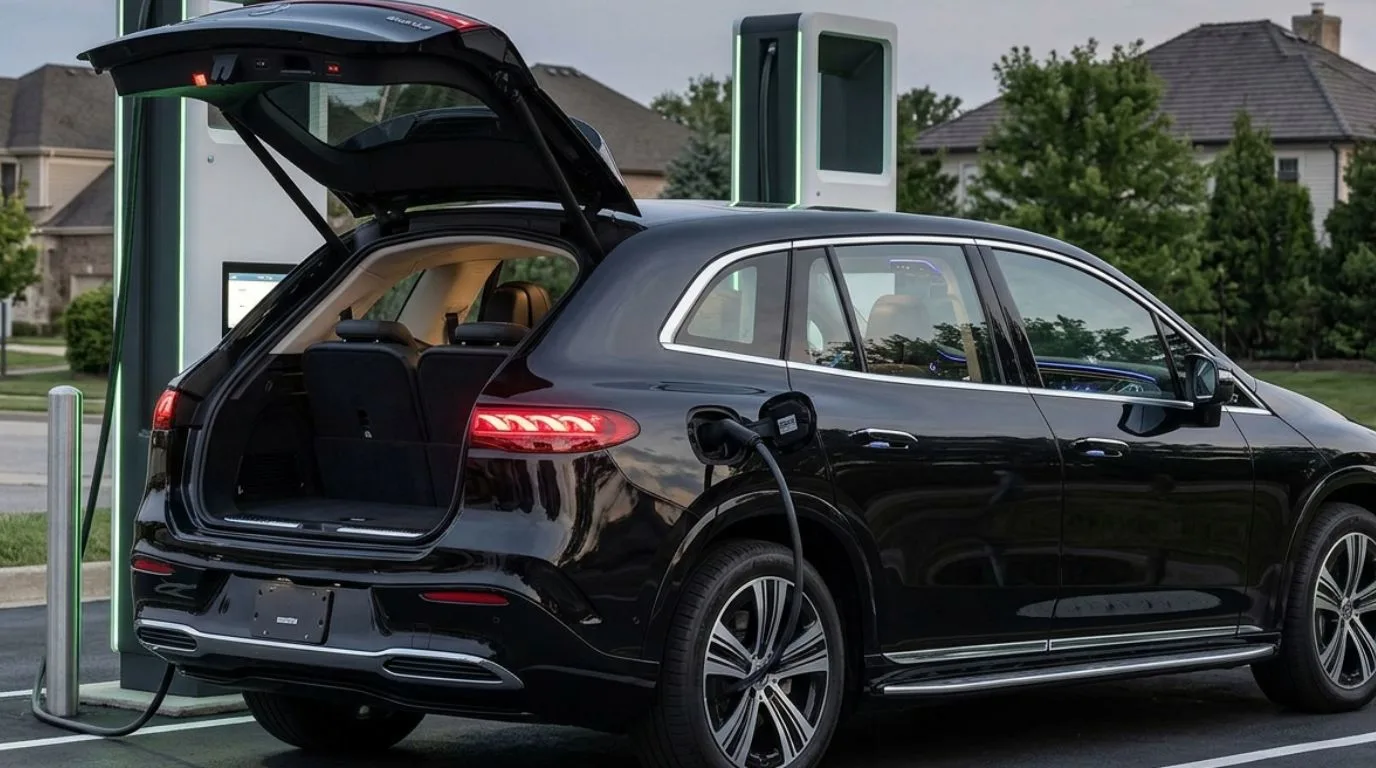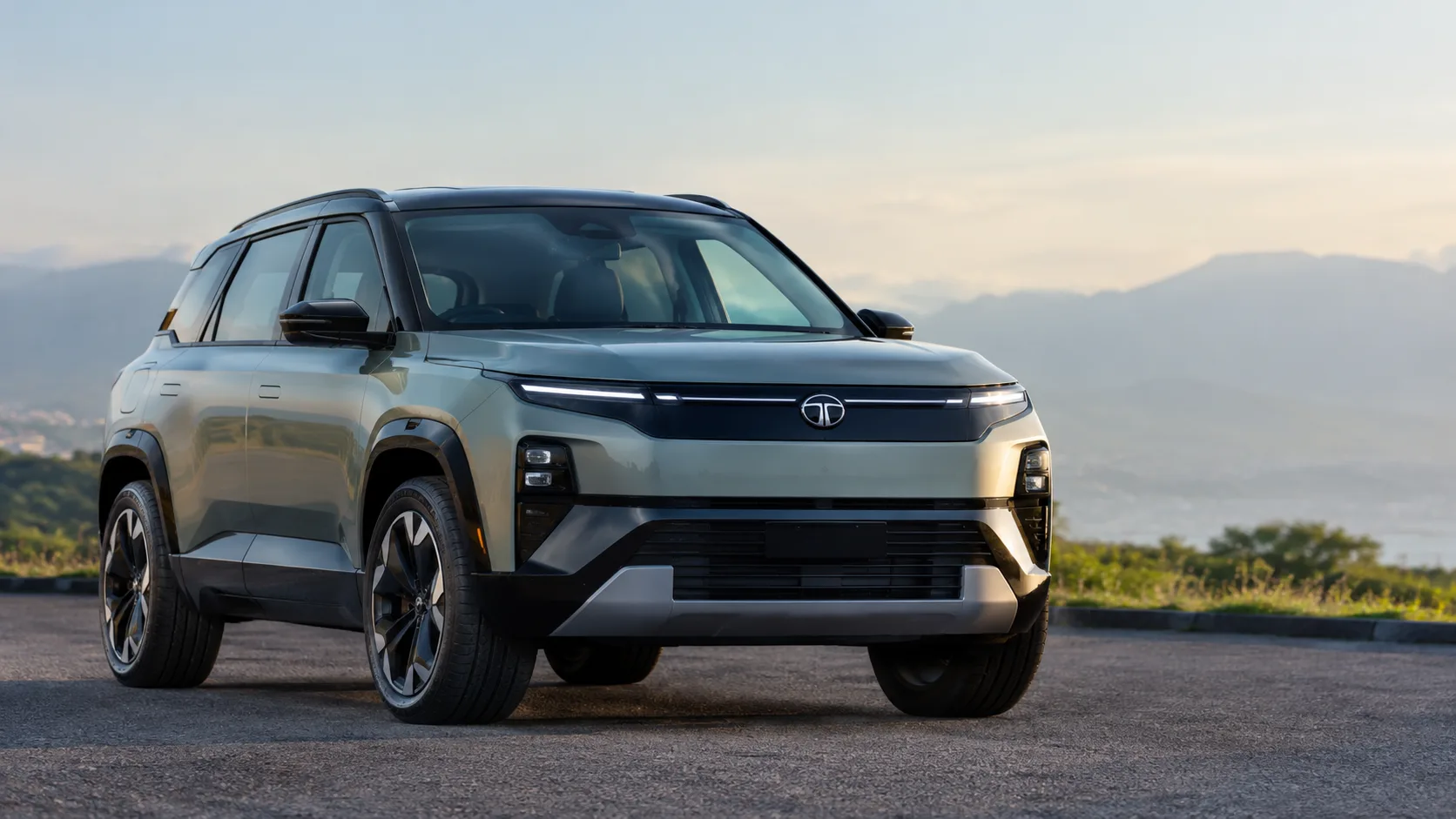
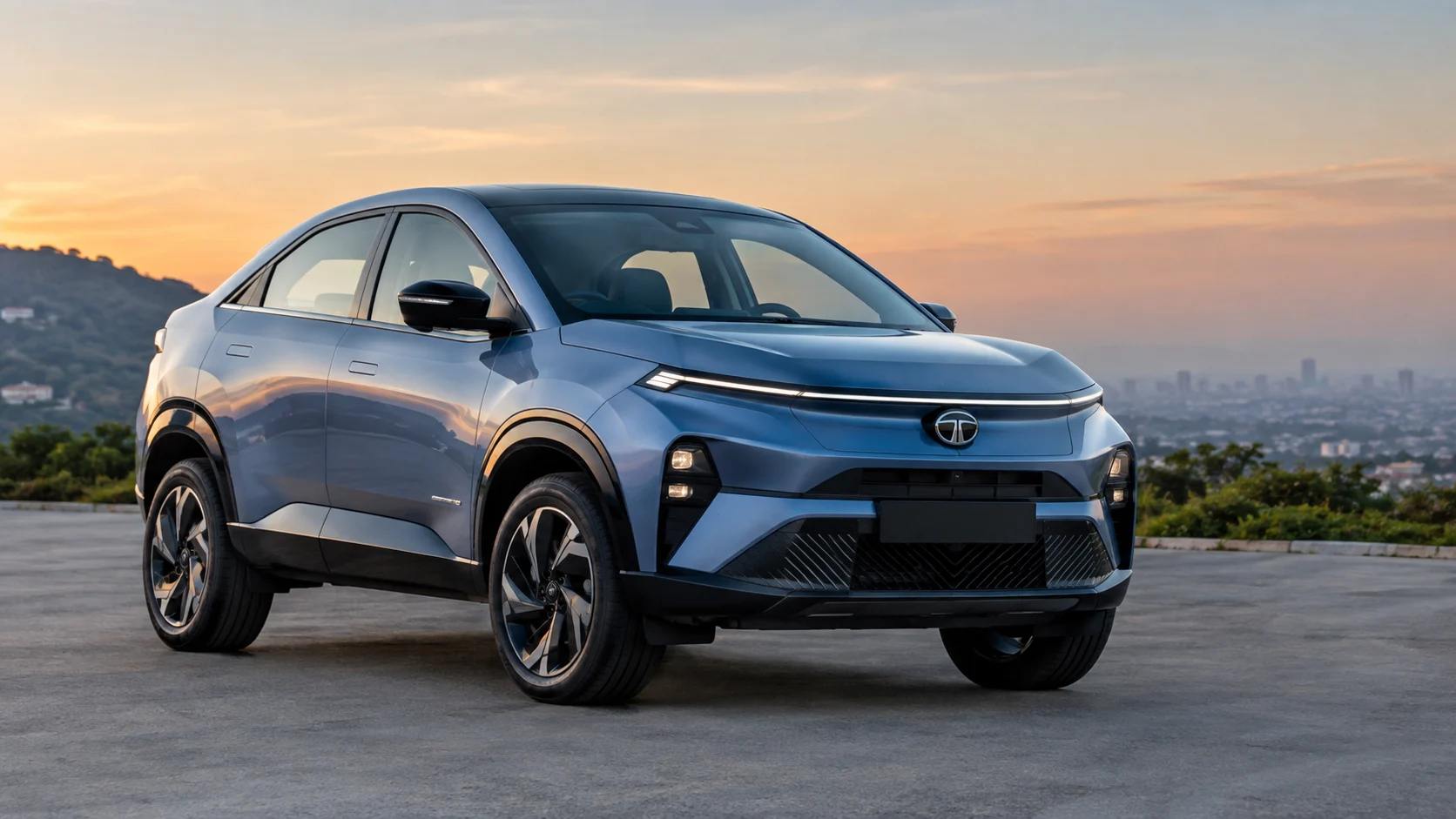
The Tata Sierra EV is no longer just an upcoming electric SUV. Tata Motors launched the all-electric Sierra in India on June 30, 2026, with an ex-showroom starting price of ₹18.79 lakh. As of October 2026, the vehicle is listed in Tata’s electric SUV lineup, so buyers researching a 2027 model should distinguish the launched Sierra EV from any future model-year updates that have not been officially announced.
The Sierra EV is positioned above the Curvv EV in Tata’s electric vehicle range. It combines the Sierra nameplate’s SUV identity with an electric powertrain, modern cabin technology, and a choice of rear-wheel drive or all-wheel drive, depending on the variant.
For buyers, the main questions are how much the Sierra EV costs, how far it can travel on a charge, which features are available, and whether its larger battery or all-wheel-drive configuration is worth the additional expense.
Tata Sierra EV: Key Details at a Glance
| Specification | Details |
|---|---|
| Vehicle | Tata Sierra EV |
| Market | India |
| Launch date | June 30, 2026 |
| Starting ex-showroom price | ₹18.79 lakh |
| Top-end ex-showroom price | ₹25.99 lakh |
| Battery options | 63 kWh and 75 kWh |
| Maximum claimed range | Up to 665 km (MIDC) |
| Drive options | Rear-wheel drive and quad-wheel drive |
| Transmission | Single-speed automatic |
| Maximum torque | 504 Nm on the AWD version |
| Fast charging | Up to 263 km of claimed range added in 15 minutes under specified conditions |
| Platform | Acti.EV+ |
| 2027 model-year changes | Not separately confirmed |
Prices are ex-showroom, not on-road. The claimed range depends on the battery and variant, and MIDC figures should not be interpreted as guaranteed real-world driving distances.
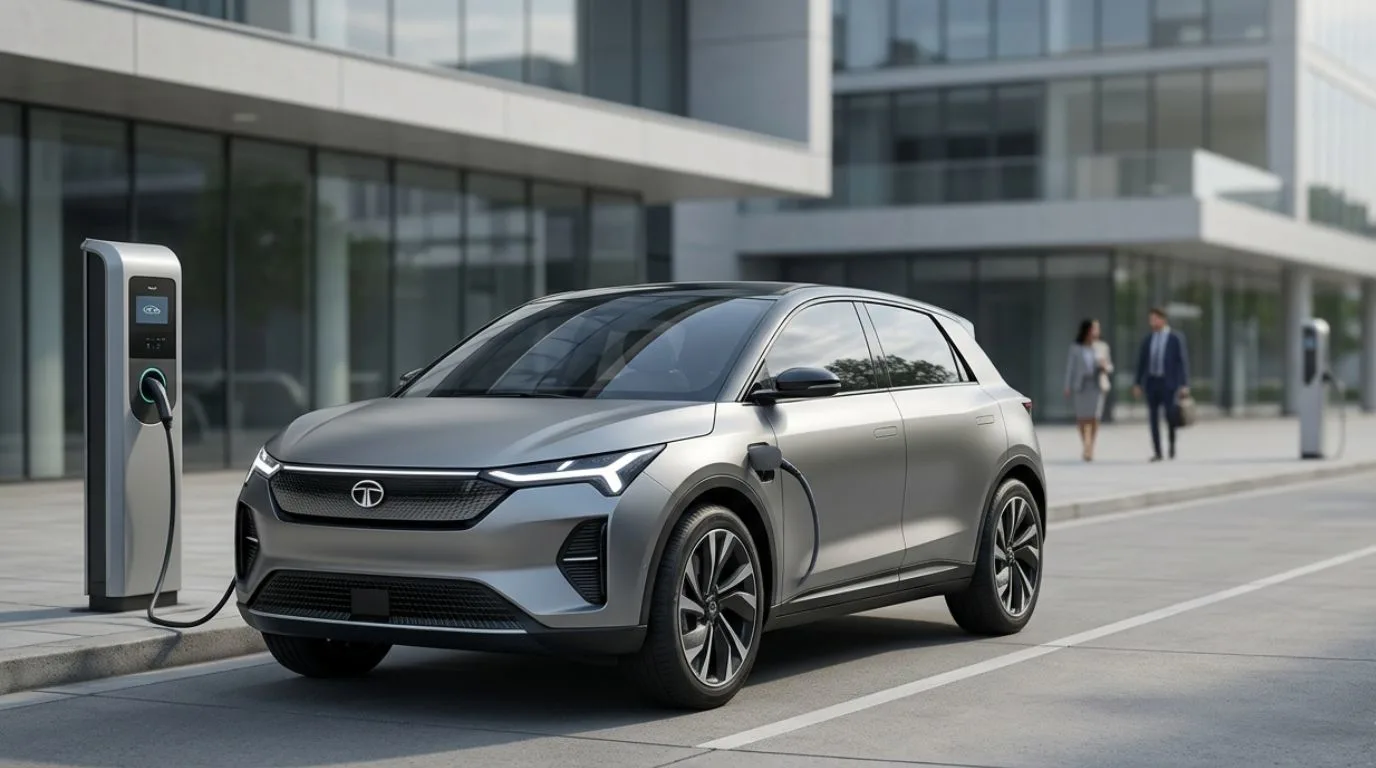
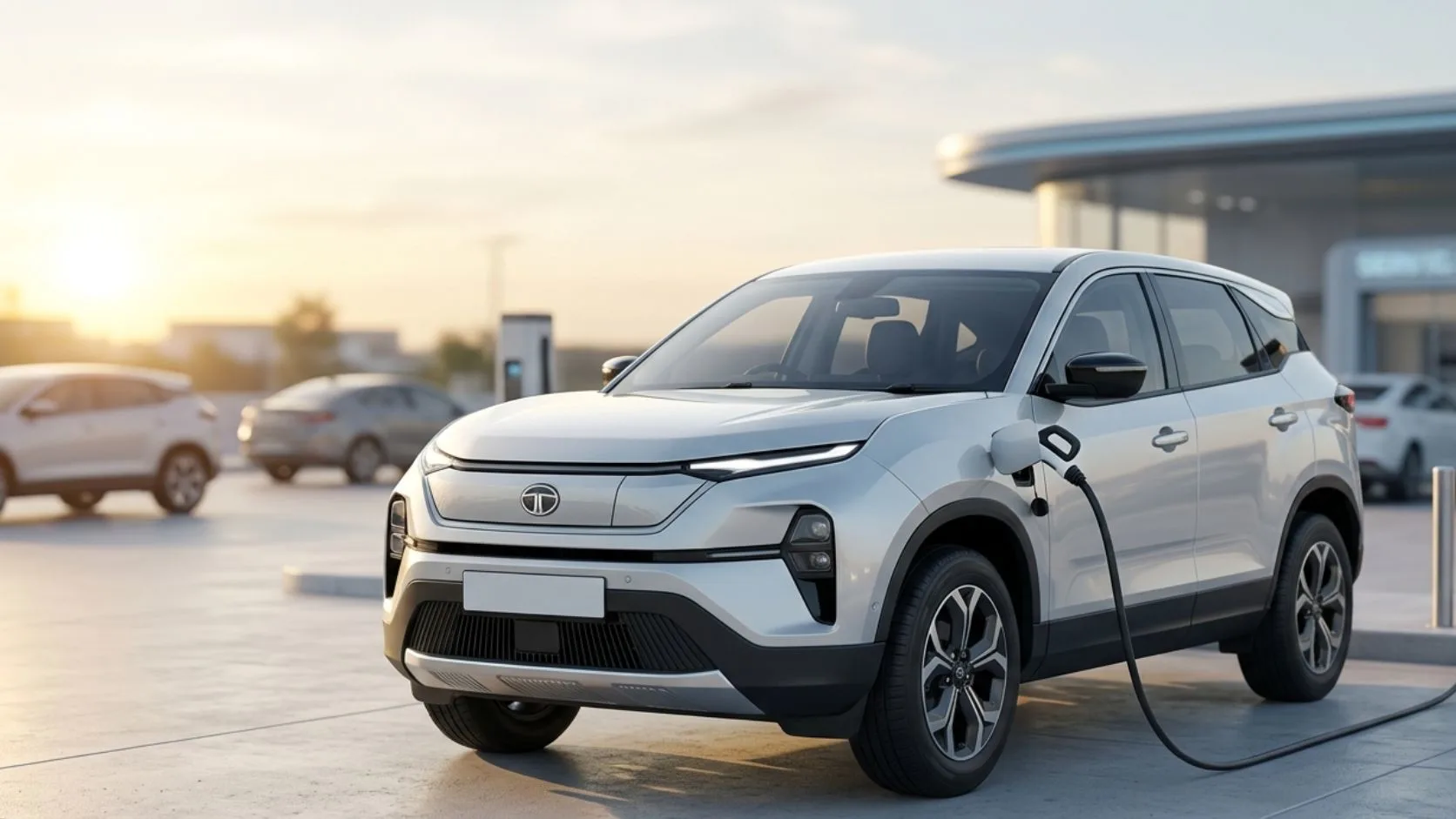
Tata Sierra EV Launch Details: What Buyers Should Know
Tata Motors has brought the Sierra EV to market in India rather than leaving it at the concept or pre-production stage. The launch took place on June 30, 2026, and the SUV is listed with multiple trims and battery configurations.
The Sierra EV is intended to sit between the Curvv EV and the Harrier EV in Tata’s electric lineup. This positioning gives buyers another option if they want an electric SUV with a more substantial body style than a compact electric crossover but do not necessarily need the larger Harrier EV.
The title year requires some clarification. Although buyers may search for a 2027 Tata Sierra EV, that does not establish a separate 2027 model-year launch. Tata’s confirmed Indian launch was in 2026. Any changes to prices, equipment, battery specifications, or model-year designation should be checked against the latest official listing.
Tata Sierra EV Expected Price in India
The Tata Sierra EV’s launch pricing is now available, so an estimated future price is not necessary for the currently listed model.

| Variant | Ex-showroom price |
|---|---|
| Pure 63 kWh | ₹18.79 lakh |
| Pure S 63 kWh | ₹19.99 lakh |
| Adventure 63 kWh | ₹21.49 lakh |
| Adventure 75 kWh | ₹22.79 lakh |
| Empowered 63 kWh | ₹23.49 lakh |
| Empowered 75 kWh | ₹24.49 lakh |
| Empowered A 75 kWh | ₹25.99 lakh |
Prices are based on the published model lineup and should be reconfirmed with Tata Motors before purchase. Dealer offers, registration charges, insurance, and other costs can affect the final on-road price.
The entry-level Pure variant is aimed at buyers who want the Sierra EV’s basic electric-SUV package without paying for all the premium equipment. Higher variants add convenience, infotainment, and driver-assistance features.
The larger battery is available on selected trims, while the top Empowered A configuration combines the 75-kWh battery with all-wheel drive.
Before comparing prices, check the battery size and equipment included in each variant. A lower starting price does not necessarily represent the best value if you need longer driving range, advanced safety assistance, or the additional traction of all-wheel drive.

Tata Sierra EV Range: 535 km to 665 km Claimed
Range is one of the most important considerations for buyers comparing electric SUVs. Tata’s published technical information lists two battery capacities for the Sierra EV: 63 kWh and 75 kWh.
The official figures distinguish between the standardized MIDC test cycle and Tata’s C75 real-world range estimates.
| Battery and configuration | Claimed MIDC range | Tata C75 estimated range |
|---|---|---|
| 63 kWh, rear-wheel drive | 535 km | 440–460 km |
| 75 kWh, rear-wheel drive | 665 km | 510–530 km |
| 75 kWh, quad-wheel drive | 624 km | 480–500 km |
The MIDC figures are standardized test results, while C75 figures are manufacturer estimates intended to provide a more realistic indication of driving range. Neither guarantees the distance an individual owner will achieve.
Which Battery Should You Choose?
The 63-kWh version may suit buyers whose daily travel is predictable and who have convenient access to home or workplace charging. Its published C75 estimate of 440–460 km provides a useful reference for planning ordinary journeys.

The 75-kWh rear-wheel-drive version offers the longest claimed range, at up to 665 km under MIDC testing. Its larger battery may be worth considering for buyers who frequently travel between cities or prefer fewer charging stops.
The 75-kWh all-wheel-drive version has a lower claimed MIDC range than the larger-battery rear-wheel-drive model. This difference is expected when additional motors and drivetrain components increase energy demand, although actual consumption also depends on driving conditions.
What Affects Real-World Range?
The distance available from a full charge depends on several factors:
- Highway speed and acceleration.
- Traffic conditions and frequent braking.
- Outside temperature and cabin climate control.
- Passenger and luggage weight.
- Road gradients and surface conditions.
- Tire pressure and driving mode.
- The use of all-wheel drive and other power-consuming equipment.
For long trips, it is sensible to plan charging stops with a reserve rather than assume the vehicle will achieve its maximum published range.
Tata Sierra EV Battery and Performance
The Sierra EV uses an electric powertrain based on Tata’s Acti.EV+ architecture. The lineup includes rear-wheel-drive configurations and a dual-motor quad-wheel-drive option on the larger-battery version.
The AWD variant produces a maximum reported torque of 504 Nm. Tata quotes a 0–100 km/h acceleration time of 5.8 seconds for the quad-wheel-drive configuration when Boost Mode is used.
That makes the AWD version the performance-focused choice in the range. The extra traction can also be useful when accelerating on slippery surfaces, although all-wheel drive does not eliminate the need for appropriate tires or careful driving.
The rear-wheel-drive variants are worth considering for buyers whose priorities are everyday usability, range, and price rather than maximum acceleration.
Does the Sierra EV Have an Engine?
No. The Sierra EV is a battery-electric vehicle and does not use a petrol or diesel engine. Its electric motor or motors provide propulsion, while a single-speed reduction gear transfers power to the wheels.
Like other EVs, it can recover some energy during deceleration through regenerative braking. This energy is returned to the battery, helping improve efficiency in suitable driving conditions.
Tata Sierra EV Charging Details
Tata lists a fast-charging capability that can add up to 263 km of claimed driving range in 15 minutes under specified conditions.
This is a range-added claim, not a guarantee that the battery will always gain that distance in 15 minutes. Charging performance depends on the charging station’s output, battery temperature, initial state of charge, and the vehicle’s charging curve.
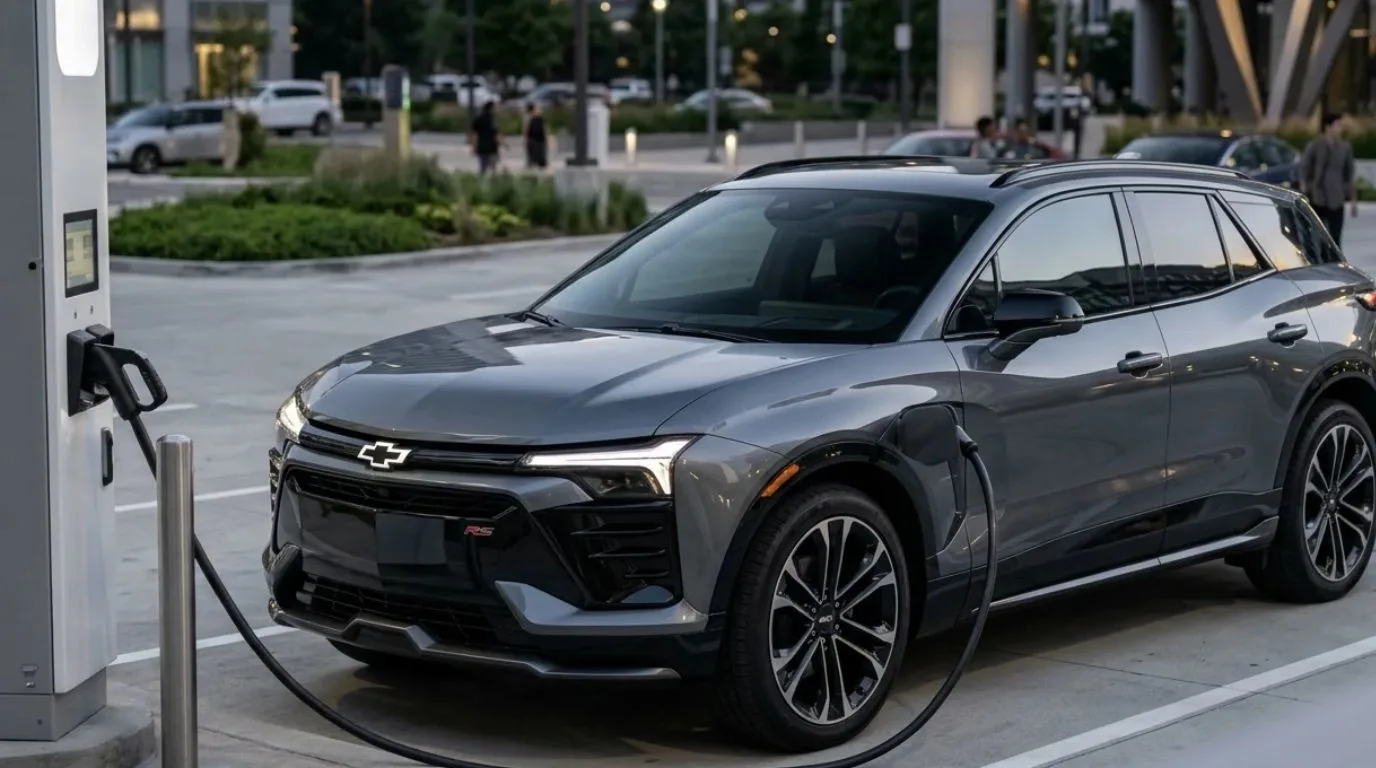
Tata’s published figures should also be distinguished from a full-charge time. Adding a stated amount of range during a short DC fast-charging session is not the same as charging the battery from empty to 100%.
Home Charging
Home charging can be convenient for owners who have a suitable parking space and electrical installation. A dedicated charging unit may make overnight charging practical, depending on the vehicle’s charging equipment and the available electrical supply.
Buyers should ask the dealer to confirm the supplied charger, installation arrangements, charging rate, and any applicable charges before finalizing the purchase.
Public DC Fast Charging
Public DC fast chargers can be useful during longer journeys. Before setting out, drivers should confirm charger availability, connector compatibility, payment requirements, and whether the station can deliver an appropriate charging rate.

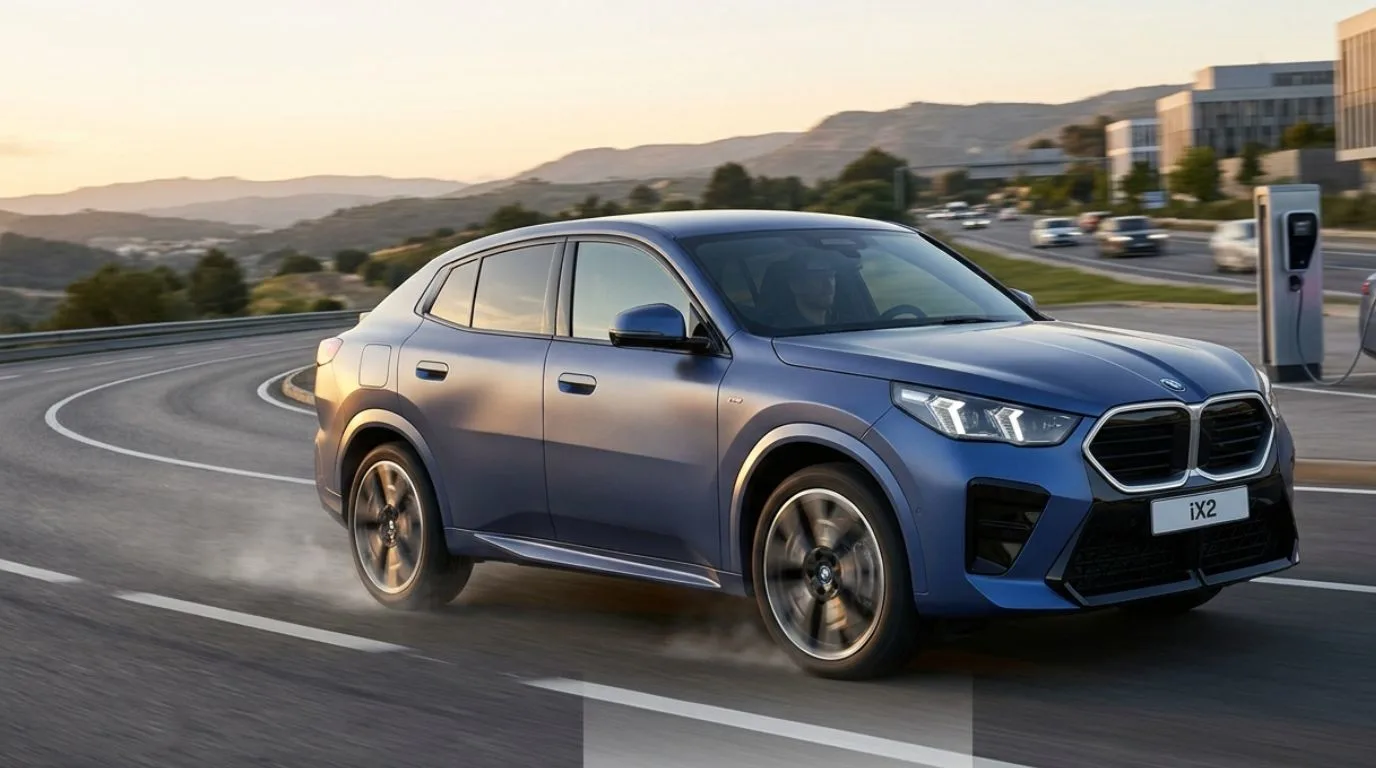
A route with reliable charging stops can be more useful than a high theoretical range figure alone, particularly when traveling through areas with fewer charging facilities.
Tata Sierra EV Features and Interior
The Sierra EV’s cabin combines digital displays, connected-car functions, and convenience equipment. Feature availability varies by trim, so buyers should not assume every item is included in the base variant.
Triple-Screen Dashboard
Higher variants feature a three-screen layout comprising a 10.25-inch digital instrument cluster, a 12.3-inch central infotainment touchscreen, and a 12.3-inch passenger display.
The driver’s display presents key vehicle information, while the central screen handles infotainment functions. The passenger display adds a separate digital interface, subject to the system’s supported functions and equipment level.
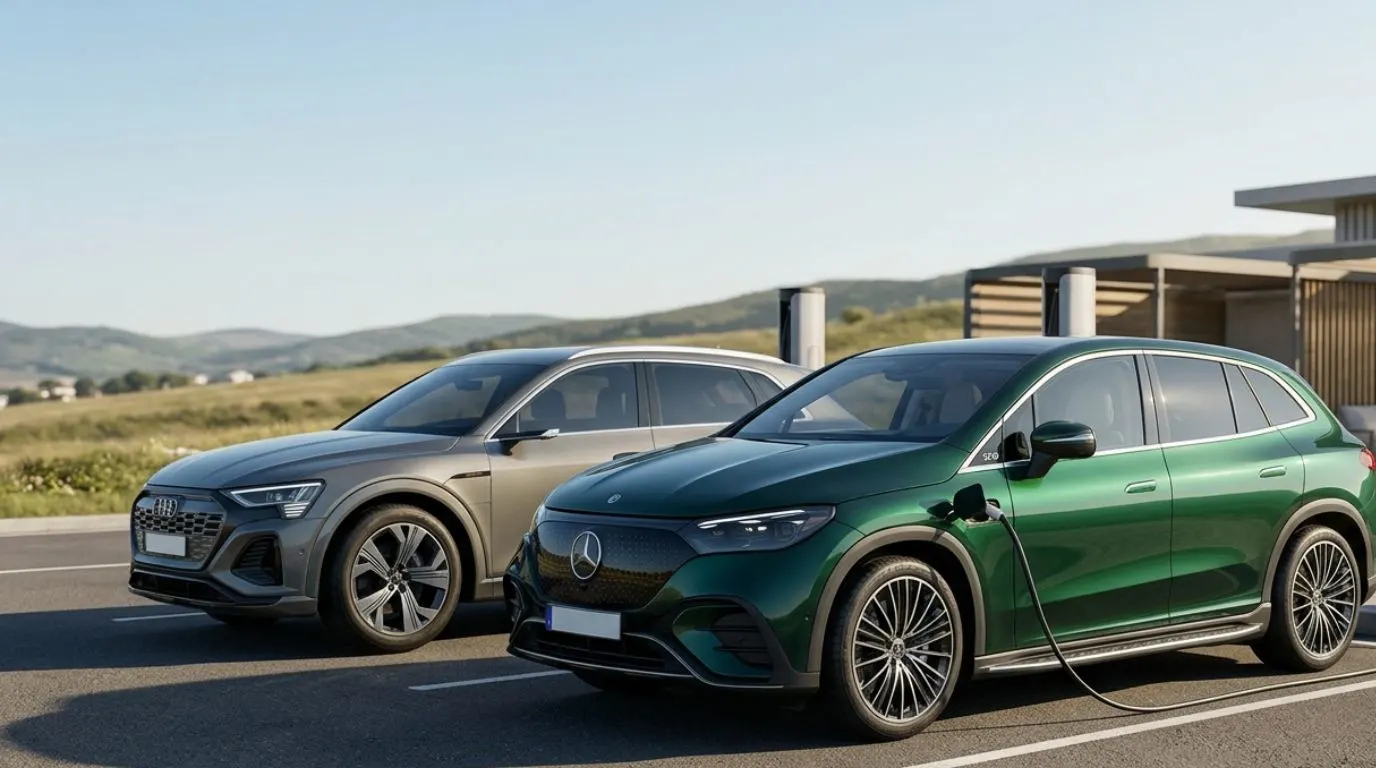
The lower trims have a simpler equipment package, making variant comparison important for buyers who specifically want the full triple-screen arrangement.
Connected-Car Technology
The Sierra EV includes Tata’s connected-car suite, with features depending on the selected configuration and subscription or service terms where applicable.
Connected-car functions can provide information about the vehicle and support certain remote or convenience operations. Buyers should check which services are included, how long they remain active, and whether a paid renewal is required.
Comfort and Convenience
Selected variants offer equipment such as:
- Panoramic sunroof.
- Powered and ventilated front seats.
- Dual-zone automatic climate control.
- Wireless phone charging.
- JBL audio system with Dolby Atmos.
- Powered co-driver seat.
- Head-up display.
- Gesture-controlled tailgate.
The top-specification variants offer more of this equipment than the entry-level model. Anyone choosing between trims should prioritize features they will actually use rather than paying for equipment that has little practical value.
Tata Sierra EV Safety and Driver Assistance
The Sierra EV’s equipment list includes six airbags and electronic stability-related safety systems. Higher variants add advanced driver-assistance technology and more extensive parking assistance.
Level 2 ADAS
Selected top variants offer Level 2 advanced driver-assistance systems. These systems can assist with certain driving tasks, depending on the function and operating conditions.
ADAS does not make the vehicle fully autonomous. The driver remains responsible for monitoring traffic, maintaining control, and responding to hazards.

Surround-View Camera and Parking Assistance
Higher trims include a 540-degree camera system with a Transparent Mode that provides additional views around and beneath the vehicle through a synthesized display. Auto Park Assist is also listed for the top equipment level.
These features can help with parking and low-speed maneuvering, particularly in tight spaces. Camera views and automated assistance still have limitations, so drivers should check their surroundings directly.
A feature list alone is not proof of crash-test performance. Buyers should consult official safety assessments for the exact model and applicable market when a verified rating is available.
Tata Sierra EV Dimensions and Practicality
The published specifications for the top Empowered A 75 AWD configuration list the following dimensions:

| Dimension | Specification |
|---|---|
| Length | 4,340 mm |
| Width | 1,841 mm |
| Height | 1,750 mm |
| Wheelbase | 2,730 mm |
| Ground clearance | 205 mm |
| Boot capacity | 622 litres |
| Boot capacity with rear seats folded | 1,257 litres |
The wheelbase is the distance between the front and rear axles. It helps explain the vehicle’s overall proportions, although it does not independently determine cabin space or rear-seat comfort.
The listed boot capacity should appeal to buyers who regularly carry luggage or shopping. Folding the rear seats increases available cargo space for larger items, but owners should check the actual loading area and seating arrangement for their needs.
Ground clearance can be useful on uneven roads, but it does not establish the vehicle’s off-road ability by itself. Tire choice, approach and departure angles, traction control, and underbody protection also matter.
Tata Sierra EV V2L and V2V Charging
Two useful features listed for selected variants are Vehicle-to-Load (V2L) and Vehicle-to-Vehicle (V2V) charging.

Vehicle-to-Load allows the vehicle’s battery to supply electricity to compatible external equipment. Depending on the system’s rated output and supported accessories, this can be useful for powering small appliances or equipment away from a conventional outlet.
Vehicle-to-Vehicle charging allows energy to be transferred from one compatible vehicle to another through the supported charging arrangement. The actual transfer rate and compatibility requirements should be confirmed with Tata Motors.
Neither feature should be treated as an unrestricted power supply. Owners need to follow the manufacturer’s instructions and remain within the system’s rated limits.
Tata Sierra EV vs Tata Curvv EV and Harrier EV
The Sierra EV sits between the Curvv EV and Harrier EV in Tata’s electric SUV portfolio. The most suitable option depends on budget, space requirements, battery configuration, and desired equipment.
| Buying consideration | Curvv EV | Sierra EV | Harrier EV |
|---|---|---|---|
| General positioning | Electric SUV with a coupe-inspired profile | Electric SUV with a more upright Sierra design | Larger, more premium-oriented electric SUV |
| Battery options | Vary by model and trim | 63 kWh and 75 kWh | 65 kWh and 75 kWh |
| Drive configurations | Depend on the model and trim | RWD and AWD | RWD and AWD |
| Best reason to consider it | A different body style and price positioning | Balance of range, SUV practicality, and available equipment | Buyers prioritizing the larger SUV offering |
| Main buying check | Range and rear-seat practicality | Battery, trim, range, and AWD price premium | Overall budget, size, and equipment |
Specifications and pricing must be compared using the same market and current model-year information. The table describes the vehicles’ broad positioning rather than declaring a universal winner.
The Curvv EV may appeal to buyers who prefer its coupe-inspired design. The Sierra EV offers a different SUV shape and a range of battery and equipment choices. The Harrier EV may suit those looking for Tata’s larger electric SUV offering.
Who Should Consider the Tata Sierra EV?
The Sierra EV is worth considering for buyers who want an electric SUV for daily use as well as occasional highway travel. Its battery options allow customers to choose between a lower purchase price and greater claimed range.
The 63-kWh rear-wheel-drive version may be adequate for many commuting patterns, especially where home charging is available. The 75-kWh rear-wheel-drive variant is more relevant to buyers who place a high priority on range.

The AWD version makes more sense for customers who value its stronger acceleration and additional traction, provided the higher price and lower claimed range relative to the 75-kWh RWD version fit their requirements.
Before booking, prospective owners should take a test drive, compare variant-specific equipment, check the charging arrangements available near home and work, and confirm the final on-road price.
Advantages and Limitations of the Tata Sierra EV
Advantages
- Two battery choices: 63 kWh and 75 kWh.
- Claimed MIDC range of up to 665 km for the 75-kWh RWD version.
- Rear-wheel drive and AWD configurations.
- Up to 504 Nm of reported torque on the AWD version.
- Modern infotainment and comfort features on higher trims.
- V2L and V2V functionality on selected variants.
- A useful published boot capacity, with additional space when the rear seats are folded.
Limitations
- The highest range figure is a standardized test result, not a guaranteed real-world distance.
- Premium features and AWD are restricted to selected variants.
- The larger-battery and AWD versions cost more than the entry-level model.
- Charging speed depends on the charger and battery conditions.
- ADAS and parking systems require driver supervision.
- A separate 2027 model-year update has not been established by the information cited here.
Final Verdict
The Tata Sierra EV offers buyers a choice between a more affordable 63-kWh version and 75-kWh configurations aimed at longer-distance driving. Its published range reaches 665 km under MIDC testing, while Tata’s C75 estimates provide a more conservative reference for planning everyday use.
Its combination of digital displays, connected features, V2L and V2V functionality, and an available AWD powertrain gives it a broad range of appeal. The key is choosing the right version rather than assuming the most expensive trim is automatically the best one.
As of October 2026, the Sierra EV has already launched in India. Buyers looking for a 2027 version should wait for an official announcement before assuming a new model-year specification, price, or launch date. Prices and equipment can change, so confirm the latest details with Tata Motors or an authorized dealer before purchase.
Frequently Asked Questions
What is the price of the Tata Sierra EV in India?
The published ex-showroom price range is ₹18.79 lakh to ₹25.99 lakh. The final on-road price varies by location, insurance, registration charges, and other applicable costs.
When was the Tata Sierra EV launched?
Tata Motors launched the Sierra EV in India on June 30, 2026. A separate 2027 model-year launch has not been confirmed in the sources cited here.
What is the range of the Tata Sierra EV?
The claimed MIDC range is up to 665 km for the 75-kWh rear-wheel-drive version. Tata’s C75 estimate for this configuration is 510–530 km.
Does the Tata Sierra EV have a 75-kWh battery?
Yes. The lineup includes 63-kWh and 75-kWh battery options, depending on the variant.
Does the Tata Sierra EV come with all-wheel drive?
Yes. A dual-motor quad-wheel-drive configuration is available with the 75-kWh battery in the top Empowered A variant.
What is the top speed of the Tata Sierra EV?
A verified top-speed figure has not been established in the sources used for this article. Buyers should consult the current official technical specifications rather than rely on unverified claims.
How quickly can the Tata Sierra EV charge?
Tata lists a claim of up to 263 km of range added in 15 minutes under specified fast-charging conditions. Actual results depend on the charger, battery temperature, state of charge, and other factors.
Does the Tata Sierra EV have ADAS?
Level 2 ADAS is listed for selected higher variants. Buyers should confirm the exact driver-assistance features available on their chosen trim.
Is the Tata Sierra EV suitable for long-distance travel?
It can be considered for long-distance travel, particularly in the larger-battery configurations. Actual trip planning should use realistic range expectations and verified charging locations rather than the maximum MIDC figure alone.
Is the Tata Sierra EV available outside India?
The specifications and prices covered in this article relate to the Indian market. Availability in other countries should be confirmed through the relevant official Tata Motors sales channel.