The MG Windsor EV is an electric family car designed around cabin space, comfort, and everyday usability rather than a traditional SUV shape. In India, it is available with two battery options: a 38 kWh pack in the standard Windsor EV and a larger 52.9 kWh pack in the Windsor EV Pro. The larger battery increases the official driving range, making it worth considering for buyers who regularly travel beyond the city.
The key questions for buyers are how far each version can travel in real conditions, how much home charging may cost, and whether the larger battery justifies its higher purchase price or battery-use charges.
This guide focuses on the Indian-market MG Windsor EV. Specifications, prices, charging arrangements, and features may differ in other markets.
MG Windsor EV: Key Specifications at a Glance
| Specification | MG Windsor EV | MG Windsor EV Pro |
|---|---|---|
| Battery capacity | 38 kWh | 52.9 kWh |
| Official claimed range | Up to 332 km | Up to 449 km |
| Electric motor | Front-mounted | Front-mounted |
| Maximum power | Approximately 100 kW (136 PS) | Approximately 100 kW (136 PS) |
| Maximum torque | 200 Nm | 200 Nm |
| Drive type | Front-wheel drive | Front-wheel drive |
| Transmission | Single-speed electric drive | Single-speed electric drive |
| Seating capacity | 5 | 5 |
| Range certification | MIDC | MIDC P1+P2 |
| Charging options | AC home charging and DC fast charging | AC home charging and DC fast charging |
Figures refer to the Indian model range. Confirm the specification of the exact variant before purchase, as equipment and charging arrangements can vary.
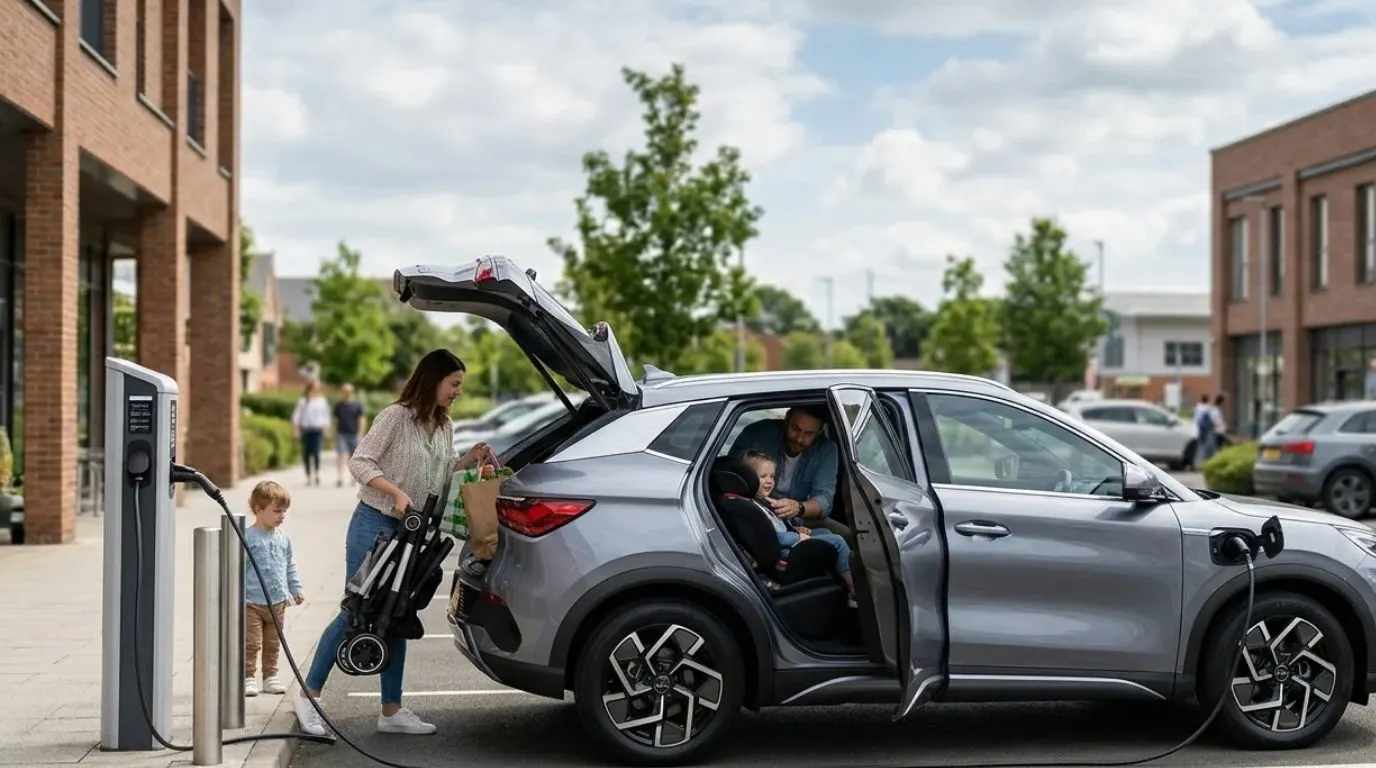

What Is the Difference Between the 38 kWh and 52.9 kWh Batteries?
The biggest distinction between the two versions is battery capacity. A larger battery stores more energy, which generally allows the car to travel farther before needing a recharge.
38 kWh battery: Better for regular city driving
The standard Windsor EV uses a 38 kWh lithium iron phosphate (LFP) battery. MG quotes a certified range of up to 332 km on the applicable MIDC test cycle.
For buyers who mostly commute within a city, drive predictable daily distances, and can charge at home, this battery may offer sufficient range without paying for capacity they rarely need.
Its practical range will depend on traffic, speed, air-conditioning use, passengers, road conditions, tire pressure, and driving style. A full battery should not be treated as a guarantee of 332 km in every situation.
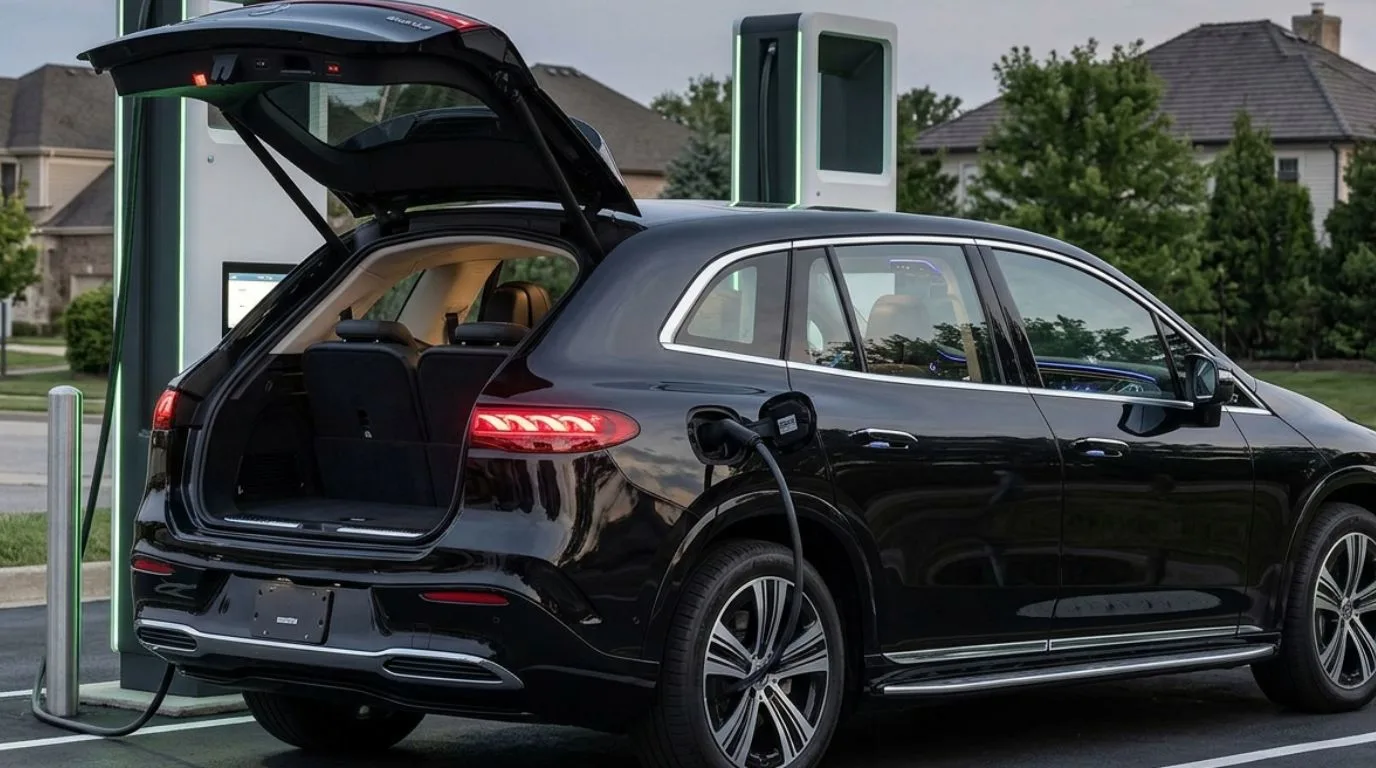

52.9 kWh battery: More useful for longer journeys
The Windsor EV Pro uses a 52.9 kWh battery and has an official claimed range of up to 449 km under the stated certification cycle.
That additional capacity gives drivers more flexibility for longer commutes and intercity journeys. It can also reduce the frequency of charging when daily travel distances are high.
However, the official range is a standardized test figure, not a promise of real-world highway distance. Drivers planning longer trips should allow a margin for faster driving, weather, air-conditioning, elevation changes, and the availability of charging stations.
MG Windsor EV Real-World Range: How Far Can It Actually Go?
The official range is useful for comparing models, but real-world testing provides a better idea of what to expect during everyday driving.
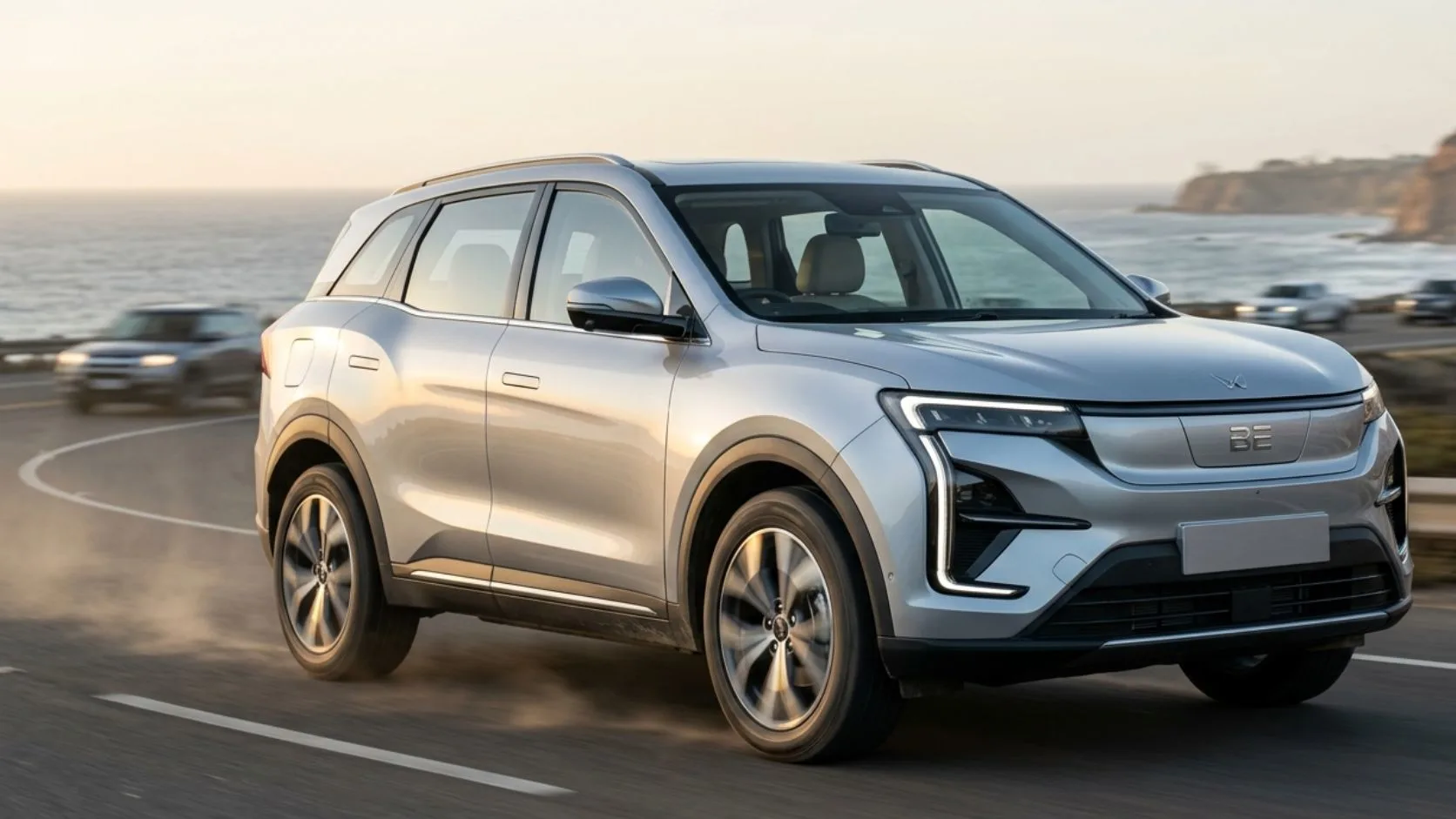
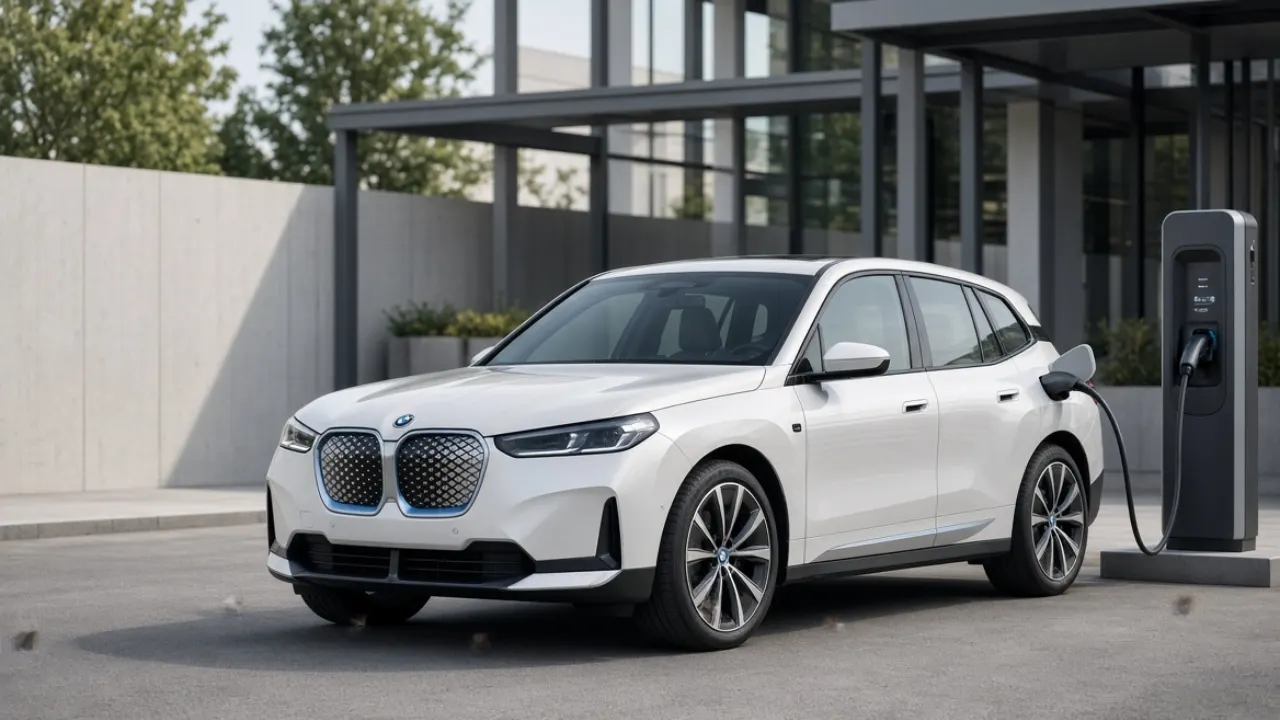
Real-world range of the 38 kWh version
In a published road test, Autocar India recorded an average efficiency of 8.1 km/kWh for the 38 kWh Windsor EV, translating to an estimated range of approximately 308 km. Its test recorded 8.6 km/kWh in city conditions and 7.6 km/kWh on the highway.
The same test found that efficiency could fall to around 6 km/kWh in Normal mode under mixed driving conditions. At that rate, the estimated range would be approximately 228 km from a 38 kWh battery.
These are results from a particular test, not a guaranteed range for every owner. Other testing methods and driving conditions can produce different results.
Real-world range of the 52.9 kWh Pro
The Windsor EV Pro has a certified range of up to 449 km. MG’s product information indicates that real-world range can exceed 400 km, depending on conditions. However, that should be treated as an indicative expectation rather than a guarantee: the result depends on how and where the car is driven.

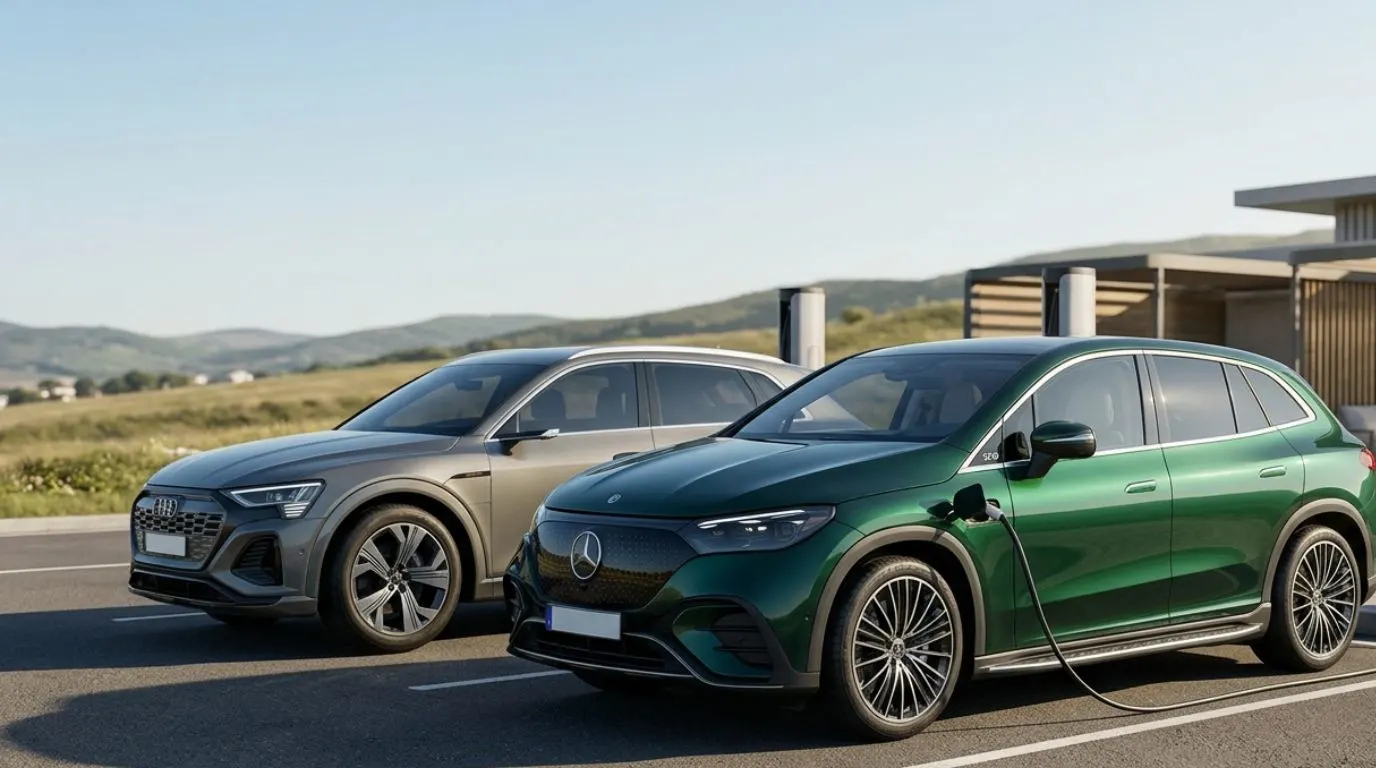
For trip planning, leave a reserve rather than assuming the full certified distance will be available. Sustained highway speeds, heavy loads, hilly routes, and extensive air-conditioning use can all affect efficiency.
| Driving consideration | Likely effect |
|---|---|
| Heavy city traffic | Frequent acceleration can reduce efficiency, although low-speed driving and regenerative braking can help |
| Steady, moderate speeds | Generally more favorable for range |
| High highway speeds | Usually increase energy consumption |
| Air-conditioning | Uses energy and can reduce driving range |
| Hills and heavy loads | Can increase consumption, particularly on climbs |
| Regenerative braking | Recovers some energy during deceleration; it does not replace energy used to accelerate |
MG Windsor EV Charging Options and Times
The Windsor EV supports AC charging, typically used at home or at a destination where the car can remain parked for several hours, and DC fast charging for quicker top-ups during longer journeys.
Actual charging times depend on the battery version, the car’s charging limits, the charger’s output, battery temperature, and the state of charge when charging begins.
Home charging
A home charger is generally the most convenient option for daily use because the car can recharge while parked overnight.

MG’s product information lists a portable 3.3 kW charger and a 7.4 kW AC charging option, with equipment availability depending on the variant. The manufacturer lists approximately 6.5 hours for a 0–100% charge using a 7.4 kW AC charger and around 13.8 hours with a 3.3 kW portable charger for the applicable configuration.
These are approximate figures, not universal times for every Windsor variant. Confirm the supplied charger and charging specification with the dealer before booking the vehicle.
DC fast charging
DC fast charging is useful when you need to add range during a journey. Autocar India’s test of the 38 kWh model reported that MG quoted around 55 minutes for a 0–80% charge using DC fast charging at up to 45 kW.
A charging session may take longer if the battery is hot or cold, the charger is sharing power, or the battery is already highly charged. Charging speed normally tapers as the battery approaches full capacity, so charging from 80% to 100% can take disproportionately longer than an earlier part of the session.
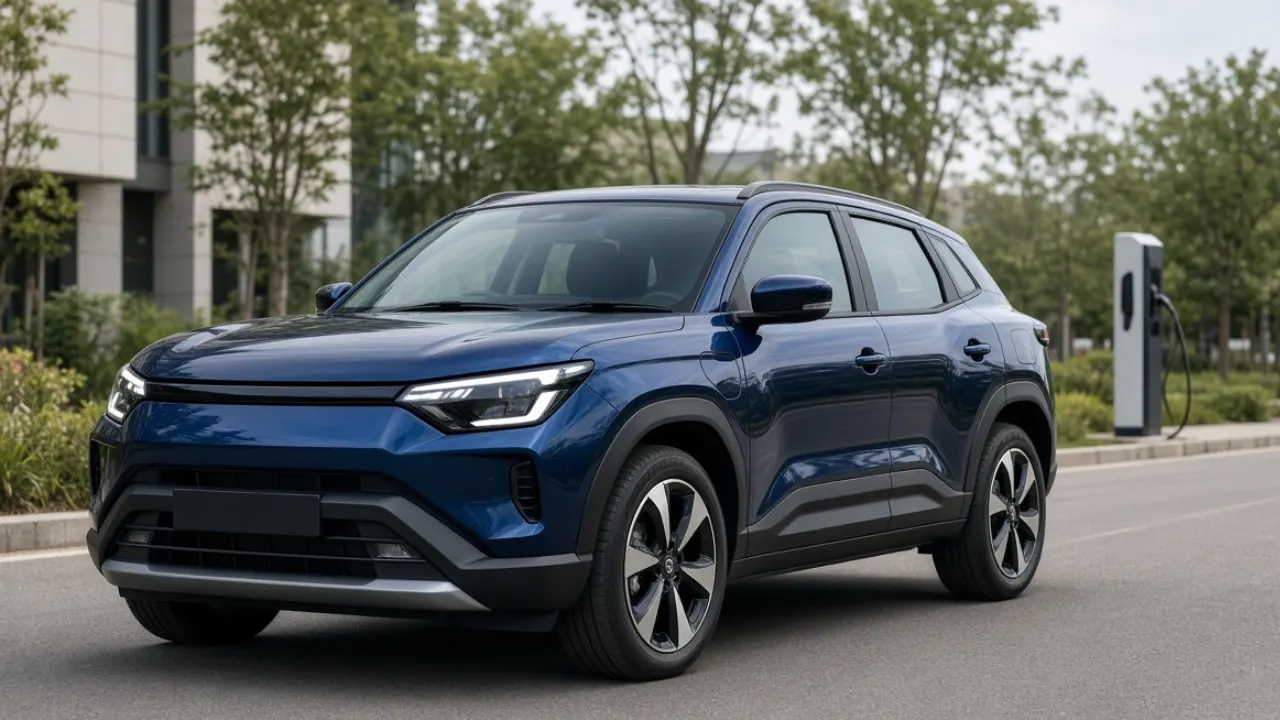
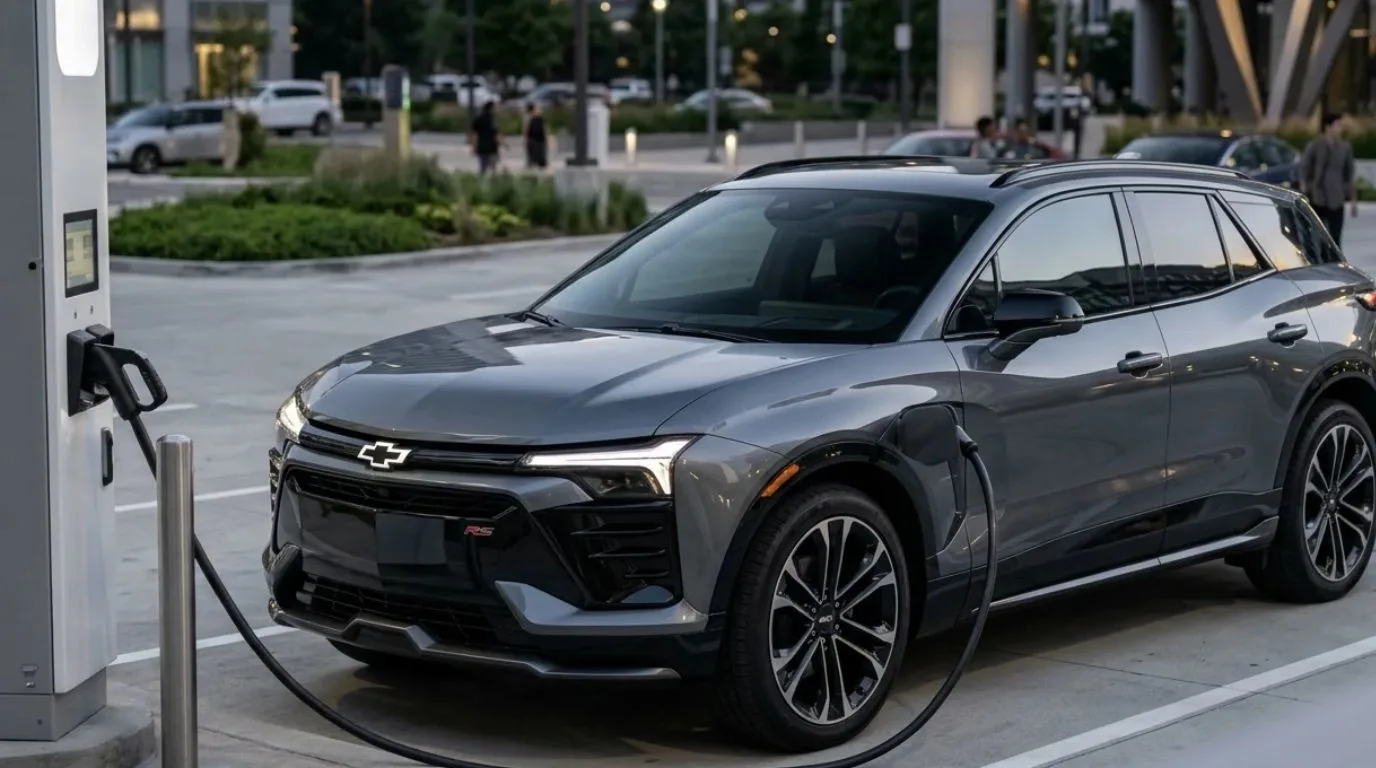
For longer journeys, it is usually more practical to plan around suitable charging stops than to wait for a complete charge at every stop.
MG Windsor EV Charging Cost: Home vs. Public Chargers
The cost of charging depends on your electricity tariff, charging losses, and whether you use a home charger or a public charging station. Public DC charging prices can vary by operator and location, and may include service fees or other charges.
The following examples illustrate home-charging costs using an assumed electricity price of ₹8 per kWh. This is a calculation example, not a claim about your local electricity tariff.
| Calculation | 38 kWh battery | 52.9 kWh battery |
|---|---|---|
| Battery capacity | 38 kWh | 52.9 kWh |
| Energy cost at ₹8/kWh, using battery capacity alone | ₹304 | ₹423.20 |
| Illustrative wall energy with 10% charging overhead | 41.8 kWh | 58.19 kWh |
| Estimated cost including that overhead | ₹334 | ₹466 |
The overhead is an illustrative allowance for energy lost during charging; actual losses vary. A full charge from empty to full is also not the same as a normal daily top-up.


How much does the Windsor EV cost to run per kilometer?
A useful estimate combines energy consumption with the price paid per unit of electricity.
For example, if the 38 kWh Windsor achieves 8.1 km/kWh, as in Autocar India’s test, and electricity costs ₹8 per kWh, the energy cost works out to approximately ₹0.99 per kilometer before accounting for charging losses.
With a 10% illustrative charging overhead, that becomes roughly ₹1.10 per kilometer. Your actual cost may be higher or lower depending on your driving efficiency and tariff.
Public charging can cost more than home charging, so frequent reliance on DC fast chargers may reduce the running-cost advantage.

What about MG’s Battery-as-a-Service (BaaS) option?
MG offers a Battery-as-a-Service arrangement on applicable Windsor EV versions. Under this model, the initial vehicle price is lower because the battery cost is handled separately, with a usage-based charge per kilometer.
This means the purchase price alone does not show the complete cost of ownership. Buyers should compare:
- The upfront vehicle payment.
- The battery-use charge per kilometer.
- Home or public charging expenses.
- Any applicable contract conditions and usage requirements.
- The total expected cost over the period they plan to own the car.
A BaaS vehicle’s total cost per kilometer includes both the battery-use fee and electricity. Do not compare the advertised BaaS starting price directly with a price that includes the battery without accounting for the ongoing fee.
MG’s advertised rates and variant prices can change, so check the current official offer and contract terms before making a decision.
MG Windsor EV Features and Technology
The Windsor’s cabin focuses on space, comfort, and a screen-led dashboard. Feature availability depends on the trim and battery version.
Key highlights
- Large touchscreen: Higher variants feature a 15.6-inch central touchscreen.
- Digital instrument display: A separate display provides driving information.
- Connected-car technology: The i-SMART system provides supported connected functions.
- Apple CarPlay and Android Auto: Smartphone integration is available on applicable variants.
- Panoramic glass roof: Offered on higher-spec versions.
- Ventilated front seats: Available on selected trims.
- Wireless phone charging: Available on applicable variants.
- Infinity audio system: Higher variants feature a nine-speaker audio setup.
- 360-degree camera: Available on selected versions to assist with low-speed maneuvering.
- Powered tailgate: Offered on the Pro’s higher-spec configuration.
- Vehicle-to-Load (V2L): Available on the Pro, allowing compatible external equipment to draw power from the car.
- Vehicle-to-Vehicle (V2V): Available on the Pro, enabling compatible vehicle-to-vehicle energy transfer under supported conditions.
The touchscreen handles many vehicle functions, which creates a clean dashboard but can require extra menu navigation. Buyers should try the climate controls, commonly used settings, and camera interface during a test drive to see whether the layout feels intuitive.
Interior Space and Everyday Practicality
The Windsor uses a tall, one-box-style body rather than the conventional proportions of many compact SUVs. This shape helps it make effective use of its interior space.
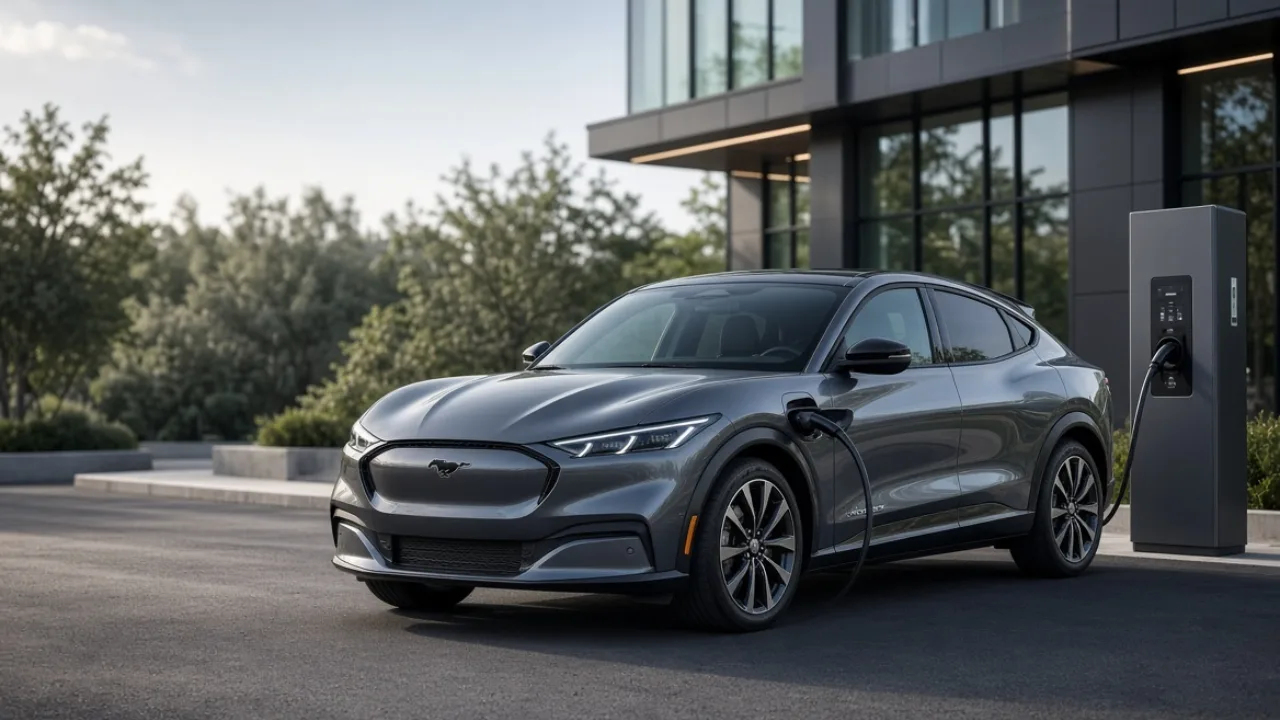
The rear seat is a notable strength. Published reviews describe generous legroom and a reclinable backrest, making the car worth considering for families and buyers who regularly travel with rear passengers.
The car’s relatively upright cabin and flat-floor layout also support everyday practicality. However, buyers should check boot space with their own luggage, particularly if they travel with bulky bags or child-related equipment.
The interior is dominated by the central touchscreen, and the limited number of physical controls may not suit everyone. The light-colored upholstery offered on certain Pro versions can also require more upkeep than a darker cabin.
Safety Features and Driver Assistance
The Windsor EV is equipped with core safety equipment such as six airbags, electronic stability control, an electronic parking brake, and ISOFIX child-seat mounts, with equipment depending on the version.
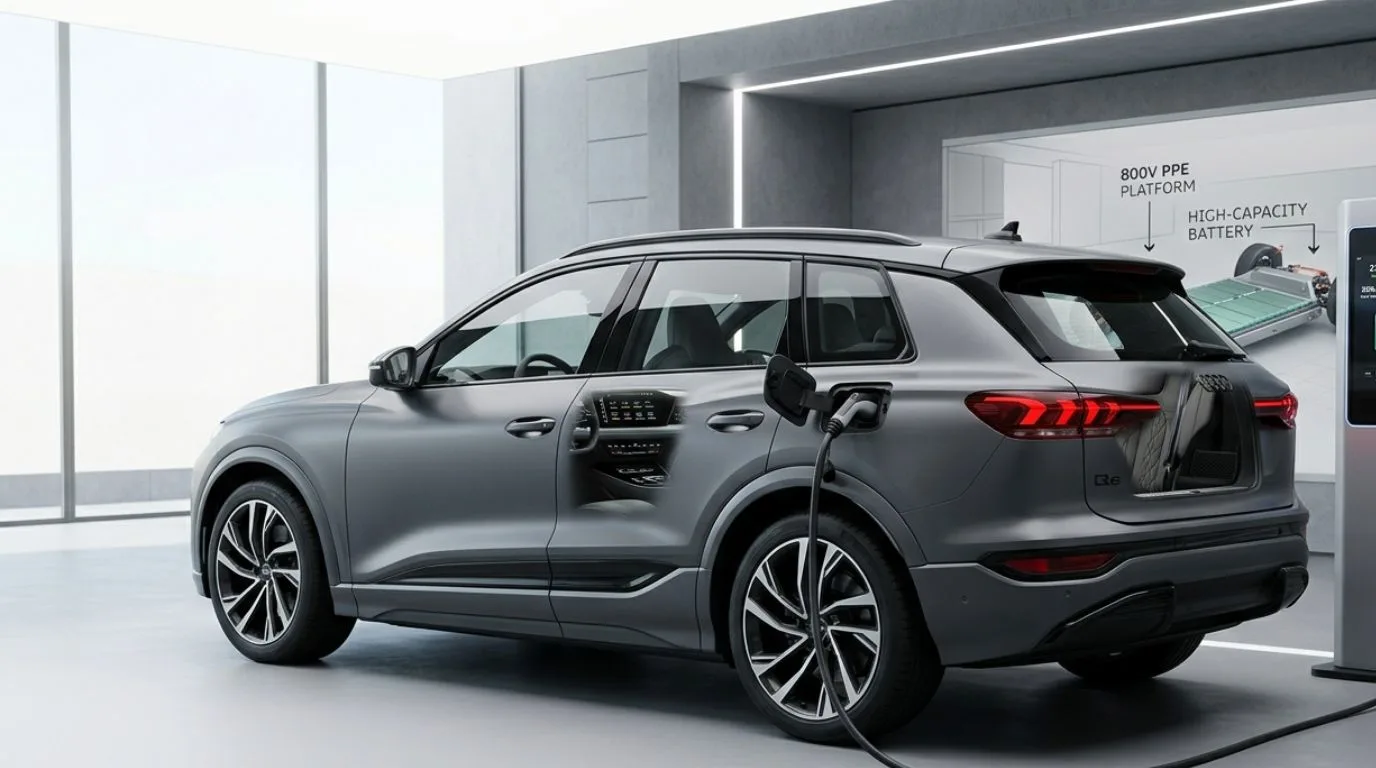
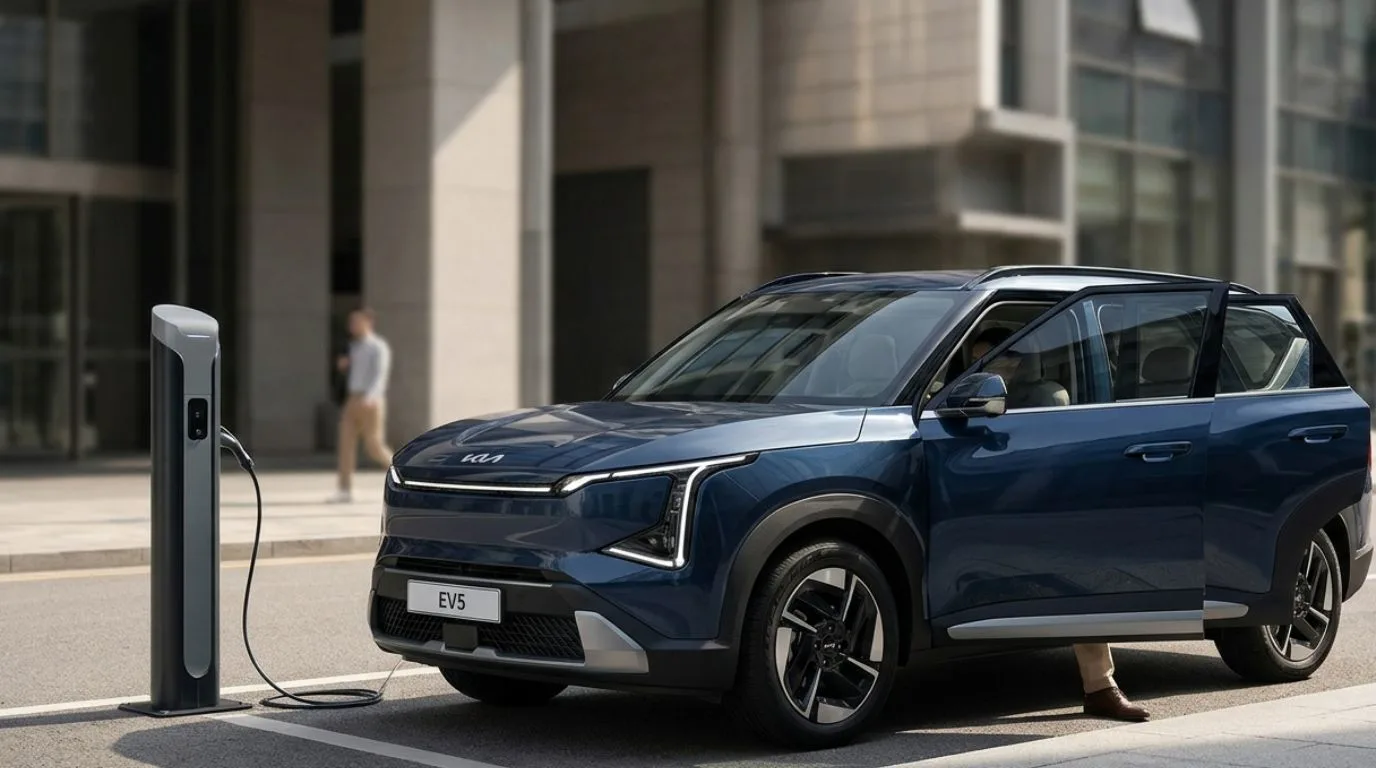
The Windsor EV Pro adds a camera- and radar-based advanced driver assistance system (ADAS) on the applicable variant. Its functions include features such as adaptive cruise control, lane assistance, and emergency braking assistance.
ADAS is designed to support the driver, not replace attention or responsibility. Lane markings, traffic conditions, weather, and sensor limitations can affect performance. Drivers should remain alert and be ready to take control whenever necessary.
A feature list is not the same as an independent crash-test rating. Buyers who prioritize crash protection should check the latest results from a recognized safety-testing organization for the exact model and specification, rather than assuming that the presence of airbags or ADAS establishes a particular crash rating.
Which MG Windsor EV Battery Should You Choose?
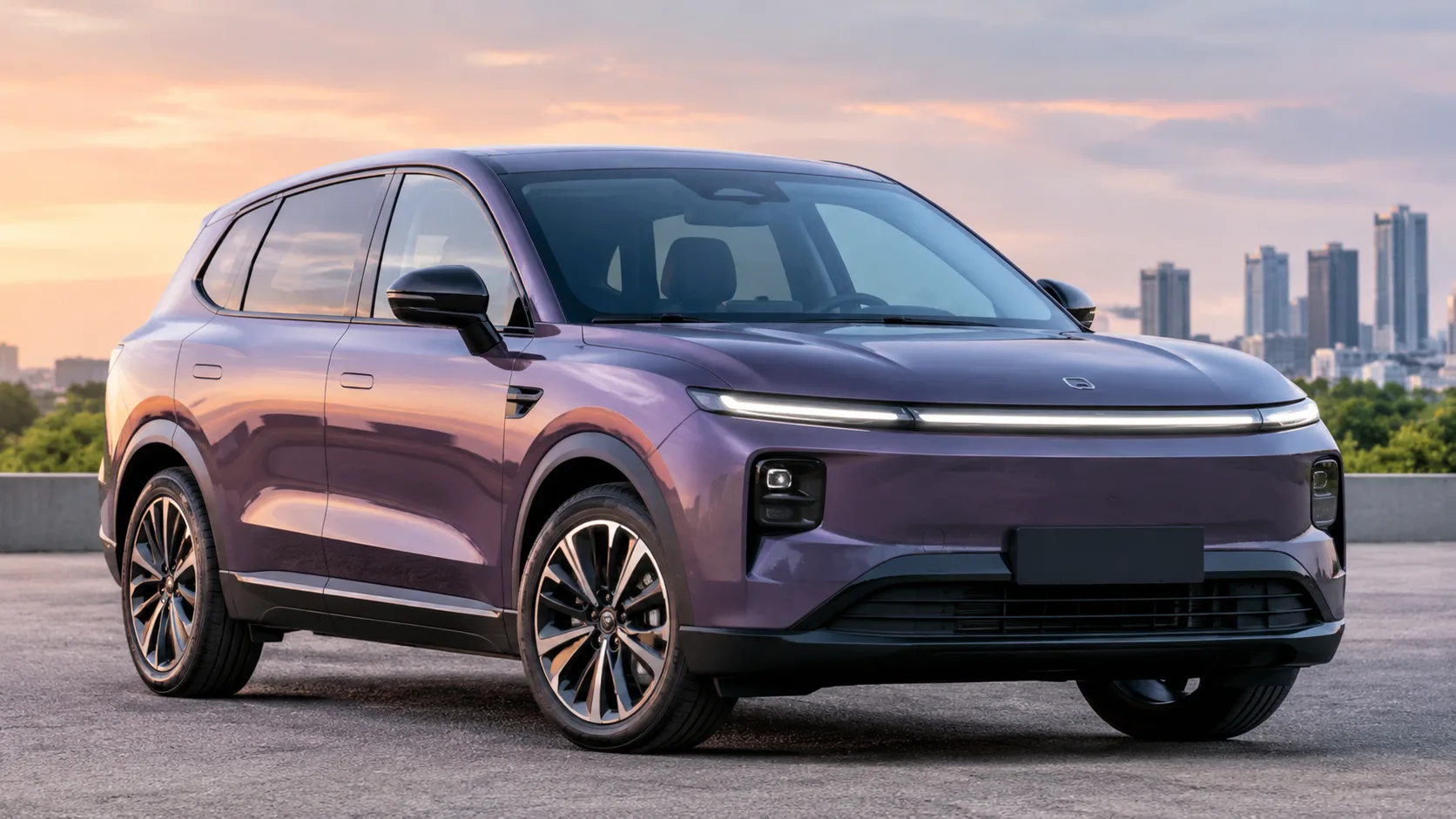
The right version depends on how far you drive, where you charge, and how you plan to pay for the battery.

| Buyer profile | Version worth considering | Why |
|---|---|---|
| Mostly city driving with home charging | 38 kWh Windsor EV | Lower battery capacity may be enough for predictable daily travel |
| Regular longer commutes | 52.9 kWh Windsor EV Pro | Larger battery provides more range between charging stops |
| Frequent intercity journeys | Windsor EV Pro | Greater range flexibility can make route planning easier |
| Buyers considering BaaS | Compare both purchase structures | The lower upfront price must be weighed against the per-kilometer fee |
| Buyers who rely on public fast charging | Either, depending on routes | Charger availability, charging price, and stop frequency matter as much as battery size |
The larger battery is not automatically the better value for every driver. If your daily mileage is modest and you can charge at home, the standard version may cover your needs. If you regularly travel long distances or want more flexibility between charges, the Pro deserves closer consideration.
MG Windsor EV: Pros and Limitations
Pros
- Two battery choices to suit different driving needs.
- The standard battery achieved approximately 308 km in one published real-world test.
- The Pro’s larger battery has a certified range of up to 449 km.
- Spacious rear seating and a comfort-focused cabin layout.
- Home AC charging and DC fast charging support.
- Higher variants offer features such as ventilated seats, a glass roof, connected technology, and a 360-degree camera.
- BaaS provides an alternative to paying the entire battery cost upfront.
Limitations
- Real-world range can differ significantly from the certified figure.
- Public charging costs can reduce savings compared with home charging.
- BaaS adds a per-kilometer battery fee that must be included in ownership calculations.
- Many cabin functions depend on the touchscreen.
- Higher-spec features are not standard across the range.
- Driver-assistance systems have operational limits and should not be treated as autonomous driving.
Final Thoughts
The MG Windsor EV’s main appeal is the combination of cabin space, comfort-oriented features, and a choice between a 38 kWh battery and a larger 52.9 kWh pack. The standard version offers a practical starting point for everyday driving, while the Windsor EV Pro provides more range flexibility for drivers who cover longer distances.
For the standard battery, Autocar India’s test result of approximately 308 km offers a useful real-world reference, although individual results will vary. The Pro’s 449 km figure is a certified range, and buyers should treat claims of 400-plus kilometers in real-world use as an expectation rather than a guarantee.
Before choosing, calculate your typical daily mileage, check home-charging feasibility, compare the current price of each variant, and include any BaaS fee in the total running cost. Those factors will tell you more about the Windsor’s suitability than the headline range figure alone.
Frequently Asked Questions
What battery options are available in the MG Windsor EV?
The Indian-market Windsor EV offers a 38 kWh battery in the standard version and a 52.9 kWh battery in the Windsor EV Pro.
What is the official range of the MG Windsor EV?
The standard 38 kWh version has a claimed range of up to 332 km. The 52.9 kWh Windsor EV Pro has a certified range of up to 449 km. These figures use the applicable Indian certification cycle and may differ from real-world results.
What is the real-world range of the 38 kWh MG Windsor EV?
Autocar India recorded an estimated range of approximately 308 km in its test, with efficiency averaging 8.1 km/kWh. Driving style, speed, weather, and other conditions can change the result.
Can the MG Windsor EV Pro travel more than 400 km on a charge?
It may do so under favorable conditions, and MG’s product information indicates real-world range can exceed 400 km. Actual distance depends on the route, speed, load, air-conditioning use, and other factors.
How much does it cost to charge the MG Windsor EV at home?
The cost depends on the local electricity tariff and charging losses. At an illustrative rate of ₹8 per kWh, a full charge would cost roughly ₹334 for the 38 kWh battery and ₹466 for the 52.9 kWh battery when allowing for an illustrative 10% charging overhead. Actual costs will vary.
Does the MG Windsor EV support fast charging?
Yes. It supports DC fast charging as well as AC charging. Charging speed and time depend on the battery version, charger output, temperature, and battery state of charge.
What is Battery-as-a-Service (BaaS) on the MG Windsor EV?
BaaS is a payment arrangement that reduces the upfront vehicle price by handling the battery separately and charging a usage-based fee per kilometer. Buyers should compare the fee and contract terms with the cost of buying a vehicle with the battery included.
Is the MG Windsor EV Pro worth buying over the standard version?
The Pro is worth considering if you regularly travel longer distances and want the larger battery. For shorter daily commutes with convenient home charging, the standard version may be sufficient. Compare the current variant prices and total ownership costs before deciding.