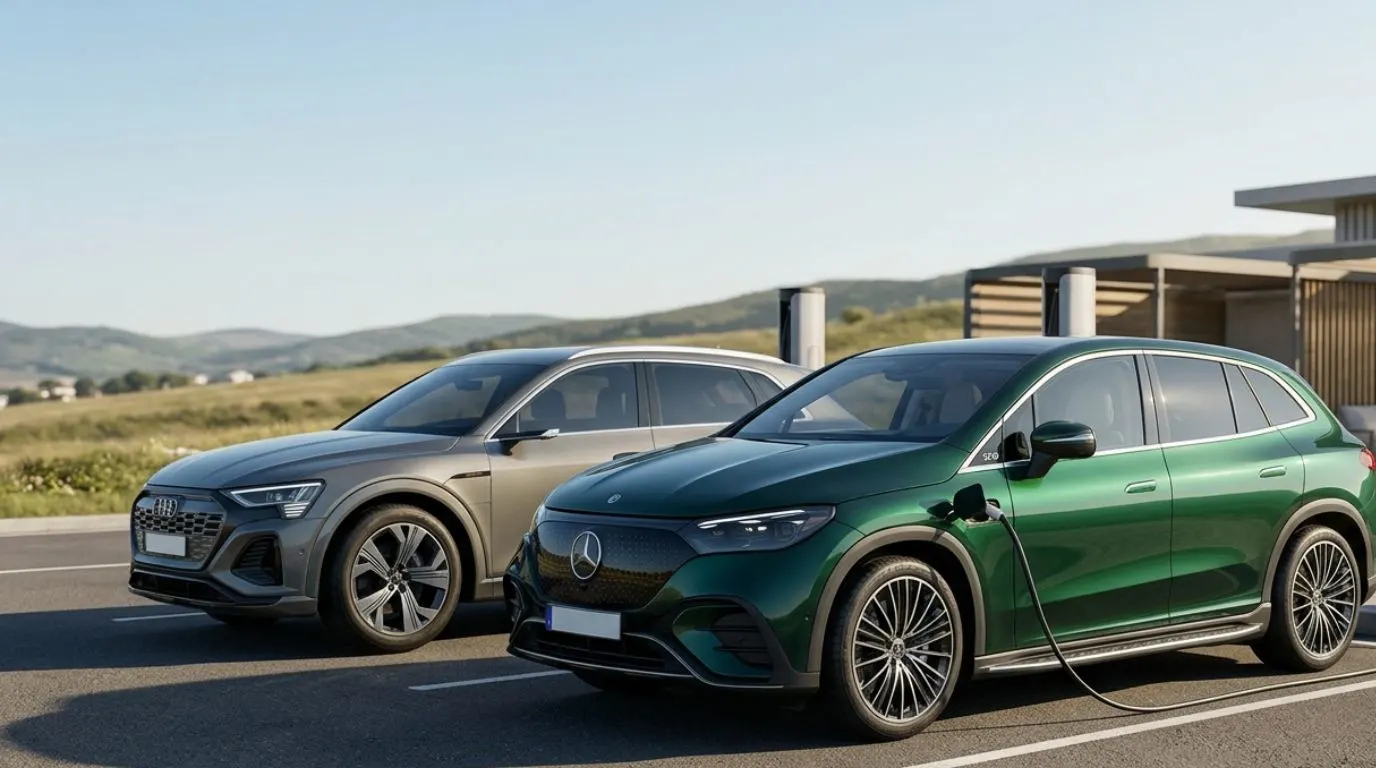
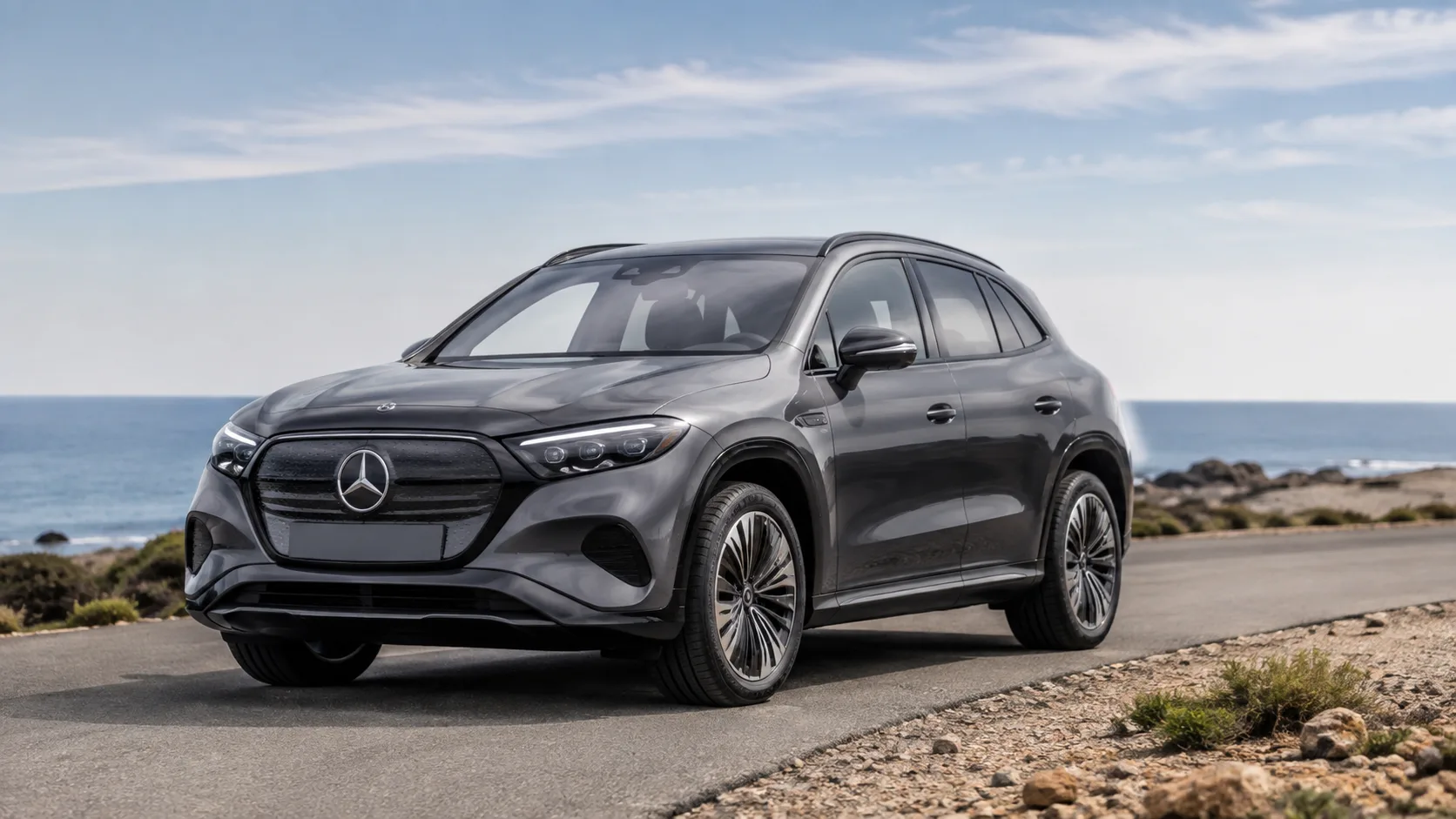
The Mercedes-Benz EQE SUV sits between the smaller EQB and the larger EQS SUV in Mercedes-Benz’s electric SUV family. It combines a fully electric powertrain with a spacious five-seat cabin, premium interior materials and technology derived from the brand’s flagship electric models.
For buyers, the main questions are practical: how far can the EQE SUV travel on a charge, how quickly can its battery be replenished, and is its cabin comfortable enough for everyday family use? The answers depend on the model year, motor configuration, wheel choice and market.
One important distinction is that Mercedes-Benz has offered several EQE SUV versions across different countries. U.S. EPA range figures, European WLTP figures and specifications sold in other markets are not directly interchangeable. The comparisons below identify the market where figures apply and distinguish official test-cycle range from actual driving results.
2026 Mercedes-Benz EQE SUV: Key Specifications
The 2026 U.S.-market lineup has been updated with the EQE 320+ SUV and EQE 320 4MATIC SUV. Both produce 315 horsepower, an increase from the 288 hp offered by their predecessors.
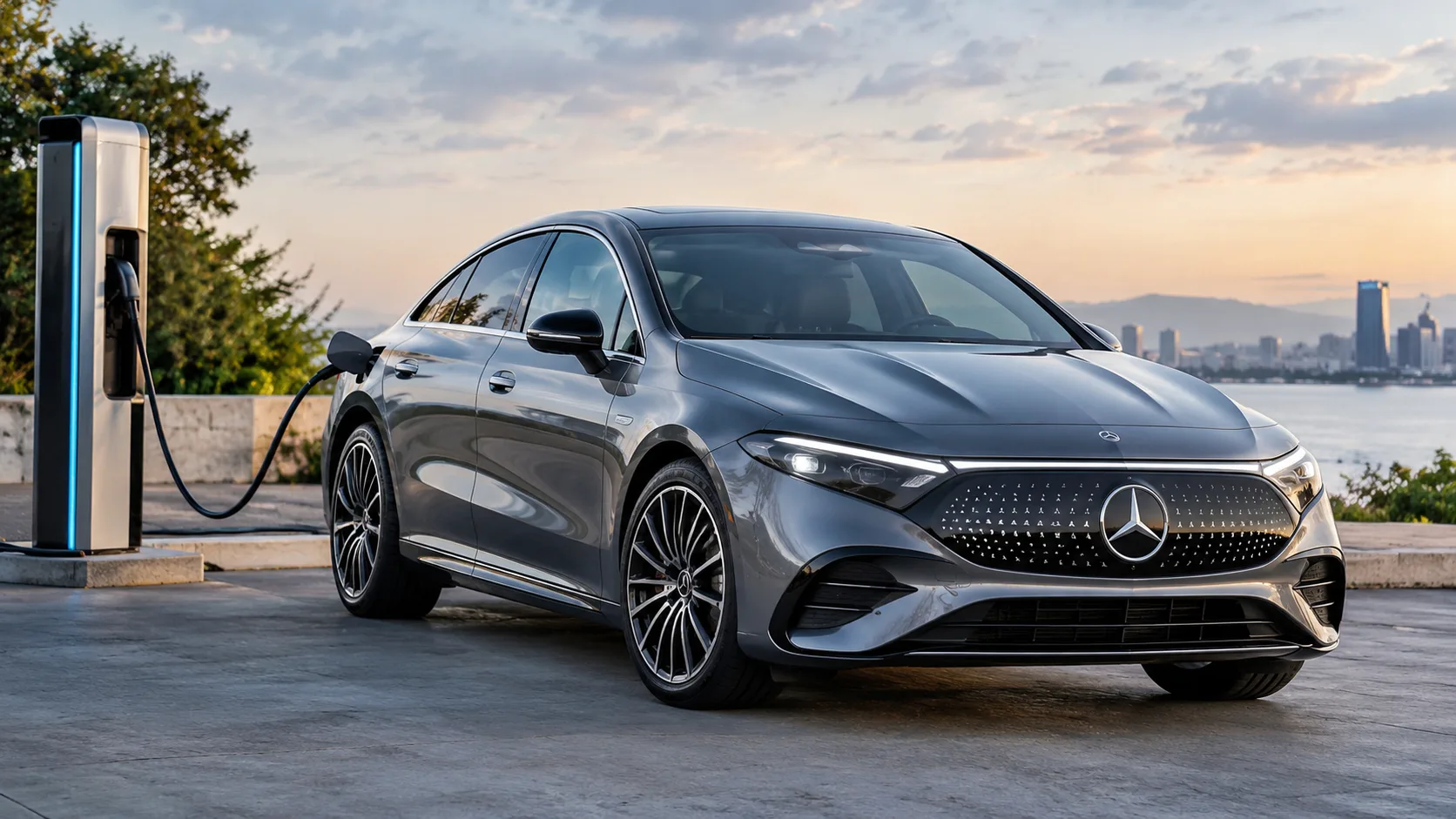
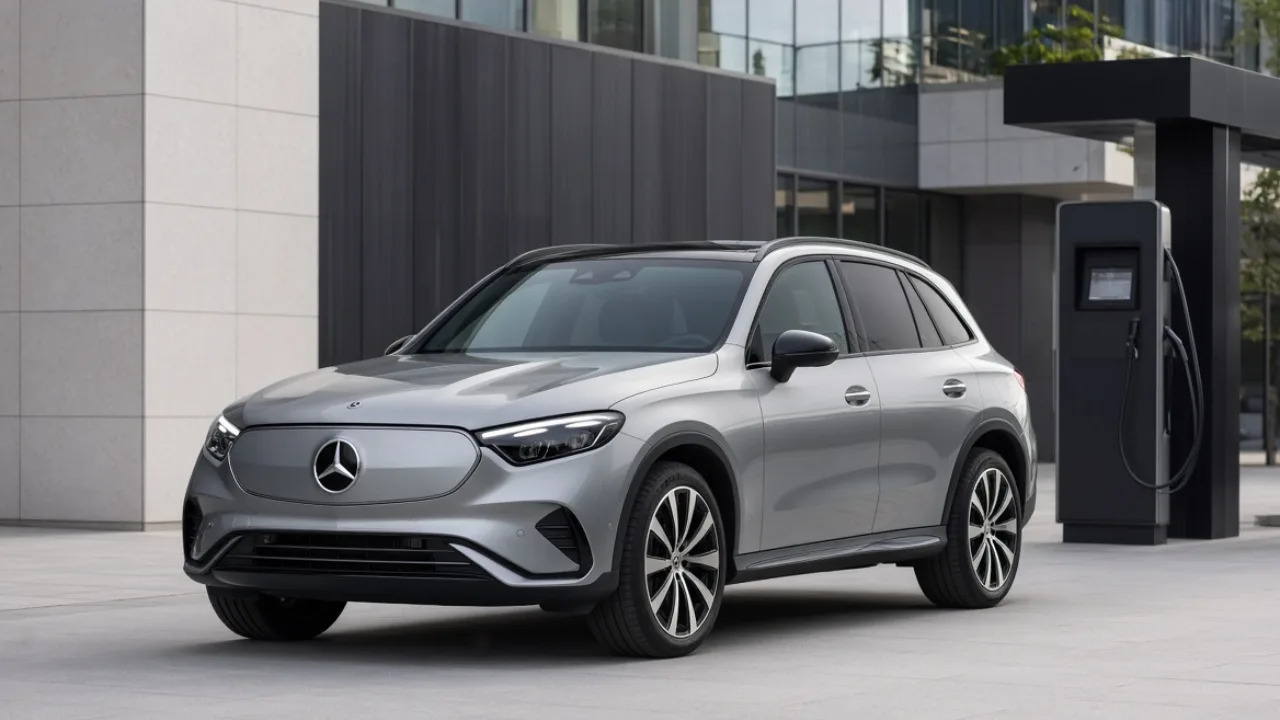
The EQE 320+ uses rear-wheel drive and a larger usable battery capacity, while the EQE 320 4MATIC adds all-wheel drive. The AMG EQE SUV remains the performance-focused version.
| Specification | EQE 320+ SUV | EQE 320 4MATIC SUV |
|---|---|---|
| Model year | 2026 | 2026 |
| Power | 315 hp | 315 hp |
| Drivetrain | Rear-wheel drive | All-wheel drive |
| Battery capacity | 96.0 kWh | 90.5 kWh |
| EPA-estimated range | 302 miles | 253 miles |
| 0–60 mph | 5.9 seconds | 6.2 seconds |
| Maximum DC charging rate | Up to 170 kW | Up to 170 kW |
| Starting MSRP (U.S.) | $64,950 | $67,450 |
The range figures are U.S. EPA estimates. Battery capacities are listed by Mercedes-Benz USA, and charging performance depends on the charger and battery conditions. The table excludes the AMG version because its performance and battery specifications are different.
Mercedes-Benz EQE SUV Range: What Can You Expect?
Range is one of the most important differences between the EQE 320+ and EQE 320 4MATIC.
The 2026 EQE 320+ SUV has an EPA-estimated range of 302 miles. The EQE 320 4MATIC is rated at 253 miles. That is a difference of 49 miles on the official estimates.

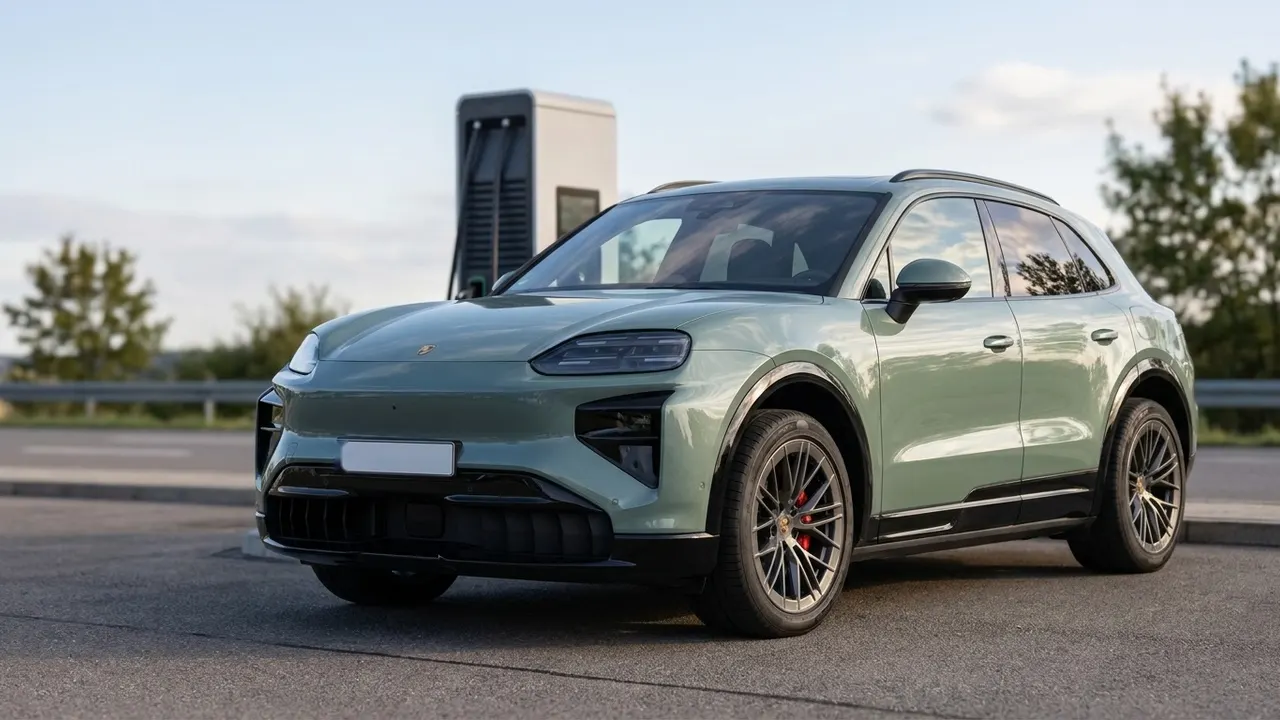
The rear-wheel-drive version benefits from its larger 96-kWh battery and simpler motor configuration. The all-wheel-drive model uses a 90.5-kWh battery and two electric motors, adding traction but reducing its certified range.
These figures are useful for comparing the two versions, but they should not be treated as guaranteed distances. Actual range changes with driving speed, temperature, road conditions, passenger load, wheel size and climate-control use.
Real-world range testing
Independent testing gives buyers a better idea of how the EQE SUV performs outside standardized certification.
In an Edmunds EV range test published in February 2026, the EQE 320+ SUV covered 349 miles, exceeding its 302-mile EPA estimate by 47 miles. Edmunds recorded energy consumption of 31.2 kWh per 100 miles during the test.
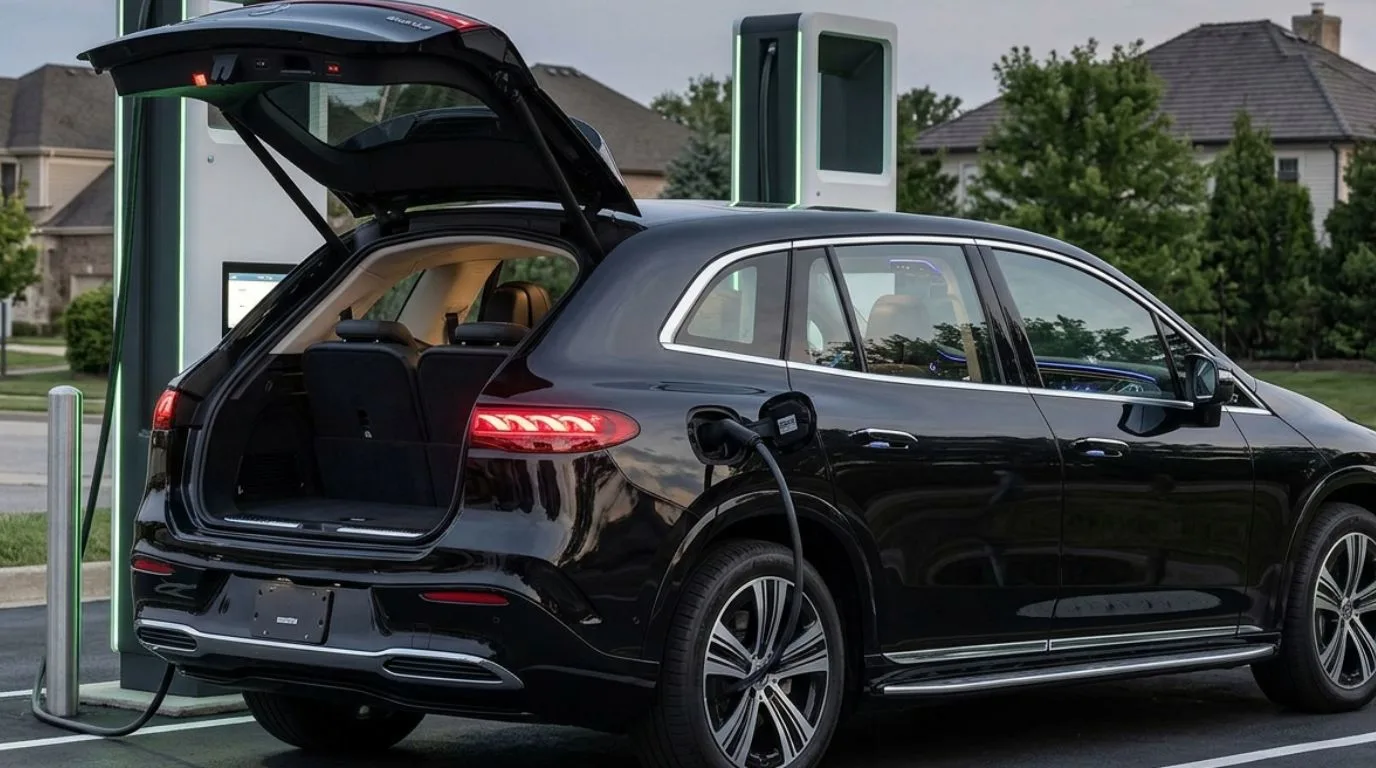
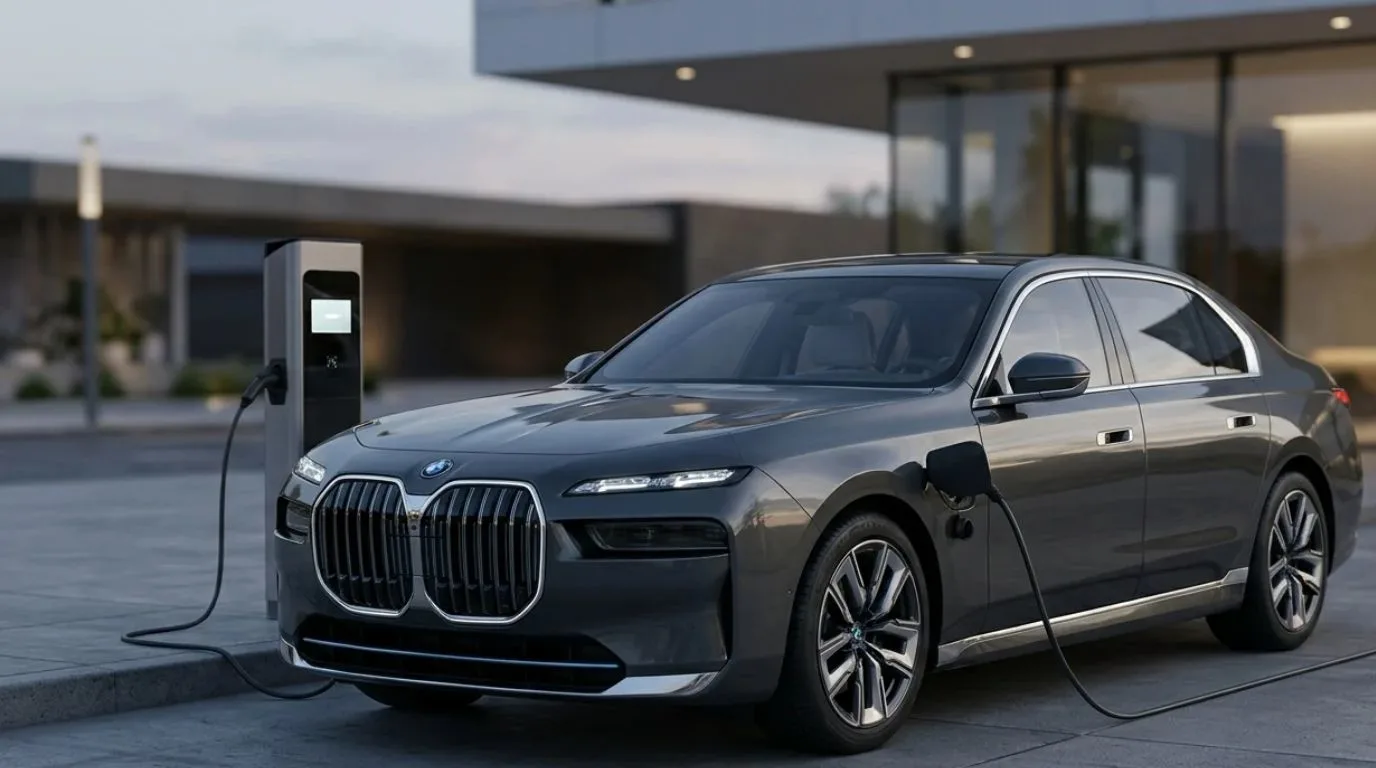
That is a strong result, but it should be interpreted carefully. It reflects one vehicle tested under a particular route and set of conditions. It does not mean every EQE 320+ will travel 349 miles on every charge.
For comparison, an ADAC winter range test of an earlier EQE SUV 350+ recorded 331 km (approximately 206 miles). The test included cold-weather conditions and recorded consumption of 30 kWh per 100 km, including DC charging losses. This illustrates how significantly winter conditions and testing methods can affect an EV’s results.
Factors that affect everyday range
Several conditions can change how far the EQE SUV travels:
- Highway speed: Driving faster increases aerodynamic resistance and energy consumption.
- Cold weather: Battery performance and cabin heating can reduce available range.
- Wheel selection: Larger wheels and lower-profile tires can affect efficiency and ride comfort.
- Passenger and luggage load: Additional weight increases the energy needed to move the vehicle.
- Driving style: Smooth acceleration and regenerative braking can help improve efficiency.
For long-distance travel, it is sensible to plan around a lower figure than the official maximum, especially during winter or when driving at sustained highway speeds.
Battery and Electric Motor Options
The EQE SUV uses a lithium-ion battery and a fully electric powertrain. Its U.S. range includes rear-wheel-drive and all-wheel-drive versions, giving buyers a choice between prioritizing range and gaining additional traction.
EQE 320+ SUV
The EQE 320+ uses a 96-kWh battery and a rear-mounted electric motor. It produces 315 horsepower and is rated for 5.9 seconds in the 0–60 mph acceleration test.
Its larger battery and rear-wheel-drive layout help it achieve the highest EPA range in the standard 2026 EQE SUV lineup.
For buyers who mostly drive on paved roads and want to maximize distance between charging stops, this is the more range-focused choice.

EQE 320 4MATIC SUV
The EQE 320 4MATIC uses a 90.5-kWh battery and two electric motors. Its all-wheel-drive system can distribute power between the front and rear axles depending on available traction.
It also produces 315 horsepower, with a manufacturer-listed 0–60 mph time of 6.2 seconds.
The main reason to choose this version is all-wheel-drive capability rather than a higher power output. Its EPA-estimated range is lower than the rear-wheel-drive model.
Mercedes-AMG EQE SUV
The AMG EQE SUV is aimed at buyers who want considerably stronger performance.

For the 2026 U.S. model, Mercedes-Benz lists 617 horsepower and 701 lb-ft of combined torque. Its manufacturer-quoted 0–60 mph acceleration time is 3.4 seconds.
The AMG version also has a different battery specification from the standard EQE 320 models. Its performance focus means buyers should compare its range and efficiency separately rather than assuming it matches the 320+.
Mercedes-Benz EQE SUV Charging: Speed and Practicality
The EQE SUV supports DC fast charging at up to 170 kW on compatible charging equipment. Mercedes-Benz’s European technical information lists approximately 32 minutes for a 10–80% charge on the standard EQE 350+ and EQE 350 4MATIC versions.
The exact charging time for a 2026 U.S. vehicle depends on its configuration, battery condition and charging equipment. The 32-minute figure should be treated as a published reference for the relevant European specifications, not a guarantee for every market and model year.
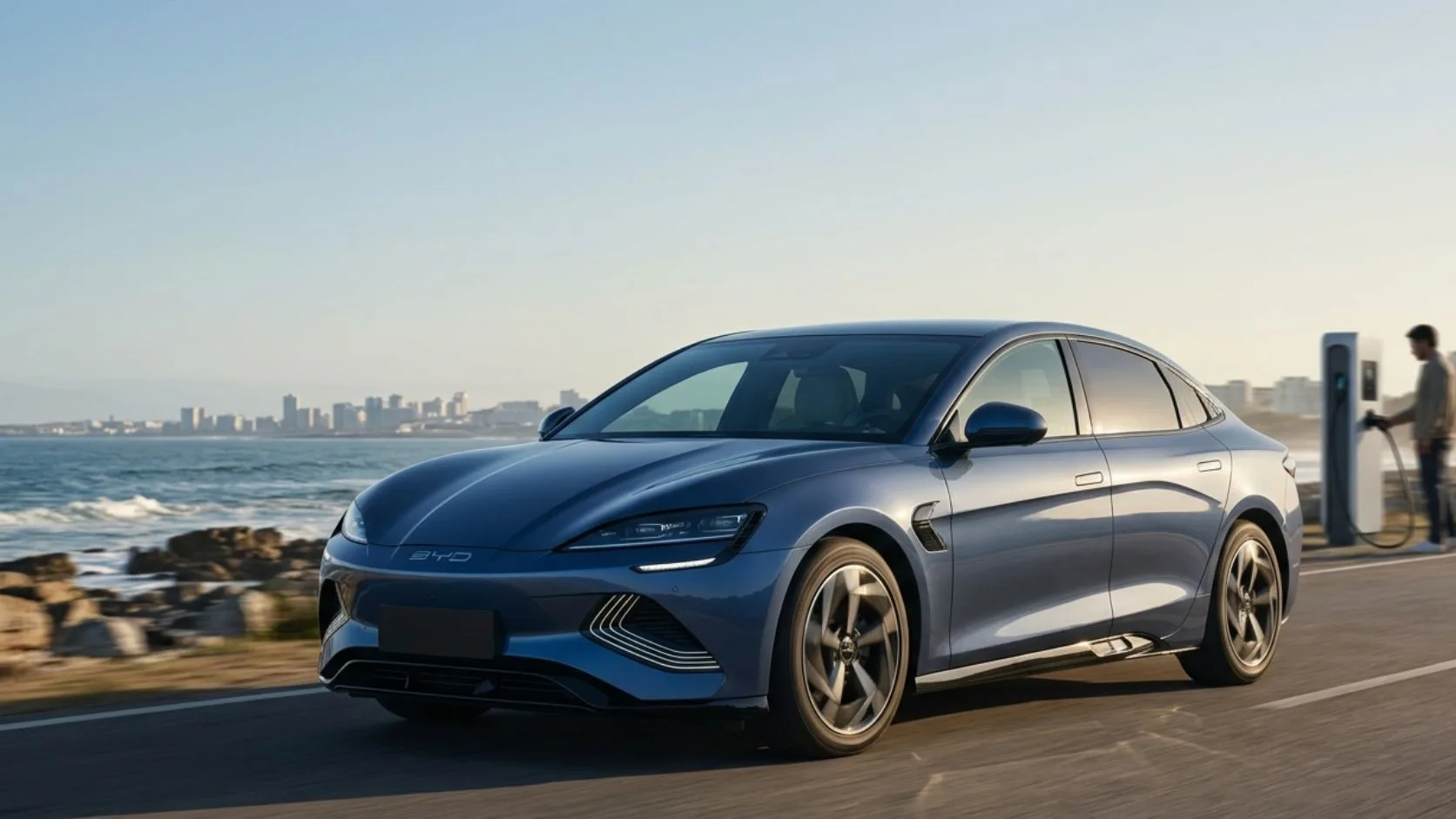
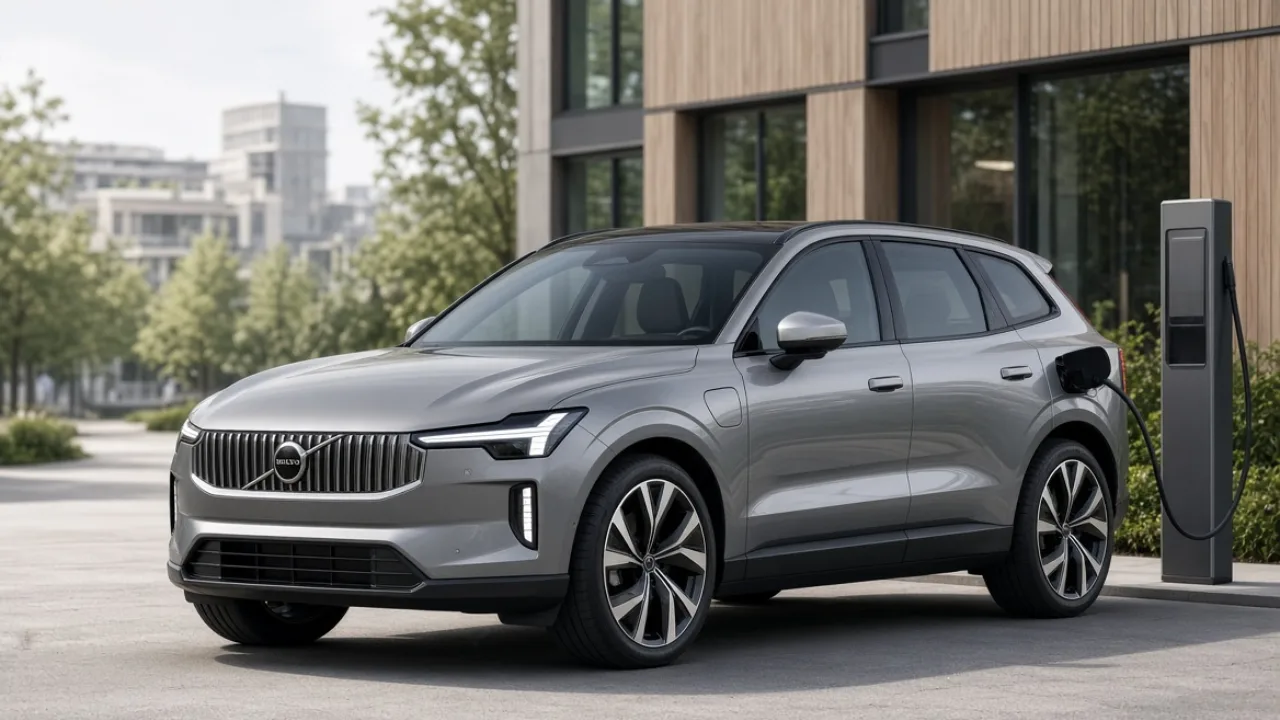
DC fast charging
A compatible high-power DC charger is the most practical option when travelling long distances.
The charging process is not equally fast throughout the battery’s entire capacity. Charging power generally changes as the battery fills, which is why manufacturers often quote a 10–80% charging time instead of a full 0–100% session.
Actual charging speed can be affected by:
- Battery temperature.
- Battery state of charge when plugged in.
- Available power from the charging station.
- Charger compatibility.
- Battery preconditioning and ambient temperature.
A 170-kW maximum charging rate does not mean the vehicle will continuously charge at 170 kW.
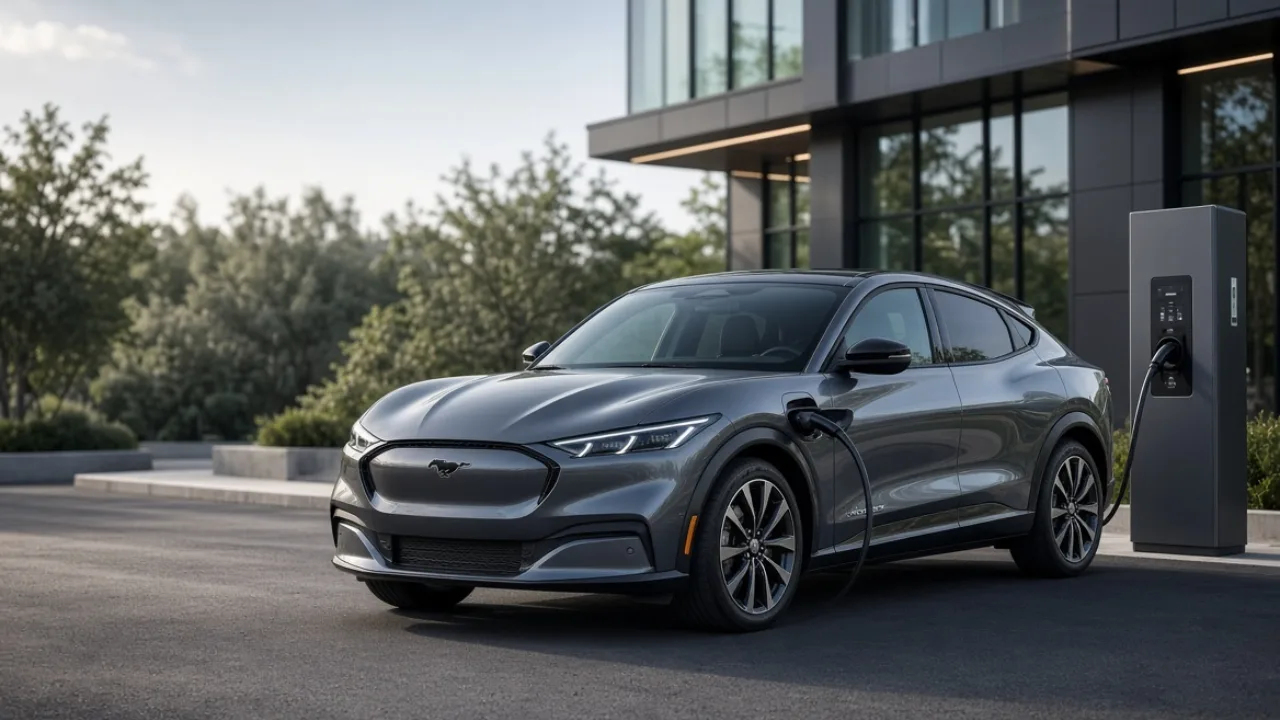
Home AC charging
Home charging is more convenient for regular use because the vehicle can be connected overnight.
The European EQE SUV specification lists an 11-kW maximum AC charging rate. A compatible wallbox can provide a much more practical charging experience than a standard household socket, although the time required depends on the electrical installation and the version being charged.
For buyers who can charge at home, the EQE SUV can start most daily journeys with a useful battery level without requiring frequent visits to public charging stations.
Charging connector and U.S. network access
For the 2026 U.S. model year, Mercedes-Benz added a NACS DC fast-charging adapter as standard equipment. This gives compatible vehicles access to supported NACS charging locations, including compatible Tesla Supercharger stations.
The vehicle’s charging inlet and the adapter arrangement still need to match the charging station. Buyers should check station compatibility and availability before planning a long trip.
Interior Comfort: What Makes the EQE SUV a Luxury Electric SUV?
The EQE SUV’s cabin is designed around comfort, digital technology and a more relaxed driving experience. It offers seating for five passengers, with a three-person rear bench and a 40/20/40 split-folding arrangement.
This makes it more practical for families than a conventional coupe-style electric vehicle, particularly when carrying passengers and luggage together.
Front-seat comfort
The front seats are electrically adjustable and heated as standard on the U.S. model. Mercedes-Benz also offers ventilation and additional comfort equipment depending on the selected configuration.

The seats incorporate an energizing kinetics function, which makes small adjustments while driving to help reduce fatigue.
Buyers should check the exact equipment list because some comfort features are optional rather than standard across every trim.
Rear-seat space
The EQE SUV has a conventional five-seat layout. The rear bench accommodates three passengers and can be folded in a 40/20/40 split to create additional cargo space.
The middle seat is useful when carrying an extra passenger, although it is not as comfortable as the two outer seating positions on a long journey.
The EQE SUV is not a three-row vehicle. Buyers who need seven seats should look at larger alternatives, including the EQS SUV in markets where its third-row configuration is offered.
Cabin materials and ambient lighting
Mercedes-Benz offers a range of premium cabin finishes, upholstery choices and decorative trim options. The dashboard design is clean and technology-focused, with a large central infotainment display and a digital instrument cluster.
The U.S. model also offers ambient lighting with 64 selectable colors. Available equipment includes Burmester 3D Surround Sound, which uses a 17-speaker system rated at 710 watts.
These features contribute to the vehicle’s luxury positioning, but the actual specification depends on the chosen trim and options.
MBUX Hyperscreen and Technology
The Mercedes-Benz User Experience system, commonly known as MBUX, brings together infotainment, navigation, vehicle settings and voice-control functions.
The standard U.S. EQE SUV uses dual displays. Buyers can also select the optional MBUX Hyperscreen, which places three displays beneath a continuous glass surface across the dashboard.
The Hyperscreen is visually distinctive, but the larger display is not automatically the better choice for every driver. Some people may prefer the simpler layout of the standard system, particularly if they want fewer digital controls competing for attention.
Navigation with Electric Intelligence
The navigation system includes Electric Intelligence, which can help plan routes around traffic, road conditions, topography and available charging stations.
Active Range Monitoring also helps the driver assess whether the remaining battery charge is sufficient for the planned journey.
This is particularly useful when travelling between cities, where the availability of compatible fast chargers can influence route planning.
Driver-assistance technology
Depending on equipment and market, the EQE SUV can be fitted with driver-assistance features such as:
- Blind Spot Assist.
- Lane Keeping Assist.
- Cross-Traffic Alert.
- DISTRONIC adaptive cruise control.
- Automatic Lane Change.
- Parking assistance technology.
These systems are designed to support the driver, not replace their attention. Their availability and operating limitations should be checked against the vehicle’s exact specification.
Ride Quality, Suspension and Driving Comfort
The EQE SUV is designed to provide a comfortable and controlled driving experience rather than the direct, sporty character of a performance-focused SUV.
Its electric powertrain delivers power smoothly, without the gear changes and engine vibration associated with a conventional combustion vehicle.
AIRMATIC air suspension
Available AIRMATIC air suspension adds adaptive damping, selectable driving modes and automatic level control. It can also lower the vehicle at higher speeds to help improve aerodynamic efficiency.
The system can raise the vehicle when additional ground clearance is useful.

This equipment can make the EQE SUV more adaptable to different road conditions, although its actual ride quality will also depend on wheel and tire selection.
Rear-axle steering
Available rear-axle steering can improve maneuverability at lower speeds and help the vehicle feel more stable at higher speeds.
This is useful in a midsize luxury SUV that still has substantial exterior dimensions. It can make tight parking spaces and urban turns easier to manage, depending on the system specification.
Cabin refinement
The electric powertrain removes the engine noise and vibration associated with petrol and diesel vehicles. That creates a quieter foundation for the cabin, particularly at lower speeds.
However, tire noise, road surface and wind noise remain relevant. Larger wheels and lower-profile tires can also affect ride comfort, so buyers should consider the wheel options before choosing a vehicle.
Mercedes-Benz EQE SUV vs EQS SUV: Which Is More Comfortable?
The EQE SUV and EQS SUV share Mercedes-Benz’s electric luxury design approach, but they serve different buyers.
| Comparison | EQE SUV | EQS SUV |
|---|---|---|
| Positioning | Midsize electric luxury SUV | Larger electric luxury SUV |
| Passenger capacity | Five seats | Five or up to seven, depending on market and configuration |
| Cabin space | More compact | More spacious overall |
| Range | Depends on model and market | Depends on model and market |
| Luxury technology | MBUX, optional Hyperscreen | MBUX and available Hyperscreen |
| Main advantage | Smaller footprint and lower entry price | More room and available third row |
The EQE SUV is a sensible option for buyers who mainly need five seats and want a premium electric SUV without moving into the larger EQS SUV.
The EQS SUV is more appropriate for families who need additional passenger space or an optional third row. Its larger body and higher starting price reflect its position above the EQE SUV.
Neither model is automatically the better choice. The decision depends on how much cabin space is needed and how much the buyer is willing to spend.
2026 Mercedes-Benz EQE SUV Price and Availability
In the United States, Mercedes-Benz lists the 2026 EQE 320+ SUV with a starting MSRP of $64,950 and the EQE 320 4MATIC SUV at $67,450.
The 2026 AMG EQE SUV is listed separately, with a starting MSRP of $97,400 on the current U.S. model page.
These are U.S. manufacturer-listed prices, not final transaction prices. Destination and delivery charges, taxes, optional packages and dealer costs can affect the final amount.
What changed for the 2026 model year?
The 2026 EQE SUV lineup received several updates in the United States:
- The EQE 350+ and EQE 350 4MATIC names were replaced by EQE 320+ and EQE 320 4MATIC.
- Output increased from 288 hp to 315 hp.
- The NACS DC fast-charging adapter became standard equipment.
- Two new sound experiences, Fractal Fusion and Granular Fuzz, were added.
- The optional MBUX Hyperscreen became available for the EQE 320+ and EQE 320 4MATIC.
These are U.S.-market model-year updates. Equipment and model names may differ in other countries.
What about the UK and European market?
The UK-market EQE SUV lineup uses different model names and WLTP range figures.
Mercedes-Benz UK’s published specifications list the EQE 350+ with a WLTP range of up to 372 miles, the EQE 350 4MATIC at up to 337 miles and the EQE 500 4MATIC at up to 360 miles.
The listed usable battery capacities are 96 kWh for the EQE 350+ and EQE 500 4MATIC, and 90 kWh for the EQE 350 4MATIC. The UK specifications also list a maximum DC charging rate of 170 kW and an 11-kW maximum AC charging rate.
These WLTP figures should not be compared directly with U.S. EPA estimates. The testing procedures differ, and the same vehicle can receive different certified range figures under different systems.
Is the Mercedes-Benz EQE SUV Worth Considering?
The EQE SUV offers a combination of electric range, luxury equipment and everyday practicality. Its strongest appeal is the balance between a premium cabin and a more manageable size than the larger EQS SUV.
Reasons to consider it

- The EQE 320+ has a 302-mile EPA-estimated range in the U.S.
- The rear-wheel-drive model has a larger battery than the 4MATIC version.
- The 2026 lineup offers 315 horsepower in both standard EQE 320 versions.
- Available AIRMATIC suspension and rear-axle steering add flexibility.
- The five-seat cabin has a useful 40/20/40 split-folding rear bench.
- MBUX Hyperscreen and premium audio equipment are available.
Things to consider
- The EPA range drops to 253 miles for the EQE 320 4MATIC.
- The vehicle is limited to five seats.
- Some luxury and driver-assistance features require optional packages.
- Real-world range can change considerably with weather and highway speed.
- DC charging performance depends on the charging station and battery conditions.
- The AMG version has a different performance and efficiency balance.
The EQE SUV is best suited to buyers who want a premium five-seat electric SUV with a comfortable cabin and strong technology offering. Those who need seven seats or maximum passenger space should consider a larger vehicle.
Final Thoughts
The Mercedes-Benz EQE SUV is a well-equipped electric luxury SUV with a clear distinction between its range-focused rear-wheel-drive version and the all-wheel-drive alternative.
For the 2026 U.S. model year, the EQE 320+ offers an EPA-estimated 302 miles of range, while the EQE 320 4MATIC is rated at 253 miles. The independent Edmunds test result of 349 miles for the 320+ also shows that real-world results can differ from official estimates, depending on testing conditions.

Its interior comfort, optional air suspension, advanced infotainment and five-seat layout make it a practical choice for buyers who do not need a third row. Charging capability is competitive, although the maximum advertised charging rate should not be confused with the power delivered throughout an entire charging session.
The EQE SUV makes the most sense for buyers who value comfort, technology and everyday usability in a premium electric vehicle. Choosing between the 320+ and 320 4MATIC ultimately comes down to whether longer range or all-wheel-drive traction matters more.
Frequently Asked Questions
What is the range of the 2026 Mercedes-Benz EQE SUV?
The 2026 U.S.-market EQE 320+ SUV has an EPA-estimated range of 302 miles. The EQE 320 4MATIC SUV has an EPA-estimated range of 253 miles.
What is the real-world range of the Mercedes-Benz EQE SUV?
Real-world range depends on driving conditions. In an Edmunds test, the 2026 EQE 320+ SUV covered 349 miles, exceeding its EPA estimate. Other conditions, particularly cold weather and sustained highway speeds, can produce different results.

What battery does the EQE SUV use?
The 2026 U.S.-market EQE 320+ uses a 96.0-kWh battery, while the EQE 320 4MATIC uses a 90.5-kWh battery.
How fast does the Mercedes-Benz EQE SUV charge?
The European EQE SUV specification lists a maximum DC charging rate of 170 kW and approximately 32 minutes for a 10–80% charge. Actual charging times depend on the market version, battery temperature and charger.
Does the EQE SUV support Tesla Superchargers?
The 2026 U.S.-market EQE SUV includes a standard NACS DC fast-charging adapter for compatible charging stations. Access depends on station compatibility and availability.
Is the Mercedes-Benz EQE SUV a seven-seater?
No. The EQE SUV has seating for five passengers. Buyers who need a third row should consider the EQS SUV or another larger vehicle.
What is the difference between EQE 320+ and EQE 320 4MATIC?
The EQE 320+ has rear-wheel drive and a 96-kWh battery, with an EPA-estimated range of 302 miles. The EQE 320 4MATIC has all-wheel drive and a 90.5-kWh battery, with an EPA-estimated range of 253 miles.
How much does the 2026 Mercedes-Benz EQE SUV cost?
In the United States, the EQE 320+ starts at $64,950 MSRP, while the EQE 320 4MATIC starts at $67,450 MSRP. Prices vary by market and optional equipment.
Is the EQE SUV more comfortable than the EQS SUV?
Both are luxury electric SUVs, but the EQS SUV is larger and offers more passenger-space flexibility, including an optional third row in some markets. The EQE SUV is a five-seat model with a smaller overall footprint.