The 2026 Toyota bZ4X brings meaningful improvements to Toyota’s all-electric SUV, including a larger battery option, increased driving range, faster charging capability and a redesigned interior. For the U.S. market, Toyota has also adopted the North American Charging System (NACS) charging port, expanding access to compatible public fast-charging stations.
For the 2026 model year, Toyota markets the vehicle in the United States as the Toyota bZ, dropping “bZ4X” from the name. The bZ4X name continues to be used in other markets, so the model name and specifications depend on where the vehicle is sold.
The updated U.S. model offers two battery capacities, front-wheel-drive and all-wheel-drive configurations, and an EPA-estimated range of up to 314 miles on the XLE FWD Plus trim. Its cabin also receives a standard 14-inch multimedia touchscreen, redesigned center console and customizable ambient lighting.
Here is what buyers should know about the 2026 Toyota bZ4X, including its battery, range, charging times, interior technology and market availability.


2026 Toyota bZ4X: Key Specifications
The following figures refer to the 2026 U.S.-market Toyota bZ. They should not be applied automatically to European, Japanese or Australian versions.
| Specification | 2026 Toyota bZ |
|---|---|
| Vehicle type | All-electric compact SUV |
| Battery options | 57.7 kWh and 74.7 kWh |
| Maximum EPA-estimated range | Up to 314 miles |
| Maximum combined system output | 338 hp on AWD models |
| Drive configurations | FWD and AWD |
| Charging port | NACS |
| DC fast charging | Approximately 30 minutes from 10% to 80% under ideal conditions |
| AC onboard charger | 11 kW |
| Infotainment display | 14-inch touchscreen |
| U.S. starting MSRP | $34,900, excluding dealer processing and handling |
The maximum range, battery capacity and power output depend on the trim and drivetrain. The starting MSRP is the manufacturer’s announced U.S. price and does not represent the final out-the-door cost.
What Is New for the 2026 Toyota bZ4X?
The 2026 update focuses on improvements that directly affect everyday electric driving rather than simply changing the vehicle’s appearance.
Key changes include:
- Larger battery option: A 74.7-kWh battery is available on selected trims, alongside a 57.7-kWh battery for the entry-level XLE FWD.
- Longer driving range: The XLE FWD Plus reaches an EPA-estimated 314 miles per charge.
- More power: The all-wheel-drive version delivers up to 338 combined system horsepower.
- NACS charging port: The U.S. model gains access to compatible NACS-equipped charging stations, including eligible Tesla Supercharger locations.
- Faster AC charging capability: An 11-kW onboard charger replaces the previous model’s lower-capacity unit.
- Updated interior: A 14-inch touchscreen, revised dashboard and redesigned center console modernize the cabin.
- Battery preconditioning: The system prepares the battery for DC fast charging to help improve charging performance, particularly in cold weather.
- Regenerative braking controls: Steering-wheel-mounted paddles let drivers adjust regenerative braking.
These updates make the 2026 model more practical for daily commuting and longer journeys. However, the benefits vary by trim, and the longest advertised range is not available on every version.
2026 Toyota bZ4X Electric Range
The maximum advertised range is one of the most important improvements for the 2026 model. In the United States, Toyota lists EPA-estimated ranges that vary according to battery size, drivetrain and trim.
| U.S. trim | Battery capacity | EPA-estimated range |
|---|---|---|
| XLE FWD | 57.7 kWh | 236 miles |
| XLE AWD | 74.7 kWh | 288 miles |
| XLE FWD Plus | 74.7 kWh | 314 miles |
| Limited FWD | 74.7 kWh | 299 miles |
| Limited AWD | 74.7 kWh | 278 miles |
The range figures are intended for comparison and reflect EPA estimates under specified testing conditions. They are not guarantees of the distance a driver will cover in everyday use.
What affects the real-world range?
Several factors can change how far the bZ travels between charges.
Driving speed: Sustained high-speed highway driving generally uses more energy than moderate-speed driving.
Weather: Cold temperatures can reduce battery efficiency and increase cabin-heating demand. Very hot weather can also affect energy consumption.
Climate control: Heating or cooling the cabin requires electricity, which reduces the energy available for driving.
Wheel and tire configuration: Different equipment and tires can affect rolling resistance and overall efficiency.
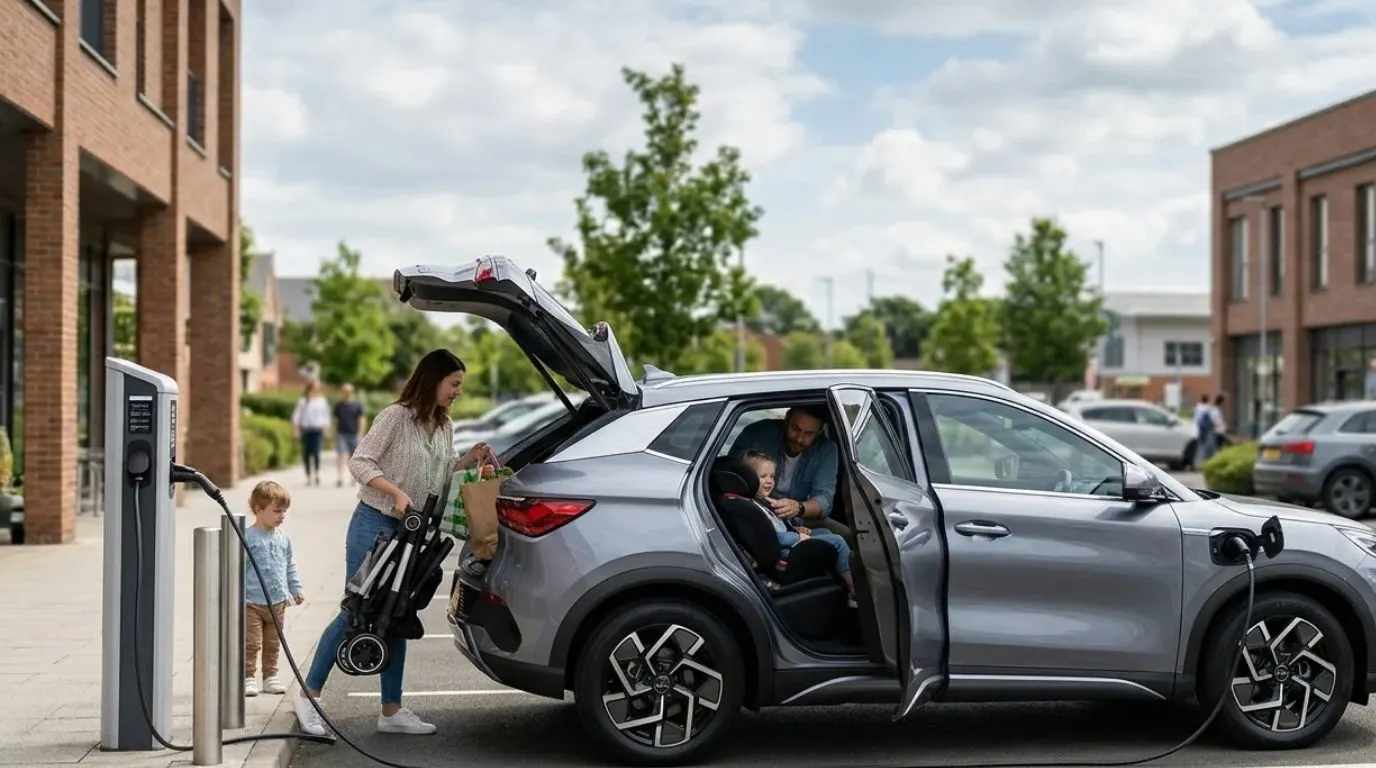
Driving style: Frequent acceleration, hard braking and rapid changes in speed can increase energy consumption.
For buyers who regularly take longer trips, the XLE FWD Plus offers the highest advertised range in the lineup. Drivers who want all-wheel-drive traction must accept a different range figure, with the XLE AWD rated at 288 miles.
Is a 314-mile range enough for road trips?
An EPA-estimated range of 314 miles provides useful flexibility for commuting and longer journeys, but road-trip planning should account for charging stops and a reserve for unexpected delays.
Drivers should not plan every leg around using the battery from 100% down to 0%. Charging availability, weather, highway speeds and the distance between stations all influence how practical a route will be.
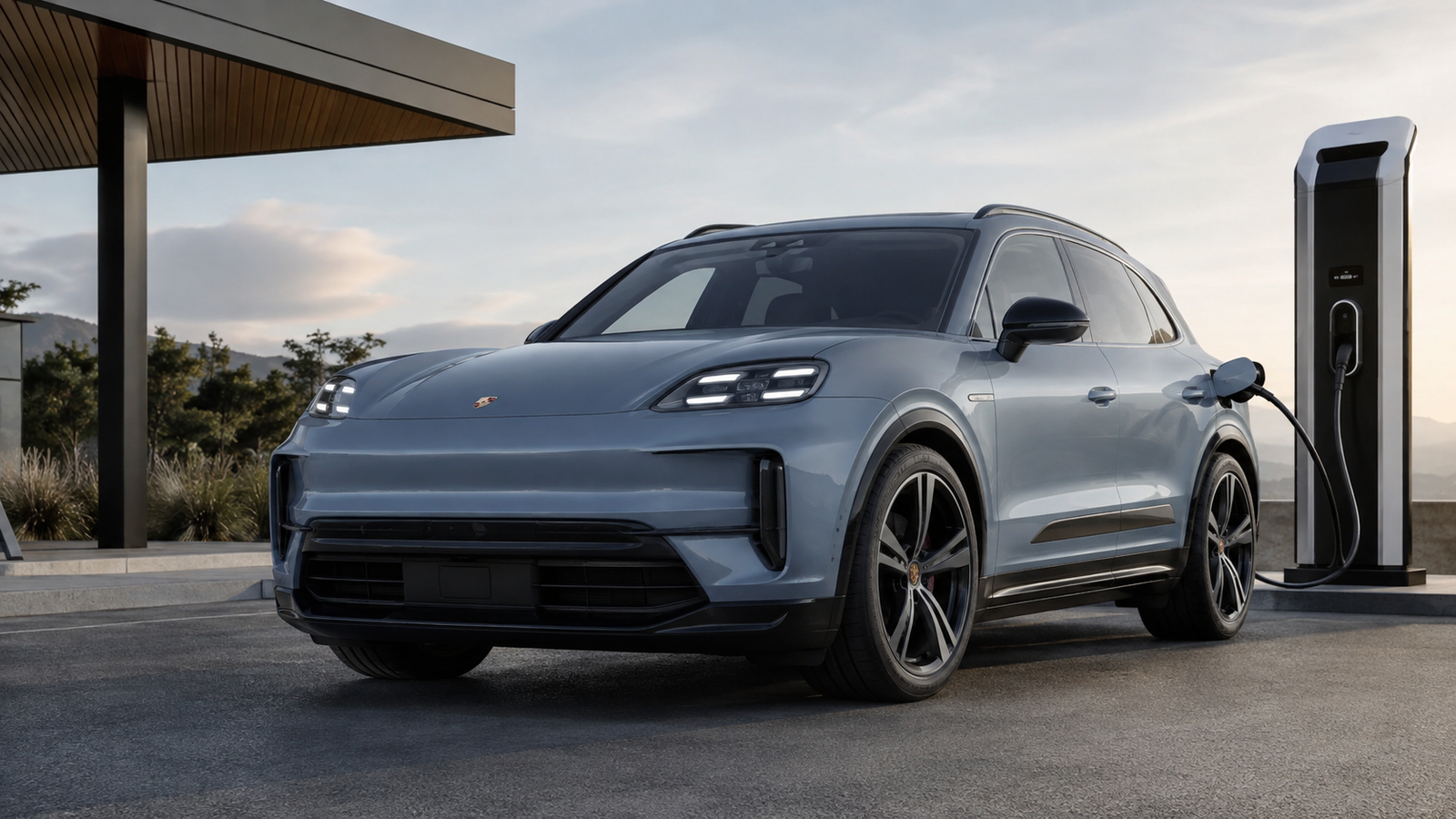
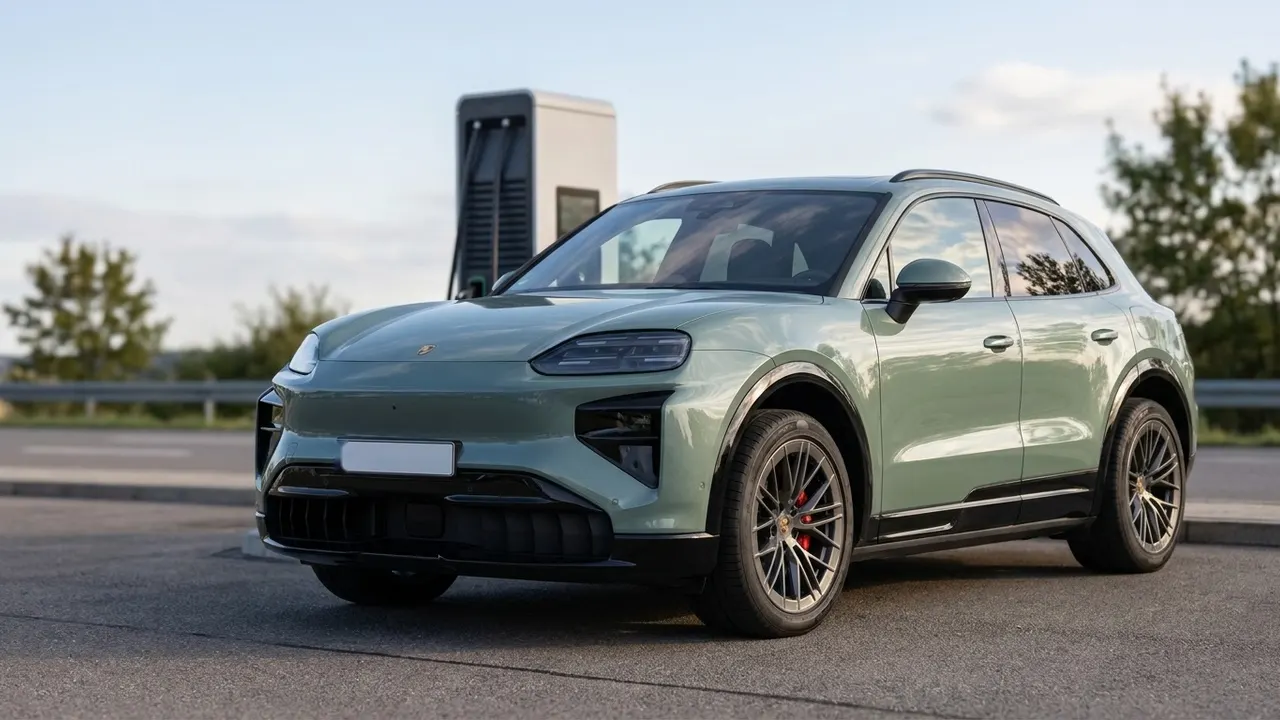
The most useful comparison is not simply maximum range. Buyers should also consider the availability of compatible chargers along their regular routes and how quickly the vehicle can recharge during a stop.
2026 Toyota bZ4X Battery and Electric Powertrain
The 2026 U.S. Toyota bZ uses a lithium-ion traction battery and an electric-drive system. Unlike a gasoline vehicle, it does not require an engine, conventional gearbox or fuel tank.
Toyota offers two battery capacities: 57.7 kWh and 74.7 kWh. The larger battery is fitted to selected versions, including the XLE AWD, XLE FWD Plus and Limited grades.
Battery capacity, measured in kilowatt-hours (kWh), indicates how much energy the battery can store. It should not be confused with motor power, which is measured in kilowatts (kW) or horsepower.
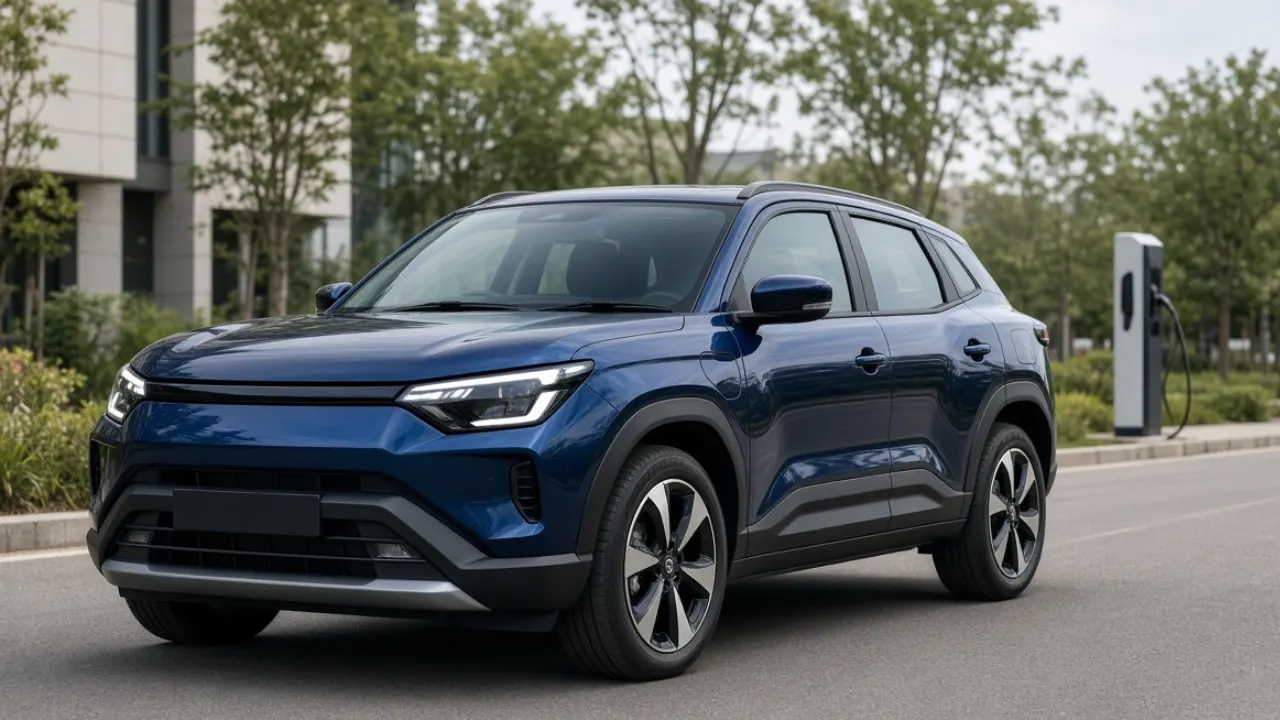
A larger battery can help extend driving range, but the final distance also depends on vehicle efficiency, drivetrain and driving conditions.
Front-wheel drive versus all-wheel drive
The front-wheel-drive configuration uses an electric motor to drive the front wheels. It is a suitable choice for many daily driving situations, including commuting and highway travel.
The all-wheel-drive version uses electric motors at the front and rear. This configuration delivers up to 338 combined system horsepower and provides additional traction capability in suitable conditions.
All-wheel drive can be helpful on wet roads or slippery surfaces, but it does not eliminate the need for appropriate tires and careful driving.
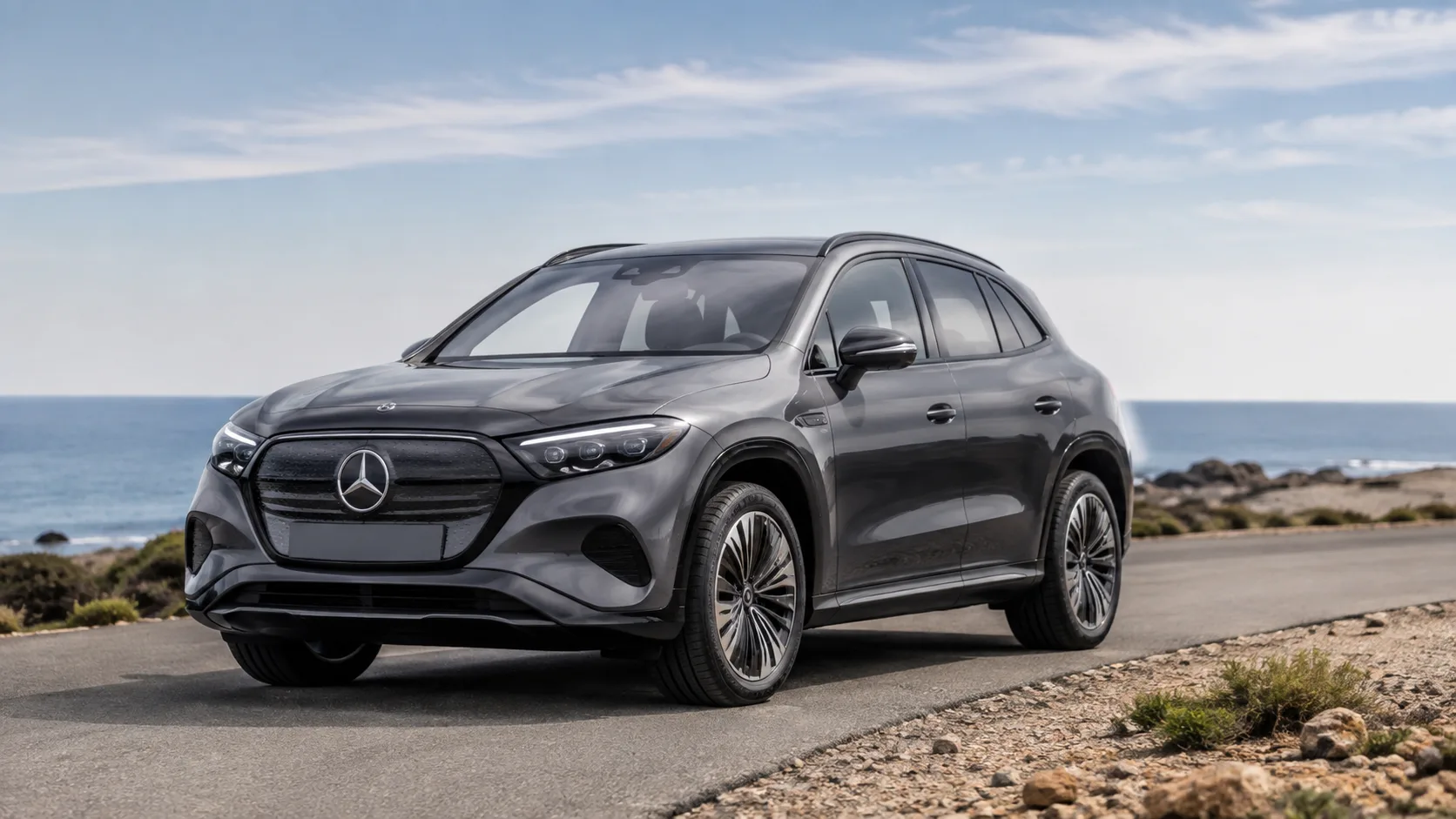
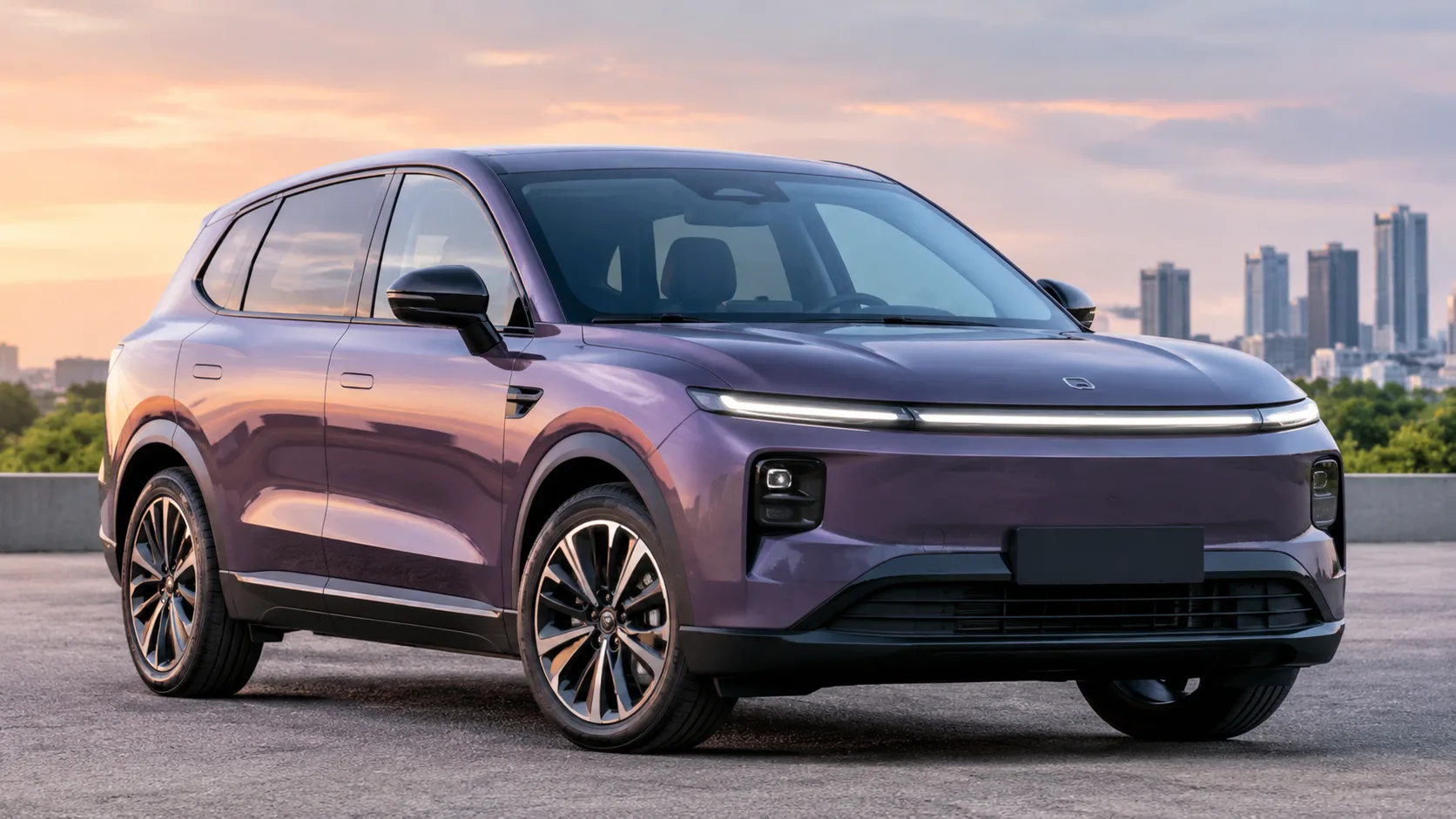
The AWD system also affects efficiency and range. For buyers whose priority is covering the greatest possible distance per charge, the XLE FWD Plus is the range leader. Those who value additional traction may prefer an AWD version.
Battery preconditioning explained
Battery preconditioning prepares the battery for charging by bringing it closer to a suitable operating temperature.
This matters because lithium-ion batteries can accept energy more slowly when they are too cold or otherwise outside their preferred temperature range. Preparing the battery before arriving at a compatible fast charger can help improve charging performance.
The 2026 bZ includes battery preconditioning, which can be activated manually or through navigation-based charging preparation. Actual results depend on temperature, battery condition and the charging station.
Battery warranty
Toyota provides an EV component warranty covering the traction battery and other specified electric-vehicle components for eight years or 100,000 miles, whichever comes first, under the applicable U.S. warranty terms.
Warranty coverage is subject to the manufacturer’s conditions and exclusions. Buyers should review the warranty documentation for the vehicle they purchase, including any applicable provisions concerning battery capacity.
2026 Toyota bZ4X Charging: Speed, Time and Compatibility
Charging convenience is a major consideration when choosing an electric SUV. The 2026 U.S.-market Toyota bZ supports home AC charging and public DC fast charging, with an updated charging port and improved onboard charging hardware.
DC fast charging
Under ideal conditions, Toyota estimates that the 2026 bZ can charge from 10% to 80% in approximately 30 minutes at a compatible DC fast-charging station.


Actual charging times can vary considerably. Battery temperature, charging-station output, the vehicle’s state of charge and power-management limits all affect the result.
Charging also typically slows as the battery approaches a high state of charge. For this reason, charging from 10% to 80% is a more useful comparison than assuming that every charging session will take the same amount of time.
NACS charging port
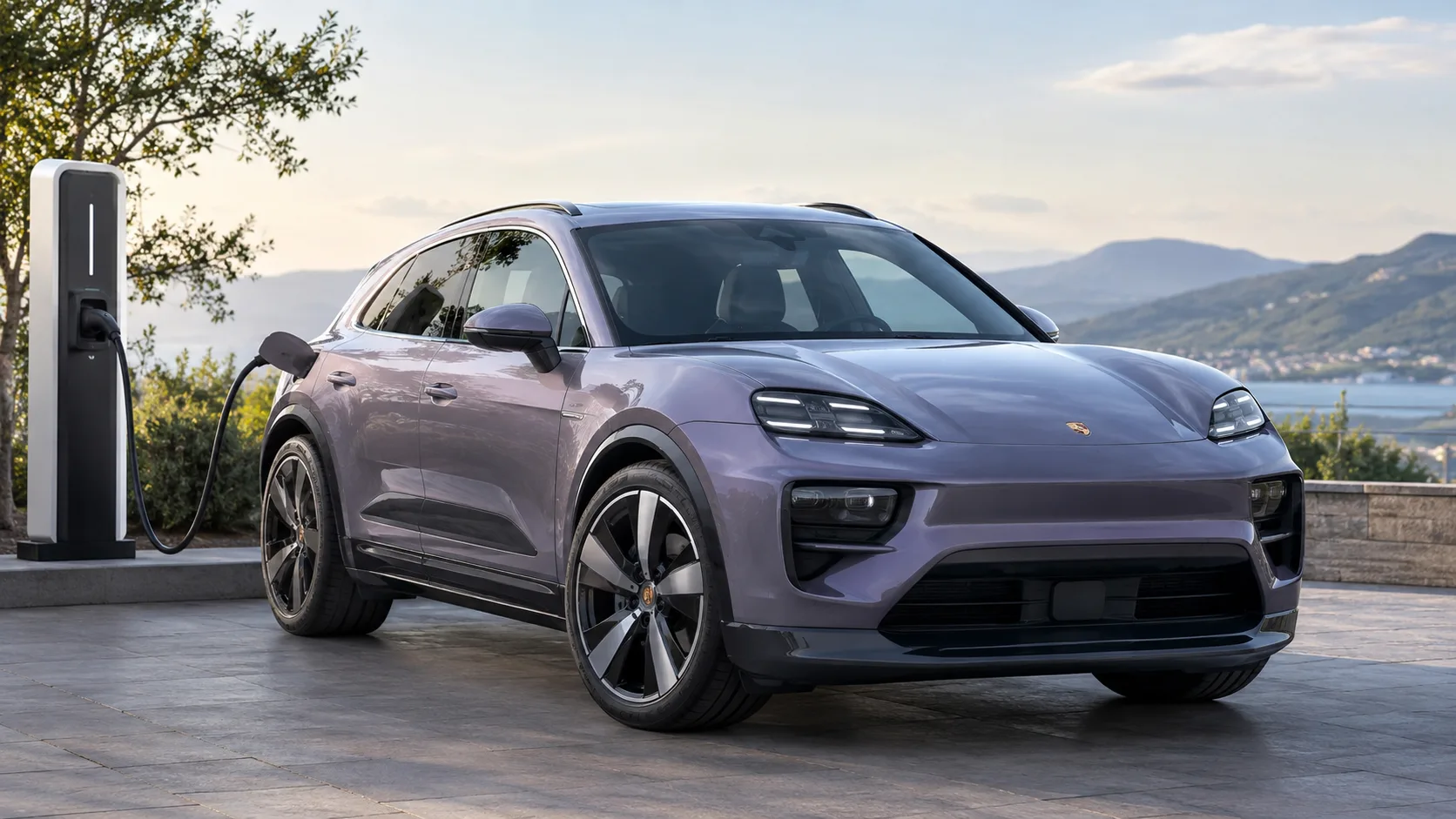
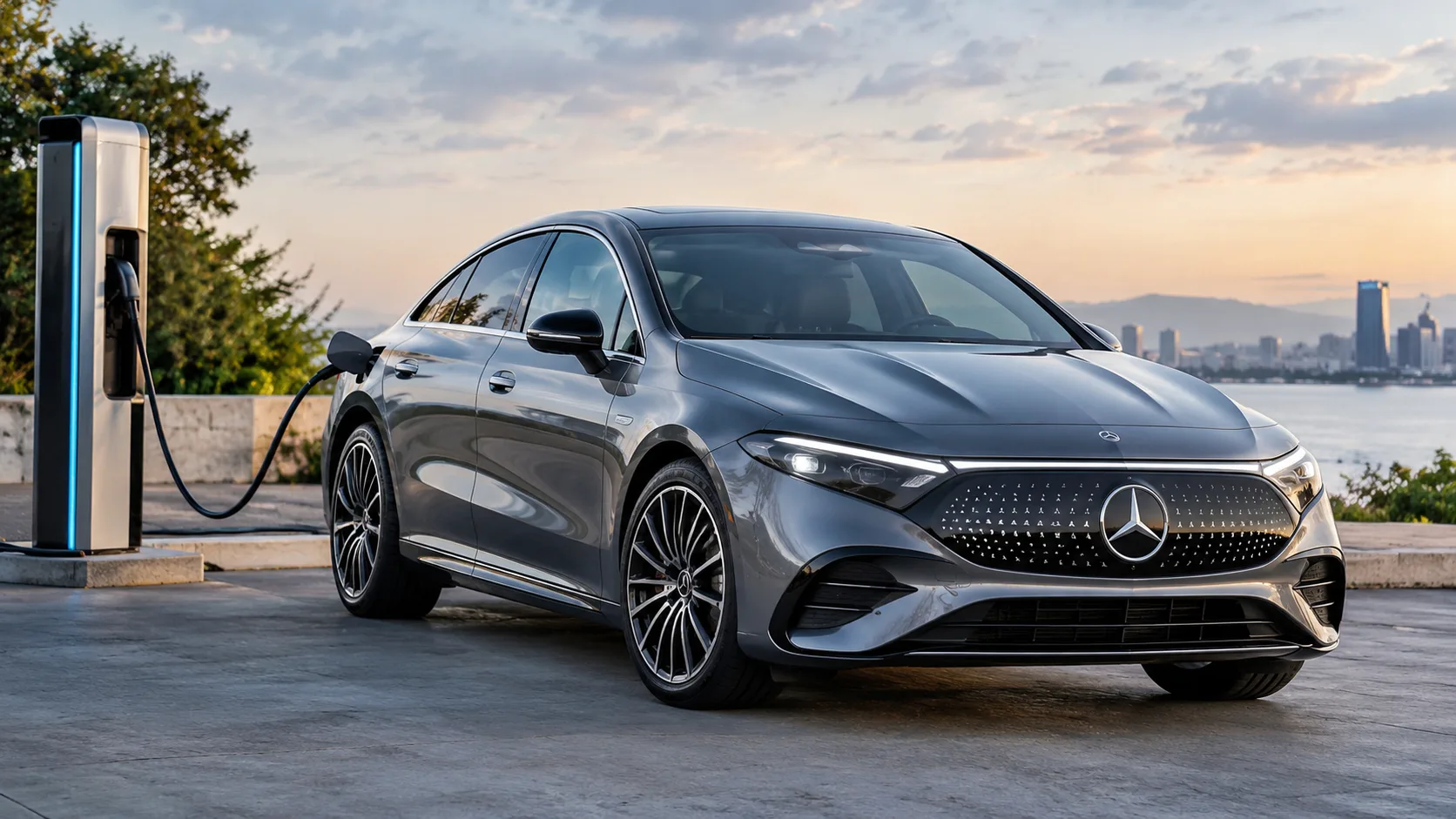
The 2026 U.S. model uses the North American Charging System (NACS) connector. This provides access to compatible NACS charging locations, including eligible Tesla Supercharger stations.
Drivers should check station compatibility, vehicle access requirements and charging availability before relying on a particular location. Not every charging station will necessarily be accessible to every vehicle.
The charging connector and network situation can differ outside North America, so international buyers should check the specifications for their own market.
Home charging
For home charging, the bZ supports Level 1 charging through a standard household outlet and Level 2 charging through a suitable 240-volt supply in the United States.
Toyota specifies an 11-kW onboard AC charger for the 2026 model. Under ideal conditions, the manufacturer estimates that a Level 2 charger can take the battery from 10% to 100% in around seven hours.
Actual charging time depends on the battery version, available electrical supply, charging equipment and temperature. A household outlet generally charges much more slowly than a dedicated Level 2 home charger.
Home charging is especially convenient for owners who can leave the vehicle plugged in overnight. It can reduce the need for frequent public charging stops during ordinary commuting.
Charging specifications at a glance
| Charging detail | 2026 U.S. Toyota bZ |
|---|---|
| DC charging connector | NACS |
| AC onboard charger | 11 kW |
| DC fast-charge estimate | About 30 minutes from 10% to 80% |
| Level 2 charging estimate | About 7 hours from 10% to 100% |
| Level 1 charging | Supported |
| Battery preconditioning | Available |
| Plug & Charge | Supported at compatible networks, subject to setup and service requirements |
These charging times are manufacturer estimates under ideal conditions, not guaranteed results for every charger or weather condition.
Interior Features of the 2026 Toyota bZ4X
The 2026 bZ receives a revised cabin layout designed to improve usability and give the dashboard a more contemporary appearance. The most noticeable change is the standard 14-inch Toyota Audio Multimedia touchscreen in the U.S. lineup.
Rather than relying on a large number of separate physical controls, the interior places several entertainment, connectivity and vehicle functions within the central display. Buyers should still familiarize themselves with the controls before driving, especially for frequently used functions.
14-inch touchscreen and infotainment
The large touchscreen is a central part of the updated interior. It provides access to compatible infotainment functions and selected vehicle settings.
The system supports smartphone integration through Apple CarPlay and Android Auto. Available connected services can add features such as navigation-related functions and remote vehicle information, subject to equipment, subscriptions and connectivity.
The larger display is useful for viewing navigation and other information, although individual preferences will differ. Some drivers may prefer physical controls for functions they adjust regularly.
Redesigned dashboard and center console
Toyota has revised the dashboard and center console for the 2026 model. The slimmer instrument-panel design gives the front cabin a different visual layout, while the updated console provides more convenient space for digital devices.
The interior also uses soft-touch materials in selected areas. Actual material finishes and upholstery depend on the trim.
The redesigned layout aims to make everyday use more convenient without fundamentally changing the bZ’s role as a compact electric SUV.
Customizable ambient lighting
The 2026 U.S. model offers customizable ambient lighting with 64 color options.
Ambient lighting is primarily a comfort and personalization feature. It lets occupants adjust the cabin’s appearance, but it does not change the vehicle’s performance or electric range.

Wireless phone charging and USB ports
The updated center console includes two front wireless charging pads. USB-C ports provide additional ways to charge compatible devices.
Wireless charging is convenient for short trips and everyday commuting, although charging speed depends on the device and its compatibility with the vehicle’s charging system.
Buyers should check the exact trim’s equipment list for the availability of individual connectivity features.
Heated and ventilated front seats
Higher-specification equipment includes heated and ventilated front seats. Heated seats can improve comfort in cold weather, while ventilation can help occupants feel more comfortable in warm conditions.
These features are particularly useful for buyers who experience significant seasonal temperature changes. Their availability depends on the trim, so they should not be assumed to be standard across the lineup.
Panoramic moonroof and premium audio
Selected versions offer a fixed panoramic moonroof, adding a more open feeling to the cabin. A premium JBL audio system is also available on equipped Limited models.
These are comfort-oriented features rather than necessities. Buyers should compare their value against the price difference between trims, particularly if battery range and charging convenience are higher priorities.
Cabin Space, Seating and Cargo Capacity
The Toyota bZ is a five-seat electric SUV designed for everyday family use. Its dedicated electric-vehicle platform helps accommodate the battery beneath the cabin floor while maintaining a practical passenger compartment.
The seating arrangement makes it suitable for small families, couples and commuters who want an electric vehicle with SUV practicality.
Toyota lists up to 27.7 cubic feet of cargo capacity behind the rear seats for the U.S. model. Actual usable space depends on how luggage is arranged and the equipment fitted to the vehicle.
For shopping, commuting and ordinary family trips, this cargo area provides useful room. Buyers who regularly carry bulky equipment, large strollers or several suitcases should test the available space with their typical luggage before purchasing.
The vehicle’s relatively upright seating position also gives it a different feel from a low-slung electric sedan. However, buyers should assess rear-seat comfort, visibility and access in person rather than relying on exterior dimensions alone.
Safety and Driver-Assistance Technology
The 2026 U.S. Toyota bZ includes Toyota Safety Sense 3.0, along with additional safety and convenience features depending on the trim.
The package includes driver-assistance technologies designed to help detect certain hazards and support the driver. Available functions include systems such as pre-collision assistance, lane-related assistance and adaptive cruise control, subject to the system’s operating conditions.
Selected models also offer additional parking assistance and camera-based visibility features.
These technologies can be useful in everyday driving, but they do not replace driver attention. Performance can be affected by weather, road markings, visibility and other environmental conditions.

Buyers should review the equipment list for their specific trim and understand the operating limits of each system.
2026 Toyota bZ4X Price and Availability
For the United States, Toyota announced a starting MSRP of $34,900 for the 2026 bZ XLE FWD, excluding the dealer processing and handling fee.
The Limited grade has a higher starting price, and optional equipment or drivetrain choices can increase the final cost. The final amount paid can also vary with taxes, registration charges, dealer fees and any applicable incentives.
The 2026 model began arriving at U.S. dealerships in October 2025. Availability, inventory and transaction prices can vary by region and dealer.
The vehicle’s name and specification also depend on the market. Toyota uses the bZ name in the United States for this model year, while the bZ4X designation continues in other regions. The U.S. battery options, charging connector, range estimates and trim names should not be assumed to apply internationally.
For buyers outside the United States, the correct approach is to consult the local Toyota lineup and verify the available battery, charging standard, warranty and equipment.
What Are the Main Advantages and Limitations?
Advantages
- EPA-estimated range of up to 314 miles on the XLE FWD Plus.
- Two battery capacities to suit different requirements and budgets.
- Available all-wheel drive with up to 338 combined system horsepower.
- NACS charging compatibility on the U.S. model.
- Approximately 30-minute 10% to 80% DC fast charging estimate under ideal conditions.
- Standard 14-inch infotainment touchscreen.
- Available heated and ventilated front seats and customizable ambient lighting.
- Dedicated EV platform and practical five-seat cabin.
Limitations
- The highest advertised range is limited to a specific front-wheel-drive trim.
- AWD versions have different range figures.
- Real-world range and charging speed can fall below manufacturer estimates.
- Home Level 1 charging is considerably slower than Level 2 charging.
- Some comfort and convenience features require a higher trim.
- Charging-port compatibility and vehicle specifications differ between markets.
- Public charging costs and availability depend on location and network.
Is the 2026 Toyota bZ4X Worth Considering?
The 2026 Toyota bZ is a more compelling electric SUV than its predecessor on paper, particularly because of its longer available range, larger battery option, improved charging hardware and updated cabin.
The XLE FWD Plus is the most relevant choice for buyers who want the longest advertised range, with an EPA estimate of 314 miles. The AWD versions are worth considering for those who want additional traction and stronger performance, provided their different range figures fit the intended driving routine.
The redesigned interior adds practical technology without changing the vehicle’s fundamental purpose as a family-oriented electric SUV. The 14-inch touchscreen, wireless charging, ambient lighting and available heated and ventilated seats improve its everyday appeal.
Before choosing a trim, compare the purchase price, battery capacity, range, charging access and included equipment. For electric vehicles, the availability of convenient home charging and reliable public charging along regular routes can be just as important as the maximum advertised range.
Frequently Asked Questions
1. What is the range of the 2026 Toyota bZ4X?
The U.S.-market 2026 Toyota bZ has an EPA-estimated range of up to 314 miles on the XLE FWD Plus trim. Other versions are rated between 236 and 299 miles, depending on battery, drivetrain and trim.
2. What battery sizes are available in the 2026 Toyota bZ?
The U.S. lineup offers 57.7-kWh and 74.7-kWh lithium-ion battery options. The battery capacity available depends on the selected trim and drivetrain.
3. How long does the 2026 Toyota bZ take to charge?
Toyota estimates approximately 30 minutes to charge from 10% to 80% using compatible DC fast charging under ideal conditions. With Level 2 AC charging, a 10% to 100% charge is estimated to take around seven hours under ideal conditions.
4. Does the 2026 Toyota bZ use a NACS charging port?
Yes. The 2026 U.S.-market model uses a NACS charging port. Access to particular public charging stations depends on compatibility, network access and applicable service requirements.
5. How much horsepower does the 2026 Toyota bZ produce?
The all-wheel-drive U.S. version delivers up to 338 combined system horsepower. Output varies by powertrain, and the front-wheel-drive models have different performance specifications.
6. What interior features does the 2026 Toyota bZ offer?
Features include a 14-inch multimedia touchscreen, wireless phone charging, USB-C ports and customizable ambient lighting. Depending on the trim, buyers can also get heated and ventilated front seats, a panoramic moonroof and a premium JBL audio system.

7. What is the starting price of the 2026 Toyota bZ?
Toyota announced a U.S. starting MSRP of $34,900 for the XLE FWD, excluding the dealer processing and handling fee. Prices vary by trim, location, equipment and current offers.
8. Is the 2026 Toyota bZ4X available in India?
The U.S. specifications covered in this article do not establish official Indian-market availability. Buyers in India should confirm whether Toyota offers the model locally before relying on its U.S. price, range or charging specifications.
9. Does the 2026 Toyota bZ have all-wheel drive?
Yes. All-wheel drive is available on selected U.S. trims. AWD models use front and rear electric motors and offer up to 338 combined system horsepower.
10. What is the warranty on the 2026 Toyota bZ battery?
Toyota’s applicable U.S. EV component warranty covers the traction battery for eight years or 100,000 miles, whichever comes first, subject to the warranty terms and exclusions.