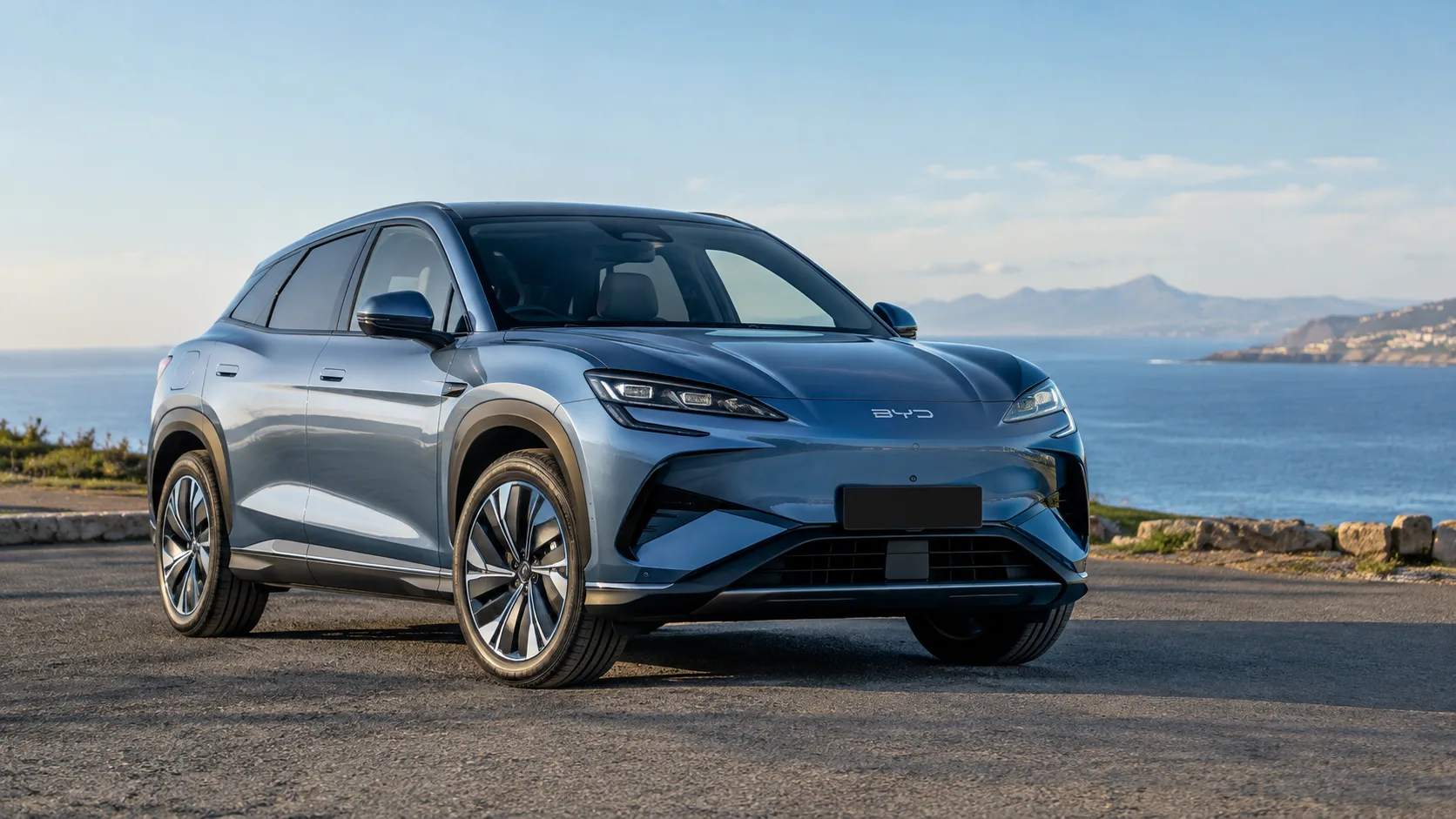
The 2026 BYD Sealion 7 is an all-electric SUV that combines a substantial battery pack, fast-charging capability and strong performance in a five-seat package. Its appeal depends on the version buyers choose: the rear-wheel-drive model prioritizes efficiency and everyday usability, while the all-wheel-drive Performance versions deliver considerably quicker acceleration.
One important detail is that the Sealion 7 does not have identical specifications worldwide. Battery capacity, driving range, charging performance and variant names can vary by market. In India, for example, BYD offers Premium and Performance variants, while the UK lineup uses different trim names and includes a larger battery option.
For buyers evaluating this electric SUV, the key questions are straightforward: how far can it travel on a charge, how quickly can it recharge, and does its performance justify choosing it over other electric SUVs?
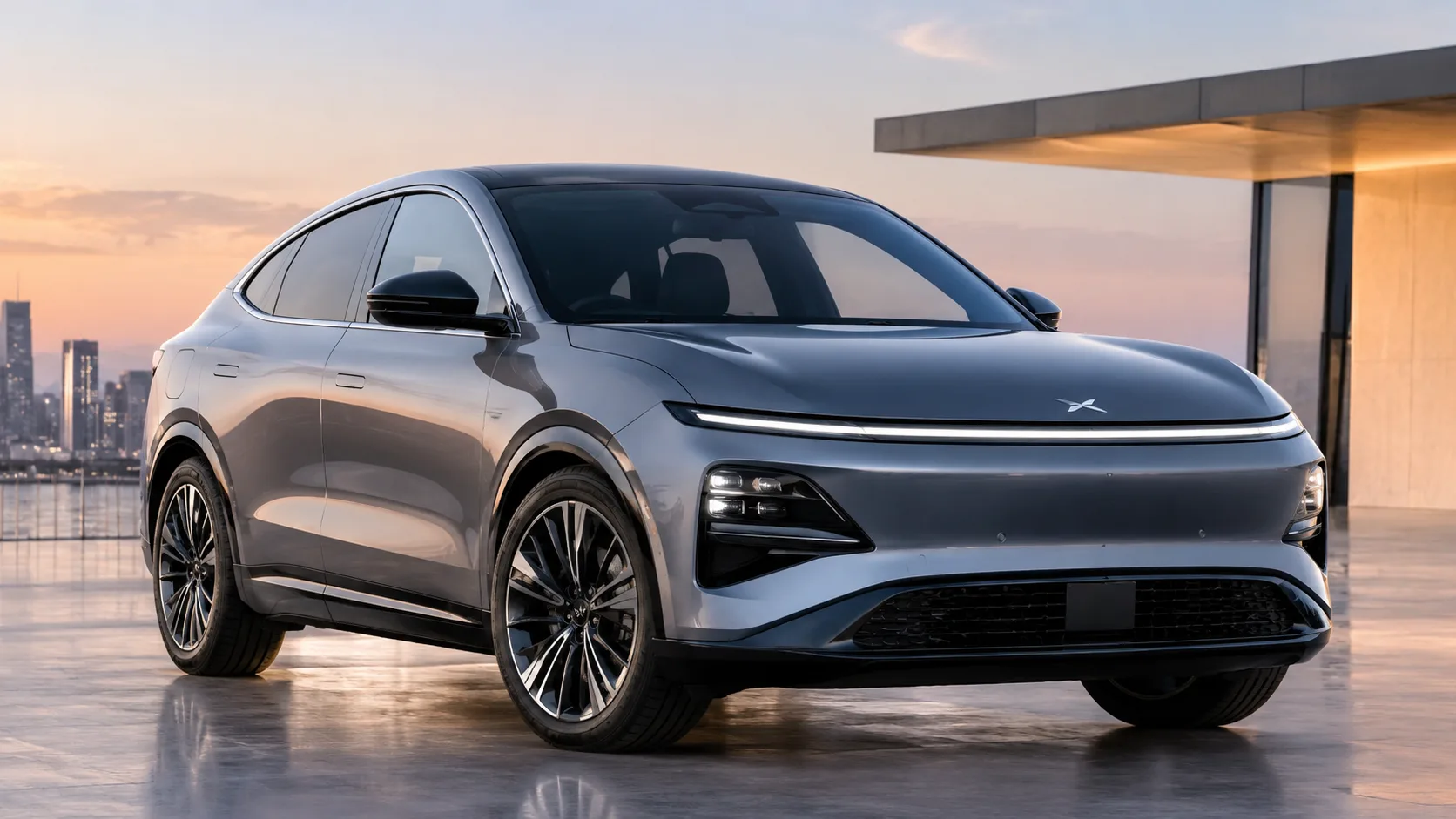
2026 BYD Sealion 7: Key Specifications
The following specifications describe the Indian-market Premium and Performance versions unless otherwise stated.

| Specification | BYD Sealion 7 |
|---|---|
| Vehicle type | All-electric SUV |
| Seating capacity | 5 |
| Battery capacity | 82.56 kWh |
| Battery technology | BYD Blade Battery |
| Battery chemistry | Lithium iron phosphate (LFP) |
| Premium motor output | 230 kW (313 PS) |
| Performance motor output | 390 kW (approximately 530 PS) |
| Premium torque | 380 Nm |
| Performance torque | 690 Nm |
| Drive type | Rear-wheel drive or all-wheel drive |
| Claimed range | Up to 567 km (NEDC) |
| 0–100 km/h | 6.7 seconds or 4.5 seconds, depending on variant |
| Maximum DC charging power | Up to 150 kW in the Indian-market specification |
| Maximum AC charging power | 11 kW |
These figures are not universal specifications for every 2026 Sealion 7. The stated range uses the NEDC test cycle, and charging capability depends on the market and version. The UK Excellence AWD, for example, has a different battery and charging specification.
What Is New About the 2026 BYD Sealion 7?
The Sealion 7 continues BYD’s approach of combining its Blade Battery technology with an integrated electric powertrain and a technology-focused cabin. For 2026, buyers should distinguish between the existing model’s specifications and any market-specific updates rather than assuming that every country receives the same changes.
The vehicle’s main selling points remain its substantial battery capacity, two distinct performance configurations, a modern infotainment system and support for DC fast charging.
In India, the Sealion 7 is offered in Premium and Performance versions. The Premium is the rear-wheel-drive option, while the Performance variant adds all-wheel drive and substantially higher combined power.
A model-year label alone does not establish that the vehicle has received a redesigned battery, a longer official range or faster charging. Those improvements should only be treated as confirmed when BYD announces them for the relevant market.
Battery Capacity and Technology
The Indian-market BYD Sealion 7 uses an 82.56 kWh Blade Battery. This battery is based on lithium iron phosphate (LFP) chemistry, which differs from the nickel-manganese-cobalt chemistry used in some other electric vehicles.
LFP batteries are valued for their thermal stability, durability and use of iron and phosphate in their cathode chemistry. As with any battery, actual lifespan depends on temperature, charging habits, usage and battery-management systems.
BYD also uses a Cell-to-Body construction approach. Instead of treating the battery pack as a completely separate component, this design integrates the battery structure with the vehicle body. The approach is intended to improve structural integration and packaging efficiency.
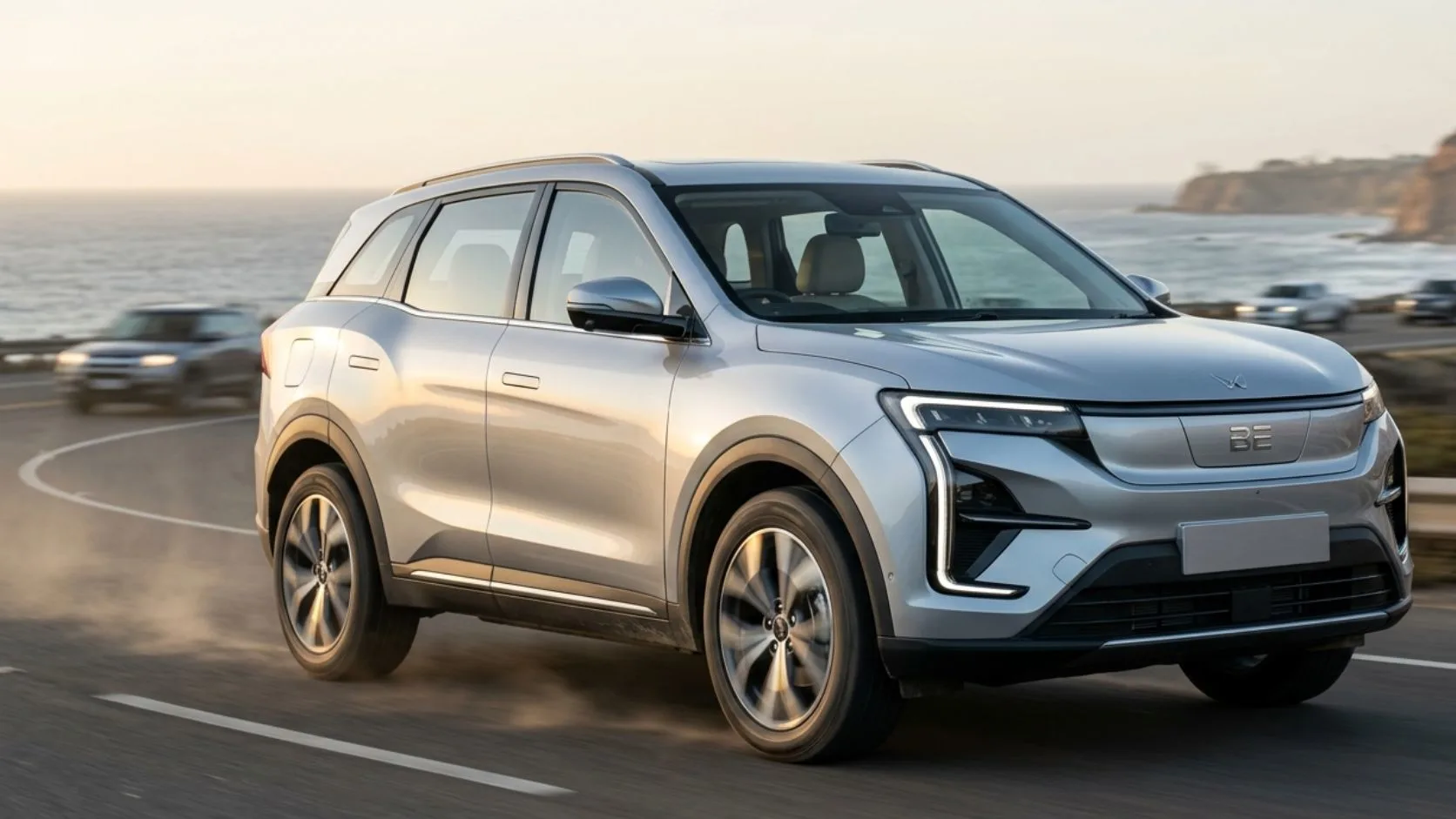
For drivers, battery capacity provides a useful indication of how much energy the vehicle can store, but it does not determine driving range by itself. Vehicle weight, speed, tires, temperature, road conditions and climate-control use all affect energy consumption.
The UK version illustrates why market-specific information matters. Depending on the trim, it has either an 82.5 kWh or a 91.3 kWh battery. Those figures should not be substituted for the Indian-market specification.
BYD Sealion 7 Range: How Far Can It Travel?
The Indian-market BYD Sealion 7 has a claimed NEDC range of up to 567 km, although the available range differs between the Premium and Performance variants.
| Range detail | Premium | Performance |
|---|---|---|
| Drive type | Rear-wheel drive | All-wheel drive |
| Battery capacity | 82.56 kWh | 82.56 kWh |
| Claimed NEDC range | Up to 567 km | Up to 542 km |
| Published WLTP range | 482 km | 456 km |
NEDC and WLTP are different standardized vehicle-testing procedures. Their results should not be treated as interchangeable, and neither guarantees the distance a driver will achieve on public roads.
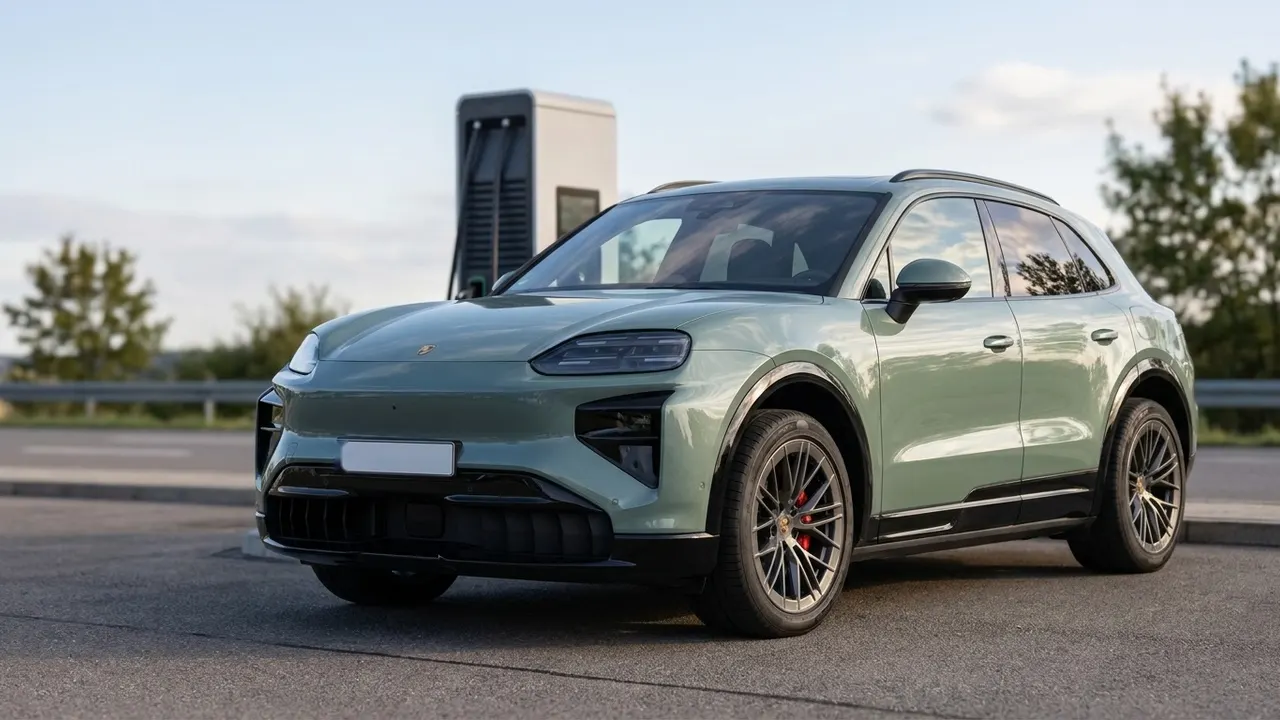

The Performance version has two motors and more power, which helps explain its lower claimed range despite using the same battery capacity. Additional power and all-wheel drive can increase energy consumption, particularly when the vehicle is driven enthusiastically.
What affects real-world range?
Several factors influence how far the Sealion 7 can travel before needing a recharge.
- Highway speed: Driving quickly increases aerodynamic resistance and energy consumption.
- Traffic conditions: Stop-start driving can affect efficiency, although regenerative braking can recover some energy during deceleration.
- Weather: Very hot or cold conditions can increase energy use through cabin heating, air conditioning and battery temperature management.
- Driving style: Rapid acceleration and sustained high power demand generally consume more energy.
- Vehicle load: Passengers, luggage and other additional weight can reduce efficiency.
- Tires and road conditions: Tire pressure, wheel configuration, road gradients and surface conditions also matter.
For long journeys, it is sensible to plan around charging locations and maintain a reserve rather than relying on the maximum advertised range. An independently measured range test is more useful for estimating real-world performance than a laboratory figure alone.
Performance: Premium vs. Performance
The Sealion 7 is available with two distinct powertrain configurations in India. Both are fully electric, but they deliver different levels of acceleration and traction.
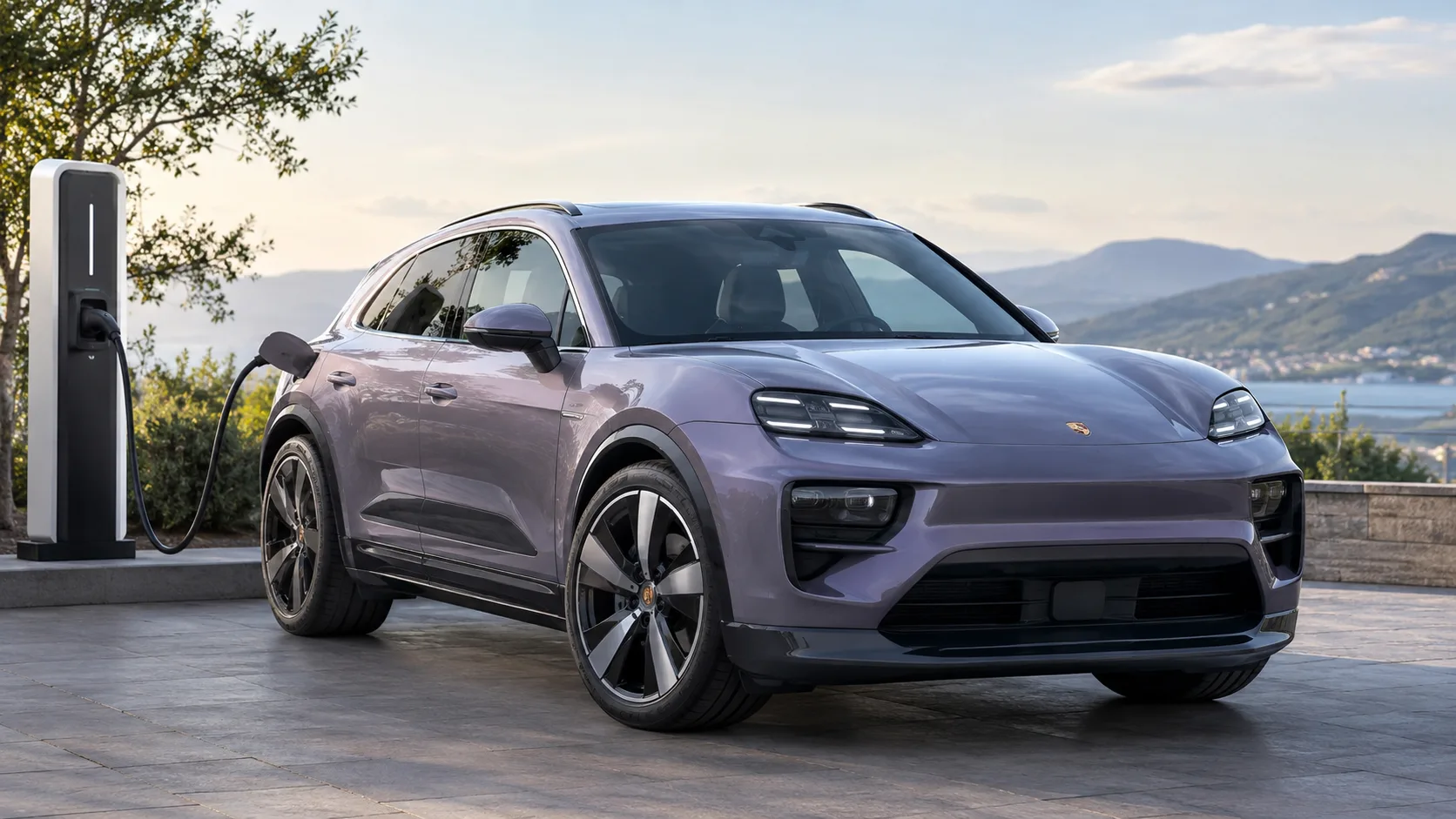
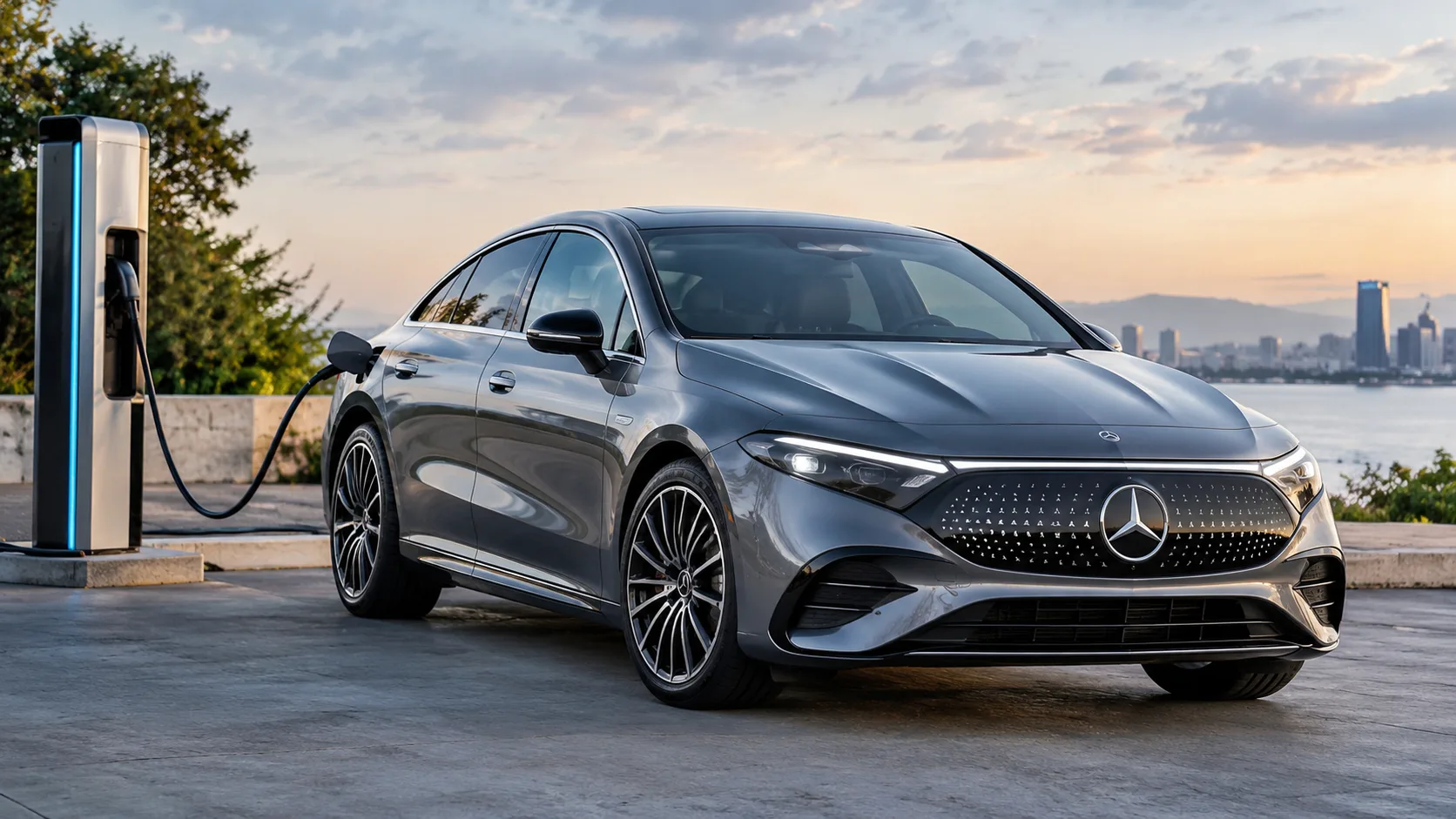
Premium: Rear-wheel-drive configuration
The Premium variant uses a single rear-mounted electric motor producing 230 kW, equivalent to approximately 313 PS, and 380 Nm of torque.
BYD quotes a 0–100 km/h acceleration time of 6.7 seconds. That is brisk for a family-oriented SUV and should provide sufficient acceleration for routine city driving, overtaking and highway merging.
Rear-wheel drive also distinguishes the Premium from the dual-motor version. Its simpler motor configuration and higher claimed range make it the more range-focused choice within the Indian lineup.
Performance: Dual-motor all-wheel drive
The Performance variant adds a front electric motor to the rear motor, producing a combined 390 kW, approximately 530 PS, and 690 Nm of torque.
Maximum combined power
390 kW
Approximately 530 PS
0–100 km/h
4.5 sec
Manufacturer-quoted figure

The additional front motor enables all-wheel drive, allowing the system to distribute drive between the front and rear axles. This can improve traction when accelerating, particularly when road conditions are less than ideal.
The quoted 4.5-second acceleration time puts the Performance version firmly in the quick-electric-SUV category. However, maximum acceleration is only one part of everyday usability. Tire grip, braking, road conditions and the driver’s inputs remain important.
Neither variant has a conventional multi-speed automatic transmission. Like most battery-electric vehicles, the Sealion 7 delivers power through a reduction gear rather than shifting through several engine gears.
Charging the BYD Sealion 7
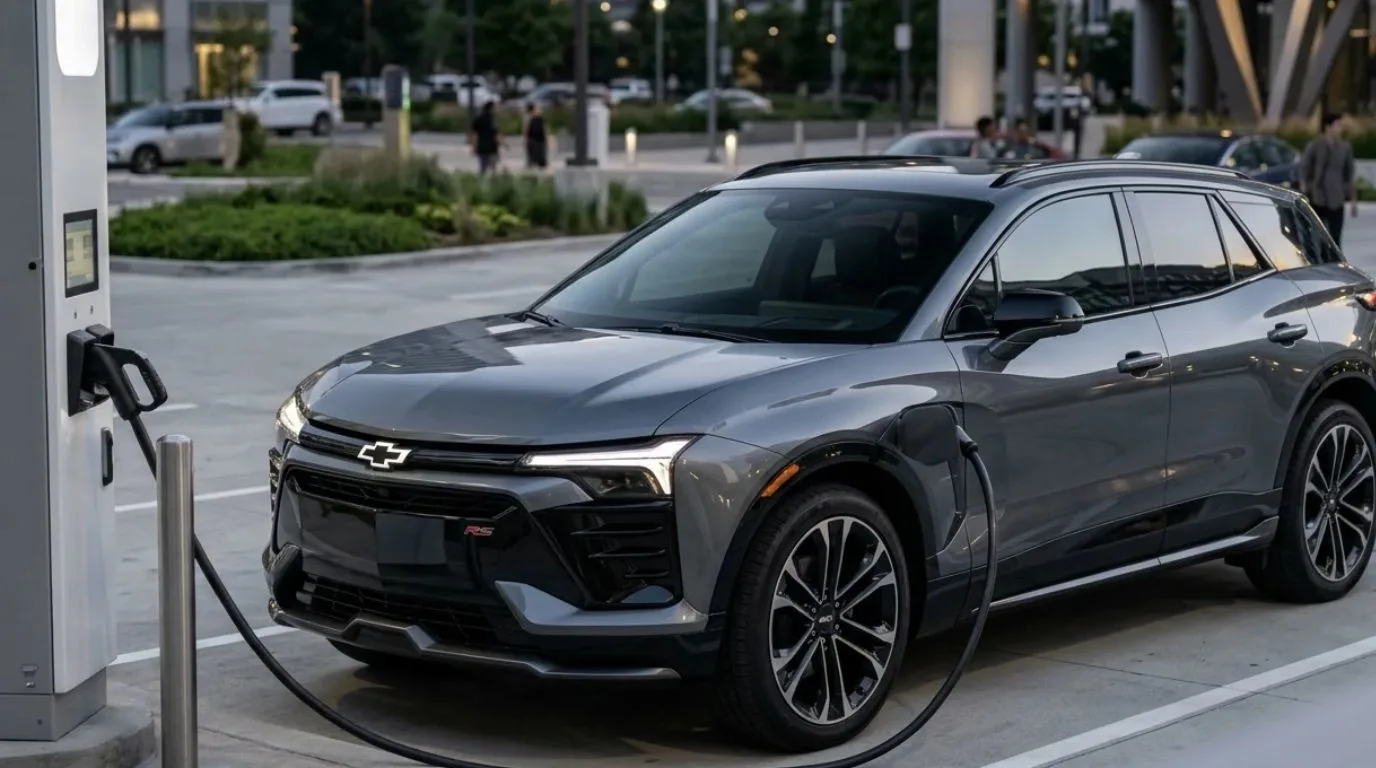
Charging performance is a major consideration when buying an electric SUV. The Sealion 7 supports AC charging for regular home or workplace use and DC fast charging for quicker top-ups during longer journeys.

For the Indian-market model, the published maximum charging ratings are 11 kW AC and 150 kW DC. The higher DC figure represents the maximum supported charging power, not the rate the car will maintain throughout an entire charging session.
DC fast charging
A compatible DC fast charger supplies electricity directly to the vehicle’s battery system. This generally makes it the more practical option when stopping during a long journey.
Published specifications indicate that the Indian-market Sealion 7 Performance can take approximately 45 minutes to charge from 10% to 80% using a 150 kW DC charger. Actual charging time depends on battery temperature, the charger’s output, the battery’s existing charge level and the vehicle’s charging curve.
A charger rated at 150 kW does not guarantee that the vehicle will continuously receive 150 kW. Charging power normally varies as the battery fills, with the rate often decreasing at higher states of charge.
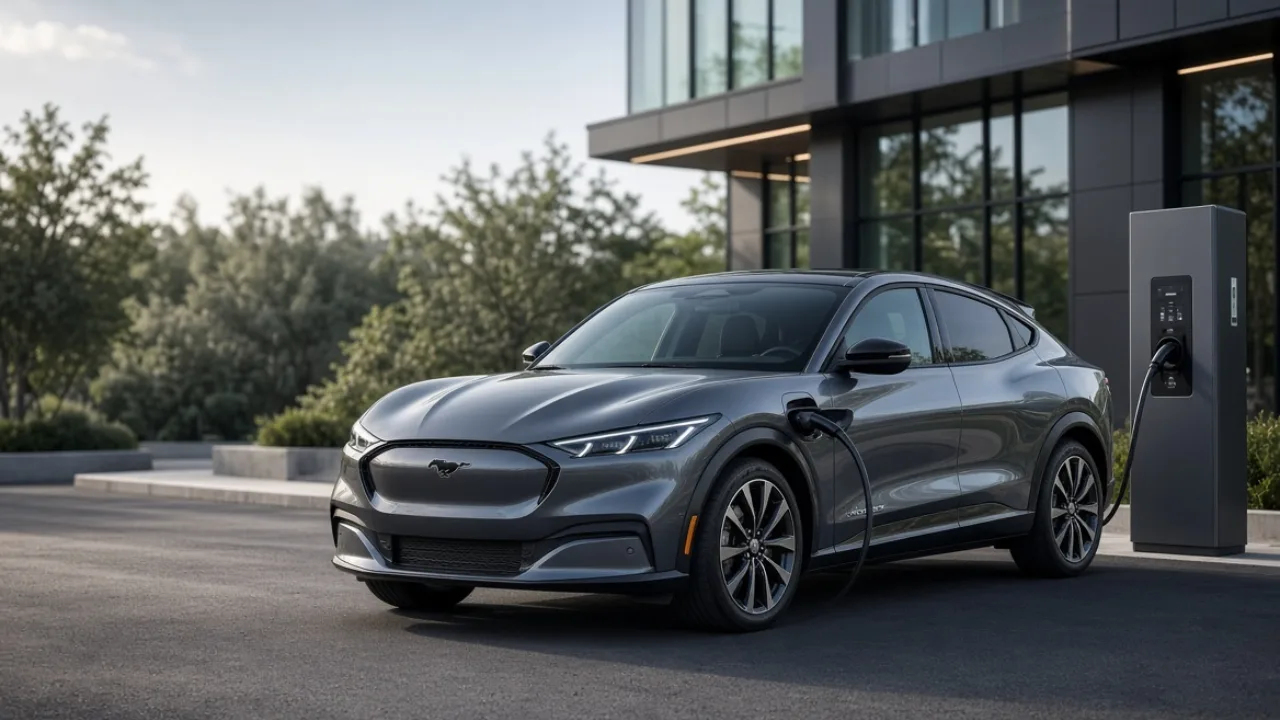
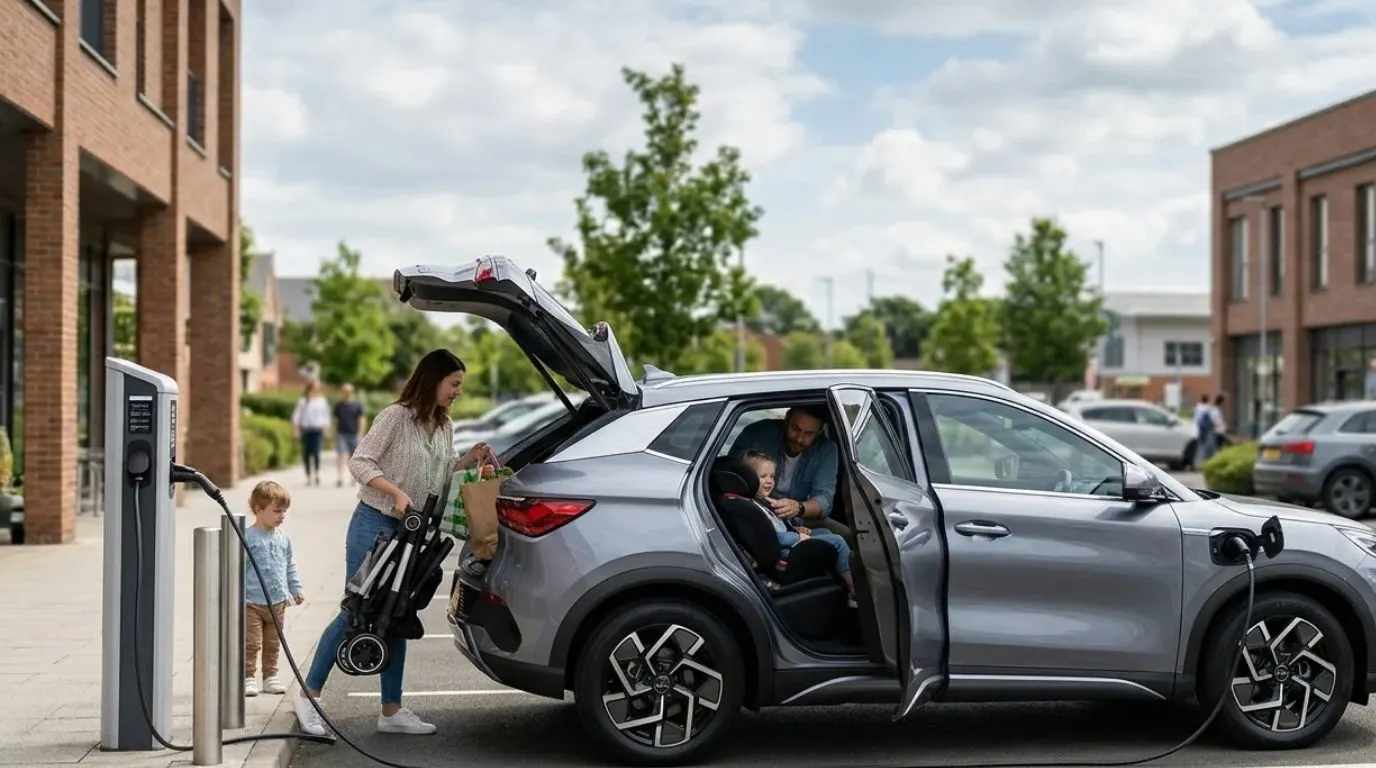
The UK version has a different charging configuration. Its Excellence AWD variant supports up to 230 kW DC charging, with a manufacturer-quoted 10–80% charging time of approximately 24 minutes under suitable conditions. That figure should not be applied to the Indian version.
AC charging at home
AC charging is generally the most convenient option when the vehicle can remain parked for several hours.
The Sealion 7 supports up to 11 kW AC charging in the Indian specification, but the actual charging rate depends on the installed wallbox, electrical supply and onboard charging equipment.
A home wallbox can allow owners to replenish the battery overnight, reducing the need for frequent public charging. Buyers should confirm the supplied charger rating and installation requirements with BYD before purchasing.

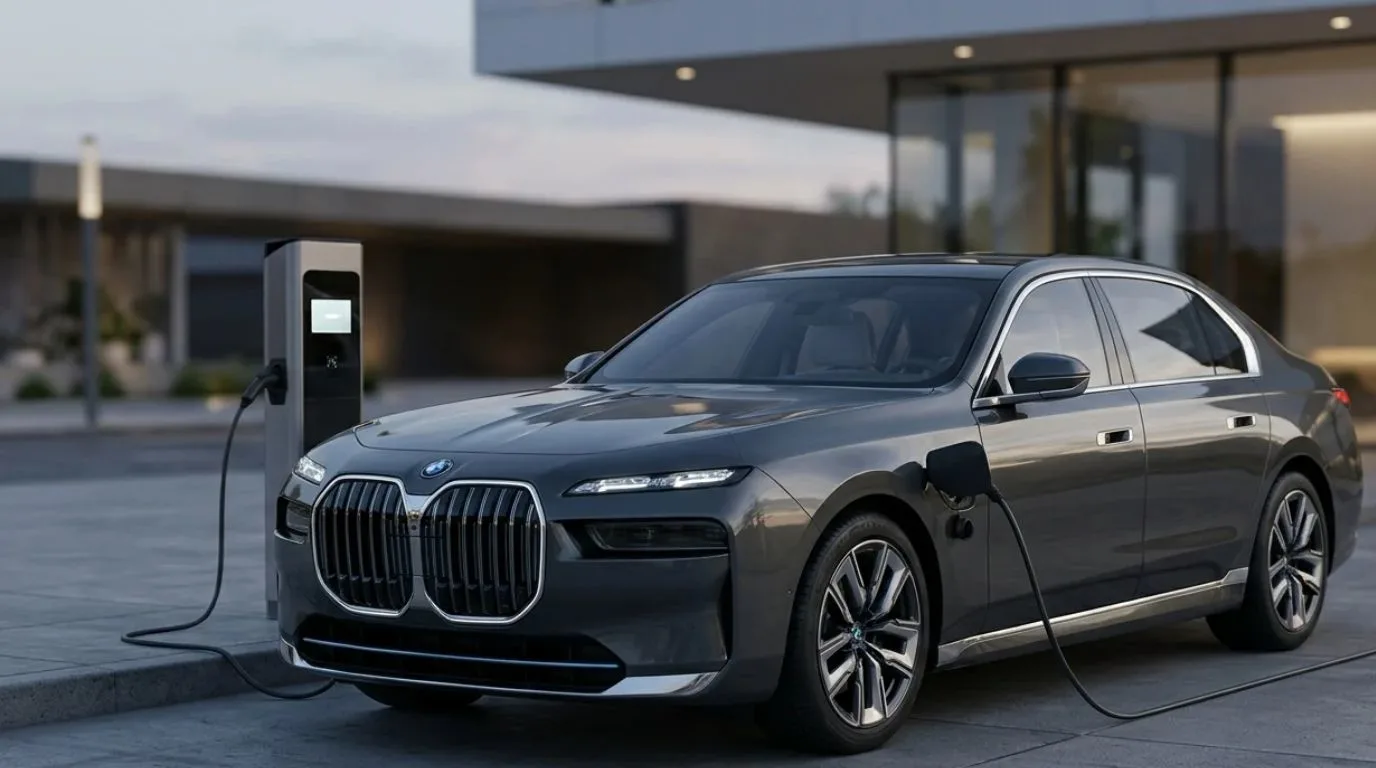
Charging from an ordinary domestic socket may be possible with compatible equipment, but it is generally slower and requires an appropriate, safely installed electrical connection.
How long does charging take?
The following figures provide a practical guide to the published charging capabilities.
| Charging method | Indian-market specification |
|---|---|
| Maximum AC charging power | 11 kW |
| Maximum DC charging power | 150 kW |
| Published DC charging time, 10–80% | Approximately 45 minutes for Performance |
| Actual charging duration | Depends on the charger, temperature and battery charge level |
The 45-minute figure is a published estimate for a specific charging window, not a guarantee for every charging session. The AC charging time also varies with the available power supply, so a single universal charging duration would be misleading.
Regenerative Braking and Energy Efficiency
Regenerative braking helps an electric vehicle recover some kinetic energy when slowing down. Instead of relying exclusively on conventional friction brakes, the electric motor can operate as a generator and return energy to the battery.

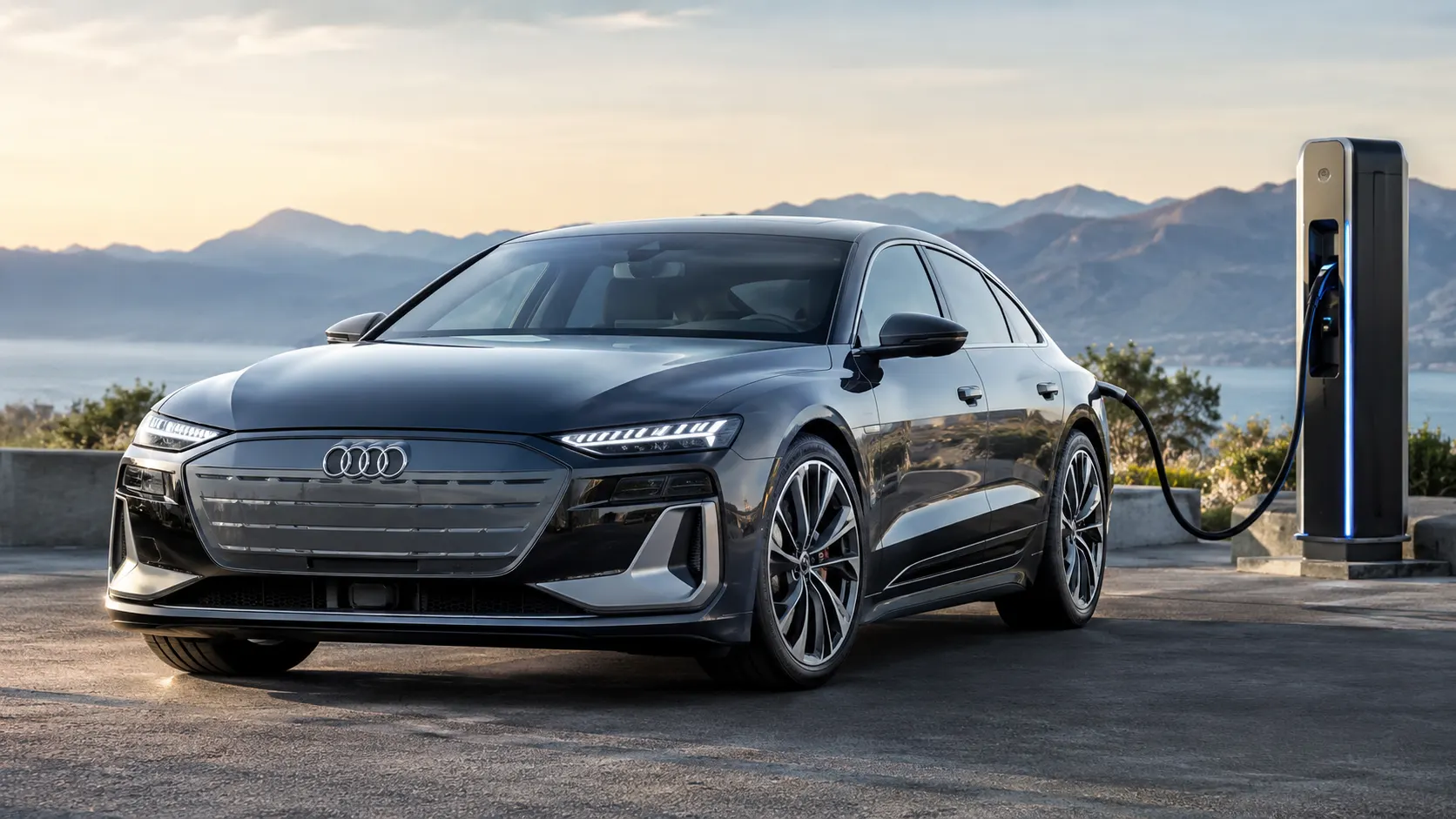
The amount of energy recovered depends on the vehicle’s settings, speed, battery charge level, road gradient and driving conditions.
Regeneration does not eliminate energy losses, and it cannot recover all the energy used to accelerate the vehicle. Smooth acceleration, anticipating traffic and avoiding unnecessary high speeds remain effective ways to improve range.
For drivers who regularly travel through congested urban areas, regenerative braking can make driving more efficient and reduce reliance on the friction brakes. On highways, maintaining a steady speed is often more important than frequent deceleration and acceleration.
Design, Interior and Practicality
The Sealion 7 follows BYD’s Ocean Series design language, combining a sloping roofline with the raised stance expected of an SUV. Its body measures approximately 4,830 mm long, 1,925 mm wide and 1,620 mm high, with a 2,930 mm wheelbase in the published international specifications.
These dimensions place it in the midsize-to-large electric SUV category. The long wheelbase provides a useful foundation for passenger space, although actual comfort also depends on seat design, roofline, cabin packaging and individual preferences.
The five-seat layout is suited to families and buyers who need room for passengers and luggage. International specifications list a 500-liter rear luggage compartment for certain versions, but boot capacity can differ by market and measurement method.
Infotainment and connected features
The Sealion 7’s international specification includes a large central infotainment touchscreen, a digital instrument display, smartphone connectivity and connected-car functions. Equipment can vary between trim levels and countries.
Some versions also offer features such as a head-up display, premium audio, heated or ventilated front seats and a panoramic glass roof. Buyers should check the exact Indian variant’s equipment list rather than assuming that every international feature is standard locally.
Over-the-air software updates, where supported, allow compatible vehicle software to be updated without a conventional workshop visit for every update. The availability and scope of updates depend on the system, market and software release.
Safety and Driver-Assistance Technology
The Sealion 7 includes a range of safety and driver-assistance technologies, with equipment varying by market and trim.
Depending on the version, available systems can include adaptive cruise control, lane-departure warnings, blind-spot detection, collision warnings and automatic emergency braking.
These systems are designed to assist the driver, not replace attention or control. Their effectiveness depends on sensor visibility, road markings, traffic conditions and system limitations.

The model has received a five-star Euro NCAP safety rating, as reported by BYD India. A safety rating applies to the tested vehicle configuration and the relevant assessment protocol; it should not be interpreted as proof that every market-specific version has identical equipment.
Buyers should review the safety equipment and warranty conditions applicable to the vehicle sold in their country.
BYD Sealion 7 Price and Availability
The BYD Sealion 7 is sold in India, but its price should be checked against the current official price list because manufacturer pricing can change.
As of October 2026, published Indian-market listings show Premium and Performance variants, with additional trim information appearing in some listings. Buyers should distinguish between ex-showroom prices and on-road prices, which can include registration, insurance and other charges.
The UK range uses Comfort RWD, Design AWD and Excellence AWD trim names. Its launch pricing and battery specifications are different from India’s, so UK prices should not be used to estimate the Indian purchase cost.
Availability in other countries depends on BYD’s local sales network, regulatory approvals and product lineup. A model being sold in one market does not establish that it is officially available in another.
Before booking, confirm the current variant, price, delivery estimate, warranty, charging equipment and service support with an authorized BYD dealer.
What Buyers Should Consider Before Choosing the Sealion 7
The Premium and Performance variants serve different priorities.

The Premium may suit buyers who:
- Prefer a rear-wheel-drive electric SUV.
- Want the higher claimed range of the Indian lineup.
- Need strong everyday acceleration rather than maximum performance.
- Expect to use the vehicle mainly for commuting and family journeys.
The Performance may suit buyers who:
- Want substantially quicker acceleration.
- Prefer dual-motor all-wheel drive.
- Value additional traction and performance.
- Are comfortable with a lower claimed range than the Premium version.
Before deciding, evaluate your typical daily distance, access to home charging, availability of reliable fast chargers and frequency of longer journeys. A larger battery or higher motor output does not automatically make an EV the best choice for every driver.
It is also worth checking service access, replacement-part availability, insurance costs and the battery warranty in your location. These practical considerations can be just as important as acceleration and advertised range over the period of ownership.

Pros and Limitations
Potential advantages
- A substantial 82.56 kWh battery in the Indian-market versions.
- A higher claimed range for the rear-wheel-drive Premium variant.
- Strong acceleration from the dual-motor Performance variant.
- Support for AC home charging and DC fast charging.
- A five-seat SUV layout with a technology-focused cabin.
- LFP battery technology.
Points to consider
- Actual driving range will usually differ from laboratory figures.
- The Performance variant has a lower claimed range than the Premium.
- Maximum DC charging power varies between market versions.
- Access to suitable charging infrastructure affects long-distance convenience.
- Equipment, warranty coverage and pricing must be checked for the specific country and trim.
Final Thoughts
The 2026 BYD Sealion 7 combines a sizeable battery, competitive claimed range and strong electric performance in a practical five-seat SUV format. The Indian-market Premium variant emphasizes range and everyday usability, while the Performance variant offers substantially more power and all-wheel drive.
The most important distinction is between advertised specifications and the experience a buyer can expect in their own market. The Indian version’s NEDC range figures should not be confused with WLTP figures published for European models, and the faster charging capability advertised for certain international trims should not be assumed to apply locally.
For buyers considering the Sealion 7, the best starting point is to compare the exact variant’s official specifications with daily driving needs, home-charging access and the public charging network available along regular routes.
Frequently Asked Questions
What is the range of the 2026 BYD Sealion 7?
The Indian-market BYD Sealion 7 has a claimed NEDC range of up to 567 km for the Premium variant and up to 542 km for the Performance variant. Actual range depends on driving conditions, weather, speed and energy consumption.
What is the battery capacity of the BYD Sealion 7?
The Indian-market Premium and Performance variants use an 82.56 kWh Blade Battery with LFP chemistry. Certain international versions are offered with different battery capacities.
How powerful is the BYD Sealion 7 Performance?
The Indian-market Performance variant produces a combined 390 kW, approximately 530 PS, and 690 Nm of torque. BYD quotes a 0–100 km/h time of 4.5 seconds.
How long does the BYD Sealion 7 take to charge?
The Indian specification supports up to 150 kW DC charging. Published data indicates approximately 45 minutes for a 10–80% charge on the Performance version under suitable conditions. Charging time varies with the charger, battery temperature and state of charge.
Can the BYD Sealion 7 be charged at home?
Yes. It supports AC charging, with a published maximum of 11 kW for the Indian-market specification. Actual charging speed depends on the home wallbox and electrical supply.

Does the BYD Sealion 7 support fast charging?
Yes. The Indian-market version supports DC fast charging up to 150 kW. Certain international versions, including the UK Excellence AWD, support up to 230 kW.
Is the BYD Sealion 7 available in India?
Yes. BYD sells the Sealion 7 in India, including Premium and Performance variants. Current pricing, equipment and availability should be confirmed with an authorized dealer.
Is the BYD Sealion 7’s advertised range achievable in real-world driving?
The advertised range is a standardized test result, not a guaranteed real-world distance. Highway speed, climate-control use, temperature, road conditions and driving style can all change the range available from a full charge.