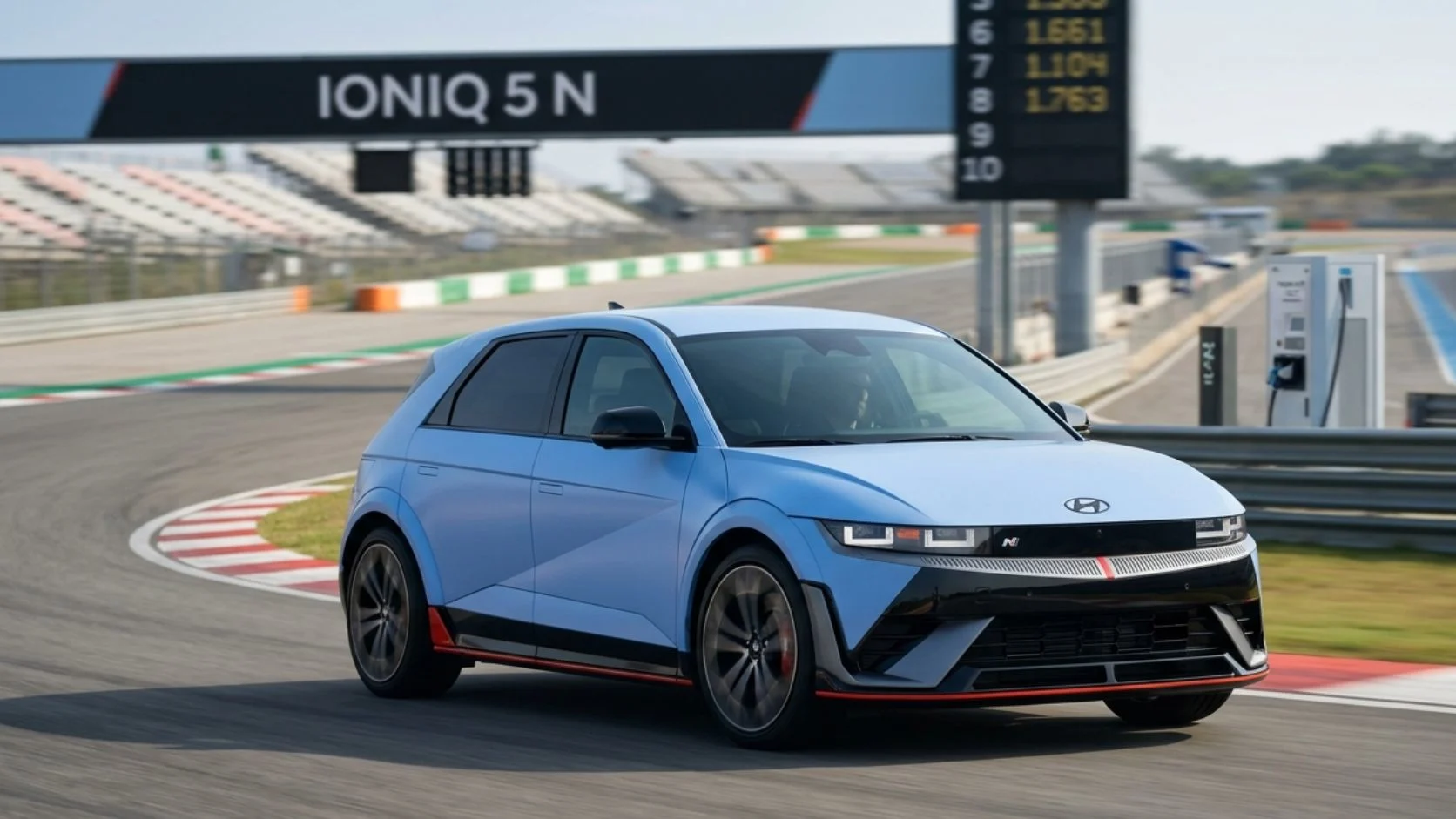
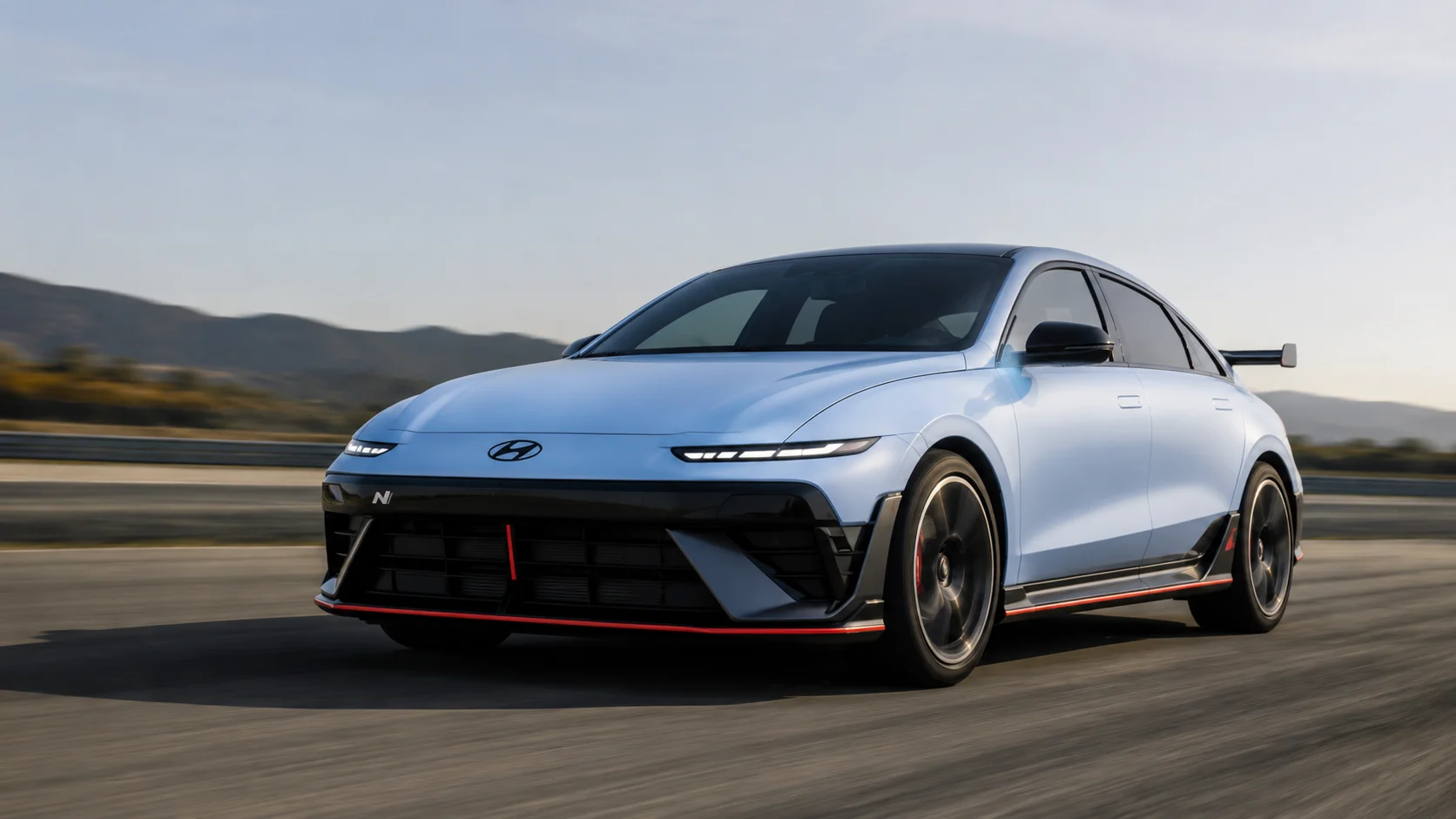
The 2026 Hyundai IONIQ 5 N is a high-performance electric SUV built around a simple idea: an electric vehicle can deliver serious acceleration while offering the driver greater control over how the car behaves on a track. With dual electric motors, up to 641 horsepower, an 84-kWh battery, and dedicated N performance technologies, it takes a different approach from electric SUVs designed primarily for comfort and maximum driving range.
In the United States, the 2026 IONIQ 5 N has a starting MSRP of $59,900 before destination charges, taxes, title, and licensing fees. Hyundai lists an EPA-estimated driving range of 221 miles. The vehicle can also charge from 10% to 80% in approximately 18 minutes under suitable conditions using a compatible 350-kW, 800-volt DC fast charger.
Its appeal goes beyond straight-line acceleration. Features such as N Grin Boost, N Launch Control, N e-Shift, and N Race give drivers different ways to manage power delivery, simulate gear changes, and prepare the vehicle for circuit driving.
However, the performance focus comes with compromises. Its official range is relatively modest compared with many conventional electric SUVs, and repeated high-performance driving can increase energy consumption and place additional demands on tires and brakes.


2026 Hyundai IONIQ 5 N: Key Specifications
The following figures refer to the U.S.-market 2026 model. Specifications and equipment may differ in other countries.
| Specification | 2026 Hyundai IONIQ 5 N |
|---|---|
| Vehicle type | High-performance electric SUV |
| Starting MSRP | $59,900 |
| Powertrain | Dual electric motors |
| Standard maximum output | 601 hp |
| Maximum output with N Grin Boost | 641 hp |
| Standard maximum torque | 545 lb-ft |
| Maximum torque with N Grin Boost | 568 lb-ft |
| Battery capacity | 84 kWh |
| EPA-estimated range | 221 miles |
| Drivetrain | HTRAC all-wheel drive |
| 0–60 mph | Approximately 3.25 seconds |
| DC fast charging | Approximately 18 minutes from 10% to 80% under specified conditions |
| Transmission | Single-speed reduction gear |
| U.S. starting price | $59,900 before applicable additional charges |
What Is New for the 2026 Hyundai IONIQ 5 N?
The 2026 IONIQ 5 N continues Hyundai’s performance-focused electric vehicle approach. Its defining characteristics are its dual-motor powertrain, dedicated chassis and braking systems, and software designed to give drivers greater control over performance driving.
Buyers should distinguish between a new model year and a completely redesigned vehicle. The presence of a 2026 model does not automatically mean that every component or feature is new for that year.
The vehicle’s main appeal remains its combination of high output, all-wheel drive, rapid charging capability, and track-oriented driving modes. Buyers comparing it with an earlier IONIQ 5 N should verify the equipment and specifications for each specific model year rather than assume that every detail has changed.
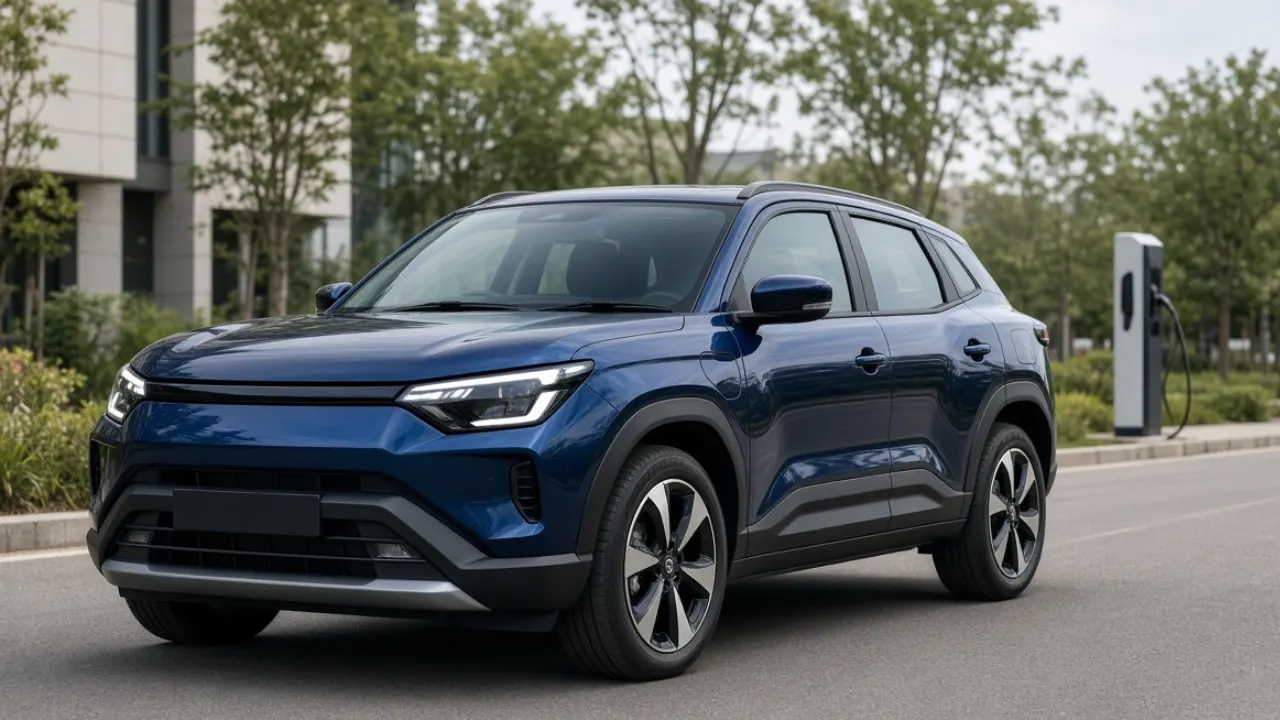
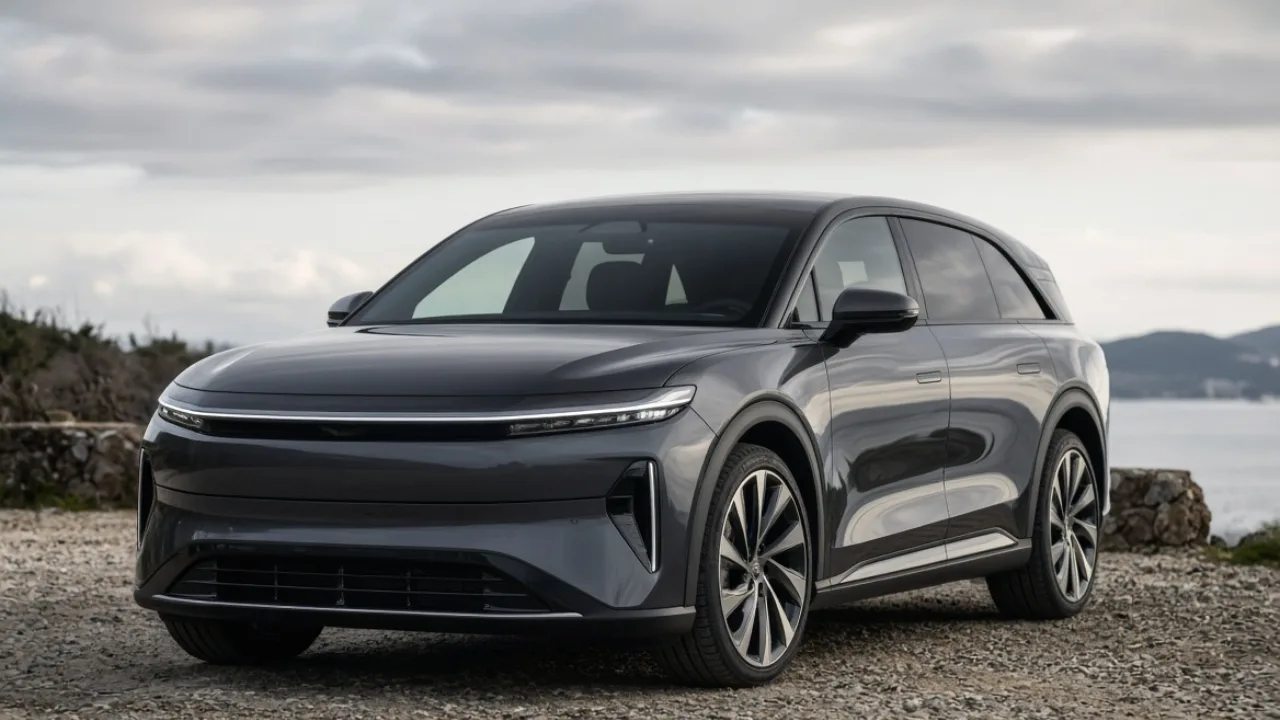
Performance: Up to 641 Horsepower
The IONIQ 5 N uses a dual-motor electric powertrain, with one motor driving the front wheels and another driving the rear wheels. This configuration provides all-wheel drive and allows the vehicle’s control systems to manage power delivery according to driving conditions and selected settings.
Under standard conditions, the powertrain produces 601 hp and 545 lb-ft of torque. When N Grin Boost is activated, maximum output rises to 641 hp and 568 lb-ft for up to 10 seconds.
N Grin Boost
N Grin Boost temporarily increases the available power for short bursts of acceleration. It can be useful when exiting a corner or accelerating on a straight section of a closed circuit.
Because the boost function is time-limited, the maximum output should not be treated as continuously available power in every driving situation.
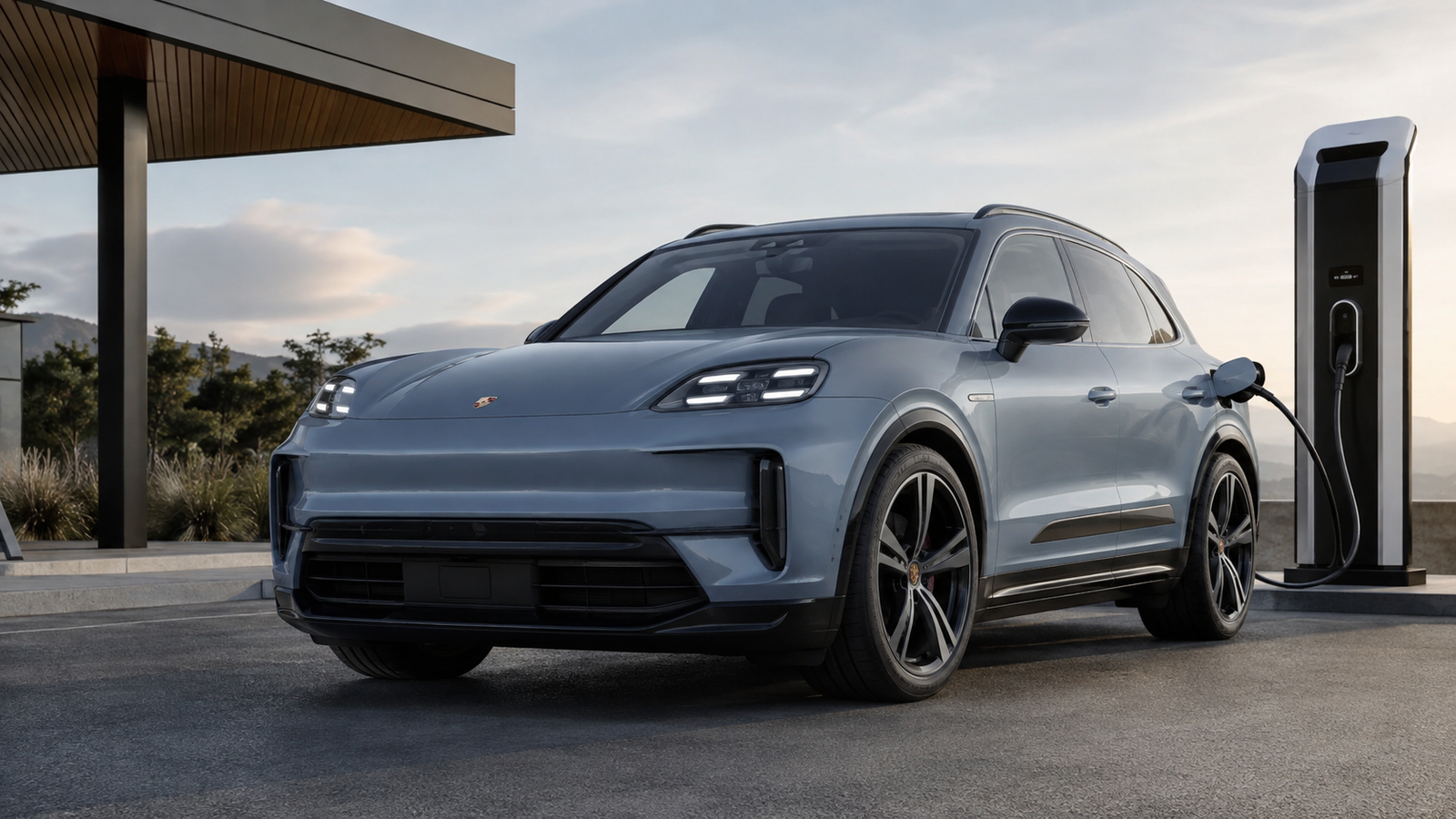
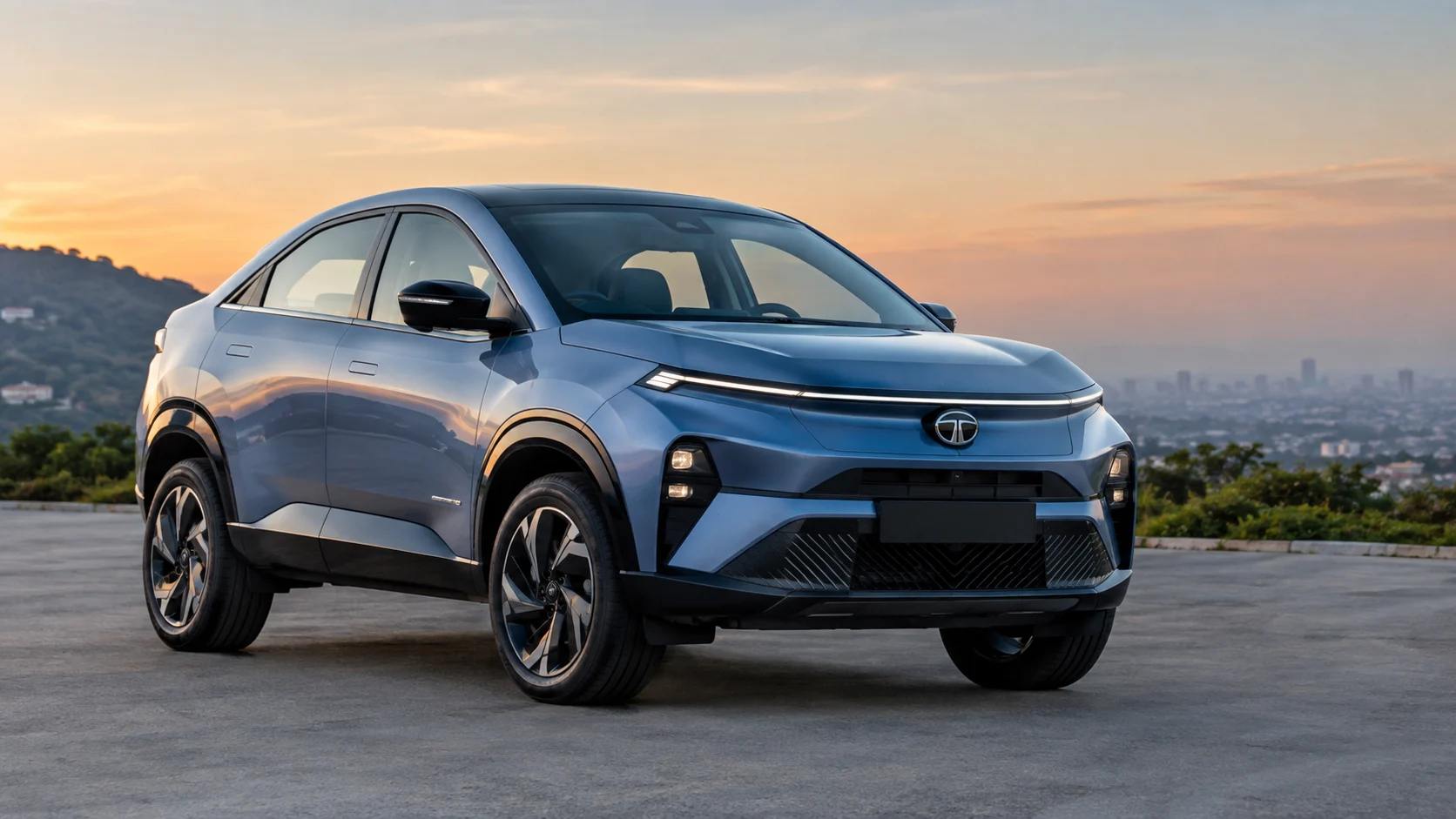
N Launch Control
N Launch Control helps optimize acceleration from a standstill by coordinating power delivery and traction. It is intended for controlled performance driving, where consistent launches matter.
Hyundai quotes a 0–60 mph time of approximately 3.25 seconds under the specified performance conditions. Actual acceleration can vary with battery charge, temperature, tire grip, and other factors.
N Torque Distribution
N Torque Distribution allows the driver to adjust how the vehicle distributes power between the front and rear axles. This provides additional control over the car’s driving character, particularly during spirited cornering.
The system works alongside the all-wheel-drive hardware and other electronic controls. It does not eliminate the physical limits of tire grip.

Electronic Limited-Slip Differential
The rear electronic limited-slip differential, or e-LSD, helps manage torque between the rear wheels. Its purpose is to improve traction and control when cornering, particularly when accelerating out of a bend.
Together, these systems help distinguish the N model from an ordinary electric SUV that prioritizes smooth, predictable transportation over adjustable track performance.
Battery, Range and Efficiency
The U.S.-specification 2026 IONIQ 5 N has an 84-kWh lithium-ion battery and an EPA-estimated driving range of 221 miles. Its official combined efficiency rating is 78 MPGe, with ratings of 84 MPGe in the city and 72 MPGe on the highway.
These figures provide a standardized basis for comparison with other electric vehicles sold in the United States. They do not guarantee the same range or efficiency in everyday driving.
Several factors can affect the distance covered on a charge:
- Highway speeds and frequent acceleration.
- Ambient temperature and battery temperature.
- Heating and air-conditioning use.
- Elevation changes and road conditions.
- Tire pressure and vehicle load.
- Repeated high-power driving on a circuit.
Track sessions can be particularly demanding because the vehicle repeatedly accelerates, brakes, and operates at high power. Drivers planning a track day should allow for greater energy consumption than they would expect during an ordinary commute.
The 221-mile EPA estimate may be adequate for many daily journeys, but buyers who frequently travel long distances should consider charging access and route planning before choosing the performance model.
Battery Preconditioning
Battery preconditioning helps bring the battery toward a suitable temperature for particular operating conditions. The IONIQ 5 N includes preconditioning functions associated with its Drag and Track modes.
Battery temperature matters because it can influence charging speed and power delivery. Preparing the battery appropriately can help the vehicle operate closer to its intended performance characteristics, although actual results depend on the conditions.
Charging the 2026 Hyundai IONIQ 5 N
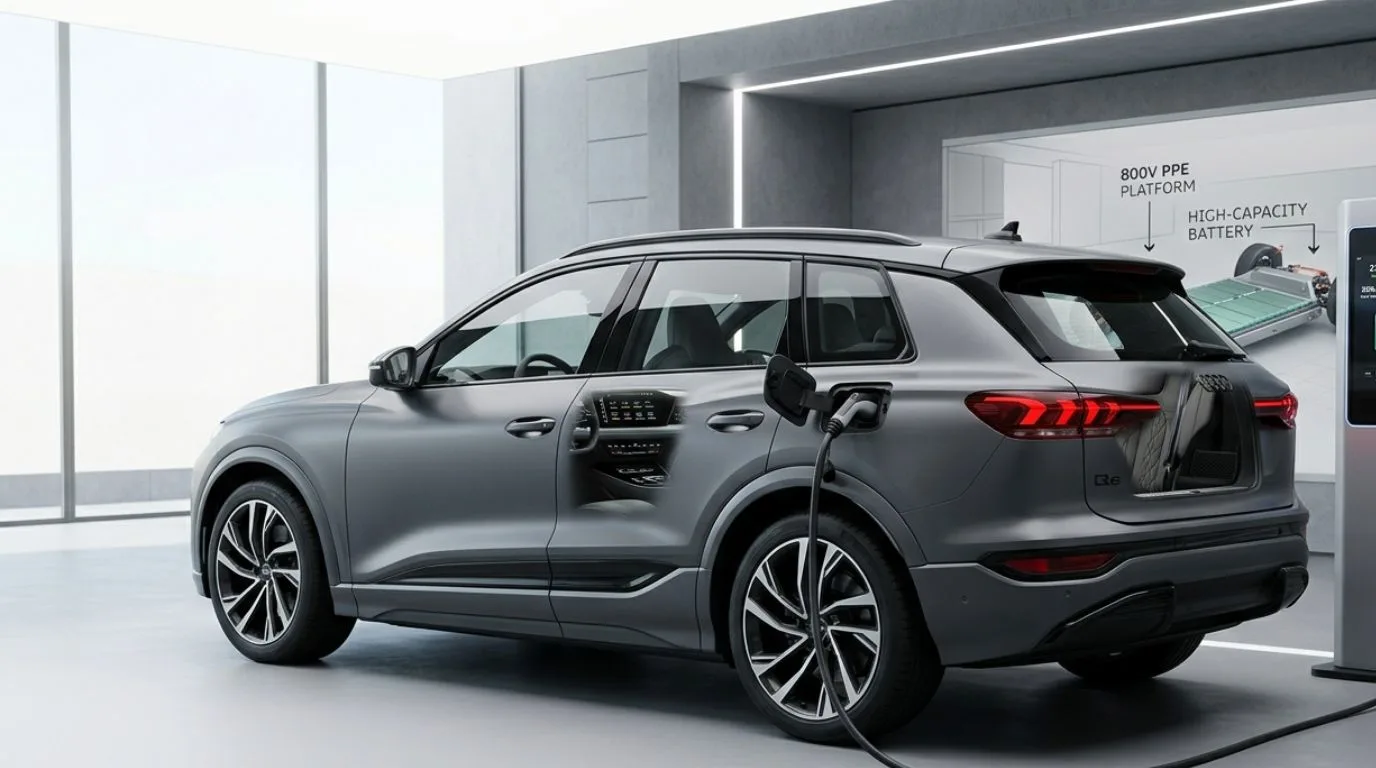
The IONIQ 5 N supports high-power DC fast charging through its 800-volt-capable electrical architecture. For the U.S. model, Hyundai publishes the following charging estimates.
| Charging method | Approximate charging time |
|---|---|
| 350-kW, 800V DC fast charger with CCS adapter | 10% to 80% in 18 minutes |
| 150-kW, 400V NACS V3 Supercharger | 10% to 80% in 30 minutes |
| 50-kW DC fast charger with CCS adapter | 10% to 80% in 1 hour 21 minutes |
| 240V Level 2 AC charger | 10% to 100% in about 7 hours 20 minutes |
These are manufacturer estimates, not guaranteed results. Actual charging times depend on the battery’s starting charge, temperature, charger output, charging conditions, and vehicle settings.
DC Fast Charging
With a compatible 350-kW, 800-volt DC charger, Hyundai estimates that the battery can charge from 10% to 80% in approximately 18 minutes.

This capability can make longer journeys more convenient, but the vehicle will not necessarily draw the charger’s maximum rated power throughout the session. Charging speed typically changes as the battery fills.
The stated 18-minute figure also assumes suitable charging conditions. A busy station, lower-powered charger, or battery that has not reached an appropriate temperature can result in a longer stop.
Home Charging
A 240V Level 2 charger is useful for overnight charging. Hyundai estimates approximately 7 hours and 20 minutes to charge from 10% to 100% using a compatible 10.9-kW AC charging setup.
The actual time will depend on the charger’s output and the home’s electrical installation. Owners should use properly installed, compatible equipment and follow the manufacturer’s charging instructions.
Charging Connector Compatibility
The U.S. model has a native NACS charging port and supports CCS charging using the included adapter. This provides access to compatible charging infrastructure, but drivers should confirm station compatibility before setting out.
Charging networks, connectors, payment systems, and availability vary by country. The U.S. charging arrangements should not be assumed to apply to vehicles sold in India, Europe, or other markets.
Track Features: What Sets the IONIQ 5 N Apart?
The IONIQ 5 N combines its electric powertrain with software and chassis systems designed for more demanding driving. These features provide options for managing acceleration, braking, energy use, and vehicle behavior on a closed circuit.
They do not make track driving risk-free. Tires, brakes, battery temperature, driver skill, and circuit conditions still determine how the vehicle performs.
N Race: Sprint and Endurance Modes
N Race offers two performance strategies:
- Sprint mode: Prioritizes performance for shorter, more aggressive driving sessions.
- Endurance mode: Uses a different performance strategy intended to help manage energy during longer sessions.
The distinction is useful because the highest possible output is not necessarily the most appropriate setting for an entire track session. Drivers need to balance performance with battery energy and temperature management.
Track SOC
Track SOC helps drivers monitor battery state of charge in the context of circuit driving. Hyundai’s system calculates energy consumption per lap, giving drivers information that can help them plan a session.
This is particularly relevant when several laps are planned and the driver needs to estimate how much usable battery energy remains.
N Drift Optimizer Pro
N Drift Optimizer Pro provides adjustable settings designed to help drivers manage controlled drifting. Hyundai specifies 10 adjustment stages for the system.
It is intended for appropriate closed-course environments. Electronic controls cannot remove the risks of losing traction, and drivers should not attempt drifting on public roads.
N Brake Regen
Regenerative braking converts some of the vehicle’s kinetic energy into electricity during deceleration. The IONIQ 5 N integrates regenerative braking with its performance-focused driving systems.
Regeneration can contribute to slowing the vehicle, but it is not a substitute for the mechanical brakes. Track driving places substantial demands on the braking system, and drivers must account for brake temperature, grip, and stopping distances.
Electronically Controlled Suspension
The electronically controlled suspension adjusts damping to suit different driving settings. Damping controls how quickly the suspension responds to movement, helping balance body control with ride comfort.
The system allows the vehicle to accommodate different driving priorities, although a performance-oriented setup and low-profile tires can still feel firm on uneven roads.
N e-Shift and N Active Sound+: Simulated Gears and Engine Sounds
Electric motors deliver power without the conventional gear changes associated with gasoline-powered sports cars. Hyundai addresses this difference with two features designed to make the driving experience more interactive.
N e-Shift simulates gear changes electronically, giving the driver a shifting sensation despite the vehicle’s single-speed reduction gear. It does not add a conventional multi-speed transmission.
N Active Sound+ provides selectable electronic sound effects that respond to driving inputs. These sounds are designed to give the driver additional feedback about acceleration and simulated gear changes.
Neither system increases the powertrain’s underlying output. Instead, both change how the car communicates its performance to the driver.
Drivers who prefer a quieter, smoother electric driving experience may not need these features, while enthusiasts who enjoy the interaction of traditional performance cars may appreciate the additional feedback.
Exterior Design and Aerodynamics
The IONIQ 5 N retains the distinctive proportions of the standard IONIQ 5 but adds more aggressive styling and performance-focused components.
Its main exterior features include:
- N-specific front and rear bumpers.
- A prominent rear spoiler and rear diffuser.
- Performance-focused side skirts and exterior accents.
- 21-inch forged alloy wheels.
- Pirelli P Zero high-performance tires in 275/35R21 specification.
- Active grille shutters and air flaps.
These elements contribute to the car’s performance-oriented appearance and cooling requirements. The aerodynamic components are part of a broader design intended to support stability and performance.
The large wheels and low-profile tires also involve practical compromises. Replacement tires can be expensive, and the shorter tire sidewalls offer less cushioning over potholes and rough surfaces than taller sidewalls typically provide.
Interior, Comfort and Technology
The cabin combines a driver-focused layout with the technology and convenience expected of a modern electric SUV.

Driver-Focused Controls
The N steering wheel provides dedicated controls for accessing performance functions and driving modes. This makes it easier to change settings without navigating through multiple infotainment menus.
The U.S. model includes a 12.3-inch digital instrument cluster and a 12.3-inch infotainment touchscreen with navigation. Wireless Apple CarPlay, wireless Android Auto, wireless phone charging, and a Bose premium audio system are also listed among its features.
Sport Seats and Cabin Comfort
The IONIQ 5 N uses sport-oriented front seats designed to provide additional lateral support during cornering. Its interior also features N-specific trim and performance-focused detailing.
Heated and ventilated front seats contribute to everyday comfort. Buyers should still check the seating position and bolstering in person because comfort can vary according to body shape and personal preference.
Everyday Practicality
Although its engineering focuses on performance, the IONIQ 5 N retains a rear seating area and a liftgate-style cargo opening. These features make it more versatile than a dedicated two-seat sports car.
Its infotainment and convenience equipment support everyday use, but the vehicle’s range, tire costs, and performance-oriented setup deserve consideration if it will be the household’s primary vehicle.
Safety and Driver-Assistance Features
The U.S.-market IONIQ 5 N lists several driver-assistance and parking technologies, including:
- Smart Cruise Control with Stop & Go.
- Blind-Spot View Monitor.
- Surround View Monitor.
- Safe Exit Assist.
- Parking-distance warning systems.
- Remote Smart Parking Assist.
Feature availability and operation can depend on vehicle configuration and market. These technologies can assist with awareness and maneuvering, but they do not replace attentive driving.

Buyers should also distinguish between the presence of driver-assistance features and independent crash-test results. A safety rating for a different IONIQ 5 model or model year should not automatically be applied to the N version without checking the relevant testing organization.
2026 Hyundai IONIQ 5 N Price and Availability
For the United States, Hyundai lists a starting MSRP of $59,900 for the 2026 IONIQ 5 N. This excludes freight charges, taxes, title, and licensing fees. Actual dealer prices and inventory can vary.
Hyundai identifies the 2026 model on its U.S. website. Buyers should confirm local inventory, the exact model year, equipment, and final purchase price with an authorized dealer.
The U.S. price does not establish pricing in other countries. Taxes, incentives, charging standards, specifications, and sales availability can differ significantly between markets.
Is the 2026 Hyundai IONIQ 5 N Available in India?
The U.S.-market IONIQ 5 N specifications and price do not confirm that the performance model is available in India. The standard IONIQ 5 sold in India is a separate market offering, and its specifications should not be substituted for those of the N version.
Indian buyers should look for an official Hyundai Motor India announcement before assuming that an India-specific launch, price, or delivery schedule has been confirmed.
2026 Hyundai IONIQ 5 N: Advantages and Limitations
| Advantages | Limitations |
|---|---|
| Up to 641 hp with N Grin Boost | EPA-estimated range of 221 miles |
| Dual-motor all-wheel drive | High-performance driving can reduce range substantially |
| Approximately 3.25-second 0–60 mph acceleration under specified conditions | Performance tires can be costly to replace |
| Dedicated track modes and energy-management features | Track sessions require careful battery and brake management |
| Rapid DC charging on compatible equipment | Maximum charging speeds depend on the charger and conditions |
| Simulated gear changes and selectable performance sounds | Some drivers may prefer a conventional EV experience |
| Passenger seating and modern infotainment | U.S. pricing and specifications may not apply elsewhere |
Is the 2026 Hyundai IONIQ 5 N Worth Buying?
The 2026 Hyundai IONIQ 5 N makes the strongest case for itself as a performance-focused electric vehicle rather than an EV designed primarily to maximize driving range.
Its dual-motor powertrain, 601-hp standard output, temporary 641-hp boost, and dedicated track technologies provide a different experience from a conventional electric SUV. Its rapid-charging capability is another advantage when compatible infrastructure is available.

The main compromise is range. An EPA estimate of 221 miles may be sufficient for many commutes, but frequent long-distance drivers will need to plan charging stops carefully. Repeated track use can increase energy consumption and add to tire and brake wear.
The IONIQ 5 N is worth considering for buyers who value acceleration, configurable handling, and circuit-driving technology. Those who prioritize maximum range, a softer ride, or lower running costs may find a less performance-focused electric SUV a better match.
Frequently Asked Questions
1. How much horsepower does the 2026 Hyundai IONIQ 5 N have?
The U.S.-market 2026 IONIQ 5 N produces up to 601 hp under standard conditions. N Grin Boost temporarily increases maximum output to 641 hp for up to 10 seconds.
2. What is the range of the 2026 Hyundai IONIQ 5 N?
The EPA-estimated range is 221 miles on a full charge. Actual range depends on driving style, weather, speed, battery temperature, and other conditions.

3. How fast is the 2026 Hyundai IONIQ 5 N?
Hyundai quotes approximately 3.25 seconds for 0–60 mph under specified acceleration conditions using N Launch Control and N Grin Boost.
4. How long does the IONIQ 5 N take to charge?
With a compatible 350-kW, 800-volt DC fast charger, Hyundai estimates approximately 18 minutes to charge from 10% to 80%. A compatible 240V Level 2 AC charger takes approximately 7 hours and 20 minutes to charge from 10% to 100%.
5. Does the IONIQ 5 N have all-wheel drive?
Yes. The U.S. model comes with Hyundai’s HTRAC all-wheel-drive system and a dual-motor electric powertrain.
6. What does N Grin Boost do?
N Grin Boost temporarily increases the vehicle’s maximum output from 601 hp to 641 hp for up to 10 seconds.
7. Does the IONIQ 5 N have a conventional transmission?
No. It uses a single-speed reduction gear. N e-Shift electronically simulates gear changes to create a more interactive driving experience.
8. Is the 2026 Hyundai IONIQ 5 N available in India?
Its U.S. availability does not confirm an Indian launch. Buyers should verify any India-specific announcement directly with Hyundai Motor India.
9. Is the IONIQ 5 N suitable for everyday driving?
It has passenger seating, modern infotainment, and convenience features suitable for regular use. Its relatively short EPA-estimated range compared with some other EVs, performance tires, and sport-focused setup should be considered before purchase.
10. What is the starting price of the 2026 Hyundai IONIQ 5 N?
The listed starting U.S. MSRP is $59,900, excluding freight charges, taxes, title, and licensing fees. Prices in other markets may differ.