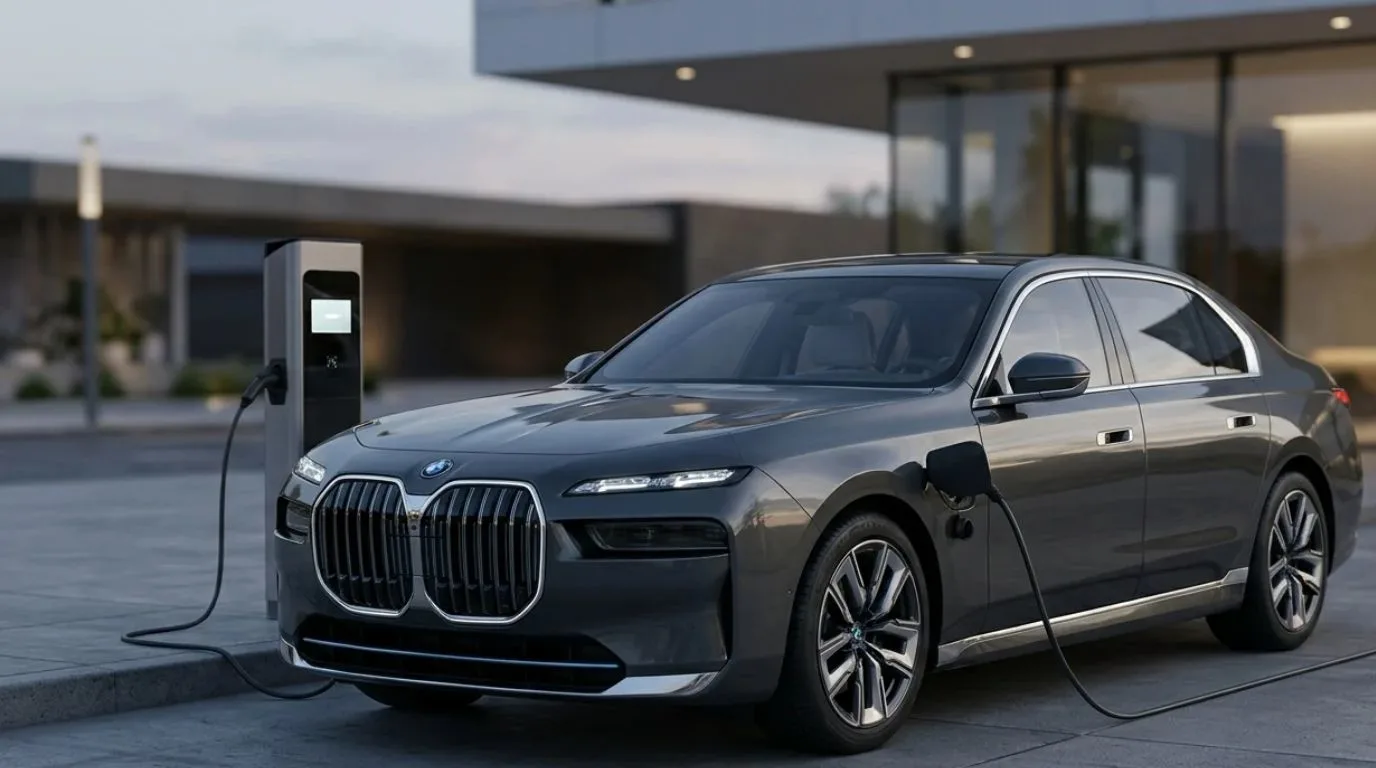
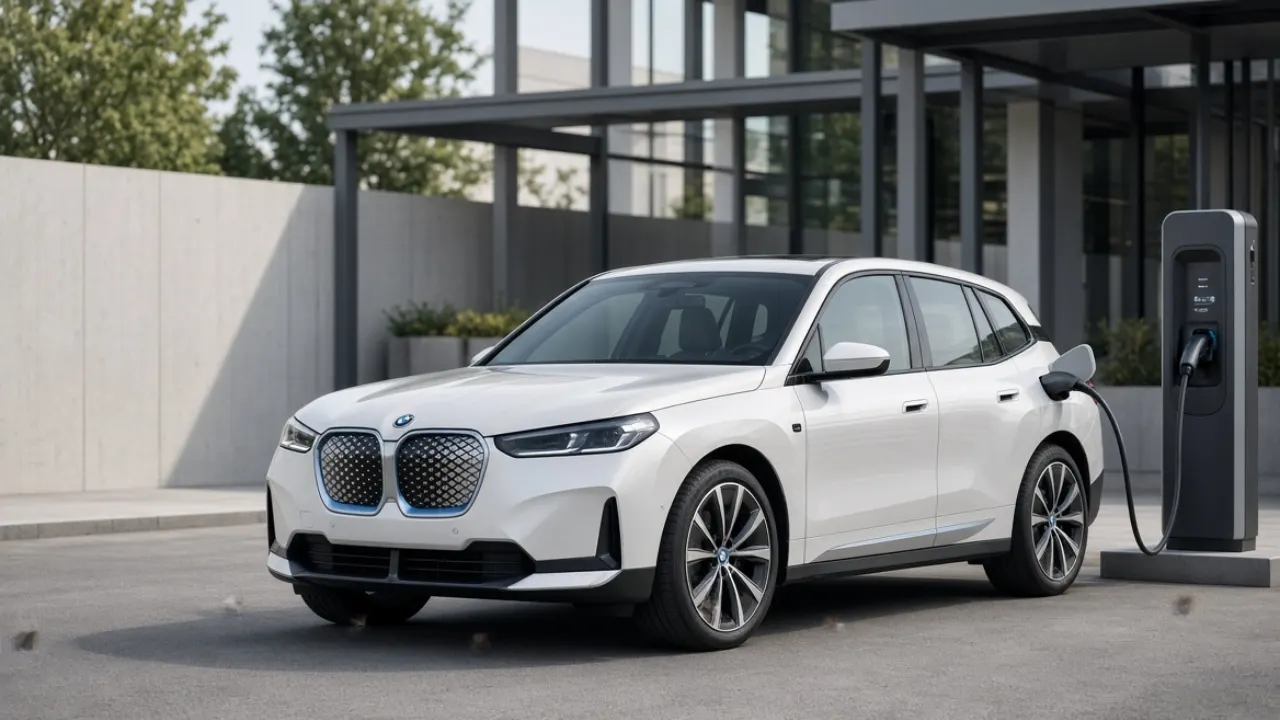
The 2026 BMW i3 Electric marks a major step in BMW’s transition toward its next generation of electric vehicles. Revealed in March 2026, the new all-electric sedan is the second production model in BMW’s Neue Klasse lineup and brings together a redesigned exterior, sixth-generation BMW eDrive technology, an 800-volt electrical architecture, and a new electronic control system called Heart of Joy.
BMW initially announced the i3 50 xDrive with a provisional WLTP range of up to 900 kilometers (approximately 559 miles) and DC fast-charging capability of up to 400 kW. Following the model’s September 2026 technical and lineup updates, BMW lists two electric versions: the i3 50 xDrive with up to 912 km of WLTP range and the i3 40 xDrive with up to 710 km. These are European test-cycle figures, not EPA estimates or guaranteed real-world driving distances.
Series production began in Munich in August 2026, and BMW announced that first deliveries would begin in autumn 2026. Pricing, equipment, and availability depend on the market, so buyers should not treat European specifications as confirmed details for the United States or India.
2026 BMW i3 Electric: Key Specifications
The following figures reflect BMW’s published European specifications for the new i3 sedan. Range and charging figures are based on the WLTP testing system.
| Specification | BMW i3 50 xDrive | BMW i3 40 xDrive |
|---|---|---|
| Vehicle type | All-electric sedan | All-electric sedan |
| Model family | Neue Klasse | Neue Klasse |
| Powertrain | Dual-motor electric | Dual-motor electric |
| Drivetrain | All-wheel drive | All-wheel drive |
| Maximum power | 469 hp | 374 hp |
| Maximum torque | 645 Nm | Not specified in the cited lineup announcement |
| WLTP range | Up to 912 km | Up to 710 km |
| Electrical architecture | 800 volts | 800 volts |
| Maximum DC charging power | Up to 400 kW | Up to 300 kW |
| 0–100 km/h acceleration | 4.7 seconds | Not specified in the cited lineup announcement |
| Production location | Munich, Germany | Munich, Germany |
| Starting price | Market-specific pricing must be confirmed | Market-specific pricing must be confirmed |
The published figures can change with equipment, wheels, tires, battery condition, and other configuration factors. BMW’s official technical information should be checked for the precise version being considered.
What Is New About the 2026 BMW i3 Electric?
The new BMW i3 is not a direct continuation of the original small electric hatchback sold under the same name. It is a fully electric sedan based on the BMW 3 Series concept, developed as part of the Neue Klasse generation.
The model brings several major changes:
- Sixth-generation BMW eDrive technology.
- An 800-volt electrical architecture.
- Newly developed cylindrical battery cells.
- Charging capability of up to 400 kW on the i3 50 xDrive.
- BMW Panoramic iDrive and a new digital cockpit.
- Heart of Joy, BMW’s integrated control system for driving dynamics.
- Bidirectional charging capability.
- A new exterior design that combines Neue Klasse styling with familiar BMW sedan proportions.
These changes are intended to improve range, charging performance, energy efficiency, and the way the car responds to steering, braking, and acceleration.

BMW i3 Electric Range: Up to 912 km
Range is one of the most significant features of the new electric sedan. BMW’s latest published European figures list up to 912 km (567 miles) of WLTP range for the i3 50 xDrive. The i3 40 xDrive has a maximum published WLTP range of 710 km (441 miles).
The difference between these versions is substantial. Buyers who frequently travel long distances may prefer the 50 xDrive’s greater official range, while the 40 xDrive offers a lower-power alternative with a shorter stated range.
What Does WLTP Range Mean?
WLTP stands for Worldwide Harmonised Light Vehicles Test Procedure. It is a standardized European test used to estimate a vehicle’s energy consumption and driving range.
The results are useful for comparing vehicles tested under the same system, but they do not guarantee the distance a driver will cover on public roads.
Real-world range depends on several factors:
- Highway speed and acceleration.
- Ambient and battery temperature.
- Wheel and tire configuration.
- Passenger and luggage weight.
- Heating and air-conditioning use.
- Road elevation and traffic conditions.
High-speed highway driving can consume more energy than a test cycle, while moderate speeds and favorable temperatures may improve efficiency.
Will the BMW i3 Deliver 900 km in Everyday Driving?
The i3 50 xDrive’s maximum 912-km figure is an official WLTP result, not a promise of everyday range. Drivers should plan around their own travel conditions rather than assume they will achieve the full rated distance on every charge.
BMW has not established an equivalent EPA range figure in the cited European specifications. The WLTP result should therefore not be presented as a U.S. EPA estimate.

BMW i3 Electric Charging: Up to 400 kW
The new BMW i3 uses an 800-volt electrical architecture designed to support high-power DC fast charging.
The i3 50 xDrive supports a maximum DC charging rate of up to 400 kW, while the i3 40 xDrive supports up to 300 kW. These are peak power ratings, not the speeds the car will maintain throughout a charging session.
A compatible charger, suitable battery temperature, and favorable state of charge are necessary to approach the vehicle’s maximum charging capability.
How Much Range Can It Add in 10 Minutes?
BMW’s published WLTP-based figures indicate that the i3 50 xDrive can add up to 423 km (263 miles) of rated range in 10 minutes at a suitable high-power DC charging station. The i3 40 xDrive can add up to 337 km (209 miles) over the same period.
These figures are based on the WLTP test cycle and the availability of the required charging power. They do not mean every charging stop will deliver that amount of range.
Actual results depend on the battery’s starting charge, temperature, charger output, vehicle configuration, and energy consumption.
Why Does 800-Volt Charging Matter?
An 800-volt system allows high electrical power to be transferred at a lower current than a comparable lower-voltage system. This can help manage electrical losses and support faster charging, provided the battery and charging equipment are designed for it.
For drivers, the practical benefit is potentially less time spent charging on long journeys. However, a 400-kW vehicle charging capability is useful only where compatible high-power infrastructure is available.
Home Charging
DC fast-charging figures should not be confused with home-charging performance. Home charging normally uses AC electricity and depends on the vehicle’s onboard charger, the installed wallbox, and the property’s electrical supply.
BMW’s cited specifications do not establish one universal home-charging time for every country and configuration. Buyers should check the local technical sheet for AC charging power, connector type, and compatible equipment before choosing a home charger.
Neue Klasse Technology Explained
Neue Klasse is BMW’s next-generation vehicle platform and technology strategy. It combines changes to electric powertrains, battery systems, electronics, software, and vehicle design.
The i3 is important because it brings these developments into a sedan format associated with BMW’s long-running 3 Series family.
Sixth-Generation BMW eDrive
The new i3 uses BMW’s sixth-generation eDrive technology, known as Gen6. The system combines redesigned electric-drive components with a new high-voltage battery concept.
BMW says this generation improves range and charging performance by approximately 30% compared with the previous generation, although the precise improvement depends on the vehicle and comparison being made.
The battery uses cylindrical cells rather than the cell format used in earlier BMW electric platforms. Cell design is only one part of battery performance: packaging, thermal management, electrical architecture, and control software also affect efficiency and charging behavior.
Heart of Joy
Heart of Joy is one of the central electronic control systems in the Neue Klasse. It coordinates key driving functions, including the electric powertrain, braking, and steering-related vehicle dynamics.

Instead of treating these functions as isolated systems, the integrated approach allows the vehicle to coordinate their responses more quickly.
For the driver, the goal is predictable acceleration, smoother control, and more consistent responses when changing speed or direction. The system does not make the vehicle autonomous; it is primarily concerned with vehicle dynamics.
BMW Panoramic iDrive
The new i3 adopts BMW Panoramic iDrive, which brings together the central display, driver information, and a more integrated digital interface.
The wider panoramic display area is intended to make key information easier to access without relying entirely on a conventional instrument cluster. A central touchscreen handles additional functions, while the steering wheel and voice controls provide other ways to interact with the vehicle.
The actual display layout and available functions can change with software updates and market-specific equipment.
Bidirectional Charging
Bidirectional charging allows electricity to flow in more than one direction between a vehicle and compatible equipment.
Depending on the supported system, this can allow an EV to supply power to external devices or participate in home energy storage. The exact functions available to an owner depend on the vehicle configuration, market regulations, compatible charging hardware, and BMW’s local implementation.
It should not be assumed that every form of vehicle-to-home or vehicle-to-grid operation will be available in every market at launch.
Exterior Design: A New Electric BMW 3 Series
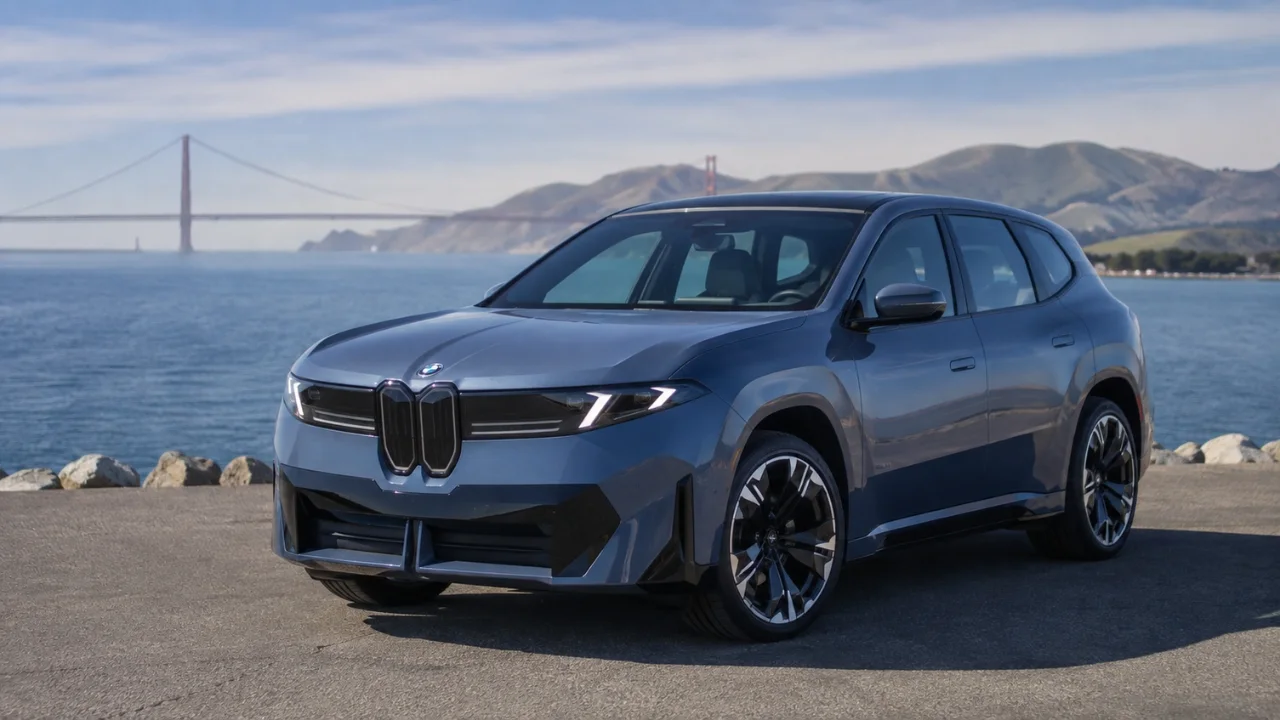
The 2026 BMW i3 introduces a new interpretation of the BMW sports sedan, using Neue Klasse design principles rather than simply adapting the styling of a combustion-powered 3 Series.
Its proportions retain the familiar sedan layout, including a long wheelbase and short overhangs. The front end combines BMW’s kidney-grille identity with integrated twin-headlight elements, creating a cleaner visual treatment than many earlier BMW designs.
The body is designed around the requirements of a dedicated electric platform. This gives BMW more freedom to arrange the battery, electric motors, cabin, and exterior surfaces without having to accommodate a conventional engine in the same way.
Key design characteristics include:
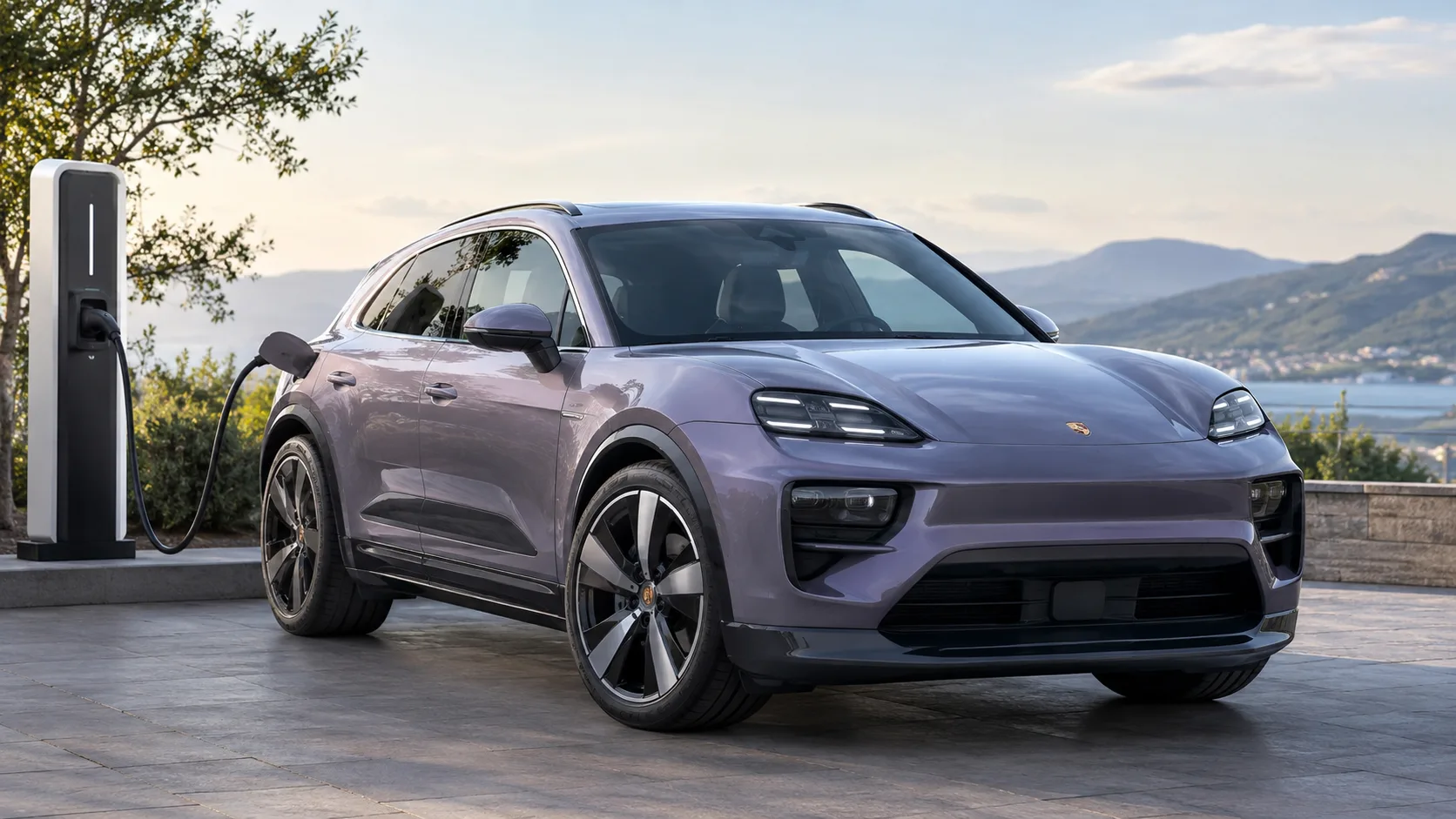
- A streamlined sedan silhouette.
- A long wheelbase and short overhangs.
- A reinterpreted BMW kidney grille.
- Integrated front lighting elements.
- A horizontal rear-light signature.
- A modern cabin with a wide digital display layout.
BMW has emphasized that the new electric sedan should still feel like a BMW 3 Series in character. The design is therefore not simply about looking futuristic; it also aims to preserve the model’s sporting identity.
Interior and Digital Features
The i3’s interior follows the Neue Klasse approach to displays, controls, and connected technology. BMW Panoramic iDrive is central to this experience, bringing driver information and infotainment together in a more integrated layout.
The cabin shares its main design and digital operating concept with the new BMW 3 Series family, although some differences are necessary because of the electric powertrain.
Infotainment and Voice Controls
The digital interface is designed to make navigation, vehicle settings, media, and other functions accessible through the central display and voice interaction.
BMW’s Intelligent Personal Assistant also forms part of the new digital experience. The specific functions available will depend on software, equipment, language support, and regional services.
Driver Assistance
BMW has announced advanced driver-assistance systems for the new 3 Series family, including the Motorway Assistant in supported markets. The system can support hands-free driving on certain motorways at speeds of up to 130 km/h (81 mph), subject to its operating conditions and local availability.
This is a driver-assistance feature, not unrestricted autonomous driving. Drivers must follow the system’s instructions, remain ready to intervene, and comply with local laws.
Equipment and permitted operation can differ between countries, so buyers should verify the systems included with their specific vehicle.
BMW i3 Electric Performance
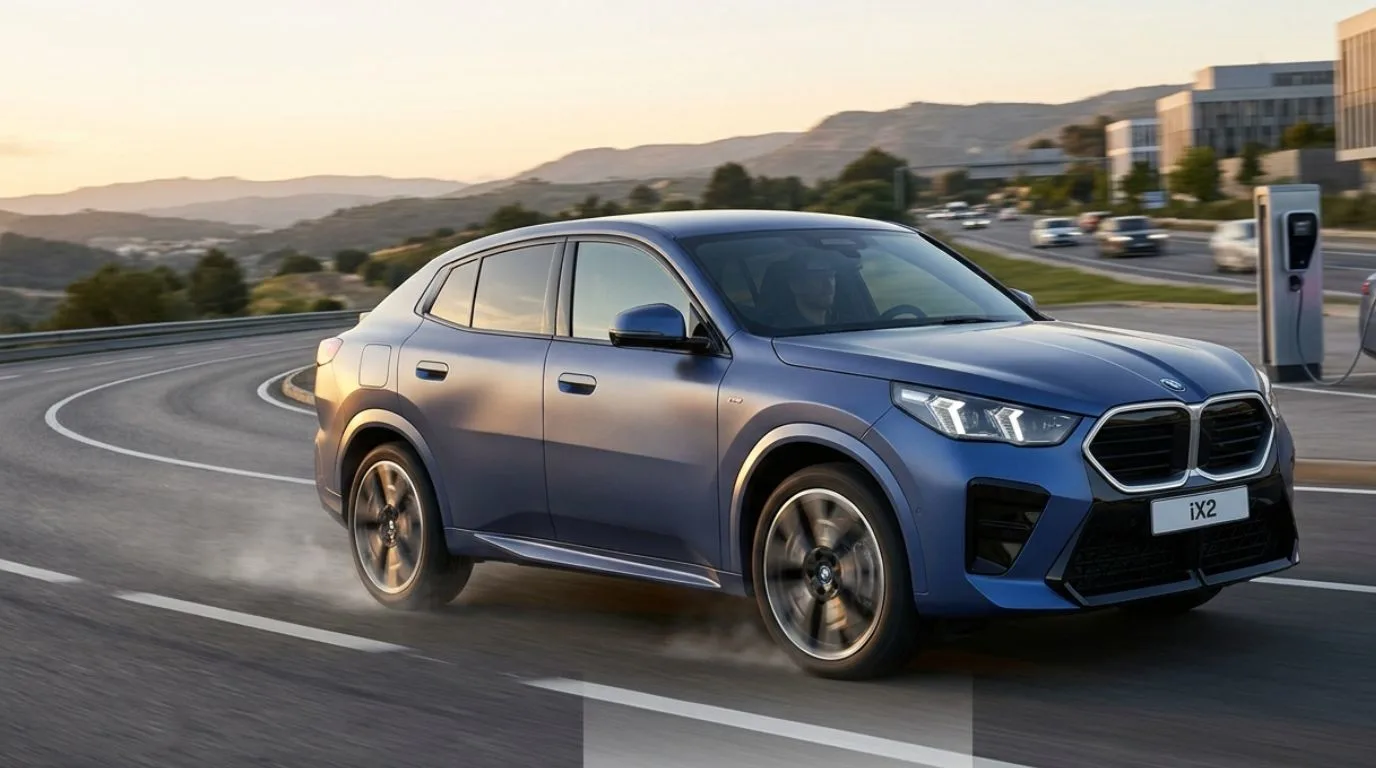
The new i3 lineup includes two all-wheel-drive electric versions: the i3 50 xDrive and i3 40 xDrive.
The i3 50 xDrive produces 345 kW (469 hp) and accelerates from 0 to 100 km/h in 4.7 seconds. The i3 40 xDrive produces 275 kW (374 hp).
Both versions use electric motors to deliver power to all four wheels. This arrangement can improve traction when accelerating, particularly when road conditions or available grip vary.
The i3 50 xDrive’s higher output makes it the stronger choice for buyers prioritizing acceleration. However, power alone does not determine the overall driving experience. Steering response, suspension tuning, braking control, tires, and weight distribution also affect how a vehicle behaves.
BMW’s Heart of Joy system is intended to coordinate several of these driving functions, helping the car respond more consistently to driver inputs.
Production, Launch and Availability
The new BMW i3 was revealed in March 2026 as the second production model in the Neue Klasse family. BMW began series production at its Munich plant in August 2026.
BMW opened orders for the new 3 Series range on September 30, 2026, with the first deliveries expected around the turn of 2026 and 2027. The exact delivery schedule depends on market and vehicle configuration.
The electric i3 is manufactured in Munich, Germany. The plant’s transition to Neue Klasse production is part of BMW’s broader effort to introduce its next-generation electric technology across additional models.

Is the 2026 BMW i3 Coming to the United States?
BMW’s published European specifications establish the i3 50 xDrive and i3 40 xDrive as part of the new electric 3 Series range. However, European WLTP range figures should not be used as U.S. EPA ratings.
A U.S.-specific price, final configuration, charging specification, and EPA range should be verified through BMW USA before being treated as confirmed. European order availability does not automatically establish the timing or exact equipment of a U.S. launch.
Is the New BMW i3 Coming to India?
The new BMW i3’s European launch does not confirm its availability in India. BMW India’s existing electric models and the European i3 are separate market offerings.
An India-specific launch date, price, variant list, and charging specification should be based on an official announcement from BMW India. Until those details are confirmed, buyers should not assume that the European model will be sold locally with identical equipment.

BMW i3 Electric Price: What Buyers Should Know
A single global price for the 2026 BMW i3 cannot be established from the European specifications alone.
Pricing can differ because of local taxes, import duties, incentives, equipment, and market positioning. The final amount paid may also include delivery charges and other fees.
| Market | Pricing status |
|---|---|
| Germany and other European markets | Check the local BMW configurator for the applicable version and price |
| United States | Confirm the U.S.-specific price and equipment with BMW USA |
| India | A local price should not be assumed without an official India-specific announcement |
Buyers should compare the final configured price rather than relying on a headline starting price from another country.
2026 BMW i3 Electric: Advantages and Limitations
| Advantages | Limitations |
|---|---|
| Up to 912 km of published WLTP range for the i3 50 xDrive | WLTP range is not directly equivalent to EPA range or real-world mileage |
| 800-volt electrical architecture | High-power charging requires compatible infrastructure |
| DC charging capability up to 400 kW on the 50 xDrive | Peak charging power will not be maintained throughout every session |
| 469 hp in the i3 50 xDrive | The higher-output version may not be necessary for every buyer |
| New Heart of Joy driving-control system | Its real-world benefits require independent testing to quantify |
| BMW Panoramic iDrive and updated digital technology | Some software and connected features may vary by market |
| Bidirectional charging capability | Specific energy-sharing functions depend on compatible local equipment |
| Production in BMW’s Munich plant | Market-specific prices and availability must be checked locally |
How Does the BMW i3 Compare With Other Electric Sedans?
The BMW i3 enters a competitive premium EV segment where range, charging speed, performance, software, and ownership costs all matter.

Its most distinctive published figures are the i3 50 xDrive’s maximum 912-km WLTP range and 400-kW DC charging capability. The lower-output i3 40 xDrive offers up to 710 km of WLTP range and charging at up to 300 kW.
A fair comparison with another electric sedan should use the same market and testing standard. Comparing a European WLTP range with a U.S. EPA estimate without explaining the difference can make one vehicle appear more capable than the other for reasons unrelated to its actual performance.
Buyers should also compare the availability of high-power charging stations along their regular routes, the final configured price, warranty terms, cabin space, and local service support.
Is the 2026 BMW i3 Electric Worth Waiting For?
The 2026 BMW i3 is an important new electric sedan because it combines BMW’s familiar 3 Series positioning with the company’s next-generation battery, charging, electronics, and software technologies.
The i3 50 xDrive is particularly notable for its 469 hp output, up to 912 km of WLTP range, and maximum 400-kW DC charging capability. The i3 40 xDrive provides a lower-output alternative while retaining the Neue Klasse platform and 800-volt architecture.
Its appeal will depend on more than the headline specifications. Real-world range, charging infrastructure, final pricing, comfort, software usability, and local availability will all affect whether it is the right EV for a particular buyer.
For drivers considering a premium electric sedan, the new i3 deserves attention. However, anyone planning to buy one should verify the specifications and price for their own market rather than rely exclusively on European figures.
Frequently Asked Questions
1. What is the range of the 2026 BMW i3 Electric?
The BMW i3 50 xDrive has a published maximum range of 912 km (567 miles) under the WLTP test cycle. The i3 40 xDrive offers up to 710 km (441 miles). Actual driving range varies with conditions and vehicle configuration.
2. How fast can the 2026 BMW i3 charge?
The i3 50 xDrive supports DC fast charging at up to 400 kW, while the i3 40 xDrive supports up to 300 kW. Charging speed depends on the battery, charger, temperature, and state of charge.
3. How much range can the BMW i3 add in 10 minutes?
Under BMW’s published WLTP-based figures, the i3 50 xDrive can add up to 423 km of rated range in 10 minutes, while the i3 40 xDrive can add up to 337 km. These figures assume suitable high-power charging conditions.
4. How much power does the 2026 BMW i3 produce?
The i3 50 xDrive produces 469 hp, while the i3 40 xDrive produces 374 hp according to BMW’s published European specifications.
5. Does the 2026 BMW i3 have all-wheel drive?
Yes. Both the i3 50 xDrive and i3 40 xDrive are listed with all-wheel drive and dual-motor electric powertrains.

6. What is BMW Neue Klasse technology?
Neue Klasse is BMW’s next-generation vehicle platform and technology strategy. It includes sixth-generation eDrive, an 800-volt electrical architecture, redesigned battery technology, updated digital interfaces, and integrated vehicle-control systems.
7. What is BMW Heart of Joy?
Heart of Joy is an integrated control system that coordinates important driving functions, including power delivery and braking-related vehicle dynamics. It is designed to make the car’s responses more precise and consistent.
8. Does the new BMW i3 support bidirectional charging?
BMW has announced bidirectional charging capability for the new i3. The specific functions available to owners depend on compatible equipment, the vehicle configuration, and local market support.
9. When did production of the 2026 BMW i3 begin?
Series production began at BMW Group Plant Munich in August 2026. BMW opened orders for the new 3 Series range on September 30, 2026, with first deliveries expected around the turn of 2026 and 2027.
10. What is the price of the 2026 BMW i3?
Pricing depends on the country, equipment, and version. Buyers should consult the official BMW configurator or local dealership for a confirmed price rather than use an estimate from another market.
11. Is the 2026 BMW i3 available in India?
An official India-specific launch and price should be confirmed through BMW India. European launch details alone do not establish local availability.