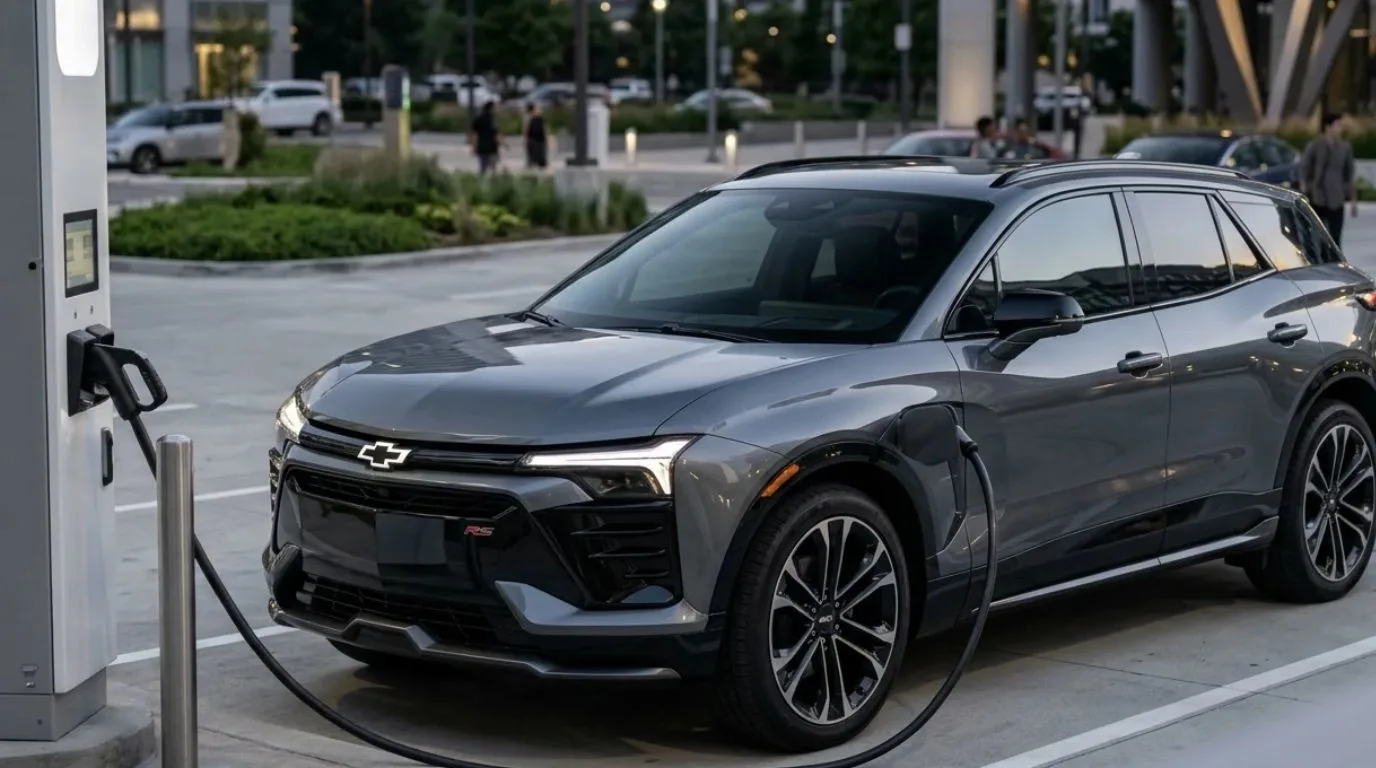
The Chevrolet Blazer EV is an all-electric midsize SUV designed to combine everyday practicality with the performance and technology of a modern electric vehicle. Available in multiple configurations, it offers a choice between front-wheel drive (FWD), all-wheel drive (AWD), and a high-performance SS model.
For the 2027 model year in the United States, the Blazer EV lineup consists of LT, RS, and SS trims. Depending on the configuration, buyers can choose between an efficiency-focused powertrain and a more powerful dual-motor setup. The SS takes performance further with 615 horsepower, while the more affordable LT and RS versions prioritize range and everyday usability.
Battery capacity, EPA-estimated driving range, charging capability, and equipment vary by trim and drivetrain. Understanding these differences is important because the least expensive Blazer EV is not necessarily the best choice for someone who prioritizes maximum performance or all-wheel-drive traction.
2027 Chevrolet Blazer EV: Key Specifications
The following specifications apply to the U.S.-market 2027 model. Chevrolet’s EPA-estimated range figures vary with drivetrain and configuration.

| Specification | LT / RS | SS |
|---|---|---|
| Powertrain | Single-motor FWD or dual-motor AWD | Dual-motor AWD |
| Battery capacity | 85 kWh | 102 kWh |
| Maximum power | 220 hp FWD / 300 hp AWD | 615 hp in WOW mode |
| Maximum torque | 243 lb-ft FWD / 355 lb-ft AWD | 650 lb-ft |
| EPA-estimated range | Up to 312 miles FWD / 283 miles AWD | 302 miles |
| Maximum DC fast-charging rate | 150 kW | 190 kW |
| Seating capacity | 5 | 5 |
| Maximum cargo capacity | 59.1 cu. ft. | 59.1 cu. ft. |
The SS figures of 615 horsepower and 650 lb-ft of torque apply when Wide Open Watts (WOW) performance mode is activated. These are not the standard output figures for every driving condition.
Chevrolet Blazer EV Range: How Far Can It Travel?
Driving range is one of the most important considerations when choosing an electric SUV. The 2027 Chevrolet Blazer EV offers different range estimates depending on its battery, motor configuration, and wheels.
The LT and RS provide the longest advertised range when equipped with front-wheel drive. Chevrolet lists an EPA-estimated range of up to 312 miles on a full charge for these configurations.
Choosing all-wheel drive changes the range equation. The dual-motor LT and RS have an EPA-estimated range of 283 miles. The additional motor improves traction and increases available power, but the AWD versions do not travel as far on a full charge as their FWD counterparts.

The performance-oriented SS has a larger battery and an EPA-estimated range of 302 miles. Despite its higher power output, its larger battery helps it maintain a competitive driving range.
2027 Blazer EV EPA Range by Configuration
| Configuration | EPA-estimated range |
|---|---|
| LT FWD | Up to 312 miles |
| RS FWD | Up to 312 miles |
| LT AWD | Up to 283 miles |
| RS AWD | Up to 283 miles |
| SS AWD | 302 miles |
These figures are U.S. EPA estimates, not guaranteed real-world distances. Highway speeds, cold weather, heating or air-conditioning use, wheel selection, driving style, road conditions, and passenger or cargo weight can all affect actual range.
For drivers who regularly cover long distances, the FWD LT and RS offer the strongest advertised range. Buyers who need additional traction may find AWD more suitable, while the SS targets those who want substantially greater acceleration without giving up a competitive range figure.
Chevrolet Blazer EV Battery Options Explained
Chevrolet offers two battery capacities across the 2027 Blazer EV range: an 85-kWh pack for the LT and RS and a larger 102-kWh pack for the SS.

85-kWh battery: LT and RS
The 85-kWh battery is designed for the regular Blazer EV models. It works with either a single-motor front-wheel-drive system or a dual-motor all-wheel-drive configuration.
The FWD setup produces 220 horsepower and 243 lb-ft of torque. It prioritizes efficiency and delivers the lineup’s highest EPA-estimated range.
The AWD version increases output to 300 horsepower and 355 lb-ft of torque. Its second motor provides power to the other axle, improving traction and acceleration, although its estimated range falls to 283 miles.
102-kWh battery: SS
The Blazer EV SS uses a larger 102-kWh battery paired with a performance-oriented dual-motor AWD system.
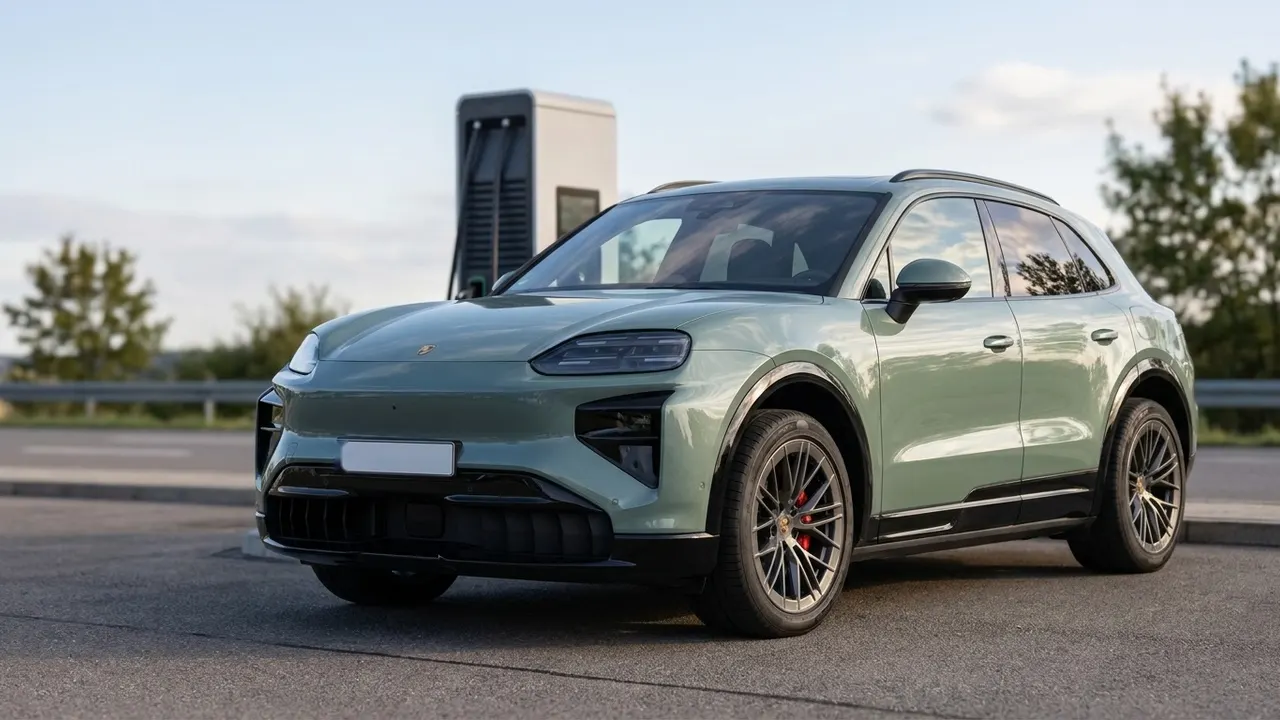
Its headline figures are 615 horsepower and 650 lb-ft of torque with Wide Open Watts mode activated. Chevrolet estimates that the SS can accelerate from 0 to 60 mph in 3.4 seconds.
Its EPA-estimated range is 302 miles, making it a performance-focused alternative that still offers substantial driving distance between charges.
The larger battery also supports a higher maximum DC fast-charging rate than the LT and RS.
Chevrolet Blazer EV Charging Speed and Options
The Blazer EV supports home charging and public DC fast charging. The charging experience depends on the battery configuration, electrical supply, charging station, and environmental conditions.
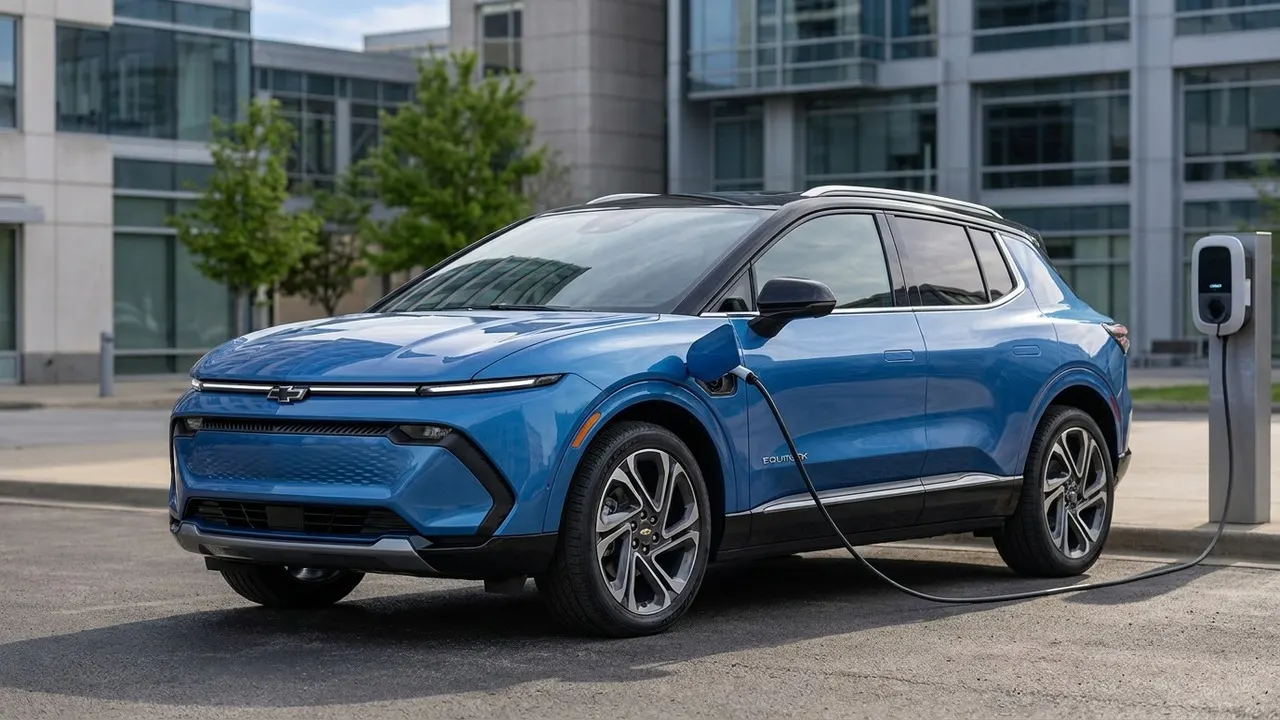

Level 1 home charging
Level 1 charging uses a standard 120-volt household outlet in the United States.
It is the simplest way to recharge the vehicle because it does not require a dedicated high-power charging installation. However, charging is relatively slow.
This option is more appropriate for drivers who travel short distances and can leave their vehicles connected for extended periods.
Level 2 home charging
Level 2 charging uses a 240-volt supply and is a more practical solution for regular EV ownership.
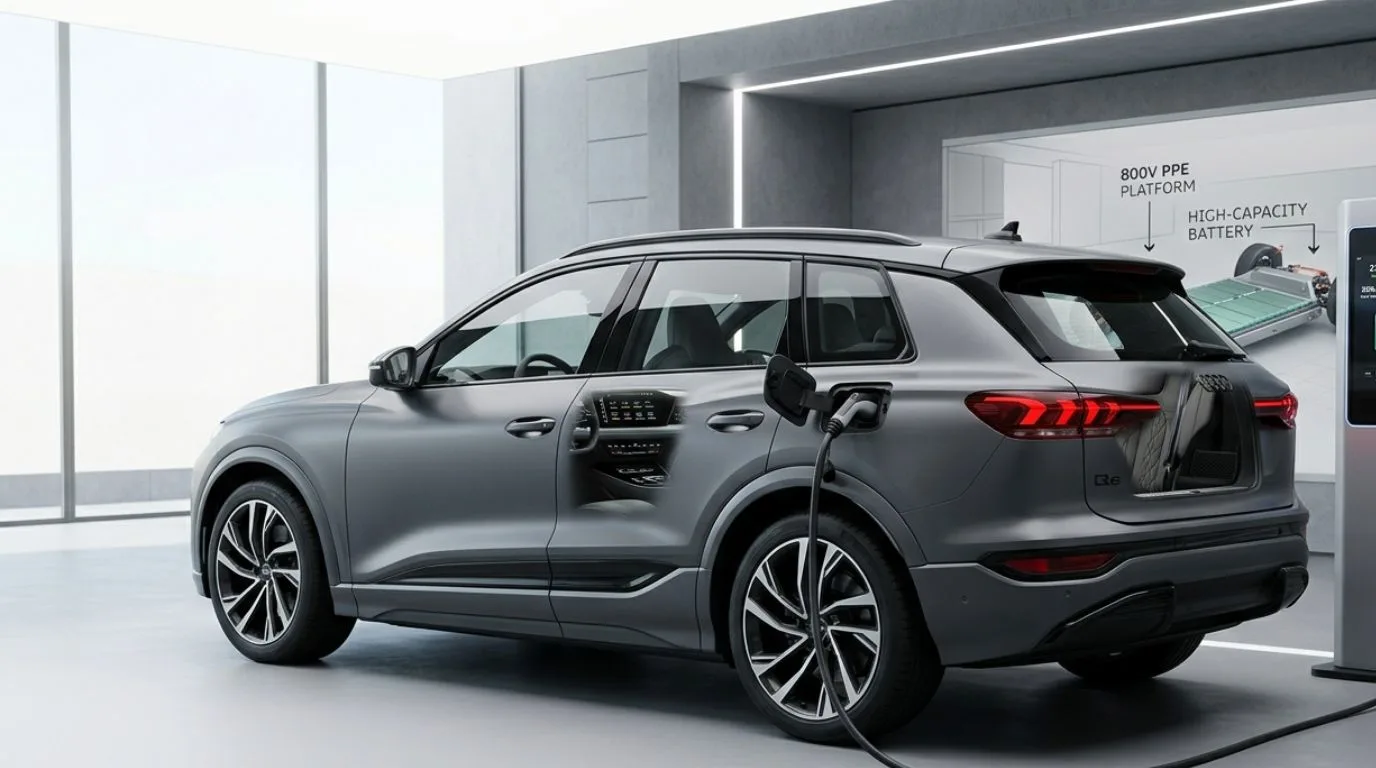
The Blazer EV has an 11.5-kW onboard AC charging capability. Chevrolet also includes a Dual Level Charge Cord that supports Level 1 and Level 2 connections.
A compatible home charging installation can replenish the battery considerably faster than a standard household outlet. Actual charging time depends on the available electrical power and the vehicle’s charging requirements.
For owners who drive regularly, installing a suitable Level 2 charger can make overnight charging more convenient.
DC fast charging
DC fast charging is the better option when traveling longer distances or when the battery needs to be replenished during a journey.

The 2027 Blazer EV has different maximum DC fast-charging capabilities depending on its trim:
| Model | Maximum DC fast-charging rate |
|---|---|
| LT | Up to 150 kW |
| RS | Up to 150 kW |
| SS | Up to 190 kW |
These are peak charging-power ratings, not charging speeds maintained throughout an entire session.
The battery’s state of charge, temperature, charging-station output, and battery management system influence the actual rate. Charging normally slows as the battery approaches a higher state of charge.
Consequently, the maximum charging rate alone does not tell buyers exactly how long a complete charging session will take.
NACS charging port and Tesla Supercharger access
One important change for the 2027 model year is the standard North American Charging Standard (NACS) charge port.
This provides access to compatible Tesla Supercharger locations in North America, subject to station compatibility and charging-network requirements.
The myChevrolet mobile app also helps drivers locate participating public charging stations and plan charging stops.
For prospective buyers, this wider charging-network access can make longer journeys more convenient, particularly in areas with compatible public fast-charging infrastructure.
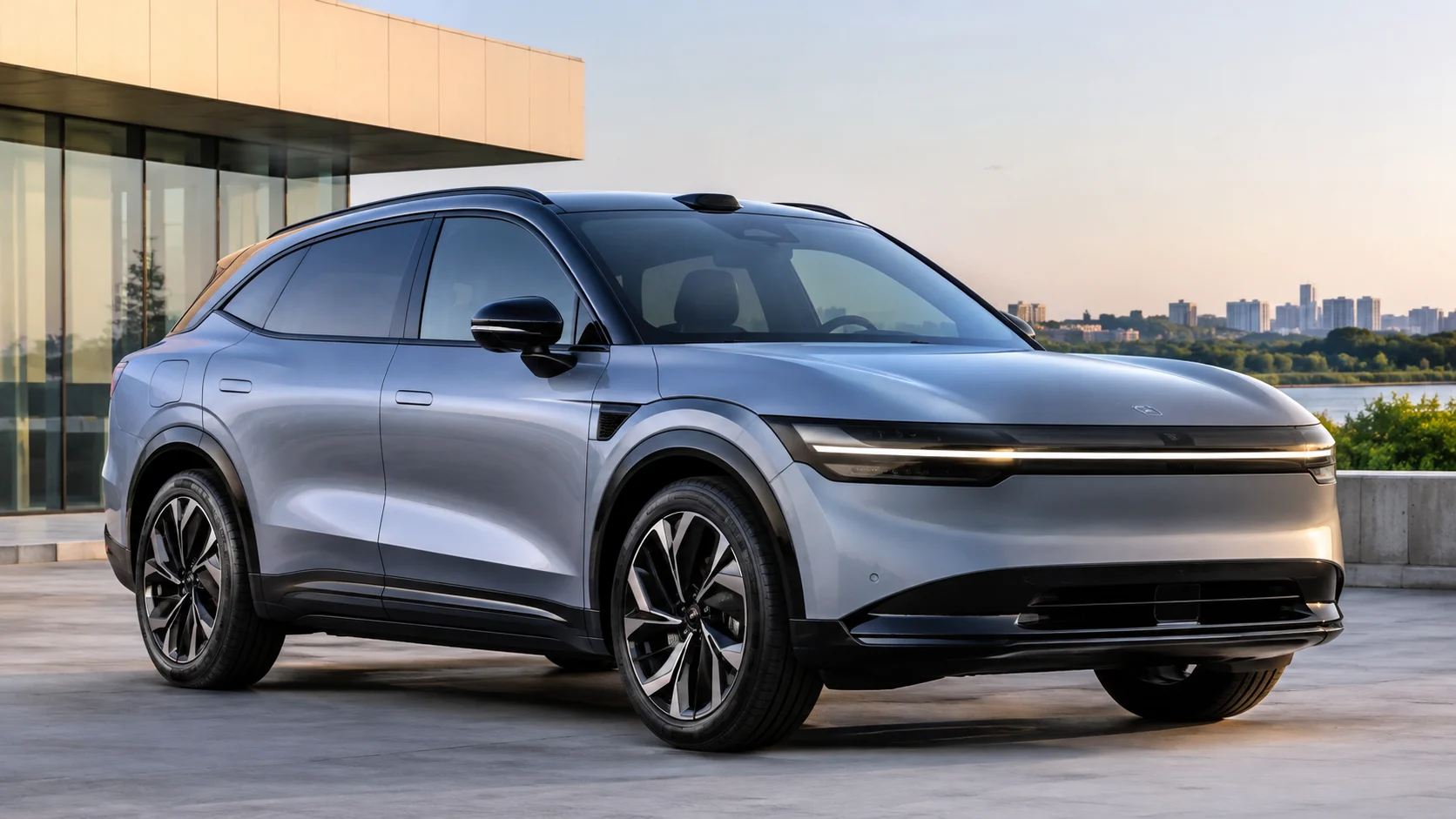
Chevrolet Blazer EV LT vs RS vs SS: Trim Differences
The 2027 Chevrolet Blazer EV is offered in three main trim levels: LT, RS, and SS.
Each version serves a different type of buyer. The LT focuses on essential equipment and value, the RS adds distinctive styling and convenience features, and the SS prioritizes acceleration and performance.
1. Chevrolet Blazer EV LT
Entry-level trim
The LT is the starting point of the Blazer EV range. It provides the main electric powertrain technology without requiring buyers to pay for the more expensive styling and performance upgrades.
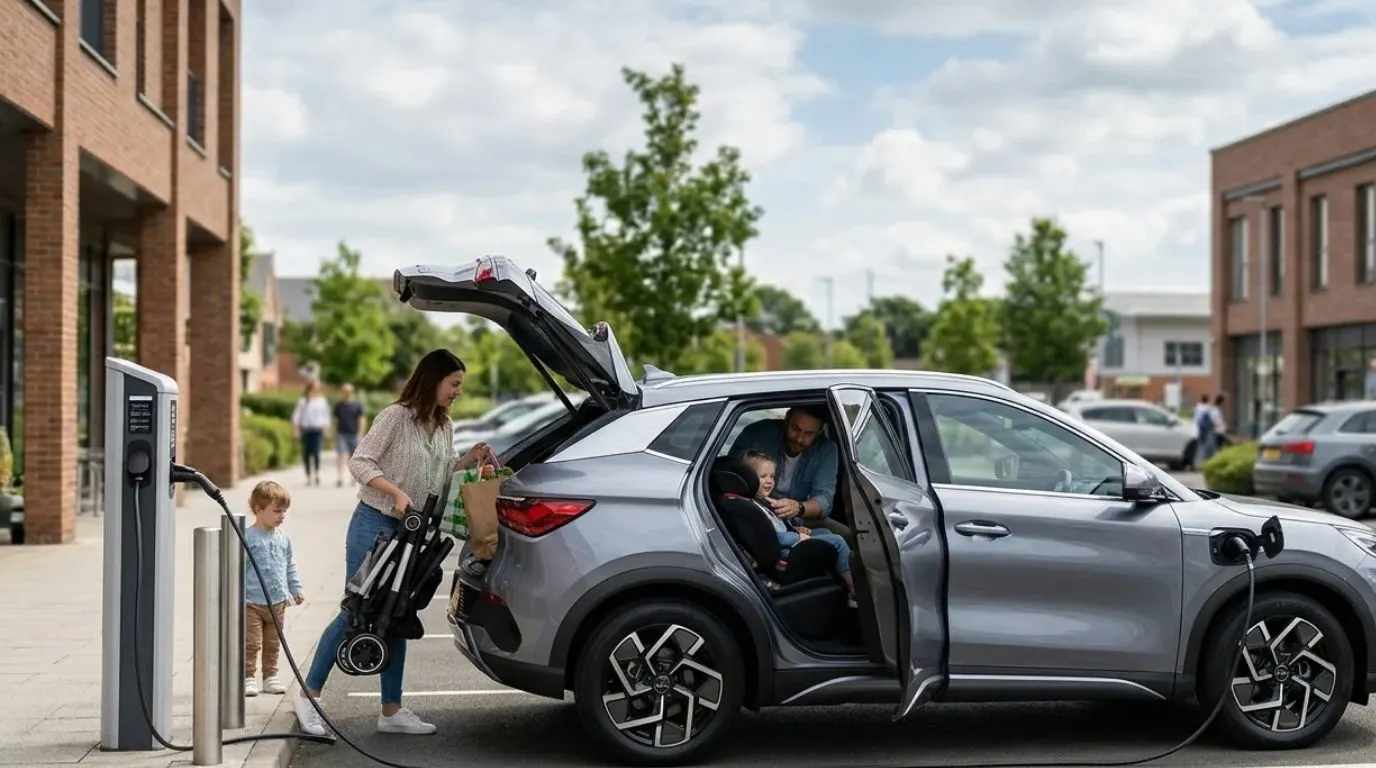
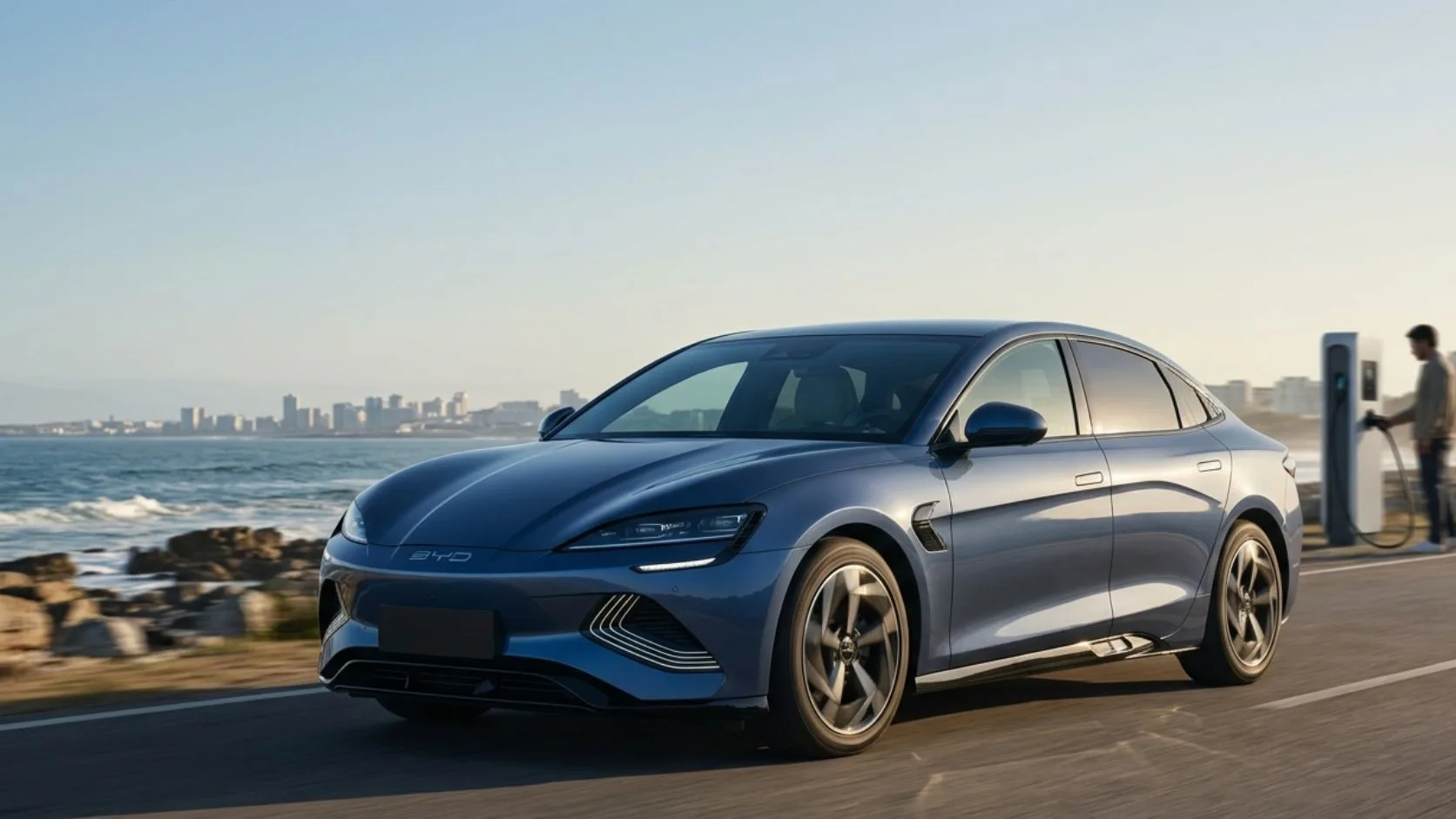
Buyers can choose between FWD and AWD configurations.
Key highlights include:
- 85-kWh battery
- Single-motor FWD or dual-motor AWD
- Up to 312 miles of EPA-estimated range with FWD
- Up to 283 miles with AWD
- 17.7-inch central touchscreen
- Google built-in compatibility
- Standard Dual Level Charge Cord
- NACS charging port
- Available Super Cruise hands-free driver assistance technology
The LT is a sensible starting point for buyers who want an electric midsize SUV with a competitive range and a practical equipment package.
2. Chevrolet Blazer EV RS
Style-focused trim
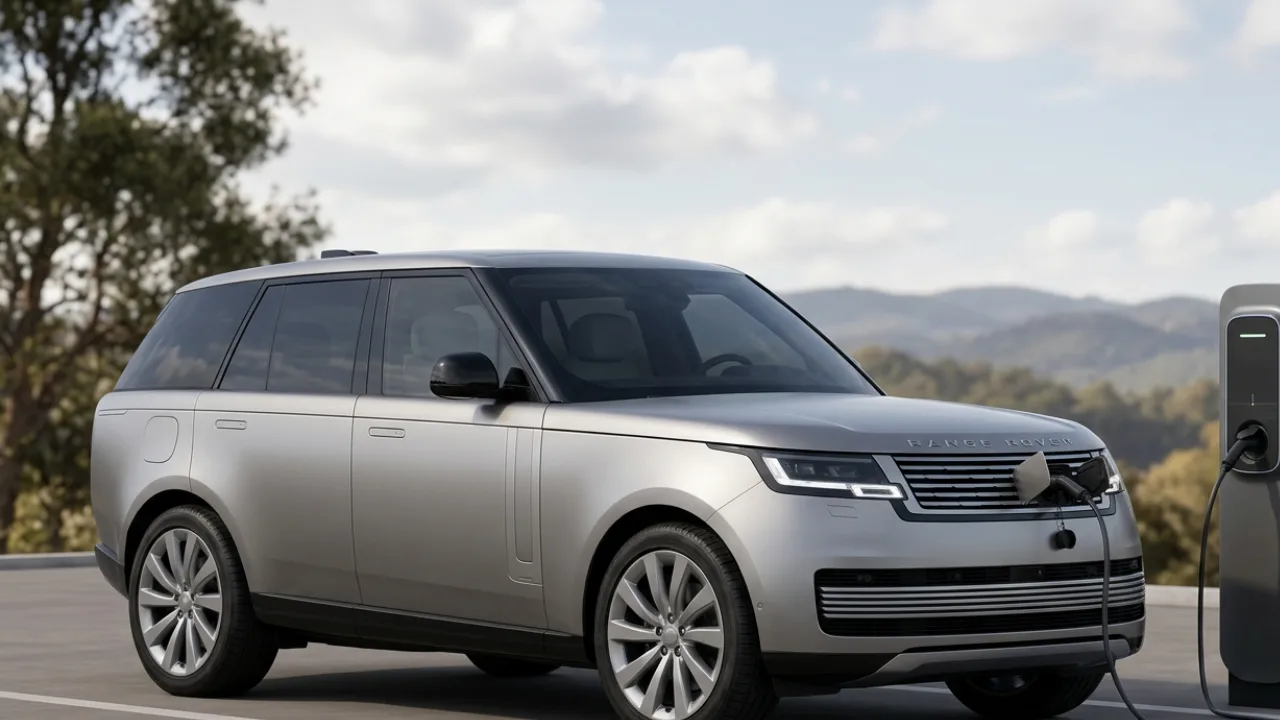
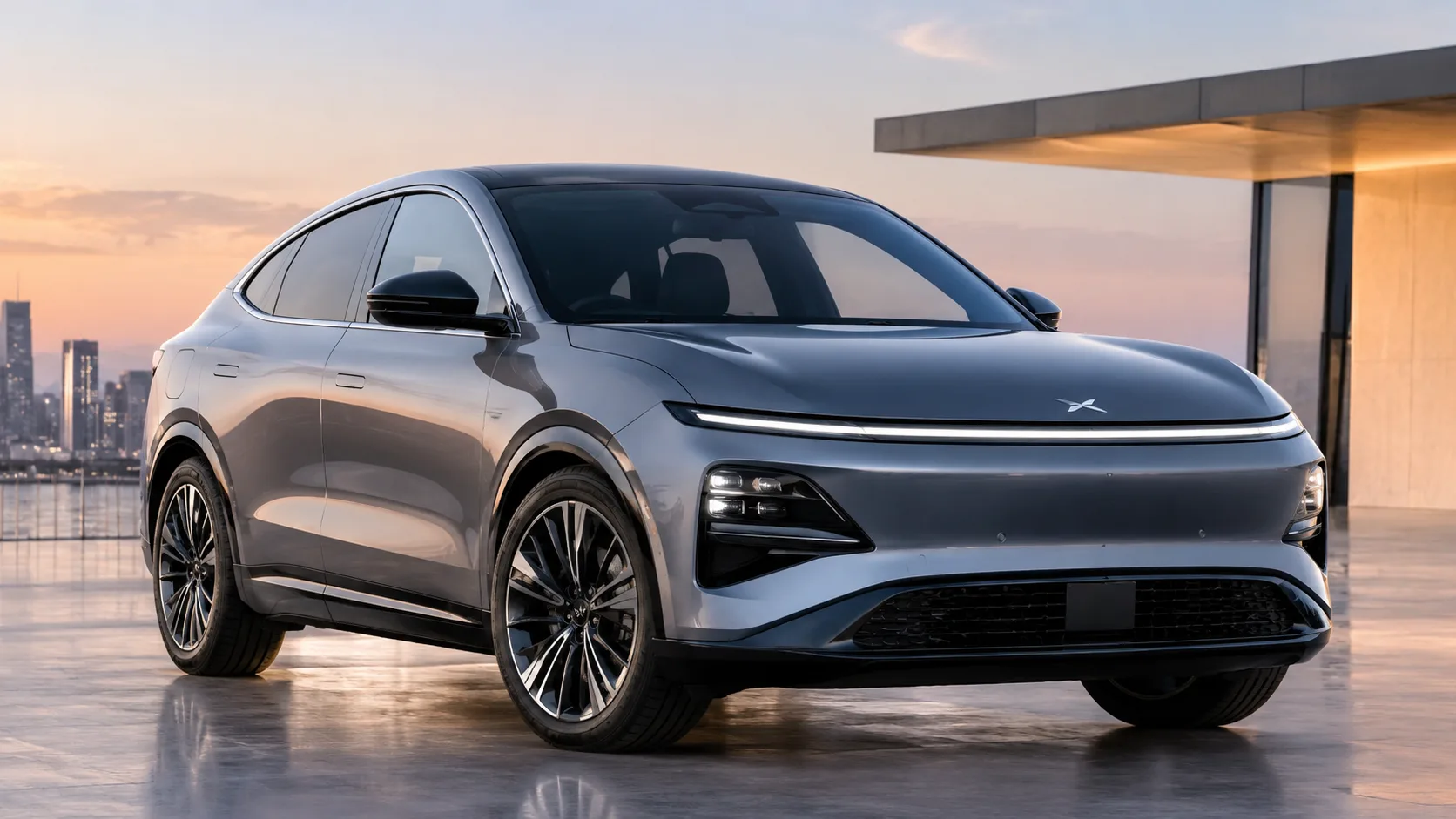
The RS builds on the LT equipment package with a sportier exterior appearance and additional interior features.
It is available with FWD and AWD, giving buyers a choice between maximum advertised range and additional traction.
Notable RS features include:
- 85-kWh battery
- FWD and AWD configurations
- Up to 312 miles of EPA-estimated range with FWD
- Up to 283 miles with AWD
- 21-inch wheels
- Two unique interior options
- Ambient interior lighting
- Black-painted grille panel
- Gloss Black rocker molding
- Illuminated front light bar and animated bowtie
- Available Super Cruise
- Available Head-Up Display
The RS is particularly interesting for buyers who want a more distinctive appearance without moving to the high-performance SS.

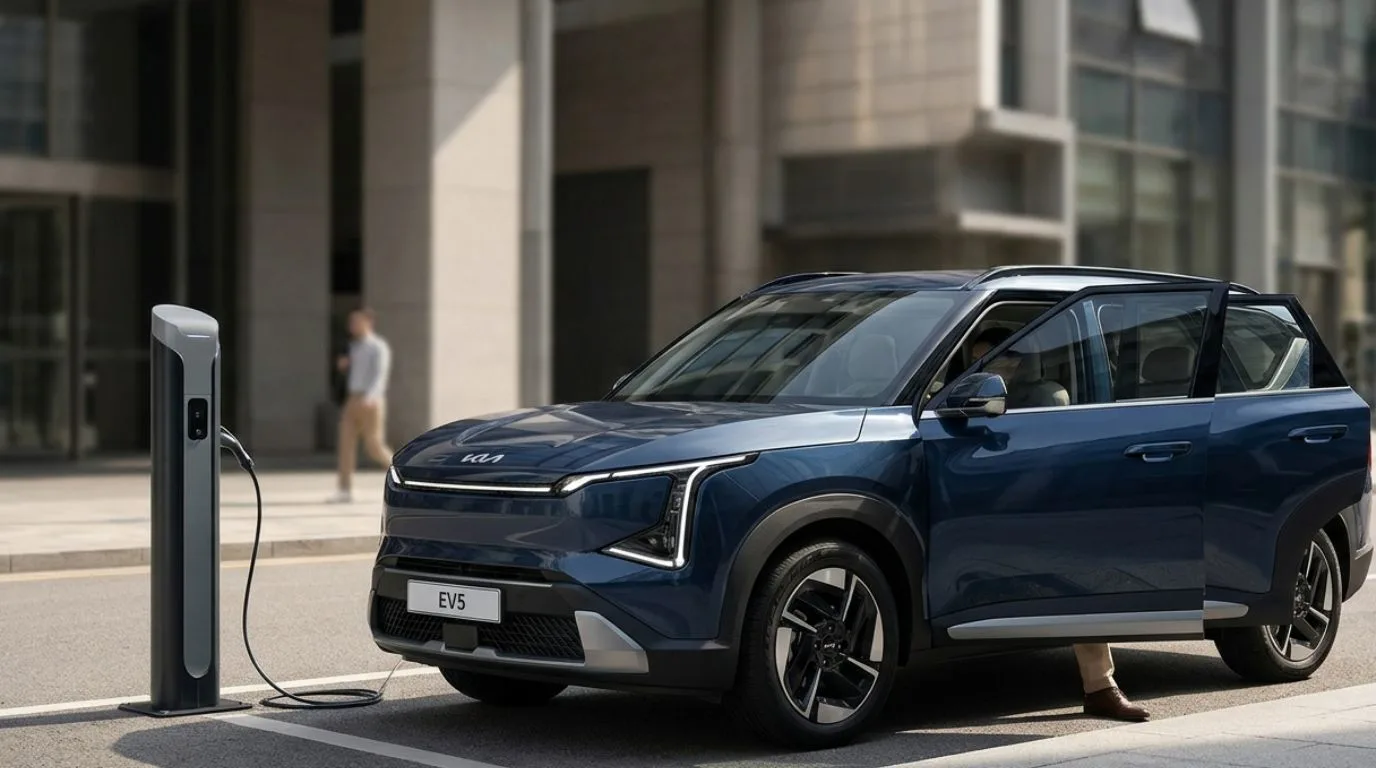
3. Chevrolet Blazer EV SS
Performance flagship
The SS sits at the top of the Blazer EV lineup. Unlike the LT and RS, it comes exclusively with a performance-oriented dual-motor AWD system.
Its larger battery and powerful electric motors make it the most performance-focused version.
Key features include:
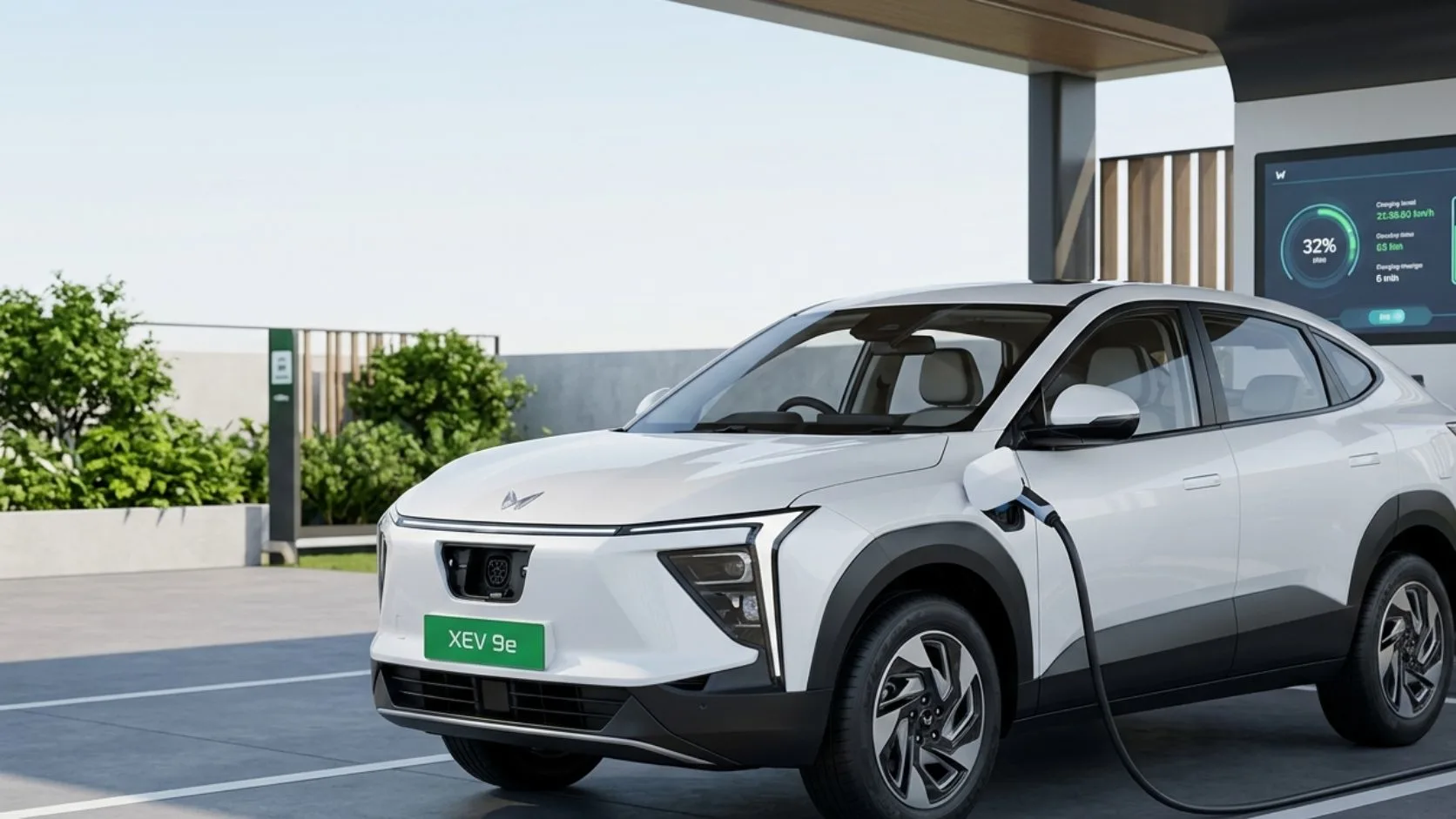
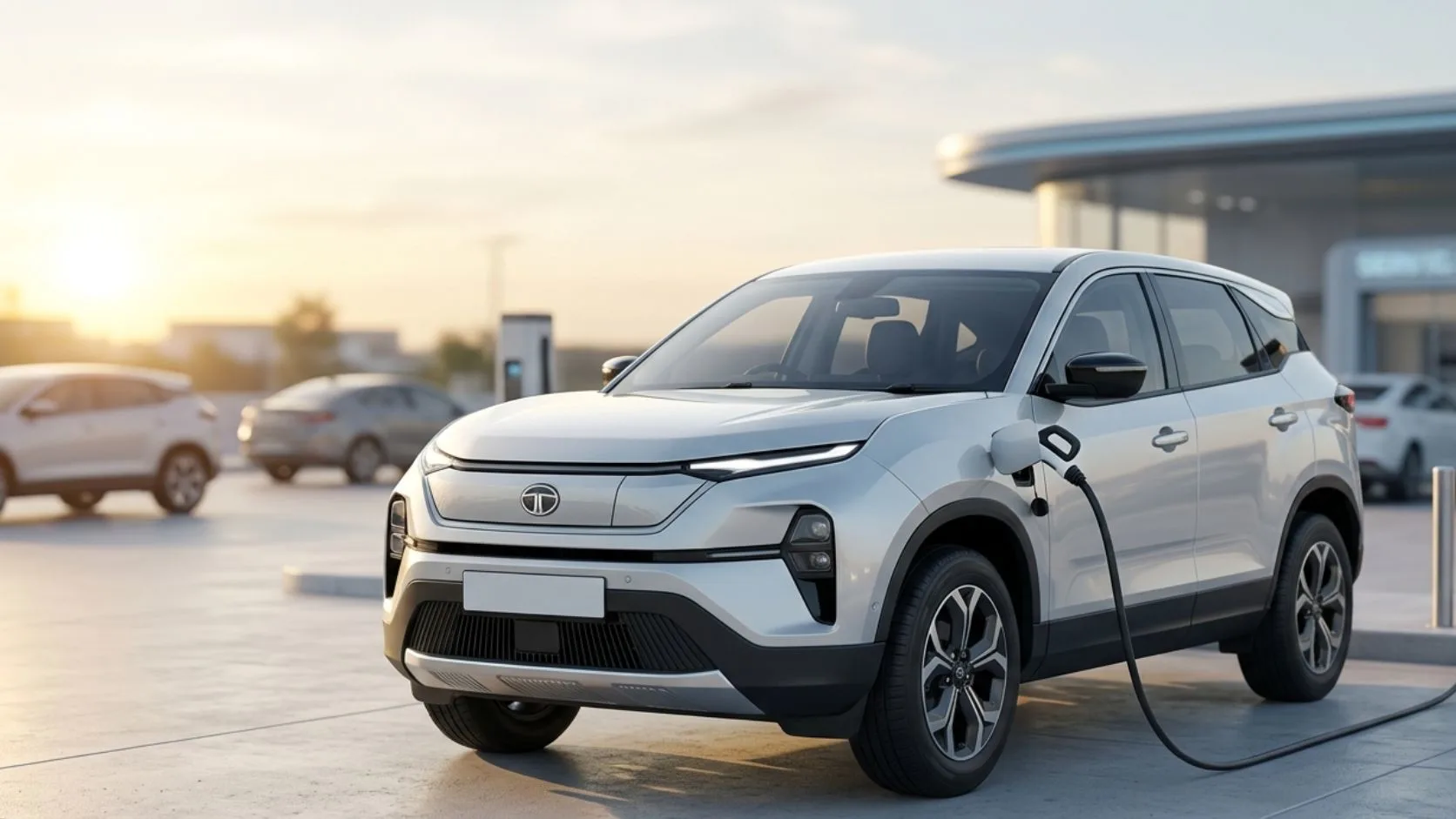
- 102-kWh battery
- Dual-motor AWD
- 615 horsepower in Wide Open Watts mode
- 650 lb-ft of torque in Wide Open Watts mode
- 302 miles of EPA-estimated range
- Up to 190 kW DC fast charging
- 22-inch gloss Black wheels
- Performance-focused exterior and interior details
- Standard Super Cruise with a three-year OnStar Super Cruise plan
The SS also features Wide Open Watts performance mode, which unlocks its headline power output. Chevrolet estimates a 0-to-60-mph time of 3.4 seconds.
It is the right part of the range to consider for buyers who prioritize acceleration, performance, and all-wheel-drive capability over obtaining the lowest purchase price.
Which Chevrolet Blazer EV Trim Should You Choose?
The three trims offer different advantages, so the best option depends on how the vehicle will be used.
| Buyer priority | Recommended configuration |
|---|---|
| Maximum advertised range | LT FWD |
| Range with additional styling | RS FWD |
| All-wheel-drive traction | LT AWD or RS AWD |
| Sportier appearance | RS |
| Maximum acceleration | SS AWD |
| Higher DC fast-charging capability | SS AWD |
| Lower entry price | LT |
The LT FWD makes the strongest case for efficiency and range. The RS is worth considering for buyers who want additional visual features and interior upgrades.

The SS is a different proposition. Its substantially higher performance and larger battery make it more appealing to enthusiasts who want a powerful electric SUV.
A buyer who mainly commutes, charges at home, and rarely needs high-performance acceleration may not benefit enough from the SS to justify its higher cost.
Interior, Technology and Practicality
Beyond its battery and powertrain options, the Blazer EV offers a technology-focused cabin designed for everyday use.
Infotainment and connectivity
A 17.7-inch central touchscreen is standard across the 2027 lineup. It uses Google built-in compatibility, providing access to supported Google services and connected features.
The digital interface gives drivers access to navigation, entertainment, vehicle settings, and other functions.
Available technology includes:
- Google built-in
- Available Bose premium eight-speaker audio system
- Available Head-Up Display
- Available Super Cruise
- myChevrolet app connectivity
- Over-the-air software capabilities where supported
The availability of certain connected services can depend on subscriptions, equipment, and market conditions.
Interior space and cargo capacity
The Blazer EV accommodates up to five passengers. Its SUV body style provides a practical cabin layout, with a rear seating area and folding rear seats for additional cargo flexibility.
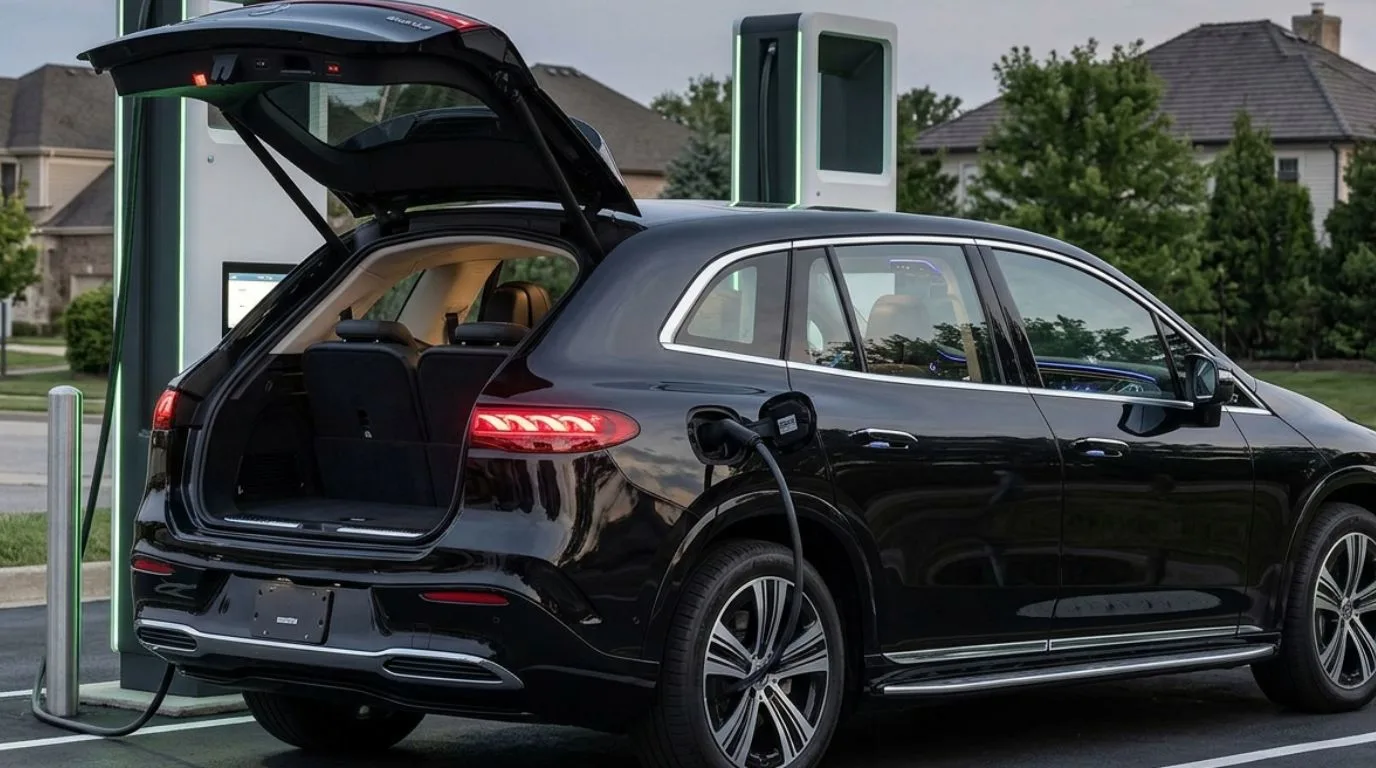
Chevrolet lists maximum cargo capacity of 59.1 cubic feet with the rear seats folded.
This makes the vehicle suitable for everyday shopping, luggage, and weekend travel, although actual usable space depends on how the cargo is arranged.
Is the Chevrolet Blazer EV Available Outside the United States?
The specifications discussed in this article refer to the U.S.-market 2027 Chevrolet Blazer EV.
Electric vehicle specifications, charging standards, equipment, and availability can differ between countries. The NACS charging arrangement discussed above is specifically relevant to North America.

Buyers in other markets should not assume that the same LT, RS, and SS configurations, battery options, or EPA range figures apply locally.
The EPA range figures are also not directly interchangeable with WLTP or other regional testing standards.
For Indian buyers, the U.S. specifications should not be treated as confirmed Indian-market specifications or evidence of a local launch. Chevrolet’s regional availability and authorized sales information should be checked before considering an import or purchase.
What Buyers Should Know Before Choosing the Blazer EV
There are several practical considerations beyond the advertised driving range and maximum charging power.
1. FWD offers the longest advertised range. The LT and RS FWD versions reach up to 312 miles under EPA testing, making them attractive for buyers who prioritize efficiency.
2. AWD reduces the advertised range. The additional motor provides more traction and power, but the LT and RS AWD versions are rated for 283 miles.
3. The SS is designed around performance. Its 615-hp output in WOW mode and 190-kW maximum DC fast-charging capability distinguish it from the regular models.
4. Home charging can make ownership easier. A properly installed Level 2 charger provides a more convenient daily charging solution than relying on public stations.
5. Charging infrastructure matters. Access to compatible NACS charging stations expands public charging options in North America, but station availability still varies by location.
6. Real-world range will vary. Weather, highway speeds, driving style, battery temperature, and accessory use can reduce the distance available compared with EPA estimates.
Final Thoughts
The Chevrolet Blazer EV offers three distinct approaches to electric SUV ownership. The LT focuses on value and everyday usability, the RS adds sportier styling and additional equipment, and the SS delivers substantially greater performance.
Its two battery options also create a meaningful difference between the regular models and the performance flagship. The 85-kWh battery provides up to 312 miles of EPA-estimated range in FWD configuration, while the SS combines a 102-kWh battery with 615 horsepower in Wide Open Watts mode.
Charging capability is another important distinction. The LT and RS support up to 150 kW DC fast charging, while the SS increases that figure to 190 kW.
For most buyers, the LT FWD or RS FWD deserves consideration because of its longer advertised range. The AWD versions make more sense for those who value additional traction, while the SS is aimed at drivers who want high-performance electric SUV capability.
The Blazer EV is therefore not simply one electric SUV with three equipment levels. Its drivetrain and battery choices create noticeably different ownership propositions, making configuration selection just as important as choosing a trim.
Frequently Asked Questions
1. What is the range of the 2027 Chevrolet Blazer EV?
The 2027 Chevrolet Blazer EV offers up to 312 miles of EPA-estimated range with FWD LT and RS configurations. AWD LT and RS models are rated for 283 miles, while the SS AWD has an estimated range of 302 miles.
2. How many battery options does the Chevrolet Blazer EV offer?
The U.S.-market 2027 lineup offers two battery capacities. The LT and RS use an 85-kWh battery, while the performance-oriented SS uses a larger 102-kWh battery.
3. How fast can the Chevrolet Blazer EV charge?
The LT and RS support up to 150 kW DC fast charging. The SS supports up to 190 kW. Actual charging speeds depend on battery temperature, state of charge, and charging-station capability.
4. Does the Chevrolet Blazer EV support Tesla Superchargers?
The 2027 U.S.-market Blazer EV features a standard NACS charging port, providing access to compatible Tesla Supercharger locations in North America.
5. Which Chevrolet Blazer EV trim has the longest range?
The LT FWD and RS FWD offer the highest EPA-estimated range in the 2027 lineup, at up to 312 miles.
6. How much horsepower does the Chevrolet Blazer EV SS produce?
The Blazer EV SS produces up to 615 horsepower and 650 lb-ft of torque when Wide Open Watts performance mode is activated.
7. Is the Chevrolet Blazer EV available with all-wheel drive?
Yes. The LT and RS offer FWD and AWD configurations, while the SS comes with a performance-oriented dual-motor AWD system.
8. Does the Chevrolet Blazer EV support home charging?
Yes. It supports Level 1 charging through a 120-volt household outlet and Level 2 charging through a compatible 240-volt supply. Its onboard AC charging capability is rated at 11.5 kW.
9. Is the Chevrolet Blazer EV coming to India?
The specifications covered here are for the U.S.-market model. These details do not establish an official Indian launch, and an Indian-market launch date or specification should not be assumed without confirmation from Chevrolet.
10. Which Chevrolet Blazer EV trim is best for everyday use?
The LT FWD is a practical choice for buyers prioritizing range and value. The RS FWD adds styling and equipment, while the AWD versions offer additional traction. The SS is better suited to buyers who prioritize high performance.