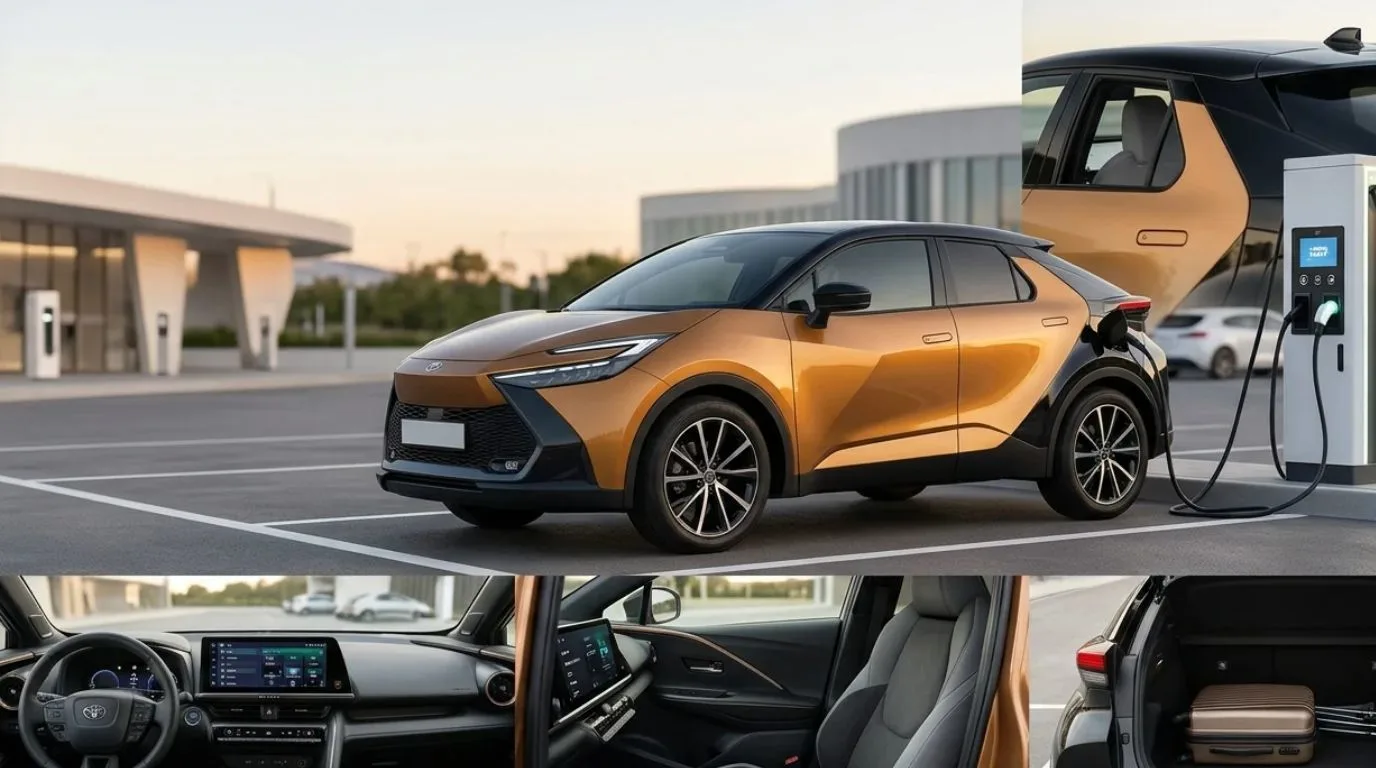
The 2026 Toyota C-HR+ is an all-electric compact SUV designed for buyers who want distinctive styling, practical cabin space and the convenience of battery-powered driving. Unlike the conventional Toyota C-HR, which is offered with hybrid powertrains in several markets, the C-HR+ is built specifically as a battery electric vehicle (BEV).
Toyota offers the C-HR+ with two battery options, front-wheel drive and all-wheel drive configurations in Europe. Depending on the version and wheel size, its official WLTP driving range reaches up to 607 km (approximately 377 miles). The electric SUV also supports DC fast charging at up to 150 kW, while selected versions offer a 22 kW onboard AC charger.
The C-HR+ combines Toyota’s e-TNGA electric vehicle platform with a coupe-inspired exterior, a five-seat cabin, a 14-inch multimedia touchscreen and Toyota Safety Sense technology. Its combination of range, charging capability and everyday practicality makes it an important addition to Toyota’s expanding European electric vehicle lineup.
Here is a detailed look at the 2026 Toyota C-HR+’s battery, electric range, charging performance, interior technology, specifications and market availability.

2026 Toyota C-HR+: Key Specifications
The Toyota C-HR+ is available in multiple configurations, with the battery, power output and driving range changing according to the selected drivetrain.
| Specification | 57.7 kWh FWD | 77 kWh FWD | 77 kWh AWD |
|---|---|---|---|
| Battery capacity (gross) | 57.7 kWh | 77 kWh | 77 kWh |
| Motor configuration | Single motor | Single motor | Dual motor |
| Maximum power | 167 hp | 224 hp | 343 hp |
| Maximum torque | 268.6 Nm | 268.6 Nm | Market specification dependent |
| Drive type | FWD | FWD | AWD |
| Maximum WLTP range | 458 km | 607 km | 548 km |
| Maximum DC charging | 150 kW | 150 kW | 150 kW |
| 10–80% DC charging time | 28 minutes | 28 minutes | 28 minutes |
These are European-market specifications. The maximum range figures depend on equipment and wheel size, and the AWD model’s range can also vary between grades.
Toyota C-HR+ Battery Options and Electric Powertrain
Toyota offers two lithium-ion battery options for the C-HR+: a 57.7 kWh battery and a larger 77 kWh battery. Both are designed to provide a balance between energy efficiency, driving range and charging convenience.
The smaller battery is reserved for front-wheel-drive versions, while the larger battery is available with both front-wheel drive and all-wheel drive.


57.7 kWh Battery
The entry-level battery configuration produces 167 DIN hp (123 kW) through a single electric motor driving the front wheels.
It provides a maximum WLTP range of 458 km. This version is aimed at buyers who want an electric SUV for regular commuting and everyday driving without paying for the larger battery configuration.
77 kWh Battery
The larger battery provides two drivetrain choices.
The front-wheel-drive version produces 224 DIN hp (165 kW) and offers the longest range in the C-HR+ lineup, reaching up to 607 km WLTP with 18-inch wheels.
The all-wheel-drive version uses two electric motors, one on each axle, producing a combined 343 DIN hp (252 kW).
This configuration accelerates from 0 to 100 km/h in 5.2 seconds and offers a maximum WLTP range of 548 km with the specified 18-inch wheel configuration.
The AWD version is particularly relevant for drivers who want stronger acceleration and additional traction in slippery conditions.
Toyota C-HR+ Electric Range: How Far Can It Travel?
The maximum official range of the Toyota C-HR+ is 607 km under the WLTP testing cycle.
However, not every version achieves this figure.
| Battery and Drivetrain | Wheel Configuration | Maximum WLTP Range |
|---|---|---|
| 57.7 kWh FWD | 18-inch | 458 km |
| 77 kWh FWD | 18-inch | 607 km |
| 77 kWh FWD | 20-inch | 560 km |
| 77 kWh AWD Mid+ | 18-inch | 548 km |
| 77 kWh AWD Mid+ | 20-inch | 511 km |
| 77 kWh AWD High | 20-inch | 507 km |
These figures demonstrate how wheel selection and drivetrain affect electric range. Larger wheels can increase energy consumption, reducing the distance available from the same battery capacity.
What Is the Real-World Range?
The official WLTP range provides a useful comparison between different electric vehicles, but actual driving distances can be lower.
Several factors influence the C-HR+’s everyday efficiency:
- Highway speed and acceleration.
- Outside temperature.
- Heating and air-conditioning usage.
- Road gradients and driving conditions.
- Passenger and luggage weight.
- Tire pressure and wheel configuration.
Cold weather can be particularly challenging for electric vehicles because the battery and cabin heating systems require additional energy.
Toyota addresses some of these conditions through battery temperature management and a standard heat pump.
However, buyers should use the WLTP figure as a comparison benchmark rather than a guaranteed everyday driving distance.
Toyota C-HR+ Charging Speed and Charging Time
Charging performance is an important part of the C-HR+’s electric vehicle package.
Toyota provides up to 150 kW DC fast charging across the European lineup. This allows the battery to recharge relatively quickly at compatible public charging stations.
The vehicle also comes with an onboard AC charger, with capacity depending on the selected grade.
DC Fast Charging
The C-HR+ supports DC charging at up to 150 kW.
Toyota quotes approximately 28 minutes for a 10–80% charge under its stated test conditions at 20°C.


| Charging Method | Maximum Power | 10–80% Charging Time |
|---|---|---|
| DC fast charging | 150 kW | 28 minutes |
| AC charging | 11 kW | 4 hours 48 minutes |
| AC charging | 22 kW | 2 hours 12 minutes |
The 22 kW AC charger is available on the High grade, while the 11 kW unit is standard equipment.
Actual charging times depend on the charging station, battery temperature, electricity supply and starting state of charge.
Battery Preconditioning
Battery preconditioning is another useful feature.
An electric vehicle battery performs best within a suitable temperature range. When the battery is too cold, charging power can be reduced to protect its condition.
The C-HR+ can prepare its battery for DC fast charging by heating it before reaching a charging station.
Drivers can activate this function manually, schedule it in advance or allow the navigation system to trigger it when routing to a compatible charging location.
Toyota targets a 10–80% DC charging time below 30 minutes in temperatures as low as -10°C when preconditioning is used.
This technology is especially useful for electric SUV owners who regularly drive in colder European climates.
Home Charging
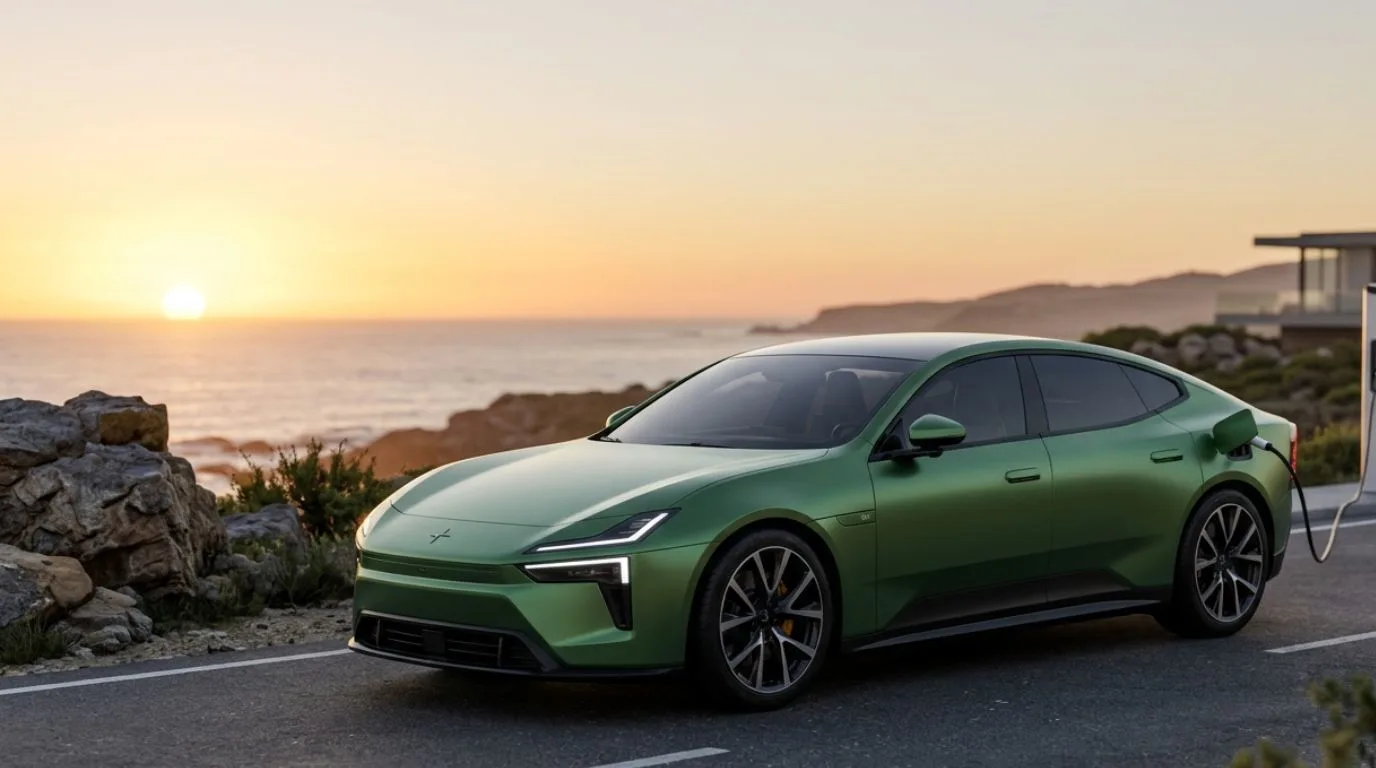
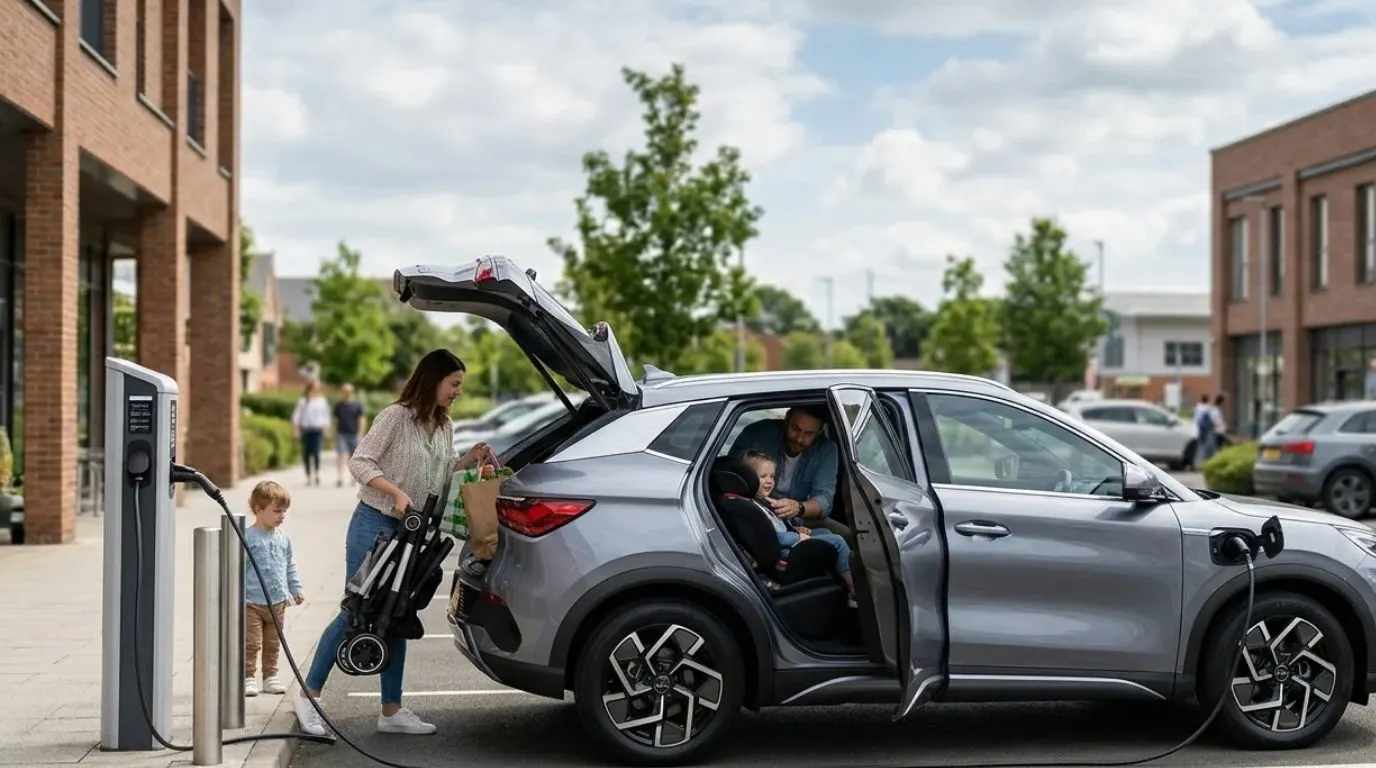
For everyday ownership, home charging can be more convenient than visiting public charging stations.
Owners with a suitable home charging installation can recharge the vehicle while it is parked overnight.
The 11 kW onboard charger is suitable for compatible three-phase AC charging installations, while the 22 kW option can make use of higher-capacity AC charging equipment.
However, installing a 22 kW charger does not automatically mean every home can supply that power. The property’s electrical connection and charger installation must support it.
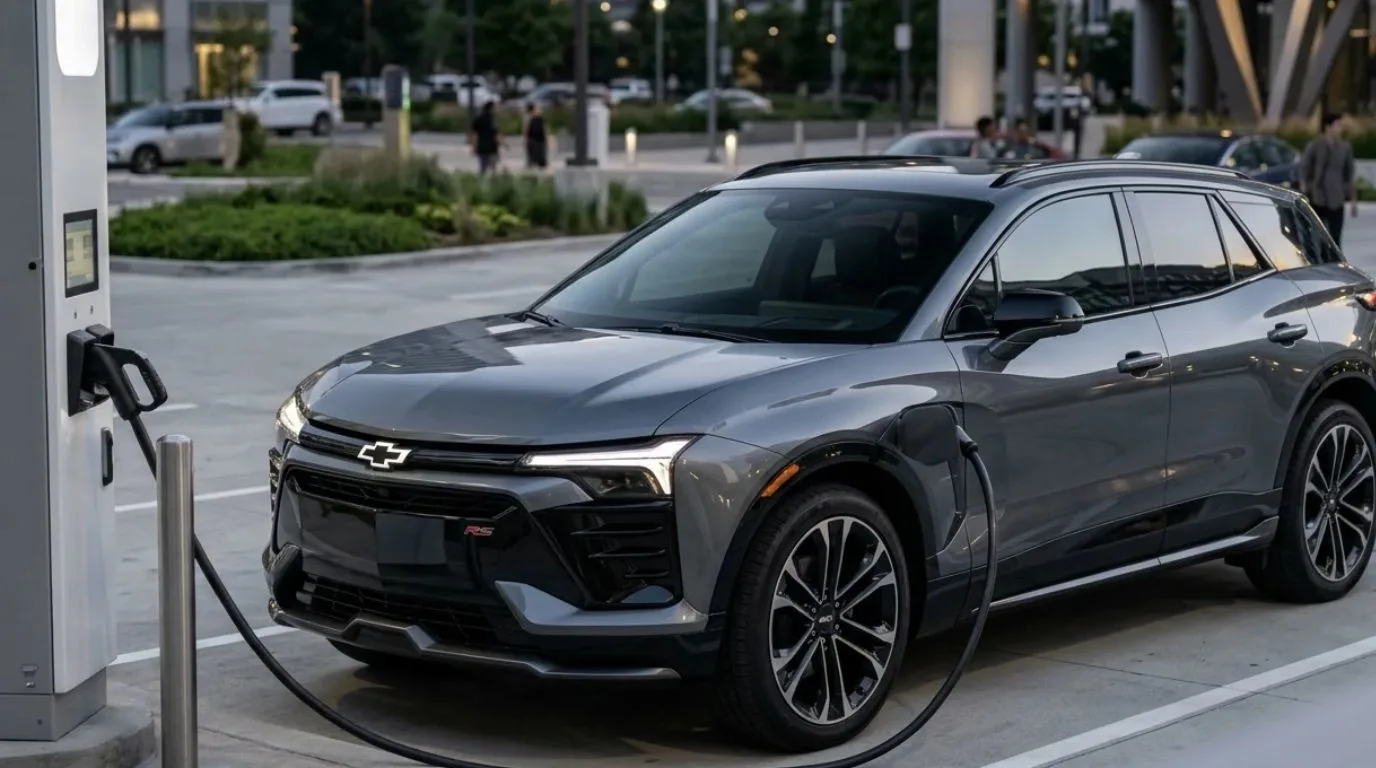
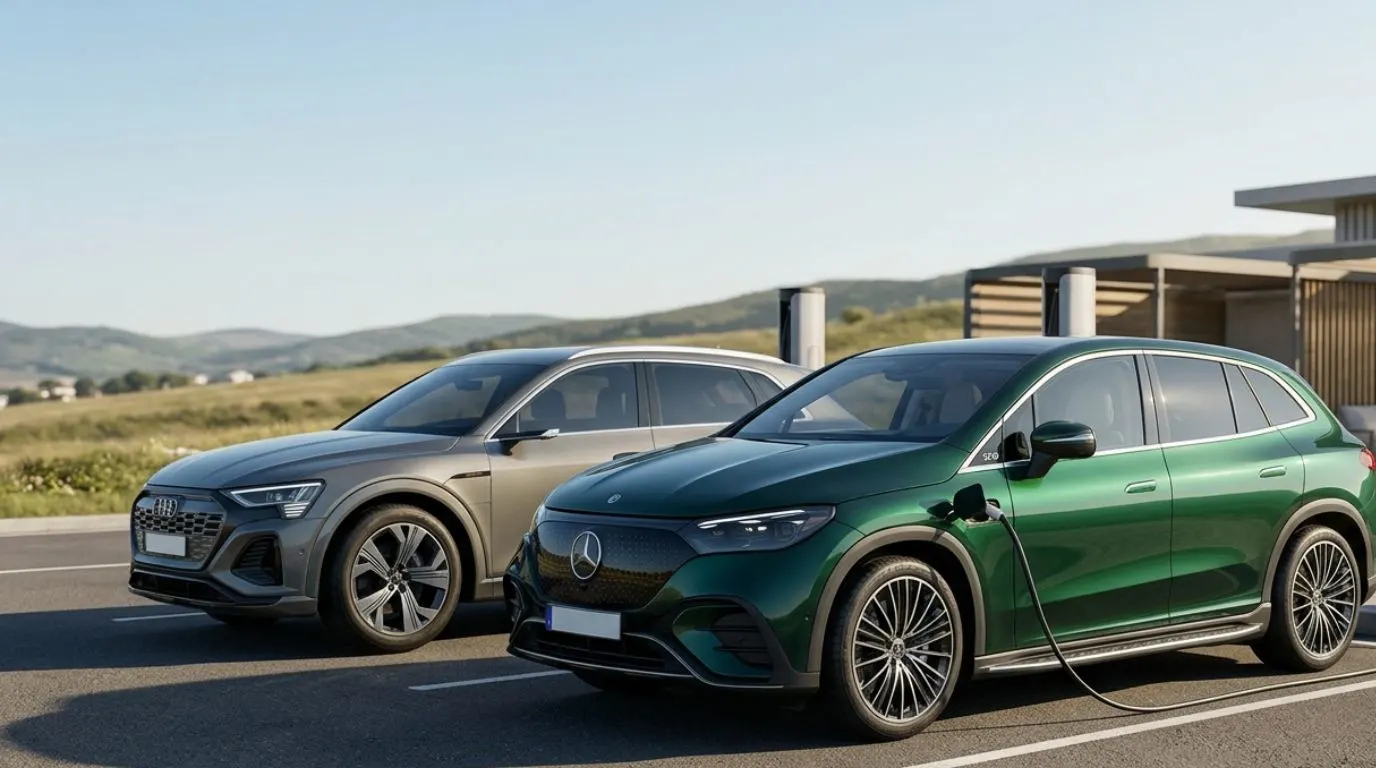
For buyers without private parking, access to public AC and DC charging infrastructure becomes more important.
Toyota C-HR+ Interior and Cabin Features
The Toyota C-HR+ has a five-seat interior designed around a combination of digital technology, passenger comfort and everyday practicality.
Its dedicated electric platform provides a relatively long wheelbase, helping create additional cabin space compared with the conventional hybrid C-HR.
The dashboard uses a horizontal layout, with a large central touchscreen and a separate digital instrument display for the driver.
Toyota also retains physical controls for frequently used functions, which can make everyday operation more straightforward.
14-Inch Multimedia Touchscreen
The 14-inch multimedia touchscreen is the central part of the infotainment system.
It provides access to vehicle information, entertainment functions and connected navigation services.
Depending on the market and grade, the system supports features including:
- Cloud-based navigation.
- Wireless Apple CarPlay.
- Connected vehicle services.
- Smart voice assistance.
- Smartphone integration.
- Vehicle information and settings.
The availability of connected services can depend on regional subscriptions and smartphone compatibility.
7-Inch Digital Instrument Display
The driver receives a separate 7-inch digital combimeter.
It displays important information such as:
- Vehicle speed.
- Battery charge level.
- Remaining driving range.
- Energy consumption.
- Regenerative braking information.
- Navigation instructions.
Its positioning is intended to keep essential information within the driver’s normal line of sight.
Interior Materials and Ambient Lighting
Toyota uses different seat materials depending on the selected grade.
These include fabric, synthetic leather and suede-like upholstery, with some materials incorporating recycled PET content.
The cabin also features ambient lighting with 64 selectable colors.
A panoramic roof is available as an option on selected versions, allowing additional natural light into the passenger compartment.


Toyota C-HR+ Passenger Comfort and Interior Space
Although its exterior has a coupe-inspired roofline, Toyota has designed the C-HR+ to retain useful headroom and passenger space.
The vehicle measures 4,530 mm in length and has a 2,750 mm wheelbase.
Its longer wheelbase helps provide additional room between the front and rear seating positions.
Rear passengers also benefit from dedicated air-conditioning controls and two USB-C charging ports with a combined output of 60 W.

The cabin is designed for five occupants, making it suitable for families and everyday passenger transport.
However, buyers should assess the rear-seat space in person, particularly if they regularly carry taller passengers or use child seats.
Boot Space and Practicality
The Toyota C-HR+ provides up to 416 litres of luggage capacity under the VDA measurement standard.
The boot includes a two-level deck board, allowing owners to adjust the luggage compartment layout according to their requirements.
The rear seats can be folded in a 60:40 arrangement to accommodate longer items.
A powered tailgate is standard on selected higher grades.
For a compact electric SUV, this combination of passenger space and luggage capacity makes the C-HR+ suitable for everyday family use.
Toyota C-HR+ Exterior Design and Aerodynamics
The C-HR+ uses Toyota’s hammerhead design language, which gives the front end a distinctive appearance.
Its grille-free electric vehicle styling is accompanied by slim LED headlights and sharply defined body surfaces.
The side profile features a coupe-inspired roofline, hidden rear door handles and sculpted bodywork.
At the rear, the design incorporates a roof spoiler, distinctive lighting and a shaped tailgate.
Toyota has also focused on aerodynamics to improve efficiency.
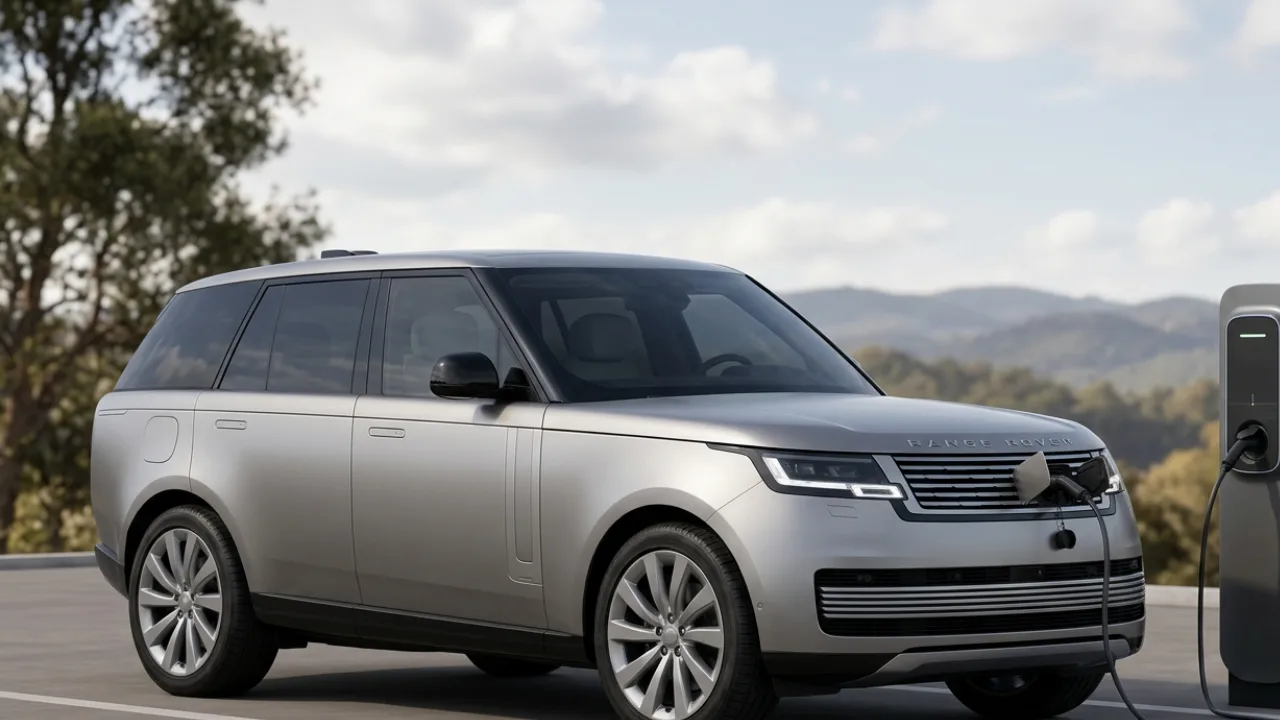
The C-HR+ has a claimed drag coefficient of 0.262, helping reduce aerodynamic resistance at higher driving speeds.
The underbody, front air management and wheel designs have all been developed to support efficient airflow.
Buyers can choose from several exterior colors, while selected grades offer contrasting black roof finishes.
Toyota C-HR+ Platform, Suspension and Driving Technology
The C-HR+ is built on Toyota’s eTNGA dedicated battery-electric platform.
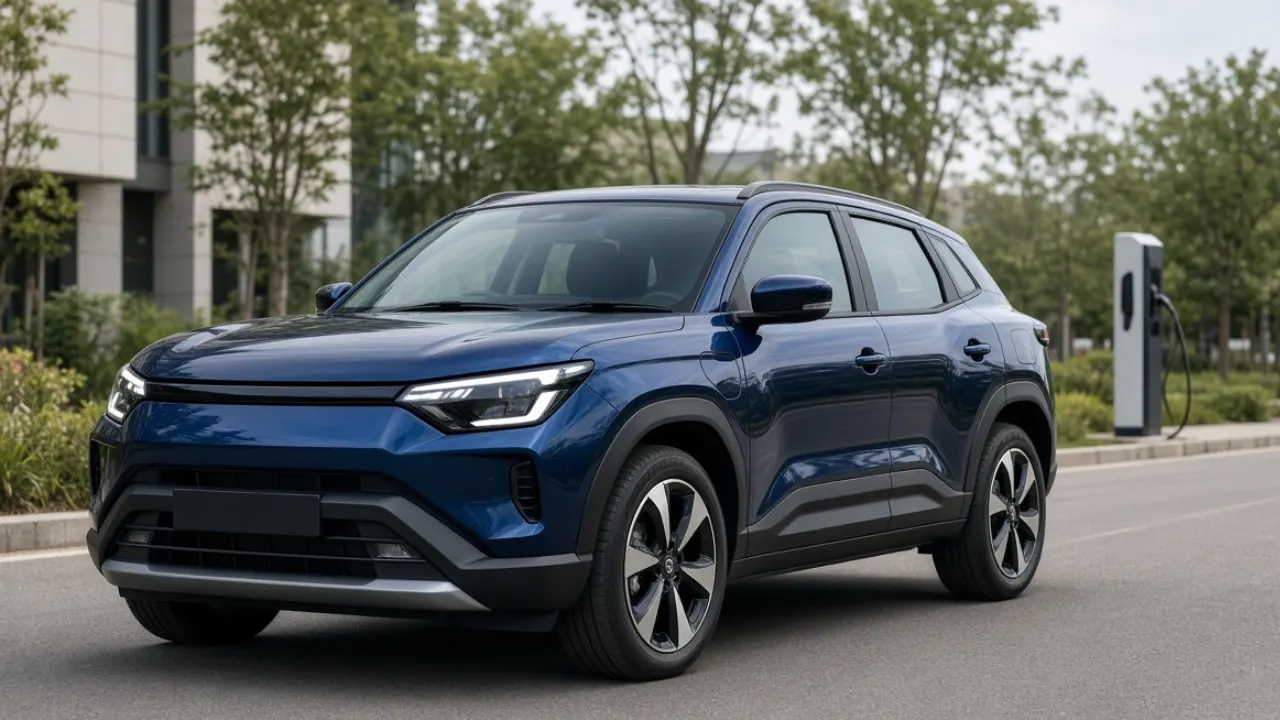
Unlike a conventional petrol or hybrid vehicle architecture, this platform has been developed specifically for battery electric vehicles.
The battery is positioned underneath the passenger compartment, helping lower the vehicle’s center of gravity.
This arrangement also contributes to body rigidity and interior packaging.
Suspension Setup
The suspension uses MacPherson struts at the front and a double-wishbone arrangement at the rear.


Toyota has developed specific suspension settings for the C-HR+, aiming to balance responsive handling with everyday ride comfort.
The electric power steering is also tuned to provide lighter steering at lower speeds and a more direct response at higher speeds.
Regenerative Braking
The C-HR+ offers four levels of regenerative braking controlled through steering-wheel paddle shifters.
Regenerative braking allows the electric motor to recover some energy when the driver slows down.
Instead of allowing all the vehicle’s kinetic energy to be lost as heat through conventional braking, the system converts part of that energy into electricity and sends it back to the battery.
The driver can select different levels depending on driving conditions and personal preference.
All-Wheel-Drive System
The 77 kWh AWD version uses two electric motors to drive both axles.
Toyota’s turning control system manages torque distribution between the front and rear wheels to support vehicle stability through corners and on slippery surfaces.
The AWD configuration also offers a braked towing capacity of up to 1,500 kg.
This makes it more suitable for buyers who need additional traction or towing capability than the front-wheel-drive versions.
The towing capacity of the FWD models is lower and varies by configuration.
Toyota C-HR+ Safety and Driver Assistance Features
The C-HR+ incorporates Toyota T-Mate and Toyota Safety Sense technologies.

These systems are designed to assist the driver in identifying potential hazards and managing certain driving situations.
Depending on grade and market, available equipment includes:
- Pre-Collision System.
- Blind Spot Monitor.
- Lane Departure Alert.
- Lane Trace Assist.
- Intelligent Adaptive Cruise Control.
- Road Sign Assist.
- Safe Exit Assist.
- Rear Cross Traffic Alert.
- Lane Change Assist.
- Front Cross Traffic Alert.
- Panoramic View Monitor.
Some functions are reserved for higher grades or specific regional equipment packages.
These systems are driver-assistance technologies rather than a replacement for driver attention and control.

Toyota also supports over-the-air updates for selected vehicle software and safety-related functions.
Toyota C-HR+ Price and Availability
The Toyota C-HR+ is primarily positioned as a European-market electric SUV.
Its launch timing and pricing differ by country.
Toyota C-HR+ UK Prices
Toyota UK announced the following on-the-road prices for the 2026 model lineup:
| UK Variant | Battery | Starting OTR Price |
|---|---|---|
| Icon | 57.7 kWh | £34,495 |
| Design | 77 kWh | £36,995 |
| Excel | 77 kWh | £40,995 |
These prices were announced in December 2025, with UK sales scheduled to begin on January 6, 2026, and customer deliveries starting in March 2026.
The prices are UK on-the-road figures and should not be treated as applicable to other European countries.
European Availability
Toyota confirmed that customer deliveries across Europe would begin in March 2026.
The European lineup includes three main grades:
- Mid.
- Mid+.
- High.
Equipment and powertrain combinations depend on the market.
Is the Toyota C-HR+ Coming to India or the United States?
The specifications and launch information discussed here relate primarily to Toyota’s European C-HR+ lineup.
The European announcement does not establish an Indian or US launch.
Buyers in India and the United States should not assume that the C-HR+ will be offered locally with the same battery options, specifications or equipment.
Toyota’s market-specific announcements remain the appropriate source for confirmation of local availability.
Toyota C-HR+ vs Conventional Toyota C-HR
The C-HR+ and conventional C-HR share a name and some design inspiration, but they serve different purposes.
| Feature | Toyota C-HR+ | Toyota C-HR Hybrid |
|---|---|---|
| Powertrain | Fully electric | Petrol-electric hybrid, depending on market |
| Battery | 57.7 kWh or 77 kWh | Hybrid battery |
| Charging | External AC and DC charging | No external charging for conventional hybrid |
| Platform | eTNGA | Conventional C-HR architecture |
| Driving | Electric only | Petrol and electric power |
| Main advantage | Zero-emission driving at the tailpipe | No need for external charging |
The C-HR+ is a separate electric model rather than simply an electric version of the conventional hybrid C-HR.
Toyota C-HR+: Advantages and Limitations
| Advantages | Limitations |
|---|---|
| Up to 607 km WLTP range | Actual range depends on driving conditions |
| Two battery options | Larger battery increases purchase cost |
| Up to 150 kW DC fast charging | Public charger availability varies |
| Optional 22 kW AC charging | Higher-capacity home installation may be required |
| Five-seat practical cabin | Coupe-inspired roofline may not suit every buyer |
| 14-inch multimedia display | Some features depend on grade |
| Available AWD with 343 hp | AWD versions have shorter range |
| Up to 1,500 kg AWD towing capacity | FWD versions have lower towing capacity |
Final Thoughts
The 2026 Toyota C-HR+ is an important step in Toyota’s European electric vehicle lineup. It combines a dedicated electric platform, two battery choices and multiple drivetrain configurations in a compact SUV package.
Its strongest specification is the 77 kWh front-wheel-drive version, which delivers up to 607 km of WLTP range. The 150 kW DC charging capability and optional 22 kW AC onboard charger also provide useful flexibility for different charging situations.
The AWD version offers a different appeal, with 343 hp, acceleration from 0–100 km/h in 5.2 seconds and a towing capacity of up to 1,500 kg.
Inside, the 14-inch touchscreen, digital instrument display, five-seat layout and 416-litre boot provide the practicality expected from a modern family SUV.
For buyers considering an electric Toyota, the C-HR+ deserves attention because it offers a choice between efficiency, longer driving range and stronger all-wheel-drive performance. However, its availability and specifications should always be checked against the relevant country’s lineup.
Frequently Asked Questions
1. What is the driving range of the 2026 Toyota C-HR+?
The Toyota C-HR+ offers a maximum WLTP range of 607 km with the 77 kWh front-wheel-drive battery configuration and specified 18-inch wheels.
2. What battery options are available in the Toyota C-HR+?
Toyota offers two lithium-ion battery options: 57.7 kWh and 77 kWh. The smaller battery is available with front-wheel drive, while the larger battery is offered with front-wheel drive and all-wheel drive.
3. How powerful is the Toyota C-HR+ AWD?
The 77 kWh AWD version produces a combined maximum output of 343 DIN hp (252 kW). It can accelerate from 0 to 100 km/h in 5.2 seconds.
4. How long does the Toyota C-HR+ take to charge?
Toyota quotes approximately 28 minutes for a 10–80% charge using a compatible 150 kW DC fast charger under specified conditions.
5. Does the Toyota C-HR+ support home charging?
Yes. The vehicle supports AC charging through an onboard charger. The standard capacity is 11 kW, while the High grade offers a 22 kW onboard charger.
6. Does the Toyota C-HR+ have all-wheel drive?
Yes. Toyota offers a dual-motor AWD configuration with the 77 kWh battery. It produces 343 hp and provides additional traction through both axles.
7. How much boot space does the Toyota C-HR+ offer?
The C-HR+ offers up to 416 litres of luggage capacity according to the VDA measurement standard. Its rear seats also fold in a 60:40 arrangement.
8. What infotainment system does the Toyota C-HR+ have?
The European model features a 14-inch multimedia touchscreen, connected navigation, wireless Apple CarPlay and a 7-inch digital driver display.
9. Is the Toyota C-HR+ different from the regular C-HR Hybrid?
Yes. The C-HR+ is a fully electric vehicle built on Toyota’s eTNGA platform. The conventional C-HR Hybrid uses a petrol-electric hybrid powertrain and does not require external charging.
10. Is the Toyota C-HR+ available in India?
The specifications and launch information covered in this article relate to the European market. An Indian launch should not be assumed without an official Toyota India announcement.
11. What is the price of the Toyota C-HR+ in the UK?
The announced UK on-the-road prices start at £34,495 for the Icon, £36,995 for the Design and £40,995 for the Excel.
12. Does the Toyota C-HR+ have a heat pump?
Yes. Toyota includes a heat pump as standard in the European lineup. It helps heat the cabin more efficiently and reduces the energy required from the battery in colder conditions.