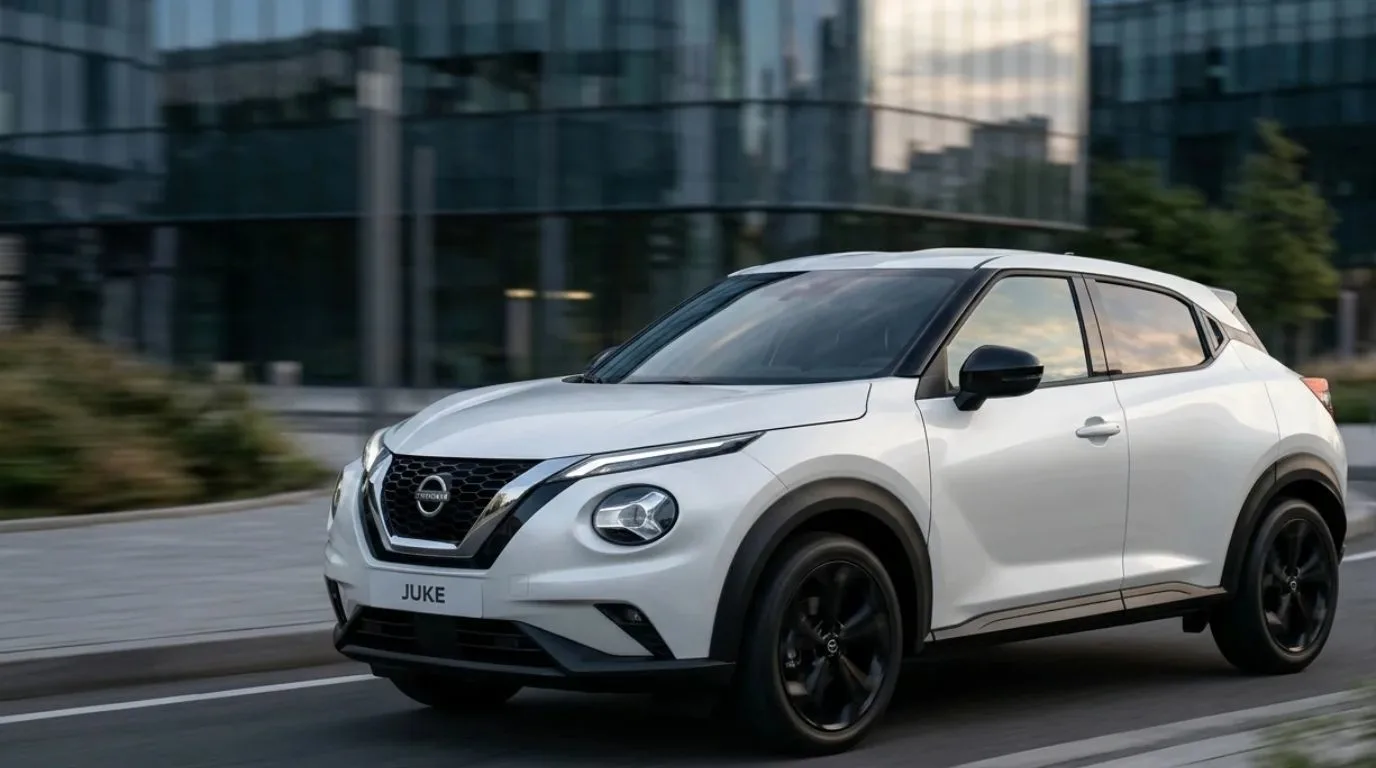
The 2026 Nissan Juke EV is the first fully electric version of Nissan’s distinctive compact crossover, bringing the familiar Juke nameplate into the electric vehicle segment. Nissan officially unveiled the third-generation Juke on April 14, 2026, confirming that the next-generation model will use an all-electric powertrain.
The announcement also clarified an important detail about its launch timeline: although the vehicle was revealed in 2026, its European market launch is scheduled for spring 2027.
The new Juke EV will be built at Nissan’s Sunderland manufacturing plant in the United Kingdom and will use the CMF-EV platform, which also underpins the Nissan Ariya and the newer-generation Leaf.
Its sharp exterior design, dedicated electric architecture and European manufacturing plans make it an important addition to Nissan’s future EV lineup. However, battery capacity, official driving range, motor output, charging speed and pricing have not yet been confirmed in the manufacturer’s published launch information.

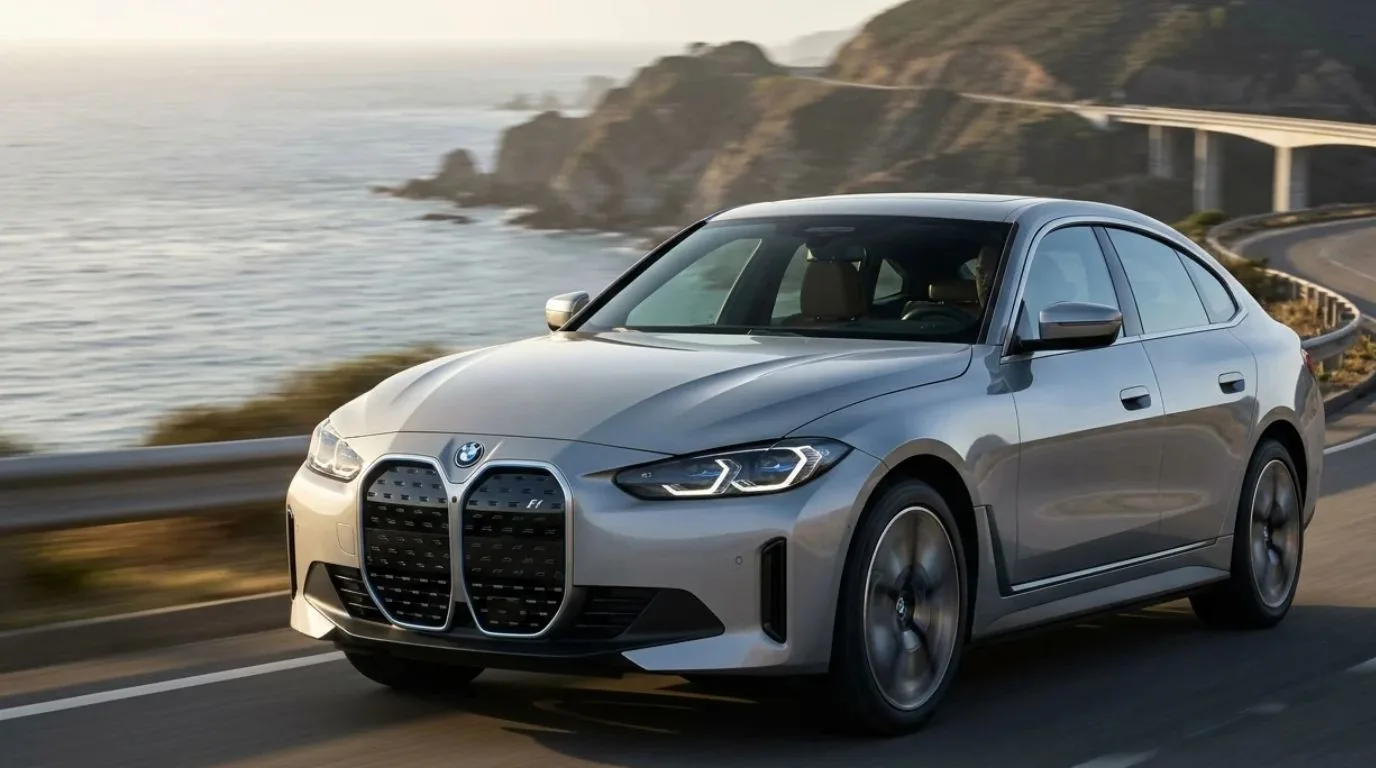
Here is what is officially known about the 2026 Nissan Juke EV, what its design suggests and what prospective buyers should understand before its expected arrival.
What Is the 2026 Nissan Juke EV?
The 2026 Nissan Juke EV is the third generation of Nissan’s compact crossover and the first version of the model to use a fully electric powertrain.
Unlike the previous Juke generations, which offered conventional petrol and hybrid powertrains, the new generation introduces a battery-electric configuration.
Nissan has positioned the electric Juke as a Europe-focused model within its broader electrification strategy.
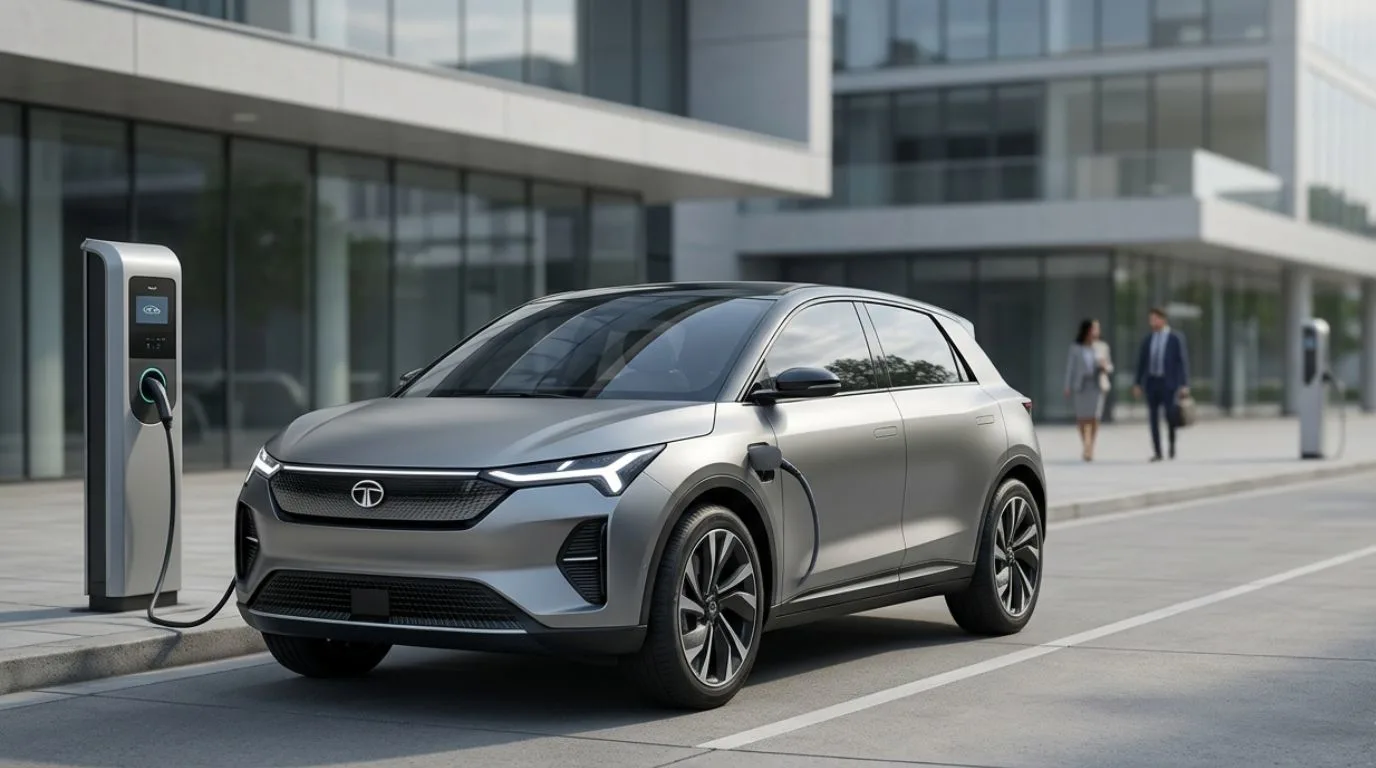
The vehicle will join the company’s growing European electric lineup, which includes the Nissan Leaf, Ariya and electric Micra.
An important distinction is that the electric Juke does not immediately replace every existing Juke version. Nissan has indicated that its Juke hybrid will remain part of the wider electrified lineup, giving customers a choice between a conventional hybrid system and a fully electric vehicle.
2026 Nissan Juke EV Design: What Has Nissan Revealed?
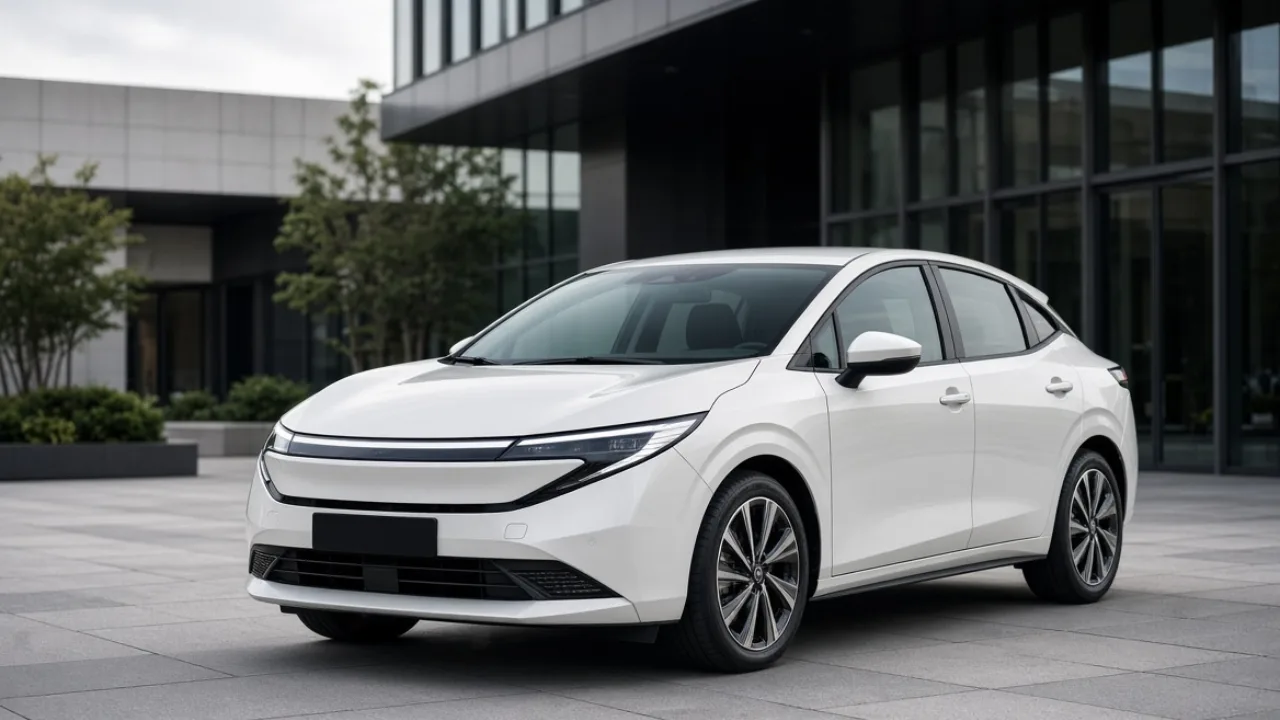
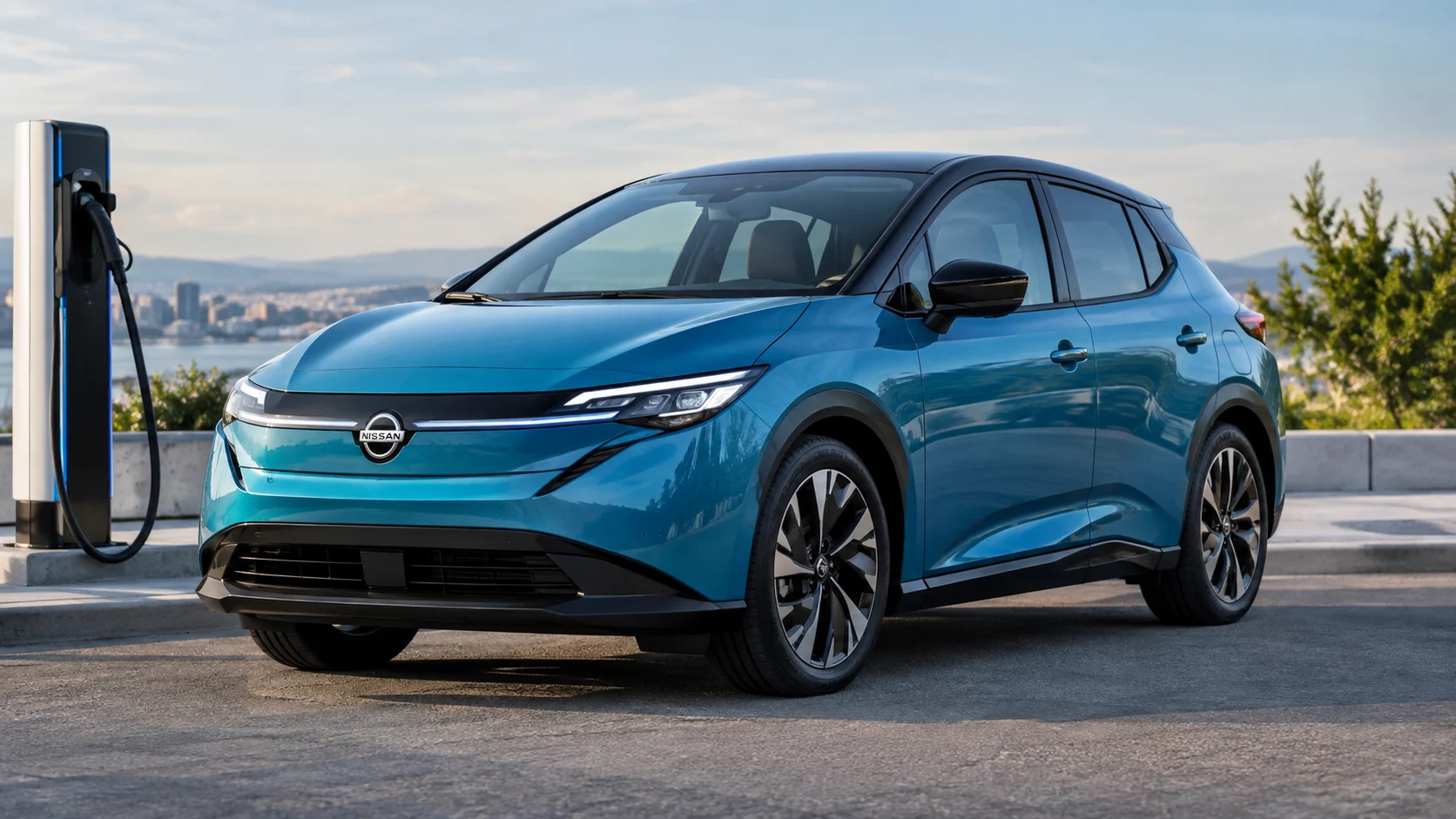
Exterior design is one of the most recognizable characteristics of the Juke nameplate. Nissan has maintained that unconventional approach with the third-generation model.
The new electric version adopts a more angular appearance, with sharply defined body surfaces and a distinctive front-end design.

Rather than following the softer styling commonly associated with small electric crossovers, the Juke EV continues Nissan’s emphasis on expressive styling.
Exterior Styling
The unveiled model features several noticeable design elements:
- Angular body panels and sharply defined surfaces.
- A distinctive front fascia.
- Slim, modern lighting elements.
- Sculpted side sections.
- Pronounced wheel arches.
- A compact crossover body shape.
- A contemporary rear design.
The overall styling reflects Nissan’s intention to retain the Juke’s recognizable personality while adapting it for electric mobility.
Inspiration From the Nissan Hyper Punk Concept
The design direction also connects with Nissan’s earlier Hyper Punk concept, introduced in 2023.
The Hyper Punk explored an unconventional approach to electric crossover styling, using geometric surfaces and futuristic design details.
The production Juke EV follows a related design philosophy, although the final vehicle is developed as a production model rather than a concept car.
It is worth distinguishing between concept-car styling and actual production equipment. Not every feature shown on a concept vehicle necessarily appears on the production version.
Nissan Juke EV Platform: CMF-EV Architecture
One of the most important confirmed technical details is the platform.
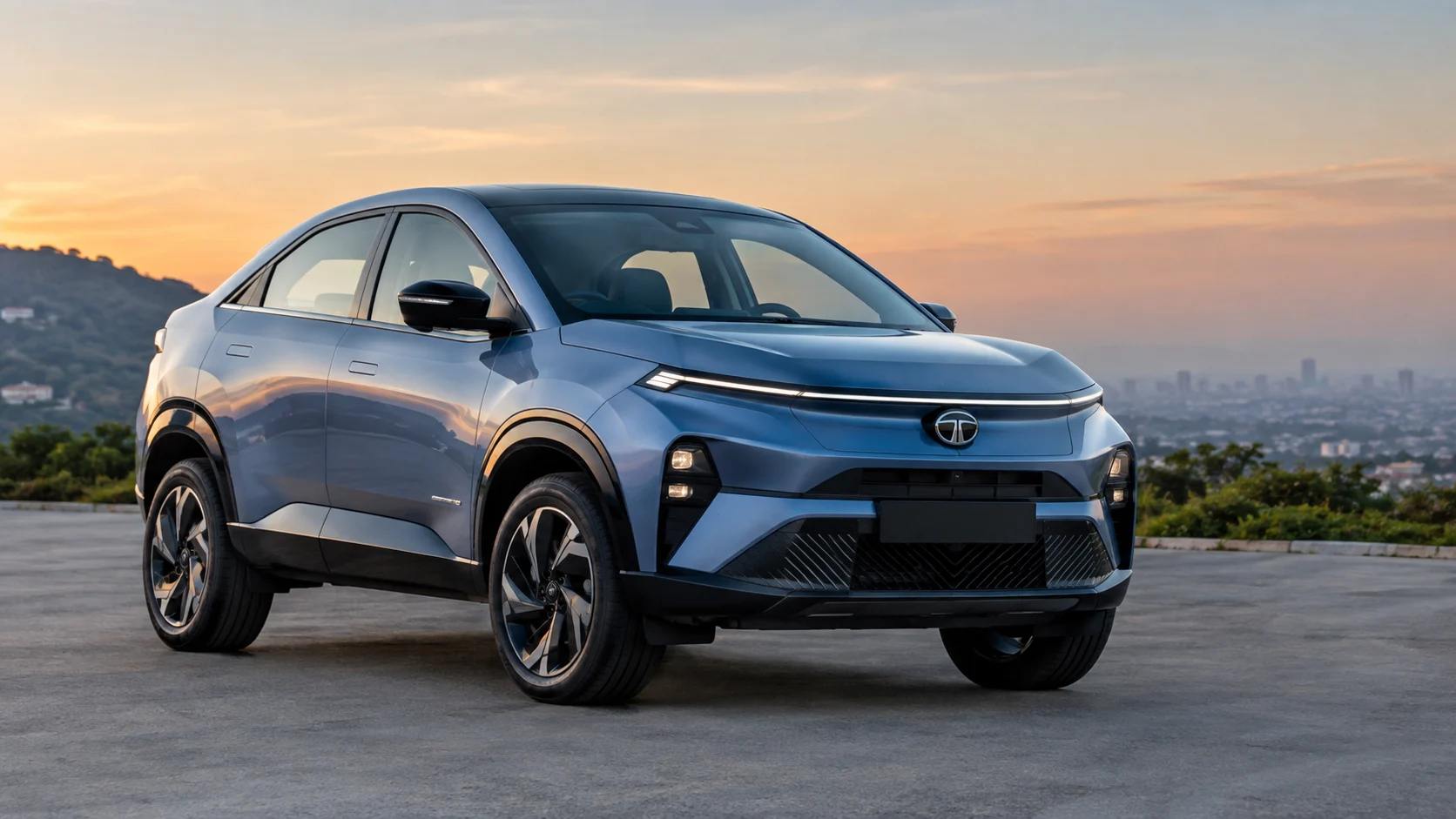
The third-generation electric Juke uses Nissan’s CMF-EV architecture, an electric-vehicle platform also associated with models such as the Nissan Ariya and the newer-generation Leaf.
A dedicated EV architecture is designed around the requirements of an electric drivetrain rather than adapting a conventional petrol vehicle platform.
This approach can offer several advantages:
- More flexibility in battery packaging.
- Better integration of electric motors.
- Greater freedom in cabin layout.
- A dedicated electrical and electronic architecture.
- Improved packaging opportunities for an electric crossover.
However, sharing a platform does not mean that two vehicles have identical batteries, motors, performance or driving range.

Nissan has not confirmed the Juke EV’s final battery configuration or powertrain specifications.
2026 Nissan Juke EV Battery and Electric Range
Electric range will be one of the most important factors determining the Juke EV’s competitiveness in Europe.
However, Nissan has not yet published an official battery capacity or WLTP driving-range figure for the new electric crossover.
This means buyers should be cautious about range figures circulating online.
The Nissan Leaf uses the same broader CMF-EV architecture and offers different battery configurations, but its battery specifications cannot automatically be attributed to the Juke EV.
The final battery package will need to be confirmed by Nissan.
Expected Battery Options
There is currently insufficient official information to establish whether Nissan will offer one battery configuration or multiple battery options.
Important specifications that remain unconfirmed include:
| Battery Specification | Nissan Juke EV |
|---|---|
| Battery capacity | Not officially confirmed |
| Battery chemistry | Not officially confirmed |
| Battery options | Not officially confirmed |
| Official WLTP range | Not officially confirmed |
| Battery warranty | Not officially confirmed |
| Energy consumption | Not officially confirmed |
What Range Should Buyers Expect?
It would be premature to assign a specific driving-range target to the Juke EV.
Its final range will depend on factors such as battery capacity, vehicle weight, motor efficiency, aerodynamics and wheel specifications.
The smaller crossover format may create different efficiency opportunities compared with larger electric SUVs, but that does not establish a particular range figure.
For buyers, the official WLTP rating will be more useful than estimates based on another Nissan electric vehicle.
Nissan Juke EV Charging Speed and Technology
Charging performance will also influence the vehicle’s everyday practicality.
Nissan has confirmed the Juke EV’s electric architecture and announced support for Vehicle-to-Grid technology. However, the company has not published complete charging specifications.
The following details remain outstanding:
- Maximum DC fast-charging power.
- Maximum AC charging capacity.
- 10% to 80% charging time.
- Charging connector specification by market.
- Home-charging compatibility.
- Battery preconditioning functions.
Home Charging
Home charging could make the electric Juke convenient for daily commuting, particularly for owners with private parking and access to a suitable charging installation.

However, the charging equipment and charging time will depend on the final vehicle specification and the electrical supply available at the property.
Nissan has not confirmed the Juke EV’s home-charging specifications.
DC Fast Charging
DC fast charging will be important for longer journeys and drivers who regularly travel outside their local area.
The maximum charging rate and charging curve have not been officially disclosed.

The charging curve describes how quickly a battery accepts electricity at different charge levels. Even when a vehicle supports a high peak charging rate, that maximum speed is not maintained throughout the entire charging session.
Buyers should therefore wait for Nissan’s official charging figures rather than relying on estimates derived from the Leaf or Ariya.
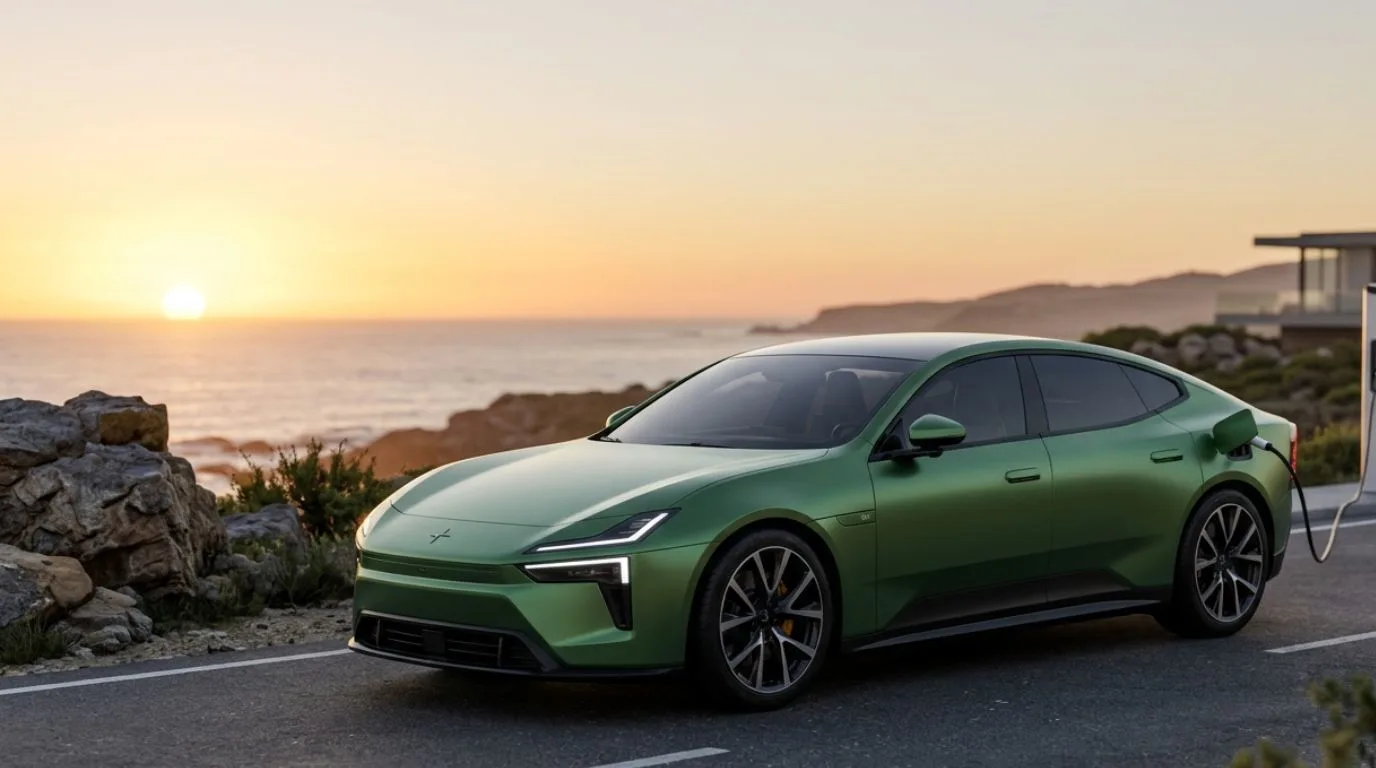
Vehicle-to-Grid Technology: An Important Juke EV Feature
One of the more interesting confirmed technologies is Vehicle-to-Grid (V2G).
Nissan has stated that the electric Juke will offer V2G capability, following the introduction of this technology in the third-generation Leaf.
V2G allows a compatible electric vehicle to exchange electricity with the wider power network through suitable charging equipment and supporting infrastructure.
In practical terms, this could allow the vehicle’s battery to contribute electricity back to the grid under supported conditions.
Potential benefits include:
- Supporting electricity-grid flexibility.
- Helping manage periods of higher electricity demand.
- Allowing stored vehicle energy to be used beyond transportation.
- Supporting the integration of renewable electricity.
However, V2G requires compatible charging hardware, suitable energy-management systems and the necessary local regulatory support.

The availability of these functions will depend on the market.
Nissan has not yet provided complete market-specific operating details for the Juke EV’s V2G system.
Nissan Juke EV Interior and Technology
Nissan has not released a complete production interior specification for the electric Juke.
Consequently, details such as dashboard design, touchscreen dimensions, instrument displays, upholstery options and rear-seat equipment should not be treated as confirmed.
The CMF-EV platform provides opportunities for a dedicated electric cabin layout, but that does not establish which features Nissan will include.
Infotainment and Connectivity
The production model will need an infotainment system suitable for modern electric-car ownership.
Useful functions for this category include:
- Smartphone connectivity.
- Integrated navigation.
- Charging-station information.
- Battery and energy-consumption displays.
- Connected vehicle services.
- Remote vehicle functions.
These are relevant expectations for a contemporary electric crossover, not a confirmed equipment list for the Juke EV.
Nissan has yet to publish the complete infotainment specification.
Cabin Space and Practicality
The Juke EV’s compact crossover positioning should appeal to buyers looking for an electric vehicle that is easier to accommodate in urban environments than a larger family SUV.
However, its final interior dimensions, rear-seat space and luggage capacity remain unknown.
Battery packaging, wheelbase and the design of the rear suspension can all influence the amount of usable passenger and cargo space.
Buyers should wait for the production specifications before judging its practicality against established compact electric SUVs.
Nissan Juke EV Performance and Motor Configuration
Nissan has not announced the electric Juke’s motor configuration, power output or torque figures.
It is therefore too early to determine whether the production vehicle will use a single-motor front-wheel-drive setup or offer additional drivetrain configurations.
The CMF-EV platform supports different electric vehicle configurations across the wider Nissan lineup, but platform capability should not be confused with confirmed Juke equipment.

| Performance Detail | Current Status |
|---|---|
| Electric motor configuration | Not officially confirmed |
| Motor output | Not officially confirmed |
| Maximum torque | Not officially confirmed |
| Front-wheel drive | Not officially confirmed |
| All-wheel drive | Not officially confirmed |
| 0–100 km/h acceleration | Not officially confirmed |
| Maximum speed | Not officially confirmed |
| Regenerative braking settings | Not officially confirmed |
What Could Influence Its Driving Character?
As a battery-electric crossover, the Juke will have the potential to deliver immediate motor response and smooth acceleration.
Electric motors provide torque without requiring conventional gear changes, which can make low-speed driving particularly smooth.
Its final driving character will depend on motor tuning, suspension settings, steering calibration and vehicle weight.
Without independent driving impressions or published performance data, it would be inappropriate to describe its handling or acceleration as class-leading.
Nissan Juke EV Safety and Driver Assistance
Safety equipment is another area awaiting confirmation.
Nissan has not published a complete safety specification for the third-generation electric Juke.
Potentially relevant equipment in this segment includes:
- Automatic emergency braking.
- Lane-departure warning.
- Blind-spot monitoring.
- Adaptive cruise control.
- Rear cross-traffic alert.
- Parking assistance.
- Driver monitoring.
However, the presence and standard availability of these systems will depend on the final equipment packages and individual markets.
An official Euro NCAP safety rating for the new electric Juke should also not be assumed before the vehicle has been assessed.
2026 Nissan Juke EV Launch Date and Production
Confirmed European launch information
The Nissan Juke EV was officially unveiled on April 14, 2026, at Nissan’s Vision event in Japan.
Despite its 2026 reveal, the company has scheduled the European market launch for spring 2027.
Production will take place at Nissan’s Sunderland plant in the United Kingdom.
The manufacturing facility already plays an important role in Nissan’s European electrification strategy and produces the Leaf.
Nissan also confirmed that initial Juke production trials would begin following the announcement.
The Sunderland production decision is significant because it strengthens the UK’s role in manufacturing Nissan’s electric vehicles for European customers.
It also reflects the company’s wider strategy of developing and producing vehicles within the markets they are intended to serve.
Nissan Juke EV Launch Timeline
| Development | Status |
|---|---|
| Official unveiling | April 14, 2026 |
| Generation | Third-generation Juke |
| Powertrain | Fully electric |
| Platform | CMF-EV |
| Manufacturing location | Sunderland, UK |
| European market launch | Spring 2027 |
| First customer deliveries | Not officially confirmed |
A scheduled market launch should not automatically be interpreted as the date when every European country will have vehicles available at dealerships.
Actual retail availability can vary between markets.
Nissan Juke EV Price and Expected Market Availability
Nissan has not announced the official price of the electric Juke.

The company has also not confirmed its final trim structure or market-specific equipment packages.
It is therefore too early to provide a reliable starting price for the United Kingdom or other European countries.
Pricing will depend on factors such as:
- Battery configuration.
- Motor specification.
- Standard equipment.
- Optional technology packages.
- Local taxes and incentives.
- Country-specific distribution costs.
The Juke EV is positioned within Nissan’s European electric vehicle strategy, but its exact position against competing compact EVs will become clearer when pricing and specifications are announced.
Will the Nissan Juke EV Come to India?
An Indian launch has not been officially confirmed.
Although Nissan’s AMIEO region includes India, the manufacturer’s announcement specifically identifies the electric Juke as part of its European product strategy.
There is not enough confirmed information to state that the vehicle will be launched in India or assigned an Indian price.
Indian buyers interested in the model should wait for an official market announcement rather than treating its European launch as confirmation of an Indian introduction.
Will the Nissan Juke EV Launch in the United States?
Nissan has not confirmed a US-market launch for the new electric Juke.
The April 2026 announcement primarily focuses on Europe, including the Sunderland manufacturing programme.
US availability, local specifications and pricing remain unconfirmed.
Nissan Juke EV vs Nissan Leaf: What Is the Difference?
The electric Juke and the latest Nissan Leaf share the CMF-EV platform, but they serve different vehicle categories.
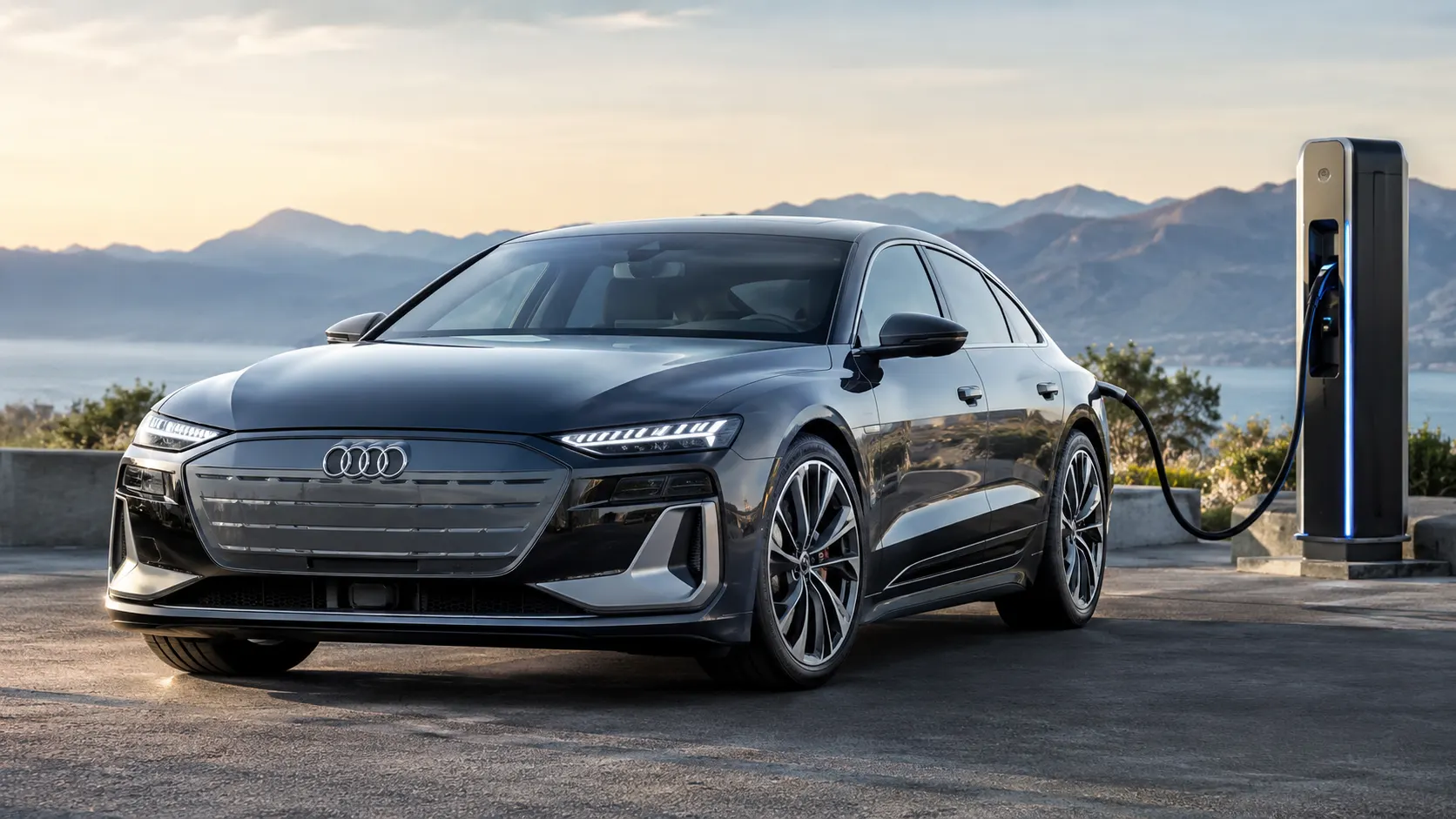
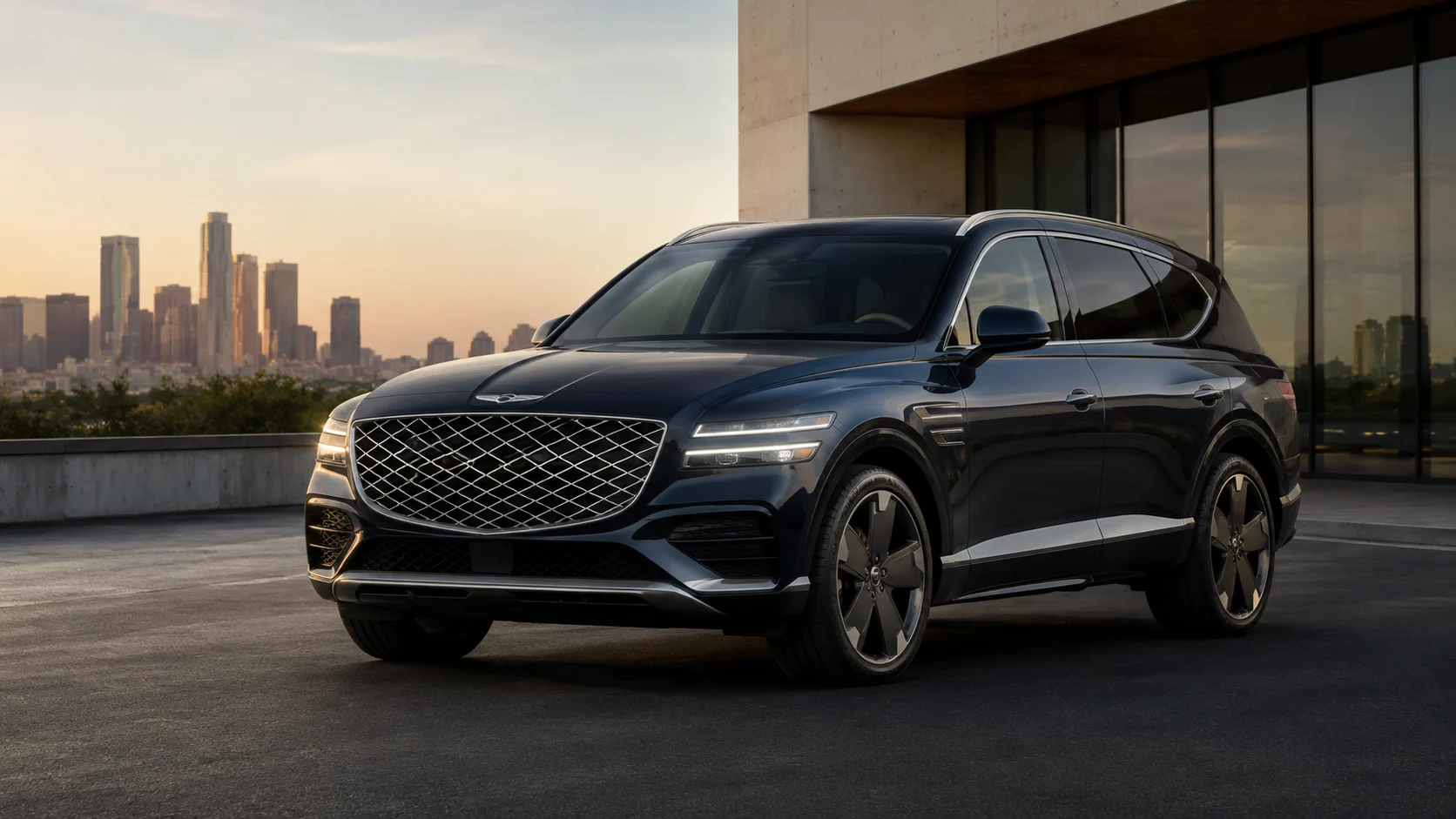
The Juke is positioned as a compact crossover, while the Leaf is Nissan’s electric passenger car with a more conventional hatchback-style profile.
Their shared architecture does not mean they will have identical specifications.
| Comparison Area | Nissan Juke EV | Nissan Leaf |
|---|---|---|
| Vehicle category | Compact electric crossover | Electric passenger car |
| Platform | CMF-EV | CMF-EV |
| Powertrain | Fully electric | Fully electric |
| Body style | Crossover | Hatchback-style passenger car |
| European manufacturing | Sunderland, UK | Sunderland, UK |
| Vehicle-to-Grid | Confirmed | Confirmed |
| Detailed battery specifications | Awaiting confirmation | Market-specific specifications published |
For buyers who prefer a crossover body style, the Juke could offer a more suitable alternative.
Those who prioritize the Leaf’s established passenger-car format may find it more relevant.
A meaningful comparison of range, charging, performance and pricing will require the Juke’s final production specifications.
Main Rivals of the Nissan Juke EV
The electric Juke will enter a competitive European EV market.
Its final competitors will depend on its price, dimensions, battery options and positioning.
Several existing electric crossovers provide useful reference points.
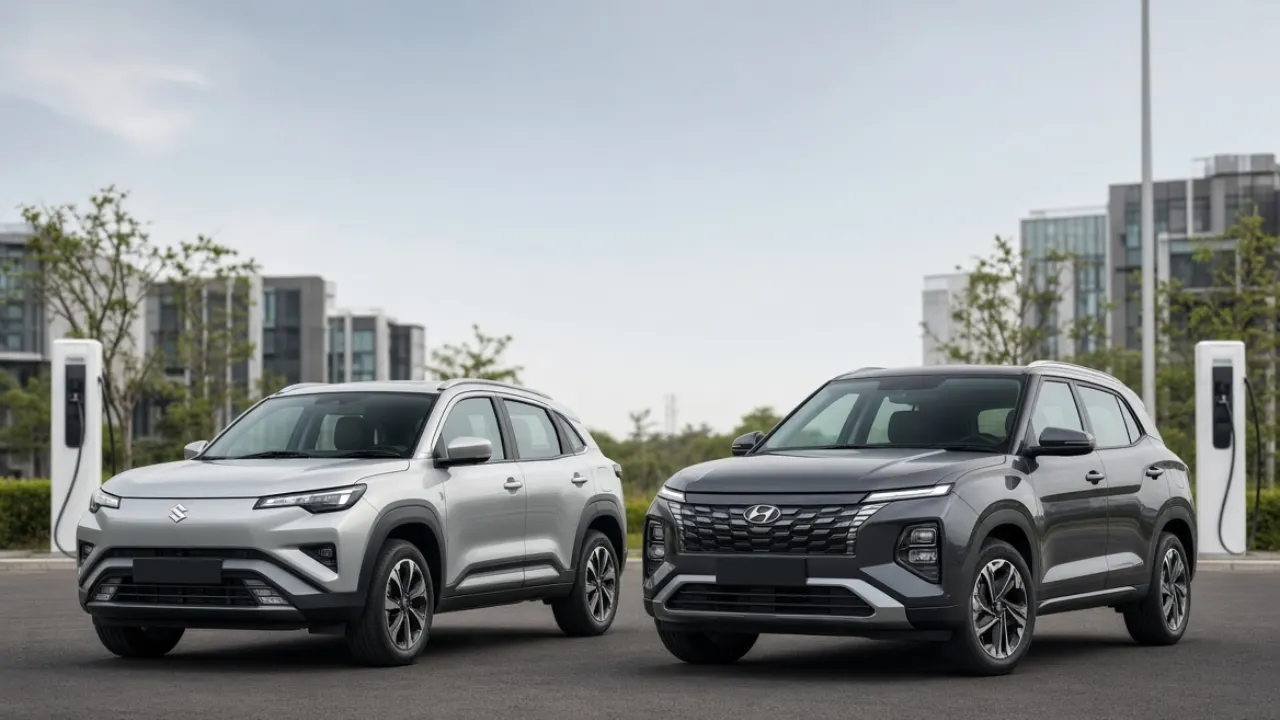
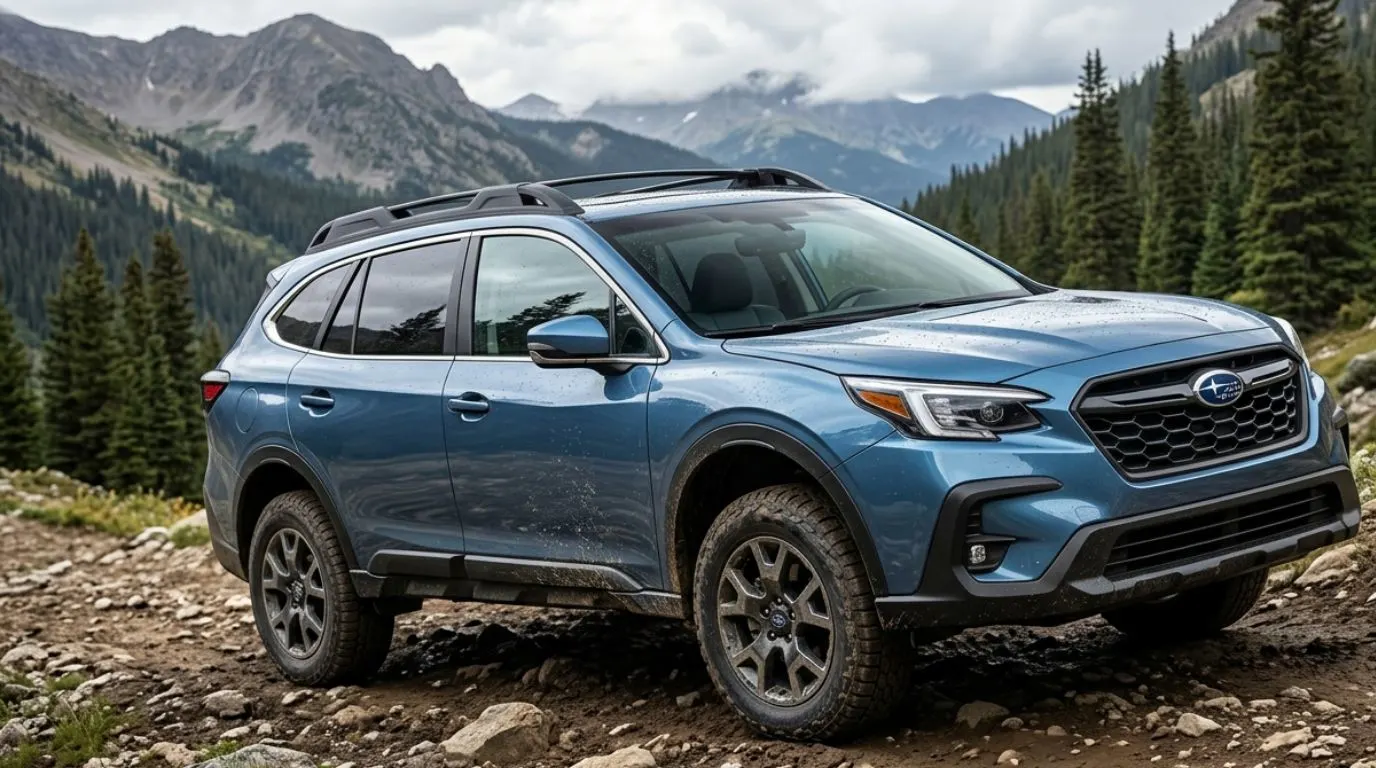
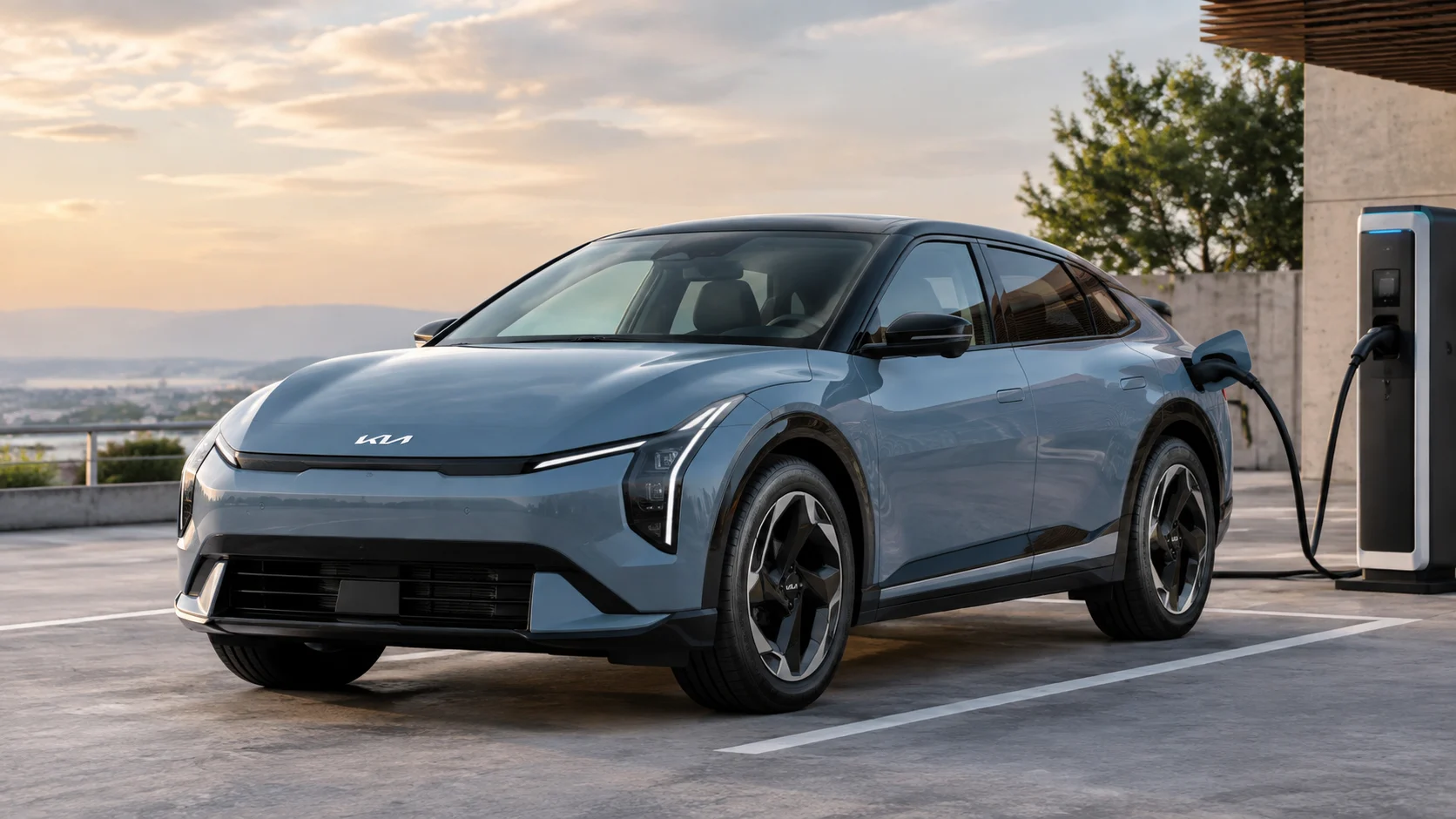
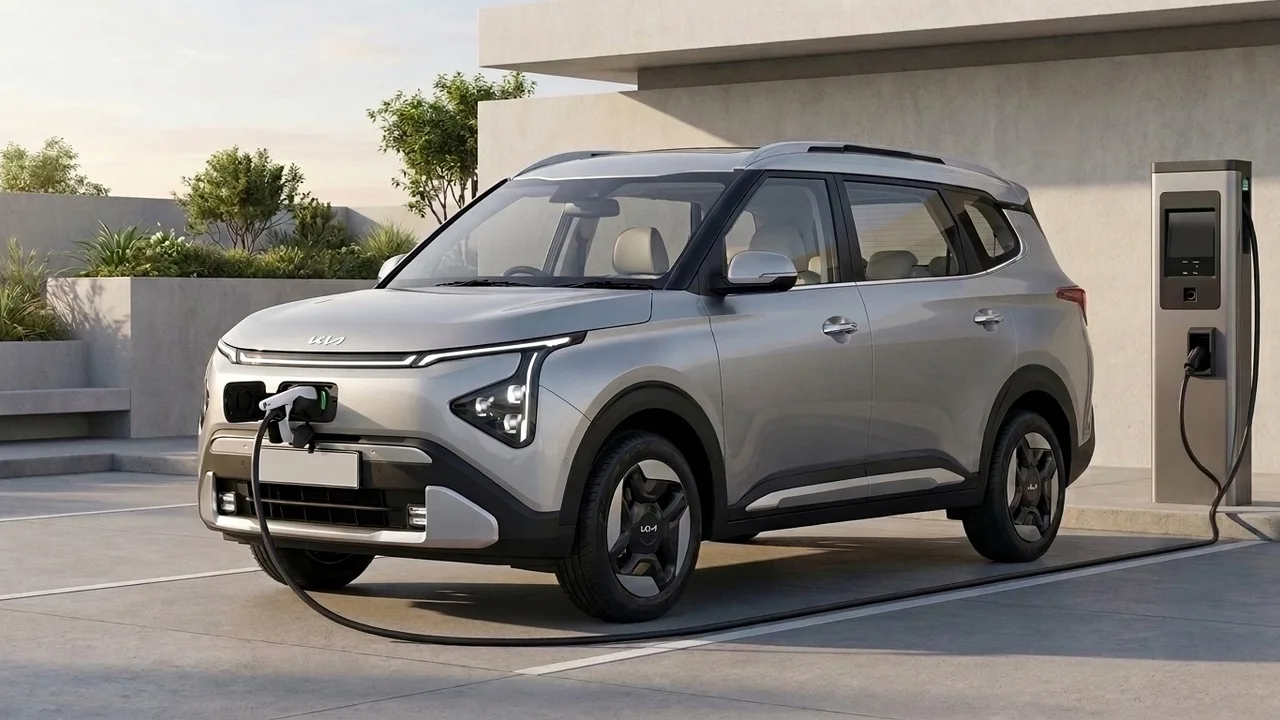
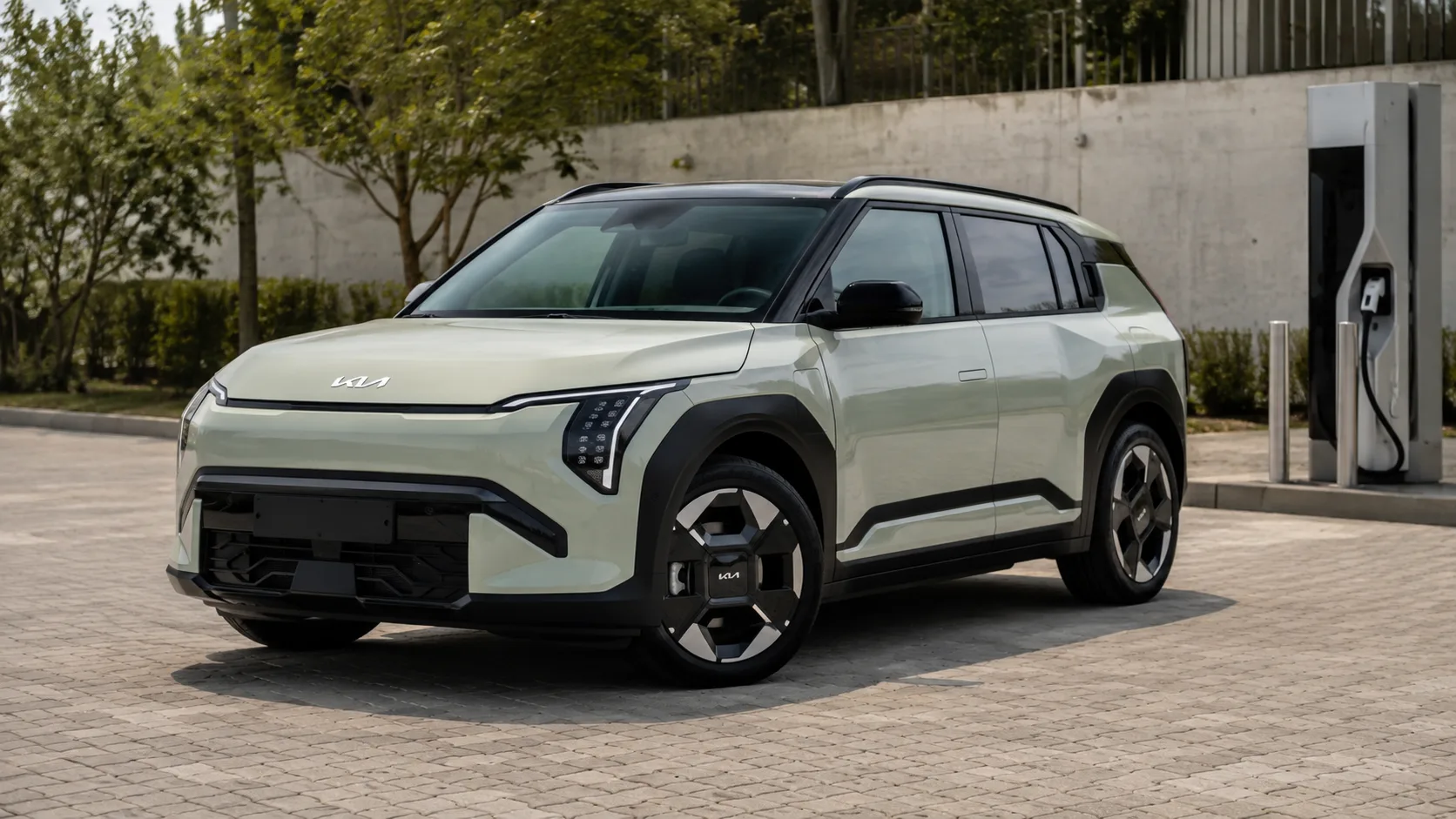
Kia EV3
The Kia EV3 is an established compact electric SUV offering buyers a crossover format and dedicated EV powertrain.
Its battery choices, cabin technology and charging specifications make it a relevant vehicle to compare with the upcoming Juke once Nissan releases its full specifications.
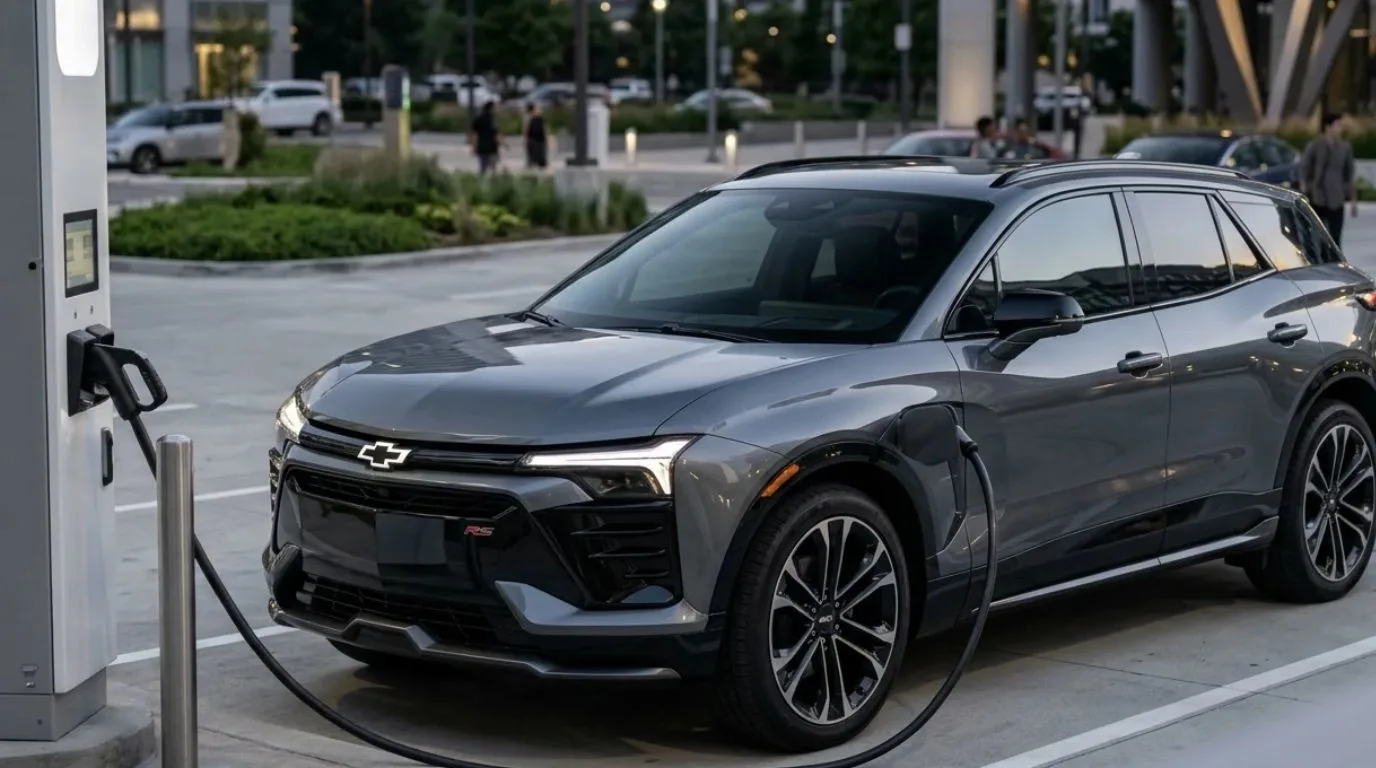
Renault Megane E-Tech Electric
The Renault Megane E-Tech Electric competes in Europe’s electric passenger-car market with a compact footprint and dedicated electric architecture.
It may appeal to buyers who want a smaller electric vehicle rather than a larger SUV.
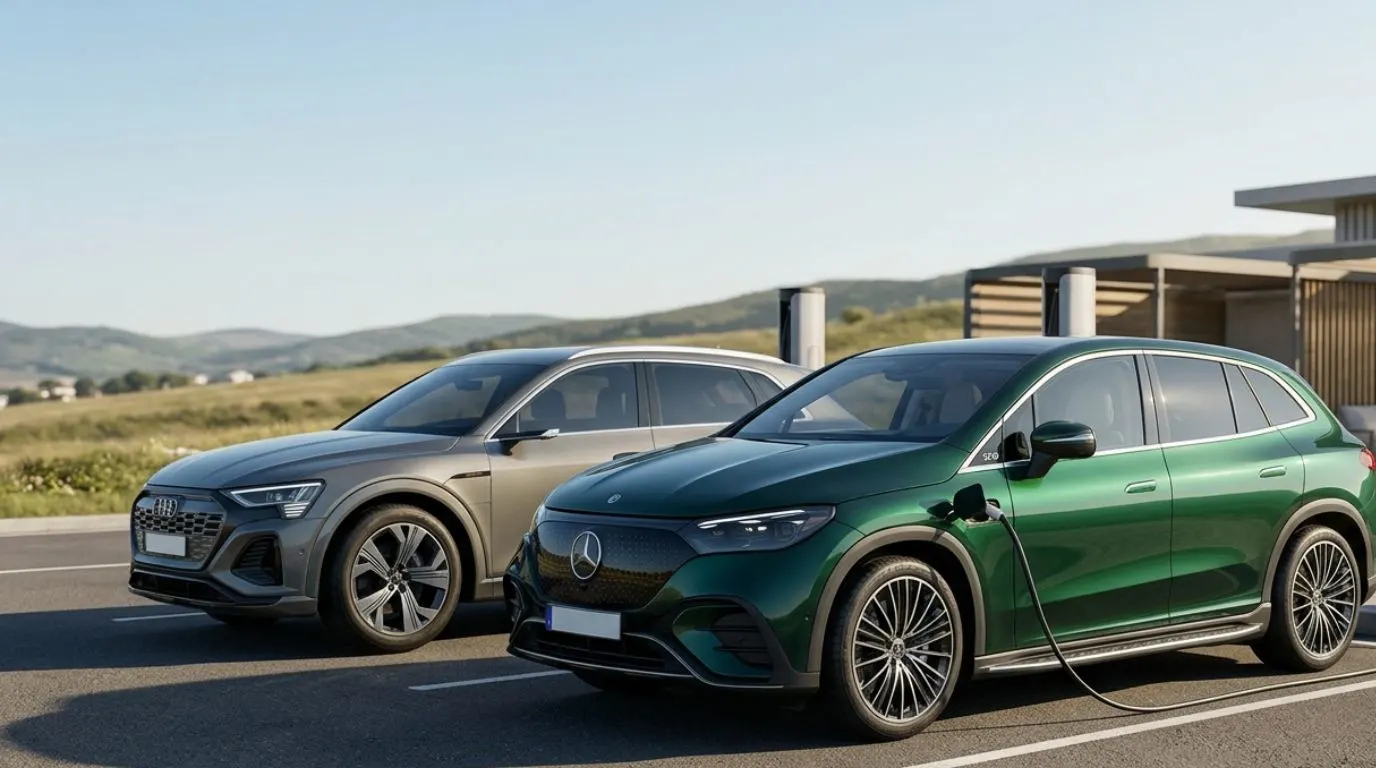
Hyundai Kona Electric
The Hyundai Kona Electric is another relevant alternative for buyers considering an electric crossover.
Its market availability, battery options and pricing make it a useful reference point for evaluating the Juke’s eventual position.
The Juke EV’s success against these vehicles will depend on its final range, charging performance, interior practicality and purchase price.
What Buyers Should Know Before Waiting for the Nissan Juke EV
The Juke EV has already moved beyond the speculation stage because Nissan has officially revealed the third-generation electric model.

However, the available information remains limited.
Buyers should keep several points in mind before deciding whether to wait for it.
The exterior design has been revealed: Its third-generation styling is no longer simply an artist’s prediction.
The European launch is scheduled for spring 2027: The 2026 date refers to its unveiling, not its expected first year of widespread retail availability.
The CMF-EV platform is confirmed: This establishes its electric architecture but does not reveal its final battery or motor specifications.
V2G capability is confirmed: The vehicle is intended to support bidirectional electricity exchange with compatible infrastructure.
Range remains unknown: No official WLTP figure should be treated as final until Nissan publishes it.
Pricing is not available: Buyers should avoid treating unofficial price estimates as confirmed figures.
For anyone planning to purchase an electric crossover, these missing details matter more than early speculation.
2026 Nissan Juke EV: Advantages and Potential Limitations
Based on the information currently confirmed, the Juke EV has several promising characteristics, although its actual ownership appeal cannot be fully evaluated yet.
| Potential Advantages | Current Limitations |
|---|---|
| Distinctive new-generation design | Battery capacity not announced |
| Dedicated CMF-EV architecture | Official range unavailable |
| Fully electric powertrain | Charging speeds unconfirmed |
| UK manufacturing | European availability initially targeted |
| Confirmed V2G capability | Market-specific V2G details unavailable |
| Third-generation model | Pricing and trim structure unknown |
The main attraction is the combination of the Juke’s distinctive styling and Nissan’s dedicated electric architecture.
The biggest unanswered questions concern its range, charging performance and affordability.

Final Thoughts
The 2026 Nissan Juke EV marks an important change for one of Nissan’s most recognizable compact crossovers. Its third generation moves the nameplate into fully electric territory while retaining the bold design approach associated with earlier Juke models.
Nissan has already confirmed several important details, including the CMF-EV platform, Sunderland manufacturing location, Vehicle-to-Grid capability and a spring 2027 European launch.
However, the most important buying information is still missing. Battery capacity, WLTP range, charging speed, motor output, interior specifications and pricing have not been fully announced.
For now, the electric Juke is a confirmed upcoming model rather than a fully specified retail proposition.
Its eventual competitiveness will depend on whether Nissan can combine an attractive purchase price with practical range, convenient charging and the everyday usability expected from a compact electric crossover.
Frequently Asked Questions About the 2026 Nissan Juke EV
1. Is the 2026 Nissan Juke fully electric?
Yes. The third-generation Nissan Juke unveiled in April 2026 is the first fully electric version of the model. Nissan has confirmed its battery-electric powertrain.
2. When will the new Nissan Juke EV launch?
Nissan has scheduled the European market launch for spring 2027. The vehicle was officially unveiled on April 14, 2026.
3. What is the expected range of the Nissan Juke EV?
Nissan has not announced an official WLTP driving-range figure. Any specific range currently circulating without manufacturer confirmation should be treated as an estimate rather than a confirmed specification.
4. What battery will the Nissan Juke EV use?
The vehicle is confirmed to use the CMF-EV platform, but Nissan has not published its final battery capacity or battery options.
5. Will the Nissan Juke EV support fast charging?
Nissan has not yet published the vehicle’s maximum DC charging power or charging times. These specifications are expected to be clarified closer to its market introduction.
6. Does the new Nissan Juke EV support Vehicle-to-Grid technology?
Yes. Nissan has confirmed V2G capability for the electric Juke. The technology allows electricity to be exchanged between a compatible vehicle and the wider power network using suitable charging equipment.
7. Where will the Nissan Juke EV be manufactured?
The electric Juke will be manufactured at Nissan’s Sunderland plant in the United Kingdom.
8. Will the Nissan Juke EV replace the hybrid Juke?
Nissan has indicated that the Juke hybrid will remain part of its wider electrified lineup. The electric model adds a fully battery-powered option rather than confirming the immediate removal of hybrid technology.
9. What platform does the Nissan Juke EV use?
The third-generation electric Juke uses the CMF-EV platform, which is also used by the Nissan Ariya and the newer-generation Nissan Leaf.
10. Will the Nissan Juke EV launch in India?
Nissan has not officially confirmed an Indian launch. Its announcement currently focuses on the European market.
11. What will the Nissan Juke EV cost?
Official pricing has not been announced. Buyers will need to wait for Nissan’s market-specific price and trim announcements.
12. Is the Nissan Juke EV coming to the United States?
A US-market launch has not been officially confirmed. Nissan’s current announcement focuses on its European electrification strategy.