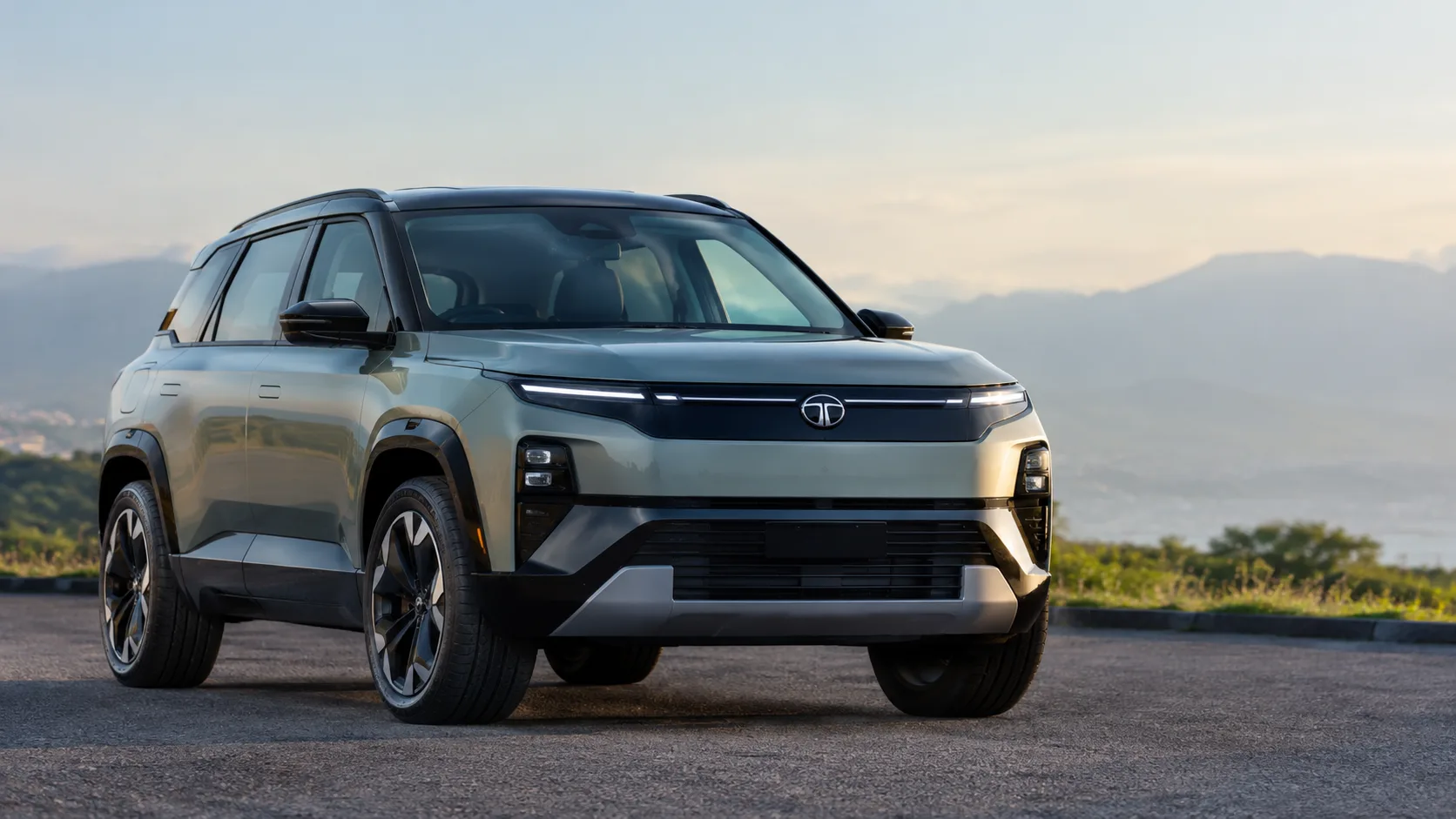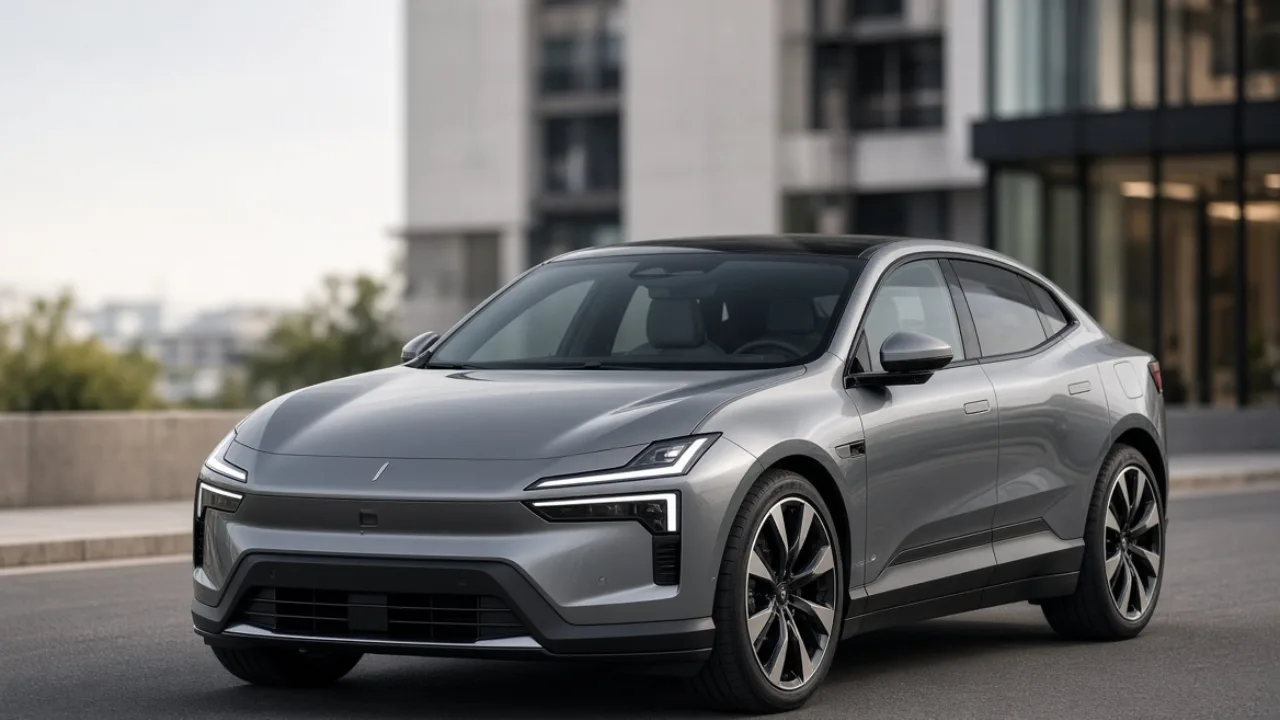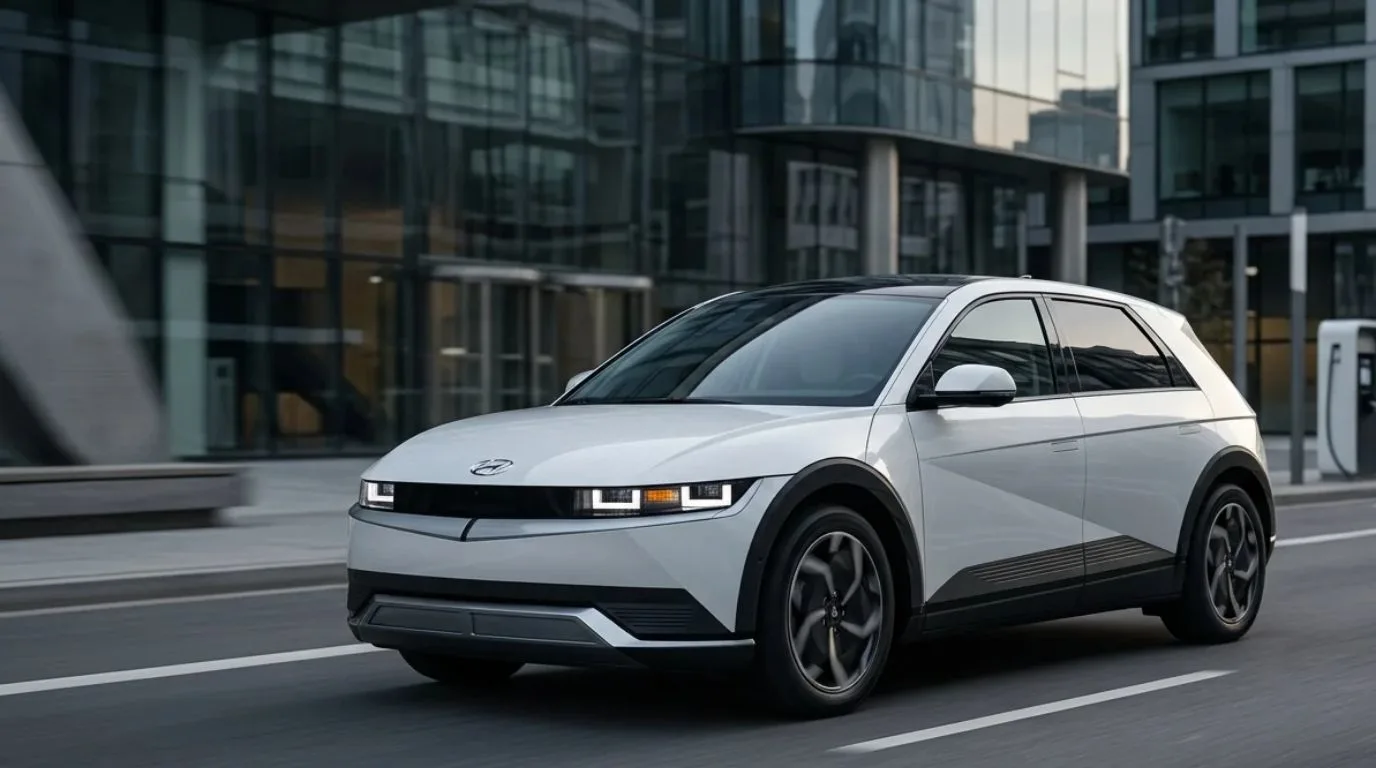
The 2027 Hyundai IONIQ 3 is an all-electric compact hatchback developed primarily for European buyers who want practical everyday transportation, modern technology and useful driving range without moving into a larger electric SUV.
However, there is an important update to the original launch timeline: Hyundai officially introduced the IONIQ 3 in April 2026. Production subsequently began in Türkiye, and the vehicle entered the European market during 2026. It is therefore no longer simply an upcoming EV with unconfirmed specifications.
Hyundai has positioned the IONIQ 3 around two battery options, a streamlined Aero Hatch design and a spacious five-seat cabin. The Long Range version has an official maximum WLTP range of up to 497 km, while the Standard Range version is rated at up to 344 km.
For buyers researching the 2027 model, the important questions are how far it can travel, how quickly it charges, what technology it offers and whether its compact dimensions make it a practical alternative to larger electric cars.

Hyundai IONIQ 3: Quick Specifications
The following specifications apply to the European-market model.
| Specification | Hyundai IONIQ 3 |
|---|---|
| Vehicle type | Electric compact hatchback |
| Platform | E-GMP |
| Electrical architecture | 400 volts |
| Battery options | 42.2 kWh / 61 kWh |
| Battery chemistry | LFP / Lithium-ion |
| Maximum WLTP range | Up to 497 km |
| Motor configuration | Single front motor |
| Maximum power | 146.5 PS / 135.2 PS |
| Maximum torque | 250 Nm |
| Drive type | Front-wheel drive |
| Maximum speed | 170 km/h |
| DC fast charging | 10–80% in approximately 29 minutes |
| Maximum AC charging | 22 kW optional |
| Boot capacity | 441 litres |
| Seating capacity | Five |
| Production location | İzmit, Türkiye |
Specifications can vary with battery, wheel size and equipment.
2027 Hyundai IONIQ 3 Electric Range
Range is one of the strongest selling points of the IONIQ 3. Hyundai offers two battery configurations so buyers can choose between a more affordable entry-level setup and a longer-range version.
Standard Range Battery
The Standard Range model uses a 42.2 kWh lithium iron phosphate (LFP) battery.

Its maximum official WLTP range is 344 km with the specified 16-inch wheels.
The range changes with wheel selection:
- 16-inch wheels: up to 344 km.
- 17-inch wheels: up to 341 km.
- 18-inch wheels: up to 335 km.
The Standard Range version produces 107.8 kW, equivalent to approximately 146.5 PS, and 250 Nm of torque.
LFP batteries use lithium iron phosphate chemistry instead of the nickel-based chemistry found in many other lithium-ion EV batteries. They are commonly selected for their durability and thermal stability, although their energy density is generally lower.

For drivers who mainly travel within cities and nearby areas, this battery option may provide sufficient range.
Long Range Battery
The Long Range model uses a larger 61 kWh lithium-ion battery.
Its maximum WLTP range reaches 497 km with 16-inch wheels.
The official range changes depending on wheel size:


| Wheel Size | WLTP Range |
|---|---|
| 16 inches | 497 km |
| 17 inches | 488 km |
| 18 inches | 484 km |
The Long Range version produces 99.5 kW, approximately 135.2 PS, and 250 Nm of torque.
Interestingly, the Long Range model has slightly lower maximum power than the Standard Range version. Its primary advantage is additional battery capacity and driving distance rather than stronger acceleration.
For buyers who regularly travel between cities, the larger battery is likely to be the more practical choice.
What Is the Real-World Range?
The 497 km figure is an official WLTP measurement, not a guaranteed everyday driving distance.
Actual range will depend on several conditions, including:
- Highway and city driving proportions.
- Ambient temperature.
- Air-conditioning usage.
- Vehicle speed.
- Wheel and tire configuration.
- Passenger and luggage load.
- Driving style.
Cold weather and sustained highway speeds can reduce the distance available from a full charge.
Buyers should therefore consider their regular driving requirements rather than assuming the maximum laboratory range will always be achievable.
Hyundai IONIQ 3 Battery Technology and Platform
The IONIQ 3 uses Hyundai Motor Group’s Electric-Global Modular Platform, commonly known as E-GMP.
However, it uses a 400-volt electrical architecture rather than the 800-volt arrangement found in some larger Hyundai electric vehicles.
This distinction matters because electrical architecture influences charging capability, component design and the vehicle’s overall powertrain configuration.
The two battery options also serve different purposes.
| Battery Detail | Standard Range | Long Range |
|---|---|---|
| Capacity | 42.2 kWh | 61 kWh |
| Chemistry | LFP | Lithium-ion |
| Maximum WLTP range | 344 km | 497 km |
| Motor power | 107.8 kW | 99.5 kW |
| Torque | 250 Nm | 250 Nm |
| Drive type | Front-wheel drive | Front-wheel drive |
The smaller battery prioritizes accessible electric mobility, while the larger battery is intended for drivers who need greater flexibility between charging stops.

Hyundai IONIQ 3 Charging Speed and Charging Time
Charging capability is an important consideration for compact electric vehicles, particularly for owners who regularly travel beyond their local area.
The IONIQ 3 supports DC fast charging and AC charging, with the onboard AC charger available in different capacities.
DC Fast Charging
Hyundai quotes approximately 29 minutes for a 10–80% charge using a compatible high-power DC charging station.
The official technical data provides these figures:

| Battery | 50 kW DC Charger | 350 kW DC Station |
|---|---|---|
| 42.2 kWh Standard Range | 42 minutes | 29 minutes |
| 61 kWh Long Range | 68 minutes | 29 minutes |
The 350 kW figure refers to the charging station’s rated capacity, not the maximum charging power of the IONIQ 3 itself.
The vehicle will only draw power at the rate its battery and charging system can accept.
Charging performance also depends on battery temperature, initial charge level and other conditions.
AC Home Charging
The IONIQ 3 supports an 11 kW onboard AC charger, with an optional 22 kW configuration.
Hyundai’s published charging estimates are:
| Battery | 11 kW AC | 22 kW AC |
|---|---|---|
| Standard Range | 4 hours 6 minutes | 2 hours 6 minutes |
| Long Range | 5 hours 36 minutes | 2 hours 42 minutes |
These figures refer to charging from 10% to 100% under the specified charging conditions.
A suitable electrical installation is necessary to use the higher charging capacity. Owners with a standard domestic connection may experience longer charging times.
Vehicle-to-Load Technology
The IONIQ 3 also supports Vehicle-to-Load (V2L) functionality.
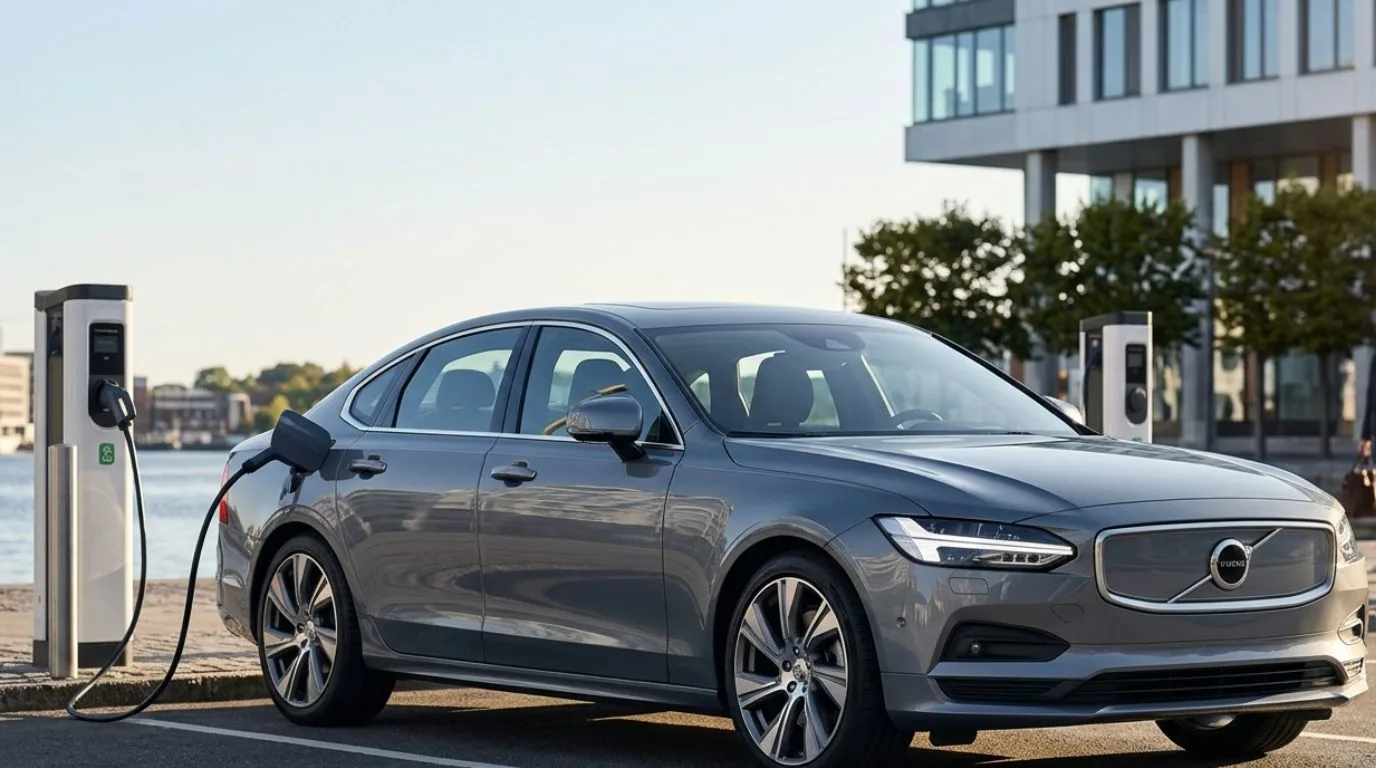
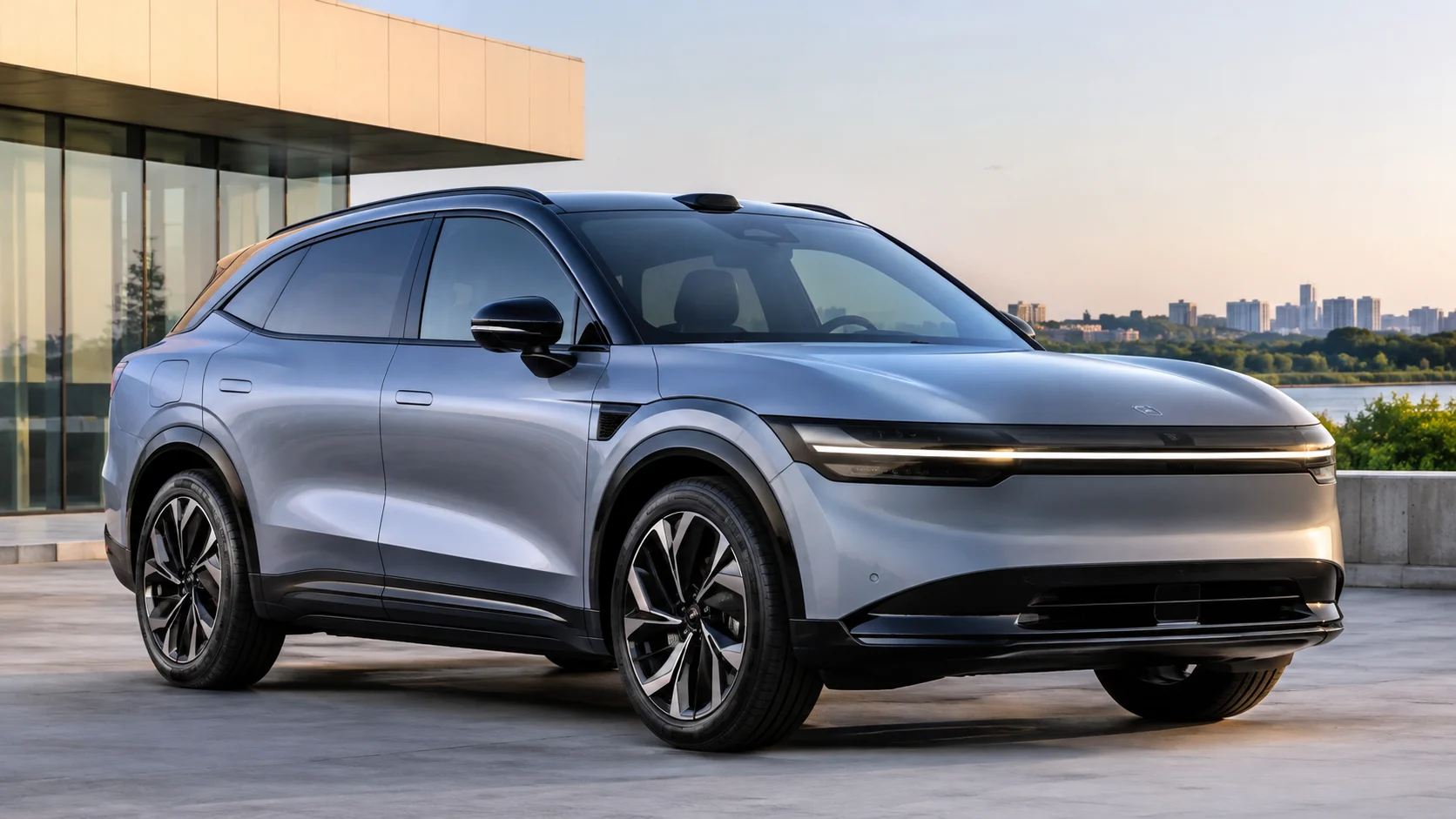
This technology allows the vehicle’s battery to supply electricity to compatible external electrical devices.
It can be useful for charging equipment or powering small appliances when a conventional electrical outlet is unavailable.
The availability and equipment requirements for V2L can vary by market and configuration.
Hyundai IONIQ 3 Exterior Design: The Aero Hatch Concept
Hyundai describes the IONIQ 3’s exterior design as an Aero Hatch.
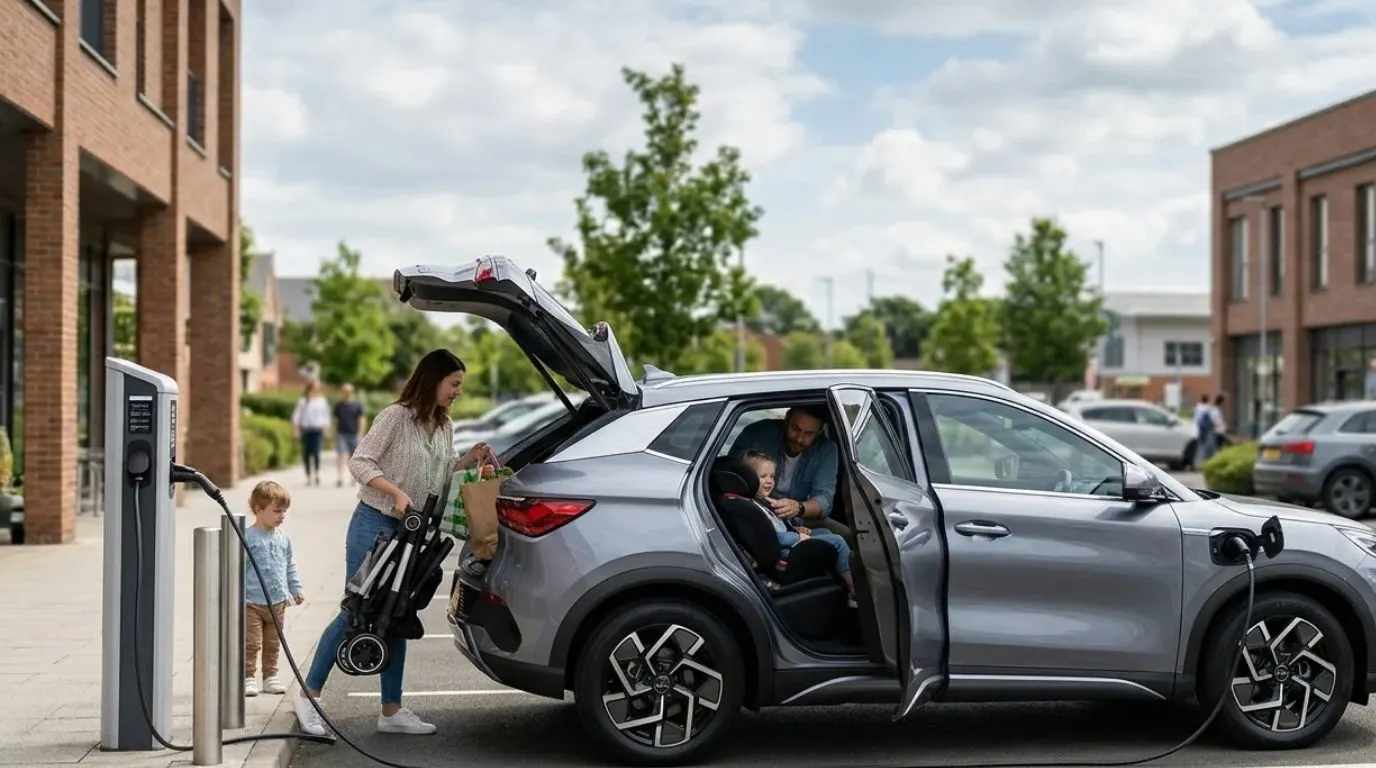
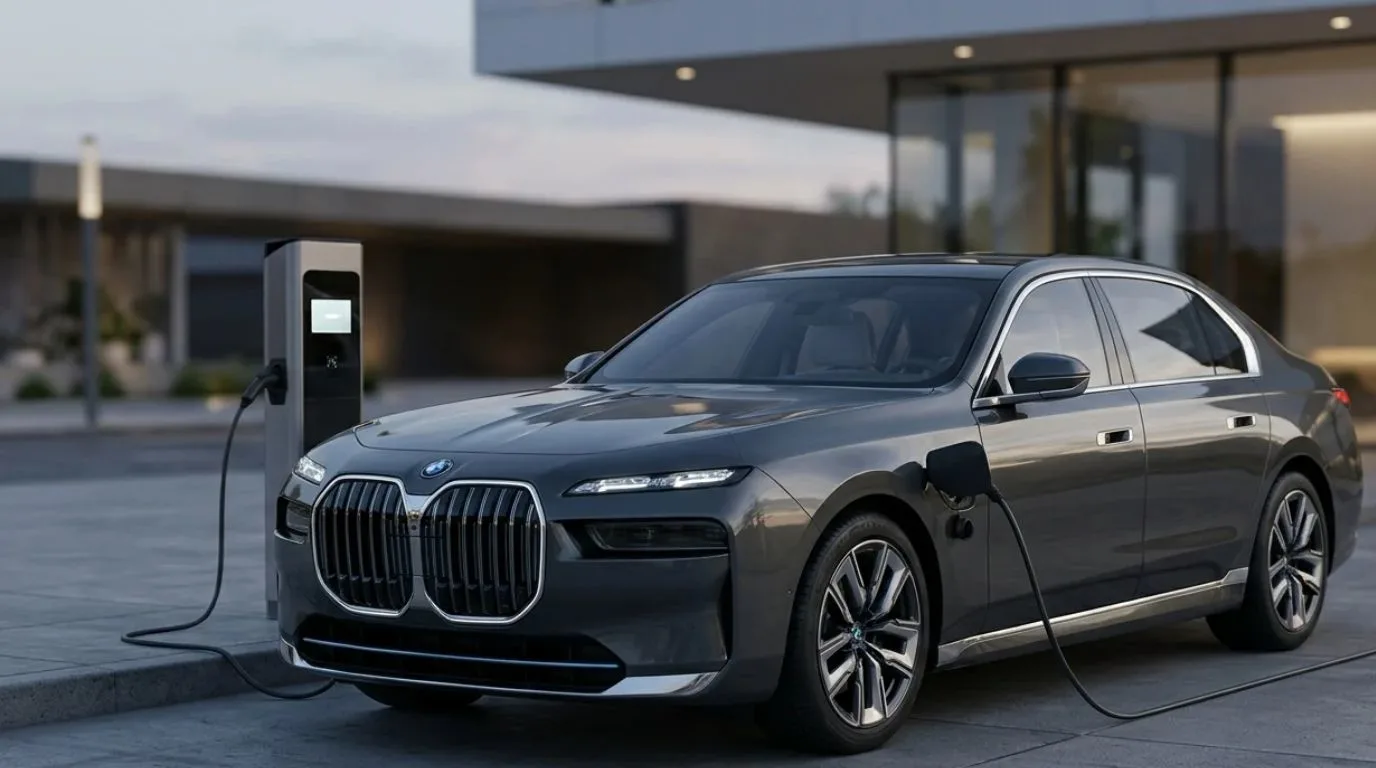
The approach combines the practical proportions of a compact hatchback with a streamlined body intended to improve aerodynamic efficiency.
The vehicle introduces Hyundai’s Art of Steel design language, which focuses on precise surfaces and relatively simple body shapes.
Aerodynamic Efficiency
Hyundai quotes a drag coefficient of 0.263 for the standard model with 16-inch wheels.
A lower drag coefficient generally means less aerodynamic resistance as the vehicle moves through the air.
Reducing aerodynamic drag can help an electric vehicle use less energy, particularly at higher speeds.
The N Line version has a different aerodynamic figure, with a published drag coefficient of 0.288 when equipped with 19-inch wheels.
Pixel Lighting
Pixel lighting is an important part of Hyundai’s IONIQ design identity.
The IONIQ 3 incorporates signature pixel-inspired lighting elements at the front and rear.
Four small central lighting elements also reference the letter H in Morse code.
N Line Styling
Hyundai offers an N Line version with sportier exterior details.
It features different styling elements and larger available wheels, giving the compact EV a more aggressive appearance.
The N Line is primarily a styling and equipment-oriented version. It does not have a more powerful motor than the standard Long Range configuration in the published European technical specifications.

Hyundai IONIQ 3 Interior and Passenger Space
The interior is designed around Hyundai’s Furnished Space concept.
Rather than concentrating entirely on a traditional driver-focused dashboard, the cabin emphasizes practical storage, passenger comfort and an uncluttered layout.
The flat-floor architecture helps make the available cabin space more usable.
Five-Seat Cabin
The IONIQ 3 is a five-seat electric hatchback.
Hyundai has specifically highlighted the rear seating area, claiming that the vehicle can accommodate three adults across the back.
Its 2,680 mm wheelbase is relatively substantial for a compact hatchback, helping create useful passenger space despite its relatively short overall length.
Boot Space and Megabox Storage
The luggage compartment offers a total quoted capacity of 441 litres.
This includes:

- 322 litres of conventional trunk space.
- 119 litres of additional Megabox storage.
The Megabox is an integrated storage compartment beneath the trunk floor.
It provides additional room for smaller items without requiring them to occupy the main luggage area.
This arrangement makes the car more practical for shopping, everyday luggage and family use.
Seating and Cabin Comfort
Depending on equipment level, the IONIQ 3 can offer:
- Relaxation Seats.
- Heated seats.
- Ventilated seats.
- Dual-zone automatic climate control.
- Ambient LED lighting.
- BOSE Premium Sound System.
- Recycled and bio-based interior materials.
Not every feature is necessarily included in every European market or trim.
Hyundai IONIQ 3 Infotainment and Technology
One of the more important technology introductions is Hyundai’s Pleos Connect infotainment platform.
It is based on Android Automotive OS and makes its European Hyundai debut in the IONIQ 3.
Depending on configuration, buyers can receive a 12.9-inch or 14.6-inch central display.
The system provides access to vehicle functions, navigation and connected services.
Hyundai Digital Key 2
Digital Key 2 allows compatible smartphones and wearable devices to be used for vehicle access.
This reduces the need to carry a conventional physical key, although compatible devices and market-specific availability requirements apply.
Integrated EV Route Planner
An integrated EV route planner helps drivers plan journeys around charging requirements.
This is particularly useful for longer journeys where charging stops need to be included in the route.
Plug & Charge
Plug & Charge is designed to simplify public EV charging.
With compatible charging networks and the required vehicle setup, the charging process can be authenticated automatically rather than requiring a separate payment process at every charging station.
Service availability depends on the charging provider and market.
Hyundai IONIQ 3 Safety and Driver Assistance
The IONIQ 3 includes Hyundai SmartSense driver assistance technology.
The manufacturer’s announced equipment includes several systems intended to support drivers during highway travel, parking and everyday driving.
Key features include:
| Feature | Purpose |
|---|---|
| Highway Driving Assist 2 | Supports driving assistance on compatible highways |
| Remote Smart Parking Assist | Helps with certain parking maneuvers |
| Memory Reverse Assist | Assists with reversing along a previously recorded route |
| Surround View Monitor | Provides a surrounding camera view |
| Blind-Spot View Monitor | Displays camera views of relevant blind spots |
| Intelligent Front-Lighting System | Adjusts headlight illumination according to driving conditions |
Hyundai also lists seven standard airbags.


These technologies can help reduce driver workload, but they do not replace attentive driving.
Actual feature availability depends on the market and equipment specification. A specific European equipment list should not automatically be applied to vehicles sold elsewhere.
Hyundai IONIQ 3 Dimensions and Practicality
The IONIQ 3 is designed to provide useful cabin space without becoming a large vehicle.
Its dimensions are particularly relevant for European urban environments, where compact exterior measurements can make parking and maneuvering easier.
| Dimension | Standard Model | N Line |
|---|---|---|
| Length | 4,155 mm | 4,170 mm |
| Width | 1,800 mm | 1,800 mm |
| Height | 1,505 mm | 1,510 mm |
| Wheelbase | 2,680 mm | 2,680 mm |
The additional length and height of the N Line reflect its different exterior configuration.
The compact footprint, five-seat layout and 441-litre luggage capacity give the IONIQ 3 a practical combination for everyday family transportation.
2027 Hyundai IONIQ 3 Price and Availability
The Hyundai IONIQ 3 was officially introduced in April 2026 at Milan Design Week.
It is primarily a European-market electric vehicle, designed and developed for European customers.
Hyundai confirmed production at its İzmit manufacturing facility in Türkiye, with production beginning in August 2026.
By October 2026, the company had confirmed that the model had entered the European market.
How Much Does the Hyundai IONIQ 3 Cost?
In its October 30, 2026 announcement, Hyundai stated that the IONIQ 3 has a starting price below €30,000 across European markets.
This is a broad European starting-price statement, not one universal transaction price.
The final price depends on the country, taxes, equipment, battery configuration and available incentives.
Buyers should check their national Hyundai website for the applicable price and trim details.
Is the Hyundai IONIQ 3 Coming to India?
The IONIQ 3 has been developed primarily for Europe, and Hyundai has not established a confirmed Indian launch date or Indian-market specification in the announcements discussed here.
Its European battery capacities, WLTP range figures and equipment should therefore not be presented as confirmed Indian specifications.
India-specific availability, pricing and manufacturing plans would require a separate official announcement.
Is the Hyundai IONIQ 3 Coming to the United States?
The IONIQ 3’s confirmed launch focus is Europe.
A US-market launch, pricing structure and US-specific EPA range figure should not be assumed from European specifications.
The WLTP range figures in this article are not equivalent to US EPA estimates.
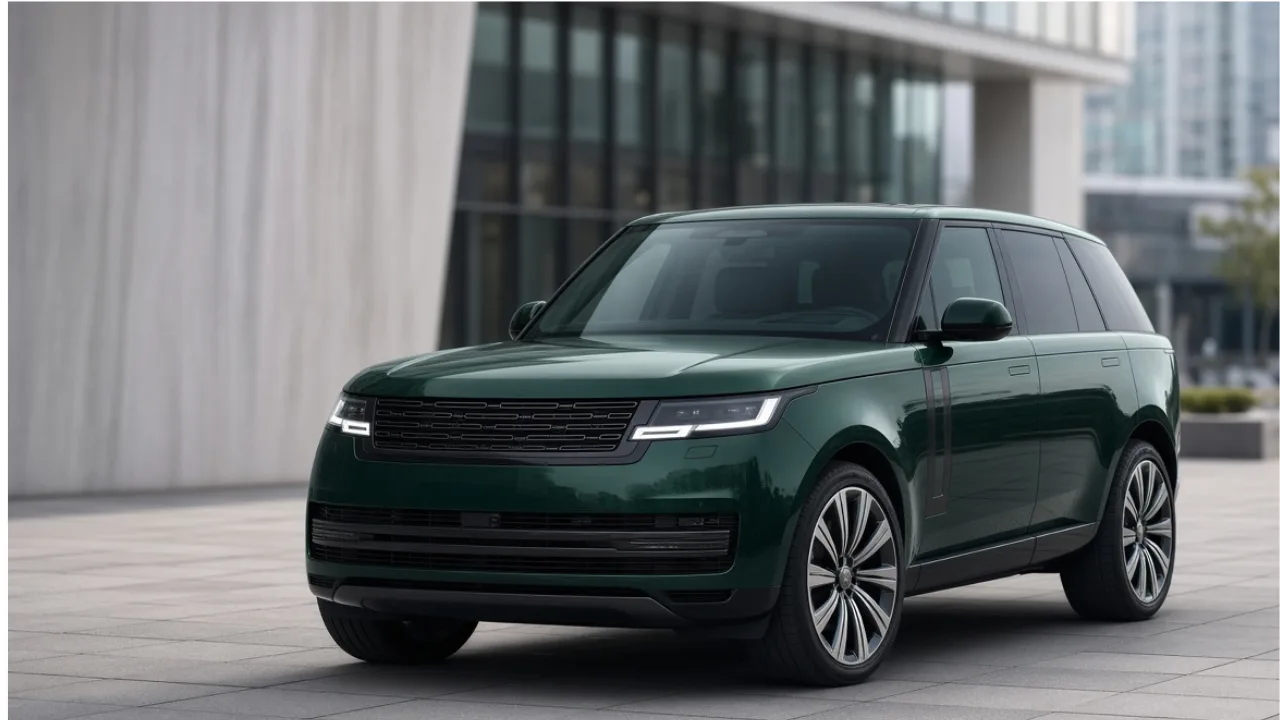
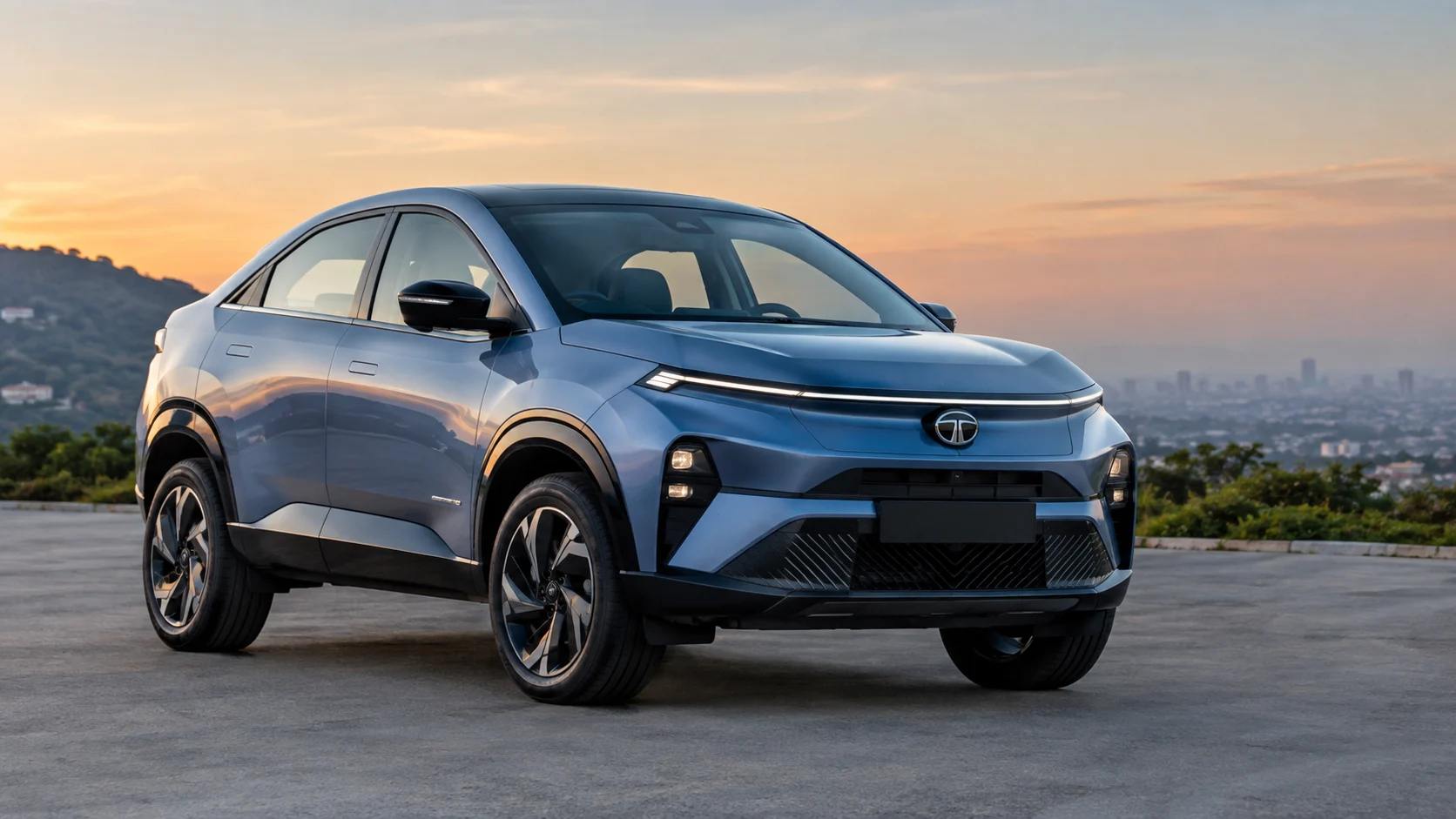
Hyundai IONIQ 3 vs Other Compact Electric Cars
The IONIQ 3 enters a competitive European electric-car segment.
Its combination of two battery options, a relatively large luggage compartment and a five-seat cabin gives it a different emphasis from EVs that prioritize either city driving or crossover styling.
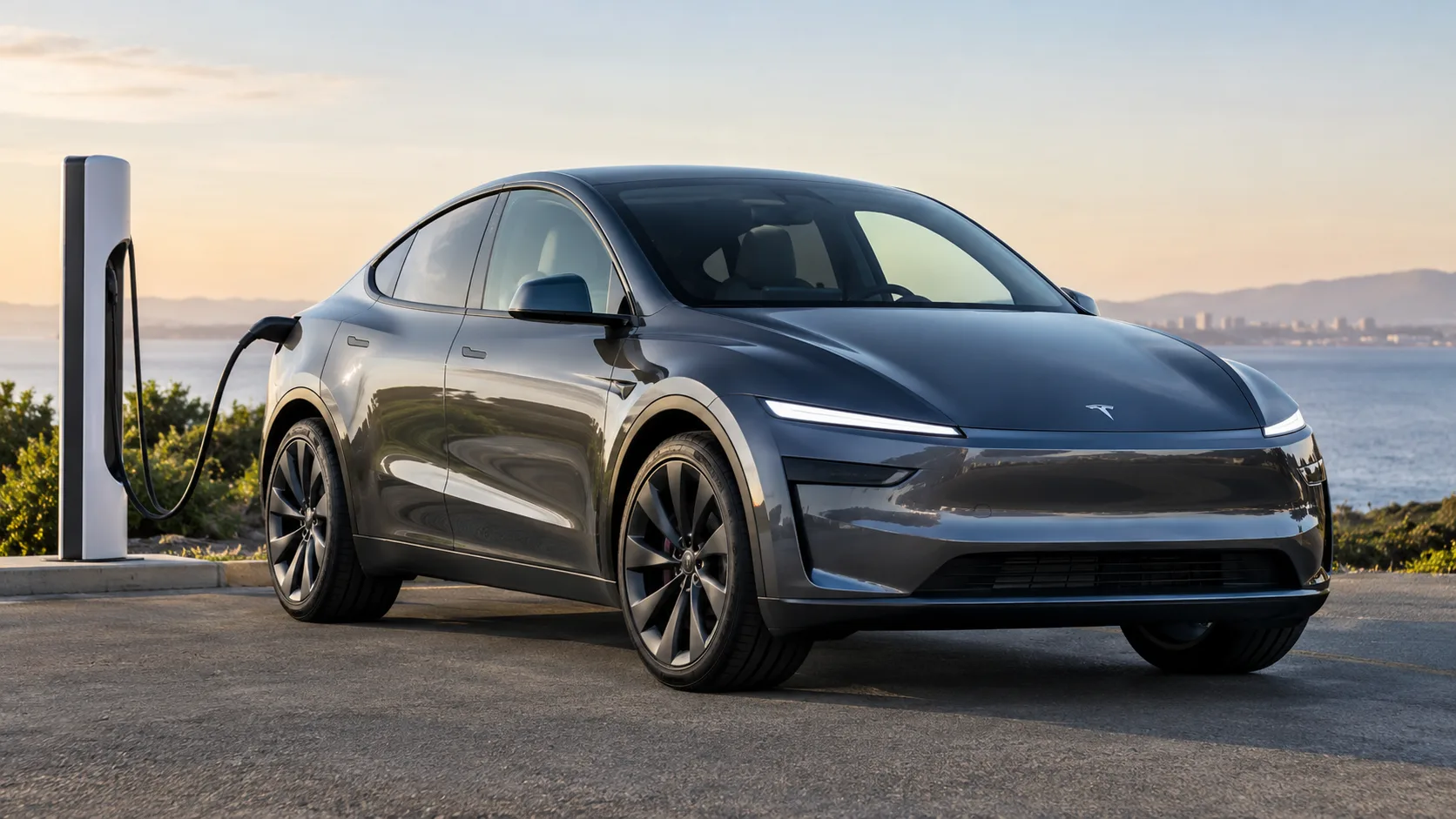
Potential alternatives for European buyers include the Kia EV2, Renault 5 E-Tech electric and Volkswagen ID.3.
However, buyers should compare versions available in the same country and use equivalent battery, price and range information.
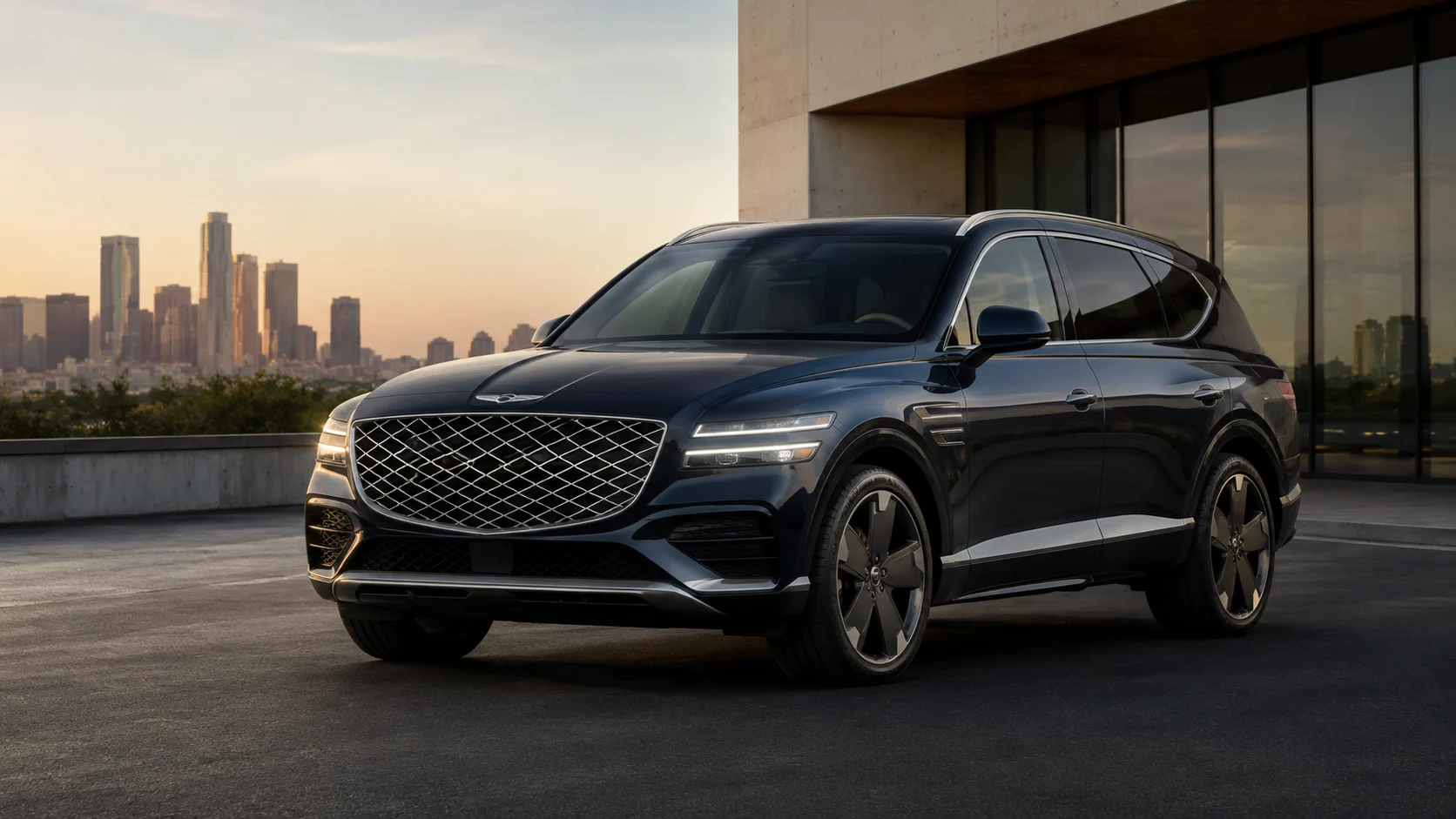

The IONIQ 3’s main points of differentiation are its 61 kWh Long Range battery, 497 km maximum WLTP range, 441-litre luggage capacity and Pleos Connect infotainment system.
What Buyers Should Know Before Choosing the IONIQ 3
The battery choice is probably the most important decision.
The Standard Range model should suit buyers who mainly drive shorter daily routes and have convenient access to charging.
The Long Range version makes more sense for drivers who travel frequently or want fewer charging stops.
There are also several other considerations:
- Check the official range for the selected wheel size.
- Confirm whether the optional 22 kW AC charger is included.
- Check local public charging compatibility.
- Compare the equipment of standard and N Line versions.
- Confirm which driver-assistance features are included.
- Check the local warranty and battery coverage.
- Consider the difference between WLTP figures and everyday driving range.
A buyer who mostly drives in urban areas may not need the larger battery. However, someone who regularly travels on motorways may value the additional range.
Final Thoughts
The Hyundai IONIQ 3 is an important addition to Hyundai’s European electric vehicle lineup because it combines compact exterior dimensions with a relatively spacious cabin and two battery options.
Its maximum 497 km WLTP range, 61 kWh Long Range battery and approximately 29-minute DC charging estimate make it a credible option for buyers looking for an electric hatchback that can handle more than short urban journeys.
The Standard Range version offers a different proposition, with a smaller 42.2 kWh LFP battery and lower purchase-cost positioning expected within the lineup.
The cabin also gives the vehicle a practical advantage. Five seats, a 441-litre luggage capacity, Megabox storage and the Pleos Connect infotainment system make it more than a basic city EV.
The main limitation for international buyers is availability. The confirmed product information is European-market focused, and specifications should not be assumed to apply to India, the United States or other regions.
For European buyers considering a compact electric car, the IONIQ 3 deserves attention for its balance of range, practicality and technology.
Frequently Asked Questions
1. What is the expected range of the 2027 Hyundai IONIQ 3?
The Hyundai IONIQ 3 Long Range has an official maximum WLTP range of up to 497 km. The Standard Range version offers up to 344 km.
2. What battery options are available in the Hyundai IONIQ 3?
The European model has a 42.2 kWh LFP battery for the Standard Range version and a 61 kWh lithium-ion battery for the Long Range version.
3. How long does the Hyundai IONIQ 3 take to charge?
Hyundai quotes approximately 29 minutes for a 10–80% DC charge using a compatible high-power charging station. Charging times vary depending on the charger and battery conditions.
4. Does the Hyundai IONIQ 3 support home charging?
Yes. It supports 11 kW AC charging, with an optional 22 kW onboard charger depending on configuration.
5. What is the top speed of the Hyundai IONIQ 3?
The published European technical specifications list a maximum speed of 170 km/h for the Standard Range and Long Range versions.
6. Is the Hyundai IONIQ 3 front-wheel drive?
Yes. The European IONIQ 3 uses a single front-mounted electric motor and front-wheel drive.
7. How much boot space does the Hyundai IONIQ 3 have?
The IONIQ 3 offers 441 litres of total luggage capacity, comprising 322 litres of main trunk space and 119 litres of Megabox storage.
8. Does the Hyundai IONIQ 3 have an N Line version?
Yes. Hyundai offers an N Line version with sportier styling and different equipment details. Its published specifications include the 61 kWh battery and front-wheel-drive electric motor.
9. When was the Hyundai IONIQ 3 launched?
Hyundai officially introduced the IONIQ 3 in April 2026 at Milan Design Week. Production began in Türkiye in August 2026.
10. What is the price of the Hyundai IONIQ 3?
Hyundai announced in October 2026 that European starting prices are below €30,000. Exact pricing varies by country and configuration.
11. Will the Hyundai IONIQ 3 launch in India?
A confirmed Indian launch date and India-specific specifications have not been established in the official information covered here.
12. Is the Hyundai IONIQ 3 a good electric car for long-distance driving?
The Long Range version’s maximum 497 km WLTP range and approximately 29-minute 10–80% DC charging estimate make it suitable for consideration as a longer-distance compact EV. Actual suitability depends on real-world range, charging infrastructure and individual driving requirements.